
षड्यंत्र सिद्धांत: क्या 300,000 किवी वास्तव में मानते हैं कि कनाडा म्यूट सुपर-रैकूनों की सेना बना रहा है?
Conspiracy theories: do 300,000 Kiwis really believe Canada is building an army of mutant super-raccoons?
Surveys may overestimate belief in conspiracy theories because of trolls and jokers – but genuine believers can still cause real-world harm.
सर्वेक्षण ट्रोल और जोकरों के कारण षड्यंत्र सिद्धांतों में विश्वास को बढ़ा-चढ़ाकर बता सकते हैं – लेकिन वास्तविक विश्वास करने वाले अभी भी वास्तविक दुनिया को नुकसान पहुंचा सकते हैं।
Four percent of Americans – roughly 12 million people – believe that “lizard people” secretly control the Earth. At least, that was the finding of an infamous 2013 public opinion survey.
अमेरिकी लोगों का चार प्रतिशत – लगभग 12 मिलियन लोग – मानते हैं कि “लizard people” गुप्त रूप से पृथ्वी को नियंत्रित करते हैं। कम से कम, यह एक कुख्यात 2013 जनमत सर्वेक्षण का निष्कर्ष था।
Do so many people really believe such outlandish claims? Or do results like these partly reflect people giving silly answers or deliberately skewing surveys for fun?
क्या इतने सारे लोग वास्तव में ऐसे सनकी दावे मानते हैं? या क्या ऐसे परिणाम आंशिक रूप से लोगों द्वारा मूर्खतापूर्ण उत्तर देने या मज़ाक के लिए सर्वेक्षणों को जानबूझकर विकृत करने को दर्शाते हैं?
US psychiatrist Alexander Scott believes the latter plays a significant role.
अमेरिकी मनोचिकित्सक अलेक्जेंडर स्कॉट का मानना है कि बाद वाला एक महत्वपूर्ण भूमिका निभाता है।
Using the survey as an example, he coined the term “the Lizardman constant” to describe the idea that a certain amount of noise and trolling will always exist in surveys about unusual beliefs.
सर्वेक्षण का उदाहरण देते हुए, उन्होंने असामान्य विश्वासों के बारे में सर्वेक्षणों में एक निश्चित मात्रा में शोर और ट्रोलिंग हमेशा मौजूद रहेगी इस विचार का वर्णन करने के लिए “द लिजार्डमैन कांस्टेंट” शब्द गढ़ा।
As Scott warned: “Any possible source of noise – jokesters, cognitive biases, or deliberate misbehaviour – can easily overwhelm the signal.”
जैसा कि स्कॉट ने चेतावनी दी: “शोर का कोई भी संभावित स्रोत – मज़ाक करने वाले, संज्ञानात्मक पूर्वाग्रह, या जानबूझकर गलत व्यवहार – आसानी से संकेत को अभिभूत कर सकता है।”
As researchers who study uncommon beliefs such as conspiracy theories, we wanted to investigate how this kind of cheeky trolling can muddy the waters.
हम उन असामान्य विश्वासों जैसे कि षड्यंत्र सिद्धांतों का अध्ययन करने वाले शोधकर्ता होने के नाते, हम यह जांचना चाहते थे कि इस तरह की चुलबुली ट्रोलिंग पानी को कैसे गंदा कर सकती है।
Trolls and true believers
ट्रोल और सच्चे विश्वासी
Building on earlier Australian research, we surveyed New Zealanders to test how common dishonest or joking responses were in conspiracy theory surveys.
पहले के ऑस्ट्रेलियाई शोध पर आधारित, हमने यह जांचने के लिए न्यूजीलैंडवासियों का सर्वेक्षण किया कि षड्यंत्र सिद्धांतों के सर्वेक्षणों में कितने बेईमान या मज़ाक भरे उत्तर आम थे।
We did this in two ways. First, we directly asked people a yes/no question at the end of the survey:
हमने यह दो तरीकों से किया। सबसे पहले, हमने सर्वेक्षण के अंत में लोगों से सीधे हाँ/नहीं का प्रश्न पूछा:
“Did you respond insincerely at any earlier point in this survey? In other words, did you give any responses that were actually just joking, trolling, or otherwise not indicating what you really think?”
“क्या आपने इस सर्वेक्षण में किसी भी पिछली बिंदु पर बेईमान उत्तर दिया? दूसरे शब्दों में, क्या आपने कोई ऐसे उत्तर दिए जो वास्तव में केवल मज़ाक, ट्रोलिंग, या अन्यथा यह संकेत नहीं देते कि आप वास्तव में क्या सोचते हैं?”
Second, we included in the survey a “conspiracy theory” so ridiculous we could assume most, if not all, people who said they believed it were taking the mickey.
दूसरे, हमने सर्वेक्षण में एक “षड्यंत्र सिद्धांत” शामिल किया जो इतना हास्यास्पद था कि हम यह मान सकते थे कि जो लोग इसे मानते थे, उनमें से अधिकांश, यदि सभी नहीं, मज़ाक कर रहे थे।
We asked them if they believed:
हमने उनसे पूछा कि क्या वे मानते थे:
The Canadian Armed Forces have been secretly developing an elite army of genetically engineered, super intelligent, giant raccoons to invade nearby countries.
कनाडाई सशस्त्र बल ने पास के देशों पर आक्रमण करने के लिए आनुवंशिक रूप से इंजीनियर, अति बुद्धिमान, विशाल रैकूनों की एक कुलीन सेना को गुप्त रूप से विकसित किया है।
In our representative online sample of 810 New Zealanders, 8.3% of respondents confessed to being insincere in the survey.
810 न्यूजीलैंडवासियों के हमारे प्रतिनिधि ऑनलाइन नमूने में, उत्तरदाताओं में से 8.3% ने सर्वेक्षण में बेईमान होने की बात कबूल की।
Another 7.2% said they thought the Canadian raccoon army theory was probably or definitely true. That proportion – similar to findings from Australia – would equate to more than 300,000 adult New Zealanders.
अन्य 7.2% ने कहा कि उनका मानना है कि कनाडाई रैकून सेना का सिद्धांत शायद या निश्चित रूप से सच है। यह अनुपात – ऑस्ट्रेलिया से प्राप्त निष्कर्षों के समान – 300,000 से अधिक वयस्क न्यूजीलैंडवासियों के बराबर होगा।
To complicate things slightly, there was some overlap between those admitting to insincere answers and those claiming to believe the raccoon conspiracy. Combined, 13.3% of respondents fell into one or both groups – roughly one in eight people not appearing to take the survey seriously.
मामलों को थोड़ा और जटिल बनाने के लिए, बेईमान उत्तर देने वालों और रैकून षड्यंत्र में विश्वास करने वालों के बीच कुछ अतिव्यापन था। संयुक्त रूप से, उत्तरदाताओं का 13.3% एक या दोनों समूहों में आते थे – लगभग आठ में से एक लोग सर्वेक्षण को गंभीरता से नहीं ले रहे थे।
Importantly, these respondents were also much more likely to endorse other conspiracy theories, inflating estimates of how widespread those beliefs really are.
महत्वपूर्ण रूप से, इन उत्तरदाताओं में अन्य षड्यंत्र सिद्धांतों का समर्थन करने की अधिक संभावना थी, जिससे उन विश्वासों की व्यापकता के अनुमानों में वृद्धि हुई।
For instance, 6.5% of the full sample endorsed the claim that governments around the world are covering up the fact that 5G mobile networks spread coronavirus.
उदाहरण के लिए, पूरे नमूने के 6.5% ने इस दावे का समर्थन किया कि दुनिया भर की सरकारें इस तथ्य को छिपा रही हैं कि 5G मोबाइल नेटवर्क कोरोनावायरस फैलाते हैं।
But once we removed the insincere responders, that figure dropped by more than half to 2.7%.
लेकिन एक बार जब हमने बेईमान उत्तरदाताओं को हटा दिया, तो वह आंकड़ा आधे से अधिक घटकर 2.7% रह गया।
Across 13 different conspiracy theories, the estimated proportion of believers fell substantially once those respondents were excluded.
13 विभिन्न षड्यंत्र सिद्धांतों में, उन उत्तरदाताओं को बाहर करने के बाद विश्वासियों का अनुमानित अनुपात काफी कम हो गया।
Another interesting insight from our study was that people endorsing contradictory conspiracy theories were much more likely to show signs of responding insincerely.
हमारे अध्ययन से एक और दिलचस्प जानकारी यह थी कि विरोधाभासी षड्यंत्र सिद्धांतों का समर्थन करने वाले लोग बेईमान उत्तर देने के संकेत दिखाने की अधिक संभावना रखते थे।
Previous studies have found some people appear to believe conspiracy theories that directly contradict each other. In our survey, for example, some participants agreed both that COVID-19 is a myth and that governments are covering up the fact that 5G networks spread the virus.
पिछले अध्ययनों ने पाया है कि कुछ लोग ऐसे षड्यंत्र सिद्धांतों में विश्वास करते हैं जो सीधे एक दूसरे का खंडन करते हैं। उदाहरण के लिए, हमारे सर्वेक्षण में, कुछ प्रतिभागियों ने यह दोनों मान लिया कि COVID-19 एक मिथक है और सरकारें इस तथ्य को छिपा रही हैं कि 5G नेटवर्क वायरस फैलाते हैं।
But nearly three-quarters of those respondents also showed signs of joking or dishonest answers.
लेकिन उन उत्तरदाताओं में से लगभग तीन-चौथाई ने मज़ाक या बेईमान उत्तर देने के संकेत भी दिखाए।
This suggests genuinely believing contradictory conspiracy theories may be less common than previously thought.
यह बताता है कि विरोधाभासी षड्यंत्र सिद्धांतों को वास्तव में मानना पहले की तुलना में कम आम हो सकता है।
Not every conspiracy believer is joking
हर षड्यंत्र के विश्वास करने वाला व्यक्ति मज़ाक नहीं कर रहा है
Our findings add further weight to the idea that surveys may overestimate how many people truly believe some conspiracy theories – thanks, in part, to trolls.
हमारे निष्कर्ष इस विचार को और अधिक बल देते हैं कि सर्वेक्षण कितने लोग वास्तव में कुछ षड्यंत्र सिद्धांतों में विश्वास करते हैं, इसका अधिक अनुमान लगाते हैं – इसका एक हिस्सा ट्रोलों के कारण।
But does that mean all conspiracy theory research is bunk?
लेकिन क्या इसका मतलब यह है कि सभी षड्यंत्र सिद्धांत अनुसंधान बेकार है?
Fortunately not. Most research in this area is not focused on counting conspiracy believers, but on understanding why people hold these beliefs and what effects they can have.
सौभाग्य से नहीं। इस क्षेत्र में अधिकांश शोध षड्यंत्र के विश्वासियों की गिनती पर केंद्रित नहीं है, बल्कि यह समझने पर केंद्रित है कि लोग इन विश्वासों को क्यों रखते हैं और उनके क्या प्रभाव हो सकते हैं।
We tested several well-established findings from earlier conspiracy theory research to see whether they still held up once insincere respondents were removed from the data.
हमने यह देखने के लिए पिछली षड्यंत्र सिद्धांत अनुसंधान से कई सुस्थापित निष्कर्षों का परीक्षण किया कि क्या वे डेटा से असincere उत्तरदाताओं को हटाने के बाद भी कायम रहे।
For example, previous studies have found that people who endorse conspiracy theories are more likely to see the world as a dangerous and threatening place.
उदाहरण के लिए, पिछले अध्ययनों ने पाया है कि जो लोग षड्यंत्र सिद्धांतों का समर्थन करते हैं वे दुनिया को एक खतरनाक और धमकी भरी जगह के रूप में देखने की अधिक संभावना रखते हैं।
We found the same pattern. In fact, removing insincere respondents made little difference to the broader relationships identified in earlier research.
हमने वही पैटर्न पाया। वास्तव में, असincere उत्तरदाताओं को हटाने से पिछली शोध में पहचानी गई व्यापक संबंधों पर बहुत कम अंतर पड़ा।
Nevertheless, we recommend that future surveys include ways to gauge whether respondents are answering sincerely and account for this in the analysis. At the very least, researchers should acknowledge that trolls and joking responses can distort their results.
फिर भी, हम अनुशंसा करते हैं कि भविष्य के सर्वेक्षणों में यह मापने के तरीके शामिल किए जाने चाहिए कि उत्तरदाता ईमानदारी से उत्तर दे रहे हैं या नहीं और विश्लेषण में इसे ध्यान में रखा जाना चाहिए। कम से कम, शोधकर्ताओं को यह स्वीकार करना चाहिए कि ट्रोल और मज़ाकिया प्रतिक्रियाएँ उनके परिणामों को विकृत कर सकती हैं।
While our research suggests some people are taking the mickey in surveys, it also shows a significant minority genuinely appear to believe some of these claims.
जबकि हमारे शोध से पता चलता है कि कुछ लोग सर्वेक्षणों में मज़ाक उड़ा रहे हैं, यह यह भी दिखाता है कि एक महत्वपूर्ण अल्पसंख्यक वास्तव में इन दावों में से कुछ में विश्वास करते हुए प्रतीत होते हैं।
In some cases – such as believing authorities are covering up the fact that the Earth is flat – this may be relatively harmless. But other conspiracy beliefs can lead to real-world harm.
कुछ मामलों में – जैसे कि यह विश्वास करना कि अधिकारी यह तथ्य छिपा रहे हैं कि पृथ्वी चपटी है – यह अपेक्षाकृत हानिरहित हो सकता है। लेकिन अन्य षड्यंत्र विश्वास वास्तविक दुनिया को नुकसान पहुंचा सकते हैं।
Good-quality research is essential for understanding how sincere believers end up down these rabbit holes, and how those beliefs influence real-world behaviour.
ईमानदार विश्वास करने वाले लोग इन खरगोश के बिलों में कैसे पहुँचते हैं, और वे विश्वास वास्तविक दुनिया के व्यवहार को कैसे प्रभावित करते हैं, इसे समझने के लिए अच्छी गुणवत्ता वाला शोध आवश्यक है।
Research into why people embrace conspiracy theories – and the real-world consequences of those beliefs – remains important.
लोगों द्वारा षड्यंत्र सिद्धांतों को अपनाने के कारणों – और उन विश्वासों के वास्तविक दुनिया के परिणामों – पर शोध महत्वपूर्ण बना हुआ है।
But when surveys suggest millions may believe in lizard overlords or genetically engineered raccoon armies, it is also worth remembering the “Lizardman constant”: some respondents may simply be having us on.
लेकिन जब सर्वेक्षणों से पता चलता है कि लाखों लोग छिपकलियों के शासकों या आनुवंशिक रूप से इंजीनियर रैकून सेनाओं में विश्वास कर सकते हैं, तो “लिज़र्डमैन स्थिरांक” को याद रखना भी उचित है: कुछ उत्तरदाता बस हमें तंग कर रहे होंगे।
The authors acknowledge the contributions of Rob Ross, Mathew Ling and Stephen Hill to this article.
लेख में इस लेख में रॉब रॉस, मैथ्यू लिंग और स्टीफन हिल के योगदान को स्वीकार किया गया है।
John Kerr is supported by a Royal Society Te Apārangi Mana Tūānuku Research Leader Fellowship.
जॉन केर को रॉयल सोसाइटी ते अपांगि मना तुआनुकु अनुसंधान नेता फेलोशिप द्वारा समर्थित किया गया है।
This research was supported by the Marsden Fund Council from Government funding, managed by Royal Society Te Apārangi.
यह शोध सरकार से वित्त पोषण, जिसे रॉयल सोसाइटी ते अपांगि द्वारा प्रबंधित किया गया है, मार्स्डेन फंड काउंसिल से समर्थित था।
Mathew Marques does not work for, consult, own shares in or receive funding from any company or organisation that would benefit from this article, and has disclosed no relevant affiliations beyond their academic appointment.
मैथ्यू मार्क्से किसी भी ऐसी कंपनी या संगठन के लिए काम नहीं करते हैं, परामर्श नहीं करते हैं, शेयर नहीं रखते हैं या फंडिंग प्राप्त नहीं करते हैं जिससे इस लेख को लाभ हो, और उन्होंने अपने अकादमिक पद के अलावा कोई प्रासंगिक संबद्धता प्रकट नहीं की है।
Read more
-

शुक्रवार का लेख: ‘एक नरसंहार कैसे बेचें’ गाजा पर रिपोर्टिंग के दोहरे मानकों को उजागर करता है
Friday essay: How to Sell a Genocide exposes the double standards of reporting on Gaza
-
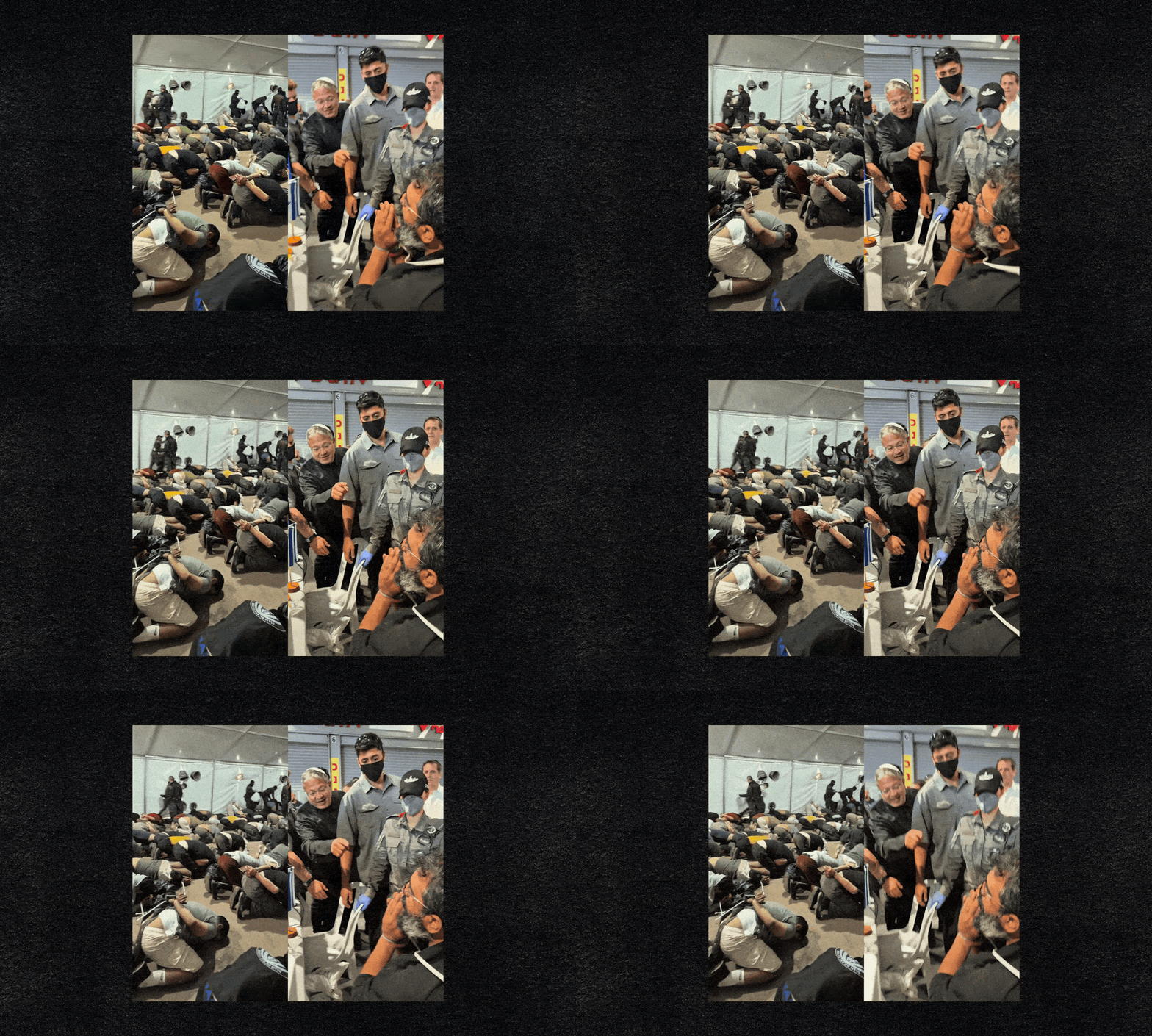
सशस्त्र संघर्ष में नागरिकों का उपहास करना और उन्हें अपमानित करना अंतर्राष्ट्रीय कानून का स्पष्ट उल्लंघन है।
Taunting and degrading civilians in armed conflict is a clear violation of international law