वैज्ञानिकों ने सबसे खराब जलवायु परिदृश्य को खारिज कर दिया है – क्योंकि कार्रवाई अंतर ला रही है
Scientists have scrapped the worst-case climate scenario – because action is making a difference
Removing the worst-case climate future for Earth isn’t failed science, as climate sceptic Donald Trump claims. It’s a sign climate action has made a difference.
जलवायु संशयवादी डोनाल्ड ट्रम्प के दावे के अनुसार, पृथ्वी के लिए सबसे खराब जलवायु भविष्य को हटाना विफल विज्ञान नहीं है। यह इस बात का संकेत है कि जलवायु कार्रवाई ने अंतर ला दिया है।
When major new climate change scenarios are released, there’s always strong interest. These scenarios lay out what our future climate will look like, depending on how fast we act to cut emissions.
जब प्रमुख नए जलवायु परिवर्तन परिदृश्य जारी किए जाते हैं, तो हमेशा बहुत अधिक रुचि होती है। ये परिदृश्य बताते हैं कि हमारे भविष्य का जलवायु कैसा दिखेगा, यह इस बात पर निर्भर करता है कि हम उत्सर्जन को कम करने के लिए कितनी तेजी से कार्य करते हैं।
But what was surprising about the seven new scenarios announced last week was that United States President Donald Trump took an interest.
लेकिन पिछले सप्ताह घोषित सात नए परिदृश्यों के बारे में जो बात आश्चर्यजनक थी, वह यह थी कि संयुक्त राज्य अमेरिका के राष्ट्रपति डोनाल्ड ट्रम्प ने इसमें रुचि ली।
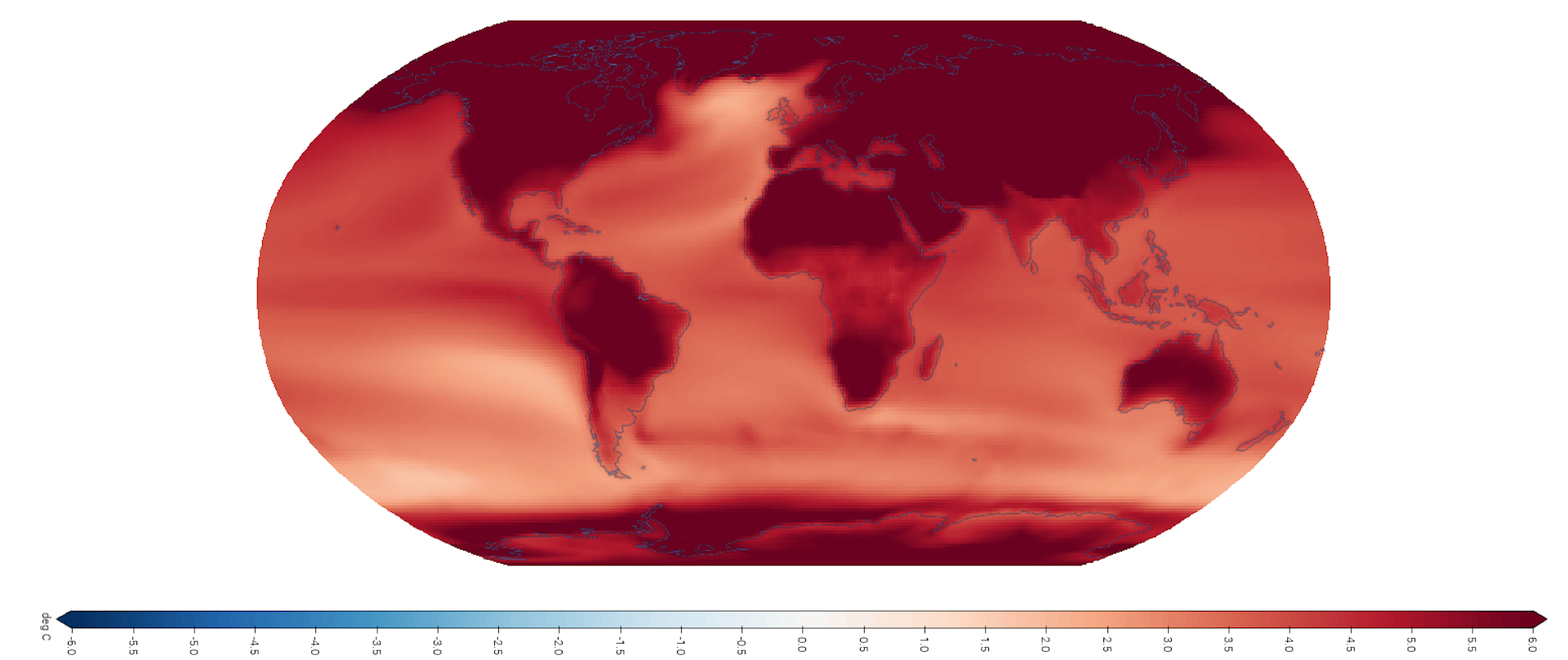
Why? Because a high-emissions scenario – known as RCP8.5 and its successor SSP5-8.5 – had been removed. Under these worst-case scenarios, nations would make no effort to cut emissions and expand fossil fuel use. By 2100, carbon dioxide levels would almost triple, to 1,135 parts per million and the world would be around 4.5°C hotter than the pre-industrial period.
क्यों? क्योंकि एक उच्च-उत्सर्जन परिदृश्य – जिसे आरसीपी8.5 और इसके उत्तराधिकारी एसएसपी5-8.5 के रूप में जाना जाता है – हटा दिया गया था। इन सबसे खराब स्थिति वाले परिदृश्यों के तहत, राष्ट्र उत्सर्जन को कम करने और जीवाश्म ईंधन के उपयोग का विस्तार करने का कोई प्रयास नहीं करते। 2100 तक, कार्बन डाइऑक्साइड का स्तर लगभग तीन गुना हो जाएगा, 1,135 पार्ट्स प्रति मिलियन तक, और दुनिया पूर्व-औद्योगिक काल की तुलना में लगभग 4.5°C गर्म होगी।
The climate scientists responsible for laying out the range of possible futures removed the RCP8.5 scenarios for a very good reason. Although often slow and incomplete, our efforts to tackle climate change have made a tangible difference. We have averted the worst climate future once thought possible.
जलवायु वैज्ञानिकों ने, जो संभावित भविष्य की सीमा निर्धारित करने के लिए जिम्मेदार हैं, आरसीपी8.5 परिदृश्यों को एक बहुत अच्छे कारण से हटा दिया। हालांकि अक्सर धीमे और अधूरे, जलवायु परिवर्तन से निपटने के हमारे प्रयासों ने एक मूर्त अंतर पैदा किया है। हमने सबसे खराब जलवायु भविष्य को टाल दिया जो कभी संभव माना जाता था।
The job is far from done. Emissions are at record highs and global warming is speeding up.
काम अभी बहुत दूर है। उत्सर्जन रिकॉर्ड ऊंचाइयों पर है और ग्लोबल वार्मिंग तेज हो रही है।
But the removal of this high-emissions scenario isn’t, as Trump and other climate sceptics have claimed, a sign of failed modelling, or that climate change was a hoax. It’s a sign the expansion of solar, wind, electric vehicles and batteries have slowed emissions growth.
लेकिन इस उच्च-उत्सर्जन परिदृश्य को हटाना, जैसा कि ट्रम्प और अन्य जलवायु संशयवादियों ने दावा किया है, विफल मॉडलिंग का संकेत नहीं है, या यह कि जलवायु परिवर्तन एक धोखा था। यह एक संकेत है कि सौर, पवन, इलेक्ट्रिक वाहनों और बैटरियों के विस्तार ने उत्सर्जन वृद्धि को धीमा कर दिया है।
How are these scenarios made?
ये परिदृश्य कैसे बनाए जाते हैं?
Many climate impacts are becoming evident after about 1.4°C of warming – the level we’re roughly at now.
लगभग 1.4°C की गर्मी के बाद कई जलवायु प्रभाव स्पष्ट हो रहे हैं – जो वर्तमान में हमारे पास का स्तर है।
Because this period of extremely rapid climate change is due to human activities, it means we also have the opportunity to shape the future.
क्योंकि जलवायु परिवर्तन की यह अत्यंत तीव्र अवधि मानवीय गतिविधियों के कारण है, इसका मतलब है कि हमारे पास भविष्य को आकार देने का अवसर भी है।
What will this look like? Will the world keep heating up, or will rapid action cut emissions and bring warming to a halt? The answer will make a big difference to the future humanity faces.
यह कैसा दिखेगा? क्या दुनिया गर्म होती रहेगी, या क्या त्वरित कार्रवाई उत्सर्जन को कम करके गर्मी को रोक देगी? इसका उत्तर मानवता के भविष्य के लिए बहुत बड़ा बदलाव लाएगा।
Predicting anything is difficult. But a group of scientists has created scenarios representing a range of possible climate futures.
किसी भी चीज़ की भविष्यवाणी करना कठिन है। लेकिन वैज्ञानिकों के एक समूह ने संभावित जलवायु भविष्य की एक श्रृंखला का प्रतिनिधित्व करने वाले परिदृश्य बनाए हैं।
Because the future is not set, scientists lay out a range of possible pathways for our future greenhouse gas emissions. They base them on what’s happened so far and what might happen in politics and technology over coming decades.
क्योंकि भविष्य निश्चित नहीं है, वैज्ञानिक हमारे भविष्य के ग्रीनहाउस गैस उत्सर्जन के लिए संभावित मार्गों की एक श्रृंखला प्रस्तुत करते हैं। वे इन्हें अब तक जो हुआ है और आने वाले दशकों में राजनीति और प्रौद्योगिकी में क्या हो सकता है, उसके आधार पर बनाते हैं।
Then they select the emissions pathways deemed most plausible and then sample a range of different futures which are more or less optimistic about our fossil fuel use.
फिर वे सबसे संभावित माने जाने वाले उत्सर्जन मार्गों का चयन करते हैं और फिर विभिन्न प्रकार के भविष्य का नमूना लेते हैं जो हमारे जीवाश्म ईंधन के उपयोग के बारे में अधिक या कम आशावादी हैं।
Scientific groups around the world then model these scenarios in depth using different climate models to ensure there’s a large amount of data available at global, regional and local levels.
इसके बाद दुनिया भर के वैज्ञानिक समूह वैश्विक, क्षेत्रीय और स्थानीय स्तर पर बड़ी मात्रा में डेटा उपलब्ध कराने के लिए विभिन्न जलवायु मॉडल का उपयोग करके इन परिदृश्यों को गहराई से मॉडल करते हैं।
These scenarios aren’t ranked by how likely they are. All are considered to be plausible futures. The huge range of temperature outcomes – approaching 2°C between the most and least optimistic scenarios by 2100 – points to how much of the future is in our hands.
इन परिदृश्यों को उनकी संभावना के आधार पर रैंक नहीं किया गया है। सभी को संभावित भविष्य माना जाता है। तापमान के परिणामों की विशाल श्रृंखला – 2100 तक सबसे और सबसे कम आशावादी परिदृश्यों के बीच 2°C के करीब – इस बात की ओर इशारा करती है कि भविष्य का कितना हिस्सा हमारे हाथों में है।
Why the fuss about RCP8.5?
RCP8.5 को लेकर इतना हंगामा क्यों?
The two previous releases included two closely related scenarios – RCP8.5 and SSP5-8.5 respectively.
पिछले दो संस्करणों में दो निकट संबंधी परिदृश्य शामिल थे – क्रमशः RCP8.5 और SSP5-8.5।
Here, “8.5” refers to radiative forcing – the level of extra heat (in watts) trapped per square metre by 2100.
यहाँ, “8.5” रेडिएटिव फ़ोर्सिंग (विकिरण बल) को संदर्भित करता है – जो 2100 तक प्रति वर्ग मीटर में फँसी अतिरिक्त गर्मी (वाट में) का स्तर है।
In these worst-case scenarios, the world sharply boosts fossil fuel use. Unsurprisingly, this leads to very high amounts of global warming. Scientists have long argued over whether this was plausible in the first place.
इन सबसे खराब स्थिति वाले परिदृश्यों में, दुनिया जीवाश्म ईंधन के उपयोग को तेज़ी से बढ़ाती है। आश्चर्य की बात नहीं कि, यह वैश्विक तापन की बहुत अधिक मात्रा की ओर ले जाता है। वैज्ञानिकों ने लंबे समय से बहस की है कि क्या यह शुरू में ही संभव था।
None of the new scenarios are as pessimistic as RCP8.5/SSP5-8.5. The worst possible scenario now envisions high emissions leading to warming of around 3.5°C by 2100. That would still be very, very bad.
नए परिदृश्यों में से कोई भी RCP8.5/SSP5-8.5 जितना निराशावादी नहीं है। सबसे खराब संभावित परिदृश्य अब उच्च उत्सर्जन की कल्पना करता है, जिससे 2100 तक लगभग 3.5°C तक गर्मी बढ़ेगी। वह अभी भी बहुत, बहुत बुरा होगा।
Sceptics acting in bad faith
भरोसे के बिना कार्य करने वाले संशयवादी
Climate sceptics leapt on the removal of RCP8.5 as a sign the projections were wrong. These attacks were not made in good faith, but to cast doubt on climate science.
जलवायु संशयवादियों ने आरसीपी८.५ को हटाने को यह संकेत बताते हुए उछल पड़े कि अनुमान गलत थे। ये हमले सद्भावना में नहीं किए गए थे, बल्कि जलवायु विज्ञान पर संदेह पैदा करने के लिए किए गए थे।
A clear eyed assessment is that RCP8.5 was removed because climate action is starting to work.
एक स्पष्ट मूल्यांकन यह है कि आरसीपी८.५ को इसलिए हटाया गया क्योंकि जलवायु कार्रवाई काम करना शुरू कर रही है।
But while the worst outcome has been averted, we have also missed the window for the best future climate.
लेकिन जबकि सबसे बुरा परिणाम टल गया है, हमने सर्वोत्तम भविष्य के जलवायु के लिए खिड़की भी खो दी है।
The new scenarios have no pathway as optimistic as the lowest emissions scenario from the last round of major climate projections. That scenario – SSP1-1.9 – envisaged strong climate action and rapid cuts to emissions, leading to global warming peaking at around 1.5°C.
नए परिदृश्यों में पिछले प्रमुख जलवायु अनुमानों के सबसे कम उत्सर्जन वाले परिदृश्य जितना आशावादी कोई रास्ता नहीं है। वह परिदृश्य – एसएसपी१-१.९ – मजबूत जलवायु कार्रवाई और उत्सर्जन में तेजी से कटौती की कल्पना करता था, जिससे वैश्विक तापमान वृद्धि लगभग १.५°C पर चरम पर पहुँचती।
Because global emissions haven’t yet begun to fall, the most optimistic new pathway would lead to warming peaking at about 1.9°C.
चूंकि वैश्विक उत्सर्जन अभी तक कम होना शुरू नहीं हुआ है, इसलिए सबसे आशावादी नया मार्ग लगभग १.९°C पर तापमान वृद्धि के चरम पर पहुँचने का कारण बनेगा।
While we will definitely now pass 1.5°C, the hope is to only temporarily overshoot that level of warming while working to draw carbon dioxide back out of the atmosphere to get back to 1.5°C.
हालांकि हम निश्चित रूप से अब १.५°C पार करेंगे, उम्मीद यह है कि १.५°C पर वापस आने के लिए वातावरण से कार्बन डाइऑक्साइड को बाहर निकालने के प्रयास के दौरान हम केवल अस्थायी रूप से उस स्तर से अधिक तापमान वृद्धि करेंगे।
Our current emissions trajectory is somewhere in the middle – below the high emissions path but well above the most optimistic scenario. Based on current policies and countries’ actions, we’re looking at around 2.6°C warming by 2100.
हमारे वर्तमान उत्सर्जन प्रक्षेपवक्र (trajectory) कहीं बीच में है – उच्च उत्सर्जन पथ से नीचे लेकिन सबसे आशावादी परिदृश्य से काफी ऊपर। वर्तमान नीतियों और देशों की कार्रवाइयों के आधार पर, हम २१०० तक लगभग २.६°C की तापमान वृद्धि देख रहे हैं।
You might wonder why we need to keep redoing these climate scenarios.
आप सोच सकते हैं कि हमें ये जलवायु परिदृश्य बार-बार क्यों करने की आवश्यकता है।
One reason: facts change on the ground. Solar keeps rolling out far faster than expected, but fracking has opened up large new fossil fuel deposits. Political shifts make climate action more or less likely.
एक कारण: ज़मीनी हकीकत बदलती है। सौर ऊर्जा उम्मीद से कहीं अधिक तेज़ी से फैल रही है, लेकिन फ्रैकिंग ने बड़े नए जीवाश्म ईंधन भंडार खोल दिए हैं। राजनीतिक बदलाव जलवायु कार्रवाई को अधिक या कम संभावित बनाते हैं।
Another is because our climate models are continually improving. The better the models get, the more accurate and detailed our projections of sea level rise and other climate impacts can be.
एक और कारण यह है कि हमारे जलवायु मॉडल लगातार बेहतर हो रहे हैं। मॉडल जितने बेहतर होते हैं, समुद्र के स्तर में वृद्धि और अन्य जलवायु प्रभावों के हमारे अनुमान उतने ही सटीक और विस्तृत हो सकते हैं।
Yes, this is progress
हाँ, यह प्रगति है
Taking RCP8.5 off the table is a sign of progress – we’ve avoided the worst-case scenario. But we have also missed the best case future.
RCP8.5 को मेज से हटाना प्रगति का संकेत है – हमने सबसे खराब स्थिति से बच लिया है। लेकिन हमने सबसे अच्छे भविष्य को भी खो दिया है।
The next five years could play out in many different ways, leading to better or worse future climates. We must understand and prepare for what we’re facing – and double down on our efforts to create the best future possible.
अगले पाँच साल कई अलग-अलग तरीकों से गुज़र सकते हैं, जिससे बेहतर या बदतर भविष्य का जलवायु हो सकता है। हमें यह समझना और तैयारी करनी होगी कि हम किस चीज़ का सामना कर रहे हैं – और सर्वोत्तम संभव भविष्य बनाने के लिए अपने प्रयासों को दोगुना करना होगा।
Andrew King receives funding from the Australian Research Council and the National Environmental Science Program.
एंड्रयू किंग को ऑस्ट्रेलियन रिसर्च काउंसिल और नेशनल एनवायर्नमेंटल साइंस प्रोग्राम से फंडिंग मिलती है।
Read more
-
अमेरिकी सुप्रीम कोर्ट अपने मामले कैसे तय करता है – एक चरण-दर-चरण मार्गदर्शिका
How the US Supreme Court decides its cases – a step-by-step guide
-
हॉर्मुज़ जलडमरूमध्य से जहाजों को फिर से गुज़रने के लिए क्या करना होगा?
What will it take to get ships going through the Strait of Hormuz again?