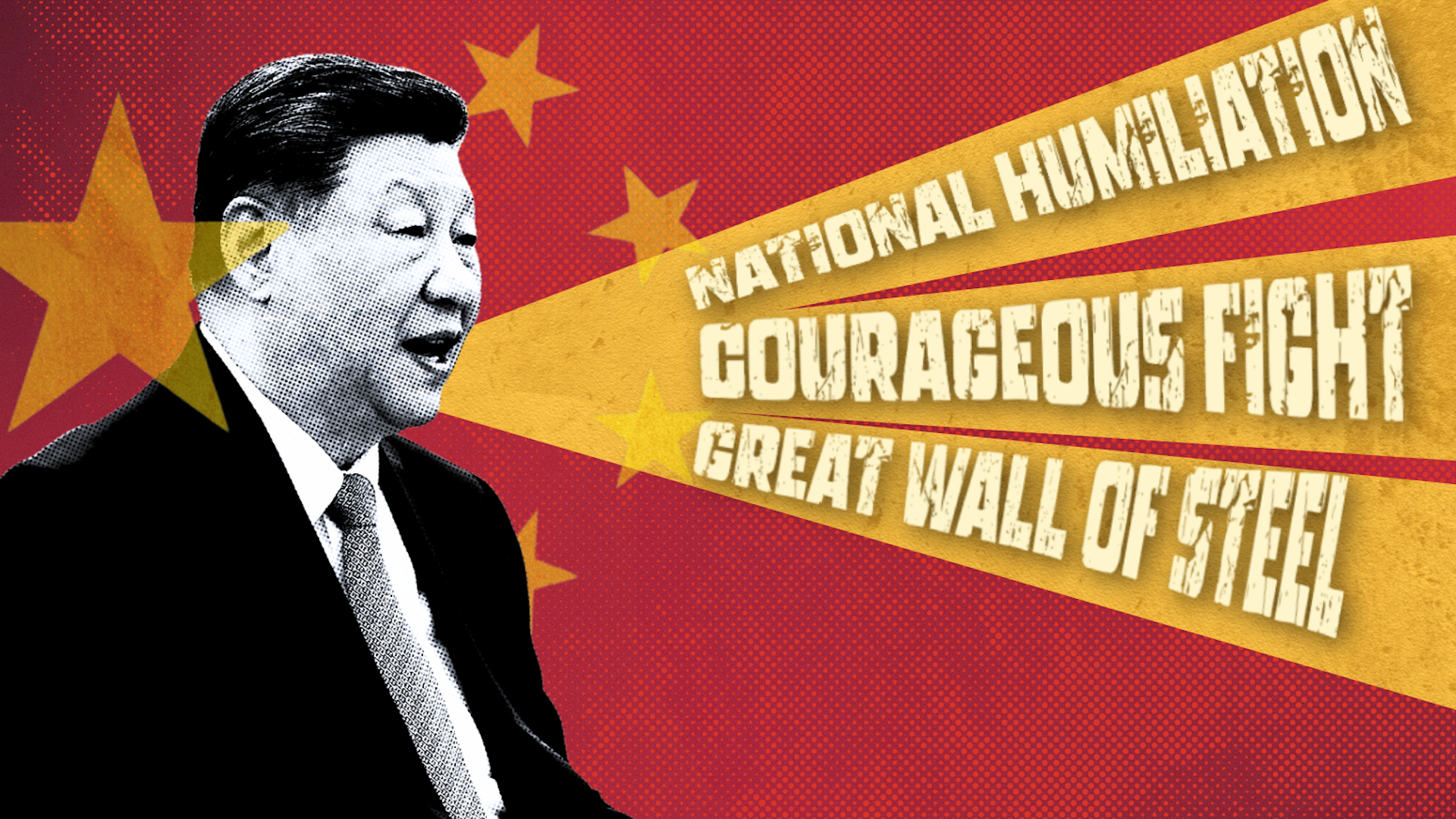
प्रेम, खोज, रोमांच: शी जिनपिंग के भाषणों और चीन की महारणनीति के पीछे की कहानी
Love, quest, adventure: the storytelling behind Xi Jinping’s speeches and China’s grand strategy
My new research offers a new way to understand China’s grand strategy through plot devices and overarching narratives.
मेरा नया शोध कथानक उपकरणों और समग्र आख्यानों के माध्यम से चीन की बड़ी रणनीति को समझने का एक नया तरीका प्रदान करता है।
For many in the West, China still feels hard to fully understand. Public debate and media coverage too often focus on the “China threat”. Critics highlight the flaws of China’s political system and limits on freedom, yet China has still managed to rise as a major power that can now compete with the United States.
पश्चिमी दुनिया के कई लोगों के लिए, चीन को अभी भी पूरी तरह से समझना कठिन लगता है। सार्वजनिक बहस और मीडिया कवरेज अक्सर “चीन के खतरे” पर केंद्रित रहते हैं। आलोचक चीन की राजनीतिक व्यवस्था की खामियों और स्वतंत्रता पर लगे प्रतिबंधों को उजागर करते हैं, फिर भी चीन एक प्रमुख शक्ति के रूप में उभरने में सफल रहा है जो अब संयुक्त राज्य अमेरिका के साथ प्रतिस्पर्धा कर सकती है।
One reason for this gap in understanding is that the media often interprets China through a Western-centric perspective.
समझ में इस अंतर का एक कारण यह है कि मीडिया अक्सर चीन की व्याख्या एक पश्चिमी-केंद्रित दृष्टिकोण से करता है।
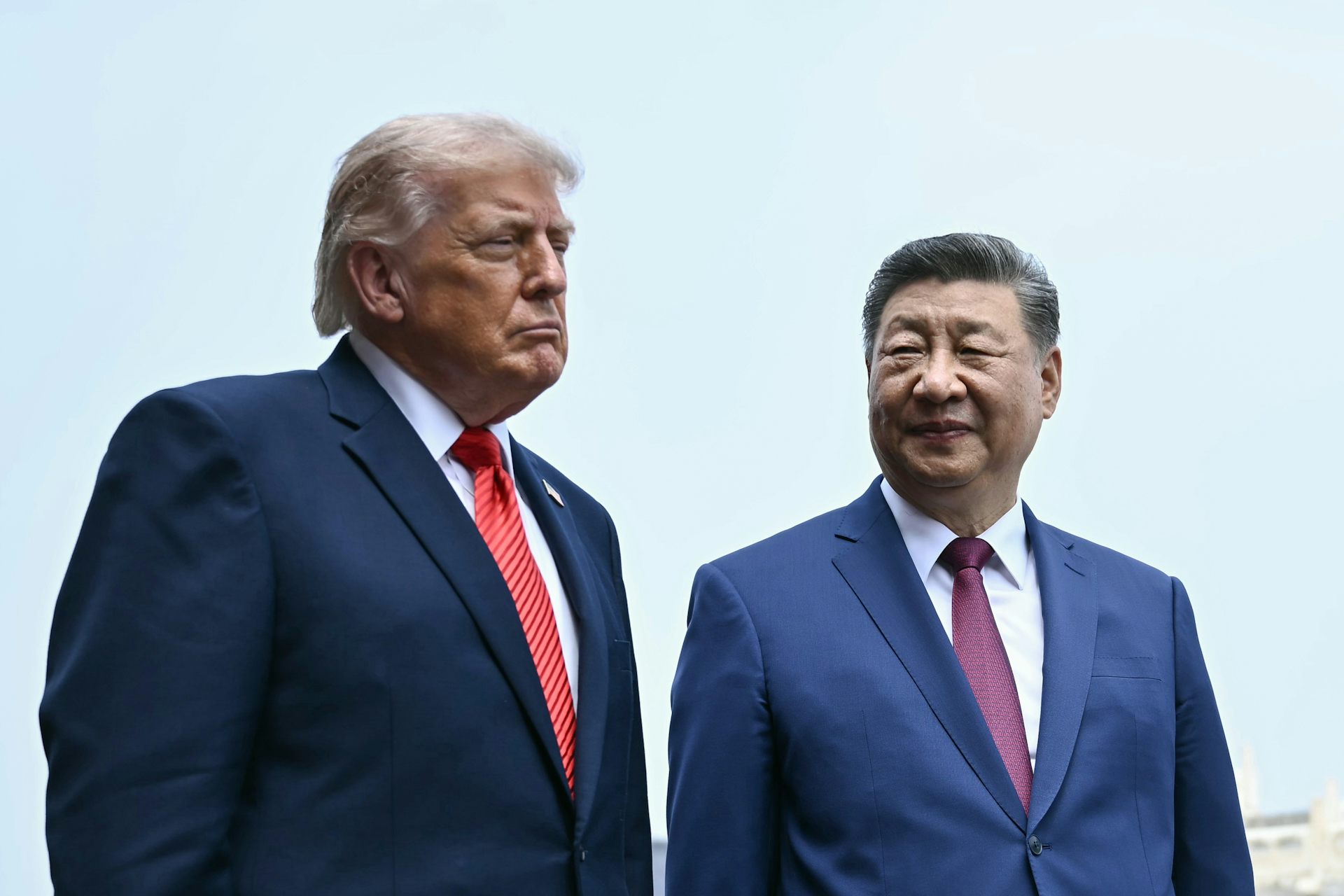
US President Donald Trump’s summit with Chinese leader Xi Jinping this week, for instance, will be analysed in the West very differently from the way it will be seen in China. Xi’s language will be parsed and scrutinised for couched messages, veiled threats and hidden meanings.
उदाहरण के लिए, इस सप्ताह अमेरिकी राष्ट्रपति डोनाल्ड ट्रम्प और चीनी नेता शी जिनपिंग के बीच शिखर सम्मेलन का विश्लेषण पश्चिम में उस तरह से किया जाएगा जिस तरह से यह चीन में देखा जाएगा, उससे बहुत अलग होगा। शी की भाषा का विश्लेषण किया जाएगा और उसमें छिपे संदेशों, परदे के पीछे के खतरों और गुप्त अर्थों की गहन जांच की जाएगी।
But analysts may be missing some of the tools China uses to explain and justify its actions.
लेकिन विश्लेषक चीन द्वारा अपने कार्यों की व्याख्या और औचित्य सिद्ध करने के लिए उपयोग किए जाने वाले कुछ उपकरणों को याद कर रहे होंगे।
My co-authored new research offers a new way to look at China’s grand strategy: by analysing the way the government uses storytelling. My research partners and I are part of a growing group of scholars looking at how geopolitics is becoming a contest of narratives – how states tell stories about themselves and each other.
मेरा सह-लेखन किया गया नया शोध चीन की महान रणनीति को देखने का एक नया तरीका प्रदान करता है: सरकार द्वारा कहानी कहने के तरीके का विश्लेषण करके। मेरे शोध भागीदार और मैं विद्वानों के एक बढ़ते समूह का हिस्सा हैं जो देख रहे हैं कि भू-राजनीति कैसे आख्यानों (narratives) की एक प्रतिस्पर्धा बन रही है – कि राज्य अपने और एक-दूसरे के बारे में कहानियाँ कैसे बताते हैं।
To do this, we studied four major speeches by Xi from 2021–23. We read them as stories and dissected the narratives – as well as the characters and language – to better understand the meaning behind the words.
ऐसा करने के लिए, हमने 2021-23 के दौरान शी के चार प्रमुख भाषणों का अध्ययन किया। हमने उन्हें कहानियों के रूप में पढ़ा और आख्यानों – साथ ही पात्रों और भाषा – का विच्छेदन किया ताकि शब्दों के पीछे के अर्थ को बेहतर ढंग से समझा जा सके।
Why narrative in politics matters
राजनीति में नैरेटिव (कथा) क्यों मायने रखता है
The use of political narratives by leaders is not new.
नेताओं द्वारा राजनीतिक नैरेटिव का उपयोग कोई नई बात नहीं है।
In ancient Athens and Rome, politicians relied on strong public rhetoric to persuade people. Aristotle described three key elements of persuasion in rhetoric: logic (logos) , emotional appeal (pathos) , and the speaker’s credibility (ethos) .
प्राचीन एथेंस और रोम में, राजनेताओं ने लोगों को मनाने के लिए मजबूत सार्वजनिक बयानबाजी (rhetoric) पर भरोसा किया। अरस्तू ने बयानबाजी में मनाने के तीन प्रमुख तत्वों का वर्णन किया: तर्क (logos) , भावनात्मक अपील (pathos) , और वक्ता की विश्वसनीयता (ethos) ।
Modern theorists like Kenneth Burke argue rhetoric creates a sense of shared purpose between leaders and the public, but it can also create division between groups.
केनेथ बर्क जैसे आधुनिक सिद्धांतकार तर्क देते हैं कि बयानबाजी नेताओं और जनता के बीच साझा उद्देश्य की भावना पैदा करती है, लेकिन यह समूहों के बीच विभाजन भी पैदा कर सकती है।
And communications scholar Michael Kent identifies 20 master “plots” that have been used by storytellers for thousands of years to craft effective narratives. These include: quest, adventure, pursuit, transformation, revenge, sacrifice, discovery and of course love.
और संचार विद्वान माइकल केंट 20 मास्टर “प्लॉट” की पहचान करते हैं जिनका उपयोग कहानीकारों ने हजारों वर्षों से प्रभावी नैरेटिव बनाने के लिए किया है। इनमें शामिल हैं: खोज (quest) , रोमांच (adventure) , पीछा (pursuit) , परिवर्तन (transformation) , बदला (revenge) , बलिदान (sacrifice) , खोज (discovery) और निश्चित रूप से प्रेम (love) ।
My research partners and I used these plot devices to analyse Xi’s speeches to see how he communicates – and tells stories – about China’s strategies.
मेरे शोध भागीदार और मैंने ये प्लॉट डिवाइसों का उपयोग शी जिनपिंग के भाषणों का विश्लेषण करने के लिए किया ताकि यह देखा जा सके कि वह चीन की रणनीतियों के बारे में कैसे संवाद करते हैं – और कहानियाँ सुनाते हैं।
The plot devices in Xi’s speeches
शी जिनपिंग के भाषणों में कथानक के उपकरण
We found several master plots that consistently shape China’s official stories:
हमने कई मुख्य कथानक खोजे हैं जो लगातार चीन की आधिकारिक कहानियों को आकार देते हैं:
Adventure
साहसिक कार्य (Adventure)
In the Chinese Communist Party’s 100th anniversary speech in 2021, Xi said:
2021 में चीनी कम्युनिस्ट पार्टी के 100वें वर्षगांठ के भाषण में, शी ने कहा:
To save the nation from peril, the Chinese people put up a courageous fight. As noble-minded patriots sought to pull the nation together.
राष्ट्र को संकट से बचाने के लिए, चीनी लोगों ने एक साहसी लड़ाई लड़ी। जैसे कि नेक दिल देशभक्त राष्ट्र को एक साथ लाने की कोशिश कर रहे थे।
This storyline frames China as a nation on a long journey towards strength and prosperity, marked by setbacks and breakthroughs. This is seen as a type of political adventure. This narrative also appeals to shared memories in China of hardship and endurance.
यह कहानी चीन को एक ऐसे राष्ट्र के रूप में चित्रित करती है जो संघर्षों और सफलताओं से चिह्नित, शक्ति और समृद्धि की लंबी यात्रा पर है। इसे एक प्रकार का राजनीतिक साहसिक कार्य माना जाता है। यह कथा चीन की कठिनाई और सहनशीलता की साझा यादों से भी अपील करती है।
Quest
खोज (Quest)
Xi’s speeches also described a quest – the nation’s striving towards a difficult goal, under the leadership of the Chinese Communist Party (CCP) .
शी के भाषणों में एक खोज का भी वर्णन किया गया है – चीनी कम्युनिस्ट पार्टी (CCP) के नेतृत्व में राष्ट्र का एक कठिन लक्ष्य की ओर प्रयास करना।
In Xi’s 20th Party Congress report in 2022, he said:
2022 में शी की 20वीं पार्टी कांग्रेस रिपोर्ट में, उन्होंने कहा:
There has never been an instruction manual or ready-made solution for the Chinese people and the Chinese nation to turn to […] as they moved on toward the bright future of rejuvenation.
चीनी लोगों और चीनी राष्ट्र के लिए कोई निर्देश पुस्तिका या तैयार समाधान कभी नहीं रहा […] क्योंकि वे कायाकल्प के उज्ज्वल भविष्य की ओर बढ़ रहे थे।
The message is intended to inspire unity, patriotism and pride among Chinese listeners.
यह संदेश चीनी श्रोताओं के बीच एकता, देशभक्ति और गर्व की भावना को प्रेरित करने के लिए है।
Transformation
रूपांतरण (Transformation)
In his 14th National People’s Congress speech in 2023, Xi said:
2023 में अपने 14वें राष्ट्रीय जन कांग्रेस के भाषण में, शी ने कहा:
The Chinese nation has achieved the great transformation from standing up and growing prosperous to becoming strong, and China’s national rejuvenation has become a historical inevitability.
चीनी राष्ट्र ने खड़े होने और समृद्ध होने से मजबूत बनने तक महान रूपांतरण हासिल किया है, और चीन का राष्ट्रीय कायाकल्प एक ऐतिहासिक अनिवार्यता बन गया है।
Transformation stories describe not just change, but growth and renewal. This narrative presents China’s rise as a natural evolution built on decades of reform and sacrifice.
रूपांतरण की कहानियाँ केवल बदलाव का नहीं, बल्कि विकास और नवीकरण का वर्णन करती हैं। यह कथा चीन के उदय को सुधार और बलिदान के दशकों पर निर्मित एक प्राकृतिक विकास के रूप में प्रस्तुत करती है।
Rivalry
प्रतिद्वंद्विता (Rivalry)
Rivalry stories tend to feature internal and external threats.
प्रतिद्वंद्विता की कहानियों में आंतरिक और बाहरी खतरों को दर्शाया जाता है।
In two of the speeches we studied, Xi refers to efforts by foreign powers to “blackmail, contain, blockade, and exert maximum pressure on China,” and recalls a past when foreign bullying caused “great suffering”.
हमारे द्वारा अध्ययन किए गए दो भाषणों में, शी ने विदेशी शक्तियों द्वारा “चीन को ब्लैकमेल करने, सीमित करने, नाकेबंदी करने और अधिकतम दबाव डालने” के प्रयासों का उल्लेख किया है, और एक ऐसे अतीत को याद किया है जब विदेशी दादागिरी के कारण “बहुत अधिक पीड़ा” हुई थी।
In the CCP’s 100th anniversary speech, Xi also said:
सीसीपी के 100वें वर्षगांठ के भाषण में, शी ने यह भी कहा:
Anyone who would attempt to do so will find themselves on a collision course with a great wall of steel forged by over 1.4 billion Chinese people.
जो कोई भी ऐसा करने का प्रयास करेगा, वह 1.4 अरब से अधिक चीनी लोगों द्वारा गढ़ा गए स्टील की एक महान दीवार से टकराएगा।
These storylines reinforce the idea that China must remain vigilant and united against outside pressure.
ये कथानक इस विचार को मजबूत करते हैं कि चीन को बाहरी दबाव के खिलाफ सतर्क और एकजुट रहना चाहिए।
Love
प्रेम (Love)
Xi doesn’t refer to a romantic-type of love story in his speeches; rather, he speaks of the dedication and loyalty of the Communist Party’s supporters.
शी ने अपने भाषणों में रोमांटिक प्रकार की प्रेम कहानी का उल्लेख नहीं किया है; बल्कि, वह कम्युनिस्ट पार्टी के समर्थकों के समर्पण और वफादारी की बात करते हैं।
In the 100th anniversary speech, for instance, Xi said:
उदाहरण के लिए, 100वें वर्षगांठ के भाषण में, शी ने कहा:
And I would like to express my heartfelt gratitude to people and friends from around the world who have shown friendship to the Chinese people and understanding and support for China’s endeavours in revolution, development and reform.
और मैं उन लोगों और दोस्तों के प्रति अपना हार्दिक आभार व्यक्त करना चाहता हूँ जो दुनिया भर से चीनी लोगों को मित्रता और चीन के क्रांति, विकास और सुधार में प्रयासों के लिए समझ और समर्थन दिखाते हैं।
How audiences see these messages
दर्शकों को ये संदेश कैसे दिखते हैं
The impact of this messaging is strong at home. It’s often reinforced through state media, cultural products and patriotic education to reach as wide an audience as possible.
इस संदेश का प्रभाव घर पर मजबूत है। इसे अक्सर राज्य मीडिया, सांस्कृतिक उत्पादों और देशभक्ति शिक्षा के माध्यम से मजबूत किया जाता है ताकि यथासंभव व्यापक दर्शकों तक पहुंचा जा सके।
The frequent contrast between past suffering and present strength encourages the public to see China as a peaceful but firm global actor.
अतीत के दुख और वर्तमान की शक्ति के बीच बार-बार का विरोधाभास जनता को चीन को एक शांतिपूर्ण लेकिन दृढ़ वैश्विक कर्ता के रूप में देखने के लिए प्रोत्साहित करता है।
For a foreign audience, this storytelling can help other countries interpret China’s actions and anticipate its responses.
विदेशी दर्शकों के लिए, यह कहानी सुनाना अन्य देशों को चीन की कार्रवाइयों की व्याख्या करने और उसकी प्रतिक्रियाओं का अनुमान लगाने में मदद कर सकता है।
For example, China’s narratives about past humiliation and the need to defend its sovereignty help explain its strong stance on Taiwan – and the Communist Party’s legitimacy on this issue in the eyes of the people.
उदाहरण के लिए, अतीत के अपमान और अपनी संप्रभुता की रक्षा की आवश्यकता के बारे में चीन के वृत्तांत ताइवान पर उसके मजबूत रुख – और इस मुद्दे पर लोगों की नज़रों में कम्युनिस्ट पार्टी की वैधता – को समझाने में मदद करते हैं।
But this does not mean a military conflict is inevitable. Any future military action over Taiwan would depend on a multitude of factors, including careful calculations of risk, China’s economic interdependence with the world, and the potentially catastrophic consequences for the region and its people.
लेकिन इसका मतलब यह नहीं है कि सैन्य संघर्ष अपरिहार्य है। ताइवान पर कोई भी भविष्य की सैन्य कार्रवाई कई कारकों पर निर्भर करेगी, जिसमें जोखिम के सावधानीपूर्वक आकलन, दुनिया के साथ चीन की आर्थिक निर्भरता, और क्षेत्र तथा इसके लोगों के लिए संभावित रूप से विनाशकारी परिणाम शामिल हैं।
This cannot be easily conveyed in storytelling, which is why we can’t rely on this device alone to explain China’s actions. But it does give us a window into leadership’s thinking – and in a political system like China’s, this is vital.
इसे कहानी सुनाने के माध्यम से आसानी से व्यक्त नहीं किया जा सकता, इसीलिए हम चीन की कार्रवाइयों को समझाने के लिए केवल इस उपकरण पर निर्भर नहीं रह सकते। लेकिन यह हमें नेतृत्व की सोच में एक झलक देता है – और चीन जैसी राजनीतिक व्यवस्था में, यह महत्वपूर्ण है।
The author would like to acknowledge her co-researchers on the project: Mitchell Hobbs of the University of Sydney (project lead) , and Zhao Alexandre Huang and Lucile Desmoulins of Gustave Eiffel University, France.
लेखिका परियोजना पर अपने सह-शोधकर्ताओं को स्वीकार करना चाहेंगी: सिडनी विश्वविद्यालय के मिशेल हॉब्स (परियोजना प्रमुख) , और फ्रांस के गुस्ताव एफिल विश्वविद्यालय के झाओ अलेक्जेंडर हुआंग और लूसिल डेस्मुलिन।
This piece is based on the author’s contribution to a research project funded by the Australia-France Social Science Collaborative Research Program from the Academy of Social Sciences in Australia.
यह लेख ऑस्ट्रेलिया में सोशल साइंसेज एकेडमी के ऑस्ट्रेलिया-फ्रांस सोशल साइंस कोलैबोरेटिव रिसर्च प्रोग्राम द्वारा वित्त पोषित एक शोध परियोजना में लेखिका के योगदान पर आधारित है।
Read more
-
एक अस्पष्ट शिखर सम्मेलन के बाद, चीन और अमेरिका फिर से मिलकर काम करना चाहते हैं। यह दुनिया के लिए अच्छा समाचार नहीं हो सकता।
After an opaque summit, China and the US want to work together again. That might not be good news for the world
-

द बैकरूम्स: कैसे एक किशोर की डरावनी यूट्यूब सीरीज़ साल की सबसे प्रतीक्षित हॉरर बनी
The Backrooms: how a teenager’s creepy YouTube series became the year’s most anticipated horror