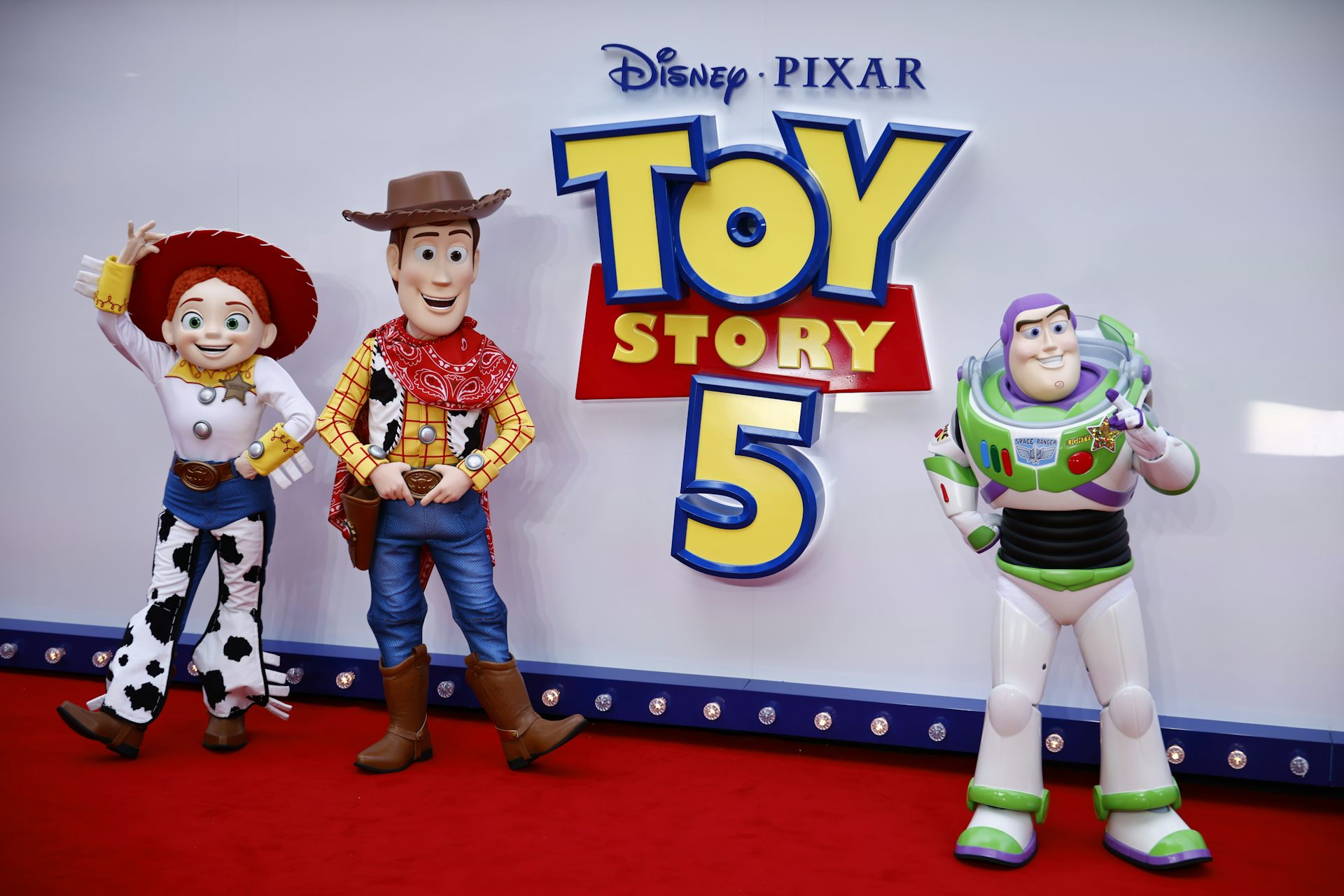
टॉय स्टोरी 5 पारंपरिक खिलौनों बनाम टैबलेट का टकराव दिखाता है। असल ज़िंदगी में, परिवार दोनों को मिला सकते हैं।
Toy Story 5 pits traditional toys vs a tablet. In real life, families can combine the two
The latest instalment of the film franchise addresses a dilemma many parents face: what happens to playtime when children become obsessed with screens?
फिल्म फ्रैंचाइज़ी का नवीनतम भाग एक दुविधा पर बात करता है जिसका सामना कई माता-पिता करते हैं: जब बच्चे स्क्रीन के आदी हो जाते हैं तो खेलने का समय क्या होता है?
Toy Story 5 will be released in cinemas this Thursday. The latest instalment of the film franchise addresses a dilemma many parents face: what happens to playtime when children become obsessed with screens?
टॉय स्टोरी 5 इस गुरुवार को सिनेमाघरों में रिलीज़ होगी। फिल्म फ्रैंचाइज़ी का यह नवीनतम भाग एक ऐसे दुविधा पर बात करता है जिसका सामना कई माता-पिता करते हैं: जब बच्चे स्क्रीन के आदी हो जाते हैं तो खेलने का समय क्या होता है?
The original Toy Story movie was released in 1995. The generation of viewers who grew up with toys Woody, Buzz and Jessie are now parents themselves.
मूल टॉय स्टोरी फिल्म 1995 में रिलीज़ हुई थी। वुडी, बज़ और जेस्सी जैसे खिलौनों के साथ बड़े हुए दर्शकों की यह पीढ़ी अब स्वयं माता-पिता बन चुकी है।
The latest film introduces a new character – Lilypad (a tablet) . Eight-year-old Bonnie becomes obsessed with Lilypad and screen time at the expense of her old toys. As Jessie laments, “I’m losing Bonnie to this device”.
नवीनतम फिल्म एक नए चरित्र – लिलीपैड (एक टैबलेट) का परिचय कराती है। आठ साल की बॉनी अपने पुराने खिलौनों की कीमत पर लिलीपैड और स्क्रीन टाइम की आदी हो जाती है। जेस्सी के दुख व्यक्त करने पर, “मैं बॉनी को इस डिवाइस को खो रही हूँ।”
I’m an early childhood researcher with a focus on both digital technology and play. While Toy Story 5 might seem like a cautionary tale, perhaps the time has passed for an either/or debate about technology in children’s lives.
मैं एक प्रारंभिक बचपन शोधकर्ता हूँ जिसका ध्यान डिजिटल तकनीक और खेल दोनों पर है। हालांकि टॉय स्टोरी 5 एक चेतावनी भरी कहानी लग सकती है, शायद बच्चों के जीवन में प्रौद्योगिकी को लेकर ‘या तो यह या वह’ बहस का समय बीत चुका है।
Technology is all around children, at both home and school and in communities. We need to find ways to combine the traditional with digital to create valuable play opportunities.
प्रौद्योगिकी बच्चों के आस-पास हर जगह है, घर और स्कूल दोनों में और समुदायों में भी। हमें मूल्यवान खेलने के अवसर बनाने के लिए पारंपरिक को डिजिटल के साथ जोड़ने के तरीके खोजने की ज़रूरत है।
This means we don’t have to think of play as “tech vs traditional” toys.
इसका मतलब है कि हमें खेल को “टेक बनाम पारंपरिक” खिलौनों के रूप में नहीं सोचना चाहिए।
Old school toys
पुराने ज़माने के खिलौने
When we think of toys we traditionally think of two kinds.
जब हम खिलौनों के बारे में सोचते हैं तो पारंपरिक रूप से हमें दो तरह के खिलौने याद आते हैं।
They can be self-created from found items at home or outside, such as sticks, rocks or a cardboard box.
ये घर या बाहर मिली चीज़ों जैसे कि लकड़ियाँ, पत्थर या गत्ते के डिब्बे से खुद बनाए जा सकते हैं।
Children can transform these ordinary items as they use their imaginations. This may be a stick that holds special powers, or a rock that becomes a pet. Or like a character introduced in Toy Story 4, Forky, who was made with a spork and googly eyes.
बच्चे अपनी कल्पना का उपयोग करके इन साधारण वस्तुओं को बदल सकते हैं। यह एक ऐसी छड़ी हो सकती है जिसमें विशेष शक्तियां हों, या एक ऐसा पत्थर जो पालतू जानवर बन जाए। या टॉय स्टोरी 4 में दिखाए गए फॉर्की की तरह, जिसे स्पॉर्क और गोगली आँखों से बनाया गया था।
Toys can also be items specifically intended to be a toy, such as a car, dolls, dress ups or blocks. These more “traditional” toys activate children’s physical engagement as they push, pull, build, and manipulate objects. They also help children pretend – for example, driving a car around a town play mat, or hosting a tea party. This helps them understand daily life.
खिलौने वे वस्तुएं भी हो सकती हैं जिन्हें विशेष रूप से खिलौना बनाने के लिए डिज़ाइन किया गया है, जैसे कार, गुड़िया, ड्रेस-अप या ब्लॉक। ये अधिक “पारंपरिक” खिलौने बच्चों को शारीरिक रूप से व्यस्त करते हैं क्योंकि वे वस्तुओं को धकेलते हैं, खींचते हैं, बनाते हैं और उनमें हेरफेर करते हैं। वे बच्चों को कल्पना करने में भी मदद करते हैं – उदाहरण के लिए, एक शहर वाले प्ले मैट पर कार चलाना, या चाय की पार्टी आयोजित करना। इससे उन्हें दैनिक जीवन को समझने में मदद मिलती है।
Children decide what the toy becomes, how it is used, the story that unfolds, and the problems that need solving.
बच्चे तय करते हैं कि खिलौना क्या बनेगा, इसका उपयोग कैसे किया जाएगा, कहानी क्या होगी, और किन समस्याओं को हल करने की ज़रूरत है।
But we know these kinds of toys are not the whole story in our modern world. The United Nations’ children’s agency UNICEF has advocated for all children to have access to safe, appropriate digital technologies so they are not left behind their peers in terms of skills, culture and development.
लेकिन हम जानते हैं कि आधुनिक दुनिया में ये तरह के खिलौने पूरी कहानी नहीं हैं। संयुक्त राष्ट्र की बाल एजेंसी यूनिसेफ ने वकालत की है कि सभी बच्चों को सुरक्षित, उपयुक्त डिजिटल तकनीकों तक पहुंच मिलनी चाहिए ताकि वे कौशल, संस्कृति और विकास के मामले में अपने साथियों से पीछे न रह जाएं।
iPads and other devices
आईपैड और अन्य उपकरण
Children have been exposed to digital toys since the arrival of computer games in the 1970s. Toy Story 2 even introduced the idea of video games. Buzz’s character could run, jump, use his wings to double-jump, spin and activate his wrist laser in his virtual battle of enemies.
बच्चों को 1970 के दशक में कंप्यूटर गेम्स के आगमन के बाद से ही डिजिटल खिलौनों के संपर्क में लाया गया है। टॉय स्टोरी 2 ने तो वीडियो गेम्स का विचार भी पेश किया था। बज़ का चरित्र दुश्मनों के साथ अपनी आभासी लड़ाई में दौड़ सकता था, कूद सकता था, डबल-जंप करने के लिए अपने पंखों का उपयोग कर सकता था, घूम सकता था और अपनी कलाई पर लेज़र सक्रिय कर सकता था।
But access become much more widespread with the rise of smartphones and tablets over the past 15 years. Children can use digital devices to play games, watch videos and programs and talk to each other. Some toys also mix both worlds – for example, a virtual pet that needs “feeding” and “daily care”.
लेकिन पिछले 15 वर्षों में स्मार्टफोन और टैबलेट्स के उदय के साथ पहुंच कहीं अधिक व्यापक हो गई है। बच्चे गेम खेलने, वीडियो और प्रोग्राम देखने और एक-दूसरे से बात करने के लिए डिजिटल उपकरणों का उपयोग कर सकते हैं। कुछ खिलौने इन दोनों दुनियाओं को मिलाते भी हैं – उदाहरण के लिए, एक आभासी पालतू जानवर जिसे “पोषण” और “दैनिक देखभाल” की आवश्यकता होती है।
This can potentially expand children’s play and enhance their social, storytelling and problem solving skills – depending on what they are playing.
यह संभावित रूप से बच्चों के खेल का विस्तार कर सकता है और उनके सामाजिक, कहानी कहने (storytelling) और समस्या समाधान कौशल को बढ़ा सकता है – यह इस बात पर निर्भर करता है कि वे क्या खेल रहे हैं।
But families will likely be familiar with potential risks around too much time on screens. These include possible impacts on physical, behavioural and mental health.
लेकिन परिवार स्क्रीन पर बहुत अधिक समय बिताने से जुड़े संभावित जोखिमों से परिचित होंगे। इनमें शारीरिक, व्यवहारिक और मानसिक स्वास्थ्य पर संभावित प्रभाव शामिल हैं।
A balanced approach
एक संतुलित दृष्टिकोण
It is important for children to have a range of play experiences. For example, time spent inside and outside, movement and quiet time, imaginative play and games with rules, solo play and play with others.
बच्चों के लिए विभिन्न प्रकार के खेल अनुभवों का होना महत्वपूर्ण है। उदाहरण के लिए, घर के अंदर और बाहर बिताया गया समय, शारीरिक गतिविधि और शांत समय, कल्पनाशील खेल और नियमों वाले खेल, अकेले खेलना और दूसरों के साथ खेलना।
Research shows children can move fluidly between digital and non-digital worlds and create a blended play universe.
शोध से पता चलता है कि बच्चे डिजिटल और गैर-डिजिटल दुनिया के बीच सहजता से बदलाव कर सकते हैं और एक मिश्रित खेल ब्रह्मांड का निर्माण कर सकते हैं।
We can also view tech and traditional toys in this way. It’s not a question of one or the other, but a balanced, thoughtful mix of the two.
हम तकनीक और पारंपरिक खिलौनों को भी इस तरह देख सकते हैं। यह एक या दूसरे का सवाल नहीं है, बल्कि दोनों का एक संतुलित, विचारशील मिश्रण है।
How can families handle toys and tech?
परिवार खिलौनों और तकनीक को कैसे संभाल सकते हैं?
There are three practical things families can do to support their child’s play across both traditional toys and their tech counterparts.
तीन व्यावहारिक चीज़ें हैं जो परिवार अपने बच्चे के खेल का समर्थन करने के लिए कर सकते हैं, चाहे वह पारंपरिक खिलौने हों या उनकी तकनीकी समकक्ष वस्तुएँ।
1. Use them in combination
1. उन्हें संयोजन में उपयोग करें
You can use a screen to extend other forms of play, rather than replace it.
आप स्क्रीन का उपयोग अन्य प्रकार के खेल को बदलने के बजाय उसे बढ़ाने के लिए कर सकते हैं।
For example, a child might be interested in a worm they notice in the garden and use an iPad or your smart phone to find out more about it. When they are looking up “backyard worms” they might discover other types of worms to try and find in the garden.
उदाहरण के लिए, एक बच्चा बगीचे में दिखाई देने वाले केंचुए में रुचि ले सकता है और इसके बारे में अधिक जानने के लिए आईपैड या अपने स्मार्टफोन का उपयोग कर सकता है। जब वे “पिछवाड़े के केंचुओं” को खोज रहे होते हैं, तो वे बगीचे में खोजने के लिए अन्य प्रकार के केंचुओं की खोज कर सकते हैं।
In this way, digital and non-digital toys can not only coexist, but strengthen each other.
इस तरह, डिजिटल और गैर-डिजिटल खिलौने न केवल सह-अस्तित्व में रह सकते हैं, बल्कि एक-दूसरे को मजबूत भी कर सकते हैं।
2. What type of game is being played?
2. किस प्रकार का खेल खेला जा रहा है?
Not all toys – digital or physical – are created equal. Well-designed digital toys and resources avoid overstimulation and encourage problem-solving, collaboration and storytelling.
सभी खिलौने – डिजिटल या भौतिक – समान नहीं होते। अच्छी तरह से डिज़ाइन किए गए डिजिटल खिलौने और संसाधन अत्यधिक उत्तेजना से बचते हैं और समस्या-समाधान, सहयोग और कहानी कहने को प्रोत्साहित करते हैं।
In Toy Story 5, Lilypad introduces Bonnie to online puzzles and games and virtual chat rooms. It is important to ensure children to play with toys that encourage their imagination rather than prescribing the play. We want children to be in control of their play and how they interact with their toys.
टॉय स्टोरी 5 में, लिलीपैड बॉनी को ऑनलाइन पहेलियों और खेलों और वर्चुअल चैट रूम्स से परिचित कराती है। यह सुनिश्चित करना महत्वपूर्ण है कि बच्चे ऐसे खिलौनों के साथ खेलें जो उनकी कल्पना को बढ़ावा दें न कि केवल खेलने का निर्देश दें। हम चाहते हैं कि बच्चे अपने खेल और अपने खिलौनों के साथ उनके संवाद पर नियंत्रण रखें।
One example could be children designing bridges using real Lego, with online help of a an engineer.
एक उदाहरण बच्चों द्वारा वास्तविक लेगो का उपयोग करके पुल डिज़ाइन करना हो सकता है, जिसमें एक इंजीनियर की ऑनलाइन मदद ली गई हो।
3. Keep it social
3. इसे सामाजिक बनाए रखें
Social interactions – with parents and caregivers, siblings and peers – are crucial for children. So, the benefits of play are enhanced when it involves conversations, working together and shared experiences.
सामाजिक मेलजोल – माता-पिता और देखभाल करने वालों, भाई-बहनों और साथियों के साथ – बच्चों के लिए महत्वपूर्ण हैं। इसलिए, खेल के लाभ तब बढ़ जाते हैं जब इसमें बातचीत, मिलकर काम करना और साझा अनुभव शामिल होते हैं।
Adults should look for invitations to join children’s play. Talk with children about what they are doing, get to know what they are interested in playing, and take time to explore playful opportunities.
वयस्कों को बच्चों के खेल में शामिल होने के निमंत्रण देखने चाहिए। बच्चों से बात करें कि वे क्या कर रहे हैं, जानें कि उन्हें किस चीज़ में खेलना पसंद है, और खेलने के अवसरों का पता लगाने के लिए समय निकालें।
Also look for opportunities to involve in-person interactions into digital play. For example, playing video games with family or friends to build real-life connections.
साथ ही व्यक्तिगत बातचीत को डिजिटल खेल में शामिल करने के अवसर भी देखें। उदाहरण के लिए, वास्तविक जीवन के संबंध बनाने के लिए परिवार या दोस्तों के साथ वीडियो गेम खेलना।
Lisa Kervin is affiliated with the ARC Centre of Excellence for the Digital Child and is a board member for Early Childhood Australia
लिसा केरविन एआरसी सेंटर ऑफ एक्सीलेंस फॉर द डिजिटल चाइल्ड से जुड़ी हैं और अर्ली चाइल्डहुड ऑस्ट्रेलिया की बोर्ड सदस्य हैं।
Read more
-

‘द यिप्स’: जब खेल में ‘चोकिंग’ अगले स्तर तक पहुँच जाती है
The yips: when ‘choking’ in sport can go next level
-
आज की अंतरिक्ष दौड़ घातक साबित हो सकती है यदि हम नए नियमों पर सहमत नहीं होते हैं।
Today’s space race could turn fatal if we don’t agree on new rules