
क्लासिक्स पर मार्गदर्शिका: सिग्मंड फ्रायड की ‘द इंटरप्रिटेशन ऑफ ड्रीम्स’ ने हमें मनोविश्लेषण दिया।
Guide to the classics: Sigmund Freud’s The Interpretation of Dreams gave us psychoanalysis
Sigmund Freud’s 800-page book on dreams introduced a new way of thinking about the mind that reverberated through the 20th century.
सिग्मंड फ्रायड की सपनों पर लिखी 800 पन्नों की किताब ने मन के बारे में सोचने का एक नया तरीका पेश किया, जिसका प्रभाव बीसवीं शताब्दी तक गूंजा।
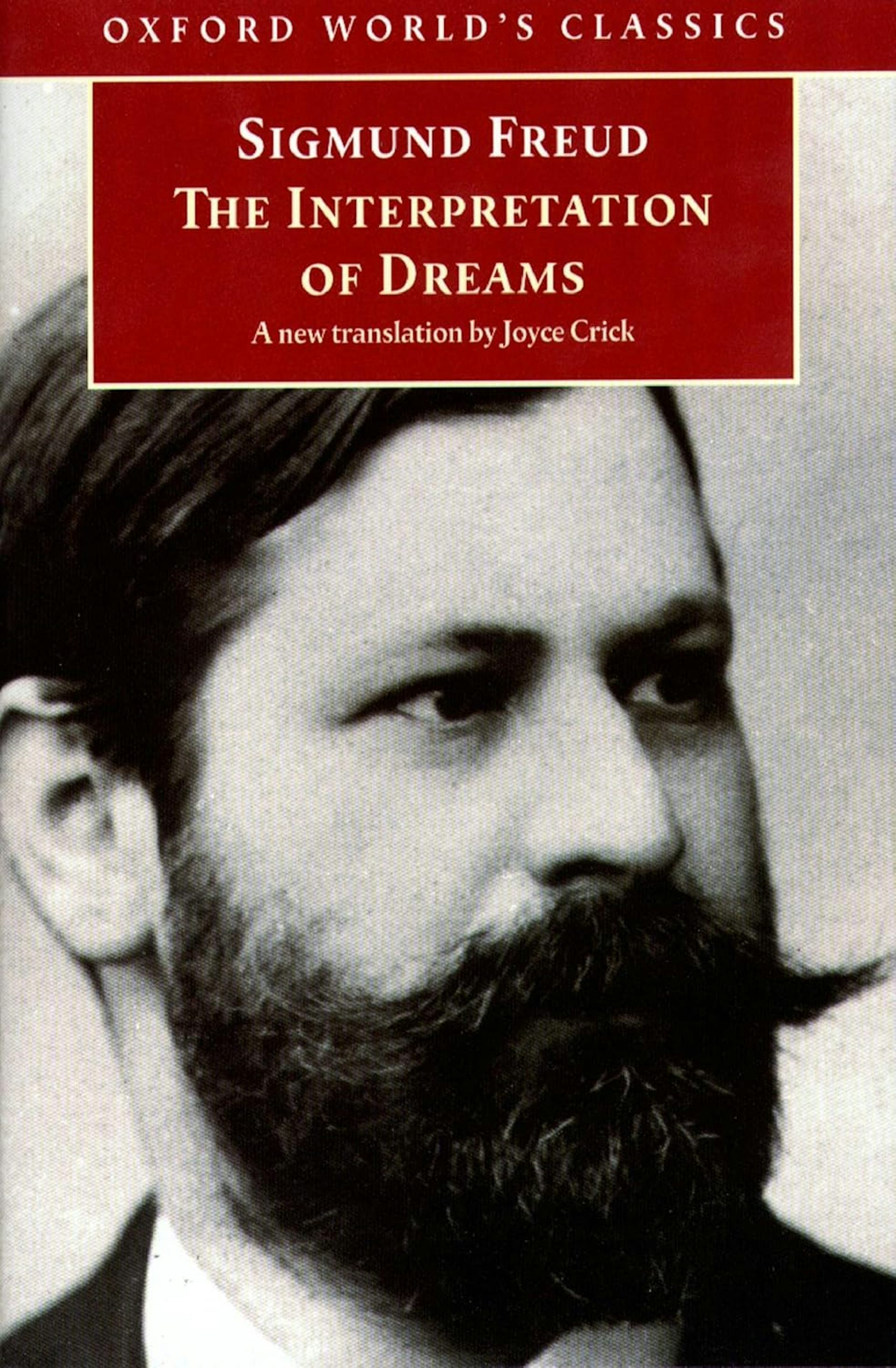
Sigmund Freud published The Interpretation of Dreams late in 1899. It has outsized importance among his writings, as arguably the founding document of psychoanalysis. In his own estimation, the book contains “the most valuable of all the discoveries it has been my good fortune to make”.
सिग्मंड फ्रायड ने ‘द इंटरप्रिटेशन ऑफ ड्रीम्स’ (The Interpretation of Dreams) को 1899 के अंत में प्रकाशित किया था। यह उनके लेखन में अत्यधिक महत्वपूर्ण है, क्योंकि इसे मनोविश्लेषण का संस्थापक दस्तावेज़ माना जाता है। अपने अनुमान में, किताब में “सभी खोजों में सबसे मूल्यवान” सामग्री है जो मेरे लिए सौभाग्य की बात रही है।
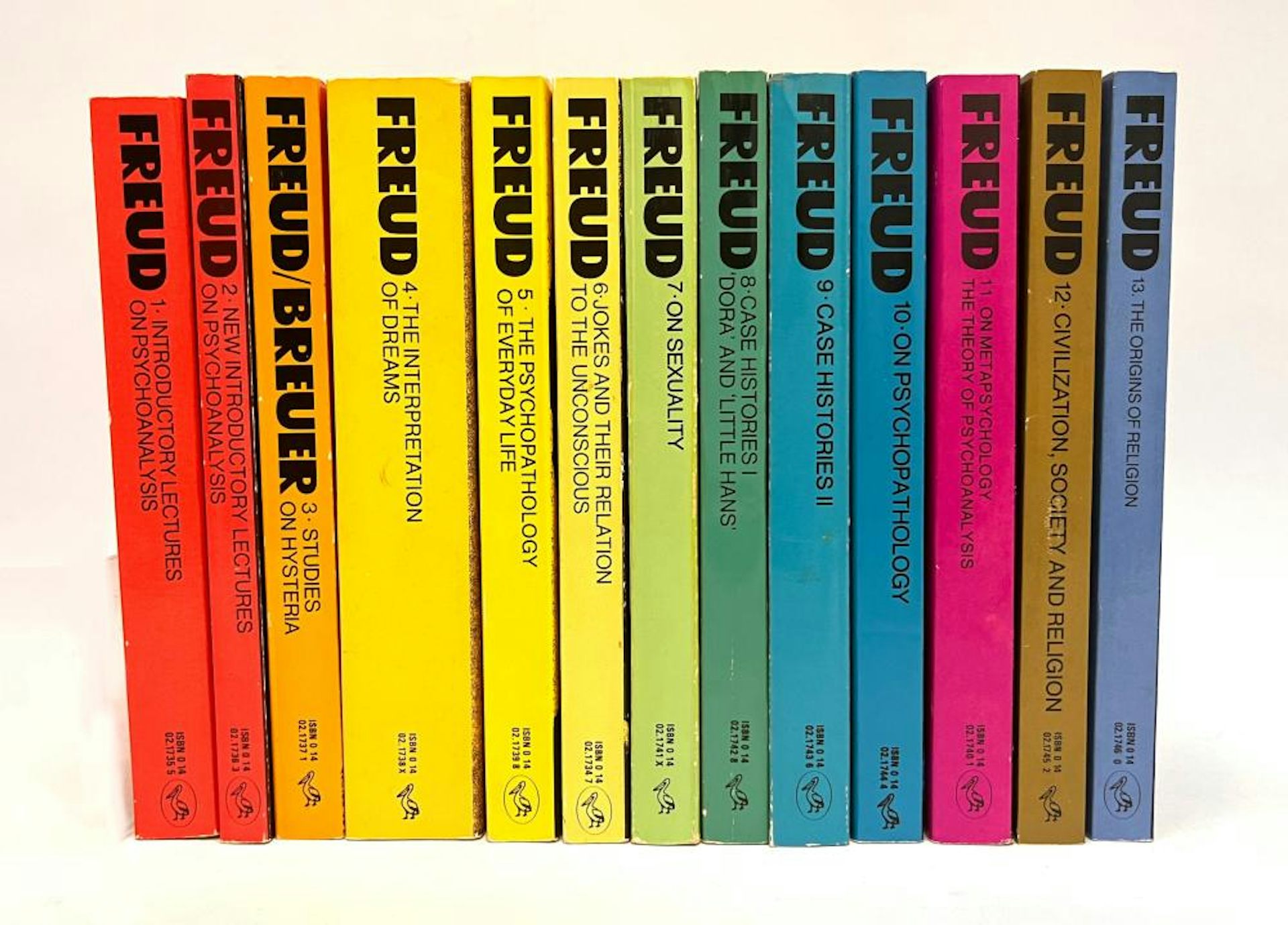
When I first became interested in psychoanalysis, the Pelican Freud Library was the mother lode. Launched in 1973, this first English-language paperback edition of Freud’s major writings was intended for a general readership. Its colourful covers brightened many a student’s bookshelf.
जब मैं पहली बार मनोविश्लेषण में रुचि लेने लगा, तो पेलिकन फ्रायड लाइब्रेरी (Pelican Freud Library) एक खजाना थी। 1973 में लॉन्च किया गया, फ्रायड के प्रमुख लेखन का यह पहला अंग्रेजी-भाषा पेपरबैक संस्करण सामान्य पाठकों के लिए था। इसके रंगीन कवर ने कई छात्रों की किताबों की अलमारी को चमकाया।
Psychoanalysts and bookshelves no longer have the same cachet among students, and the general reader has other priorities. But Joyce Crick’s 1999 translation has now been published in the Oxford World Classics series, certifying the book as a literary masterwork – and it deserves that status.
मनोविश्लेषक और किताबों की अलमारियाँ अब छात्रों के बीच पहले जैसा आकर्षण नहीं रखती हैं, और सामान्य पाठक की प्राथमिकताएँ कुछ और हैं। लेकिन जॉयस क्रिक का 1999 का अनुवाद अब ऑक्सफोर्ड वर्ल्ड क्लासिक्स सीरीज़ में प्रकाशित हुआ है, जो इस किताब को एक साहित्यिक उत्कृष्ट कृति प्रमाणित करता है – और यह उस दर्जे की हकदार है।
Though it is a treatise on dreams, Freud’s book introduced a new way of thinking about the mind that reverberated through the 20th century. Although the impact of psychoanalysis has dwindled in the Anglosphere, its ideas continue to shape how we understand mental health, therapy and human nature itself.
हालाँकि यह सपनों पर एक ग्रंथ है, फ्रायड की किताब ने मन के बारे में सोचने का एक नया तरीका पेश किया जो बीसवीं शताब्दी में गूंजा। हालाँकि एंग्लस्फेयर (Anglosphere) में मनोविश्लेषण का प्रभाव कम हुआ है, फिर भी इसके विचार इस बात को आकार देना जारी रखते हैं कि हम मानसिक स्वास्थ्य, थेरेपी और मानव स्वभाव को कैसे समझते हैं।
Dream theories and ‘psychical strangeness’
स्वप्न सिद्धांत और ‘मनोवैज्ञानिक विचित्रता’
Freud opens his book with an extended review of dream theories, from the ancient Greeks to more recent psychologists and philosophers. These theories speculate on how dreams relate to the preceding day’s experiences, how they respond to the stimuli that impinge on us – from outside and within – while we sleep, and why we struggle to recall them on waking.
फ्रायड अपनी पुस्तक की शुरुआत स्वप्न सिद्धांतों की विस्तृत समीक्षा से करते हैं, जो प्राचीन यूनानियों से लेकर हाल के मनोवैज्ञानिकों और दार्शनिकों तक फैली हुई है। ये सिद्धांत अटकलें लगाते हैं कि सपने पिछले दिन के अनुभवों से कैसे संबंधित होते हैं, वे उन उत्तेजनाओं पर कैसे प्रतिक्रिया देते हैं जो हम पर – बाहर से और अंदर से – सोते समय पड़ती हैं, और जागने पर हमें उन्हें याद करने में कठिनाई क्यों होती है।
These early dream theories offered differing views on the function of dreaming and the sleeping brain’s capacities. Some viewed dreams as works of creative imagination and prophecy, whereas others wrote them off as residues of a weakened mind.
इन शुरुआती स्वप्न सिद्धांतों ने स्वप्न देखने के कार्य और नींद वाले मस्तिष्क की क्षमताओं पर अलग-अलग विचार प्रस्तुत किए। कुछ लोगों ने सपनों को रचनात्मक कल्पना और भविष्यवाणी के काम माना, जबकि अन्य ने उन्हें एक कमजोर मन के अवशेष मानकर खारिज कर दिया।
To Freud, what is fundamental to dreams is their “psychical strangeness”. They appear to take place in a different location from waking consciousness: in a different theatre, not merely under a dimmer light.
फ्रायड के लिए, सपनों का जो मौलिक पहलू है, वह उनकी “मनोवैज्ञानिक विचित्रता” है। वे जागृत चेतना से अलग स्थान पर होने लगते हैं: केवल मंद रोशनी में नहीं, बल्कि एक अलग रंगमंच पर।
In addition to their enigmatic quality, Freud emphasises how dreams lack sense and logic.
अपनी रहस्यमय गुणवत्ता के अलावा, फ्रायड इस बात पर जोर देते हैं कि सपनों में अर्थ और तर्क का अभाव होता है।
The dream is incoherent, without compunction it unites the grossest contradictions, permits impossibilities, sets aside the knowledge that influences us by day, and exposes us as ethically and morally obtuse.
स्वप्न असंगठित होता है, बिना किसी संकोच के यह सबसे बड़े विरोधाभासों को एक साथ लाता है, असंभवता की अनुमति देता है, उस ज्ञान को दरकिनार करता है जो दिन में हमें प्रभावित करता है, और हमें नैतिक तथा चारित्रिक रूप से मंद दिखाता है।
Despite their apparent incoherence, dreams should not be denied “the dignity of being a process of the psyche”. They are meaningful products of a sophisticated mental process, rather than the somatic froth of sleep. “The madness of the dream may not be without method,” Freud writes.
अपनी स्पष्ट असंगति के बावजूद, सपनों को “मनोविज्ञान की प्रक्रिया होने की गरिमा” से वंचित नहीं किया जाना चाहिए। वे नींद का शारीरिक झाग नहीं हैं, बल्कि एक परिष्कृत मानसिक प्रक्रिया के सार्थक उत्पाद हैं। फ्रायड लिखते हैं, “स्वप्न का पागलपन भी विधि रहित नहीं हो सकता।”
Dream interpretation and wish fulfilment
स्वप्न व्याख्या और मनोकामना की पूर्ति
If dreams are intelligently crafted, it should be possible to decode them. Contrary to a common misunderstanding and the enduring popularity of dream dictionaries, Freud argues this should be done without resorting to a collection of fixed symbols.
यदि सपने बुद्धिमत्तापूर्ण ढंग से बुने गए हैं, तो उन्हें डीकोड करना संभव होना चाहिए। एक आम गलतफहमी और स्वप्न शब्दकोशों की स्थायी लोकप्रियता के विपरीत, फ्रायड तर्क देते हैं कि यह बिना निश्चित प्रतीकों के संग्रह का सहारा लिए किया जाना चाहिए।
An old song jokes that “a thing’s a phallic symbol if it’s longer than it’s wide”, but Freud maintained that dreams can only be understood by exploring the dreamer’s personal associations to their content. These associations allow it to be located in an autobiographically meaningful “psychical chain”.
एक पुराना गीत मज़ाक करता है कि “कोई चीज़ लिंग-प्रतीक है यदि वह अपनी चौड़ाई से अधिक लंबी है”, लेकिन फ्रायड ने बनाए रखा कि सपनों को केवल स्वप्नद्रष्टा की सामग्री के साथ उनके व्यक्तिगत जुड़ावों का पता लगाकर समझा जा सकता है। ये जुड़ाव इसे एक आत्मकथात्मक रूप से सार्थक “मनोवैज्ञानिक श्रृंखला” में स्थित होने देते हैं।
Freud contended that a wish can always be found at the dream’s core or “navel”, and that the dream represents a fulfilment of that wish. In the first dream he analysed, which featured Irma, a former patient, the motivating wish was Freud’s desire to be exonerated from responsibility for her illness.
फ्रायड ने तर्क दिया कि किसी इच्छा को हमेशा सपने के मूल या “नाभि” पर पाया जा सकता है, और सपना उस इच्छा की पूर्ति का प्रतिनिधित्व करता है। उनके द्वारा विश्लेषण किए गए पहले सपने में, जिसमें इरमा नामक एक पूर्व रोगी शामिल थी, प्रेरक इच्छा उनकी बीमारी की जिम्मेदारी से मुक्त होने की फ्रायड की इच्छा थी।
Sometimes the wish being fulfilled is obvious: hungry people dream of food. At other times, the wish is disguised through a process Freud calls “dream-distortion” and likens to political censorship. The dream’s distorted “manifest content”, the elements experienced by the dreamer, must be distinguished from the “latent content”, the hidden wish fulfilment they express.
कभी-कभी मनोकामना की पूर्ति स्पष्ट होती है: भूखे लोग भोजन के सपने देखते हैं। अन्य समयों पर, इच्छा “स्वप्न-विकृति” नामक प्रक्रिया के माध्यम से छिपी होती है जिसे फ्रायड राजनीतिक सेंसरशिप के समान बताते हैं। स्वप्न की विकृत “व्यक्त सामग्री” (manifest content) , जो स्वप्नद्रष्टा द्वारा अनुभव किए गए तत्व हैं, को “अंतर्निहित सामग्री” (latent content) से अलग किया जाना चाहिए, जिसमें वे छिपी हुई मनोकामना पूर्ति व्यक्त करते हैं।
Dream distortion and objectionable wishes
स्वप्न विरूपण और आपत्तिजनक इच्छाएँ
This formulation raises several questions. Why must certain wishes be disguised, for example? Freud’s answer was that some wishes are objectionable to the person and would wake them if expressed directly. Dreams serve as guardians of sleep by fulfilling these repressed or suppressed wishes in a camouflaged, hallucinatory form that the censor will tolerate.
यह सूत्र कई प्रश्न खड़े करता है। उदाहरण के लिए, कुछ इच्छाओं को क्यों छिपाना पड़ता है? फ्रायड का उत्तर था कि कुछ इच्छाएं व्यक्ति के लिए आपत्तिजनक होती हैं और यदि सीधे व्यक्त की जाएं तो उन्हें जगा देंगी। स्वप्न नींद के संरक्षक के रूप में कार्य करते हैं, इन दमित या अवसादित इच्छाओं को एक छद्म, मतिभ्रमकारी रूप में पूरा करके जिन्हें सेंसर सहन कर लेगा।
Who exactly is the censor trying to keep in the dark, if the same person is being guarded and doing the guarding? Here, Freud proposed that there are two distinct systems or agencies in the mind: one urging fulfilment of the wish and the other resisting it.
वास्तव में सेंसर को कौन अंधेरे में रखने की कोशिश कर रहा है, यदि उसी व्यक्ति की रक्षा की जा रही है और वह स्वयं रक्षक भी है? यहां, फ्रायड ने प्रस्तावित किया कि मन में दो अलग-अलग प्रणालियाँ या एजेंसियां हैं: एक इच्छा की पूर्ति के लिए प्रेरित करती है और दूसरी इसका विरोध करती है।
That resistance extends to waking life. We tend to forget our dreams not because they are fragmentary or elusive, Freud argued, but because we want to bury their messages.
यह प्रतिरोध जागृत जीवन तक फैला हुआ है। हम अपने सपनों को इसलिए नहीं भूलते क्योंकि वे खंडित या मायावी होते हैं, जैसा कि फ्रायड ने तर्क दिया, बल्कि इसलिए कि हम उनके संदेशों को दफनाना चाहते हैं।
And how is the disguise carried out? Here, Freud referred to what he dubbed the “dream-work”. The latent content of a dream is transformed into the experienced manifest dream by condensing multiple dream elements into one, and by substituting elements, as when a latent feeling about one person is represented as directed towards someone else. Dream thoughts are also camouflaged by representing them as visual or auditory images. These transformations account for why dreams seem strange and puzzling.
और यह वेशभूषा कैसे धारण की जाती है? यहां, फ्रायड ने जिसे उन्होंने “स्वप्न-कार्य” (dream-work) कहा, उसका उल्लेख किया। स्वप्न की अंतर्निहित सामग्री (latent content) को कई स्वप्न तत्वों को एक में संघनित करके और तत्वों का प्रतिस्थापन करके अनुभवजन्य प्रकट स्वप्न (manifest dream) में रूपांतरित किया जाता है, जैसा कि जब किसी व्यक्ति के बारे में अंतर्निहित भावना को किसी अन्य व्यक्ति की ओर निर्देशित दिखाया जाता है। स्वप्न विचारों को भी उन्हें दृश्य या श्रवण छवियों के रूप में प्रस्तुत करके छद्म किया जाता है। ये परिवर्तन इस बात की व्याख्या करते हैं कि स्वप्न अजीब और रहस्यमय क्यों लगते हैं।
Freud as psychological Sherlock
फ्रायड एक मनोवैज्ञानिक शर्लक के रूप में
Indeed, to Freud interpreting dreams is like solving a puzzle: he compares it to deciphering the meaning of hieroglyphics or a rebus. His book’s many examples show him to be dogged and clever in unmasking the concealed wishes.
वास्तव में, फ्रायड द्वारा सपनों की व्याख्या करना एक पहेली सुलझाने जैसा है: वह इसकी तुलना हायरोग्लिफिक्स या रेबस का अर्थ समझने से करता है। उनकी पुस्तक के कई उदाहरण उन्हें छिपी हुई इच्छाओं को उजागर करने में दृढ़ और चतुर दिखाते हैं।
He is especially fond of tracing elaborate verbal associations and allusions. On one occasion, a woman’s name (Pélagie) is linked in an associative chain to plagiarism, to the class of plagiostomes (a class of sharks and rays) , and then to fish’s bladder.
वह विशेष रूप से विस्तृत मौखिक जुड़ावों और संदर्भों का पता लगाने के शौकीन हैं। एक अवसर पर, एक महिला का नाम (पेलैजी) को साहित्यिक चोरी, प्लैगियोस्टोम्स के वर्ग (शार्क और रे की एक श्रेणी) , और फिर मछली की मूत्राशय से एक जुड़ाव श्रृंखला में जोड़ा गया था।
These interpretations can be read as the virtuoso insights of a psychological Sherlock Holmes. However, the sceptical reader will worry that someone of Freud’s verbal and intellectual dexterity could find meaning where none exists. Dream analysis of this kind is unconstrained by rules of evidence. It’s more like riffing on an inkblot than solving a crime.
इन व्याख्याओं को एक मनोवैज्ञानिक शर्लक होम्स की निपुण अंतर्दृष्टि के रूप में पढ़ा जा सकता है। हालांकि, संशयवादी पाठक चिंतित होगा कि फ्रायड जैसी मौखिक और बौद्धिक कुशलता वाला कोई व्यक्ति ऐसी जगह अर्थ ढूंढ सकता है जहां कोई अर्थ मौजूद नहीं है। इस प्रकार का स्वप्न विश्लेषण साक्ष्य के नियमों से बंधा नहीं होता। यह अपराध सुलझाने जैसा कम और स्याही के धब्बे पर तुकबंदी करने जैसा अधिक है।
Critics of psychoanalysis have pointed to this lack of interpretive constraint and the impossibility of knowing confidently whether an interpretation is valid. Faced with the challenges of reliable interpretation, dream analysts need a degree of caution and humility that Freud lacked.
मनोविश्लेषण के आलोचकों ने व्याख्यात्मक बाधा की कमी और यह जानने की असंभवता की ओर इशारा किया है कि क्या कोई व्याख्या वैध है या नहीं। विश्वसनीय व्याख्या की चुनौतियों का सामना करते हुए, स्वप्न विश्लेषकों को उस सावधानी और विनम्रता की आवश्यकता होती है जो फ्रायड में नहीं थी।
But successful theories are not built on humility. Towards the end of his book, Freud expands on what he has discovered, to make broader claims. Dreams demonstrate the existence of the unconscious as a mental system, which is “the true reality of the psyche”. For genuine insight into the mind, we must “get away from overestimating the attribute of consciousness”.
लेकिन सफल सिद्धांत विनम्रता पर नहीं बने होते हैं। अपनी पुस्तक के अंत तक, फ्रायड ने जो खोजा है, उसे विस्तृत करने के लिए व्यापक दावे किए। सपने अचेतन के अस्तित्व को एक मानसिक प्रणाली के रूप में प्रदर्शित करते हैं, जो “मनोविज्ञान की सच्ची वास्तविकता” है। मन में वास्तविक अंतर्दृष्टि प्राप्त करने के लिए, हमें “चेतना के गुण का अत्यधिक मूल्यांकन करने से दूर होना होगा”।
Legacy: the Unconscious to Oedipus
विरासत: अचेतन से ओडिपस
The Interpretation of Dreams is often considered to be Freud’s most important work. The first genuinely psychoanalytic book that he published on his own, it introduces several ideas that were to become fundamental to the movement.
द इंटरप्रिटेशन ऑफ ड्रीम्स को अक्सर फ्रायड का सबसे महत्वपूर्ण कार्य माना जाता है। यह पहली मौलिक रूप से मनोविश्लेषणात्मक पुस्तक थी जो उन्होंने स्वयं प्रकाशित की, और इसमें कई ऐसे विचार प्रस्तुत किए गए जो इस आंदोलन के लिए मूलभूत साबित हुए।
These include the Preconscious (mental content that can be made conscious) and Unconscious (content blocked from consciousness) as separate psychological “systems”. There’s the Oedipus complex: a supposed stage in a boy’s psychosexual development where he sees himself as a romantic rival with his father for his mother’s affections.
इनमें प्रीकॉन्शियस (वह मानसिक सामग्री जिसे सचेत किया जा सकता है) और अनकॉन्शियस (सचेतनता से अवरुद्ध सामग्री) को अलग-अलग मनोवैज्ञानिक “प्रणालियाँ” माना गया है। ओडिपस कॉम्प्लेक्स भी यहाँ शामिल है: यह एक लड़के के मनो-यौन विकास में कथित चरण है जहाँ वह अपनी माँ के स्नेह के लिए अपने पिता का रोमांटिक प्रतिद्वंद्वी मानता है।
Then, there’s the separation of manifest and latent content, and the distinction between primary and secondary process thinking (the former a mode of dream-like thought that ignores laws of logic, time and space; the latter a coherent and linear mode beloved by essay markers) . They all make their first appearances here.
फिर, मैनिफेस्ट और लेटेंट कंटेंट का पृथक्करण है, और प्राइमरी तथा सेकेंडरी प्रोसेस थिंकिंग के बीच अंतर है (पहला तर्क, समय और स्थान के नियमों को अनदेखा करने वाली स्वप्निल सोच का एक तरीका है; दूसरा निबंध लेखकों द्वारा पसंद किया जाने वाला सुसंगत और रैखिक तरीका है) । ये सभी यहाँ पहली बार दिखाई देते हैं।
The idea that psychological phenomena can be interpreted as disguised wish fulfilments was also carried forward into Freud’s subsequent books on parapraxes (so-called “Freudian slips”) and jokes. However, dreams remained the “royal road” to the unconscious, whereas these phenomena were merely side streets.
यह विचार कि मनोवैज्ञानिक घटनाओं की व्याख्या वेशभूषा में लिपटी इच्छाओं की पूर्ति के रूप में की जा सकती है, को फ्रायड की पैराप्राक्सिस (या तथाकथित “फ्रायडियन स्लिप्स”) और चुटकुलों पर बाद की पुस्तकों में भी आगे बढ़ाया गया। हालांकि, सपने अचेतन तक पहुंचने का “शाही मार्ग” बने रहे, जबकि ये घटनाएँ केवल साइड स्ट्रीट थीं।
Combined with his earlier work on hysteria, which examined the roles of trauma and repressed memory, this series of books established the foundations of a movement that was to become immensely influential in the 20th century, both within psychology and psychiatry, and in the culture at large.
हिस्टीरिया पर उनके पहले के कार्य के साथ मिलकर, जिसमें आघात और दमित स्मृति की भूमिकाओं की जाँच की गई थी, इन पुस्तकों की श्रृंखला ने एक ऐसे आंदोलन की नींव रखी जो 20वीं शताब्दी में मनोविज्ञान और मनोचिकित्सा दोनों क्षेत्रों में, और व्यापक संस्कृति में भी अत्यधिक प्रभावशाली साबित होने वाला था।
Dream science
स्वप्न विज्ञान
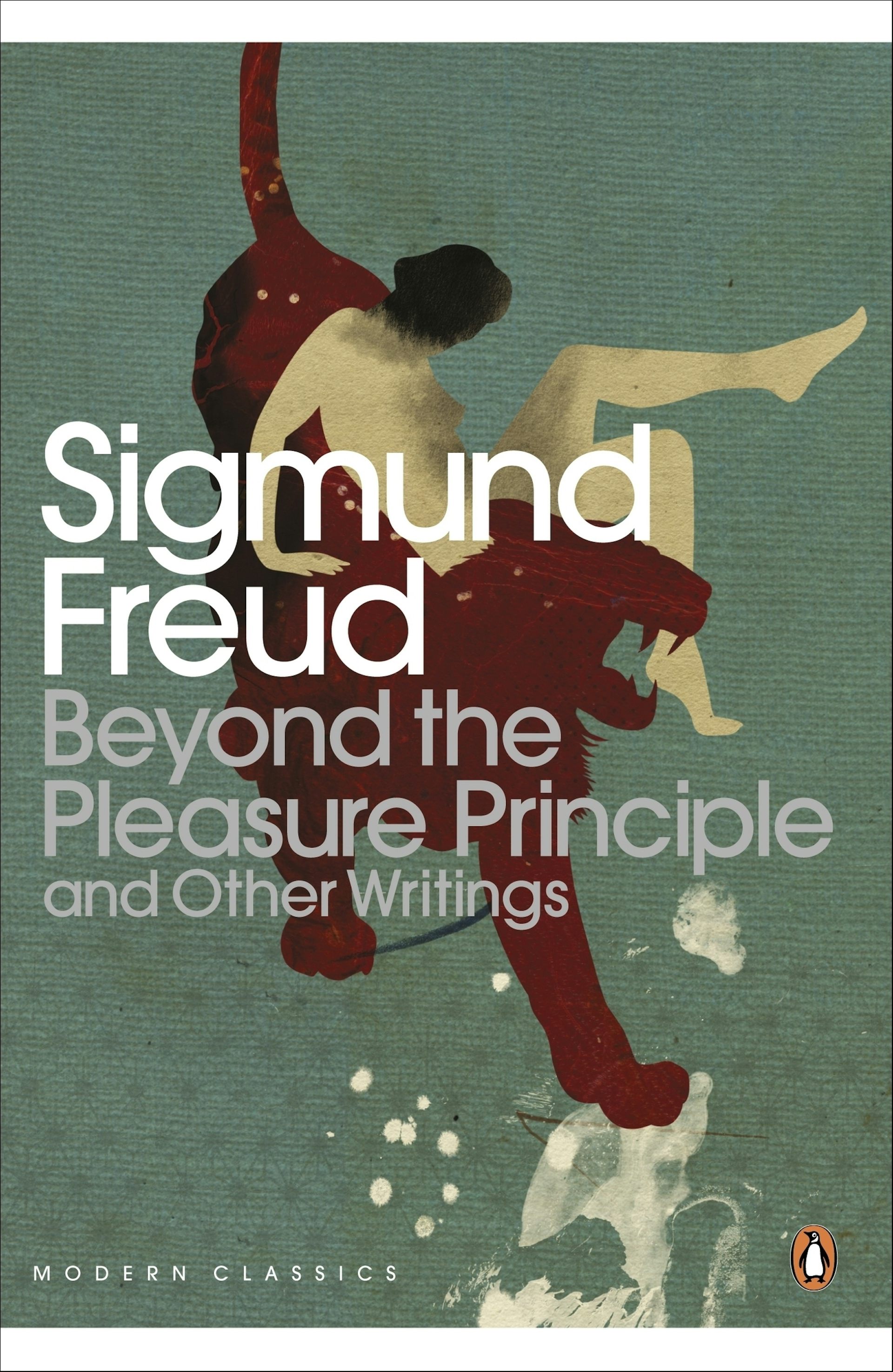
The book’s legacy for the study of dreams is less clear. In Beyond the Pleasure Principle, which he published in 1920, Freud acknowledged that some dreams were not in fact wish fulfilments. The repetitive dreams that woke World War I soldiers in a cold sweat did not express a wish and were clearly not serving as guardians of sleep.
स्वप्नों के अध्ययन में इस पुस्तक की विरासत कम स्पष्ट है। ‘बियॉन्ड द प्लेज़र प्रिंसिपल’ (Beyond the Pleasure Principle) में, जिसे उन्होंने 1920 में प्रकाशित किया था, फ्रायड ने स्वीकार किया कि कुछ सपने वास्तव में इच्छाओं की पूर्ति नहीं थे। वे दोहराए जाने वाले सपने जो प्रथम विश्व युद्ध के सैनिकों को पसीने से जगाते थे, किसी इच्छा को व्यक्त नहीं करते थे और स्पष्ट रूप से नींद के संरक्षक के रूप में कार्य नहीं कर रहे थे।
A different dynamic was at work here, Freud suggested: specifically, a compulsion to repeat. This compulsion could be manifested in many ways, but in traumatic dreams, it represented an attempt to master overwhelming experiences. Dreams that replay scenes from the battlefield reveal undigested horrors, rather than disguised wishes.
फ्रायड ने सुझाव दिया कि यहाँ एक अलग गतिशीलता काम कर रही थी: विशेष रूप से, दोहराव की बाध्यता (compulsion to repeat) । इस बाध्यता को कई तरह से प्रकट किया जा सकता है, लेकिन दर्दनाक सपनों में, यह अत्यधिक अनुभवों पर महारत हासिल करने के प्रयास का प्रतिनिधित्व करती है। युद्ध के मैदान के दृश्यों को फिर से दिखाने वाले सपने भेष बदले इच्छाओं के बजाय अपचित भयावहताओं को दर्शाते हैं।
The wish fulfilment theory is no longer widely held among those who study dreaming, thanks in part to developments in neuroscience. In 1953, dreaming was found to accompany rapid eye movement (REM) sleep, a newly discovered sleep phase with a distinct neurophysiology. This discovery opened Freud’s theory up to new lines of attack.
न्यूरोसाइंस में हुई प्रगति की बदौलत, इच्छा पूर्ति सिद्धांत अब स्वप्न अध्ययन करने वालों के बीच व्यापक रूप से स्वीकार नहीं किया जाता है। 1953 में, यह पाया गया कि सपना देखना तीव्र नेत्र गति (REM) नींद के साथ जुड़ा हुआ है, जो एक विशिष्ट न्यूरोफिजियोलॉजी वाला एक नया खोजा गया नींद चरण है। इस खोज ने फ्रायड के सिद्धांत को नए हमलों के लिए खोल दिया।
In 1977, psychiatrists Allan Hobson and Robert McCarley argued that during REM sleep, the brain stem sends electrical activations upward like a firework. The forebrain then attempts to make narrative sense of these more or less random impulses. Because they are unconnected, the narrative usually lacks coherence.
1977 में, मनोचिकित्सकों एलन हॉब्सन और रॉबर्ट मैकरली ने तर्क दिया कि REM नींद के दौरान, ब्रेन स्टेम ऊपर की ओर विद्युत सक्रियण भेजता है जैसे आतिशबाजी। फिर फोरब्रेन इन अधिक या कम यादृच्छिक आवेगों का कथात्मक अर्थ निकालने का प्रयास करता है। चूंकि वे असंबंधित होते हैं, इसलिए कहानी में आमतौर पर सुसंगतता की कमी होती है।
What neuroscientific evidence teaches us about dreams is not entirely settled, and Hobson and McCarley’s views have been challenged and updated. However, the neuroscience of sleep does not support the view that most dreams are disguised wish fulfilments.
न्यूरोवैज्ञानिक प्रमाण हमें सपनों के बारे में जो सिखाते हैं वह पूरी तरह से तय नहीं है, और हॉब्सन और मैकरली के विचारों को चुनौती दी गई है और अद्यतन किया गया है। हालांकि, नींद का न्यूरोसाइंस यह विचार समर्थन नहीं करता है कि अधिकांश सपने भेष बदली हुई इच्छा पूर्ति हैं।
Even so, no one now argues that dreams are meaningless or that they tell us nothing about the dreamer. We have Freud to thank for persuading us that even ephemeral experiences carry significance.
फिर भी, अब कोई तर्क नहीं देता है कि सपने अर्थहीन हैं या वे हमें स्वप्नद्रष्टा के बारे में कुछ नहीं बताते हैं। हम फ्रायड को धन्यवाद देते हैं क्योंकि उन्होंने हमें मनाने में मदद की कि यहां तक कि क्षणभंगुर अनुभव महत्व रखते हैं।
Nick Haslam receives funding from the Australian Research Council.
निक हस्लम ऑस्ट्रेलियाई रिसर्च काउंसिल से फंडिंग प्राप्त करते हैं।
Read more
-

लयबद्ध पैटर्न द्वारा ‘आकर्षक’ संगीत कैसे संचालित होता है
How ‘catchy’ music is driven by rhythmic patterns
-

माली हमले: तुअरेग की शिकायतों का समाधान शांति की कुंजी है।
Mali attacks: Tuareg grievances hold the key to peace