
एआई के युग में, मानवीय रचनात्मक आउटपुट एक विलासिता बनता जा रहा है।
In the age of AI, human creative output is becoming a luxury
People value human-created art not just for its quality, but because it represents effort, intention and lived experience.
लोग मानव निर्मित कला को केवल उसकी गुणवत्ता के लिए नहीं, बल्कि इसलिए महत्व देते हैं क्योंकि यह प्रयास, इरादे और जीवन के अनुभव को दर्शाती है।
Imagine two identical spoons. One is hand-wrought from silver by a skilled metalworker. The other, a base-metal facsimile, was mass-produced by a machine. Which would you value more? Most of us would say the handmade spoon.
कल्पना कीजिए दो समान चम्मचों की। एक कुशल धातुकर्मी द्वारा चांदी से हाथ से गढ़ा गया है। दूसरा, एक आधार धातु का प्रतिकृति, मशीन द्वारा बड़े पैमाने पर उत्पादित किया गया है। आप किसे अधिक महत्व देंगे? हम में से अधिकांश लोग हाथ से बने चम्मच को कहेंगे।
In 1899, more than a century ago, American economist and sociologist Thorstein Veblen used this very example to explain how we assign value, or his theory of conspicuous consumption, in which he contended that bourgeois consumption was driven primarily by a desire to display wealth to others. Even if these spoons were indistinguishable, explained Veblen, the hand-made spoon, once identified, would be more highly valued.
1899 में, एक सदी से भी अधिक समय पहले, अमेरिकी अर्थशास्त्री और समाजशास्त्री थोरस्टीन वेबलन ने यह समझाने के लिए इसी उदाहरण का उपयोग किया कि हम मूल्य कैसे निर्धारित करते हैं, या उनके ‘दिखावटी उपभोग’ (conspicuous consumption) के सिद्धांत में, जिसमें उन्होंने तर्क दिया कि बुर्जुआ उपभोग मुख्य रूप से दूसरों के सामने धन प्रदर्शित करने की इच्छा से प्रेरित होता है। वेबलन ने समझाया कि भले ही ये चम्मच अलग नहीं किए जा सकते, हाथ से बना चम्मच, एक बार पहचान लिया जाए, तो अधिक मूल्यवान होगा।
This is in part because “the hand-wrought spoon gratifies our taste, our sense of the beautiful, while that made by machinery out of base metal has no useful office beyond a brute efficiency.” But for Veblen there is another factor more important than any aesthetic judgment: costliness.
इसका एक कारण यह है कि “हाथ से गढ़ा गया चम्मच हमारे स्वाद, हमारी सुंदरता की भावना को संतुष्ट करता है, जबकि आधार धातु से मशीन द्वारा बनाया गया वह चम्मच केवल एक क्रूर दक्षता से अधिक कोई उपयोगी कार्य नहीं करता है।” लेकिन वेबलन के लिए, किसी भी सौंदर्य निर्णय से अधिक महत्वपूर्ण एक कारक है: महँगा होना।
The hand-wrought spoon is preferred above all, Veblen suggested, because it is a means of demonstrating wealth. However, as we enter a world in which almost anything, including art, writing and music, can be machine-wrought, it seems that Veblen may have misjudged his spoons.
वेबलन ने सुझाव दिया कि हाथ से गढ़ा गया चम्मच सबसे ऊपर पसंद किया जाता है, क्योंकि यह धन प्रदर्शित करने का एक साधन है। हालांकि, जैसे ही हम एक ऐसी दुनिया में प्रवेश करते हैं जिसमें लगभग हर चीज़, जिसमें कला, लेखन और संगीत शामिल है, मशीन द्वारा गढ़ी जा सकती है, ऐसा लगता है कि वेबलन ने अपने चम्मचों का गलत आकलन किया होगा।
We don’t value human creations solely for their beauty or their price tag. We also value them because they embody deliberate labour and expertise.
हम मानव रचनाओं को केवल उनकी सुंदरता या उनकी कीमत के लिए महत्व नहीं देते। हम उन्हें इसलिए भी महत्व देते हैं क्योंकि वे जानबूझकर किए गए श्रम और विशेषज्ञता को समाहित करते हैं।
AI-generated writing is judged differently
एआई-जनरेटेड लेखन का मूल्यांकन अलग तरह से किया जाता है
Our own research has shown that even highly trained writing educators cannot reliably distinguish between AI-generated and human-written essays. In fact, one study has shown that general audiences may actually prefer blander AI-generated poetry over more difficult, human-written poetry.
हमारे अपने शोध से पता चला है कि अत्यधिक प्रशिक्षित लेखन शिक्षक भी एआई-जनरेटेड और मानव-लिखित निबंधों के बीच विश्वसनीय रूप से अंतर नहीं कर पाते हैं। वास्तव में, एक अध्ययन ने दिखाया है कि सामान्य दर्शक अधिक कठिन, मानव-लिखित कविता की तुलना में फीकी एआई-जनरेटेड कविता को पसंद कर सकते हैं।
But while public taste may favour the simple and formulaic, the disclosure of artificial authorship is enough to make most people recoil.
लेकिन जहाँ सार्वजनिक स्वाद सरल और सूत्रबद्ध (formulaic) को पसंद कर सकता है, वहीं कृत्रिम लेखकत्व का खुलासा करना ही अधिकांश लोगों को पीछे हटने पर मजबूर कर देता है।
In a recent study involving a series of experiments, participants were asked to compare pieces of AI-generated creative writing, including poetry and fiction. In each case, they were told that some passages were human-written and some were AI-generated. Across 16 experiments, respondents consistently devalued the writing labelled as AI-generated.
हाल ही में किए गए प्रयोगों की एक श्रृंखला में एक अध्ययन में, प्रतिभागियों से एआई-जनरेटेड रचनात्मक लेखन, जिसमें कविता और फिक्शन शामिल थे, के टुकड़ों की तुलना करने के लिए कहा गया था। हर मामले में, उन्हें बताया गया कि कुछ अंश मानव-लिखित थे और कुछ एआई-जनरेटेड थे। 16 प्रयोगों में, उत्तरदाताओं ने लगातार एआई-जनरेटेड लेबल वाले लेखन को कम महत्व दिया।
The authors of the study call this the “AI disclosure penalty.” It is possible to conclude from the study that audiences unfairly judge AI-generated content, but we disagree. This bias towards human creation is inherent to our relationship with art. When people believe something was made by a machine, they like it less.
अध्ययन के लेखकों ने इसे “एआई प्रकटीकरण दंड” (AI disclosure penalty) कहा है। अध्ययन से यह निष्कर्ष निकालना संभव है कि दर्शक एआई-जनरेटेड सामग्री का अनुचित मूल्यांकन करते हैं, लेकिन हम असहमत हैं। मानव रचना के प्रति यह पूर्वाग्रह हमारे कला के साथ संबंध में निहित है। जब लोग मानते हैं कि किसी चीज़ को मशीन ने बनाया है, तो वे उसे कम पसंद करते हैं।
Some argue that AI can democratize creativity by lowering barriers to production and enabling more people to participate in cultural expression. But the evidence suggests that when authorship becomes effortless, perceived value declines.
कुछ लोग तर्क देते हैं कि एआई उत्पादन में बाधाओं को कम करके और अधिक लोगों को सांस्कृतिक अभिव्यक्ति में भाग लेने में सक्षम बनाकर रचनात्मकता का लोकतंत्रीकरण कर सकता है। लेकिन सबूत बताते हैं कि जब लेखकत्व सहज हो जाता है, तो कथित मूल्य में गिरावट आती है।
The importance of effort and experience
प्रयास और अनुभव का महत्व
Art costs something. Both John Milton and James Joyce believed that their writing had cost them their eyesight. John Keats believed that the emotional exertion of writing poetry would worsen his tuberculosis and cost him his life. They kept writing anyway. We resent the machine because its creations cost it nothing.
कला की कोई कीमत होती है। जॉन मिल्टन और जेम्स जॉयस दोनों का मानना था कि अपनी लेखन कला ने उन्हें उनकी दृष्टि की कीमत चुकाई है। जॉन कीट्स का मानना था कि कविता लिखने का भावनात्मक परिश्रम उनके तपेदिक को बिगाड़ देगा और उनकी जान ले लेगा। फिर भी उन्होंने लिखते रहना जारी रखा। हमें मशीन से नफरत है क्योंकि उसकी रचनाओं की कोई कीमत नहीं होती।
When an algorithm generates a story about heartbreak or an essay on human struggle, it is trading in stolen emotions. AI has never felt pain, suffered a loss or wrestled with the frustration of a blank page, so its output, no matter how technically smooth, feels fundamentally deceptive.
जब कोई एल्गोरिथम दिल टूटने के बारे में कोई कहानी या मानवीय संघर्ष पर कोई निबंध उत्पन्न करता है, तो वह चोरी किए गए भावनाओं का व्यापार कर रहा होता है। एआई ने कभी दर्द महसूस नहीं किया, कोई नुकसान नहीं झेला, या कोरी पन्ने की निराशा से जूझ नहीं पाया है, इसलिए उसका आउटपुट, चाहे वह तकनीकी रूप से कितना भी सहज क्यों न हो, मौलिक रूप से भ्रामक लगता है।
People hate the idea of being moved by a parlour trick. In addition, many of us have a deep, instinctive revulsion to the industrialization of our inner lives. As Joanna Maciejewska observed, “I want AI to do my laundry and dishes so that I can do art and writing, not for AI to do my art and writing so that I can do my laundry and dishes.”
लोगों को किसी जादूगरी के करतब से भावुक होने का विचार पसंद नहीं है। इसके अलावा, हम में से कई लोगों को अपने आंतरिक जीवन के औद्योगिकरण से एक गहरा, सहज घृणा है। जैसा कि जोआना मैसियेव्स्का ने देखा, “मैं चाहती हूँ कि एआई मेरा कपड़े धोए और बर्तन साफ करे ताकि मैं कला और लेखन कर सकूँ, न कि यह कि एआई मेरी कला और लेखन करे ताकि मैं अपना कपड़े धो सकूँ और बर्तन साफ कर सकूँ।”
We happily accept machines stamping out our car parts and toasters because efficiency is the goal, but applying that same cold logic to human expression strips away the vulnerability, risk and stakes that make art mean anything in the first place.
हम खुशी-खुशी मशीनों को अपनी कार के पुर्जे और टोस्टर बनाते हुए स्वीकार करते हैं क्योंकि दक्षता ही लक्ष्य है, लेकिन मानव अभिव्यक्ति पर वही ठंडा तर्क लागू करने से वह भेद्यता, जोखिम और दाँव-पेंच छीन लेता है जो कला को शुरू से ही मायने देते हैं।
This becomes more consequential as AI-generated content floods the digital media landscape.
यह तब और अधिक महत्वपूर्ण हो जाता है जब एआई-जनरेटेड सामग्री डिजिटल मीडिया परिदृश्य में बाढ़ ला देती है।
Why human work is becoming more valuable
मानव कार्य अधिक मूल्यवान क्यों होता जा रहा है
Our media ecosystem has evolved so that paying directly for much of the content we consume is optional. In an era of streaming music, television and film, we rarely own the product we consume, and creators receive pennies on the dollar compared to previous economic models.
हमारा मीडिया इकोसिस्टम इस तरह विकसित हुआ है कि हम जिस सामग्री का उपभोग करते हैं, उसका एक बड़ा हिस्सा सीधे भुगतान करना वैकल्पिक है। स्ट्रीमिंग संगीत, टेलीविजन और फिल्म के युग में, हम शायद ही कभी उस उत्पाद के मालिक होते हैं जिसका हम उपभोग करते हैं, और निर्माता पिछले आर्थिक मॉडल की तुलना में डॉलर के मुकाबले कुछ पैसे प्राप्त करते हैं।
To make matters worse, media companies are increasingly pushing AI-generated content in the form of tens of thousands of social media posts, books, podcasts and videos every day and encouraging artists and content creators to supercharge the quantity of their output by relying on AI.
स्थिति को और बिगाड़ते हुए, मीडिया कंपनियाँ हर दिन दसियों हज़ार सोशल मीडिया पोस्ट, किताबें, पॉडकास्ट और वीडियो के रूप में एआई-जनरेटेड सामग्री को तेजी से बढ़ावा दे रही हैं और कलाकारों और सामग्री निर्माताओं को एआई पर निर्भर रहकर अपने आउटपुट की मात्रा को सुपरचार्ज करने के लिए प्रोत्साहित कर रही हैं।
Much of this output is highly formulaic — produced at scale and designed for rapid, low-engagement consumption. It is an endless, flavourless paste of clichés and nonsense, meant to be mindlessly consumed by doomscrolling thumbs and immediately forgotten. Despite working in an era in which payment is optional amid a deluge of slop, many artists, journalists and writers are making a living because enough of their audience chooses to support the work of real human creators.
इस आउटपुट का एक बड़ा हिस्सा अत्यधिक सूत्रबद्ध (formulaic) होता है — जिसे बड़े पैमाने पर उत्पादित किया जाता है और त्वरित, कम जुड़ाव वाले उपभोग के लिए डिज़ाइन किया जाता है। यह क्लिच और बकवास का एक अंतहीन, बेस्वाद पेस्ट है, जिसे मनमाने ढंग से स्क्रॉल करने वाले अंगूठियों द्वारा उपभोग करने और तुरंत भुला देने के लिए बनाया गया है। स्लॉप की बाढ़ के बीच एक ऐसे युग में काम करने के बावजूद, जहाँ भुगतान वैकल्पिक है, कई कलाकार, पत्रकार और लेखक अपना जीवन यापन कर रहे हैं क्योंकि उनके पर्याप्त दर्शक वास्तविक मानव रचनाकारों के काम का समर्थन करना चुनते हैं।
The “AI disclosure penalty” reminds us that the consumption of art is not tied to purely aesthetic considerations but involves a need to connect with and appreciate the effort and labour of others.
“एआई प्रकटीकरण दंड” हमें याद दिलाता है कि कला का उपभोग केवल सौंदर्य संबंधी विचारों से जुड़ा नहीं है, बल्कि इसमें दूसरों के प्रयास और श्रम की सराहना करने और उनसे जुड़ने की आवश्यकता शामिल है।
Consumers have long been willing to pay more for goods labelled “handmade,” “handcrafted,” “artisanal” or “bespoke” on the understanding that those goods were made using traditional techniques that took more effort and human skill.
उपभोक्ता लंबे समय से “हाथ से बने,” “हस्तनिर्मित,” “कारीगर” या “अनुकूलित” लेबल वाले सामानों के लिए अधिक भुगतान करने को तैयार रहे हैं, इस समझ के साथ कि उन सामानों को पारंपरिक तकनीकों का उपयोग करके बनाया गया था जिसमें अधिक प्रयास और मानवीय कौशल लगा था।
As generative AI turns writing, art and digital media into frictionless, infinitely replicable outputs, human cognitive effort is undergoing a profound shift. It is becoming an artisanal good that consumers must choose to support and value.
जैसे जनरेटिव एआई लेखन, कला और डिजिटल मीडिया को घर्षणरहित, अनंत रूप से प्रतिकृति योग्य आउटपुट में बदल रहा है, मानव संज्ञानात्मक प्रयास एक गहन बदलाव से गुज़र रहा है। यह एक कारीगरी वाला सामान बनता जा रहा है जिसे उपभोक्ताओं को चुनकर समर्थन और मूल्य देना होगा।
The Industrial Revolution transformed hand-made furniture and hand-woven textiles into premium markers of craftsmanship and authenticity. The AI revolution is doing something similar for intellectual and creative labour — audiences are beginning to place a premium not necessarily on the competent execution of a poem or an essay, which a machine can generate in seconds, but on the invisible friction, the lived experience and the deliberate toil of the human mind behind it.
औद्योगिक क्रांति ने हाथ से बने फर्नीचर और हाथ से बुने वस्त्रों को शिल्प कौशल और प्रामाणिकता के प्रीमियम मार्कर में बदल दिया। एआई क्रांति बौद्धिक और रचनात्मक श्रम के लिए कुछ ऐसा ही कर रही है — दर्शक अब न केवल कविता या निबंध के सक्षम निष्पादन पर प्रीमियम देना शुरू कर रहे हैं, जिसे मशीन सेकंडों में उत्पन्न कर सकती है, बल्कि इसके पीछे मानव मन के अदृश्य घर्षण, जीवन के अनुभव और जानबूझकर किए गए परिश्रम पर प्रीमियम देना शुरू कर रहे हैं।
In a landscape increasingly saturated with instant content, the verified effort of a human creator is shifting from a baseline expectation to a highly coveted, bespoke quality. Ultimately, what we value about art is not whether it’s perfect, but its ability to connect us with another human being.
तुरंत सामग्री से तेजी से संतृप्त होते जा रहे परिदृश्य में, एक मानव निर्माता का सत्यापित प्रयास एक आधारभूत अपेक्षा से एक अत्यधिक वांछनीय, अनुकूलित गुणवत्ता की ओर स्थानांतरित हो रहा है। अंततः, कला के बारे में हम जो मूल्य देते हैं वह यह नहीं है कि यह कितनी उत्तम है, बल्कि यह है कि यह हमें दूसरे इंसान से कैसे जोड़ सकती है।
Nathan Murray has received funding for his research from the Social Sciences and Humanities Research Council of Canada (SSHRC) .
नाथन मरे ने कनाडा के सामाजिक विज्ञान और मानविकी अनुसंधान परिषद (SSHRC) से अपने शोध के लिए फंडिंग प्राप्त की है।
Elisa Tersigni has received funding from the Social Sciences and Humanities Research Council of Canada (SSHRC) .
एलिसा टेर्सिग्नी ने कनाडा के सामाजिक विज्ञान और मानविकी अनुसंधान परिषद (SSHRC) से फंडिंग प्राप्त की है।
Read more
-

डायनासोर को मारने वाले क्षुद्रग्रह के नरसंहार का अनुभव कैसा रहा होगा: एक चरण-दर-चरण विवरण
What it would have been like to experience the dinosaur-killing asteroid armageddon: a blow-by-blow account
-
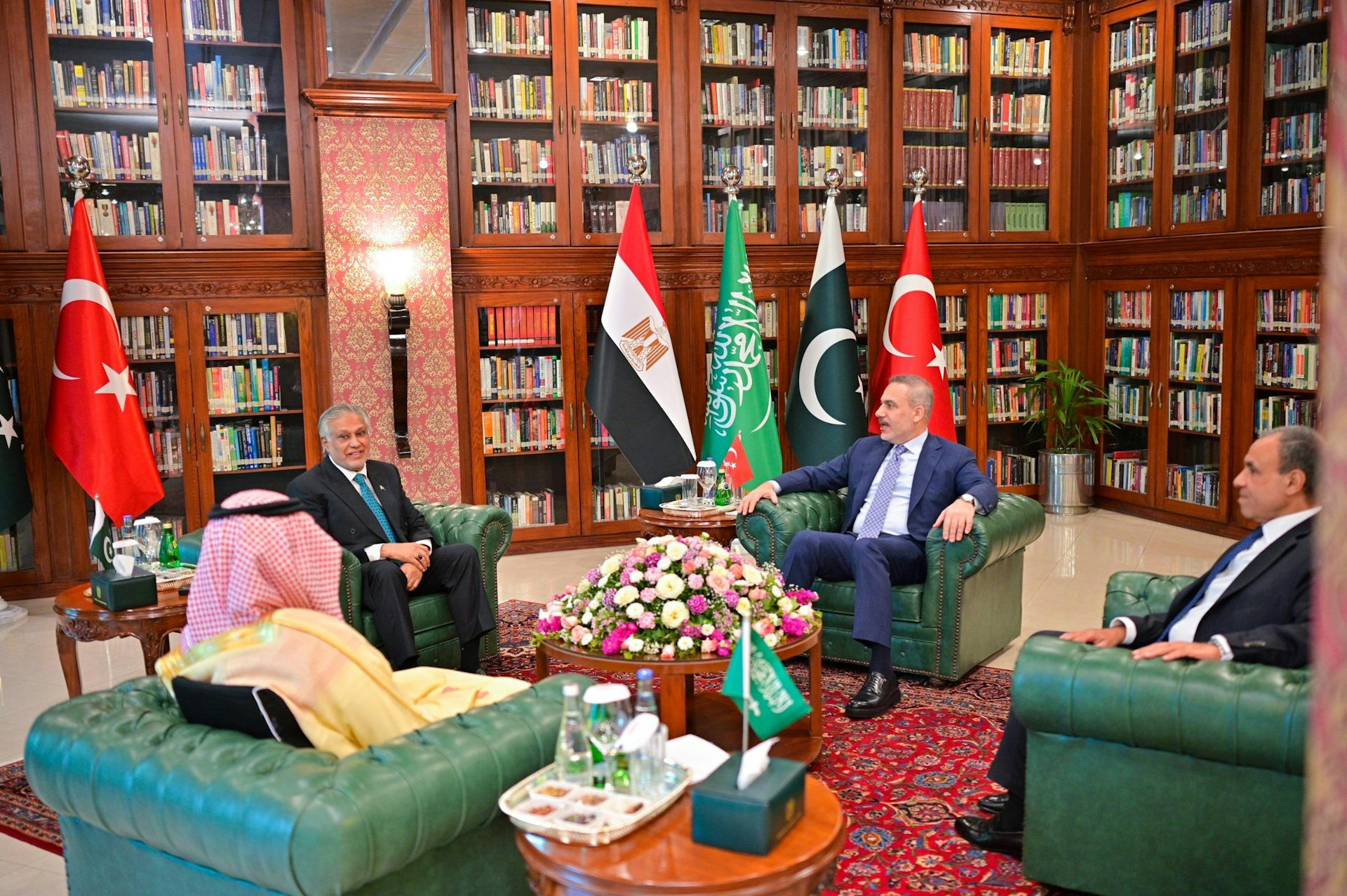
पाकिस्तान, तुर्की, मिस्र और सऊदी अरब ईरान युद्ध के बीच एक नए क्षेत्रीय शक्ति गुट के रूप में उभरते हैं
Pakistan, Turkey, Egypt and Saudi Arabia emerge as a new regional power bloc amid Iran war