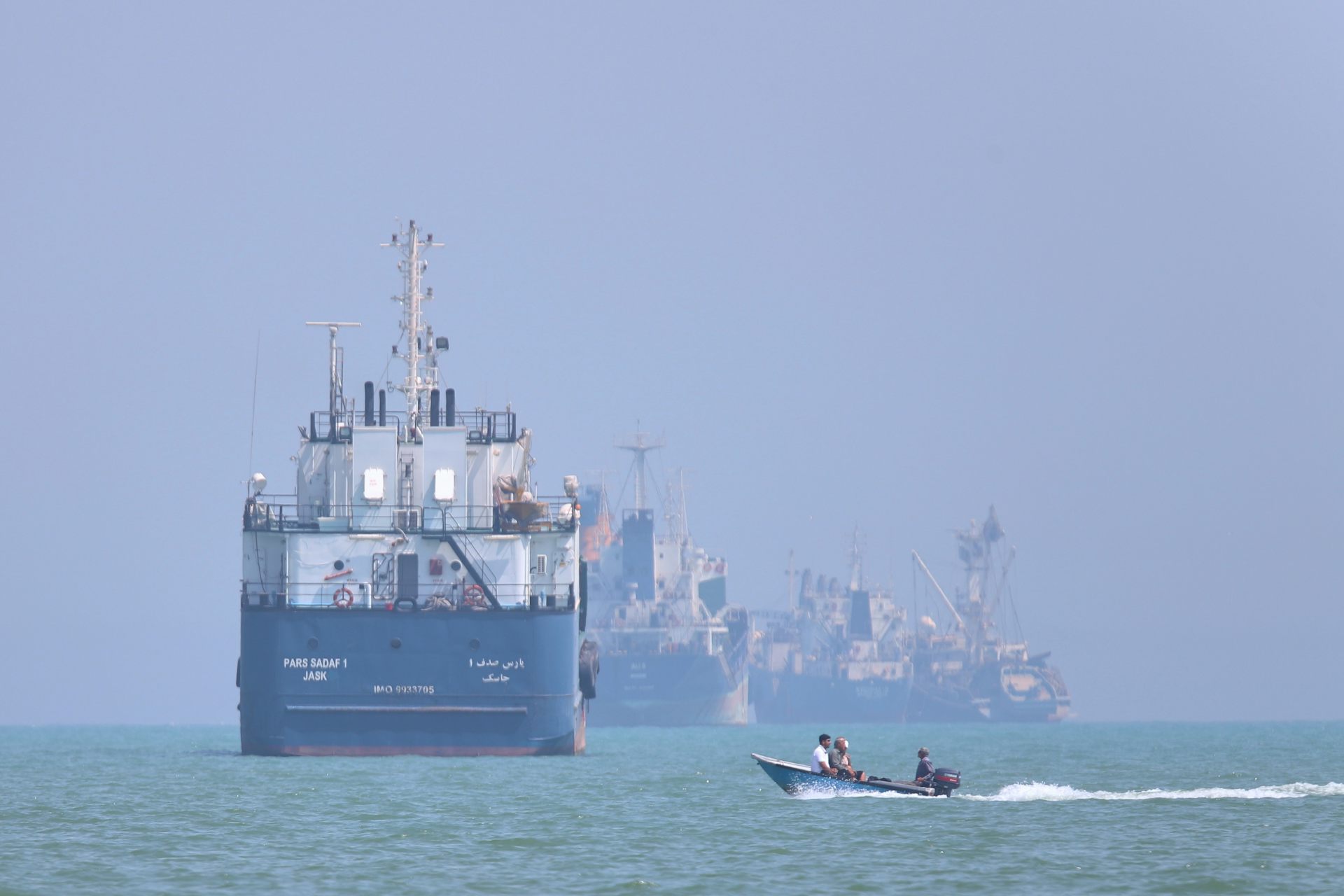
अमेरिका-ईरान युद्धविराम समझौते का खतरा यह है कि इसमें क्या छोड़ा गया है
The danger of US-Iran ceasefire agreement is what it leaves out
A strong deal would build in real penalties for going back to war: automatic, reversible costs that fall on anyone who restarts the fighting.
एक मजबूत समझौता युद्ध में लौटने पर वास्तविक दंड शामिल करेगा: स्वचालित, उत्क्रमणीय लागतें जो किसी भी व्यक्ति पर पड़ेंगी जो लड़ाई फिर से शुरू करता है।
The latest U.S. military conflict with Iran appears to be over.
इरान के साथ नवीनतम अमेरिकी सैन्य संघर्ष समाप्त होता हुआ प्रतीत होता है।
Washington declared success. Tehran claimed victory. Israel insisted it remains free to strike Hezbollah.
वाशिंगटन ने सफलता की घोषणा की। तेहरान ने जीत का दावा किया। इज़राइल ने जोर दिया कि वह हिज़्बुल्लाह पर हमला करने के लिए स्वतंत्र है।
Some sticking points remain. For example, Iranian officials insist de-escalation in Lebanon was part of the deal; Israeli leaders deny it.
कुछ विवादित बिंदु अभी भी बने हुए हैं। उदाहरण के लिए, ईरानी अधिकारियों का कहना है कि लेबनान में डी-एस्केलेशन (तनाव कम करना) समझौते का हिस्सा था; इज़राइली नेता इसे नकारते हैं।
To most onlookers, the contradictions may seem like confusion, bad faith or evidence that the agreement is already unraveling.
अधिकांश बाहरी लोगों को, ये विरोधाभास भ्रम, बुरे इरादे या इस बात का प्रमाण लग सकता है कि समझौता पहले से ही टूट रहा है।
But after more than two decades studying how wars end and whether the peace holds, I have learned that contradictions are often a sign the negotiations are working. The real danger lies elsewhere: in what the U.S.-Iran agreement leaves out.
लेकिन दो दशकों से अधिक समय तक यह अध्ययन करने के बाद कि युद्ध कैसे समाप्त होते हैं और क्या शांति बनी रहती है, मैंने सीखा है कि अक्सर विरोधाभास इस संकेत होते हैं कि बातचीत काम कर रही है। असली खतरा कहीं और है: अमेरिकी-इरानी समझौते में क्या छोड़ा गया है।
The price of caving
पतन की कीमत
It would be a mistake to assume the United States and Iran are bargaining only with each other.
यह मान लेना एक गलती होगी कि संयुक्त राज्य अमेरिका और ईरान केवल आपस में मोलभाव कर रहे हैं।
The political scientist Robert Putnam called diplomacy a “two-level game” in which leaders negotiate abroad and at home at once. And no deal abroad survives unless it can be sold to the audience back home.
राजनीतिक वैज्ञानिक रॉबर्ट पुटनाम ने कूटनीति को “दो-स्तरीय खेल” कहा, जिसमें नेता एक ही समय में विदेश और घर पर बातचीत करते हैं। और कोई भी विदेशी समझौता तब तक जीवित नहीं रहता जब तक उसे घर के दर्शकों को बेचा न जा सके।
The U.S.-Iran agreement is closer to a five-level game. Washington must satisfy Iran, Israel, Congress, its Arab partners and its European allies. Tehran must satisfy Supreme Leader Ayatollah Mojtaba Khamenei and the Revolutionary Guard, Iran’s most powerful military institution. Iran must also contain a public whose anger over sanctions can spill into the streets, and it must keep Russia and China on its side.
अमेरिका-ईरान समझौते का स्वरूप पांच-स्तरीय खेल के अधिक करीब है। वाशिंगटन को ईरान, इज़राइल, कांग्रेस, अपने अरब सहयोगियों और अपने यूरोपीय सहयोगियों को संतुष्ट करना होगा। तेहरान को सर्वोच्च नेता آیتुल्लाह मोज्तबा खमेनेई और क्रांतिकारी गार्ड (Revolutionary Guard) , जो ईरान की सबसे शक्तिशाली सैन्य संस्था है, को संतुष्ट करना होगा। ईरान को एक ऐसे आम जनता को भी नियंत्रित रखना होगा जिसका प्रतिबंधों पर गुस्सा सड़कों तक फैल सकता है, और उसे रूस और चीन को अपने पक्ष में बनाए रखना होगा।
Every gain at the negotiating table must be sold to people who are not at the table.
बातचीत की मेज पर हर लाभ उन लोगों को बेचना पड़ता है जो मेज पर नहीं हैं।
That is why the messaging contradicts itself. Each side is talking past its rival to its own people. Washington calls relief from sanctions a reversible decision. Tehran stresses its sovereignty. Israel advertises its freedom to strike.
यही कारण है कि संदेश आपस में विरोधाभासी हैं। प्रत्येक पक्ष अपने प्रतिद्वंद्वी से नहीं, बल्कि अपनी ही जनता से बात कर रहा है। वाशिंगटन प्रतिबंधों से राहत को एक उत्क्रमणीय निर्णय कहता है। तेहरान अपनी संप्रभुता पर जोर देता है। इज़राइल हमला करने की अपनी स्वतंत्रता का विज्ञापन करता है।
And the price of caving differs from place to place. In Washington, it might be electoral. In Tehran, factions of hard-liners may exact a heavy political price from leaders who compromise with the West, a lesson learned by President Hassan Rouhani and Foreign Minister Mohammad Javad Zarif after the 2015 nuclear deal.
और पतन की कीमत जगह-जगह अलग होती है। वाशिंगटन में, यह चुनावी हो सकती है। तेहरान में, कट्टरपंथियों के गुट उन नेताओं से भारी राजनीतिक कीमत वसूल सकते हैं जो पश्चिम के साथ समझौता करते हैं—यह सबक राष्ट्रपति हसन रूहानी और विदेश मंत्री मोहम्मद जावद ज़रीफ़ ने 2015 की परमाणु डील के बाद सीखा था।
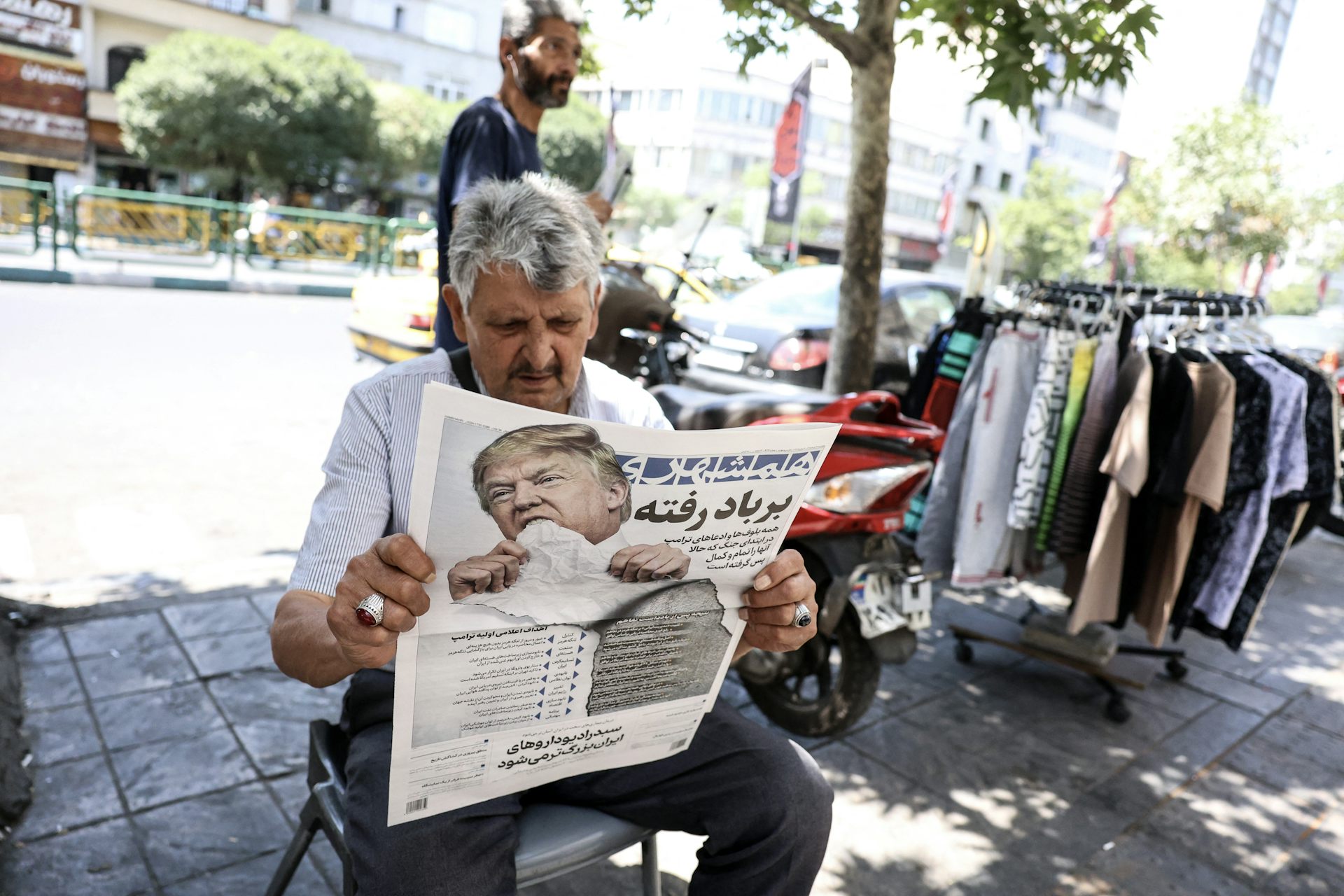
Diplomacy has always worked this way. The first recorded peace treaty, struck by Egypt and the Hittites – an ancient civilization centered in modern-day Turkey – after the battle of Kadesh 3,000 years ago, survives in two versions, each written in its own language for an audience at home.
कूटनीति हमेशा इसी तरह काम करती रही है। पहला दर्ज शांति संधि, जो मिस्र और हित्ती लोगों ने—एक प्राचीन सभ्यता जो आधुनिक तुर्की में केंद्रित थी—3,000 साल पहले कादेश की लड़ाई के बाद किया था, दो संस्करणों में जीवित है, प्रत्येक को घर के दर्शकों के लिए अपनी भाषा में लिखा गया है।
In October 2025, I saw the Egyptian text carved into the walls at the Karnak complex, a vast array of temples, pylons and chapels near Luxor in southern Egypt. A copper replica now hangs outside the U.N. Security Council, where agreements like these are still negotiated today.
अक्टूबर 2025 में, मैंने कार्नाक परिसर की दीवारों पर खुदा हुआ मिस्री पाठ देखा, जो दक्षिणी मिस्र में लक्सर के पास मंदिरों, पाइलोन और चैपलों का एक विशाल संग्रह है। एक तांबे की प्रतिकृति अब संयुक्त राष्ट्र सुरक्षा परिषद के बाहर लटकी हुई है, जहाँ आज भी इस तरह के समझौते किए जाते हैं।
Peace between Egypt and the Hittites held not because the parties told the same story but because each could tell one its own people would accept.
मिस्र और हित्ती लोगों के बीच शांति इसलिए बनी नहीं कि दोनों पक्षों ने एक ही कहानी बताई, बल्कि इसलिए बनी कि प्रत्येक पक्ष को पता था कि वह अपनी जनता से कौन सी कहानी कह सकता है जिसे वे स्वीकार करेंगे।
Generous with rewards, short on penalties
पुरस्कारों के प्रति उदार, दंडों के मामले में कम
Contradictory messaging, then, is not the problem. The problem is that the same multilevel pressures that scramble public narratives also shape what negotiators are willing to put into an agreement.
इसलिए, विरोधाभासी संदेश देना ही समस्या नहीं है। समस्या यह है कि वही बहुस्तरीय दबाव जो सार्वजनिक आख्यानों को अस्त-व्यस्त करते हैं, वह यह भी निर्धारित करते हैं कि वार्ताकार समझौते में क्या डालने को तैयार हैं।
Each side bargains hard for rewards it can display at home and resists penalties for noncompliance that it would have to defend later. The result is a U.S.-Iran deal generous with benefits and short on enforcement.
प्रत्येक पक्ष उन पुरस्कारों के लिए कड़ी मोलभाव करता है जिन्हें वे घर पर प्रदर्शित कर सकें और गैर-अनुपालन के दंड का विरोध करता है जिसका उन्हें बाद में बचाव करना होगा। इसका परिणाम एक अमेरिका-ईरान समझौता होता है जो लाभों के प्रति उदार और प्रवर्तन (enforcement) के मामले में कमज़ोर होता है।
While conducting research for my 2009 book “Securing the Peace,” I found that negotiated settlements ending civil wars break down at roughly twice the rate of wars ending in outright military victory. Although my research focused on civil wars, the broader lesson applies to war settlements more generally. They fail not because of what is written on paper but because they lack credible enforcement once implementation begins.
मेरे 2009 की पुस्तक “Securing the Peace” पर शोध करते समय, मुझे पता चला कि नागरिक युद्धों को समाप्त करने वाले वार्ता समझौते पूर्ण सैन्य जीत से समाप्त होने वाले युद्धों की तुलना में लगभग दोगुने दर पर टूट जाते हैं। हालांकि मेरा शोध नागरिक युद्धों पर केंद्रित था, लेकिन व्यापक सबक सामान्य तौर पर युद्ध समझौतों पर लागू होता है। वे इसलिए विफल नहीं होते कि कागज़ पर क्या लिखा है, बल्कि इसलिए कि कार्यान्वयन शुरू होने के बाद उनमें विश्वसनीय प्रवर्तन की कमी होती है।
This weakness is hidden at the moment of signing, when all parties are still collecting the benefits an agreement promises. It surfaces later, once those rewards are exhausted and nothing exists to deter or punish defection.
यह कमजोरी हस्ताक्षर के क्षण में छिपी रहती है, जब सभी पक्ष अभी भी समझौते द्वारा दिए जाने वाले लाभ एकत्र कर रहे होते हैं। यह बाद में सामने आती है, एक बार जब वे पुरस्कार समाप्त हो जाते हैं और विचलन (defection) को रोकने या दंडित करने के लिए कुछ नहीं बचता।
The 1979 Egypt-Israel peace treaty makes the point. It endured not simply because Egypt regained the Sinai Peninsula and Israel won recognition, but because those gains were embedded in a broader enforcement structure: phased Israeli withdrawal from the Sinai tied to compliance and sustained U.S. economic and military assistance to both countries. The treaty also deployed the Multinational Force and Observers in 1982 to monitor Sinai’s demilitarization. More than four decades later, the treaty holds.
1979 की मिस्र-इज़राइल शांति संधि इस बात का प्रमाण देती है। यह केवल इसलिए नहीं टिकी क्योंकि मिस्र ने सिनाई प्रायद्वीप वापस पा लिया और इज़राइल को मान्यता मिली, बल्कि इसलिए कि वे लाभ एक व्यापक प्रवर्तन संरचना में निहित थे: सिनाई से चरणबद्ध इज़राइली वापसी जो अनुपालन से जुड़ी थी और दोनों देशों को अमेरिकी आर्थिक तथा सैन्य सहायता का निरंतर समर्थन था। संधि ने 1982 में सिनाई के विसैन्यीकरण की निगरानी के लिए बहुराष्ट्रीय बल और पर्यवेक्षकों (Multinational Force and Observers) को भी तैनात किया। चार दशक से अधिक समय बाद, यह संधि कायम है।
The lesson for any U.S. settlement with Iran is clear. Durable peace depends not only on what parties gain but on the institutions and incentives built to enforce it long after the signing ceremony ends.
ईरान के साथ किसी भी अमेरिकी समझौते के लिए सबक स्पष्ट है। स्थायी शांति केवल इस बात पर निर्भर नहीं करती कि पक्षों को क्या लाभ होता है, बल्कि उन संस्थानों और प्रोत्साहनों पर निर्भर करती है जो हस्ताक्षर समारोह समाप्त होने के बहुत बाद तक इसे लागू करने के लिए बनाए जाते हैं।
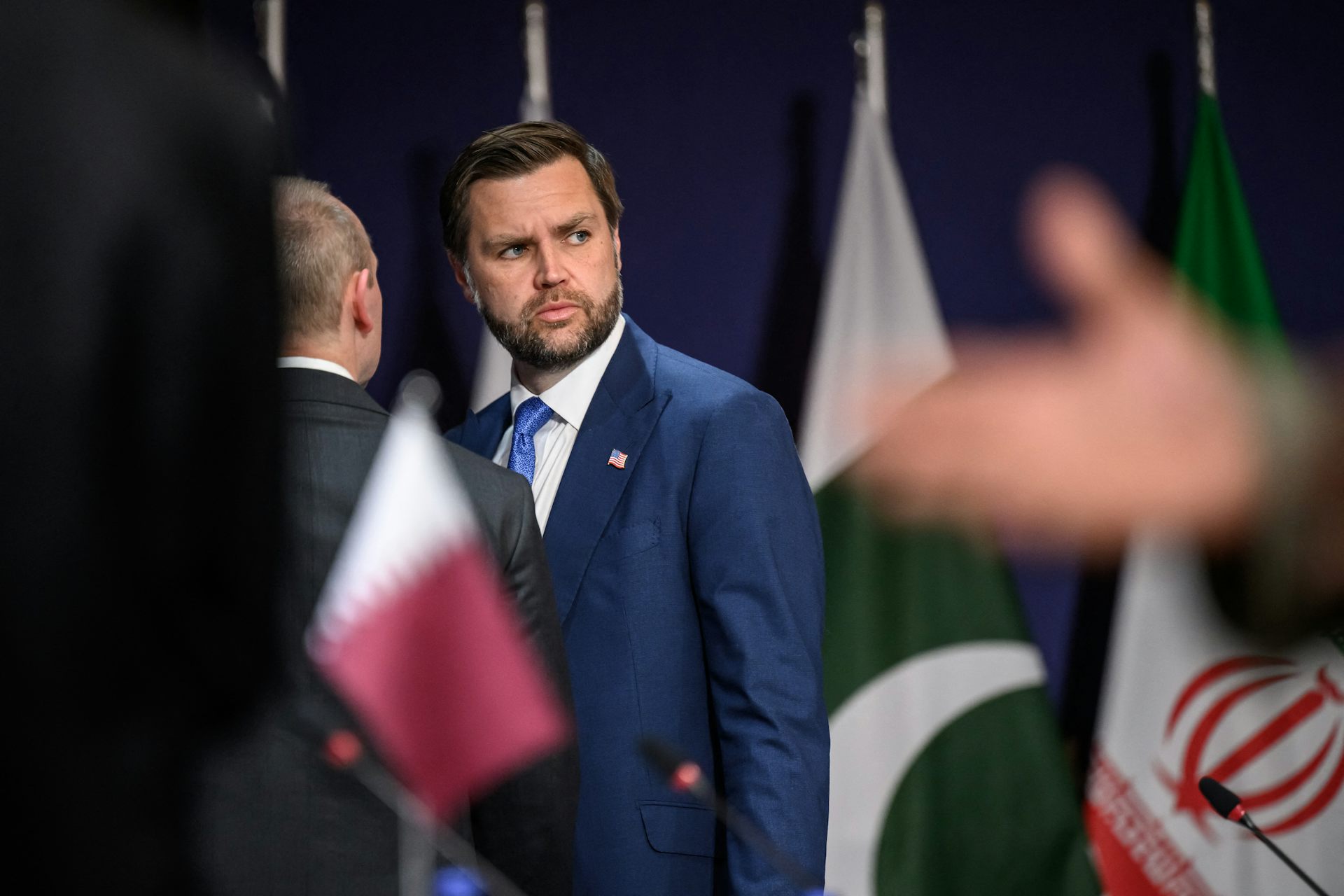
By that standard, the U.S.-Iran agreement is built to wobble. It is generous with rewards and short on penalties. The United States lifts its blockade, issues oil waivers, releases frozen Iranian funds and promises more than US$300 billion in reconstruction.
इस मानक के अनुसार, अमेरिका-ईरान समझौता डगमगाने के लिए बना है। यह पुरस्कारों के प्रति उदार और दंडों के मामले में कमज़ोर है। संयुक्त राज्य अमेरिका अपना नाकेबंदी हटाता है, तेल छूट जारी करता है, जमे हुए ईरानी फंड जारी करता है और $300 बिलियन से अधिक के पुनर्निर्माण का वादा करता है।
Iran reopens the Strait of Hormuz and dilutes its enriched uranium on its own soil, while keeping the machinery to enrich more. Nearly every step confers a benefit on someone; almost none imposes a cost on the party that walks away.
ईरान हॉर्मुज जलडमरूमध्य फिर से खोल देता है और अपने ही क्षेत्र में यूरेनियम को पतला करता है, जबकि और अधिक समृद्ध करने की मशीनरी बनाए रखता है। लगभग हर कदम किसी पर लाभ डालता है; शायद ही कोई ऐसा कदम हो जो दूर जाने वाले पक्ष पर लागत डाले।
Enforcement is left to a U.N. Security Council resolution that has not been written. The hardest question, enrichment, is pushed into a final deal that may never be reached.
प्रवर्तन एक संयुक्त राष्ट्र सुरक्षा परिषद के प्रस्ताव पर छोड़ दिया गया है जिसे अभी तक लिखा नहीं गया है। सबसे कठिन प्रश्न, संवर्धन (enrichment) , एक अंतिम समझौते में धकेल दिया जाता है जो कभी भी हासिल नहीं किया जा सकता है।
And there is a deeper problem. The actors most capable of destroying the agreement are precisely those least constrained by it. Israel, Hezbollah and the broader network of Iranian-backed militias across the region all sit outside the agreement. They gain little by complying and risk little by defecting because they never signed. A settlement that excludes powerful spoilers has no way to make breaking it hurt.
और एक गहरा मुद्दा है। वे अभिनेता जो समझौते को नष्ट करने में सबसे अधिक सक्षम हैं, वे ठीक वही हैं जो इससे सबसे कम बंधे हुए हैं। इज़राइल, हिज़्बुल्लाह और क्षेत्र भर के ईरानी समर्थित मिलिशिया का व्यापक नेटवर्क सभी समझौते से बाहर हैं। उनका अनुपालन करने से बहुत कम लाभ होता है और विचलन करने से बहुत कम जोखिम होता है क्योंकि उन्होंने कभी हस्ताक्षर नहीं किए। एक समझौता जो शक्तिशाली विघटनकारी तत्वों (spoilers) को बाहर रखता है, उसे टूटने पर दर्द पहुँचाने का कोई तरीका नहीं है।
None of this means collapse is imminent. The history of peacemaking – from Kadesh to the Dayton Accords that ended the Bosnian war, to the Belfast Agreement that halted the 30-year sectarian conflict in Northern Ireland – shows that public blowups and threats to walk out are normal stages, not proof of failure.
इनमें से किसी भी चीज़ का मतलब यह नहीं है कि पतन आसन्न है। शांति बनाने का इतिहास – कदेश से लेकर बॉस्नियाई युद्ध को समाप्त करने वाले डेटन समझौते तक, और उत्तरी आयरलैंड में 30 साल के सांप्रदायिक संघर्ष को रोकने वाले बेलफास्ट समझौते तक – दिखाता है कि सार्वजनिक विस्फोट और बाहर निकलने की धमकी सामान्य चरण हैं, विफलता का प्रमाण नहीं।
But surviving the turbulence is not the same as lasting. The question is not whether setbacks come. History shows they will. It is whether the parties build institutions capable of deterring defection before the rewards are spent and the incentives are gone.
लेकिन उथल-पुथल से बचना लंबे समय तक टिके रहने जैसा नहीं है। सवाल यह नहीं है कि क्या बाधाएँ आएंगी। इतिहास दिखाता है कि वे आएंगी। सवाल यह है कि क्या पक्ष ऐसे संस्थान बनाते हैं जो पुरस्कार खर्च हो जाने और प्रोत्साहन चले जाने से पहले विचलन को रोकने में सक्षम हों।
That points to a clear task, and it is not the one most are watching. The task is not to reconcile competing narratives. It is to create automatic costs for anyone who returns to violence, including actors who never sat at the negotiating table.
यह एक स्पष्ट कार्य की ओर इशारा करता है, और यह वह कार्य नहीं है जिस पर अधिकांश लोग ध्यान दे रहे हैं। कार्य प्रतिस्पर्धी आख्यानों का सामंजस्य बिठाना नहीं है। यह किसी भी ऐसे व्यक्ति के लिए स्वचालित लागत बनाना है जो हिंसा की ओर लौटता है, जिसमें वे अभिनेता भी शामिल हैं जिन्होंने कभी वार्ता की मेज पर नहीं बैठे थे।
Monica Duffy Toft does not work for, consult, own shares in or receive funding from any company or organization that would benefit from this article, and has disclosed no relevant affiliations beyond their academic appointment.
मोनिका डफी टोफ्ट किसी भी कंपनी या संगठन के लिए काम नहीं करती हैं, उनसे परामर्श नहीं लेती हैं, उनमें हिस्सेदारी नहीं रखती हैं और न ही उनसे कोई फंडिंग प्राप्त करती हैं जिससे इस लेख को लाभ होगा; उन्होंने अपने अकादमिक पद से परे कोई प्रासंगिक जुड़ाव प्रकट नहीं किया है।
Read more
-
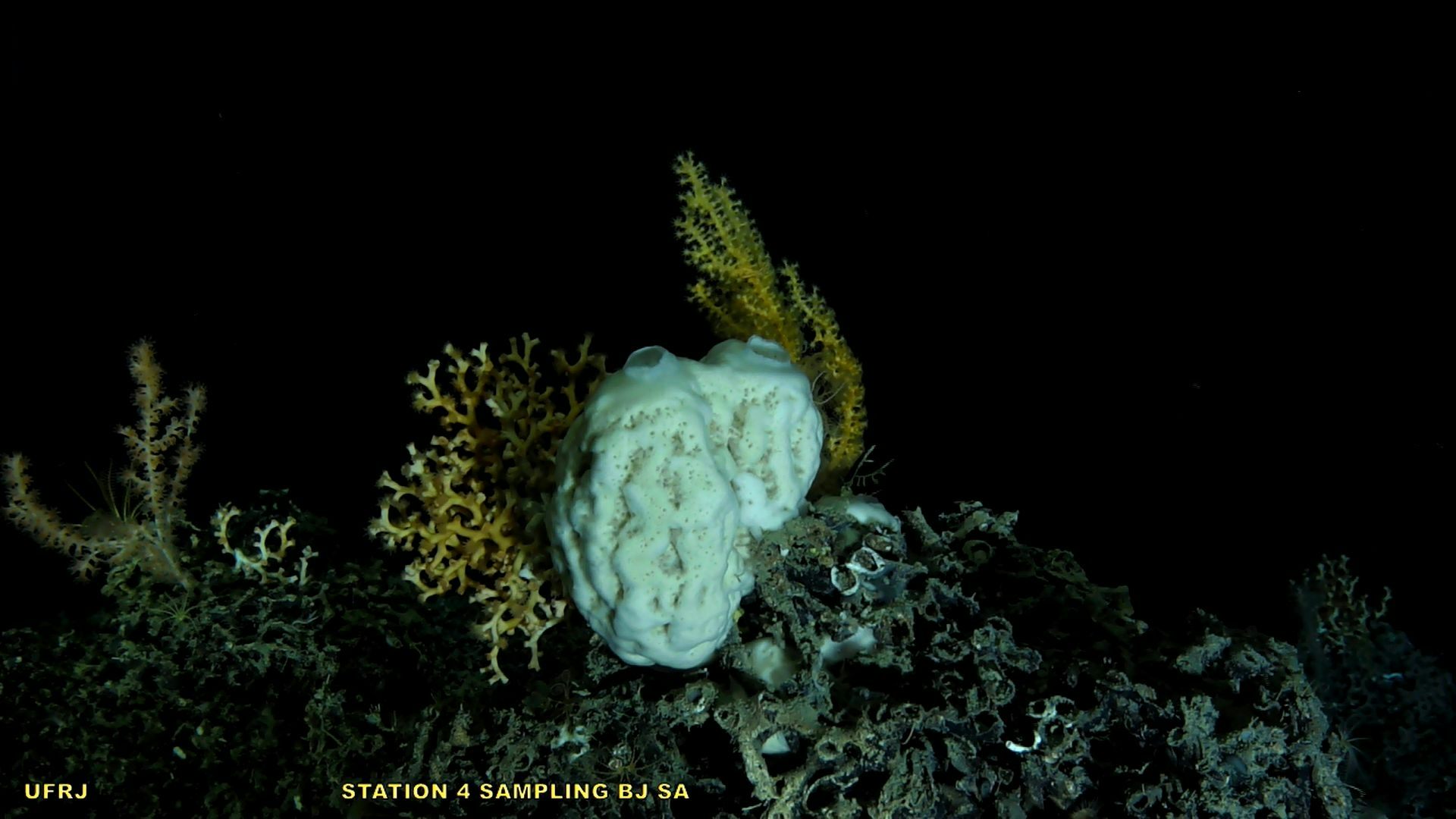
गहरे समुद्र के स्पंज पूर्ण अंधकार में ऐसे तरीकों से जीवित रहते हैं जो हमें पहले नहीं पता थे
Deep-sea sponges survive in complete darkness in ways we didn’t know before
-
लेबनान के राजनीतिक अभिजात वर्ग विस्थापन और मानवीय संकट का उपयोग फिर से चुनाव में देरी करने के लिए कर रहे हैं
Lebanon’s political elites are using displacement and humanitarian crisis to delay elections again