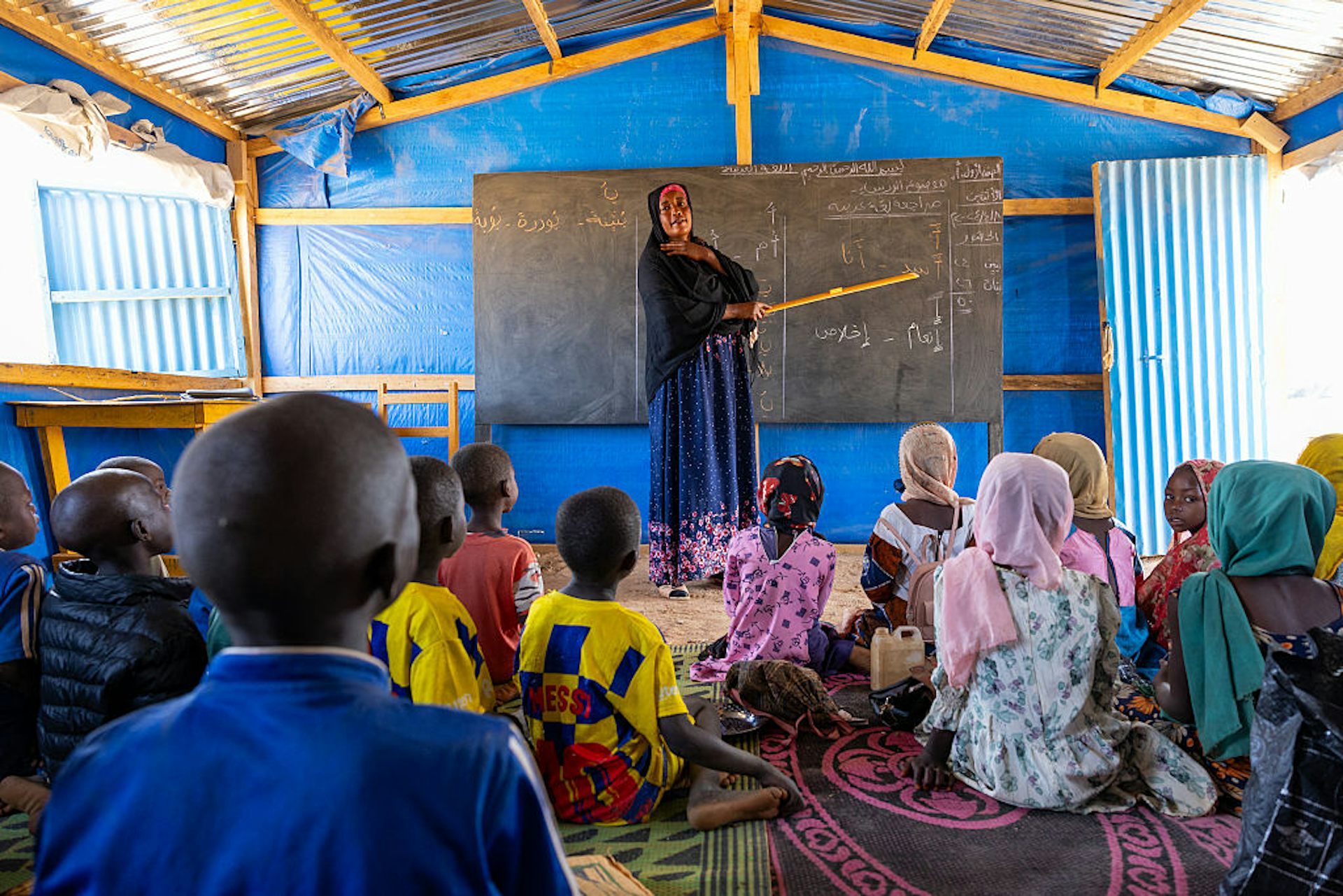
100 मिलियन अफ्रीकी बच्चे स्कूल में नहीं हैं। इस प्रवृत्ति को क्या चला रहा है और इसे कैसे पलटा जाए।
100 million African children are not in school. What’s driving the trend and how to reverse it
Eroding the gains made in education has severe consequences, especially for girls.
शिक्षा में की गई प्रगति का क्षरण गंभीर परिणाम रखता है, खासकर लड़कियों के लिए।
Many countries across Africa have embraced universal basic education policies in recent decades. But recent data has revealed that more than 100 million children and adolescents remain out of school, out of a total potential population of 469 million. The latest statistics suggest that after some years of progress, the situation is deteriorating. Education and youth empowerment scholar Moses Ngware and his co-researchers recently carried out an analysis of trends going back 25 years. Their main findings are set out below.
अफ्रीका के कई देशों ने हाल के दशकों में सार्वभौमिक बुनियादी शिक्षा नीतियों को अपनाया है। लेकिन हाल के आंकड़ों से पता चला है कि 469 मिलियन की कुल संभावित आबादी में से 100 मिलियन से अधिक बच्चे और किशोर अभी भी स्कूल से बाहर हैं। नवीनतम आँकड़े बताते हैं कि कुछ वर्षों की प्रगति के बाद, स्थिति बिगड़ रही है। शिक्षा और युवा सशक्तिकरण के विद्वान मोसेस न्गवारे और उनके सह-शोधकर्ताओं ने हाल ही में 25 साल पीछे के रुझानों का विश्लेषण किया। उनके मुख्य निष्कर्ष नीचे दिए गए हैं।
What are the school attendance trends in Africa across all age groups?
अफ्रीका में सभी आयु समूहों में स्कूल उपस्थिति के रुझान क्या हैं?
In 2000, the number of out-of-school children in primary school, lower secondary and upper secondary was above 100 million. It was down to about 90 million in 2014, and then up again to 100 million by 2025.
वर्ष 2000 में, प्राथमिक, माध्यमिक और उच्च माध्यमिक विद्यालयों में स्कूल से बाहर रहने वाले बच्चों की संख्या 100 मिलियन से अधिक थी। यह 2014 में लगभग 90 मिलियन तक कम हो गई, और फिर 2025 तक फिर से 100 मिलियन हो गई।
Viewed against Africa’s high population growth of above 2.5%, these absolute numbers suggest that school participation is not keeping pace.
अफ्रीका की 2.5% से अधिक की उच्च जनसंख्या वृद्धि के मुकाबले, ये निरपेक्ष संख्याएँ दर्शाती हैं कि स्कूली भागीदारी गति पकड़ नहीं पा रही है।
Nevertheless, between 2000 and 2024, the proportion of out-of-school children and adolescents declined at all education levels. It fell from 37% to 20% for primary schools; from 47% to 35% for lower secondary and from 56% to 47% for upper secondary school-age children. This is despite the absolute numbers of out-of-school children remaining high.
फिर भी, 2000 और 2024 के बीच, सभी शिक्षा स्तरों पर स्कूल से बाहर रहने वाले बच्चों और किशोरों का अनुपात कम हो गया। प्राथमिक विद्यालयों के लिए यह 37% से घटकर 20% हो गया; माध्यमिक विद्यालयों के लिए यह 47% से घटकर 35% हो गया; और उच्च माध्यमिक विद्यालय आयु वर्ग के बच्चों के लिए यह 56% से घटकर 47% हो गया। यह स्कूल से बाहर रहने वाले बच्चों की निरपेक्ष संख्याएँ उच्च रहने के बावजूद हुआ।
Countries that showed greatest improvement included Côte d’Ivoire, Ethiopia, Guinea, Madagascar and Mozambique. Improvements were driven by at least two main factors. First, targeted policy responses that enabled them to achieve good coverage in a short time. Second, a strong political will combined with a multi-sectoral approach. The approaches included combining conditional cash transfers for households, food supplies, expanding access to schools and implementing universal education policies that reduce cost of schooling for households.
जिन देशों ने सबसे अधिक सुधार दिखाया उनमें कोटे डी आइवर, इथियोपिया, गिनी, मदागस्कर और मोजाम्बिक शामिल थे। सुधारों को कम से कम दो मुख्य कारकों द्वारा संचालित किया गया था। पहला, लक्षित नीतिगत प्रतिक्रियाएँ जिन्होंने उन्हें कम समय में अच्छी कवरेज प्राप्त करने में सक्षम बनाया। दूसरा, एक मजबूत राजनीतिक इच्छाशक्ति जो एक बहु-क्षेत्रीय दृष्टिकोण के साथ संयुक्त थी। इन दृष्टिकोणों में परिवारों के लिए सशर्त नकद हस्तांतरण, खाद्य आपूर्ति तक पहुंच का विस्तार, स्कूलों तक पहुंच बढ़ाना और सार्वभौमिक शिक्षा नीतियों को लागू करना शामिल था जो परिवारों के लिए स्कूली शिक्षा की लागत को कम करती हैं।
On the other hand, there are countries that made little or no progress. They include Angola, Cape Verde, Lesotho, South Sudan and Zimbabwe. The main drivers of the low progress are:
दूसरी ओर, कुछ ऐसे देश हैं जिन्होंने बहुत कम या कोई प्रगति नहीं की। उनमें अंगोला, कांगो, लेसोथो, दक्षिण सूडान और ज़िम्बाब्वे शामिल हैं। कम प्रगति के मुख्य चालक हैं:
political instability, as seen in South Sudan
राजनीतिक अस्थिरता, जैसा कि दक्षिण सूडान में देखा गया है
poor economic performance, as witnessed in Zimbabwe
खराब आर्थिक प्रदर्शन, जैसा कि ज़िम्बाब्वे में देखा गया है
the high opportunity cost of schooling, as seen in Lesotho, where boys drop out due to poverty related coping mechanisms, including herding cattle, with only one in every five boys completing grade 12.
स्कूली शिक्षा की उच्च अवसर लागत, जैसा कि लेसोथो में देखा गया है, जहाँ गरीबी से संबंधित मुकाबला तंत्रों, जिसमें मवेशियों को चराना शामिल है, के कारण लड़के स्कूल छोड़ देते हैं, और हर पाँच लड़कों में से केवल एक कक्षा 12 पूरा करता है।
What are the notable changes in recent years?
हाल के वर्षों में उल्लेखनीय परिवर्तन क्या हैं?
In the past five years, we have seen a steady increase in absolute numbers of out-of-school children and adolescents from 95 million to 100 million, with an average of about 1 million children either not transitioning from primary to secondary school or leaving school or not joining school at all.
पिछले पांच वर्षों में, हमने स्कूल से बाहर रहने वाले बच्चों और किशोरों की निरपेक्ष संख्या में 95 मिलियन से 100 मिलियन तक लगातार वृद्धि देखी है, जिसमें औसतन लगभग 1 मिलियन बच्चे या तो प्राथमिक से माध्यमिक विद्यालय में परिवर्तित नहीं हुए या स्कूल छोड़ दिया या बिल्कुल भी स्कूल नहीं गए।
There are two main drivers of such a trend. First, finance – the fizzling effect of the universal basic education subsidies of the early 2000s. These subsidies made basic education affordable to many households. Of the 42 African countries with free education in their policies, only three were in a position to offer free schooling in 2025. Donor funding of education by multilateral organisations has also been reduced, with education aid in Africa declining by 7% in 2024. Second, the negative impact of COVID-19, with about 10 million who left school due to the lockdowns never to return, for various reasons, including forced marriages among girls and child labour for boys.
इस प्रवृत्ति के दो मुख्य चालक हैं। पहला, वित्त – 2000 के दशक की शुरुआत की सार्वभौमिक बुनियादी शिक्षा सब्सिडी का फीका पड़ना। इन सब्सिडी ने कई घरों के लिए बुनियादी शिक्षा को किफायती बना दिया था। शिक्षा में मुफ्त शिक्षा की नीतियों वाले 42 अफ्रीकी देशों में से, केवल तीन ही 2025 में मुफ्त स्कूली शिक्षा प्रदान करने की स्थिति में थे। बहुपक्षीय संगठनों द्वारा शिक्षा के लिए दाता वित्त पोषण में भी कमी आई है, जिसमें 2024 में अफ्रीका में शिक्षा सहायता 7% कम हो गई। दूसरा, COVID-19 का नकारात्मक प्रभाव, जिसमें लगभग 10 मिलियन बच्चे लॉकडाउन के कारण स्कूल छोड़ गए और विभिन्न कारणों से, जिनमें लड़कियों के बीच जबरन विवाह और लड़कों के लिए बाल श्रम शामिल है, कभी वापस नहीं लौटे।
Across all the schooling levels, higher than before rates of out-of-school children and adolescents were observed in the Sahel region, in Central African Republic, Chad, Mauritania and northern Nigeria. These countries or regions are characterised by politically motivated violence, harsh climatic changes and a history of low school participation.
सभी स्कूली स्तरों में, साहेल क्षेत्र, मध्य अफ्रीकी गणराज्य, चाड, मौरिटानिया और उत्तरी नाइजीरिया में स्कूल से बाहर रहने वाले बच्चों और किशोरों की दरें पहले की तुलना में अधिक देखी गईं। ये देश या क्षेत्र राजनीतिक रूप से प्रेरित हिंसा, कठोर जलवायु परिवर्तन और कम स्कूली भागीदारी के इतिहास द्वारा चिह्नित हैं।
Why is school completion important for societies?
स्कूल की शिक्षा का समापन समाजों के लिए क्यों महत्वपूर्ण है?
The main benefits to societies of school completion include transition to decent work, girls’ empowerment, and improved health outcomes. An additional year of schooling increases an individual’s lifetime earnings by about 10% on average, with a potential to increase an individual’s purchasing power. Such benefits can also trickle down to households through providing household financial stability and enhanced family support.
स्कूल की शिक्षा के समाज के लिए मुख्य लाभों में सम्मानजनक रोजगार में परिवर्तन, लड़कियों का सशक्तिकरण, और बेहतर स्वास्थ्य परिणाम शामिल हैं। स्कूली शिक्षा का एक अतिरिक्त वर्ष किसी व्यक्ति की जीवन भर की कमाई को औसतन लगभग 10% तक बढ़ाता है, जिसमें किसी व्यक्ति की क्रय शक्ति (purchasing power) को बढ़ाने की क्षमता होती है। ये लाभ घरेलू वित्तीय स्थिरता और बेहतर पारिवारिक समर्थन प्रदान करके परिवारों तक भी पहुँच सकते हैं।
For girls, school completion is critical for participation in decision making at societal level. Research shows that a woman’s power to make decisions, such as education for her children or where to invest, increases with education attainment. This has a bearing on economic independence and gender equity within the society.
लड़कियों के लिए, स्कूल का समापन सामाजिक स्तर पर निर्णय लेने में भागीदारी के लिए महत्वपूर्ण है। शोध से पता चलता है कि शिक्षा प्राप्ति के साथ एक महिला के पास अपने बच्चों की शिक्षा या निवेश कहाँ करना है जैसे निर्णय लेने की शक्ति बढ़ जाती है। इसका समाज के भीतर आर्थिक स्वतंत्रता और लैंगिक समानता पर प्रभाव पड़ता है।
Furthermore, and related to these two benefits, children of mothers who have completed secondary education have a 45% lower under-3 mortality rate. This implies that such children have about half the risk of death before age 3 compared to those born to mothers with no education.
इसके अलावा, और इन दो लाभों से संबंधित, माध्यमिक शिक्षा पूरी करने वाली माताओं की संतानों की तीन वर्ष से कम आयु में मृत्यु दर 45% कम होती है। इसका तात्पर्य यह है कि ऐसे बच्चों की तीन वर्ष की आयु से पहले मरने का जोखिम उन माताओं से पैदा हुए बच्चों की तुलना में लगभग आधा होता है जिनके माता-पिता शिक्षित नहीं थे।
What are the gender dynamics?
लिंग गतिशीलता क्या हैं?
By 2025, the proportion of males that were out of school, at 51%, was only slightly higher than that of females. However, the out-of-school female rate was on the rise – up by two percentage points in 10 years.
2025 तक, स्कूल से बाहर रहने वाले पुरुषों का अनुपात, 51%, महिलाओं के अनुपात से केवल थोड़ा अधिक था। हालांकि, स्कूल से बाहर रहने वाली महिलाओं की दर बढ़ रही थी – 10 वर्षों में दो प्रतिशत अंकों की वृद्धि हुई।
If this growth continues, then the proportion of out-of-school females will overtake that of males in the coming years. This will compound the vulnerabilities disadvantaged girls face in their schooling journey and transition to work.
यदि यह वृद्धि जारी रहती है, तो आने वाले वर्षों में स्कूल से बाहर रहने वाली महिलाओं का अनुपात पुरुषों से आगे निकल जाएगा। यह लड़कियों को उनकी स्कूली यात्रा और कार्य में संक्रमण के दौरान जिन कमजोरियों का सामना करना पड़ता है, उन्हें और बढ़ा देगा।
In addition, the gains made in the last three decades in closing gender gaps in education will be eroded. Eroding the gains made in education has severe consequences, especially for girls. For instance, we are likely to see an increase in females getting married much earlier, and child bearing among adolescents may also increase.
इसके अतिरिक्त, शिक्षा में लैंगिक अंतराल को कम करने में पिछले तीन दशकों में की गई प्रगति नष्ट हो जाएगी। शिक्षा में हुई प्रगति को नष्ट करने के गंभीर परिणाम होते हैं, खासकर लड़कियों के लिए। उदाहरण के लिए, हम महिलाओं के बहुत जल्दी शादी करने और किशोरों के बीच बच्चे पैदा करने में भी वृद्धि देखने की संभावना है।
What lessons can we learn from the better-placed countries?
बेहतर स्थिति वाले देशों से हम क्या सबक सीख सकते हैं?
There are a number of important lessons to be learnt from countries that have lowered the number of out-of-school children and adolescents.
स्कूल से बाहर के बच्चों और किशोरों की संख्या को कम करने वाले देशों से कई महत्वपूर्ण सबक सीखने हैं।
First, Algeria, Ghana, Kenya and Rwanda have relied on a strong national policy framework backed by political good will, high-level central coordination and donor-partner support.
पहला, अल्जीरिया, घाना, केन्या और रवांडा ने राजनीतिक सद्भावना, उच्च-स्तरीय केंद्रीय समन्वय और दाता-साझेदार समर्थन द्वारा समर्थित एक मजबूत राष्ट्रीय नीति ढांचे पर भरोसा किया है।
Second is the importance of targeted social support such as school feeding and conditional cash transfers. Close evaluations using hard data are needed.
दूसरा, स्कूल भोजन और सशर्त नकद हस्तांतरण जैसे लक्षित सामाजिक समर्थन का महत्व है। कठोर डेटा का उपयोग करके करीबी मूल्यांकन की आवश्यकता है।
Third is the elimination of significant direct fees or levies at basic education level, with timely financial disbursements and school supplies.
तीसरा, बुनियादी शिक्षा स्तर पर महत्वपूर्ण प्रत्यक्ष शुल्क या करों का उन्मूलन, समय पर वित्तीय वितरण और स्कूल की आपूर्ति के साथ।
Fourth is the lesson that affirmative action for vulnerable populations is an invaluable investment. These populations include disadvantaged girls, children from remote rural areas, children with disabilities, and children from poor households.
चौथा, यह सबक है कि कमजोर आबादी के लिए सकारात्मक कार्रवाई एक अमूल्य निवेश है। इन आबादी में वंचित लड़कियाँ, दूरदराज के ग्रामीण क्षेत्रों के बच्चे, विकलांग बच्चे और गरीब घरों के बच्चे शामिल हैं।
Finally, there are other interventions that can add value depending on the context. These include reducing travel distance through expanding infrastructure, and flexible school entry, such as late entry to improve participation. Another is catch-up programmes, which means accelerating progression to recover lost time and learning.
अंत में, संदर्भ के आधार पर मूल्य जोड़ने वाले अन्य हस्तक्षेप हैं। इनमें बुनियादी ढांचे का विस्तार करके यात्रा की दूरी को कम करना और भागीदारी में सुधार के लिए देर से प्रवेश जैसे लचीले स्कूल प्रवेश शामिल हैं। दूसरा है पकड़-अप कार्यक्रम, जिसका अर्थ है खोए हुए समय और सीखने की गति को पुनः प्राप्त करने के लिए प्रगति में तेजी लाना।
Moses Ngware receives funding from. African Population and Health Research Center (APHRC)
मोसेस न्गवारे को धन प्राप्त होता है। अफ्रीकी जनसंख्या और स्वास्थ्य अनुसंधान केंद्र (APHRC)
Read more
-

अमेरिका नई अंतरिक्ष दौड़ में सबसे आगे है – लेकिन अन्य देश भी नज़दीक हैं।
The US is leading the new space race – but other countries are close behind
-

हमने नए विश्व कप गेंद का परीक्षण किया – आपको यह जानने की जरूरत है कि यह कैसे उड़ेगी, गोता लगाएगी और मुड़ेगी।
We tested the new World Cup ball – this is what you need to know about how it will fly, dip and swerve