يُعاد فتح مضيق هرمز، لكن الشحن العالمي لن يعود إلى طبيعته لعدة أشهر
The Strait of Hormuz is reopening, but global shipping won’t return to normal for months
A peace deal has reopened the Strait of Hormuz, but insurance premiums, mine clearance and a container shortage across two continents suggest the disruption is far from over.
أدى اتفاق سلام إلى إعادة فتح مضيق هرمز، لكن ارتفاع أقساط التأمين، وتطهير الألغام، ونقص الحاويات عبر قارتين تشير إلى أن هذا التعطيل ما زال بعيداً عن الانتهاء.
Iran and the United States are about to sign a peace deal that will reopen the Strait of Hormuz, the narrow waterway that carries about one-fifth of the world’s oil.
على وشك إيران والولايات المتحدة التوقيع على اتفاق سلام من شأنه إعادة فتح مضيق هرمز، الممر المائي الضيق الذي يحمل حوالي خُمس نفط العالم.
Oil prices reacted quickly to the announcement of the tentative deal, dropping from highs that had pushed gasoline prices toward record levels in North America.
تفاعلت أسعار النفط بسرعة مع الإعلان عن الاتفاق المؤقت، حيث انخفضت عن مستويات عالية كانت قد دفعت أسعار البنزين نحو مستويات قياسية في أمريكا الشمالية.
The global supply chain, however, will take the better part of a year to recover, and the relief at the pumps may prove more gradual than the relief in oil markets.
ومع ذلك، فإن سلسلة الإمداد العالمية ستستغرق جزءاً كبيراً من العام للتعافي، وقد يكون الارتياح عند المضخات أكثر تدرجاً من الارتياح في أسواق النفط.
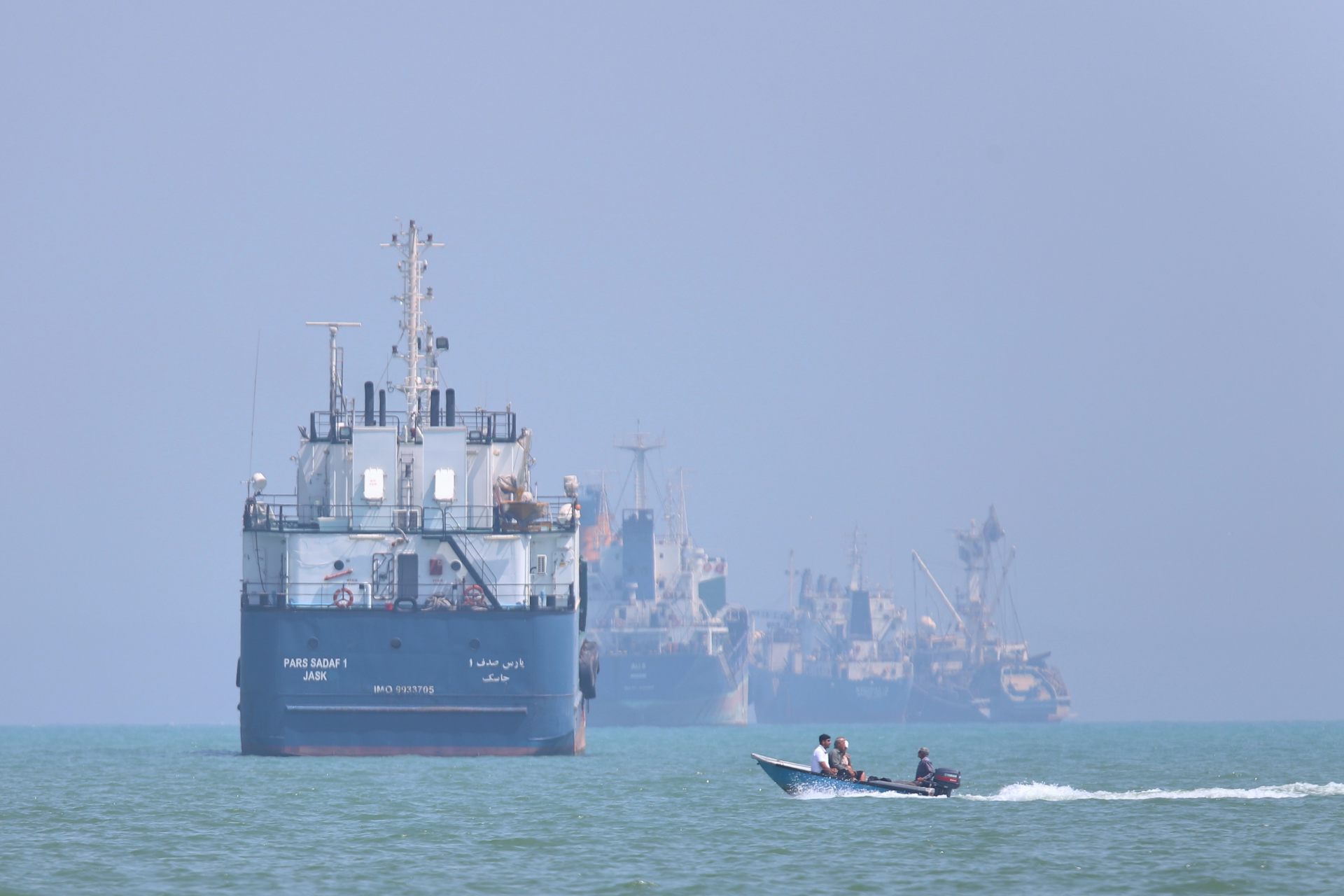
The strait’s closure began on Feb. 28 after the U.S. and Israel launched joint strikes on Iran. Tehran responded by effectively shutting the strait to commercial traffic, attacking ships and laying sea mines.
بدأ إغلاق المضيق في 28 فبراير بعد أن شنت الولايات المتحدة وإسرائيل ضربات مشتركة على إيران. وردت طهران بإغلاق المضيق فعلياً أمام حركة المرور التجارية، ومهاجمة السفن وزرع الألغام البحرية.
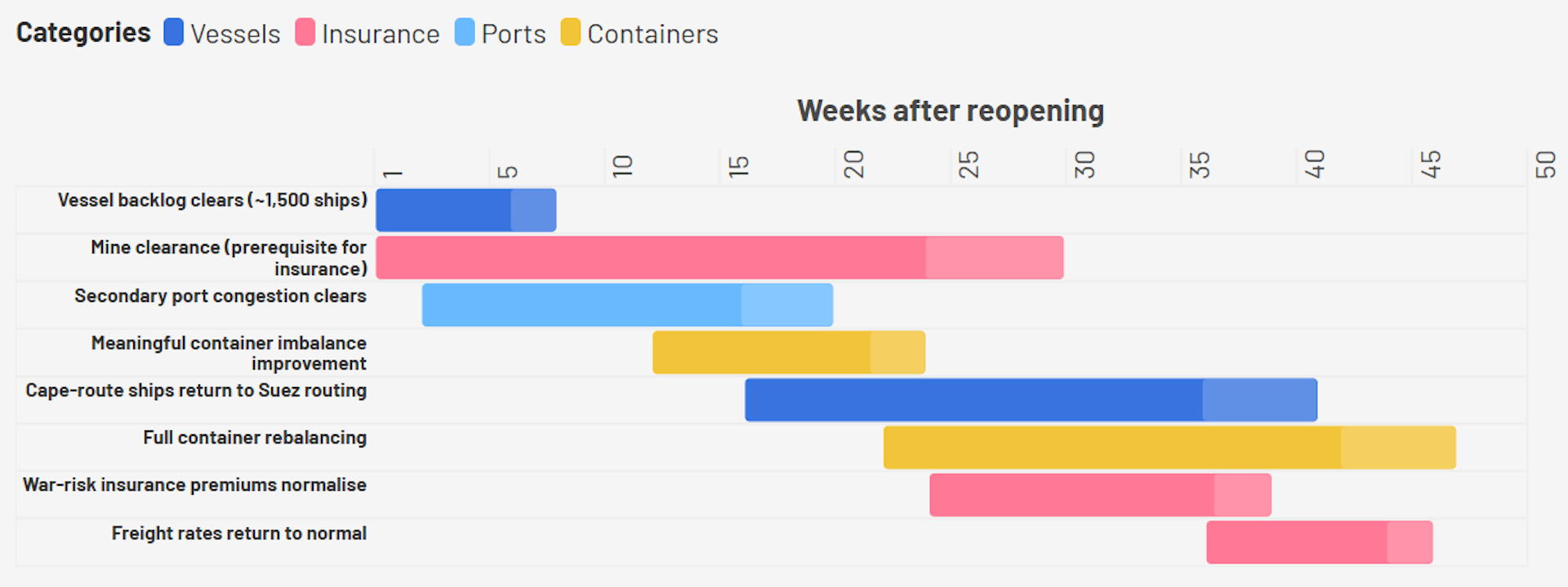
Traffic through the passage fell from about 100 vessels per day to roughly six at the height of the blockade, and more than 1,500 vessels were left waiting to pass through at one point. That backlog has caused a months-long global energy crisis.
انخفضت حركة المرور عبر الممر من حوالي 100 سفينة يومياً إلى ما يقرب من ست سفن في ذروة الحصار، وتراكم أكثر من 1500 سفينة تنتظر العبور في مرحلة واحدة. وقد تسبب هذا التراكم في أزمة طاقة عالمية استمرت لأشهر.
Supply chains operate on a different timeline than politics. German shipping giant Hapag-Lloyd estimates it will take their firm at least six weeks to regain a fully normal network, assuming vessels can leave the Persian Gulf fairly soon after reopening.
تعمل سلاسل الإمداد وفق جدول زمني مختلف عن السياسة. ويُقدّر عملاق الشحن البحري الألماني “هاباج-لويد” أن شركته ستحتاج إلى ستة أسابيع على الأقل لاستعادة شبكة طبيعية بالكامل، بافتراض أن السفن يمكنها مغادرة الخليج العربي بعد فترة وجيزة من إعادة الفتح.
But that estimate may be too optimistic, since several of the prerequisites for normal traffic still aren’t in place and different accounts put different timelines on how long it will take for the backlog to clear and traffic to return to pre-conflict levels.
لكن هذا التقدير قد يكون مفرطاً في التفاؤل، نظراً لأن العديد من المتطلبات الأساسية لحركة المرور الطبيعية ليست جاهزة بعد، وتقدم تقارير مختلفة جداول زمنية حول المدة التي سيستغرقها زوال التراكم وعودة حركة المرور إلى مستويات ما قبل النزاع.
Insurance and mines slow the restart
التأمين والألغام تبطئ عملية استئناف الحركة
The Strait of Hormuz was effectively closed by insurance companies before it was declared closed by the Iranian navy. War-risk insurance premiums surged from 0.25 per cent of vessel value before the conflict to between three and eight per cent, which could translate to up to US$8 million for a single tanker transit in insurance costs alone.
أُغلق مضيق هرمز فعلياً من قبل شركات التأمين قبل أن يُعلن إغلاقه من قِبل البحرية الإيرانية. فقد ارتفعت أقساط تأمين المخاطر الحربية من 0.25% من قيمة السفينة قبل النزاع إلى ما بين ثلاثة وثمانية بالمائة، وهو ما قد يترجم إلى ما يصل إلى 8 ملايين دولار أمريكي لمرور ناقلة واحدة في تكاليف التأمين وحدها.
Mines cannot be cleared overnight, and mine clearance is itself a prerequisite for insurers to lower premiums again. That alone could take up to six months, meaning the financial cost of transiting the strait may stay elevated.
لا يمكن إزالة الألغام بين ليلة وضحاها، وإزالة الألغام بحد ذاتها هي شرط مسبق لتخفيض شركات التأمين للأقساط مرة أخرى. وهذا وحده قد يستغرق ما يصل إلى ستة أشهر، مما يعني أن التكلفة المالية لعبور المضيق قد تظل مرتفعة.
Once vessels do return, the congestion won’t disappear — it will move to other trans-shipment ports. The traffic released from the strait will need berths, cranes, labour and feeder connections at ports such like Jebel Ali, Colombo, Singapore and Tanjung Pelepas, where operations are already running at elevated capacity after absorbing diverted traffic during the closure.
بمجرد عودة السفن، لن يختفي الازدحام- بل سينتقل إلى موانئ إعادة الشحن الأخرى. ستحتاج حركة المرور التي يتم إطلاقها من المضيق إلى أرصفة ورافعات وعمالة وتوصيلات تغذية في موانئ مثل جبل علي، وكولومبو، وسنغافورة، وتانج بليباس، حيث تعمل العمليات بالفعل بقدرة مرتفعة بعد استيعاب حركة المرور المحوَّلة خلال فترة الإغلاق.
The sudden flood of new traffic at these ports will create further delays across the global container supply chain. Think of an accident on the highway: once it’s cleared, the traffic stacked up behind it disperses, but that dispersal itself can create new slowdowns at the next on-ramp or exit. In this scenario, the strait was the accident, and the ports are the on-ramps.
سيؤدي الفيض المفاجئ لحركة المرور الجديدة في هذه الموانئ إلى خلق تأخيرات إضافية عبر سلسلة إمداد الحاويات العالمية. فكر في حادث على الطريق السريع: بمجرد إزالته، تتشتت حركة المرور المتراكمة خلفه، لكن هذا التشتت بحد ذاته يمكن أن يخلق تباطؤات جديدة عند منحدر الوصول أو الخروج التالي. وفي هذا السيناريو، كان المضيق هو الحادث، والموانئ هي منحدرات الوصول.
No analyst has yet modelled the clearing of this secondary congestion, but drawing on port throughput data and the volume of traffic released from the strait, a reasonable estimate suggests a return to normal at global transshipment ports won’t be achieved until three to four months from now.
لم يقم أي محلل بعد بنمذجة إزالة هذا الازدحام الثانوي، ولكن بالاعتماد على بيانات إنتاجية الموانئ وحجم حركة المرور التي يتم إطلاقها من المضيق، يشير تقدير معقول إلى أن العودة إلى الوضع الطبيعي في موانئ إعادة الشحن العالمية لن تتحقق إلا خلال ثلاثة إلى أربعة أشهر من الآن.
Diverted routes won’t simply snap back
المسارات المحوّلة لن تعود ببساطة إلى نصابها
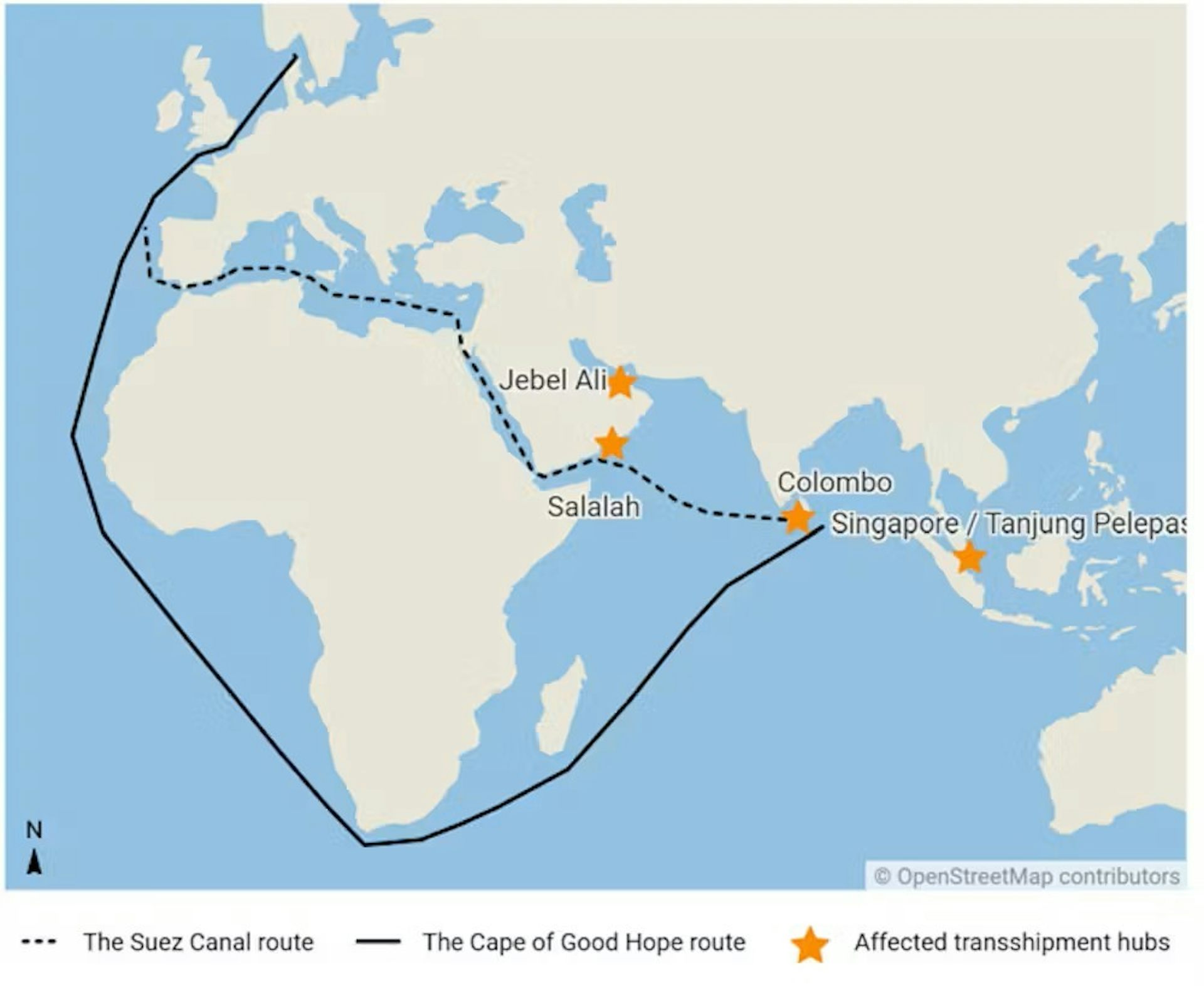
The disruption also affected shipping routes themselves. Within hours of the U.S.-Israeli strikes in February, many vessels scheduled for Suez Canal routing were diverted around the Cape of Good Hope. By early March, all four of the world’s largest container carriers — Maersk, MSC, CMA CGM and Hapag-Lloyd — had suspended Hormuz transit.
أثر الاضطراب أيضاً على مسارات الشحن نفسها. ففي غضون ساعات من الضربات الأمريكية الإسرائيلية في فبراير، تم تحويل العديد من السفن المقرر لها المرور عبر قناة السويس حول رأس الرجاء الصالح. وبحلول أوائل مارس، أوقفت جميع شركات حاويات العالم الأربع الكبرى- ميرسك (Maersk) ، وإم إس سي (MSC) ، وسي إم إيه سي جي إم (CMA CGM) ، وهاباج-لويد (Hapag-Lloyd)- عبور مضيق هرمز.
De-escalation doesn’t mean these diverted shipments will simply snap back to the strait. Many shipping firms have already restructured schedules, contracts, vessel positioning and fuel procurement for the rest of 2026 around the Cape of Good Hope route. Unwinding those arrangements takes time.
لا يعني التهدئة أن هذه الشحنات المحوّلة ستعود ببساطة إلى المضيق. فقد قامت العديد من شركات الشحن بالفعل بإعادة هيكلة الجداول الزمنية والعقود وتحديد مواقع السفن ومشتريات الوقود لبقية عام 2026 حول مسار رأس الرجاء الصالح. إن فك هذه الترتيبات يستغرق وقتاً.
History suggests why changing routes is not an easy fix. After the last Houthi attack on shipping in September 2025 in the Bab el-Mandeb, a highly strategic maritime chokepoint connecting the Red Sea to the Gulf of Aden and the Indian Ocean, a formal ceasefire was declared on Nov. 11. Yet Suez Canal traffic remained 60 per cent below pre-crisis levels 100 days after that final attack. The same pattern could play out here.
يشير التاريخ إلى سبب عدم كون تغيير المسارات حلاً سهلاً. فبعد آخر هجوم لحوثي على الشحن في سبتمبر 2025 في باب المندب، وهي نقطة اختناق بحرية استراتيجية للغاية تربط البحر الأحمر بخليج عدن والمحيط الهندي، أُعلن وقف إطلاق نار رسمي في 11 نوفمبر. ومع ذلك، ظل عبور قناة السويس أقل بنسبة 60% من مستويات ما قبل الأزمة بعد 100 يوم من هذا الهجوم الأخير. وقد يتكرر النمط نفسه هنا.
A container imbalance adds to the strain
اختلال توازن الحاويات يضيف إلى الضغط
Under normal conditions, container positioning runs on a tightly managed cycle: loaded containers move one way, and empty ones move back on a schedule that keeps equipment where it’s needed.
في الظروف العادية، يعمل تحديد مواقع الحاويات ضمن دورة مُدارة بإحكام: تتحرك الحاويات المحملة في اتجاه، وتتحرك الفارغة في الاتجاه المعاكس وفق جدول زمني يحافظ على وجود المعدات حيثما تكون مطلوبة.
The blockade broke this cycle, leaving loaded containers trapped inside the Persian Gulf, and empty containers at trans-shipment hubs like Colombo and European terminals. The cape route made it worse, adding still more empties in Europe.
أدى الحصار إلى كسر هذه الدورة، تاركاً الحاويات المحملة محاصرة داخل الخليج العربي، والحاويات الفارغة في مراكز إعادة الشحن مثل كولومبو والمحطات الأوروبية. وزاد الأمر سوءاً مسار رأس الرجاء الصالح، بإضافة المزيد من الحاويات الفارغة إلى أوروبا.
That imbalance means Asia is scrambling to find empty containers to ship cargo, while European ports are drowning in empties awaiting shipments from Asia.
يعني هذا الخلل أن آسيا تتدافع للعثور على حاويات فارغة لشحن البضائع، بينما تغرق الموانئ الأوروبية في الحاويات الفارغة التي تنتظر الشحنات القادمة من آسيا.
The containers trapped inside the Persian Gulf are only half of the story: an estimated two million shipping containers have been disrupted across the global network because of the blockade.
الحاويات المحاصرة داخل الخليج العربي هي نصف القصة فقط: حيث قُدّر تعطل ما يقرب من مليوني حاوية شحن عبر الشبكة العالمية بسبب الحصار.
The strait crisis didn’t land on a perfectly balanced system to begin with, so meaningful improvements are achievable three to five months from reopening, while a return to pre-crisis balance levels may take nine to 12 months.
لم تقع أزمة المضيق على نظام متوازن بشكل مثالي في المقام الأول، لذا يمكن تحقيق تحسينات ذات مغزى خلال ثلاثة إلى خمسة أشهر من إعادة الافتتاح، بينما قد يستغرق العودة إلى مستويات التوازن التي كانت قبل الأزمة ما بين تسعة واثني عشر شهراً.
What comes next
ما يتبع
Policymakers and logistics leaders shouldn’t assume the backlog will clear itself on a political timeline.
لا ينبغي لصناع السياسات وقادة الخدمات اللوجستية الافتراض بأن تراكم الشحنات سيزول بمجرد مرور إطار زمني سياسي.
Insurance normalization lags behind the realities on the ground by months. Shipments that diverted to the Cape of Good Hope need to be redirected back to the Suez Canal-Red Sea route, a process the Bab el-Mandeb experience suggests will be slow and partial.
يتأخر تطبيع التأمين عن الواقع على الأرض بأشهر. وتحتاج الشحنات التي حُوّلت إلى رأس الرجاء الصالح إلى إعادة توجيهها مرة أخرى عبر مسار قناة السويس والبحر الأحمر، وهي عملية تشير إليها تجربة باب المندب بأنها ستكون بطيئة وغير كاملة.
Container imbalances need to be resolved and secondary congestion at trans-shipment hubs needs to clear. The strait may be open, but for a global supply chain already strained by the COVID-19 pandemic and now by months of blockade, the work of recovery has only just begun.
يجب حل اختلال توازن الحاويات، ويجب أن يزول الازدحام الثانوي في مراكز إعادة الشحن. قد يكون المضيق مفتوحاً، ولكن بالنسبة لسلسلة إمداد عالمية مرهقة بالفعل بسبب جائحة كوفيد-19 والآن بسبب أشهر من الحصار، فإن عمل التعافي لم يبدأ إلا للتو.
Anyone budgeting around an assumption that prices will normalize as soon as headlines about the ceasefire fade should expect a longer adjustment, measured in months rather than weeks.
يجب على أي شخص يضع ميزانية بناءً على افتراض أن الأسعار ستستقر بمجرد تلاشي العناوين حول وقف إطلاق النار، أن يتوقع تعديلاً أطول، يقاس بالأشهر وليس بالأسابيع.
Behrouz Bakhtiari does not work for, consult, own shares in or receive funding from any company or organisation that would benefit from this article, and has disclosed no relevant affiliations beyond their academic appointment.
لا يعمل بهروز باختياري لدى أو يستشير، ولا يمتلك حصصاً في، ولا يتلقى تمويلاً من أي شركة أو منظمة تستفيد من هذه المقالة، ولم يفصح عن أي انتماءات ذات صلة تتجاوز منصبه الأكاديمي.
Read more
-
الذكاء الاصطناعي في كأس العالم: تكتيكات أذكى، لاعبون أكثر صحة، وحشود أكثر أماناً – ولكن مخاطر جديدة
AI at the World Cup: smarter tactics, healthy players, safer crowds – but new risks
-
عندما تُطرح عمالقة الذكاء الاصطناعي للاكتتاب العام، هل سيعرف المستثمرون العاديون ما إذا كانوا يواكبون هذه الموجة؟
When AI giants go public, will ordinary investors know if they are along for the ride?