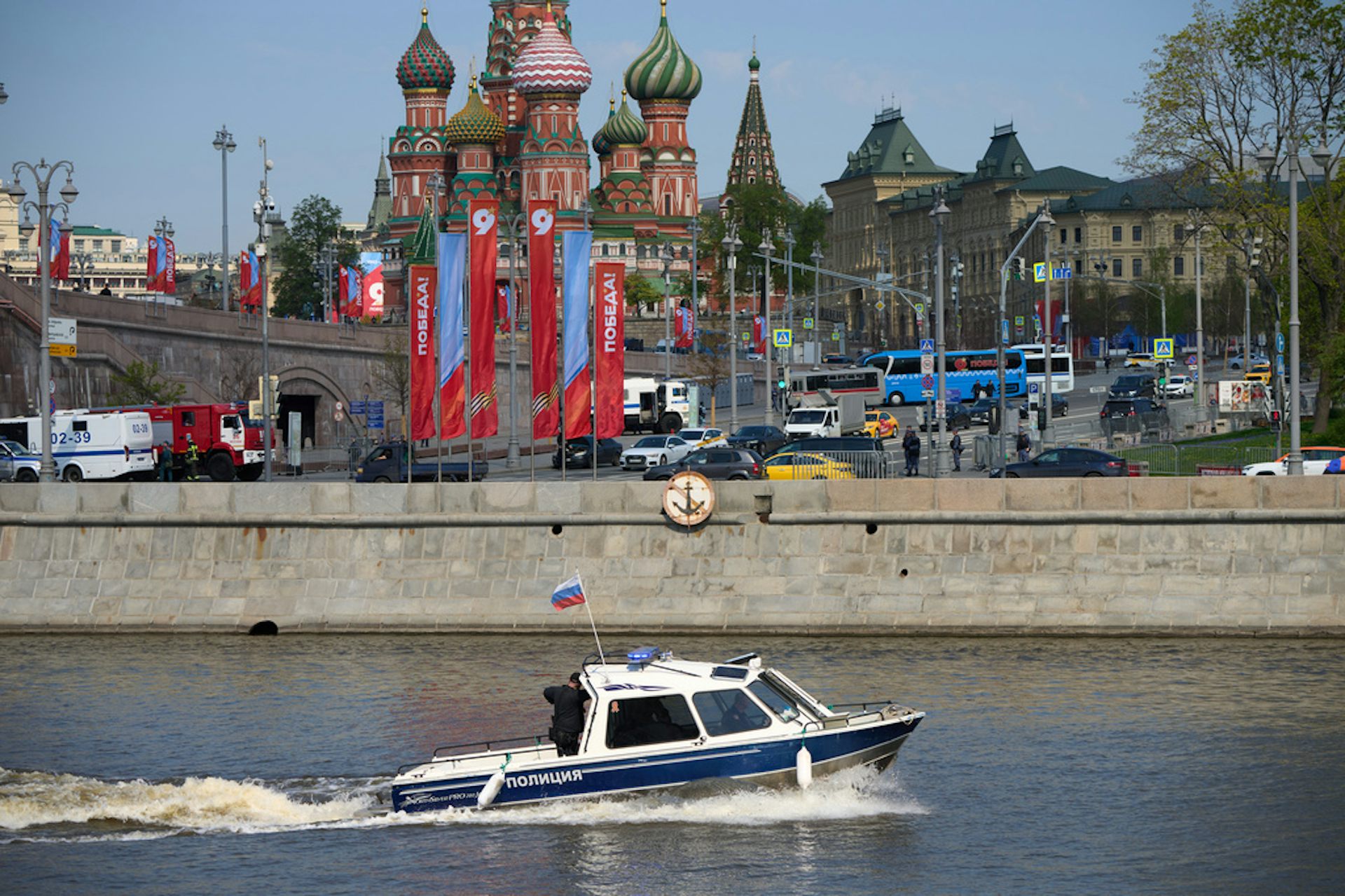
يروي استعراض يوم النصر المُقلَّص لروسيا قصة: بعيداً عن البهرجة، فإن الحرب في أوكرانيا لا تسير وفق خطة بوتين.
Russia’s pared-down Victory Day parade tells a story: Away from the pomp, war in Ukraine is not going to Putin’s plan
Moscow’s influence is Eastern Europe has been slipping of late, including with the loss of a stalwart ally in Hungary. The battleground, as ever, remains Ukraine.
لقد تراجع نفوذ موسكو في أوروبا الشرقية مؤخراً، بما في ذلك خسارة حليف قوي في المجر. ويبقى ميدان المعركة، كالعادة، أوكرانيا.
Victory Day in Russia, which marks the surrender of Nazi Germany to the Soviet Union, has long held particular importance in Vladimir Putin’s Russia.
لطالما كان يوم النصر في روسيا، الذي يخلد استسلام ألمانيا النازية للاتحاد السوفيتي، ذا أهمية خاصة في روسيا فلاديمير بوتين.
Yet this year the May 9 celebration – usually replete with extensive parades across the country and a demonstration of military hardware in Moscow – is expected to be significantly pared down. That’s due to Kyiv’s ongoing long-range military capabilities. For the first time in two decades, Russian officials have said, there will be no lavish display of tanks and missiles.
ومع ذلك، من المتوقع أن يكون احتفال 9 مايو هذا العام – الذي عادة ما يزخر بالمسيرات الواسعة في جميع أنحاء البلاد وعرض للمعدات العسكرية في موسكو – مخفّضًا بشكل كبير. ويعود ذلك إلى القدرات العسكرية بعيدة المدى المستمرة لكيف. وأعلن مسؤولون روس أن هذا العام، ولأول مرة منذ عقدين، لن يكون هناك عرض باذخ للدبابات والصواريخ.
The reality for Putin is that the war in Ukraine, now in its fifth year, continues to be a grueling drain on Russian men, its economy and resources – and may continue to be for some time.
الواقع بالنسبة لبوتين هو أن الحرب في أوكرانيا، التي دخلت عامها الخامس الآن، لا تزال تشكل استنزافًا شاقًا على الرجال الروس واقتصادهم ومواردهم – وقد تستمر في ذلك لفترة من الوقت.
That was underscored by the European Union’s April 23 approval of a US$106 billion loan package to Ukraine. The aid, which will be a boon to Ukraine’s war-torn economy, had been stymied by EU-member Hungary under its former president, Viktor Orban, who was ousted in April 12 elections.
وقد أكد ذلك موافقة الاتحاد الأوروبي في 23 أبريل على حزمة قروض بقيمة 106 مليارات دولار أمريكي لأوكرانيا. وكانت هذه المساعدات، التي ستكون بمثابة دفعة لاقتصاد أوكرانيا الممزق بالحرب، قد أعاقت من قبل المجر، وهي عضو في الاتحاد الأوروبي، في عهد رئيسها السابق فيكتور أوربان، الذي أطيح به في انتخابات 12 أبريل.
The resumption of EU aid and the removal of a pro-Moscow European voice at the EU represent major blows to Russia’s regional strategy. Perhaps trying to reset the narrative, Russia declared it would mark this Victory Day with a two-day ceasefire with Ukraine. Ukrainian President Volodymyr Zelenskyy responded by saying his country would also observe a ceasefire, starting two days earlier on May 6.
يمثل استئناف المساعدات الأوروبية وإزالة صوت أوروبي مؤيد لموسكو في الاتحاد الأوروبي ضربات كبرى لاستراتيجية روسيا الإقليمية. وربما محاولة لإعادة صياغة السردية، أعلنت روسيا أنها ستحتفل بيوم النصر هذا بوقف إطلاق نار لمدة يومين مع أوكرانيا. ورد الرئيس الأوكراني فولوديمير زيلينسكي بالقول إن بلاده ستقوم أيضًا بمراقبة وقف لإطلاق النار، بدءًا قبل يومين في 6 مايو.
But there remain few immediate signs of a breakthrough in the conflict – and Russia appears chiefly interested in negotiating Ukraine’s future not with Kyiv but with U.S. President Donald Trump, who has been sympathetic to Russian interests.
لكن لا تزال هناك علامات قليلة على اختراق فوري في الصراع – ويبدو أن روسيا مهتمة بشكل أساسي بالتفاوض بشأن مستقبل أوكرانيا ليس مع كييف بل مع الرئيس الأمريكي دونالد ترامب، الذي كان متعاطفًا مع المصالح الروسية.
As a scholar of contemporary politics in Eastern Europe, I see that as part of a pattern of Russian miscalculations and consistent denial of the will of citizens in democratic societies in Eastern Europe. Indeed, it reflects a dominant imperial mindset among Russia’s political elites, which the Kremlin has not altered since the collapse of the Soviet Union in 1991.
وبصفتي باحثًا في السياسة المعاصرة في أوروبا الشرقية، أرى أن ذلك جزء من نمط من سوء التقدير الروسي والإنكار المستمر لإرادة المواطنين في المجتمعات الديمقراطية في أوروبا الشرقية. بل إنه يعكس عقلية إمبراطورية سائدة بين النخب السياسية الروسية، وهي عقلية لم يغيرها الكرملين منذ انهيار الاتحاد السوفيتي في عام 1991.
Losing hold of the old Soviet bloc?
هل تفقد قبضة الكتلة السوفيتية القديمة؟
While formally recognizing the independence of former Soviet republics in 1991, Moscow has continued to treat those countries as part of its sphere of influence.
على الرغم من الاعتراف الرسمي باستقلال الجمهوريات السوفيتية السابقة في عام 1991، استمرت موسكو في التعامل مع تلك البلدان كجزء من مجال نفوذها.
For more than 25 years, Russia has pursued a hybrid approach of influencing former Soviet countries, along with others in Eastern Europe. That has included supporting electoral fraud, economic machination, media manipulation and use of force and violence.
لأكثر من 25 عامًا، اتبعت روسيا نهجًا هجينًا للتأثير على دول الاتحاد السوفيتي السابق، إلى جانب دول أخرى في أوروبا الشرقية. وشمل ذلك دعم التزوير الانتخابي، والمكائد الاقتصادية، والتلاعب الإعلامي، واستخدام القوة والعنف.
Indeed, suspected Russian interference in politics and elections has been a frequent occurrence in Armenia, Georgia, Moldova, Romania and most recently Hungary.
في الواقع، كان التداخل الروسي المشتبه به في السياسة والانتخابات أمرًا متكررًا في أرمينيا، وجورجيا، ومولدوفا، ورومانيا، ومؤخرًا المجر.
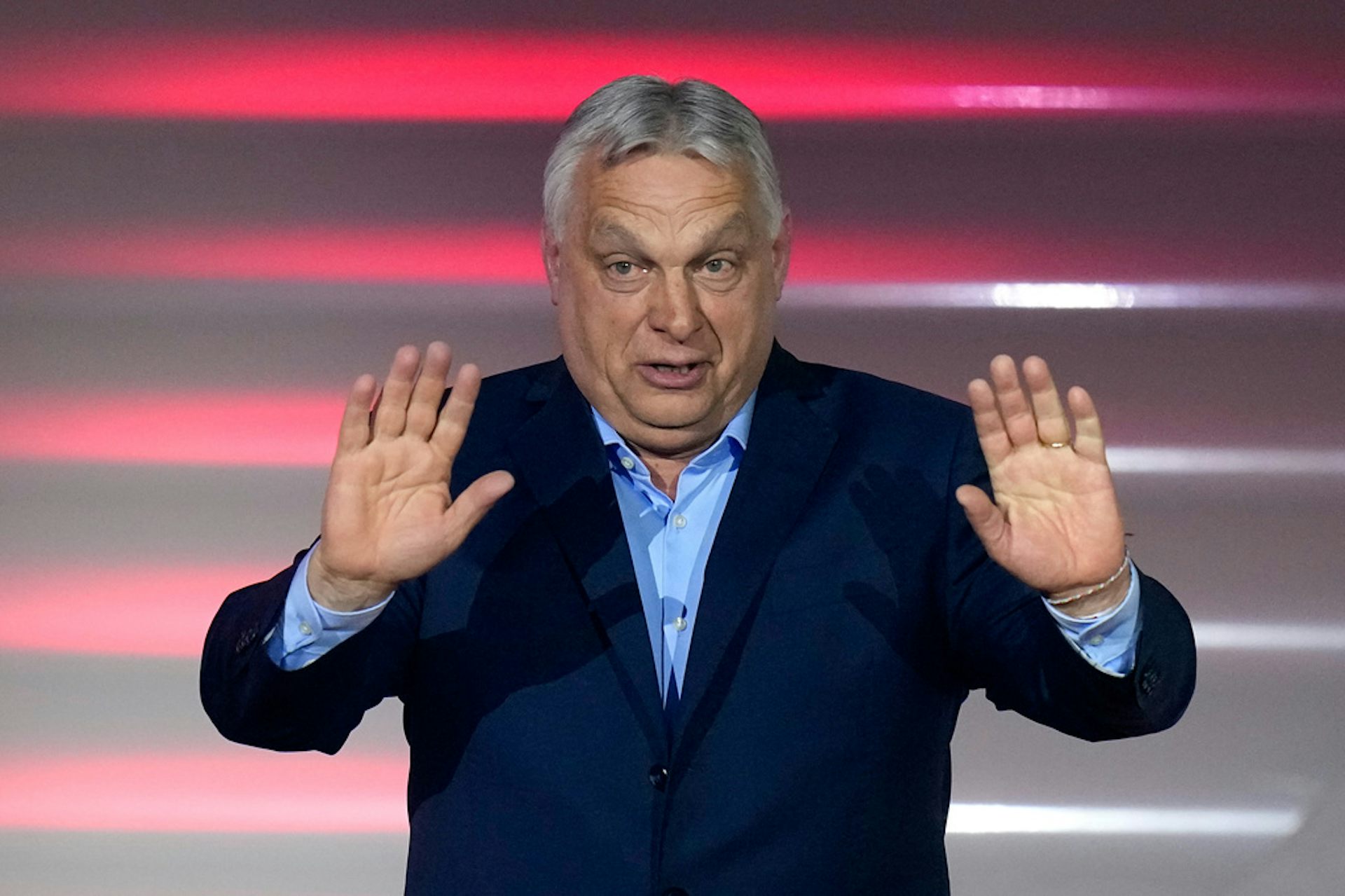
But Hungary and Armenia are recent and powerful examples that show the limits of Russian operations. Orban’s loss in Hungary immediately dislodged Russia’s most powerful point of leverage in European politics.
لكن المجر وأرمينيا هما مثالان حديثان وقويان يوضحان حدود العمليات الروسية. وقد أدى خسارة أوربان في المجر على الفور إلى إزاحة أقوى نقاط نفوذ روسيا في السياسة الأوروبية.
Meanwhile, in Yerevan on May 5, Armenia hosted a bilateral summit with the EU where the country established stronger economic and defense ties to the bloc. It was a stark diplomatic event for the country that has long been a junior ally of Russia’s but which has increasingly moved away from Moscow.
في غضون ذلك، استضافت أرمينيا في يريفان في 5 مايو قمة ثنائية مع الاتحاد الأوروبي، حيث أقامت البلاد روابط اقتصادية ودفاعية أقوى مع التكتل. وكان هذا حدثًا دبلوماسيًا صارخًا للبلد الذي كان لفترة طويلة حليفًا ثانويًا لروسيا، ولكنه ابتعد بشكل متزايد عن موسكو.
Ukraine: A test of Russian policy
أوكرانيا: اختبار للسياسة الروسية
Yet Ukraine remains the focal point of both the extent and limits of Russian external interference.
ومع ذلك، تظل أوكرانيا هي النقطة المحورية لكل من مدى وحدود التدخل الخارجي الروسي.
Putin has been attempting to have a loyal proxy government in the country ever since being spurned by Leonid Kuchma – the second president of Ukraine, who was in office until 2005 – who proclaimed that “Ukraine is not Russia.”
يحاول بوتين منذ ذلك الحين الحصول على حكومة وكيلة موالية في البلاد، وذلك منذ أن أهانه ليونيد كوتشما – الرئيس الثاني لأوكرانيا، الذي كان في منصبه حتى عام 2005 – الذي أعلن أن “أوكرانيا ليست روسيا.”
In Ukraine’s 2004 presidential elections, Putin’s Kremlin threw its substantial resources behind Kuchma’s prime minister, Viktor Yanukovich, who was seen as more friendly to Russian interests.
في الانتخابات الرئاسية الأوكرانية عام 2004، وجه الكرملين التابع لبوتين موارده الكبيرة لدعم رئيس وزراء كوتشما، فيكتور يانوكوفيتش، الذي اعتُبر أكثر ودية للمصالح الروسية.
Since then, its relationship with the country has been one of external interference. Putin’s message throughout has been clear: The West, in its fights against Russia, has sought to colonize and destroy Ukraine by supporting nationalist forces against Moscow’s interests.
ومنذ ذلك الحين، كانت علاقته بالبلاد علاقة تدخل خارجي. وكانت رسالة بوتين واضحة طوال الوقت: لقد سعى الغرب، في صراعاته ضد روسيا، إلى استعمار أوكرانيا وتدميرها من خلال دعم القوى القومية ضد مصالح موسكو.
Facing consistently strong Ukrainian civil society and sovereignty movements, Russia found it difficult to fully implement its goals through political subversion or influence. So Moscow increasingly turned to military options.
وفي مواجهة حركات المجتمع المدني والسيادة الأوكرانية القوية باستمرار، وجدت روسيا صعوبة في تنفيذ أهدافها بالكامل من خلال التخريب السياسي أو النفوذ. لذلك، اتجهت موسكو بشكل متزايد إلى الخيارات العسكرية.
In March 2014, Russia moved to annex Crimea and began a war in Ukraine’s eastern border regions of Luhansk and Donetsk.
في مارس 2014، تحركت روسيا لضم شبه جزيرة القرم وبدأت حرباً في المناطق الحدودية الشرقية لأوكرانيا، وهي لوهانسك ودونيتسك.
That war in the east ground on for years, until in 2022 Putin made the decision to double down yet again, this time opting for a full invasion. The goal of the war was in Putin’s own words to “de-militarize” and “de-nazify” Ukraine. Yet, four years later, Putin’s desire for regime change has not yielded the desired results.
استمرت تلك الحرب في الشرق لسنوات، حتى اتخذ بوتين قراراً في عام 2022 بتصعيد الموقف مرة أخرى، واختار هذه المرة غزوًا كاملاً. وكان هدف الحرب، بكلمات بوتين نفسه، هو “نزع السلاح” و”نزع النازية” من أوكرانيا. ومع ذلك، بعد أربع سنوات، لم يحقق سعي بوتين لتغيير النظام النتائج المرجوة.
The human cost of Russian pursuits
التكلفة البشرية لمساعي روسيا
Over the past year, Trump’s commitment to a peace deal between Ukraine and Russia, without first establishing a durable ceasefire, has moved the U.S. position toward Putin’s. That has included Trump’s support for Ukraine territorial concession as the grinding war continues.
على مدى العام الماضي، أدى التزام ترامب باتفاق سلام بين أوكرانيا وروسيا، دون إرساء وقف إطلاق نار دائم أولاً، إلى تقريب موقف الولايات المتحدة من موقف بوتين. وشمل ذلك دعم ترامب للتنازلات الإقليمية الأوكرانية مع استمرار الحرب الخانقة.
Without significant territorial gains, Russia has continued and intensified its campaign of mass airstrikes and drone attacks on Ukrainian population centers. Indeed, 2025 was the deadliest year since the start of the full-scale invasion; civilian deaths were up 26% in 2025 over the previous year.
دون تحقيق مكاسب إقليمية كبيرة، واصلت روسيا وكثفت حملتها من الضربات الجوية الواسعة والهجمات بالطائرات المسيرة على المراكز السكانية الأوكرانية. وفي الواقع، كان عام 2025 هو العام الأكثر دموية منذ بدء الغزو الشامل؛ حيث ارتفعت الوفيات المدنية بنسبة 26% في عام 2025 مقارنة بالعام السابق.
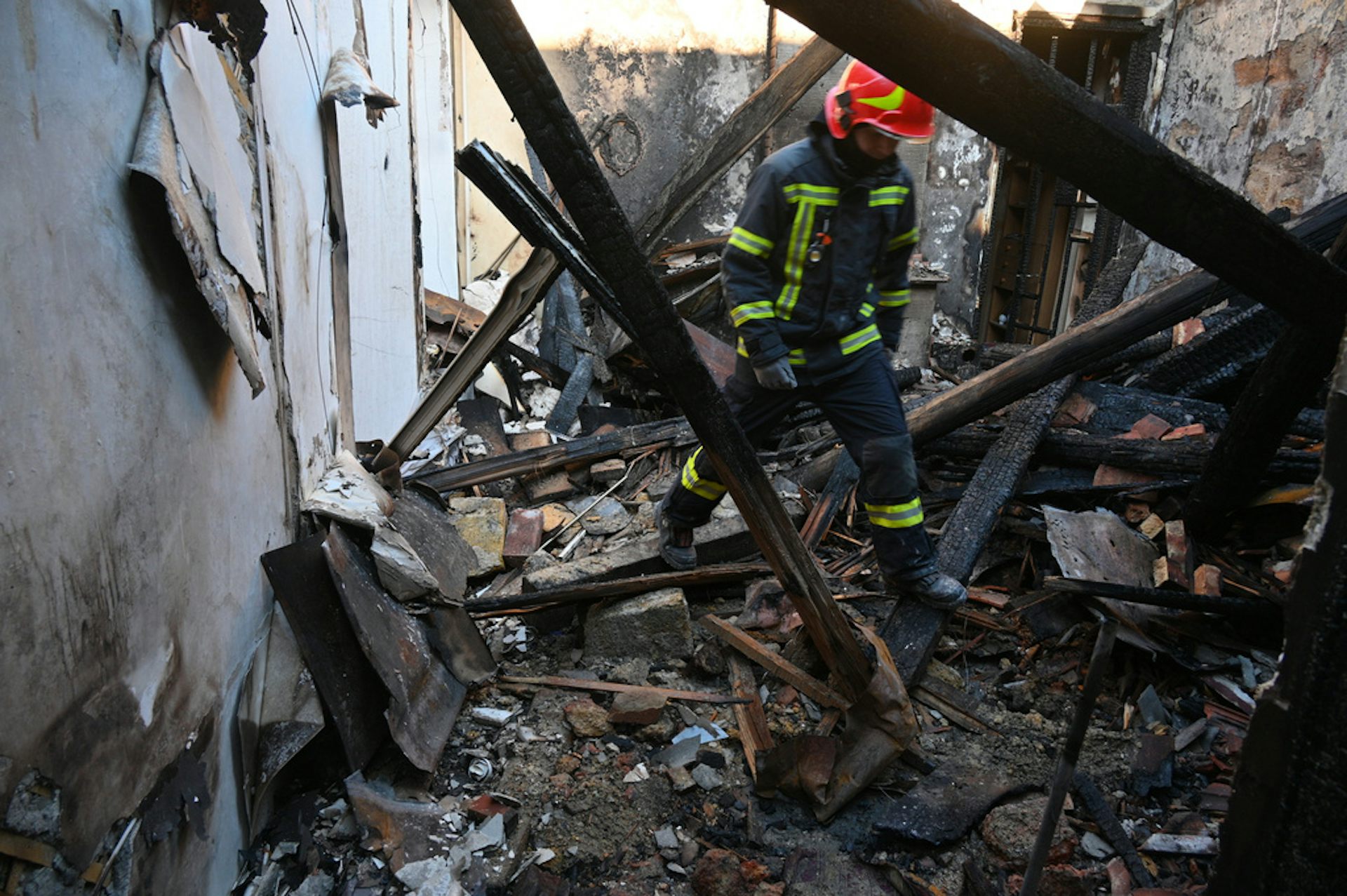
In the especially cold winter of 2025-26, Russia consistently targeted the energy grids vital to the millions of Ukrainians. Across Ukraine, at the record-low freezing temperatures, people endured daily attacks by drones and artillery, while trying to survive without electricity, heat and running water.
في شتاء 2025-2026 شديد البرودة بشكل خاص، استهدفت روسيا باستمرار شبكات الطاقة الحيوية لملايين الأوكرانيين. وفي جميع أنحاء أوكرانيا، وفي درجات التجمد القياسية المنخفضة، تحمل الناس هجمات يومية بالطائرات المسيرة والمدفعية، بينما كانوا يحاولون البقاء على قيد الحياة دون كهرباء أو تدفئة أو مياه جارية.
The Kremlin’s plan to put maximum pressure on Ukrainian civilians in the hope that Ukrainians would start blaming their leadership for refusing peace on Putin’s terms has not worked. For its part, the Ukrainian leadership has refused Russia’s maximalist war aims while cautiously continuing a commitment to the U.S.-mediated peace process.
لم تنجح خطة الكرملين لممارسة أقصى ضغط على المدنيين الأوكرانيين على أمل أن يبدأ الأوكرانيون بلوم قيادتهم لرفض السلام بشروط بوتين. ومن جانبها، رفضت القيادة الأوكرانية الأهداف الحربية القصوى لروسيا، بينما واصلت بحذر التزامها بعملية السلام التي تتوسط فيها الولايات المتحدة.
Zelenskyy’s approval ratings remain steady at around 60%. The public opposition to Moscow’s demands on territorial concessions have not budged either, with a majority of Ukrainians continuing to categorically reject territorial concessions. Those numbers have not changed significantly since 2024.
لا تزال معدلات موافقة زيلينسكي مستقرة عند حوالي 60%. كما أن المعارضة الشعبية لمطالب موسكو بالتنازلات الإقليمية لم تتزحزح، حيث يواصل غالبية الأوكرانيين رفض التنازلات الإقليمية بشكل قاطع. ولم تتغير هذه الأرقام بشكل كبير منذ عام 2024.
Yet, war and surviving it takes a toll. And the experience of the year of negotiations has left many disillusioned, with some 70% doubting that peace talks will lead to a lasting solution.
ومع ذلك، فإن الحرب والبقاء على قيد الحياة يفرضان ثمنًا باهظًا. وقد تركت تجربة عام المفاوضات الكثيرين خائبين الأمل، حيث يشكك حوالي 70% في أن محادثات السلام ستؤدي إلى حل دائم.
A murky future
مستقبل غامض
The last rounds of U.S.-mediated talks between Russia and Ukraine took place Feb. 16, 2026.
عُقدت الجولات الأخيرة من المحادثات التي توسطت فيها الولايات المتحدة بين روسيا وأوكرانيا في 16 فبراير 2026.
While Zelenskyy insists that the talks are not stalled, Russian’s top diplomat, Sergey Lavrov, has said the negotiations are not Russia’s top priority.
وبينما يصر زيلينسكي على أن المحادثات لم تتوقف، قال دبلوماطي روسيا البارز، سيرجي لافروف، إن المفاوضات ليست الأولوية القصوى لروسيا.
Buoyed by high oil prices as a result of the U.S. war in Iran, Russia has pursued a spring offensive and not relinquished its demands on Ukraine’s territories.
مدفوعة بارتفاع أسعار النفط نتيجة الحرب الأمريكية في إيران، شنت روسيا هجومًا ربيعيًا ولم تتخلَّ عن مطالبها بشأن أراضي أوكرانيا.
Yet this demand remains a nonstarter for Ukraine and Zelenskyy. As the Trump administration embraces the Russian “land for security” plan, Russia and its allies are likely to continue to put pressure on Zelenskyy, portraying him as an obstacle to peace talks.
ومع ذلك، لا تزال هذه المطالب غير قابلة للتطبيق بالنسبة لأوكرانيا وزيلينسكي. ومع تبني إدارة ترامب لخطة روسيا “أرض مقابل أمن”، من المرجح أن تواصل روسيا وحلفاؤها الضغط على زيلينسكي، وتصويره على أنه عقبة أمام محادثات السلام.
But especially given Moscow’s recent woes, from losing a reliable ally in Hungary to the related EU loan guarantee, it’s unlikely that a continued grinding war will convince Ukrainians to abandon their sovereignty – or serve Russia’s own security.
ولكن خاصة بالنظر إلى محن موسكو الأخيرة، بدءًا من فقدان حليف موثوق به في المجر وصولاً إلى الضمان المتعلق بقرض الاتحاد الأوروبي، فمن المستبعد أن يقنع حرب مستمرة ومضنية الأوكرانيين بالتخلي عن سيادتهم – أو خدمة الأمن الروسي نفسه.
Lena Surzhko Harned does not work for, consult, own shares in or receive funding from any company or organization that would benefit from this article, and has disclosed no relevant affiliations beyond their academic appointment.
لينا سورشكو هارنيد لا تعمل لدى، أو تستشير، أو تمتلك أسهمًا في، أو تتلقى تمويلاً من أي شركة أو منظمة قد تستفيد من هذه المقالة، ولم تكشف عن أي انتماءات ذات صلة تتجاوز منصبها الأكاديمي.
Read more
-
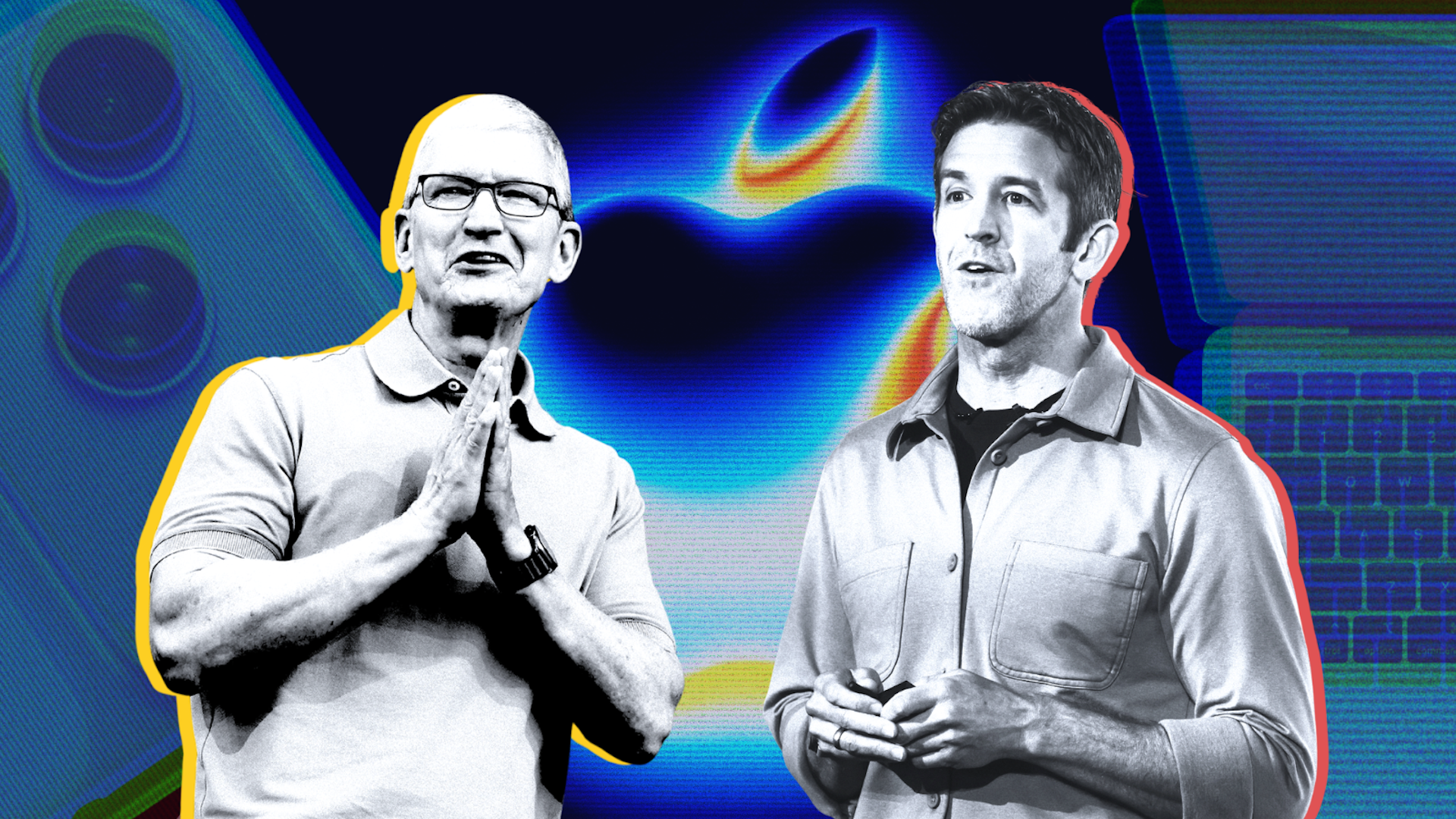
يستقيل الرئيس التنفيذي لشركة آبل، تيم كوك، بعد 15 عامًا. ما هو التالي لعملاق التكنولوجيا هذا؟
Apple chief executive Tim Cook resigns after 15 years. What’s next for the tech giant?
-
هل تغذي تخفيضات المساعدات الصراع العنيف في أفريقيا؟ كيف يمكن تعزيز السلام
Do aid cuts fuel violent conflict in Africa? How to promote peace