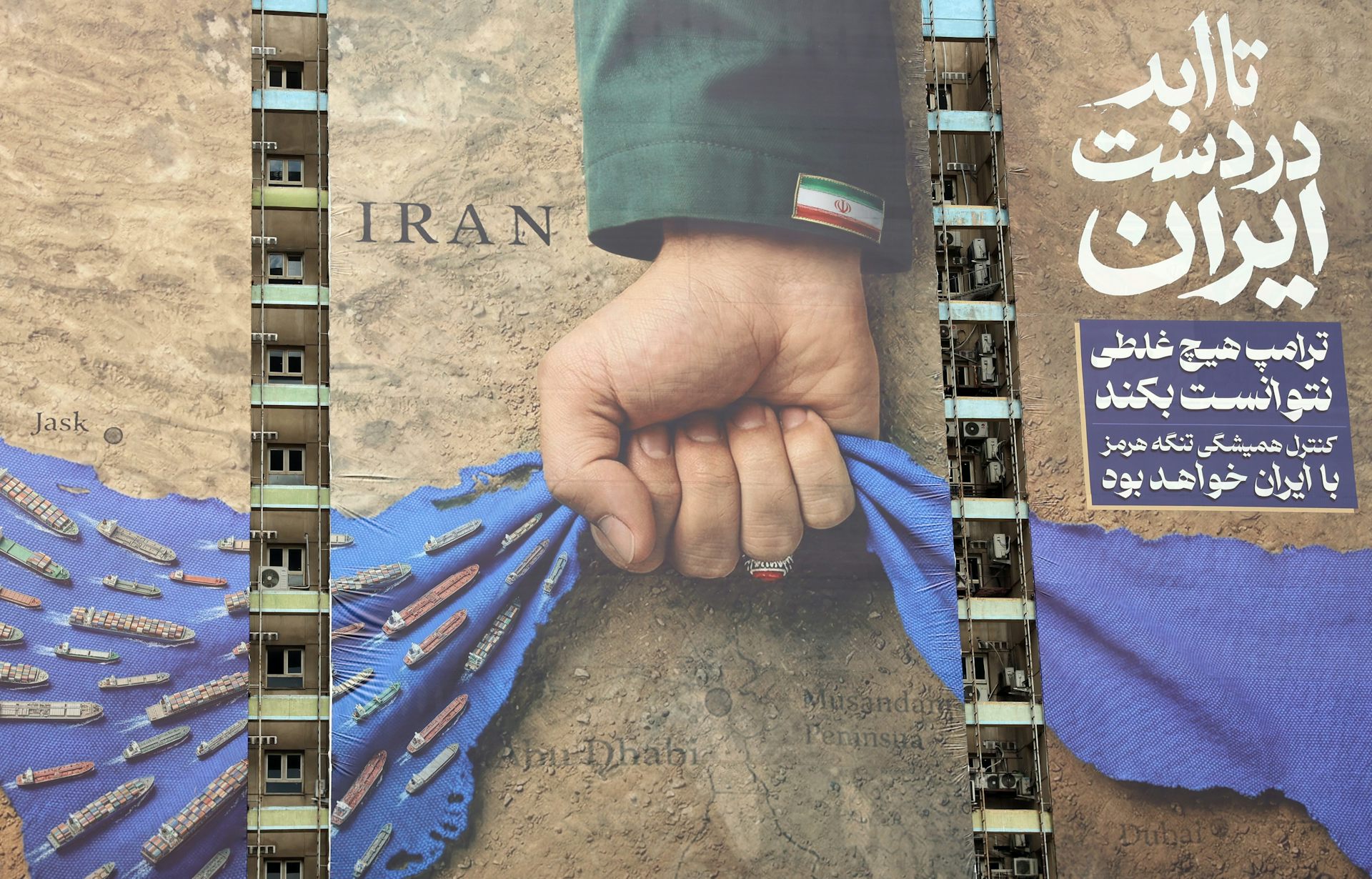
يبدو صراع الشرق الأوسط بشكل متزايد كحرب لا يمكن لأحد الفوز بها
Middle East conflict looks increasingly like a war nobody can win
But the longer it continues the more damage it does to the whole world.
ولكن كلما طال استمراره، زاد الضرر الذي يلحقه بالعالم بأسره.
Let’s begin with a simple question that rarely gets a straight answer: what would victory over Iran actually look like? In Washington and Jerusalem, the answers tend to sound definitive: eliminate Iran’s nuclear capability, break its regional power, perhaps even force political change at the top. It’s the language of decisive war, the kind with a clear endpoint.
دعنا نبدأ بسؤال بسيط نادرًا ما يحصل على إجابة واضحة: كيف ستبدو الانتصار على إيران فعليًا؟ في واشنطن والقدس، تميل الإجابات إلى أن تكون حاسمة: إزالة القدرة النووية الإيرانية، وكسر قوتها الإقليمية، وربما حتى فرض تغيير سياسي على المستوى الأعلى. إنها لغة الحرب الحاسمة، النوع الذي له نقطة نهاية واضحة.
But shift the perspective to Tehran, and the definition changes completely. Victory, for Iran, is survival. That asymmetry shapes the entire conflict. In wars like this, the side that needs less to claim success often has the advantage – and, right now, Iran needs far less.
لكن إذا حولنا المنظور إلى طهران، يتغير التعريف بالكامل. بالنسبة لإيران، البقاء هو الانتصار. هذا التباين يشكل الصراع بأكمله. في حروب كهذه، غالبًا ما تكون الميزة للطرف الذي يحتاج إلى أقل لتحقيق النجاح – وفي الوقت الحالي، تحتاج إيران إلى أقل بكثير.
There is no denying the military imbalance. The US and Israel can strike with extraordinary precision and reach. They have demonstrated that repeatedly – targeting infrastructure, leadership and strategic assets.
لا يمكن إنكار الخلل العسكري. يمكن للولايات المتحدة وإسرائيل الضرب بدقة ومدى استثنائيين. لقد أثبتا ذلك مرارًا وتكرارًا – باستهداف البنية التحتية والقيادات والأصول الاستراتيجية.
But tactical success has yet to translate into political outcome. Iran’s state hasn’t fractured. Its governing system remains intact, and its networks – military, regional, ideological – continue to function. Even its most sensitive capabilities, including nuclear expertise, remain resilient.
لكن النجاح التكتيكي لم يترجم بعد إلى نتيجة سياسية. لم تتصدع الدولة الإيرانية. ولا يزال نظامها الحاكم سليمًا، وشبكاتها – العسكرية والإقليمية والأيديولوجية – تواصل العمل. حتى قدراتها الأكثر حساسية، بما في ذلك الخبرة النووية، لا تزال مرنة.
The deeper miscalculation lies in assuming Tehran is playing the same game as Washington. It isn’t. Iran is not trying to defeat the US or Israel outright. It is trying to outlast them, complicate their objectives and raise the cost of progress until it becomes unsustainable.
الخطأ الأعمق يكمن في افتراض أن طهران تلعب نفس اللعبة التي تلعبها واشنطن. هي لا تفعل. إيران لا تحاول هزيمة الولايات المتحدة أو إسرائيل بشكل مباشر. إنها تحاول أن تصمد أطول منهما، وتعقيد أهدافهما، ورفع تكلفة التقدم حتى يصبح غير مستدام.
This logic is visible in how the conflict has unfolded. The battlefield extends beyond direct confrontation into shipping lanes, energy markets and regional alliances. Disruptions in the Strait of Hormuz are not incidental – they are pressure points with global consequences.
هذا المنطق واضح في كيفية تطور الصراع. يمتد ساحة المعركة إلى ما وراء المواجهة المباشرة لتشمل ممرات الشحن وأسواق الطاقة والتحالفات الإقليمية. إن الاضطرابات في مضيق هرمز ليست عرضية – بل هي نقاط ضغط ذات عواقب عالمية.
Iran’s strategy is not about dominance but entanglement. It doesn’t need battlefield superiority if it can draw its adversaries into a conflict that is too costly to resolve and too complex to conclude.
استراتيجية إيران ليست حول الهيمنة بل حول التشابك. إنها لا تحتاج إلى التفوق في ساحة المعركة إذا كان بإمكانها جر خصومها إلى صراع باهظ التكلفة للغاية ومعقد للغاية للإنهاء.
When wars stall, the instinct is to escalate: more bombing, strikes on energy infrastructure, even, in extremis, “boots on the ground”. The assumption is that more force will finally produce a different outcome.
عندما تتعثر الحروب، يكون الغريزة هي التصعيد: المزيد من القصف، والضربات على البنية التحتية للطاقة، وحتى، في حالة الضرورة القصوى، “الأقدام على الأرض.” الافتراض هو أن المزيد من القوة سيؤدي أخيرًا إلى نتيجة مختلفة.
But Iran is not a passive target. It has already shown a willingness to retaliate across the region, including against Saudi Arabia, the United Arab Emirates, Qatar, Kuwait, Bahrain, Oman, as well as targets in Jordan and Iraq. Strikes on Iran’s energy systems would not stay contained – they would invite retaliation against these same states, widening the conflict.
لكن إيران ليست هدفًا سلبيًا. لقد أظهرت بالفعل استعدادًا للانتقام في جميع أنحاء المنطقة، بما في ذلك ضد المملكة العربية السعودية والإمارات العربية المتحدة وقطر والكويت والبحرين وعمان، بالإضافة إلى أهداف في الأردن والعراق. لن تبقى الضربات على الأنظمة الطاقية الإيرانية محصورة – بل ستدعو إلى انتقام ضد هذه الدول نفسها، مما يوسع نطاق الصراع.
There is another constraint: American is estimated to have already used up around 45% to 50% of key missile stockpiles, including roughly 30% of its Tomahawk missile inventory. So the stark reality is that escalation is no longer just about willingness, but capacity — and in any wider war, the question may not be how far the US can go, but how much it has left.
هناك قيد آخر: يُقدر أن الولايات المتحدة استنفدت بالفعل ما بين 45% و 50% من مخزون الصواريخ الرئيسية، بما في ذلك ما يقرب من 30% من مخزونها من صواريخ “تومهاوك.” لذا، فإن الحقيقة الصارخة هي أن التصعيد لم يعد يتعلق فقط بالاستعداد، بل بالقدرة – وفي أي حرب أوسع، قد لا يكون السؤال هو إلى أي مدى يمكن للولايات المتحدة الذهاب، بل كم تبقى لديها.
The consequences would also extend beyond the battlefield. Iran’s response would be sustained attacks on neighbouring countries, on their power, fuel, and water systems, rendering parts of the region increasingly unlivable as temperatures soar over summer. Huge numbers of people would be forced to leave, risking another large-scale displacement crisis.
ستمتد العواقب أيضًا إلى ما وراء ساحة المعركة. سيكون رد فعل إيران عبارة عن هجمات مستمرة على الدول المجاورة، على أنظمة الطاقة والوقود والمياه الخاصة بها، مما يجعل أجزاء من المنطقة غير صالحة للعيش بشكل متزايد مع ارتفاع درجات الحرارة خلال الصيف. سيُجبر عدد كبير من الناس على المغادرة، مما يخاطر بأزمة نزوح كبيرة أخرى.
Even then, the core reality remains unchanged. Iran is built for endurance – any ground campaign would likely become prolonged and attritional. More importantly, escalation misses the point – the problem is not a lack of force, but the absence of a political objective that force can realistically achieve.
حتى في هذه الحالة، تظل الحقيقة الأساسية دون تغيير. إيران مبنية على التحمل – وأي حملة برية من المرجح أن تصبح مطولة ومستنزفة. والأهم من ذلك، أن التصعيد يغفل الهدف – فالمشكلة ليست في نقص القوة، بل في غياب الهدف السياسي الذي يمكن للقوة تحقيقه بشكل واقعي.
Compounding the problem is a quieter but equally significant reality; the US and Israel do not appear to be fully aligned in their end goals. Israel’s posture suggests a pursuit of maximal outcomes – deep, possibly irreversible weakening of Iran’s system, if not outright regime collapse. The US, by contrast, appears to oscillate between coercion, containment and negotiation.
يزيد من تعقيد المشكلة واقع أكثر هدوءًا ولكنه لا يقل أهمية؛ فتبدو الولايات المتحدة وإسرائيل غير متوائمة تمامًا في أهدافهما النهائية. يشير موقف إسرائيل إلى السعي لتحقيق أقصى النتائج – إضعاف عميق، وربما لا رجعة فيه، لنظام إيران، إن لم يكن انهيار النظام بالكامل. في المقابل، تبدو الولايات المتحدة وكأنها تتأرجح بين الإكراه والاحتواء والتفاوض.
These are not just differences in emphasis – they are differences in strategy. Wars fought without a shared definition of victory rarely produce victory at all. What they produce instead is sustained military activity without strategic convergence – constant movement, but little progress toward resolution.
هذه ليست مجرد اختلافات في التأكيد – بل هي اختلافات في الاستراتيجية. فالحروب التي تُخاض دون تعريف مشترك للنصر نادرًا ما تحقق النصر على الإطلاق. وما تنتجه بدلاً من ذلك هو نشاط عسكري مستدام دون تقارب استراتيجي – حركة مستمرة، ولكن تقدم ضئيل نحو الحل.
No conclusion in sight
لا ختام في الأفق
At some point, it becomes necessary to describe things as they are. This is no longer a war moving toward a decisive conclusion. It is a conflict settling into a pattern – strikes followed by pauses, ceasefires that hold just long enough to prevent collapse, and negotiations that advance just enough to avoid failure.
في مرحلة ما، يصبح من الضروري وصف الأمور كما هي. لم تعد هذه حرباً تتجه نحو ختام حاسم. بل هي صراع يستقر في نمط – إضرابات تتبعها فترات توقف، ووقفات نار تستمر لفترة كافية لمنع الانهيار، ومفاوضات تتقدم بما يكفي لتجنب الفشل.
And those ceasefires tell their own story. Their repeated extension reflects not progress, but constraint. Washington, under Donald Trump, has strong incentives to keep talks alive, avoid deeper escalation, and end the war sooner rather than later. The alternatives – regional war or global economic shock – are far harder to manage. That dynamic gives Tehran leverage. It does not need to concede quickly when delay itself strengthens its position.
وتحكي وقفاتها النارية قصتها الخاصة. إن تمديدها المتكرر لا يعكس تقدماً، بل يعكس تقييداً. لدى واشنطن، تحت إدارة دونالد ترامب، حوافز قوية لإبقاء المحادثات حية، وتجنب التصعيد الأعمق، وإنهاء الحرب في أقرب وقت ممكن بدلاً من تأجيلها. أما البدائل – الحرب الإقليمية أو الصدمة الاقتصادية العالمية – فهي أصعب بكثير في الإدارة. وتمنح هذه الديناميكية طهران نفوذاً. فهي لا تحتاج إلى التنازل بسرعة عندما يكون التأخير بحد ذاته يعزز موقعها.
Time, in this sense, is not neutral. The longer the conflict drags on, the more it intersects with the most sensitive pressure points of the global economy. Energy markets are stressed, with supply routes under strain and reserves tightening. Industries that depend on stable fuel flows – aviation, shipping, manufacturing – are increasingly exposed.
الوقت، بهذا المعنى، ليس محايداً. كلما طال أمد الصراع، زاد تداخله مع أكثر نقاط الضغط حساسية في الاقتصاد العالمي. أسواق الطاقة تعاني من الضغط، مع تزايد الضغط على طرق الإمداد وتشديد الاحتياطيات. الصناعات التي تعتمد على تدفقات الوقود المستقرة – مثل الطيران والشحن والتصنيع – أصبحت أكثر عرضة للخطر.
What began as a regional conflict has morphed into systemic risk. Even limited disruption can ripple outward, affecting prices, supply chains and political stability. The longer the stalemate persists, the greater the cumulative strain and the closer it edges toward a broader economic shock.
ما بدأ كصراع إقليمي تحول إلى خطر نظامي. حتى التعطيل المحدود يمكن أن يتردد صداه إلى الخارج، مؤثراً على الأسعار وسلاسل الإمداد والاستقرار السياسي. وكلما طالت فترة الجمود، زاد الضغط التراكمي واقترب من صدمة اقتصادية أوسع نطاقاً.
Who really holds the advantage?
من يمتلك الميزة حقاً؟
In purely military terms, the answer is obvious: the US and Israel retain overwhelming superiority. But wars are not decided by capability alone. They are decided by how goals, costs, and time interact.
من الناحية العسكرية البحتة، الإجابة واضحة: تحتفظ الولايات المتحدة وإسرائيل بتفوق ساحق. لكن الحروب لا تُحسم بالقدرة وحدها. بل تُحسم بكيفية تفاعل الأهداف والتكاليف والوقت.
In that equation, Iran’s position is stronger than it appears. It has set a lower threshold for success, demonstrated a higher tolerance for prolonged pressure, and shown an ability to impose costs beyond the battlefield. Most importantly, it does not need to win. It only needs to prevent its adversaries from achieving their aims. So far, it has done exactly that.
في هذه المعادلة، يظهر موقف إيران أقوى مما يبدو. فقد حددت عتبة أقل للنجاح، وأظهرت قدرة تحمل أعلى للضغوط المطولة، وأثبتت قدرة على فرض تكاليف تتجاوز ساحة المعركة. والأهم من ذلك، أنها لا تحتاج إلى الفوز. كل ما تحتاجه هو منع خصومها من تحقيق أهدافهم. وحتى الآن، فعلت ذلك تماماً.
Which brings us back to the original question: can the US and Israel win this war? If winning means forcing Iran into submission or fundamentally reshaping its strategic posture, the answer is increasingly difficult to avoid – they cannot.
وهذا يعيدنا إلى السؤال الأصلي: هل يمكن للولايات المتحدة وإسرائيل الفوز بهذه الحرب؟ إذا كان الفوز يعني إخضاع إيران أو إعادة تشكيل وضعها الاستراتيجي بشكل جوهري، فإن الإجابة أصبحت يصعب تجنبها – فهم لا يستطيعون ذلك.
What they can do is continue. Manage the conflict, contain its spread and shape its margins. But that is not victory. It is endurance.
ما يمكنهم فعله هو الاستمرار. إدارة الصراع، واحتواء انتشاره وتشكيل حدوده. لكن هذا ليس انتصاراً. إنه صمود.
The real danger is not defeat, but the persistence of a belief that just a little more pressure, a little more escalation, or a little more time will produce a different result. If that belief is wrong, then this is not a war on the verge of being won. It is a war that cannot be won at all. A forever war.
الخطر الحقيقي ليس الهزيمة، بل استمرار الاعتقاد بأن المزيد من الضغط، أو المزيد من التصعيد، أو المزيد من الوقت سيؤدي إلى نتيجة مختلفة. إذا كان هذا الاعتقاد خاطئاً، فليست هذه حرباً على وشك أن تُكسب. إنها حرب لا يمكن الفوز بها على الإطلاق. حرب أبدية.
The authors do not work for, consult, own shares in or receive funding from any company or organisation that would benefit from this article, and have disclosed no relevant affiliations beyond their academic appointment.
لا يعمل المؤلفون لدى، أو يشاركون، أو يملكون حصصاً في، أو يتلقون تمويلاً من أي شركة أو منظمة تستفيد من هذه المقالة، ولم يفصحوا عن أي انتماءات ذات صلة تتجاوز تعيينهم الأكاديمي.
Read more
-
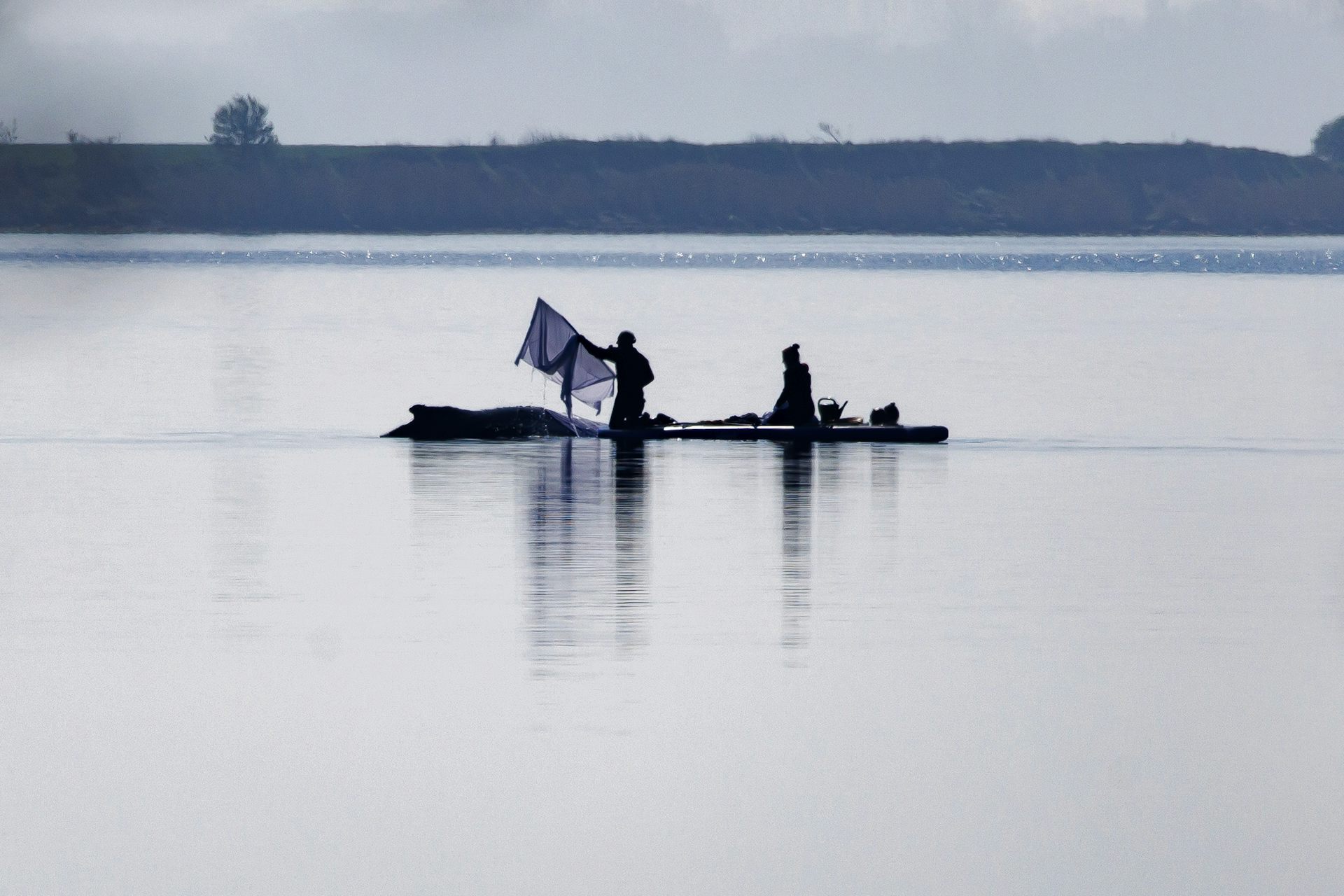
تثير تعرُّشات الحيتان استجابات عاطفية. لكن عمليات الإنقاذ المتكررة يمكن أن تسبب ضررًا أكبر.
Whale strandings draw emotional responses. But repeated rescues can cause more harm
-
كيف يعمل الخيال حقًا في الدماغ؟ نظرية جديدة تقلب ما كنا نعرفه
How does imagination really work in the brain? New theory upends what we knew