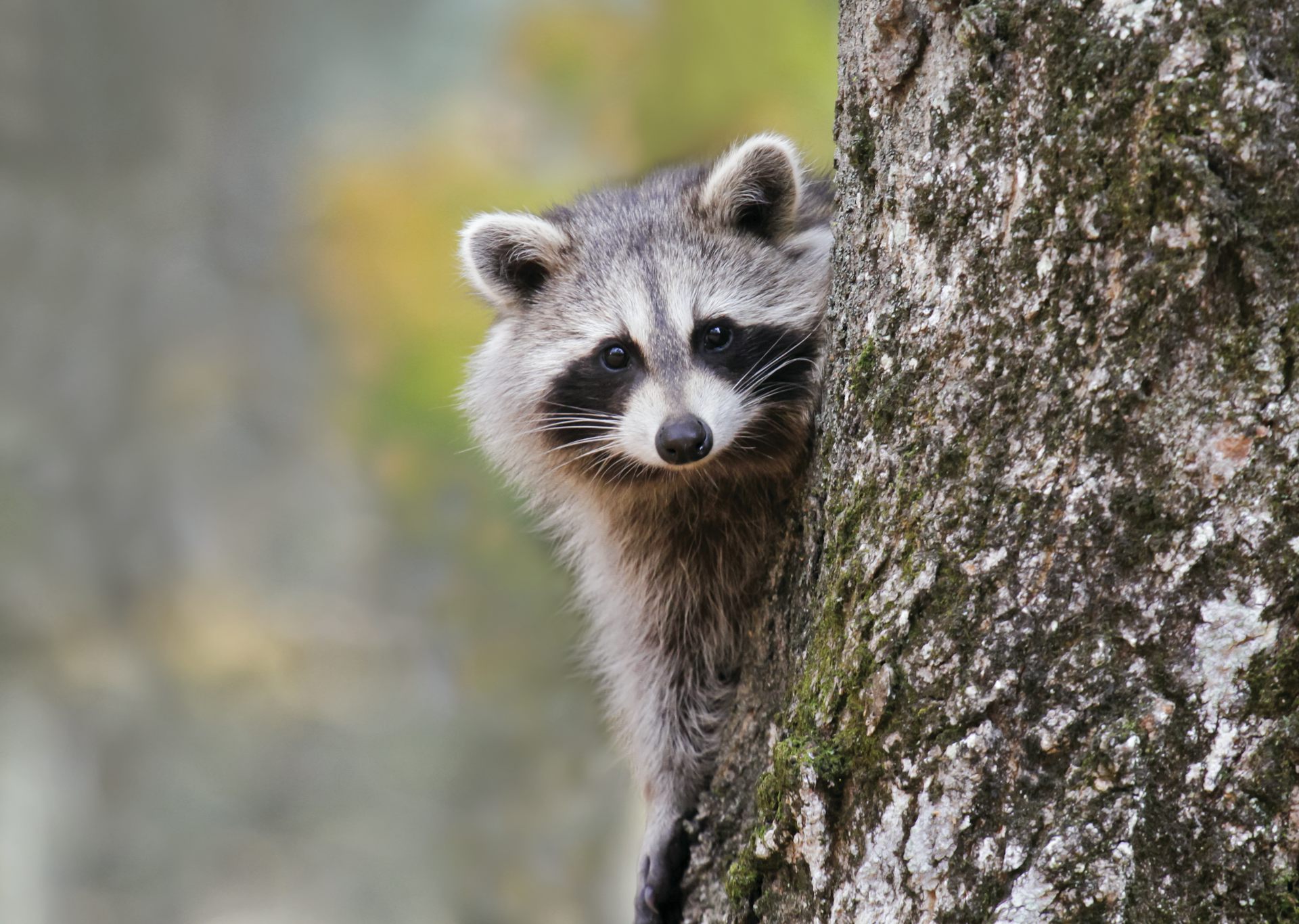
نظريات المؤامرة: هل يعتقد 300,000 كويز حقًا أن كندا تبني جيشًا من الثعالب العملاقة المتحورة؟
Conspiracy theories: do 300,000 Kiwis really believe Canada is building an army of mutant super-raccoons?
Surveys may overestimate belief in conspiracy theories because of trolls and jokers – but genuine believers can still cause real-world harm.
قد تبالغ الاستطلاعات في تقدير الاعتقاد بنظريات المؤامرة بسبب المتنمرين والمزاحين – ولكن المؤمنين الحقيقيين لا يزالون قادرين على التسبب في ضرر في العالم الحقيقي.
Four percent of Americans – roughly 12 million people – believe that “lizard people” secretly control the Earth. At least, that was the finding of an infamous 2013 public opinion survey.
أعتقد أن أربعة بالمئة من الأمريكيين – حوالي 12 مليون شخص – يعتقدون أن “أناس السحالي” يسيطرون على الأرض سرًا. على الأقل، كانت هذه هي نتيجة استطلاع رأي عام سيئ السمعة أُجري عام 2013.
Do so many people really believe such outlandish claims? Or do results like these partly reflect people giving silly answers or deliberately skewing surveys for fun?
هل يعتقد الكثير من الناس مثل هذه الادعاءات الغريبة حقًا؟ أم أن مثل هذه النتائج تعكس جزئيًا إجابات الناس السخيفة أو تحريفهم المتعمد للاستطلاعات من أجل المتعة؟
US psychiatrist Alexander Scott believes the latter plays a significant role.
يعتقد طبيب النفس الأمريكي ألكسندر سكوت أن الأخير يلعب دورًا هامًا.
Using the survey as an example, he coined the term “the Lizardman constant” to describe the idea that a certain amount of noise and trolling will always exist in surveys about unusual beliefs.
باستخدام الاستطلاع كمثال، صاغ مصطلح “ثابت الرجل الزاحف” لوصف الفكرة القائلة بأن كمية معينة من الضوضاء والتنمر ستوجد دائمًا في الاستطلاعات حول المعتقدات غير العادية.
As Scott warned: “Any possible source of noise – jokesters, cognitive biases, or deliberate misbehaviour – can easily overwhelm the signal.”
كما حذر سكوت: “أي مصدر محتمل للضوضاء – الممازحون، أو التحيزات المعرفية، أو السلوك الخاطئ المتعمد – يمكن أن يطغى بسهولة على الإشارة.”
As researchers who study uncommon beliefs such as conspiracy theories, we wanted to investigate how this kind of cheeky trolling can muddy the waters.
بصفتنا باحثين ندرس المعتقدات غير الشائعة مثل نظريات المؤامرة، أردنا أن نحقق في كيفية قيام هذا النوع من التنمر الوقح بتعكير المياه.
Trolls and true believers
الترولز والمؤمنون الحقيقيون
Building on earlier Australian research, we surveyed New Zealanders to test how common dishonest or joking responses were in conspiracy theory surveys.
بناءً على الأبحاث الأسترالية السابقة، أجرينا مسحاً على النيوزيلنديين لاختبار مدى شيوع الردود غير الصادقة أو الدعابية في استطلاعات نظريات المؤامرة.
We did this in two ways. First, we directly asked people a yes/no question at the end of the survey:
قمنا بذلك بطريقتين. أولاً، سألنا الناس سؤالاً بنعم/لا مباشرة في نهاية الاستبيان:
“Did you respond insincerely at any earlier point in this survey? In other words, did you give any responses that were actually just joking, trolling, or otherwise not indicating what you really think?”
“هل أجبت بشكل غير صادق في أي وقت سابق من هذا الاستبيان؟ بعبارة أخرى، هل قدمت أي ردود كانت مجرد مزحة، أو ترولاً، أو لم تدل على ما تفكر فيه حقاً؟”
Second, we included in the survey a “conspiracy theory” so ridiculous we could assume most, if not all, people who said they believed it were taking the mickey.
ثانياً، أضفنا إلى الاستبيان “نظرية مؤامرة” سخيفة لدرجة أنه كان بإمكاننا افتراض أن معظم، إن لم يكن جميع، الأشخاص الذين قالوا إنهم يؤمنون بها كانوا يمزحون.
We asked them if they believed:
سألناهم عما إذا كانوا يؤمنون بما يلي:
The Canadian Armed Forces have been secretly developing an elite army of genetically engineered, super intelligent, giant raccoons to invade nearby countries.
القوات المسلحة الكندية كانت تطور سراً جيشاً نخبوياً من الراكونات المهندسة وراثياً، فائقة الذكاء، العملاقة بغرض غزو البلدان المجاورة.
In our representative online sample of 810 New Zealanders, 8.3% of respondents confessed to being insincere in the survey.
في عينتنا التمثيلية عبر الإنترنت المكونة من 810 نيوزيلندياً، اعترف 8.3% من المستجيبين بأنهم لم يكونوا صادقين في الاستبيان.
Another 7.2% said they thought the Canadian raccoon army theory was probably or definitely true. That proportion – similar to findings from Australia – would equate to more than 300,000 adult New Zealanders.
قال 7.2% آخرون إنهم يعتقدون أن نظرية جيش الراكون الكندي كانت صحيحة أو على الأقل محتملة. هذه النسبة – المماثلة للنتائج المستخلصة من أستراليا – تعادل أكثر من 300,000 مواطن نيوزيلندي بالغ.
To complicate things slightly, there was some overlap between those admitting to insincere answers and those claiming to believe the raccoon conspiracy. Combined, 13.3% of respondents fell into one or both groups – roughly one in eight people not appearing to take the survey seriously.
لزيادة التعقيد قليلاً، كان هناك تداخل بين أولئك الذين اعترفوا بإجابات غير صادقة وأولئك الذين ادعوا أنهم يؤمنون بمؤامرة الراكون. مجتمعين، انتمى 13.3% من المستجيبين إلى إحدى المجموعتين أو كلتيهما – أي ما يقرب من واحد من كل ثمانية أشخاص لا يبدون أنهم يأخذون الاستبيان على محمل الجد.
Importantly, these respondents were also much more likely to endorse other conspiracy theories, inflating estimates of how widespread those beliefs really are.
من المهم أن هؤلاء المستجيبين كانوا أكثر عرضة أيضاً للموافقة على نظريات مؤامرة أخرى، مما أدى إلى تضخيم التقديرات حول مدى انتشار هذه المعتقدات حقاً.
For instance, 6.5% of the full sample endorsed the claim that governments around the world are covering up the fact that 5G mobile networks spread coronavirus.
على سبيل المثال، وافق 6.5% من العينة الكاملة على الادعاء بأن الحكومات في جميع أنحاء العالم تخفي حقيقة أن شبكات الجيل الخامس (5G) المحمولة تنشر فيروس كورونا.
But once we removed the insincere responders, that figure dropped by more than half to 2.7%.
ولكن بمجرد إزالة المستجيبين غير الصادقين، انخفض هذا الرقم بأكثر من النصف ليصبح 2.7%.
Across 13 different conspiracy theories, the estimated proportion of believers fell substantially once those respondents were excluded.
عبر 13 نظرية مؤامرة مختلفة، انخفضت النسبة المقدرة للمؤمنين بشكل كبير بمجرد استبعاد هؤلاء المستجيبين.
Another interesting insight from our study was that people endorsing contradictory conspiracy theories were much more likely to show signs of responding insincerely.
كانت هناك بصيرة أخرى مثيرة للاهتمام من دراستنا هي أن الأشخاص الذين يؤيدون نظريات مؤامرة متناقضة كانوا أكثر عرضة لإظهار علامات الرد بشكل غير صادق.
Previous studies have found some people appear to believe conspiracy theories that directly contradict each other. In our survey, for example, some participants agreed both that COVID-19 is a myth and that governments are covering up the fact that 5G networks spread the virus.
وجدت الدراسات السابقة أن بعض الأشخاص يبدون أنهم يؤمنون بنظريات مؤامرة تتناقض بشكل مباشر مع بعضها البعض. في استطلاعنا، على سبيل المثال، وافق بعض المشاركين على أن كوفيد-19 مجرد خرافة وأن الحكومات تخفي حقيقة أن شبكات الجيل الخامس (5G) نشرت الفيروس.
But nearly three-quarters of those respondents also showed signs of joking or dishonest answers.
ولكن ما يقرب من ثلاثة أرباع هؤلاء المستجيبين أظهروا أيضاً علامات على المزاح أو الإجابات غير الصادقة.
This suggests genuinely believing contradictory conspiracy theories may be less common than previously thought.
يشير هذا إلى أن الإيمان الحقيقي بنظريات مؤامرة متناقضة قد يكون أقل شيوعاً مما كان يعتقد سابقاً.
Not every conspiracy believer is joking
ليس كل مؤمن بالنظرية المؤامرة يمزح
Our findings add further weight to the idea that surveys may overestimate how many people truly believe some conspiracy theories – thanks, in part, to trolls.
تضيف نتائجنا وزناً إضافياً للفكرة القائلة بأن الاستطلاعات قد تبالغ في تقدير عدد الأشخاص الذين يعتقدون حقاً بعض نظريات المؤامرة – وهذا جزئياً بفضل المتنمرين (trolls) .
But does that mean all conspiracy theory research is bunk?
ولكن هل هذا يعني أن جميع أبحاث نظرية المؤامرة هي هراء؟
Fortunately not. Most research in this area is not focused on counting conspiracy believers, but on understanding why people hold these beliefs and what effects they can have.
لحسن الحظ، لا. معظم الأبحاث في هذا المجال لا تركز على عد مؤمني المؤامرة، بل على فهم سبب تمسك الناس بهذه المعتقدات وما هي الآثار التي يمكن أن تترتب عليها.
We tested several well-established findings from earlier conspiracy theory research to see whether they still held up once insincere respondents were removed from the data.
لقد اختبرنا العديد من النتائج الراسخة من أبحاث نظرية المؤامرة السابقة لنرى ما إذا كانت لا تزال صامدة بمجرد إزالة المستجيبين غير الصادقين من البيانات.
For example, previous studies have found that people who endorse conspiracy theories are more likely to see the world as a dangerous and threatening place.
على سبيل المثال، وجدت دراسات سابقة أن الأشخاص الذين يؤيدون نظريات المؤامرة هم أكثر عرضة لرؤية العالم كمكان خطير ومهدد.
We found the same pattern. In fact, removing insincere respondents made little difference to the broader relationships identified in earlier research.
وجدنا النمط نفسه. في الواقع، أدى إزالة المستجيبين غير الصادقين إلى فرق ضئيل في العلاقات الأوسع التي تم تحديدها في الأبحاث السابقة.
Nevertheless, we recommend that future surveys include ways to gauge whether respondents are answering sincerely and account for this in the analysis. At the very least, researchers should acknowledge that trolls and joking responses can distort their results.
ومع ذلك، نوصي بأن تتضمن الاستطلاعات المستقبلية طرقاً لقياس ما إذا كان المستجيبون يجيبون بصدق، ويجب أخذ ذلك في الحسبان في التحليل. على الأقل، يجب على الباحثين أن يقروا بأن المتنمرين والاستجابات الفكاهية يمكن أن تشوه نتائجهم.
While our research suggests some people are taking the mickey in surveys, it also shows a significant minority genuinely appear to believe some of these claims.
في حين أن أبحاثنا تشير إلى أن بعض الأشخاص يمزحون في الاستطلاعات، إلا أنها تظهر أيضاً أن أقلية كبيرة تبدو بصدق وكأنها تؤمن ببعض هذه الادعاءات.
In some cases – such as believing authorities are covering up the fact that the Earth is flat – this may be relatively harmless. But other conspiracy beliefs can lead to real-world harm.
في بعض الحالات – مثل الاعتقاد بأن السلطات تخفي حقيقة أن الأرض مسطحة – قد يكون هذا غير ضار نسبياً. ولكن معتقدات المؤامرة الأخرى يمكن أن تؤدي إلى ضرر في العالم الحقيقي.
Good-quality research is essential for understanding how sincere believers end up down these rabbit holes, and how those beliefs influence real-world behaviour.
البحث عالي الجودة ضروري لفهم كيف ينتهي المطاف بالمؤمنين المخلصين في هذه المتاهات، وكيف تؤثر تلك المعتقدات على السلوك في العالم الحقيقي.
Research into why people embrace conspiracy theories – and the real-world consequences of those beliefs – remains important.
يبقى البحث في سبب تبني الناس لنظريات المؤامرة – والعواقب الحقيقية لتلك المعتقدات – مهماً.
But when surveys suggest millions may believe in lizard overlords or genetically engineered raccoon armies, it is also worth remembering the “Lizardman constant”: some respondents may simply be having us on.
ولكن عندما تشير الاستطلاعات إلى أن الملايين قد يؤمنون بـ “سيدان السحالي” أو جيوش الراكون المهندسة وراثياً، فمن الجدير أيضاً بالتذكر “ثابت الرجل الزاحف”: قد يكون بعض المستجيبين ببساطة يخدعوننا.
The authors acknowledge the contributions of Rob Ross, Mathew Ling and Stephen Hill to this article.
يعترف المؤلفون بمساهمات روب روس، وماثيو لين، وستيفن هيل في هذه المقالة.
John Kerr is supported by a Royal Society Te Apārangi Mana Tūānuku Research Leader Fellowship.
يحظى جون كير بدعم من زمالة قائد البحث في الجمعية الملكية تي أبارانغي مانا توانوكو (Royal Society Te Apārangi Mana Tūānuku) .
This research was supported by the Marsden Fund Council from Government funding, managed by Royal Society Te Apārangi.
دعم هذا البحث مجلس ماردسن من التمويل الحكومي، وتديره الجمعية الملكية تي أبارانغي.
Mathew Marques does not work for, consult, own shares in or receive funding from any company or organisation that would benefit from this article, and has disclosed no relevant affiliations beyond their academic appointment.
لا يعمل ماثيو ماركيس لدى أو يستشير أو يمتلك أسهم في أو يتلقى تمويلاً من أي شركة أو منظمة ستستفيد من هذه المقالة، ولم يكشف عن أي انتماءات ذات صلة تتجاوز تعيينه الأكاديمي.
Read more
-
تجمع القوات العسكرية الإيرانية بين الطائرات بدون طيار المتطورة والمخترقين وأسلحة تقليدية قديمة
Iran’s military forces combine state-of-the-art drones and hackers with out-of-date conventional weapons
-
لماذا هزّ مشروع تنموي مرتبط بصهر دونالد ترامب ألبانيا
Why a development project linked to Donald Trump’s son-in-law has rocked Albania