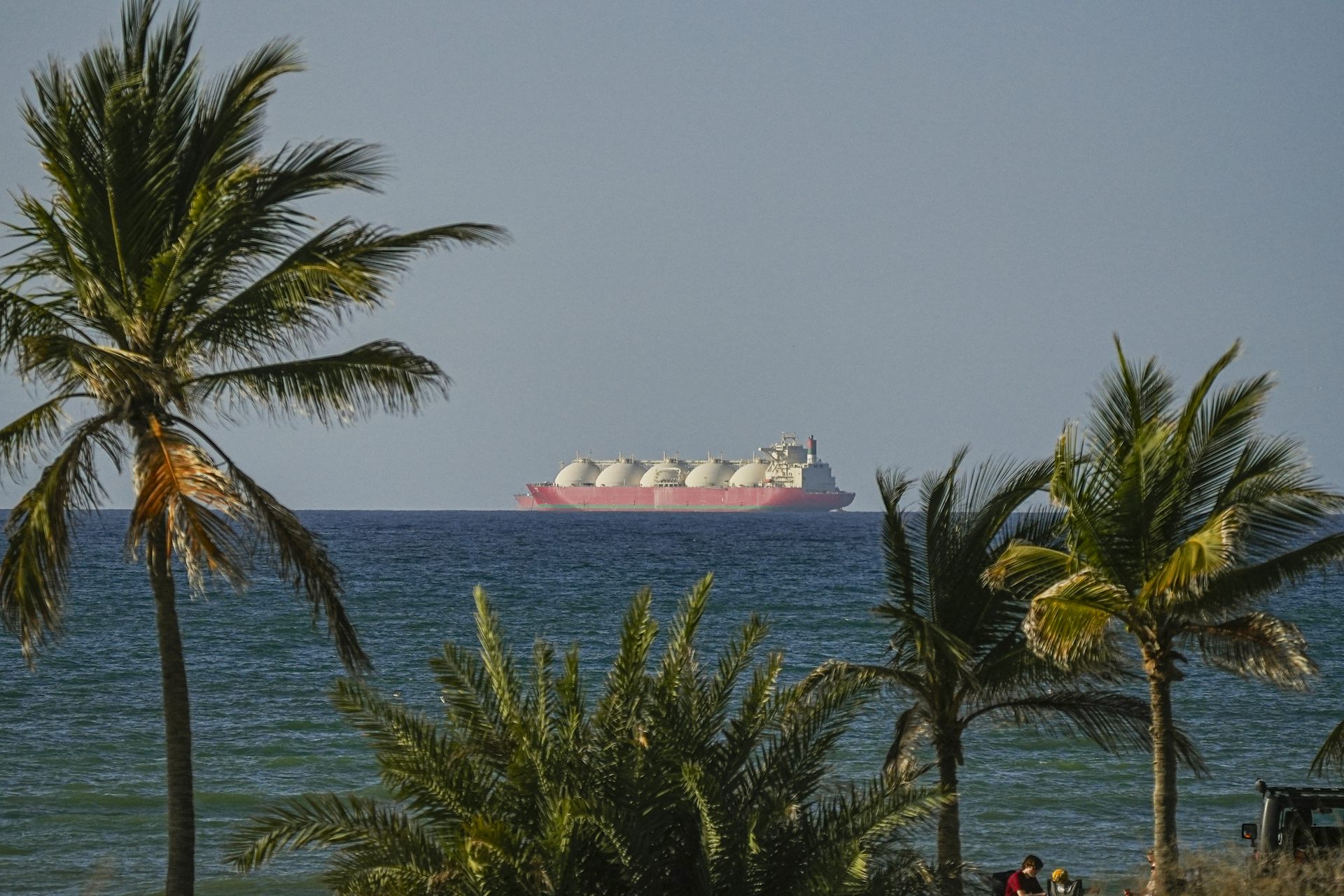
مضيق هرمز: لماذا تبحر الولايات المتحدة وإيران في مياه قانونية مختلفة جداً
Strait of Hormuz: Why the US and Iran are sailing in very different legal waters
Tehran and Washington look to different rules to govern their conduct in the key choke point.
تنظر طهران وواشنطن إلى قواعد مختلفة لتنظيم سلوكهما في نقطة الاختناق الرئيسية.
The Strait of Hormuz exists in the eye of the beholder.
مضيق هرمز موجود في عين الناظر.
While everyone agrees that, geographically speaking, it is a strait – a narrow sea passage connecting two places that ships want to go – its political and legal status is rather more complicated.
بينما يتفق الجميع على أنه، من الناحية الجغرافية، مضيق – ممر بحري ضيق يربط بين مكانين تريد السفن المرور بهما – فإن وضعه السياسي والقانوني أكثر تعقيداً.
The United States and Iran both eye the strait – a choke point through which 20% of the world’s oil passes – very differently. Washington sees the Strait of Hormuz as exclusively an international waterway, whereas Tehran sees it as part of it territorial waters.
تنظر كل من الولايات المتحدة وإيران إلى المضيق – وهو نقطة اختناق يمر عبرها 20% من نفط العالم – بطرق مختلفة جداً. ترى واشنطن أن مضيق هرمز ممر مائي دولي بحت، بينما تراه طهران جزءاً من مياهها الإقليمية.
It follows that Iran’s toll-charging of ships is seen by the U.S. as illegal. Similarly, U.S. President Donald Trump’s blockade of the passage is a “grave violation” of sovereignty to Iran.
ويترتب على ذلك أن فرض إيران رسوم العبور على السفن يُعتبر غير قانوني من قبل الولايات المتحدة. وبالمثل، فإن حصار الرئيس الأمريكي دونالد ترامب للممر يُعد “انتهاكاً جسيماً” للسيادة في نظر إيران.
As an expert in the law of the sea, I know part of the problem is that the U.S. and Iran are living in two different worlds when it comes to the international laws governing the strait. Further complicating matters, both are in a different legal universe than most of the rest of the world.
بصفتي خبيراً في قانون البحار، أعلم أن جزءاً من المشكلة هو أن الولايات المتحدة وإيران تعيشان في عالمين مختلفين عندما يتعلق الأمر بالقوانين الدولية التي تحكم المضيق. ومما يزيد الأمر تعقيداً، أن كلتا الدولتين في كون قانوني مختلف عن معظم بقية العالم.
The law of the sea
قانون البحار
The “law of the sea” is a network of international laws, customs and agreements that set out the foundation for rights of access and control in the ocean. The framework sits apart from the laws of warfare, which are also relevant to the Persian Gulf situation.
“قانون البحار” هو شبكة من القوانين والعادات والاتفاقيات الدولية التي تحدد أساس حقوق الوصول والسيطرة في المحيط. ويقف هذا الإطار بمعزل عن قوانين الحرب، التي لها أيضًا صلة بوضع الخليج العربي.
The United Nations Convention on the Law of the Sea, or UNCLOS, is a major plank of the law of the sea. Completed in 1982 and in force since 1994, it aims to create a stable set of zones and places – like international straits – where everyone agrees on who can do what. It has been ratified by 171 countries and the European Union, but not Iran or the United States. Iran has signed it but has yet to ratify; the U.S. has done neither.
تُعد اتفاقية الأمم المتحدة لقانون البحار، أو UNCLOS، ركيزة أساسية من ركائز قانون البحار. وقد اكتملت في عام 1982 وسرَت منذ عام 1994، وتهدف إلى إنشاء مجموعة مستقرة من المناطق والأماكن – مثل المضائق الدولية – التي يتفق الجميع فيها على من يمكنه فعل ماذا. وقد صدقت عليها 171 دولة والاتحاد الأوروبي، ولكن ليس إيران أو الولايات المتحدة. وقد وقعت عليها إيران ولكنها لم تصدق عليها بعد؛ ولم تقم الولايات المتحدة بأي منهما.
This means that the rules which almost every country in the world has consented to can’t serve as a basis of agreement over how the U.S. and Iran should govern their actions in the strait during the current war.
هذا يعني أن القواعد التي وافقت عليها جميع دول العالم تقريباً لا يمكن أن تشكل أساساً للاتفاق حول كيفية تنظيمه للولايات المتحدة وإيران لتصرفاتهما في المضيق خلال الحرب الحالية.
The view from Iran
منظور إيران
Both Iran and the U.S. agree that under the law of the sea, the Strait of Hormuz is an international strait, but not on what kind of international strait it is. Moreover, they disagree on the relevant laws that exist, and how they apply.
يتفق كل من إيران والولايات المتحدة على أن مضيق هرمز هو مضيق دولي بموجب قانون البحار، لكنهما يختلفان حول نوع المضيق الدولي الذي هو. علاوة على ذلك، يختلفان حول القوانين ذات الصلة القائمة، وكيفية تطبيقها.
For Iran, the Strait of Hormuz is an international strait as set out under international law predating UNCLOS – notably the International Court of Justice’s ruling in the 1949 Corfu Channel case and the 1958 Territorial Seas Convention.
بالنسبة لإيران، فإن مضيق هرمز هو مضيق دولي وفقاً للقانون الدولي الذي يسبق اتفاقية قانون البحار للأمم المتحدة (UNCLOS) – وتحديداً قرار محكمة العدل الدولية في قضية قناة كورفو عام 1949 واتفاقية البحار الإقليمية لعام 1958.
These older standards state that foreign ships have a right of “innocent passage” through international straits. Put in other terms, this means that if a ship is simply passing through, without doing anything else and without harming the security of the coastal countries, it must be allowed passage.
تنص هذه المعايير الأقدم على أن السفن الأجنبية لها حق “العبور البريء” عبر المضائق الدولية. بعبارة أخرى، هذا يعني أنه إذا كانت السفينة تمر ببساطة، دون القيام بأي شيء آخر ودون المساس بأمن الدول الساحلية، فيجب السماح لها بالمرور.
This gives Iran – and Oman, the strait’s other bordering country – power to make and enforce some rules over passage, such as rules for safety and the environment. They also have wide discretion to decide if passage is “non-innocent” and therefore not allowed. But it does not give them the right to impede innocent passage.
يمنح هذا إيران – وعمان، الدولة الساحلية الأخرى للمضيق – سلطة وضع وإنفاذ بعض القواعد المتعلقة بالعبور، مثل قواعد السلامة والبيئة. كما أن لديها سلطة تقدير واسعة لتحديد ما إذا كان العبور “غير بريء” وبالتالي غير مسموح به. لكن هذا لا يمنحها الحق في إعاقة العبور البريء.
Contrary to the older standard, however, Tehran claims the right to “suspend” passage through its half of the strait, citing the waters as its territorial sea. This is a violation of the 1958 Territorial Seas Convention that Iran relies on for legal support, which says that when a territorial sea is also an international strait, innocent passage cannot be suspended.
على النقيض من المعيار الأقدم، تدعي طهران الحق في “تعليق” المرور عبر نصف المضيق التابع لها، مستشهدة بالمياه باعتبارها بحرها الإقليمي. ويُعد هذا انتهاكاً لاتفاقية البحار الإقليمية لعام 1958 التي تعتمد عليها إيران للدعم القانوني، والتي تنص على أنه عندما يكون البحر الإقليمي مضيقاً دولياً أيضاً، فلا يمكن تعليق العبور البريء.
The US interpretation
التفسير الأمريكي
For the U.S., the Strait of Hormuz is an international strait requiring “transit passage,” as per UNCLOS. Although the United States is not a member of UNCLOS, it argues that the agreement’s updated concept of an “international strait” should apply.
بالنسبة للولايات المتحدة، فإن مضيق هرمز هو مضيق دولي يتطلب “مروراً عبورياً”، وفقاً لقانون البحار (UNCLOS) . وعلى الرغم من أن الولايات المتحدة ليست عضواً في قانون البحار، إلا أنها تجادل بأن المفهوم المحدّث لـ “المضيق الدولي” الوارد في الاتفاقية يجب أن ينطبق.
Understanding a waterway as the newer type of “international strait,” which requires transit passage, shifts the balance against a coastal country’s control and toward free navigation.
إن فهم الممر المائي على أنه النوع الأحدث من “المضيق الدولي”، الذي يتطلب المرور العبوري، يحوّل التوازن بعيداً عن سيطرة الدولة الساحلية ونحو الملاحة الحرة.
Under this standard, countries bordering straits – like Iran and Oman in the case of Hormuz – must also allow overflight and submarines below the surface. Passage must be allowed so long as it is “continuous and expeditious.”
وبموجب هذا المعيار، يجب على الدول المطلة على المضائق – مثل إيران وعمان في حالة هرمز – أن تسمح أيضاً بالتحليق فوقها والغواصات تحت السطح. ويجب السماح بالعبور طالما كان “مستمراً وسريعاً.”
The U.S. has forcefully asserted this position at sea through regular “Freedom of Navigation” patrols through the Strait of Hormuz and other straits around the world. The patrols are a visible rejection of claims over the ocean that the U.S. deems illegal or excessive.
وقد أكدت الولايات المتحدة بقوة هذا الموقف في البحار من خلال دوريات منتظمة لـ “حرية الملاحة” عبر مضيق هرمز ومضائق أخرى حول العالم. وتُعد هذه الدوريات رفضاً واضحاً للمطالبات بالسيادة على المحيط التي تعتبرها الولايات المتحدة غير قانونية أو مفرطة.
The basic U.S. argument is supported by some leading legal scholars, such as James Kraska, a professor of international maritime law at the U.S. Naval War College, who decries the Iranian position as “lawfare” and argues that Iran must abide by the compromises made in UNCLOS.
ويحظى الحجة الأمريكية الأساسية بدعم بعض الباحثين القانونيين البارزين، مثل جيمس كراسكا، أستاذ القانون البحري الدولي في الكلية الحربية البحرية الأمريكية، الذي يصف الموقف الإيراني بأنه “حرب قانونية” ويجادل بأن إيران يجب أن تلتزم بالتسويات التي تم التوصل إليها في قانون البحار.
A ‘persistent objector’
“معترض دائم”
But the U.S. is a global outlier here, and one of only a handful of countries – alongside the United Kingdom, France, Australia, Thailand and Papua New Guinea – which argue that “transit passage” is required by custom.
لكن الولايات المتحدة هي حالة شاذة عالمياً هنا، وهي واحدة من عدد قليل من البلدان – إلى جانب المملكة المتحدة وفرنسا وأستراليا وتايلاند وبابوا غينيا الجديدة – التي تجادل بأن “العبور العابر” مطلوب بموجب العرف.
Custom, in this sense, is established if a practice at sea is seen as consistent and is backed by wide agreement over its legality. If something is seen as customary law, it applies to everyone. The only way to prevent a custom from applying to you is through the “persistent objection rule,” which gives a country an exemption to newly emerging standards if it has shown itself to be consistently against it.
العرف، بهذا المعنى، يتأسس إذا اعتُبرت ممارسة في البحر متسقة ومدعومة باتفاق واسع بشأن قانونيتها. إذا اعتُبر شيء ما قانوناً عرفياً، فإنه ينطبق على الجميع. الطريقة الوحيدة لمنع العرف من التطبيق عليك هي من خلال “قاعدة الاعتراض المستمر”، التي تمنح الدولة إعفاءً من المعايير الناشئة إذا أثبتت أنها تعارضها باستمرار.
Legal scholars are split on whether transit passage is customary law – although law of the sea specialists tend to say it is not.
ينقسم الباحثون القانونيون حول ما إذا كان العبور العابر قانوناً عرفياً – على الرغم من أن المتخصصين في قانون البحار يميلون إلى القول إنه ليس كذلك.
Tehran argues that even if transit passage were customary international law, Iran is a “persistent objector,” and therefore, the rule doesn’t apply to them.
تجادل طهران بأنه حتى لو كان العبور العابر قانوناً دولياً عرفياً، فإن إيران هي “معترض دائم”، وبالتالي، فإن القاعدة لا تنطبق عليها.
And it is true that Iran’s objection has been consistent. Both Iran and Oman argued in favor of innocent passage, and against transit passage, at the UNCLOS negotiations.
ومن الصحيح أن اعتراض إيران كان متسقاً. فقد دافعت كل من إيران وعمان عن المرور السلمي، وعن الرفض العبور العابر، في مفاوضات قانون البحار (UNCLOS) .
Iran reaffirmed its perspective upon signing UNCLOS in 1982. Tehran argues that because transit passage is tied up in the compromises made by UNCLOS, only countries that ratify the treaty can claim the right to transit passage – and neither the U.S. nor Iran has ratified it.
أعادت إيران تأكيد وجهة نظرها عند التوقيع على اتفاقية قانون البحار (UNCLOS) في عام 1982. وتجادل طهران بأنه نظراً لأن العبور العابر مرتبط بالتنازلات التي أُجريت بموجب اتفاقية قانون البحار، فلا يمكن للبلدان التي تصدق على المعاهدة فقط المطالبة بالحق في العبور العابر – ولم تصدق كل من الولايات المتحدة وإيران عليه.
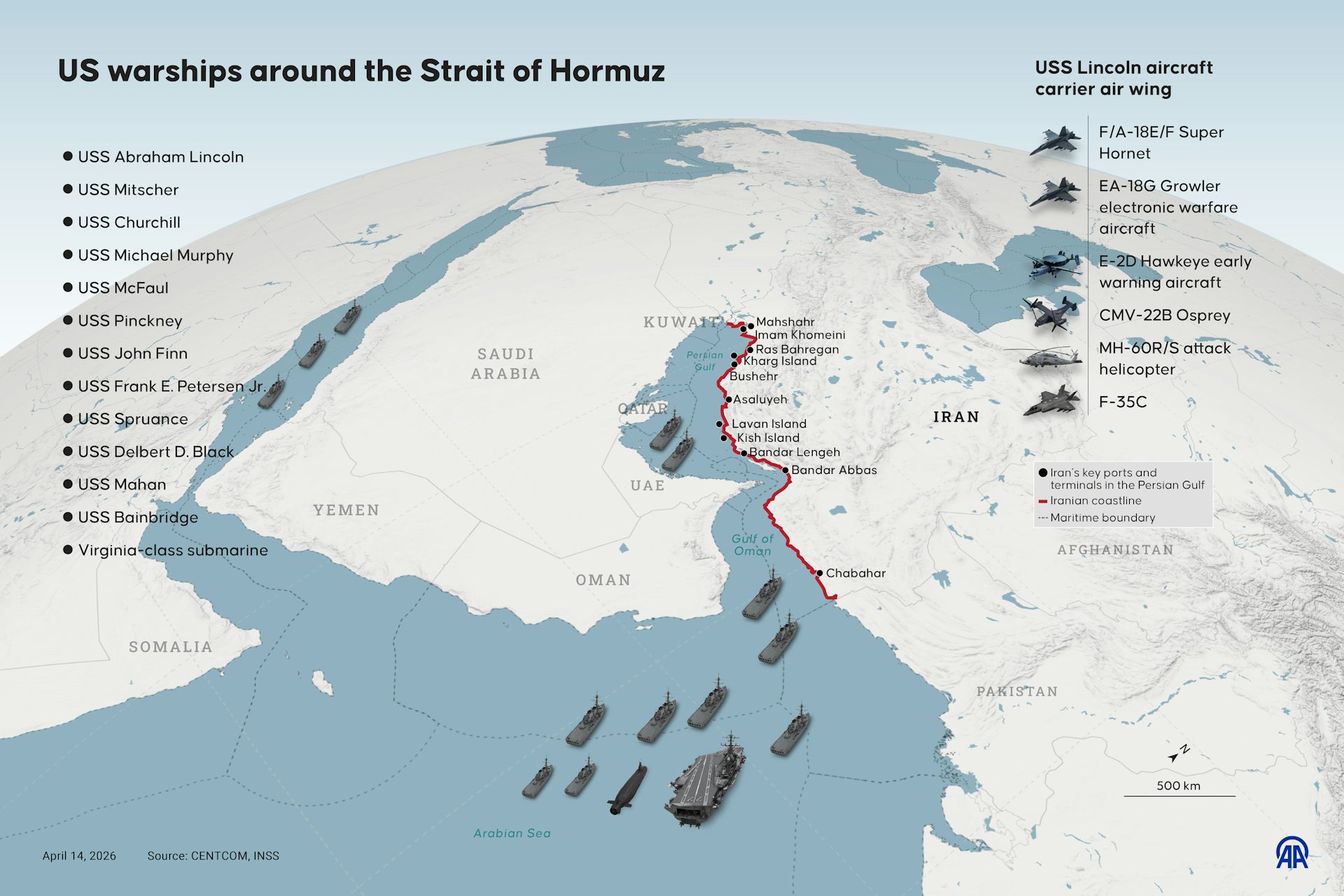
Navigating troubled waters
الإبحار في المياه المضطربة
The complex military situation and economic disruption are only part of the story of the Strait of Hormuz.
إن الوضع العسكري المعقد والاضطراب الاقتصادي ليسا سوى جزء من قصة مضيق هرمز.
What lies beneath is a complicated legal situation. Not only do the U.S. and Iran disagree about the legal status of the strait, but the countries that flag oil tankers – and which are therefore responsible for them – must also navigate their own commitments and perspectives under the law of the sea.
ما يكمن في العمق هو وضع قانوني معقد. لا يقتصر الأمر على خلاف الولايات المتحدة وإيران حول الوضع القانوني للمضيق، بل يجب على الدول التي ترفع علم ناقلات النفط – وبالتالي المسؤولة عنها – أن تبحر أيضاً في التزاماتها ووجهات نظرها الخاصة بموجب قانون البحار.
Every nation wants to avoid a legal precedent that is contrary to its long-term interests. But for international law to function – to reduce conflict and enable trade – what is needed is an agreement about what rules exist, and a shared commitment to abide by them.
تريد كل دولة تجنب سابقة قانونية تتعارض مع مصالحها طويلة الأجل. ولكن لكي يعمل القانون الدولي – ولتقليل النزاعات وتمكين التجارة – فما هو مطلوب هو اتفاق حول القواعد الموجودة، والتزام مشترك بالتقيد بها.
Only that would achieve a stable post-war status for the Strait of Hormuz. How we get there, however, requires navigating some very tricky waters.
هذا وحده ما من شأنه تحقيق وضع مستقر لما بعد الحرب لمضيق هرمز. ومع ذلك، فإن كيفية وصولنا إلى هناك تتطلب الإبحار في مياه محفوفة بالمخاطر للغاية.
Elizabeth Mendenhall does not work for, consult, own shares in or receive funding from any company or organization that would benefit from this article, and has disclosed no relevant affiliations beyond their academic appointment.
لا تعمل إليزابيث ميندين홀 أو تستشير أو تمتلك حصصاً أو تتلقى تمويلاً من أي شركة أو منظمة تستفيد من هذه المقالة، ولم تكشف عن أي انتماءات ذات صلة تتجاوز منصبها الأكاديمي.
Read more
-
لماذا تحمل قمة نيروبي بين أفريقيا وفرنسا سمات أولويات ماكرون وروتو؟
Why Nairobi Africa-France summit bears the hallmarks of Macron and Ruto priorities
-
تعهد نتنياهو بـ “إنهاء المهمة” ضد حزب الله. إنه وعد لا يمكنه الوفاء به.
Netanyahu has pledged to ‘finish the job’ against Hezbollah. It’s a promise he can’t deliver on