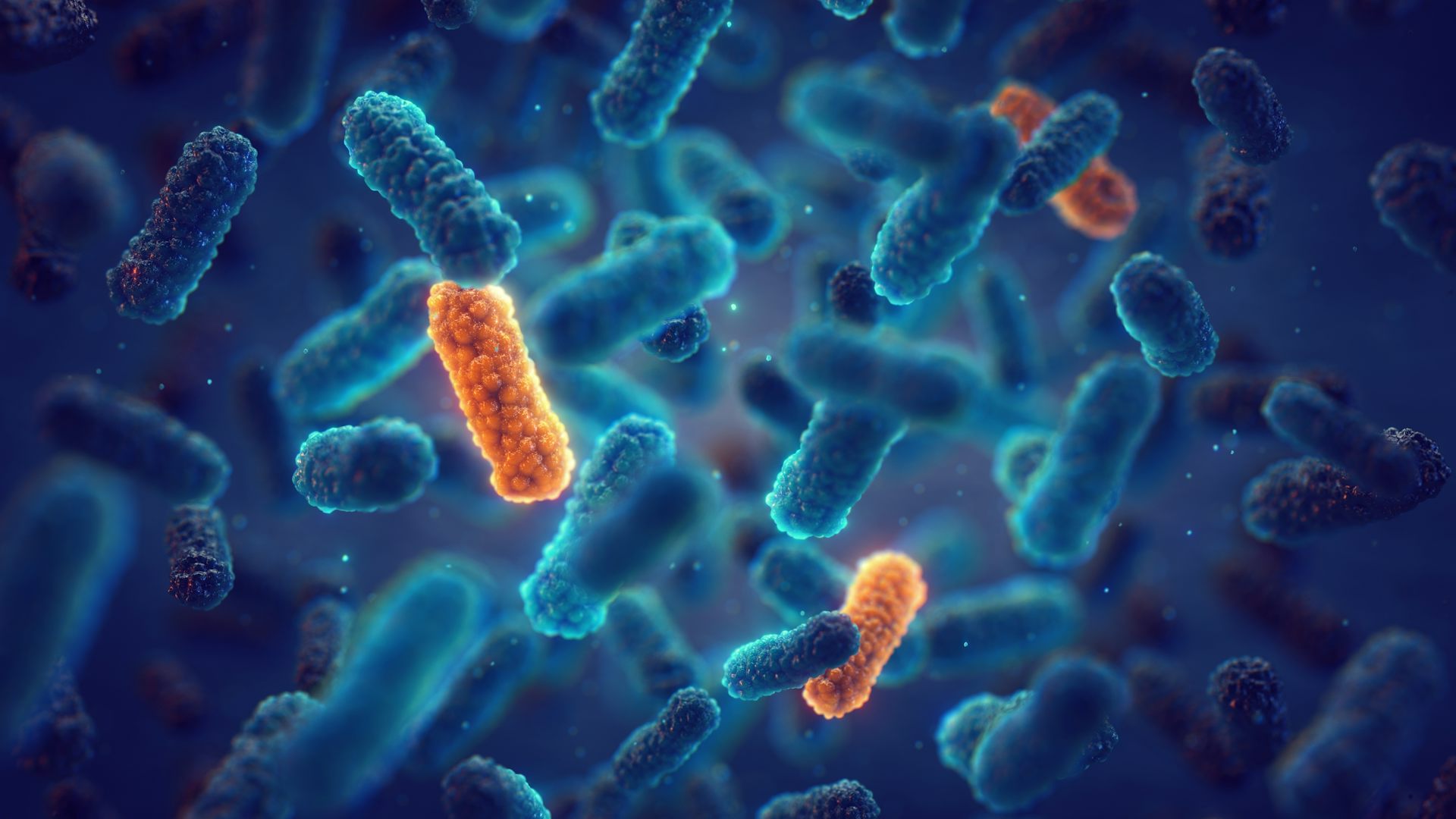
ماذا يمكن أن تعني “حقبة ما بعد المضادات الحيوية” للطب الحديث
What a ‘post-antibiotic era’ could mean for modern medicine
The drugs that transformed medicine are losing their power, raising fears of a post-antibiotic era in which common infections kill.
الأدوية التي أحدثت تحولاً في الطب تفقد فعاليتها، مما يثير مخاوف من حقبة ما بعد المضادات الحيوية حيث تقتل العدوى الشائعة.
Antibiotics are one of the greatest breakthroughs in medical history. They turned once-deadly infections into treatable illnesses and made modern healthcare possible. But bacteria are changing, and some of the drugs we have depended on for decades are becoming less effective.
المضادات الحيوية هي أحد أعظم الإنجازات في تاريخ الطب. لقد حولت العدوى التي كانت مميتة ذات يوم إلى أمراض يمكن علاجها وجعلت الرعاية الصحية الحديثة ممكنة. لكن البكتيريا تتغير، وبعض الأدوية التي اعتمدنا عليها لعقود أصبحت أقل فعالية.
Around the world, infections are becoming harder to treat. This problem is known as antimicrobial resistance. It happens when bacteria evolve ways to survive medicines designed to kill them. It is estimated that drug-resistant infections already cause about 1.27 million deaths every year worldwide.
في جميع أنحاء العالم، أصبحت العدوى أصعب في العلاج. تُعرف هذه المشكلة باسم مقاومة مضادات الميكروبات. تحدث عندما تطور البكتيريا طرقًا للبقاء على قيد الحياة ضد الأدوية المصممة لقتلها. ويُقدر أن العدوى المقاومة للأدوية تتسبب بالفعل في حوالي 1.27 مليون حالة وفاة كل عام على مستوى العالم.
The World Health Organization has warned that we may be moving towards a “post-antibiotic era” in which common infections once again become dangerous, and even routine injuries or procedures carry serious risk.
حذرت منظمة الصحة العالمية من أننا قد نتحرك نحو “حقبة ما بعد المضادات الحيوية” حيث تصبح الالتهابات الشائعة خطيرة مرة أخرى، وحتى الإصابات أو الإجراءات الروتينية تحمل مخاطر جسيمة.
A century ago, that was normal. A cut from gardening, a sore throat or childbirth could turn into a life-threatening infection. Doctors had few effective treatments, and infectious diseases such as pneumonia, tuberculosis and diarrhoea disease were among the leading causes of death. The arrival of antibiotics changed that dramatically.
قبل قرن من الزمان، كان هذا أمرًا طبيعيًا. يمكن أن تتحول جرحة بسيطة من البستنة، أو التهاب الحلق، أو الولادة إلى عدوى تهدد الحياة. كان لدى الأطباء عدد قليل من العلاجات الفعالة، وكانت الأمراض المعدية مثل الالتهاب الرئوي والسل وإسهال المرض من بين الأسباب الرئيسية للوفاة. غيّر وصول المضادات الحيوية ذلك بشكل كبير.
Penicillin, discovered by Alexander Fleming in 1928, marked the beginning of one of the most important revolutions in medicine. Before antibiotics, tuberculosis was one of the world’s deadliest infectious diseases. In 1882, it killed one in seven people living in the US and Europe. Once antibiotics became available, many bacterial infections that had once been deadly could be treated effectively.
مثّل البنسلين، الذي اكتشفه ألكسندر فلمنج عام 1928، بداية واحدة من أهم الثورات في الطب. قبل المضادات الحيوية، كان السل أحد أخطر الأمراض المعدية في العالم. ففي عام 1882، قتل شخصًا من كل سبعة يعيشون في الولايات المتحدة وأوروبا. وبمجرد توفر المضادات الحيوية، أمكن علاج العديد من الالتهابات البكتيرية التي كانت مميتة في السابق بفعالية.
Antibiotics not only cured infections, but also made modern medicine far safer. Many procedures rely on them to prevent or treat infection, including caesarean sections, organ transplants, joint replacements and cancer chemotherapy.
لم تقتصر المضادات الحيوية على علاج الالتهابات فحسب، بل جعلت الطب الحديث أكثر أمانًا بكثير. تعتمد العديد من الإجراءات عليها لمنع العدوى أو علاجها، بما في ذلك الولادات القيصرية، وزراعة الأعضاء، واستبدال المفاصل، وعلاج السرطان الكيميائي.
Without effective antibiotics, these treatments would become much more dangerous. Fleming himself recognised that risk. When he accepted the Nobel Prize in 1945, he warned that misuse of penicillin could lead to resistance.
بدون مضادات حيوية فعالة، ستصبح هذه العلاجات أكثر خطورة بكثير. أدرك فلمنج نفسه هذا الخطر. وعندما فاز بجائزة نوبل عام 1945، حذر من أن إساءة استخدام البنسلين يمكن أن تؤدي إلى المقاومة.
Living in a microbial world
العيش في عالم ميكروبي
The human body contains about 30 trillion human cells, but it also carries tens of trillions of bacteria on the skin and inside the body. Together, these communities form the microbiome, the vast collection of microbes that live in and on us. Many of them are not harmful. In fact, they help digest food, produce vitamins and support the immune system, the body’s defence system against disease.
يحتوي جسم الإنسان على حوالي 30 تريليون خلية بشرية، ولكنه يحمل أيضًا عشرات التريليونات من البكتيريا على الجلد وفي داخل الجسم. مجتمعة، تشكل هذه التجمعات ما يُعرف بالميكروبيوم، وهو التجمع الهائل من الكائنات الدقيقة التي تعيش فينا وعلى أجسامنا. والكثير منها ليس ضارًا. في الواقع، فهي تساعد في هضم الطعام، وتنتج الفيتامينات، وتدعم الجهاز المناعي، وهو نظام الدفاع في الجسم ضد الأمراض.
So life is a finely balanced relationship between humans and the microbial world. But bacteria are ancient and extraordinarily adaptable. They have existed on earth for more than 3.5 billion years and survive in some of the harshest places imaginable, from deep-sea vents to polar ice.
لذا، فإن الحياة هي علاقة متوازنة بدقة بين البشر والعالم الميكروبي. لكن البكتيريا قديمة وقابلة للتكيف بشكل استثنائي. لقد وُجدت على الأرض لأكثر من 3.5 مليار سنة، وتنجو في بعض أقسى الأماكن التي يمكن تصورها، بدءًا من فتحات أعماق البحار وصولاً إلى الجليد القطبي.
Bacteria multiply very quickly and can also swap genetic material, meaning they can share useful survival traits with one another. Some produce substances that break down antibiotics before the drugs can do any damage. Others alter the parts of their cells that antibiotics are designed to attack.
تتكاثر البكتيريا بسرعة كبيرة ويمكنها أيضًا تبادل المواد الوراثية، مما يعني أنها تستطيع مشاركة صفات بقاء مفيدة فيما بينها. ينتج بعضها مواد تعمل على تفكيك المضادات الحيوية قبل أن تتمكن الأدوية من إحداث أي ضرر. بينما يقوم البعض الآخر بتغيير أجزاء من خلاياها التي صُممت المضادات الحيوية لمهاجمتها.
Some develop tiny molecular pumps that push antibiotics back out of the bacterial cell. Others find alternative ways to carry out the jobs that the drug was meant to block.
يُطوّر البعض الآخر مضخات جزيئية دقيقة تطرد المضادات الحيوية خارج الخلية البكتيرية. وتجد مجموعات أخرى طرقًا بديلة لأداء الوظائف التي كان من المفترض أن يمنعها الدواء.
These changes happen through random genetic variation, which means natural differences arise as bacteria reproduce. But heavy antibiotic use creates strong evolutionary pressure. When antibiotics kill bacteria that are vulnerable to them, the resistant bacteria are left behind to survive and multiply.
تحدث هذه التغيرات من خلال التنوع الجيني العشوائي، مما يعني أن الاختلافات الطبيعية تنشأ عندما تتكاثر البكتيريا. لكن الاستخدام المكثف للمضادات الحيوية يخلق ضغطًا تطوريًا قويًا. فعندما تقتل المضادات الحيوية البكتيريا الضعيفة تجاهها، تبقى البكتيريا المقاومة وراءها لتنجو وتتكاثر.
Conditions for resistance
شروط المقاومة
Antibiotics are among the most commonly prescribed medicines in the world, and they are often used when they are not needed. In some countries, they are still prescribed for illnesses such as colds and flu, even though antibiotics do not work against viruses. In the UK, prescribing is more tightly controlled, but inappropriate use and public misunderstanding remain a concern.
تُعد المضادات الحيوية من أكثر الأدوية وصفاً في العالم، وغالباً ما تُستخدم عندما لا تكون ضرورية. ففي بعض البلدان، لا تزال تُوصف لأمراض مثل نزلات البرد والإنفلونزا، على الرغم من أن المضادات الحيوية لا تعمل ضد الفيروسات. وفي المملكة المتحدة، يتم التحكم في الوصفات الطبية بشكل أكثر صرامة، لكن الاستخدام غير المناسب وسوء فهم الجمهور لا يزال يمثل مصدر قلق.
Large amounts are also used in agriculture and livestock production. This can further encourage resistant bacteria to emerge and spread.
كما تُستخدم كميات كبيرة منها في الزراعة وتربية الماشية. وهذا يمكن أن يشجع البكتيريا المقاومة على الظهور والانتشار بشكل أكبر.
Across Europe, antimicrobial resistance is now recognised as a major public health threat. The European Centre for Disease Prevention and Control estimates that antibiotic-resistant infections cause more than 35,000 deaths each year across the EU and European Economic Area.
في جميع أنحاء أوروبا، أصبحت مقاومة مضادات الميكروبات تُعترف بها الآن كتهديد صحي عام كبير. ويُقدر المركز الأوروبي للوقاية من الأمراض ومكافحتها أن العدوى المقاومة للمضادات الحيوية تتسبب في أكثر من 35,000 حالة وفاة كل عام في جميع أنحاء الاتحاد الأوروبي والمنطقة الاقتصادية الأوروبية.
Doctors are now seeing infections that are difficult, and sometimes impossible, to treat. Some of the most worrying include methicillin-resistant staphylococcus aureus (MRSA) , vancomycin-resistant enterococci (VRE) and carbapenem-resistant enterobacterales (CRE) . MRSA can resist several commonly used antibiotics. VRE no longer responds to vancomycin, while CRE can withstand carbapenems, some of the most powerful antibiotics available.
يواجه الأطباء الآن عدوى يصعب علاجها، وأحياناً ما يكون علاجها مستحيلاً. ومن أكثرها إثارة للقلق المكورات العنقودية الذهبية المقاومة للميثيسيلين (MRSA) ، والمكورات المعوية المقاومة للفانكومايسين (VRE) ، والبكتيريا المعوية المقاومة للكاربابينيم (CRE) . يمكن أن تقاوم MRSA العديد من المضادات الحيوية الشائعة الاستخدام. ولم تعد VRE تستجيب للفانكومايسين، بينما يمكن لـ CRE أن تتحمل الكاربابينيمات، وهي من أقوى المضادات الحيوية المتاحة.
What a post-antibiotic world could look like
كيف يمكن أن يبدو العالم بعد عصر المضادات الحيوية
If antibiotic resistance continues to rise, the consequences for healthcare could be severe. Many routine medical procedures depend on antibiotics to prevent infection. Without them, surgeries such as hip replacements, organ transplants and some cancer treatments may become too risky to perform.
إذا استمر ارتفاع مقاومة المضادات الحيوية، فقد تكون العواقب على الرعاية الصحية وخيمة. تعتمد العديد من الإجراءات الطبية الروتينية على المضادات الحيوية لمنع العدوى. وبدونها، قد تصبح عمليات جراحية مثل استبدال الورك، وزرع الأعضاء، وبعض علاجات السرطان محفوفة بالمخاطر للغاية.
Even common infections could once again become life-threatening. A simple urinary tract infection could spread into the bloodstream. A skin wound could develop into a severe invasive infection, meaning an infection that spreads deep into the body.
حتى الالتهابات الشائعة يمكن أن تصبح مرة أخرى مهددة للحياة. يمكن لعدوى المسالك البولية البسيطة أن تنتشر في مجرى الدم. ويمكن أن تتطور جرحة جلدية إلى عدوى غازية خطيرة، مما يعني عدوى تنتشر عميقاً في الجسم.
One of the greatest concerns is sepsis, a life-threatening condition in which the body overreacts to an infection and begins damaging its own tissues and organs. Early treatment with antibiotics saves many lives. But when bacteria are resistant, those treatments may fail. That makes sepsis much harder to treat, and in severe cases doctors may have very few options left.
أحد أكبر المخاوف هو تعفن الدم (الإنتان) ، وهي حالة مهددة للحياة يبالغ فيها الجسم في رد فعله تجاه العدوى ويبدأ بتلف أنسجته وأعضائه الخاصة. إن العلاج المبكر بالمضادات الحيوية ينقذ العديد من الأرواح. ولكن عندما تكون البكتيريا مقاومة، قد تفشل تلك العلاجات. وهذا يجعل علاج تعفن الدم أصعب بكثير، وفي الحالات الشديدة قد يتبقى للأطباء خيارات قليلة جداً.
Healthcare could begin to resemble the pre-antibiotic era, when infection was one of the biggest dangers of everyday life.
قد تبدأ الرعاية الصحية في أن تشبه حقبة ما قبل المضادات الحيوية، عندما كانت العدوى واحدة من أكبر المخاطر في الحياة اليومية.
Reasons for hope
أسباب الأمل
The situation is serious, but it is not hopeless. Scientists are developing new ways to fight infection. Some researchers are exploring bacteriophages, often shortened to phages, which are viruses that infect and kill bacteria.
الوضع خطير، ولكنه ليس يائساً. يطور العلماء طرقاً جديدة لمكافحة العدوى. يستكشف بعض الباحثين العاثيات البكتيرية (bacteriophages) ، التي غالباً ما تُختصر إلى “العاثيات” (phages) ، وهي فيروسات تصيب البكتيريا وتقتلها.
Others are working on anti-virulence drugs. Rather than killing bacteria outright, these drugs aim to disarm them by blocking the tools they use to cause disease. The hope is that this may place less evolutionary pressure on bacteria to develop resistance.
يعمل آخرون على تطوير أدوية مضادة للضراوة. فبدلاً من قتل البكتيريا بشكل مباشر، تهدف هذه الأدوية إلى نزع سلاحها عن طريق حجب الأدوات التي تستخدمها لإحداث المرض. ويُعتقد أن هذا قد يضع ضغطاً تطورياً أقل على البكتيريا لتطوير المقاومة.
Another promising approach is host-targeted therapy. This means boosting the body’s own ability to fight infection, rather than attacking the bacteria directly.
يتمثل نهج واعد آخر في العلاج المستهدف للمضيف. وهذا يعني تعزيز قدرة الجسم الذاتية على محاربة العدوى، بدلاً من مهاجمة البكتيريا بشكل مباشر.
Better diagnostic tests, stronger infection prevention and more careful use of antibiotics could also help preserve the drugs we still have. Antibiotics transformed medicine in the 20th century and saved countless lives. But they were never a permanent victory over microbes.
يمكن أيضاً أن تساعد الاختبارات التشخيصية الأفضل، والوقاية الأقوى من العدوى، والاستخدام الأكثر حذراً للمضادات الحيوية في الحفاظ على الأدوية المتبقية لدينا. لقد أحدثت المضادات الحيوية تحولاً في الطب في القرن العشرين وأنقذت عدداً لا يحصى من الأرواح. لكنها لم تكن يوماً انتصاراً دائماً على الميكروبات.
The challenge now is not just to develop new treatments, but to protect the antibiotics that still work. If we can do that, the post-antibiotic future many scientists warn about may never arrive.
التحدي الآن ليس فقط تطوير علاجات جديدة، بل حماية المضادات الحيوية التي لا تزال فعالة. إذا تمكنا من القيام بذلك، فقد لا يأتي أبدًا المستقبل ما بعد المضادات الحيوية الذي يحذر منه العديد من العلماء.
Steven W. Kerrigan does not work for, consult, own shares in or receive funding from any company or organisation that would benefit from this article, and has disclosed no relevant affiliations beyond their academic appointment.
لا يعمل ستيفن و. كيريجان لدى، أو يستشير، أو يمتلك حصصاً في، أو يتلقى تمويلاً من أي شركة أو منظمة تستفيد من هذه المقالة، ولم يفصح عن أي انتماءات ذات صلة تتجاوز منصبه الأكاديمي.
Read more
-
كيف تقرر المحكمة العليا الأمريكية قضاياها – دليل خطوة بخطوة
How the US Supreme Court decides its cases – a step-by-step guide
-
كأس العالم 2026: القصة الحقيقية للمهاجرين الأفارقة الصامدين الذين يعيدون تشكيل كرة القدم العالمية
World Cup 2026: the real story of the resilient African migrants reshaping global football