ما هو “فخ ثوكييديدس” الذي حذر منه شي ترامب؟ دروس من حرب قديمة بين أثينا وإسبرطة
What is the ‘Thucydides trap’ Xi warned Trump about? Lessons from an ancient war between Athens and Sparta
What did Thucydides really say on this? And what’s Athens and Sparta got to do with the current state of US-China relations?
ماذا قال ثوكييديدس حقاً حول هذا؟ وما علاقة أثينا وإسبرطة بالوضع الحالي للعلاقات الأمريكية الصينية؟
During their high-stakes meeting in Beijing this week, Chinese President Xi Jinping reportedly asked US President Donald Trump if the two countries could overcome the “Thucydides trap”.
خلال اجتماعهما بالغ الأهمية في بكين هذا الأسبوع، أفاد أن الرئيس الصيني شي جين بينغ سأل الرئيس الأمريكي دونالد ترامب عما إذا كان بإمكان البلدين التغلب على “فخ ثوسيديدس.”
This phrase, popularised by contemporary US political scientist Graham Allison in the early 2010s, is used to describe how two countries can drift toward war when an existing superpower feels anxious about an emerging one. Allison had China and the US in mind specifically.
تُستخدم هذه العبارة، التي اشتهر بها عالم السياسة الأمريكي المعاصر غراهام أليسون في أوائل العقد الثاني من القرن الحادي والعشرين، لوصف كيف يمكن لبلدين أن ينجرفا نحو الحرب عندما تشعر قوة عظمى قائمة بالقلق إزاء قوة ناشئة. وكان أليسون يضع الصين والولايات المتحدة في ذهنه تحديداً.
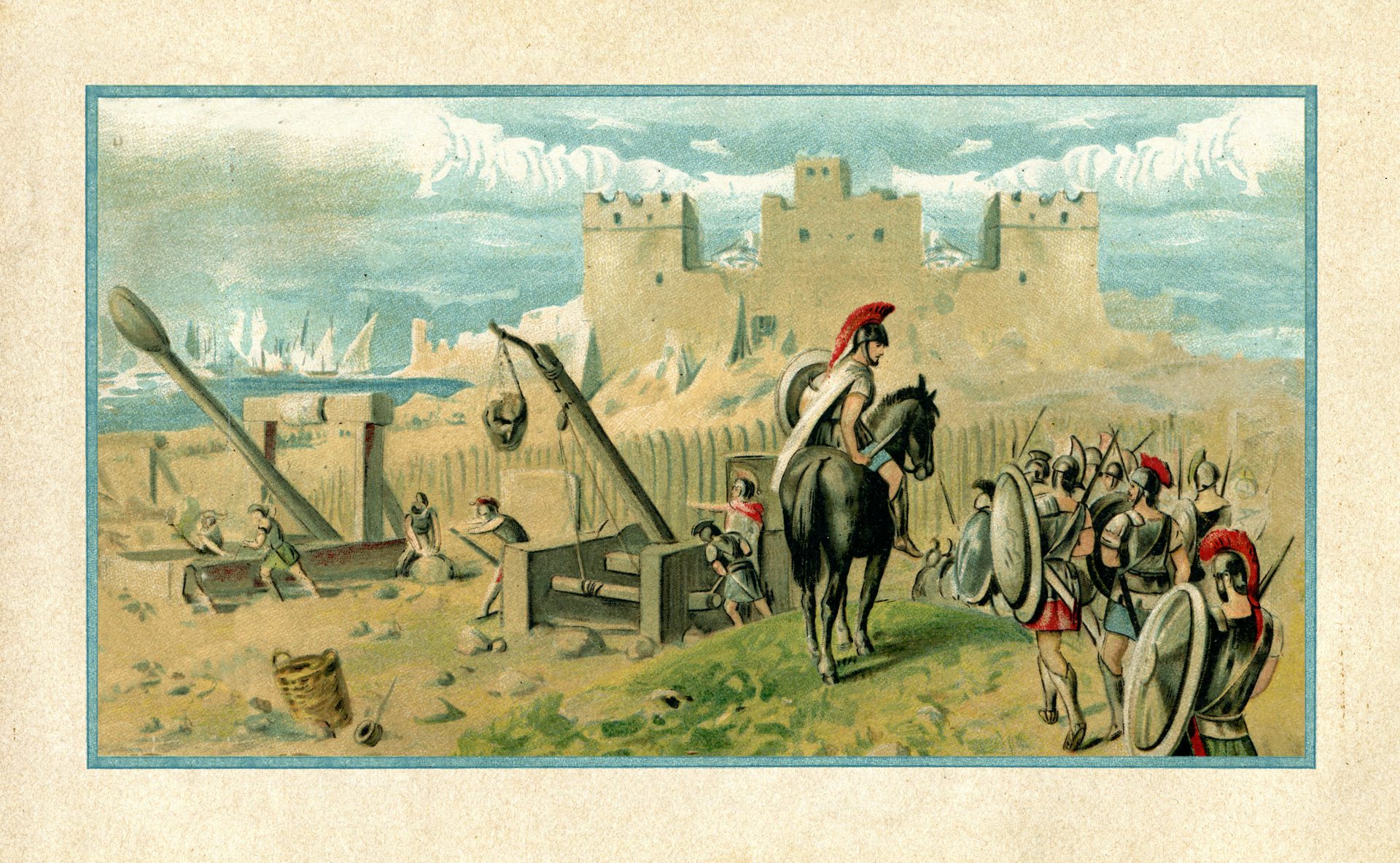
It takes its name from Athenian historian and general Thucydides, who wrote the History of the Peloponnesian War, about the 27-year war between Athens and Sparta that broke out in 431 BCE.
ويأخذ هذا المصطلح اسمه من المؤرخ والجنرال الأثيني ثوسيديدس، الذي كتب “تاريخ حرب البيلوبونيز”، حول الحرب التي استمرت 27 عاماً بين أثينا وإسبرطة واندلعت عام 431 قبل الميلاد.
But what did Thucydides really say on this? And what do Athens and Sparta have to do with the current state of US–China relations?
ولكن ماذا قال ثوسيديدس حقاً حول هذا الموضوع؟ وما علاقة أثينا وإسبرطة بالوضع الحالي للعلاقات بين الولايات المتحدة والصين؟
An implied fumble
تعثر ضمني
The implication in the term “Thucydides trap” is that the established superpower manages the rising power badly and feels obliged to go to war when that’s not necessarily the only option.
يشير مصطلح “فخ ثوكييديدس” إلى أن القوة العظمى القائمة تدير القوة الصاعدة بشكل سيئ وتشعر بأنها ملزمة الحرب عندما لا يكون هذا بالضرورة هو الخيار الوحيد.
It is based on a quote from Thucydides’ History of the Peloponnesian War (book one, chapter 23) . He said:
يعتمد هذا على اقتباس من تاريخ ثوكييديدس عن حرب البيلوبونيز (الكتاب الأول، الفصل الثالث والعشرون) . وقد قال:
The growth of the power of Athens, and the alarm which this inspired in Lacedaemon [Sparta], made war inevitable.
إن نمو قوة أثينا، والقلق الذي أثاره ذلك في لاكيدايمن [سبارتا]، جعل الحرب حتمية.
In other words, Thucydides is saying what made the Peloponnesian War inevitable was the rise of Athenian power.
بعبارة أخرى، يقول ثوكييديدس إن ما جعل حرب البيلوبونيز حتمية هو صعود القوة الأثينية.
At the time, lots of Greeks were saying Athens and Sparta had gone to war again because of smaller disputes.
في ذلك الوقت، كان العديد من الإغريق يقولون إن أثينا وسبارتا قد دخلا الحرب مرة أخرى بسبب نزاعات أصغر.
But Thucydides says no, the real cause was the overall fear that Sparta (the traditional superpower) had for the new powerful state: democratic Athens.
لكن ثوكييديدس يقول لا، إن السبب الحقيقي كان الخوف العام الذي شعرت به سبارتا (القوة العظمى التقليدية) من الدولة القوية الجديدة: أثينا الديمقراطية.
The general idea, of course, is that in its anxiety about the rise of China, the US may tend toward war when other options are available.
الفكرة العامة، بالطبع، هي أن الولايات المتحدة قد تميل إلى الحرب بسبب قلقها بشأن صعود الصين عندما تكون خيارات أخرى متاحة.
But many scholars of ancient Greece take issue with the way the term is used today.
لكن العديد من الباحثين في اليونان القديمة يعترضون على الطريقة التي يُستخدم بها هذا المصطلح اليوم.
A contested term
مصطلح مثير للجدل
The word “trap” implies Sparta made a mistake in 431 BCE and could’ve handled things better. But that’s not what Thucydides really narrates in book one of his History of the Peloponnesian War.
تشير كلمة “فخ” إلى أن سبارتا ارتكبت خطأ في عام 431 قبل الميلاد وكان بإمكانها التعامل مع الأمور بشكل أفضل. لكن هذا ليس ما يرويه ثوقيديدس حقًا في الكتاب الأول من تاريخه عن حرب البيلوبونيز.
He shows that, in fact, Sparta had good reason to fear the rising Athenians. Athens was, by then, a predominate naval power in the Balkans and the Aegean Sea. It was stripping allies off Sparta left, right and centre, and beating up the ones that refused to defect.
يوضح أن سبارتا في الواقع كان لديها سبب وجيه للخوف من الآثينيين الصاعدين. كانت أثينا، بحلول ذلك الوقت، قوة بحرية سائدة في البلقان وبحر إيجه. كانت تجرد حلفاء سبارتا من كل جانب، وتضرب أولئك الذين رفضوا الانشقاق.
Those allies basically said to Sparta in 432 BCE: listen, you have got to do something about Athens and if you don’t act, we will join them.
قال هؤلاء الحلفاء لسبارتا بشكل أساسي في عام 432 قبل الميلاد: استمعوا، يجب عليكم فعل شيء بخصوص أثينا، وإذا لم تتصرفوا، فسننضم إليهم.
It was pressure from these allies that pushed the Spartans to act against Athens.
كان الضغط من هؤلاء الحلفاء هو ما دفع السبارطيين إلى التحرك ضد أثينا.
So yes, in a sense Sparta’s own anxieties about ever-increasing Athenian power led to war. Sparta felt compelled to wage total war against Athens to maintain its system of alliances, and in 431 BCE broke the peace treaty it had with Athens.
لذا، نعم، بمعنى ما، أدت مخاوف سبارتا الخاصة بشأن القوة الآثينية المتزايدة باستمرار إلى الحرب. شعرت سبارتا بأنها مجبرة على شن حرب شاملة ضد أثينا للحفاظ على نظام تحالفاتها، وفي عام 431 قبل الميلاد كسرت معاهدة السلام التي كانت مع أثينا.
A longer-term perspective
منظور طويل الأمد
More generally, the term “Thucydides trap” is about how over the longer term things didn’t turn out so well for Sparta; although they won the Peloponnesian War, it took them 27 years to do so.
بشكل عام، يشير مصطلح “فخ ثوكييديدس” إلى أن الأمور لم تسر بشكل جيد لسبارتا على المدى الطويل؛ فعلى الرغم من فوزها بالحرب البيلوبونيسية، فقد استغرق الأمر منها 27 عامًا لتحقيق ذلك.
And after the victory, Sparta engaged in a huge expansion to become an even greater superpower. That ended up making all the other Greeks very fearful for their security. This growth in Spartan power after 404 BCE caused many of its allies to become enemies. All those Greek states then came together to confront Sparta, which was completely and utterly destroyed in 371 BCE at the Battle of Leuctra.
وبعد النصر، انخرطت سبارتا في توسع هائل لتصبح قوة عظمى أكبر. وقد جعل ذلك جميع الإغريق الآخرين خائفين للغاية على أمنهم. وأدى هذا النمو في القوة السبارطية بعد عام 404 قبل الميلاد إلى تحول العديد من حلفائها إلى أعداء. وتوحدت جميع تلك الدول اليونانية لمواجهة سبارتا، التي دُمرت بالكامل وبشكل مطلق في عام 371 قبل الميلاد في معركة ليوكترا.
The whole security architecture of Sparta collapsed; they lost all their allies, all their slaves were liberated and Sparta was reduced to just a minor state.
انهار الهيكل الأمني الكامل لسبارتا؛ فقد خسرت جميع حلفائها، وتحرر جميع عبيدها، واقتصرت سبارتا على كونها مجرد دولة ثانوية.
So the lesson for the US implied in the term Thucydides trap is that fear of superpowers is a potent shaper of international affairs.
لذا، فإن الدرس المستفاد للولايات المتحدة ضمن مصطلح “فخ ثوكييديدس” هو أن الخوف من القوى العظمى هو عامل مؤثر وقوي في الشؤون الدولية.
But many people who use the term Thucydides trap forget to mention what happened to Athens in the longer term.
لكن العديد من الأشخاص الذين يستخدمون مصطلح “فخ ثوكييديدس” ينسون ذكر ما حدث لأثينا على المدى الطويل.
Athens survived the Peloponnesian War and restored its democracy and military, and became a regional power. But what’s fascinating is that by the early 4th century BCE Athens was under immense pressure from the Persian empire, which was many times more powerful than any Greek state.
نجت أثينا من الحرب البيلوبونيسية وأعادت ديمقراطيتها وجيشها، وأصبحت قوة إقليمية. ولكن المثير للاهتمام هو أنه بحلول أوائل القرن الرابع قبل الميلاد، كانت أثينا تحت ضغط هائل من الإمبراطورية الفارسية، التي كانت أقوى بمرات عديدة من أي دولة يونانية.
So Athens clipped its own wings and gave up on being this huge Mediterranean superpower; it decided to forego any attempt to reassert its imperial control over the many Greek states of Anatolia, allowing them again to be subjects of the Persian empire.
وهكذا قصت أثينا أجنحتها وتخلت عن كونها قوة عظمى متوسطية ضخمة؛ فقد قررت التخلي عن أي محاولة لإعادة تأكيد سيطرتها الإمبراطورية على العديد من الدول اليونانية في الأناضول، مما سمح لها مرة أخرى بأن تكون ولايات للإمبراطورية الفارسية.
Athens decided to focus more closely on the Aegean Sea and give up on fighting Persians; it recognised the constraints of its power.
قررت أثينا التركيز بشكل أكبر على بحر إيجه والتخلي عن محاربة الفرس؛ فقد أدركت قيود قوتها.
So it’s not as though Sparta’s decision to enter war with Athens in 431 BCE led, in the long run, to total world domination by Athens.
لذا، فليس الأمر وكأن قرار سبارتا بشن الحرب على أثينا في عام 431 قبل الميلاد أدى، على المدى الطويل، إلى الهيمنة العالمية الكاملة من قبل أثينا.
A lesson for today
درس لليوم
The history of the Peloponnesian War provides important lessons for China–US relations today.
يقدم تاريخ حرب البيلوبونيز دروساً مهمة لعلاقات الصين والولايات المتحدة اليوم.
One is that it may be foolish for an established superpower to check the rise of an emerging one. Sparta learned that trying to do so can come at a terrible cost.
أحد هذه الدروس هو أنه قد يكون من الحماقة أن تحاول قوة عظمى راسخة كبح صعود قوة ناشئة. فقد تعلمت إسبرطة أن محاولة القيام بذلك قد تكلف ثمناً باهظاً.
Accommodating Athens would have allowed Sparta to continue as a superpower well into the fourth century.
وكان من الممكن أن يسمح تكييف إسبرطة مع أثينا لها بالاستمرار كقوة عظمى حتى القرن الرابع الميلادي.
Another lesson is that an established superpower, such as the US, can cut back its ambitions and focus on regions closer to home.
والدرس الآخر هو أن القوة العظمى الراسخة، مثل الولايات المتحدة، يمكنها تقليص طموحاتها والتركيز على المناطق الأقرب إلى موطنها.
This is exactly what democratic Athens did after the Peloponnesian War. Doing so allowed it to flourish culturally and politically and keep enemies well away until the 310s BCE.
وهذا بالضبط ما فعلته أثينا الديمقراطية بعد حرب البيلوبونيز. وقد سمح لها ذلك بالازدهار ثقافياً وسياسياً وإبقاء الأعداء بعيدين حتى القرن الرابع قبل الميلاد.
David M. Pritchard receives funding from the ARC.
تتلقى ديفيد م. بريتشارد تمويلاً من المجلس الأسترالي للبحوث (ARC) .
Read more
-
كأس العالم: لماذا يعتبر اللاعبون بالقدم اليسرى مثل ميسي قيّمين جدًا في كرة القدم؟
World Cup: why are left-footers like Messi so valuable in soccer?
-
ليس لدى روسيا الكثير للاحتفال به في يوم النصر، حيث تجلب أوكرانيا الحرب إلى بوتين.
Russia doesn’t have much to celebrate on Victory Day, as Ukraine brings the war home to Putin