لماذا حُشيت مومياء مصرية بشظية من الإلياد لهوميروس؟
Why was an Egyptian mummy stuffed with a fragment of Homer’s Iliad?
The fragment wasn’t placed besides the body, but stuffed inside it.
لم تُوضع الشظية بجانب الجسد، بل أُدخلت في داخله.
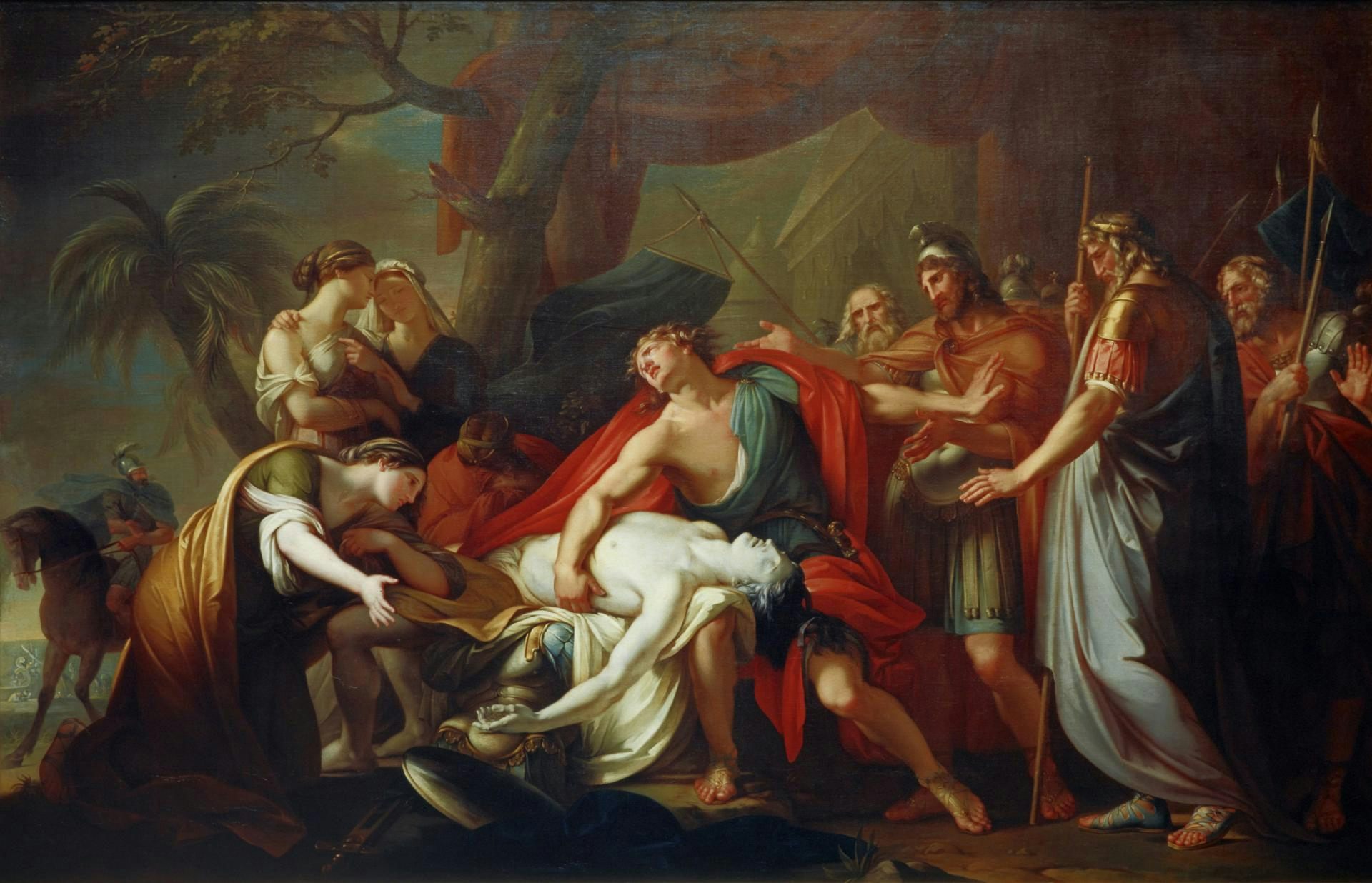
Archaeologists have found something unexpected inside a 1,600-year-old Roman-era Egyptian mummy: a fragment of Homer’s Iliad. It wasn’t placed beside the body, but inside the mummy’s abdomen. But the real surprise isn’t just where the fragment was found. It’s how it got there. To understand, we must go back – to the Iliad itself, and to what it became in the Roman world.
عثر علماء الآثار على شيء غير متوقع داخل مومياء مصرية تعود إلى العصر الروماني، عمرها 1600 عام: جزء من ملحمة الإلياد لهوميروس. لم يكن هذا الجزء موضوعاً بجانب الجسد، بل داخل بطن المومياء. لكن المفاجأة الحقيقية ليست فقط مكان العثور على الجزء. بل هي كيف وصل إلى هناك. لفهم ذلك، يجب أن نعود – إلى الإلياد نفسه، وإلى ما أصبح عليه في العالم الروماني.
In The Iliad, a poem shaped in the 8th century BC and attributed to Homer, the Trojan war does not end in triumph or renewal. It ends in devastation. The poem closes at the edge of collapse, with Troy reduced to a landscape of heroic ruin. And yet, this is not where the story ends.
في ملحمة الإلياد، وهي قصيدة تشكلت في القرن الثامن قبل الميلاد وتُنسب إلى هوميروس، لا تنتهي حرب طروادة بالانتصار أو التجديد. بل تنتهي بالدمار. تُغلق القصيدة عند حافة الانهيار، حيث يتم اختزال طروادة إلى منظر طبيعي من الخراب البطولي. ومع ذلك، هذه ليست نهاية القصة.
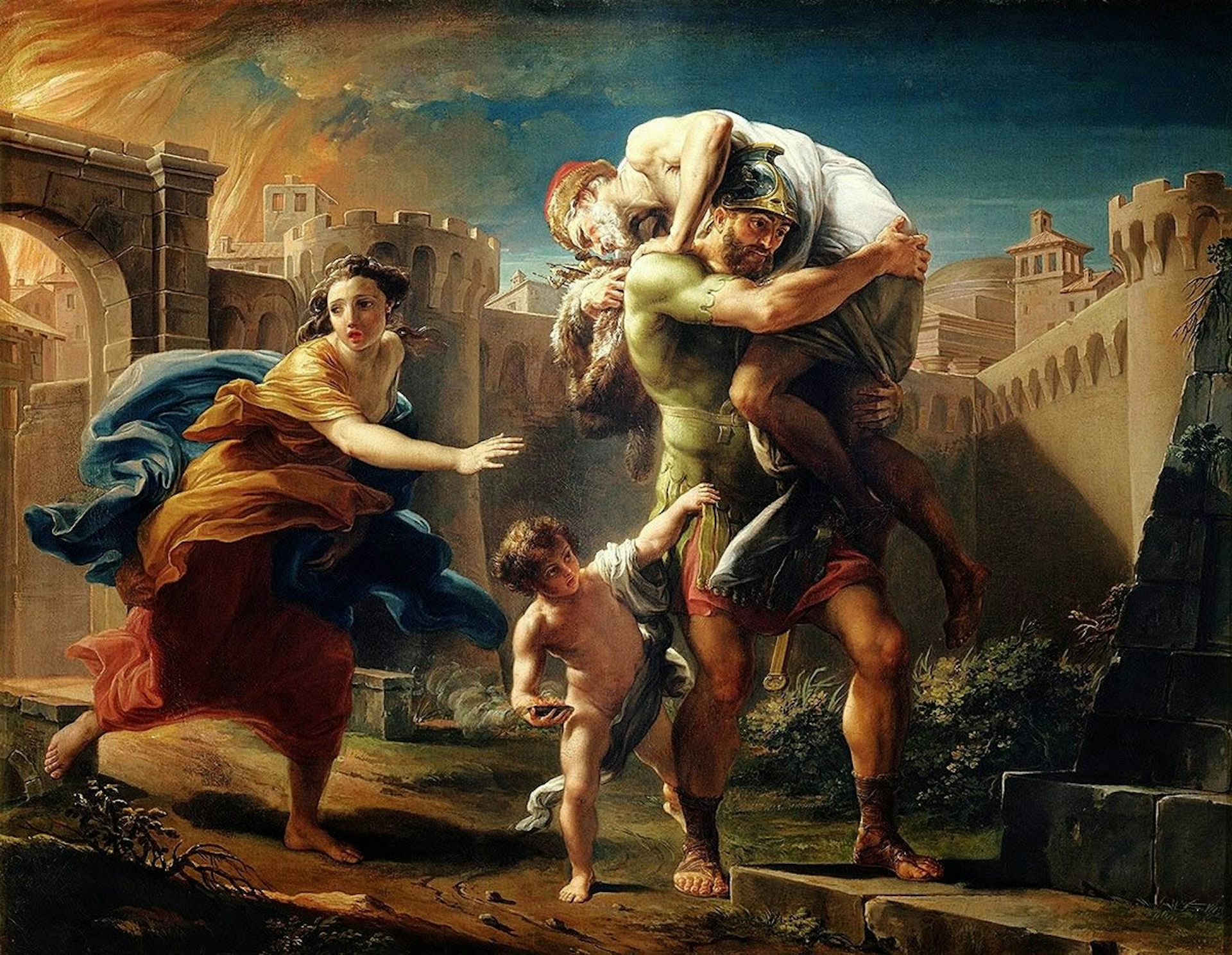
According to later Roman tradition, one Trojan escaped. Aeneas – son of Anchises and the goddess Aphrodite – fled the burning city carrying his father on his shoulders and the household gods in his hands. He moved west, across the Mediterranean, towards Italy, where he became the ancestor of Rome.
وفقاً للتقليد الروماني اللاحق، هرب أحد طرواديين. هرب أخيل (Aeneas) – ابن أنكيسيوس وإلهة أفروديت – من المدينة المحترقة حاملاً والده على كتفيه وآله المنزل في يديه. سار غرباً، عبر البحر الأبيض المتوسط، نحو إيطاليا، حيث أصبح سلف روما.
This continuation did not come from the Iliad itself. It was shaped centuries later, most famously in Virgil’s Aeneid. But it changed the meaning of the Trojan war entirely. The past, in other words, was actively reorganised – through stories that could be reworked, extended and connected across time and space.
هذا الاستمرار لم يأتِ من الإلياد نفسه. لقد تشكّل في قرون لاحقة، وأشهرها في ملحمة فيرجيل (Aeneid) . لكنه غيّر معنى حرب طروادة بالكامل. الماضي، بعبارة أخرى، أعيد تنظيمه بنشاط – من خلال قصص يمكن إعادة صياغتها وتمديدها وربطها عبر الزمان والمكان.
Turning defeat into origin
تحويل الهزيمة إلى أصل
For Roman audiences, the Trojan war was more than a distant Greek legend. It became a way of thinking about origins, identity and power.
بالنسبة للجمهور الروماني، كانت حرب طروادة أكثر من مجرد أسطورة يونانية بعيدة. لقد أصبحت وسيلة للتفكير في الأصول والهوية والسلطة.
Claiming descent from Troy was more than a matter of tracing a lineage. It required constant cultural work – through storytelling, education and shared knowledge. The Iliad provided the raw material: characters, events and genealogies that could be reshaped and redeployed across generations.
كان المطالبة بالنسب من طروادة أكثر من مجرد تتبع سلالة. لقد تطلب ذلك عملاً ثقافياً مستمراً – من خلال سرد القصص والتعليم والمعرفة المشتركة. قدمت الإلياذة المادة الخام: الشخصيات والأحداث والأنساب التي يمكن إعادة تشكيلها ونشرها عبر الأجيال.
Across the Roman Empire, educated elites learned Homer as part of their schooling. They quoted him in speeches, analysed him in classrooms and used him to signal cultural authority. To know the Iliad was to speak a language that others across the empire understood.
في جميع أنحاء الإمبراطورية الرومانية، تعلمت النخب المتعلمة هوميروس كجزء من تعليمهم. لقد اقتبسوه في الخطب، وحللوه في الفصول الدراسية واستخدماه للإشارة إلى السلطة الثقافية. أن تعرف الإلياذة كان يعني التحدث بلغة يفهمها الآخرون في جميع أنحاء الإمبراطورية.
A senator in Rome, a teacher in Asia Minor or a student in Egypt could all draw on the same stories. The poem created a shared frame of reference – one that allowed very different people to situate themselves within a common past.
يمكن لسيناتور في روما، أو معلم في آسيا الصغرى، أو طالب في مصر أن يستمدوا جميعاً من نفس القصص. خلق القصيدة إطاراً مرجعياً مشتركاً – سمح لأشخاص مختلفين جداً بوضع أنفسهم ضمن ماضٍ مشترك.
In the Roman imperial period, the site of ancient Troy – located in modern-day Turkey – became a destination. Emperors invested in its development, tying it directly to Rome’s claimed Trojan origins. Under Emperor Augustus, Troy was folded into the political language of empire. And under Emperor Hadrian, it became part of a wider culture of travel, memory and heritage.
في الفترة الإمبراطورية الرومانية، أصبح موقع طروادة القديمة – الواقع في تركيا الحديثة – وجهة. استثمر الأباطرة في تطويره، وربطوه مباشرة بأصول طروادة التي ادعت روما. تحت حكم أغسطس، تم دمج طروادة في اللغة السياسية للإمبراطورية. وتحت حكم هادريان، أصبح جزءاً من ثقافة أوسع من السفر والذاكرة والتراث.
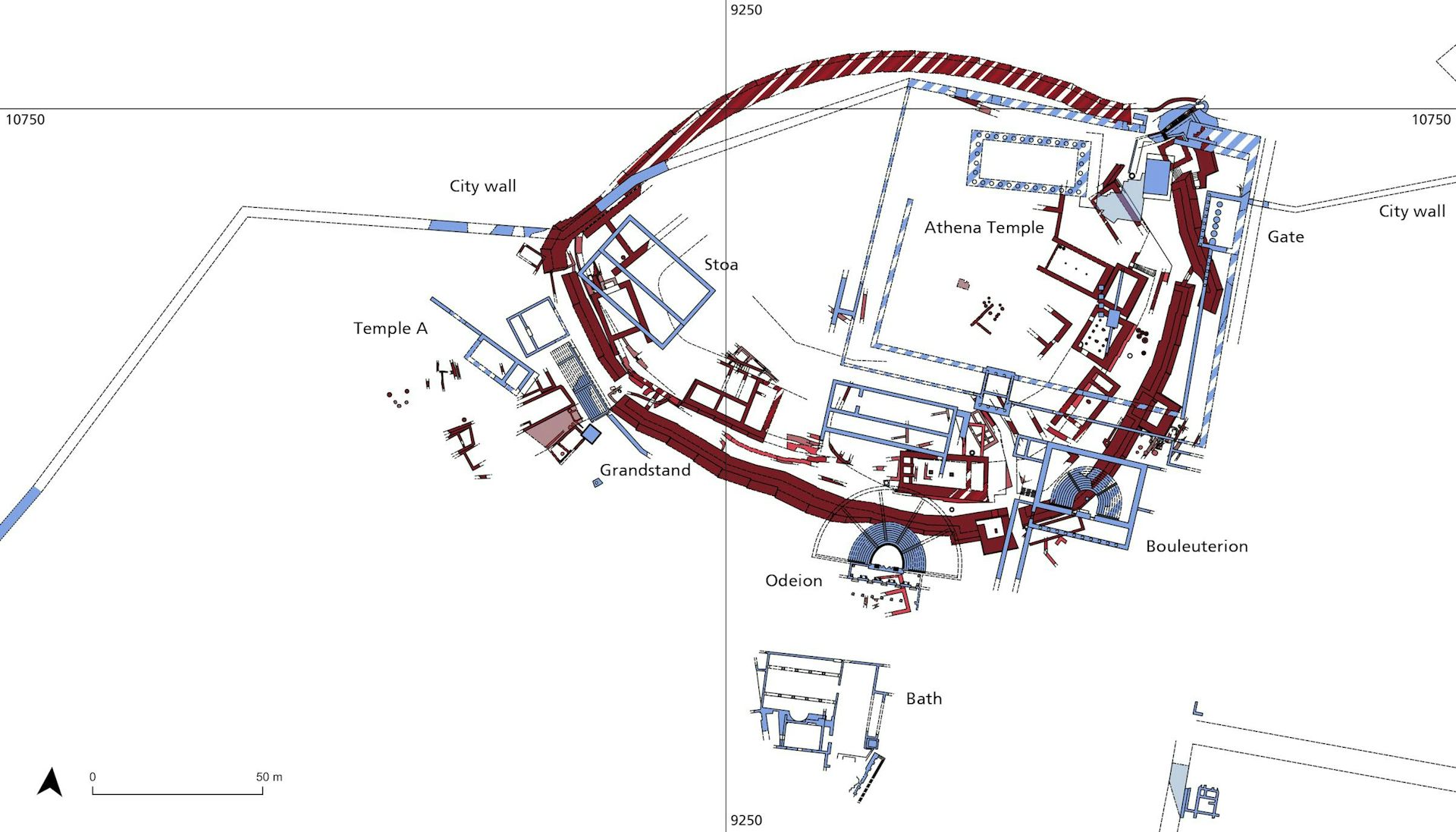
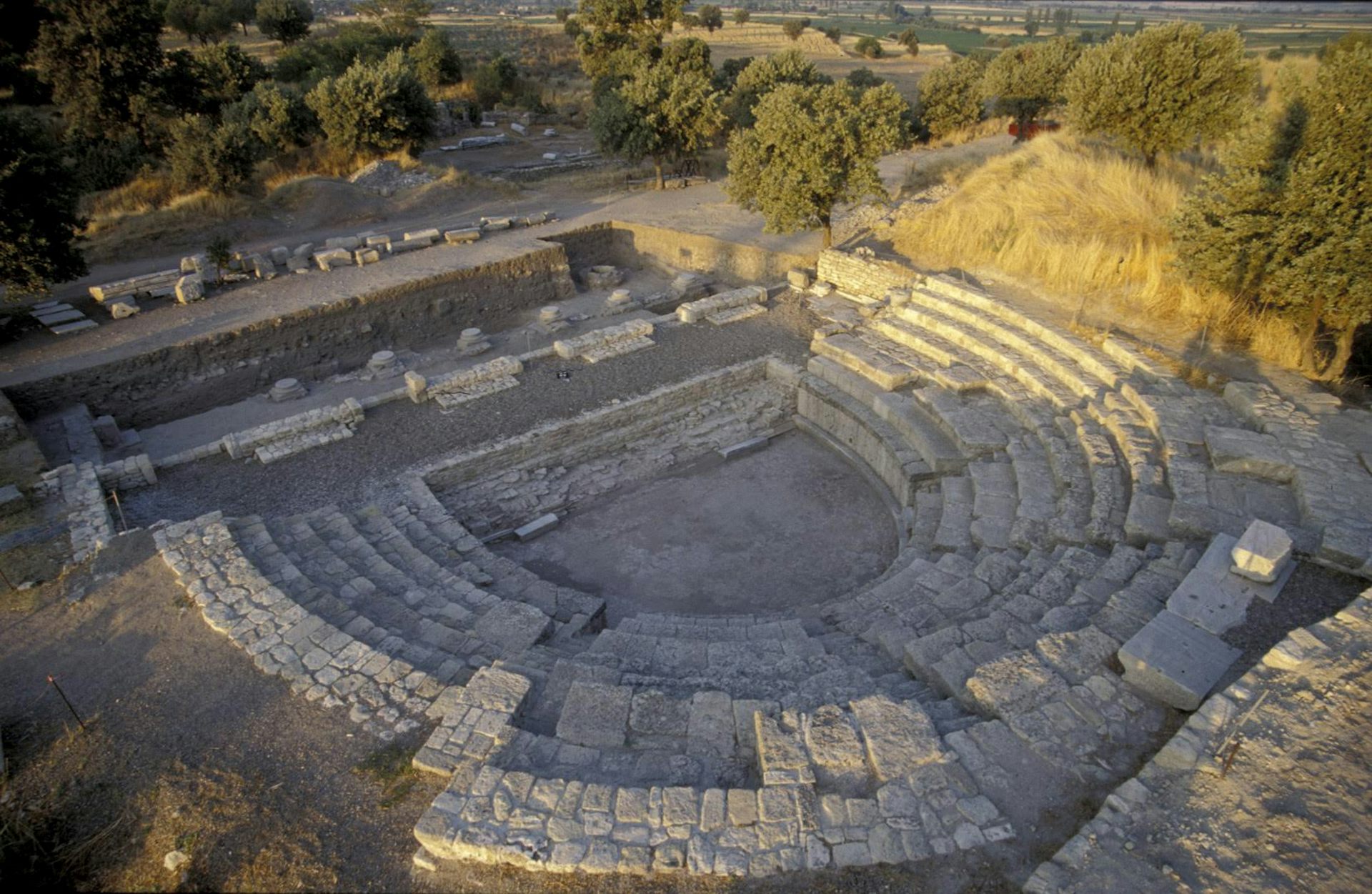
A visitor to Troy in the 2nd century AD would have arrived at a curated landscape. There were baths, places to stay and spaces for performance. A small theatre – the Odeion – was built directly into the ancient citadel, so that the remains of the bronze age city, understood as the setting of the legendary battles around Troy, formed a dramatic backdrop.
كان الزائر إلى طروادة في القرن الثاني الميلادي قد وصل إلى منظر طبيعي مُنسق. كانت هناك حمامات وأماكن للإقامة ومساحات للأداء. تم بناء مسرح صغير – الأوديون – مباشرة داخل القلعة القديمة، بحيث شكلت بقايا مدينة العصر البرونزي، التي تُفهم على أنها موقع المعارك الأسطورية حول طروادة، خلفية درامية.
Visitors could walk through what was presented as the setting of Homeric epic, experiencing the Trojan war as something anchored in the ground beneath their feet.
يمكن للزوار أن يسيروا عبر ما قُدم على أنه موقع الملحمة الهوميرية، وتجربة حرب طروادة كشيء متجذر في الأرض تحت أقدامهم.
From Troy to Egypt
من طروادة إلى مصر
Across the Roman Empire, the Iliad circulated as a living text: copied, taught and read. Egypt, one of Rome’s most important provinces, was no exception. Yet here, Homer circulated within a cultural landscape that differed in important ways from the Greek literary world in which the poem had first taken shape.
عبر الإمبراطورية الرومانية، انتشرت الإلياد كنص حي: نُسخت، وتُعَلِّمَت، وقُرِئت. لم تكن مصر، إحدى أهم مقاطعات روما، استثناءً. ومع ذلك، كان هوميروس ينتشر ضمن مشهد ثقافي اختلف بطرق مهمة عن العالم الأدبي اليوناني الذي تشكّل فيه القصيدة لأول مرة.
For Roman observers, Egypt often appeared as a place where antiquity was materially preserved as well as remembered – through temples, monuments and practices that emphasised continuity with the past. At the same time, it was a deeply hybrid society, where Egyptian, Greek and Roman traditions interacted in complex ways.
بالنسبة للمراقبين الرومان، ظهرت مصر غالبًا كمكان تم فيه الحفاظ على العصور القديمة ماديًا وتذكرها – من خلال المعابد والآثار والممارسات التي أكدت الاستمرارية مع الماضي. وفي الوقت نفسه، كانت مجتمعًا هجينًا بعمق، حيث تفاعلت التقاليد المصرية واليونانية والرومانية بطرق معقدة.
Homer was among the most widely copied authors in Roman Egypt – read and taught as a marker of education and cultural belonging and deeply embedded in everyday literary culture.
كان هوميروس من بين المؤلفين الأكثر نسخًا في مصر الرومانية – قُرئ وتُعَلِّم كعلامة على التعليم والانتماء الثقافي ومندمج بعمق في الثقافة الأدبية اليومية.
The Homeric version of the Trojan War was particularly prominent among the Greek-speaking elite, especially in urban centres such as Oxyrhynchus, where the mummy was found. Other versions of the story – which placed greater emphasis on Paris and Helen’s stay in Egypt, as reported by Herodotus based on accounts from Egyptian priests – were probably more widespread among the broader Egyptian population.
كانت النسخة الهوميرية من حرب طروادة بارزة بشكل خاص بين النخبة الناطقة باليونانية، خاصة في المراكز الحضرية مثل أوخرينخوس، حيث تم العثور على المومياء. ربما كانت هناك نسخ أخرى من القصة – التي وضعت تركيزًا أكبر على بقاء طرسوس وهيلين في مصر، كما أوردها هيرودوتوس بناءً على روايات من الكهنة المصريين – أكثر انتشارًا بين السكان المصريين الأوسع.
The initial media coverage of the discovery of the fragment inside the Egyptian mummy suggested the text was deliberately chosen to accompany the deceased. As a personally meaningful object, perhaps reflecting their education or cultural identity.
أشار التغطية الإعلامية الأولية لاكتشاف الشظية داخل المومياء المصرية إلى أن النص تم اختياره عمدًا لمرافقة المتوفى. كشيء ذي مغزى شخصي، ربما يعكس تعليمهم أو هويتهم الثقافية.
The most telling explanation, however, may be the most straightforward. Discarded or damaged papyri could be reused as inexpensive material. The fragment may therefore have functioned as stuffing – bundled together and inserted into the body cavity without particular regard for its literary content.
ومع ذلك، قد يكون التفسير الأكثر دلالة هو الأكثر وضوحًا. يمكن إعادة استخدام البرديات المهملة أو التالفة كمواد رخيصة. لذلك، ربما عملت الشظية كحشو – تم تجميعها وإدخالها في تجويف الجسم دون اعتبار خاص لمحتواها الأدبي.
The very fact that a scrap of the Iliad could end up as disposable filling, however, speaks to how deeply Homer had penetrated everyday life in Roman Egypt.
حقيقة أن قطعة من الإلياد يمكن أن تتحول إلى حشو يمكن التخلص منه، ومع ذلك، تتحدث عن مدى تغلغل هوميروس في الحياة اليومية في مصر الرومانية.
A text in motion
نص في حركة
To make sense of the past in the Roman world meant moving between story and monument, between genealogy and deep time. Each perspective made the others more intelligible.
فهم الماضي في العالم الروماني تطلب التحرك بين القصة والتمثال، وبين النسب والزمن العميق. كل منظور جعل الآخرين أكثر قابلية للفهم.
The Iliad helped create a world in which different pasts could be connected, compared and reshaped. By linking stories, places and traditions across the Mediterranean, the Roman world turned the past into a flexible resource – one that could generate identity, authority and belonging in shifting contexts.
ساعدت الإلياد في إنشاء عالم يمكن من خلاله ربط الماضي المختلف ومقارنته وإعادة تشكيله. من خلال ربط القصص والأماكن والتقاليد عبر البحر الأبيض المتوسط، حوّل العالم الروماني الماضي إلى مورد مرن – مورد يمكن أن يولد الهوية والسلطة والانتماء في السياقات المتغيرة.
This is why the Iliad mattered: it circulated across many different settings. It shaped elite education, but it was also part of everyday reading culture. At Troy, it helped transform the city into a place of cultural memory. The text itself also had a long material afterlife, surviving not only as an authoritative story, but through manuscripts and writing materials that were copied, passed on – or even reused for entirely different purposes.
لهذا السبب كانت الإلياد مهمة: لقد انتشرت عبر العديد من البيئات المختلفة. لقد شكلت التعليم النخبوي، ولكنها كانت أيضًا جزءًا من ثقافة القراءة اليومية. في طروادة، ساعدت في تحويل المدينة إلى مكان للذاكرة الثقافية. كما كان للنص نفسه حياة مادية طويلة، حيث نجا ليس فقط كقصة موثوقة، ولكن من خلال المخطوطات ومواد الكتابة التي تم نسخها، وتمريرها – أو حتى إعادة استخدامها لأغراض مختلفة تمامًا.
Its most enduring insight is therefore this: the past is not something simply preserved, but something continuously made and remade – through the stories, practices and materials that carry it across time.
إن أعمق رؤيتها الدائمة هي هذه: الماضي ليس شيئًا يتم الحفاظ عليه ببساطة، بل هو شيء يتم صنعه وإعادة صنعه باستمرار – من خلال القصص والممارسات والمواد التي تحملها عبر الزمن.
This article features references to books that have been included for editorial reasons, and may contain links to bookshop.org. If you click on one of the links and go on to buy something, The Conversation UK may earn a commission.
تتضمن هذه المقالة مراجع إلى كتب تم إدراجها لأسباب تحريرية، وقد تحتوي على روابط إلى bookshop.org. إذا نقرت على أحد الروابط وذهبت لشراء شيء ما، فقد تكسب The Conversation UK عمولة.
The authors do not work for, consult, own shares in or receive funding from any company or organisation that would benefit from this article, and have disclosed no relevant affiliations beyond their academic appointment.
لا يعمل المؤلفون لدى أي شركة أو منظمة تستفيد من هذه المقالة، ولا يستشارون فيها، ولا يمتلكون أسهمًا فيها، ولا يتلقون تمويلاً منها، ولم يكشفوا عن أي انتماءات ذات صلة تتجاوز منصبهم الأكاديمي.
Read more
-

الصخور البركانية العائمة تعطل الحياة في بابوا غينيا الجديدة – والمشكلة ستستمر لفترة طويلة
Floating volcanic rock is disrupting life in Papua New Guinea – and the problem will last a long time
-

كانت قدرة الصين على تجاوز حرب تجارة ترامب قد استغرقت عقدين من الزمن
China’s ability to weather Trump’s trade war was two decades in the making