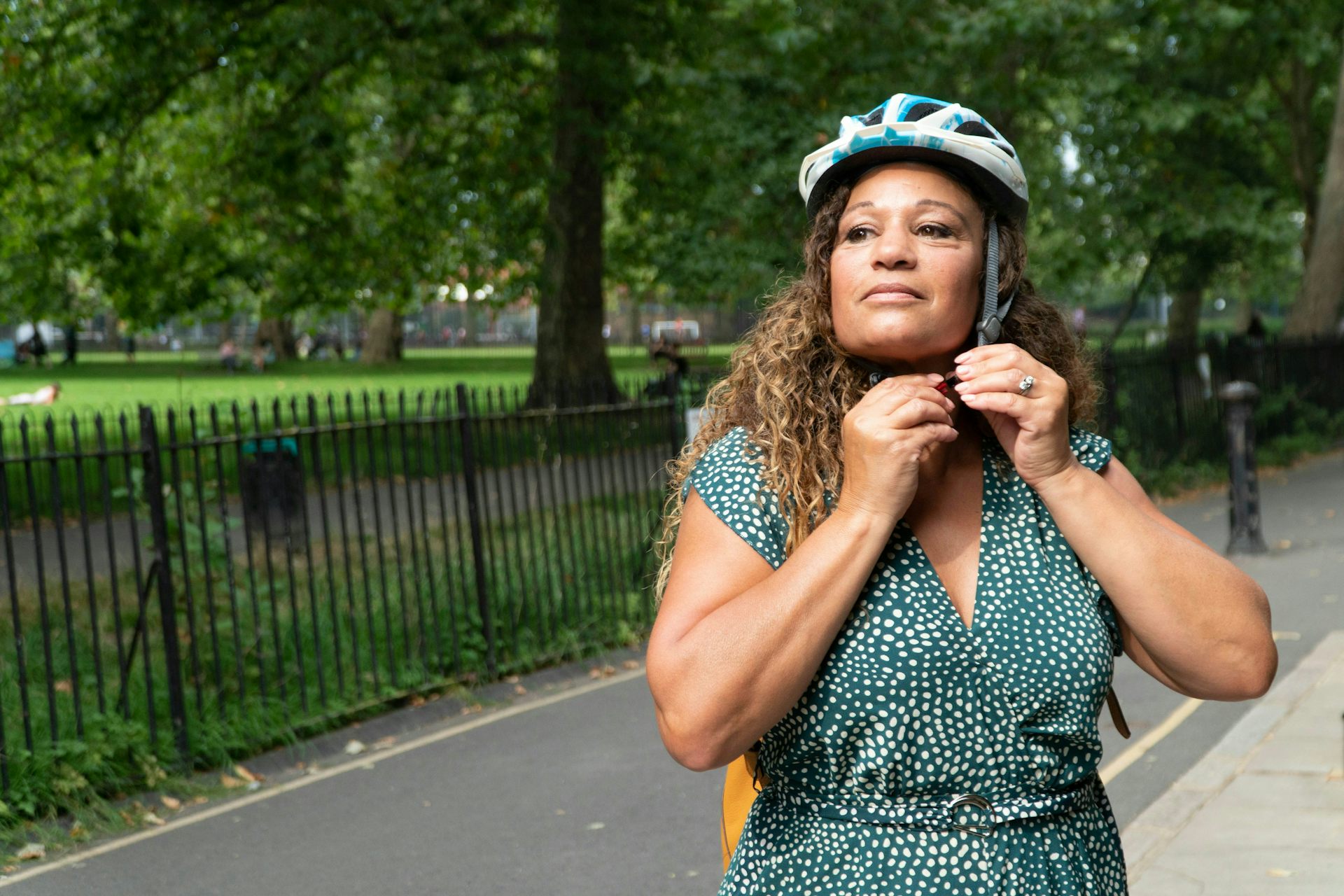
لست مضطراً لأن تكون “راكب دراجات” لتركيب دراجة. إليك كيفية البدء من جديد
You don’t have to be a ‘cyclist’ to ride a bike. Here’s how to start again
Plan your route, keep your bike by the door, and don’t worry about Lycra – small habits can get you back on the bike.
خطط لمسارك، واحتفظ بدراجتك بجوار الباب، ولا تقلق بشأن الليكرا – فالعادات الصغيرة يمكن أن تعيدك إلى ركوب الدراجة.
As fuel prices climb and oil supply shocks multiply, you might be thinking – perhaps for the first time in years – about dusting off the bike and riding again. Perhaps you’re kicking yourself you haven’t done it already.
مع ارتفاع أسعار الوقود وتعدد صدمات إمدادات النفط، قد تفكر – ربما لأول مرة منذ سنوات – في تنظيف الدراجة والقيادة مرة أخرى. ربما تلوم نفسك لأنك لم تفعل ذلك بالفعل.
But getting back on a bike rarely comes from a single moment of willpower. It usually emerges from small changes that rebuild capacity over time: a serviced bike, calmer traffic, having permission to ride slowly, riding an e-bike, or cycling part-way.
لكن العودة إلى ركوب الدراجة نادرًا ما تأتي من لحظة واحدة من قوة الإرادة. عادةً ما تنبع من تغييرات صغيرة تعيد بناء القدرة بمرور الوقت: دراجة تم صيانتها، حركة مرور أكثر هدوءًا، الحصول على إذن للقيادة ببطء، ركوب دراجة كهربائية، أو ركوب الدراجة جزئيًا.
Mass cycling did not return to cities by accident. In the Netherlands, the dominance of everyday cycling emerged after a deliberate break with car-centred transport following the 1973 oil crisis. Public protest over road deaths and energy dependence also contributed.
لم يعد ركوب الدراجات الجماعي إلى المدن بالصدفة. ففي هولندا، ظهر هيمنة ركوب الدراجات اليومي بعد قطيعة متعمدة مع النقل المتمحور حول السيارات في أعقاب أزمة النفط عام 1973. كما ساهم الاحتجاج العام بشأن وفيات الطرق والاعتماد على الطاقة.
Cycling became viable again not because people were persuaded to try harder, but because car use was actively constrained and alternatives were made easier.
لم يصبح ركوب الدراجات مجديًا مرة أخرى لأن الناس أقنعوا بمحاولة الجد، بل لأن استخدام السيارات قُيّد بنشاط وأصبحت البدائل أسهل.
If we want people to return to bikes in car-centric societies, the question is not why they stopped cycling – but what would make cycling possible again.
إذا أردنا أن يعود الناس إلى الدراجات في المجتمعات المتمحورة حول السيارات، فإن السؤال ليس لماذا توقفوا عن ركوب الدراجات – بل ما الذي يمكن أن يجعل ركوب الدراجات ممكنًا مرة أخرى.
It’s not just about motivation
الأمر لا يتعلق فقط بالتحفيز
People often assume the hardest part of cycling again is motivation.
غالباً ما يفترض الناس أن أصعب جزء في ركوب الدراجات مرة أخرى هو التحفيز.
But bikes tend to stop being ridden long before people decide to stop cycling. Something small went wrong and was never fixed. The bike ends up in the garage with flat tyres, tucked behind boxes, or hanging unused.
لكن الدراجات تميل إلى التوقف عن الركوب قبل وقت طويل من أن يقرر الناس التوقف عن ركوب الدراجات. شيء صغير حدث خطأ ولم يتم إصلاحه أبداً. تنتهي الدراجة في المرآب بإطارات مسطحة، مطوية خلف الصناديق، أو معلقة دون استخدام.
When that happens, cycling doesn’t feel like a choice any more. It feels unavailable.
عندما يحدث ذلك، لم يعد ركوب الدراجات يبدو وكأنه خيار. بل يبدو غير متاح.
In our research with people who had stopped riding in Sydney, cycling faded when everyday arrangements no longer worked: storage was awkward, routes became stressful, or minor mechanical issues accumulated.
في بحثنا مع الأشخاص الذين توقفوا عن الركوب في سيدني، تضاءل ركوب الدراجات عندما لم تعد الترتيبات اليومية تعمل: كان التخزين صعباً، وأصبحت المسارات مرهقة، أو تراكمت مشكلات ميكانيكية بسيطة.
People are more likely to cycle when the bike is stored near the front door and ready to use.
من المرجح أن يمارس الناس ركوب الدراجات عندما تكون الدراجة مخزنة بالقرب من الباب الأمامي وجاهزة للاستخدام.
Cycling depends on a combination of bodies, bikes, routes, time and confidence. When any one of these falls out of sync, your capacity to cycle drains away.
يعتمد ركوب الدراجات على مزيج من الأجساد والدراجات والمسارات والوقت والثقة. عندما يخرج أي من هذه العناصر عن التزامن، يتضاءل قدرتك على الركوب.

Abandon ideas about ‘proper’ cyclists
تخلَّوا عن الأفكار حول راكبي الدراجات “المثاليين”
One of the strongest barriers we encountered was the sense of not fitting the image of a “proper” cyclist.
كان أحد أقوى الحواجز التي واجهناها هو الشعور بعدم التوافق مع صورة راكب الدراجات “المثالي.”
In Australia, that image is still closely tied to being male, wearing a lot of Lycra, owning an expensive bike and costly cycling gear and riding really fast.
في أستراليا، لا تزال هذه الصورة مرتبطة ارتباطًا وثيقًا بكون الشخص ذكرًا، ويرتدي الكثير من ملابس الليكرا، ويمتلك دراجة باهظة الثمن ومعدات ركوب دراجات مكلفة، ويقود بسرعة كبيرة.
Women, older riders and those returning to cycling after a long break often experience that culture as quietly excluding.
غالبًا ما تشعر النساء، والراكبون الأكبر سنًا، وأولئك الذين يعودون إلى ركوب الدراجات بعد انقطاع طويل بأن هذه الثقافة تستبعدهن بهدوء.
In reality, cycling does not require a lot of specialist gear for most everyday trips.
في الواقع، لا يتطلب ركوب الدراجات الكثير من المعدات المتخصصة لمعظم الرحلات اليومية.
In places where cycling functions as everyday transport – such as large parts of Europe and Asia – people ride in work clothes, at relaxed speeds, on practical bikes.
في الأماكن التي يعمل فيها ركوب الدراجات كوسيلة نقل يومية – مثل أجزاء كبيرة من أوروبا وآسيا – يركب الناس بملابس العمل، وبسرعات مريحة، وعلى دراجات عملية.
Similarly, e-bikes enable a range of differently abled bodies to cycle (suggesting we should rethink some of the ways e-bikes have been recently demonised) .
وبالمثل، تتيح الدراجات الكهربائية مجموعة من الأجسام ذات القدرات المختلفة ركوب الدراجات (مما يشير إلى أننا يجب أن نعيد التفكير في بعض الطرق التي تم بها شيطنة الدراجات الكهربائية مؤخرًا) .
Letting go of narrow definitions of who cycling is for can reopen the possibility of riding at all.
إن التخلي عن التعريفات الضيقة لمن يناسبهم ركوب الدراجات يمكن أن يعيد فتح إمكانية الركوب بالكامل.
Cycling routes might have improved
قد تكون مسارات ركوب الدراجات قد تحسنت
Our research into the significant increase in cycling during the COVID pandemic found the lockdowns offered a rare natural experiment.
وجد بحثنا حول الزيادة الكبيرة في ركوب الدراجات خلال جائحة كوفيد أن الإغلاقات وفرت تجربة طبيعية نادرة.
Many Australians returned to cycling after years away because traffic temporarily disappeared.
عاد العديد من الأستراليين إلى ركوب الدراجات بعد سنوات غياب لأن حركة المرور اختفت مؤقتًا.
With fewer cars on the road, cycling felt calmer and less demanding, and confidence grew quickly. A significant investment was made in cycling infrastructure across Australian cities (although this investment is still minuscule compared with car infrastructure spending) .
مع وجود عدد أقل من السيارات على الطريق، أصبح ركوب الدراجات أكثر هدوءًا وأقل تطلبًا، ونما الشعور بالثقة بسرعة. وتم إجراء استثمار كبير في البنية التحتية لركوب الدراجات في جميع أنحاء المدن الأسترالية (على الرغم من أن هذا الاستثمار لا يزال ضئيلاً مقارنة بالإنفاق على البنية التحتية للسيارات) .
So if you’re reluctant to cycle again because you’re afraid of being hit by a car, it’s worth checking if cycling routes have improved since last you rode.
لذا، إذا كنت مترددًا في ركوب الدراجة مرة أخرى خوفًا من أن تصدمك سيارة، فمن الجدير بالتحقق مما إذا كانت مسارات ركوب الدراجات قد تحسنت منذ آخر مرة ركبت فيها.
Start by using a digital map to search for cycling routes separate from vehicle traffic.
ابدأ باستخدام خريطة رقمية للبحث عن مسارات ركوب الدراجات المنفصلة عن حركة مرور المركبات.
Get your bike serviced
احصل على صيانة دراجتك
A serviced bike changes everything.
الدراجة التي تتم صيانتها تغير كل شيء.
A lot of the anxiety stopping people from riding can be greatly reduced by simply having gears that work, brakes that respond and tyres that hold air.
يمكن تقليل الكثير من القلق الذي يمنع الناس من الركوب بشكل كبير بمجرد توفر تروس تعمل، ومكابح تستجيب، وإطارات تحتفظ بالهواء.
Our research found these small material fixes can make a big difference to getting people back on the bike.
وجد بحثنا أن هذه الإصلاحات المادية البسيطة يمكن أن تحدث فرقاً كبيراً في إعادة الناس إلى ركوب الدراجات.
There are myriad explainer and DIY videos on YouTube covering maintenance basics if getting the bike professionally serviced is out of your budget.
هناك عدد لا يحصى من مقاطع الفيديو التوضيحية ومقاطع الفيديو التعليمية على يوتيوب التي تغطي أساسيات الصيانة إذا كانت صيانة الدراجة بشكل احترافي خارج ميزانيتك.
You can also try to find a local community bike kitchen or council‑supported course. Some councils also run programs where experienced riders can show you good cycling routes through your suburb or city.
يمكنك أيضاً محاولة العثور على مطبخ دراجات مجتمعي محلي أو دورة تدريبية مدعومة من المجلس. تدير بعض المجالس أيضاً برامج يمكن للراكبين ذوي الخبرة أن يريك فيها مسارات ركوب الدراجات الجيدة عبر ضاحيتك أو مدينتك.
These make maintenance affordable but also reconnect people with cycling as something ordinary and shared, rather than technical or elite.
هذه الأمور تجعل الصيانة في متناول الجميع، ولكنها تعيد أيضاً ربط الناس بالدراجات كشيء عادي ومشترك، بدلاً من أن يكون تقنياً أو نخبوياً.
You don’t have to ride the whole way
لست مضطراً لركوب الدراجة طوال الطريق
Another quiet enabler is allowing cycling to be partial and occasional. Some begin by riding to a train station or local cafe rather than committing to an entire commute.
أحد الميسِّرات الهادئة هو السماح بأن تكون ركوب الدراجات جزئياً ومتقطعاً. يبدأ البعض بالذهاب بالدراجة إلى محطة قطار أو مقهى محلي بدلاً من الالتزام برحلة يومية كاملة.
In our interviews, people stayed on the bike longest when they allowed themselves to mix modes of transport, adjust routes and change plans without feeling they had “failed” at cycling.
في مقابلاتنا، ظل الناس على الدراجة لأطول فترة عندما سمحوا لأنفسهم بخلط وسائل النقل، وتعديل المسارات، وتغيير الخطط دون الشعور بأنهم “فشلوا” في ركوب الدراجات.
Treating cycling as one option among several, rather than an all‑or‑nothing identity, makes it easier to start.
إن التعامل مع ركوب الدراجات كأحد الخيارات العديدة، بدلاً من كونه هوية شاملة أو كل شيء أو لا شيء، يجعل البدء أسهل.
Make cycling ordinary again
اجعل ركوب الدراجات أمراً طبيعياً مرة أخرى
The Dutch experience after the oil crisis shows society-wide shifts follow when everyday conditions change, not when individuals are told to try harder.
تُظهر تجربة هولندا بعد أزمة النفط أن التحولات المجتمعية الواسعة تتبع تغير الظروف اليومية، وليس عندما يُطلب من الأفراد بذل جهد أكبر.
As the world once again confronts energy uncertainty, the lesson is timely.
مع مواجهة العالم لعدم اليقين في الطاقة مرة أخرى، فإن هذا الدرس في وقته.
The challenge for cities is not to convince people that cycling is good. It is to make cycling ordinary enough that people can return to it without having to become a “cyclist” first.
التحدي الذي يواجه المدن ليس إقناع الناس بأن ركوب الدراجات جيد. بل هو جعل ركوب الدراجات أمراً طبيعياً بما يكفي لدرجة أن يتمكن الناس من العودة إليه دون الحاجة إلى أن يصبحوا “راكبي دراجات” أولاً.
Glen Fuller received funding in the past from the ARC for the research project Pedalling for Change.
تلقى غلين فولر في الماضي تمويلاً من هيئة البحث الأسترالية (ARC) لمشروع البحث “التحرك من أجل التغيير” (Pedalling for Change) .
Read more
-

ما هو الصدمة؟ كلما تحدثنا عنها، زاد معناها
What is trauma? The more we talk about it, the more it means
-
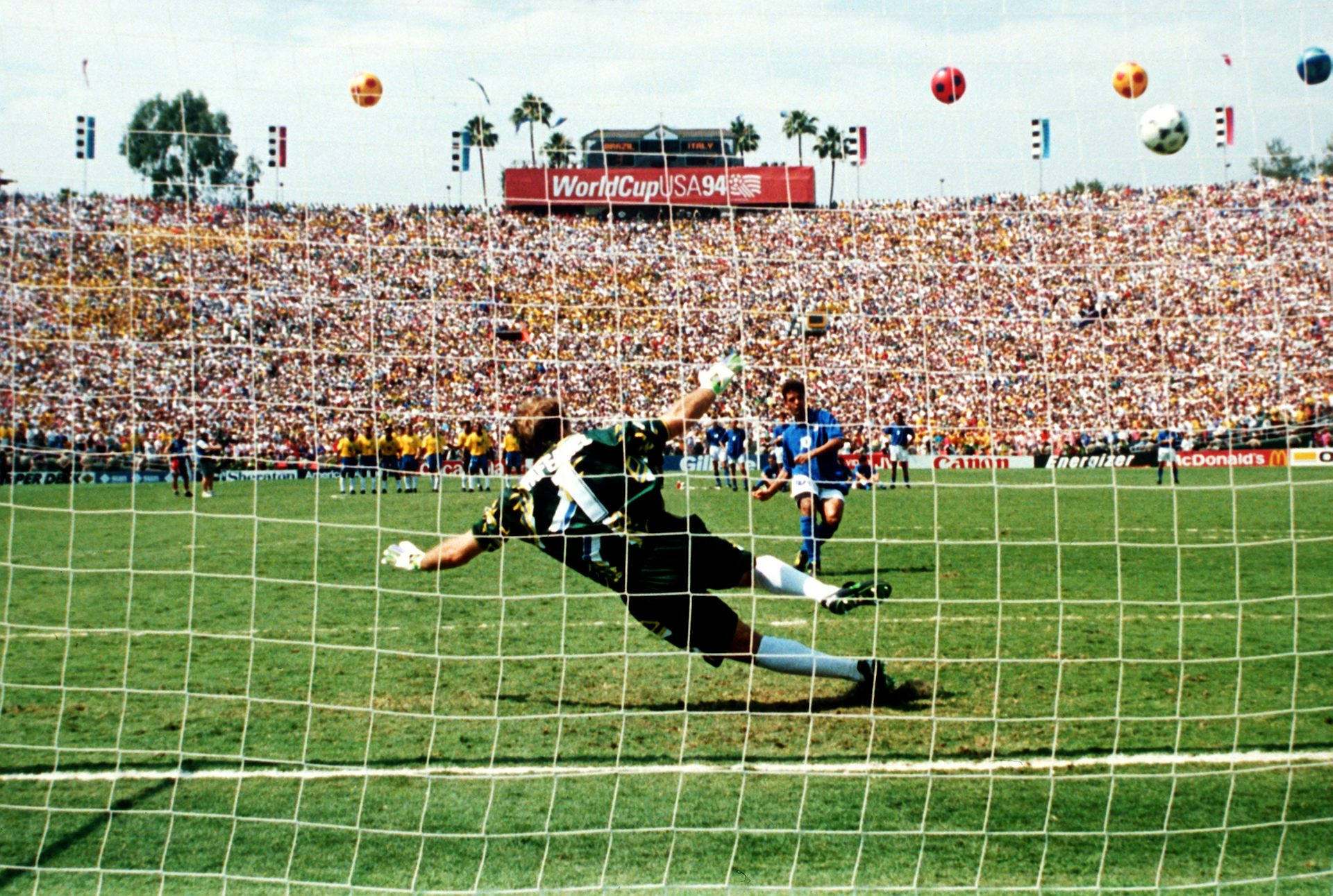
ساعد كأس العالم 1994 على إنقاذ “اللعبة الجميلة” من الرداءة. عند عودته إلى الولايات المتحدة، توقعوا المزيد من هذا الجمال.
The 1994 World Cup helped rescue ‘the beautiful game’ from mediocrity. On its return to the US, expect more of that beauty