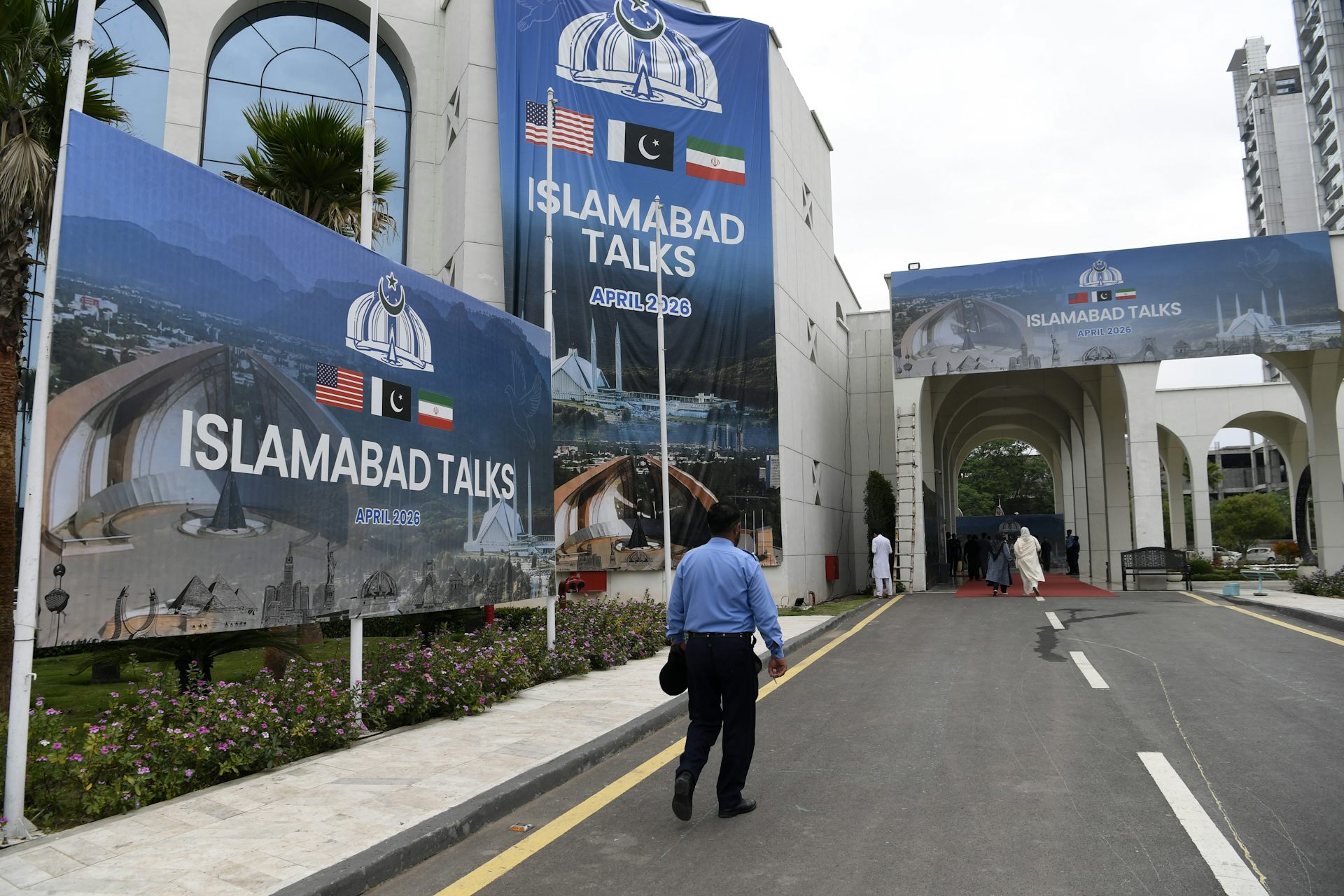
كيف أصبح باكستان الوسيط الرئيسي بين الولايات المتحدة وإيران
How Pakistan became the primary mediator between the US and Iran
Pakistan’s relationships with the US and Iran put it in a strong position to intervene – not to mention a need to stabilise its borders and protect its own economy.
وضعت علاقات باكستان مع الولايات المتحدة وإيران في موقع قوي للتدخل – ناهيك عن الحاجة إلى تثبيت حدودها وحماية اقتصادها الخاص.
Pakistan has emerged as a central diplomatic broker in the conflict between the US and Iran. When announcing a pause to the US operation to guide stranded vessels through the Strait of Hormuz on May 6, Donald Trump said he had made the decision “based on the request of Pakistan”.
برزكت باكستان كوسيط دبلوماسي محوري في النزاع بين الولايات المتحدة وإيران. وعندما أعلن دونالد ترامب عن تعليق عملية الولايات المتحدة لتوجيه السفن العالقة عبر مضيق هرمز في 6 مايو، قال إنه اتخذ القرار “بناءً على طلب باكستان.”
The Pakistani prime minister, Shehbaz Sharif, subsequently expressed hope “that the current momentum will lead to a lasting agreement that secures durable peace and stability for the region and beyond”. This latest intervention comes a month after Pakistan secured its biggest diplomatic win in years by brokering a ceasefire in Iran.
وعبّر رئيس الوزراء الباكستاني، شهباز شريف، لاحقاً عن أمله في أن “يؤدي الزخم الحالي إلى اتفاق دائم يضمن سلاماً واستقراراً مستدامين للمنطقة وما وراءها.” ويأتي هذا التدخل الأخير بعد شهر من تأمين باكستان لأكبر انتصار دبلوماسي لها منذ سنوات، وذلك عبر التوسط لوقف إطلاق النار في إيران.
But how did Pakistan emerge as the most trustworthy mediator in this conflict, and what drove Islamabad to involve itself? Pakistan’s biggest advantage is that it enjoys relationships with both the US and Iran, which has helped it be seen as a neutral party by each side.
ولكن كيف برزت باكستان كأكثر الوسطاء موثوقية في هذا النزاع، وما الذي دفع إسلام أباد إلى التدخل؟ تكمن أكبر ميزة لباكستان في أنها تتمتع بعلاقات مع كل من الولايات المتحدة وإيران، مما ساعدها على أن تُعتبر طرفاً محايداً من قبل الجانبين.
Pakistan has worked with the US in dealing with Iran for decades. Since 1981, two years after the US and Iran severed diplomatic ties following the Islamic revolution, a dedicated section of the Pakistani embassy in Washington has handled Iranian diplomatic affairs in the US.
عملت باكستان مع الولايات المتحدة في التعامل مع إيران لعقود. فمنذ عام 1981، أي بعد عامين من قطع الولايات المتحدة وإيران العلاقات الدبلوماسية في أعقاب الثورة الإسلامية، تولى قسم مخصص في السفارة الباكستانية في واشنطن شؤون إيران الدبلوماسية في الولايات المتحدة.
Pakistan has also worked with the US in mediation efforts elsewhere. Most notably, it facilitated former US secretary of state Henry Kissinger’s secret visit to China in 1971. This paved the way for the normalisation of relations between the US and China later that decade.
كما عملت باكستان مع الولايات المتحدة في جهود وساطة في أماكن أخرى. وأبرزها، تسهيل زيارة هنري كيسنجر، وزير الخارجية الأمريكي السابق، السرية إلى الصين عام 1971. ومهد ذلك الطريق لتطبيع العلاقات بين الولايات المتحدة والصين في وقت لاحق من تلك العقد.
Relations between the US and Pakistan have not always been smooth. In 2011, a decade after the 9/11 terrorist attacks, the Atlantic magazine in the US referred to Pakistan as the “ally from hell”. Whether or not it did so knowingly, Pakistan hosted al-Qaeda mastermind Osama bin Laden following the attack.
لم تكن العلاقات بين الولايات المتحدة وباكستان سلسة دائماً. ففي عام 2011، بعد عقد من هجمات 11 سبتمبر الإرهابية، أشارت مجلة “أتلانتيك” في الولايات المتحدة إلى باكستان بأنها “الحليف من الجحيم.” وسواء كان ذلك عن علم أم لا، فقد استضافت باكستان أسامة بن لادن، العقل المدبر لتنظيم القاعدة، بعد الهجوم.
Trump himself also denied Pakistan military aid during his first term as president, saying it was not doing enough to combat terrorism. And Pakistan’s human rights record, particularly concerning democratic backsliding and restrictions on civil liberties, have at times led to tension with the US government.
كما أن ترامب نفسه نفى المساعدة العسكرية الباكستانية خلال فترة رئاسته الأولى، قائلاً إنها لم تفعل ما يكفي لمكافحة الإرهاب. كما أن سجل حقوق الإنسان الباكستاني، لا سيما فيما يتعلق بتراجع الديمقراطية وتقييد الحريات المدنية، أدى في بعض الأحيان إلى توتر مع الحكومة الأمريكية.
However, Pakistan’s relationship with the US has improved markedly in Trump’s second term. Trump, who often uses personal ties to guide US foreign policy, has developed a strong relationship with Sharif and the chief of Pakistan’s army, Asim Munir. In June 2025, Munir was even invited to the White House for a private lunch. This was the first time a US president had hosted a non-head of state military leader at this level.
ومع ذلك، تحسنت علاقة باكستان بالولايات المتحدة بشكل ملحوظ في فترة ترامب الرئاسية الثانية. وقد طوّر ترامب، الذي غالباً ما يستخدم الروابط الشخصية لتوجيه السياسة الخارجية الأمريكية، علاقة قوية مع شريف ورئيس جيش باكستان، أصيم منير. ففي يونيو 2025، دُعي منير حتى إلى البيت الأبيض لتناول غداء خاص. وكانت هذه هي المرة الأولى التي يستضيف فيها رئيس أمريكي قائد عسكري غير رئيس دولة بهذا المستوى.
Pakistan’s recent efforts to court Trump have played a key role in building these ties. Over the past year Pakistan has nominated Trump for the Nobel Peace Prize, joined his Board of Peace and launched a collaboration with his World Liberty Financial crypto platform.
لعبت جهود باكستان الأخيرة لكسب ود ترامب دوراً رئيسياً في بناء هذه الروابط. فخلال العام الماضي، رشحت باكستان ترامب لجائزة نوبل للسلام، وانضمت إلى مجلس السلام الخاص به، وأطلقت تعاوناً مع منصته المالية للعملات المشفرة “وورلد ليبرتي.”
And in July, Islamabad signed a deal with the US to allow Washington to help develop Pakistan’s largely untapped oil reserves. “We read him [Trump] right,” said the former chairman of the Pakistani Senate’s Defense Committee, Mushahid Hussain Syed, in an interview with the Washington Post on April 20.
وفي يوليو، وقعت إسلام أباد صفقة مع الولايات المتحدة تسمح لواشنطن بالمساعدة في تطوير احتياطيات النفط الباكستانية غير المستغلة إلى حد كبير. وقال مشهيد حسين سيد، الرئيس السابق للجنة الدفاع في مجلس الشيوخ الباكستاني، في مقابلة مع واشنطن بوست في 20 أبريل: “لقد قرأناه [ترامب] بشكل صحيح.”
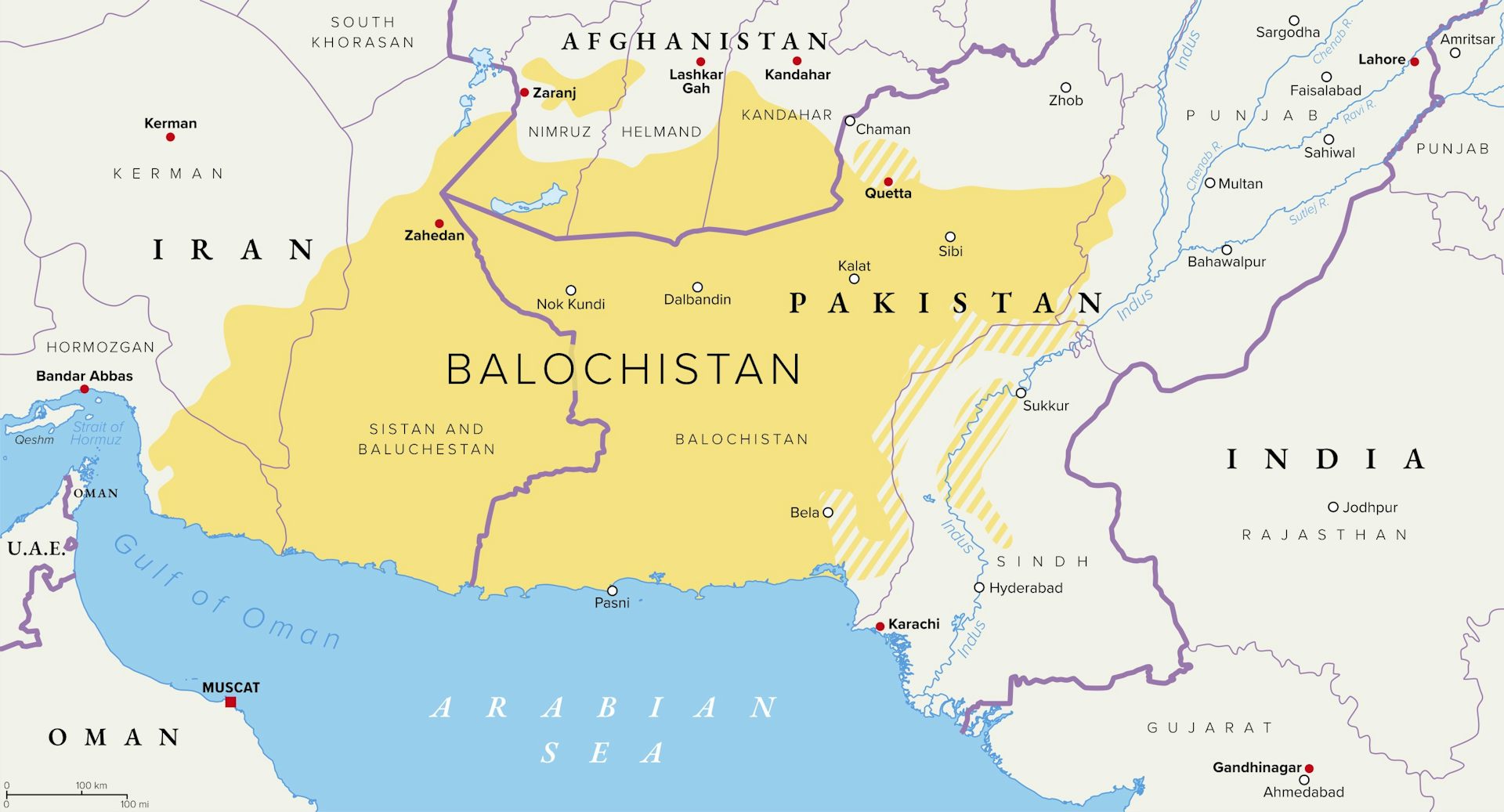
The relationship between Pakistan and Iran has also been characterised by ups and downs. While Iran was the first country to recognise Pakistan’s independence in 1947, their relationship has often been fraught with tension. This largely stems from Iran’s territorial claim to the Balochistan province of Pakistan, as well as from Pakistan’s ties with Iranian rivals.
كما اتسمت العلاقة بين باكستان وإيران بالصعود والهبوط. فبينما كانت إيران أول دولة تعترف باستقلال باكستان عام 1947، غالباً ما كانت علاقاتهما محفوفة بالتوتر. وينبع هذا إلى حد كبير من المطالبة الإقليمية الإيرانية بمقاطعة بلوشستان الباكستانية، بالإضافة إلى علاقات باكستان مع منافسي إيران.
As recently as January 2024, tensions between the two countries appeared to be escalating again over Balochistan. However, hostilities soon receded and both countries formally resumed their bilateral ties. They subsequently expanded their security cooperation and invited each other’s ambassadors and foreign ministers for a formal reconciliation ceremony.
وفي وقت قريب، في يناير 2024، بدا أن التوترات بين البلدين تتصاعد مرة أخرى بسبب بلوشستان. ومع ذلك، سرعان ما تراجعت الأعمال العدائية واستأنفت الدولتان رسمياً علاقاتهما الثنائية. ومن ثم وسعتا تعاونهما الأمني ودعتا سفيريهما ووزيريهما للخارجية لحضور حفل مصالحة رسمي.
Strategic necessity
الضرورة الاستراتيجية
Some commentators argue that Pakistan’s decision to step in as the primary mediator in Iran has been driven by strategic necessity. Its Balochistan province is currently grappling with an insurgency. Islamabad will thus want to avoid a situation where the Iran war spills into Pakistan, as this could destabilise its border regions even further.
يجادل بعض المعلقين بأن قرار باكستان بالتدخل كوسيط رئيسي في إيران مدفوع بالضرورة الاستراتيجية. وتواجه مقاطعة بلوشستان التابعة لها حاليًا تمردًا مسلحًا. وبالتالي، سترغب إسلام أباد في تجنب سيناريو يتسرب فيه صراع إيران إلى باكستان، لأن ذلك قد يزعزع استقرار مناطقها الحدودية أكثر.
There are also economic reasons explaining Pakistan’s involvement. Pakistan has been severely affected by the disruption to Gulf shipping. It imports between 85% and 90% of its crude oil from Saudi Arabia and the United Arab Emirates (UAE) and almost 99% of its liquified gas from the UAE and Qatar.
هناك أيضًا أسباب اقتصادية تفسر تورط باكستان. فقد تأثرت باكستان بشدة بالاضطراب الذي أصاب شحن الخليج. فهي تستورد ما بين 85% و 90% من نفطها الخام من المملكة العربية السعودية والإمارات العربية المتحدة، وأكثر من 99% من غازها المسال من الإمارات وقطر.
Before the war broke out, Pakistan’s economy had been starting to gain momentum. But higher oil prices are now affecting government revenues, increasing its fuel import bill from US$300 million (£220 million) before the conflict to US$800 million now. Pakistan’s authorities have been forced to raise consumer fuel prices by more than 50%.
قبل اندلاع الحرب، كانت اقتصاديات باكستان بدأت تكتسب زخماً. لكن ارتفاع أسعار النفط يؤثر الآن على إيرادات الحكومة، حيث رفع فاتورة استيراد الوقود من 300 مليون دولار أمريكي (220 مليون جنيه إسترليني) قبل الصراع إلى 800 مليون دولار أمريكي الآن. واضطرت سلطات باكستان إلى رفع أسعار وقود المستهلك بأكثر من 50%.
Pakistan’s agricultural sector, which employs around 40% of the country’s population, is also vulnerable to the conflict due to its reliance on fertiliser imported through the Strait of Hormuz. Prices of urea fertiliser have surged by 50% since the war broke out. Prolonged disruption to the agriculture sector risks plunging some of the most vulnerable people in Pakistan further into poverty.
يعد القطاع الزراعي في باكستان، الذي يوظف حوالي 40% من سكان البلاد، عرضة أيضًا للصراع بسبب اعتماده على الأسمدة المستوردة عبر مضيق هرمز. وقد ارتفعت أسعار سماد اليوريا بنسبة 50% منذ اندلاع الحرب. ويُهدد التعطيل المطول للقطاع الزراعي بإغراق بعض الفئات الأكثر ضعفاً في باكستان في المزيد من الفقر.
Remittances are another area that could be affected by a protracted conflict, with as many as five million Pakistani people living in the Gulf region. Pakistan received roughly US$30 billion in remittances between 2025 and 2026, 54% of which came from the Gulf.
تُعد التحويلات المالية مجالاً آخر قد يتأثر بصراع مطول، حيث يعيش ما يصل إلى خمسة ملايين باكستاني في منطقة الخليج. وتلقّت باكستان حوالي 30 مليار دولار أمريكي من التحويلات المالية بين عامي 2025 و 2026، جاء منها 54% من الخليج.
If the war continues to affect Gulf economies, many Pakistani workers may be forced to return home. This will cause remittance revenues to fall, depriving Pakistan of a vital source of foreign exchange, while simultaneously pushing up domestic unemployment.
إذا استمر الصراع في التأثير على اقتصادات الخليج، فقد يُضطر العديد من العمال الباكستانيين إلى العودة إلى ديارهم. وسيؤدي هذا إلى انخفاض إيرادات التحويلات المالية، مما يحرم باكستان من مصدر حيوي للعملات الأجنبية، وفي الوقت نفسه يدفع بارتفاع معدلات البطالة المحلية.
Pakistan’s relationships with the US and Iran put it in a strong position to intervene in the conflict diplomatically. But its mediation has also been a calculated effort to stabilise its borders and protect its economy.
تضع علاقات باكستان مع الولايات المتحدة وإيران في موقع قوي لها للتدخل في الصراع دبلوماسيًا. لكن وساطتها كانت أيضًا جهدًا محسوبًا لتحقيق استقرار حدودها وحماية اقتصادها.
Natasha Lindstaedt does not work for, consult, own shares in or receive funding from any company or organisation that would benefit from this article, and has disclosed no relevant affiliations beyond their academic appointment.
لا تعمل ناتاشا ليندستادت أو تستشير أو تمتلك حصصًا في أي شركة أو منظمة، ولا تتلقى منها أي تمويل قد يستفيد من هذا المقال، ولم تكشف عن أي انتماءات ذات صلة تتجاوز منصبها الأكاديمي.
Read more
-
كيف تغيرت فنزويلا – ولم تتغير – منذ استيلاء مادورو
How Venezuela has – and hasn’t – changed since Maduro’s capture
-

وعدت البيولوجيا التركيبية بإعادة كتابة الحياة – فبعد وفاة رائدها، ج. كريج فينتر، إلى أي مدى وصل العلماء؟
Synthetic biology promised to rewrite life – with the death of its pioneer, J. Craig Venter, how close are scientists?