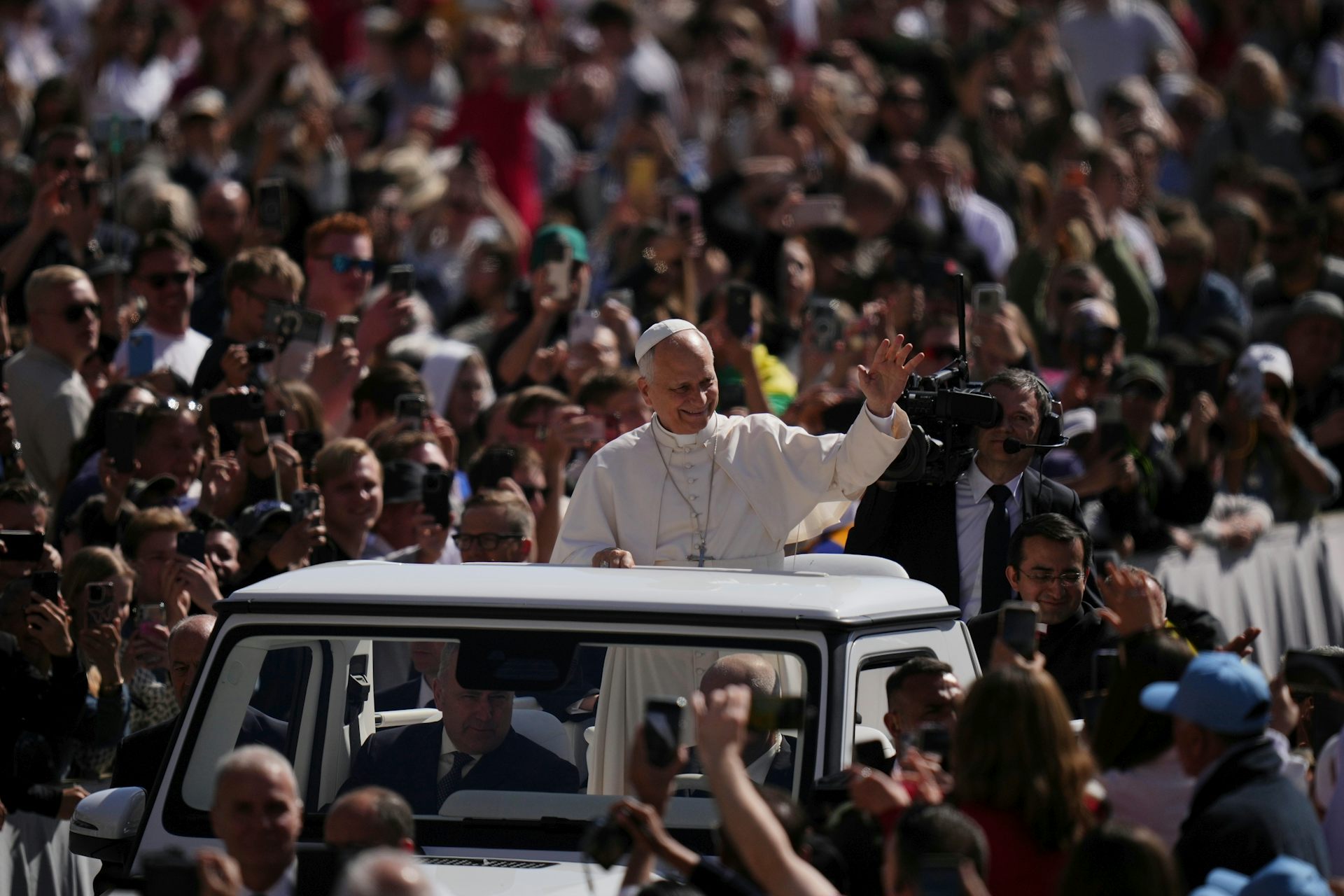
كانت مواضيع السلام والكرامة الإنسانية محورية بالنسبة للبابا ليو مع بلوغه عامه الأول في منصبه
Themes of peace and human dignity have been central to Pope Leo as he marks his first year in office
Pope Leo is following the teachings of Francis on human dignity and applying them to ongoing international crises, argues a scholar of global Catholicism.
ويتبع البابا ليو تعاليم فرانسيس حول الكرامة الإنسانية ويطبقها على الأزمات الدولية المستمرة، يرى باحث في الكاثوليكية العالمية.
When he was elected pope on May 8, 2025, Robert Prevost, who took the name Leo XIV, greeted the crowd with Christ’s words to his disciples: “Peace be with you.”
عندما انتُخب بابا في 8 مايو 2025، روبرت بريفوست، الذي اتخذ اسم ليو الرابع عشر، حيّى الحشد بكلمات المسيح لتلاميذه: “السلام عليكم.”
Peace has become a central theme of the pontificate of the first American pope. In recent months, opposing the war in the Middle East, Leo has said that the “world is being ravaged by a handful of tyrants.” He led a “Prayer Vigil for Peace” on April 11, 2026, in which he criticized how the name of God has been used to justify war and death. He has also said that “military action will not create space for freedom” because true freedom can come only from patient dialogue.
أصبح السلام موضوعاً محورياً في فترة بابوية أول بابا أمريكي. ففي الأشهر الأخيرة، ومع معارضته الحرب في الشرق الأوسط، قال ليو إن “العالم يمزقه حفنة من الطغاة”. وقد قاد “سهرة صلاة من أجل السلام” في 11 أبريل 2026، حيث انتقد كيف استُخدم اسم الله لتبرير الحرب والموت. كما قال إن “الإجراءات العسكرية لن تخلق مساحة للحرية” لأن الحرية الحقيقية لا يمكن أن تأتي إلا من الحوار الصبور.
Combined with his calls for peace is Leo’s equally outspoken emphasis on human dignity. In an age where power is concentrated in the hands of a few, the pope has urged Christians to make a “radical choice in favor of the weakest.” Technological advances, especially the rise of artificial intelligence, also endanger human dignity by threatening to override “human creativity, imagination and intellect,” he has cautioned.
إلى جانب دعواته للسلام، يبرز ليو تأكيداً صريحاً بنفس القدر على الكرامة الإنسانية. ففي عصر تتركز فيه السلطة في أيدي قلة، حث البابا المسيحيين على اتخاذ “خيار جذري لصالح الأضعف”. كما أن التطورات التكنولوجية، وخاصة صعود الذكاء الاصطناعي، تهدد الكرامة الإنسانية أيضاً من خلال التهديد بتجاوز “الإبداع البشري والخيال والذكاء”، كما حذّر.
In my view as a scholar of global Catholicism, the themes of peace and human dignity are crucial for understanding Leo’s first year as the 267th leader of the Catholic Church.
في رأيي كباحث في الكاثوليكية العالمية، فإن موضوعي السلام والكرامة الإنسانية أمران حاسمان لفهم السنة الأولى لليو كزعيم الـ 267 في الكنيسة الكاثوليكية.
Calls for peace
نداءات للسلام
During his speech for the 59th World Day of Peace, on Jan. 1, 2026, Leo echoed remarks he made after his election by saying the world should look to Jesus Christ as “our peace.” He called for “unarmed and disarming peace, humble and persevering,” contrasting peace built on military strength versus peace built on love.
خلال خطابه بمناسبة اليوم العالمي للسلام الخامس والتسعين، في 1 يناير 2026، كرر ليو الملاحظات التي أدلى بها بعد انتخابه، قائلاً إن العالم يجب أن ينظر إلى يسوع المسيح باعتباره “سلامنا”. ودعا إلى “سلام غير مسلح وغير مسلّح، متواضع ومثابر”، مقارناً بين السلام المبني على القوة العسكرية والسلام المبني على الحب.
In advocating for peace, Leo is echoing his predecessors. Pope Francis invited Presidents Shimon Peres of Israel and Mahmoud Abbas of the Palestinian National Authority to pray for peace in 2014. Benedict XVI condemned “the useless slaughter of war” when recalling Benedict XV’s condemnation of World War I nearly 100 years earlier. Pope John Paul II also argued that war should be “part of humanity’s tragic past” when he visited Coventry, England, which had been devastated during World War II.
في الدفاع عن السلام، يكرر ليو ما فعله أسلافه. فقد دعا البابا فرنسيس رؤساء إسرائيل شيمون بيريز والسلطة الوطنية الفلسطينية محمود عباس للصلاة من أجل السلام في عام 2014. وأدان بنديكت السادس عشر “المذبحة العبثية للحرب” عند تذكره لإدانة بنديكت الخامس عشر للحرب العالمية الأولى قبل ما يقرب من 100 عام. كما جادل البابا يوحنا بولس الثاني بأن الحرب يجب أن تكون “جزءاً من ماضي البشرية المأساوي” عندما زار كوفنتري في إنجلترا، التي دُمرت خلال الحرب العالمية الثانية.
Leo has specifically criticized war in Gaza by rejecting the “collective punishment” and “forced displacement” inflicted on Palestinians after Hamas’ attacks on Israelis on Oct. 7, 2023.
انتقد ليو تحديداً الحرب في غزة برفض “العقاب الجماعي” و”التهجير القسري” المفروضين على الفلسطينيين بعد هجمات حماس على الإسرائيليين في 7 أكتوبر 2023.
Although he is repeating condemnations of war made by other popes, Leo has been drawn into an unprecedented conflict with a U.S. president. In criticizing the U.S. and Israel’s war with Iran, the pope has condemned the loss of life and the failure of negotiations.
على الرغم من أنه يكرر إدانات الحرب التي أصدرها باباوات آخرون، فقد تورط ليو في صراع غير مسبوق مع رئيس أمريكي. ففي انتقاده للحرب بين الولايات المتحدة وإسرائيل وإيران، أدان البابا فقدان الأرواح وفشل المفاوضات.
In response, President Donald Trump has called the pope “terrible for Foreign Policy.” For his part, Leo has said that he does not look at policy through “the same perspective” as the U.S. president and his words should not be interpreted as a personal attack.
ردًا على ذلك، دعا الرئيس دونالد ترامب البابا إلى أنه “فظيع للسياسة الخارجية”. أما بالنسبة له، فقد قال ليو إنه لا ينظر إلى السياسة من “نفس المنظور” الذي ينظر به الرئيس الأمريكي، ويجب ألا تُفسر كلماته على أنها هجوم شخصي.
The Catholic Church does have a tradition of “just war theory,” which argues that war can be waged ethically. Vice President JD Vance has stated that the pope is ignoring this tradition. After World War II, however, the Catholic Church has stated its opposition to war clearly and consistently, since modern warfare is so destructive.
لكن الكنيسة الكاثوليكية لديها تقليد “نظرية الحرب العادلة”، التي تجادل بأن الحرب يمكن أن تُشن أخلاقياً. وقد صرح نائب الرئيس جيه دي فانس بأن البابا يتجاهل هذا التقليد. ومع ذلك، بعد الحرب العالمية الثانية، أعلنت الكنيسة الكاثوليكية معارضتها للحرب بوضوح واتساق، نظراً للتدمير الذي تسببه الحرب الحديثة.
Affirming human dignity
تأكيد الكرامة الإنسانية
In response to ongoing violence between and within nations of the world, Leo has called for dialogue and respect for humanitarian law. His emphasis on human rights affirms the God-given dignity of all people, especially those whom society has cast aside.
ردًا على العنف المستمر بين الدول وداخلها في أنحاء العالم، دعا البابا ليو إلى الحوار واحترام القانون الإنساني. ويؤكد تركيزه على حقوق الإنسان الكرامة الموهوبة من الله لجميع الناس، وخاصة أولئك الذين نبذهم المجتمع.
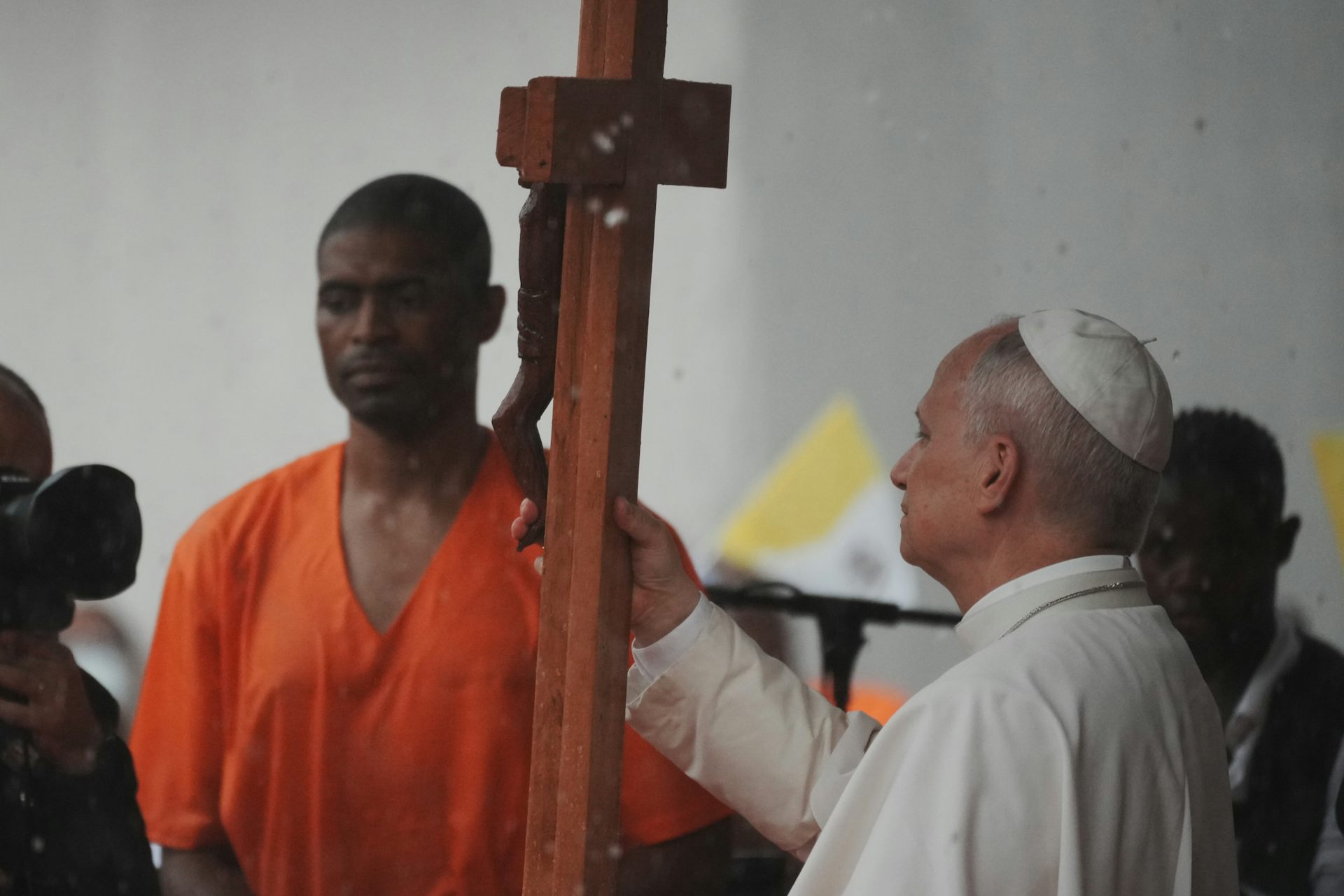
Human dignity has been an important theme among the popes who have come before Leo. John Paul II spoke about the dignity of the unborn and the elderly in his 1995 encyclical The Gospel of Life. Benedict XVI emphasized how each and every human being has dignity because they are made in the image of God. Francis called attention to “throwaway culture” that ignores the poor.
لقد كانت الكرامة الإنسانية موضوعاً هاماً بين آباء الكنيسة الذين سبقوا ليو. تحدث يوحنا بولس الثاني عن كرامة غير المولودين وكبار السن في إنشائته البابوية عام 1995 “إنجيل الحياة.” وأكد بنديكت السادس عشر كيف أن كل إنسان يمتلك كرامة لأنه مخلوق على صورة الله. وأشار فرانسيس إلى “ثقافة التخلص” التي تتجاهل الفقراء.
Leo has reiterated all these themes in various contexts.
وقد كرر ليو كل هذه المواضيع في سياقات مختلفة.
Overall, however, Leo is most clearly following the teachings of Francis on human dignity and applying them more specifically to ongoing international crises.
ومع ذلك، فإن ليو يتبع بشكل أوضح تعاليم فرانسيس حول الكرامة الإنسانية ويطبقها بشكل أكثر تحديداً على الأزمات الدولية المستمرة.
He has spoken about the challenges to human rights and dignity in conflicts in many areas of the world: Ukraine, Venezuela, the Great Lakes region of Africa, the Caribbean Sea and Myanmar. As a missionary, teacher and bishop for over two decades in Peru, Leo’s perspective is shaped by his understanding of issues facing the Global South and how they relate to larger political and economic dynamics.
لقد تحدث عن التحديات التي تواجه حقوق الإنسان والكرامة في النزاعات في العديد من مناطق العالم: أوكرانيا، وفنزويلا، ومنطقة البحيرات العظمى في أفريقيا، ومنطقة البحر الكاريبي، وميانمار. وبصفته مبشراً ومعلماً وأسقفاً لأكثر من عقدين في بيرو، يتشكل منظور ليو بفهمه للقضايا التي تواجه “الجنوب العالمي” وكيف ترتبط بالديناميكيات السياسية والاقتصادية الأوسع.
During his yearlong papacy he has given sustained attention to the challenges faced by migrants and the poor. Following his trip to Africa in April 2026, he stated that migrants and refugees are “treated worse than … house pets or animals.” His focus on migration is also reflected in his appointment of Evelio Menjivar-Ayala – a former undocumented migrant – as bishop of the diocese of Wheeling-Charleston, West Virginia.
خلال فترة بابويته التي استمرت عاماً، أولى اهتماماً مستمراً للتحديات التي يواجهها المهاجرون والفقراء. وبعد رحلته إلى أفريقيا في أبريل 2026، صرّح بأن المهاجرين واللاجئين “يُعاملون أسوأ من… حيوانات أليفة أو حيوانات”. وينعكس تركيزه على الهجرة أيضاً في تعيينه إيفيليو مينخيفار-آيالاس- وهو مهاجر سابق غير موثق- أسقفاً لأسقفية ويلينغ-شارلستون، فيرجينيا الغربية.
In his Oct. 4, 2025, apostolic exhortation Dilexi Te – “I Have Loved You” – Leo says that “in every rejected migrant, it is Christ who knocks at the door of the community.” Using the words of Francis, Leo describes the Catholic Church’s mission to migrants as “welcome, protect, promote and integrate.”
في إنشائه البابوي بتاريخ 4 أكتوبر 2025، “ديليكسي تي- لقد أحببتك”، يقول ليو إنه “في كل مهاجر مرفوض، المسيح هو الذي يطرق باب المجتمع”. وباستخدام كلمات فرانسيس، يصف ليو مهمة الكنيسة الكاثوليكية تجاه المهاجرين بأنها “الترحيب، والحماية، والترويج، والدمج”.
Dilexi Te’s main focus is the conditions facing the poor. In criticizing the pursuit of wealth at “all costs,” Leo argues for a cultural change that removes the social and economic aspects of poverty. In making this argument, Leo identifies Jesus as the “Poor Messiah” who has a special love for those rejected by the world. The poor have dignity, the pope observes, precisely because they show society the face of Jesus.
ينصب التركيز الرئيسي لـ “ديليكسي تي” على الظروف التي يواجهها الفقراء. وفي انتقاده للسعي وراء الثروة “بأي ثمن”، يدافع ليو عن تغيير ثقافي يزيل الجوانب الاجتماعية والاقتصادية للفقر. وفي تقديم هذه الحجة، يحدد ليو يسوع باعتباره “المسيح الفقير” الذي لديه حب خاص لأولئك الذين نبذهم العالم. ويلاحظ البابا أن الفقراء يمتلكون الكرامة، تحديداً لأنهم يظهرون للمجتمع وجه المسيح.
The challenge of technology
تحدي التكنولوجيا
An emerging concern for Leo is how advances in artificial intelligence also relate to peace and human dignity.
يتمثل القلق المتصاعد لدى ليو في كيفية ارتباط التطورات في الذكاء الاصطناعي بالسلام والكرامة الإنسانية.
The pope has said that he is not against technological progress that aids human development. But, at the same time, he argues that society should be aware how technology can diminish human responsibility and true intimacy between people. For example, Leo has observed how social media algorithms create “bubbles of easy consensus and easy indignation” that prevent authentic dialogue.
قال البابا إنه ليس ضد التقدم التكنولوجي الذي يساعد في التنمية البشرية. لكنه، في الوقت نفسه، يجادل بأن المجتمع يجب أن يكون واعيًا بالكيفية التي يمكن أن تقل بها التكنولوجيا من المسؤولية الإنسانية والحميمية الحقيقية بين الناس. على سبيل المثال، لاحظ ليو كيف تخلق خوارزميات وسائل التواصل الاجتماعي “فقاعات من الإجماع السهل والاستياء السهل” التي تمنع الحوار الأصيل.
For Leo, the struggle for peace and human dignity is not just a matter of war or economic systems. It is also shaped by the way people lead their everyday lives along with increasingly powerful technology.
بالنسبة لليو، فإن النضال من أجل السلام والكرامة الإنسانية ليس مجرد مسألة حرب أو أنظمة اقتصادية. بل يتشكل أيضًا بالطريقة التي يعيش بها الناس حياتهم اليومية جنبًا إلى جنب مع التكنولوجيا المتزايدة القوة.
Mathew Schmalz does not work for, consult, own shares in or receive funding from any company or organization that would benefit from this article, and has disclosed no relevant affiliations beyond their academic appointment.
لا يعمل ماثيو شمالز لدى، أو يستشير، أو يمتلك أسهمًا في، أو يتلقى تمويلاً من أي شركة أو منظمة يمكن أن تستفيد من هذه المقالة، ولم يفصح عن أي انتماءات ذات صلة تتجاوز تعيينه الأكاديمي.
Read more
-
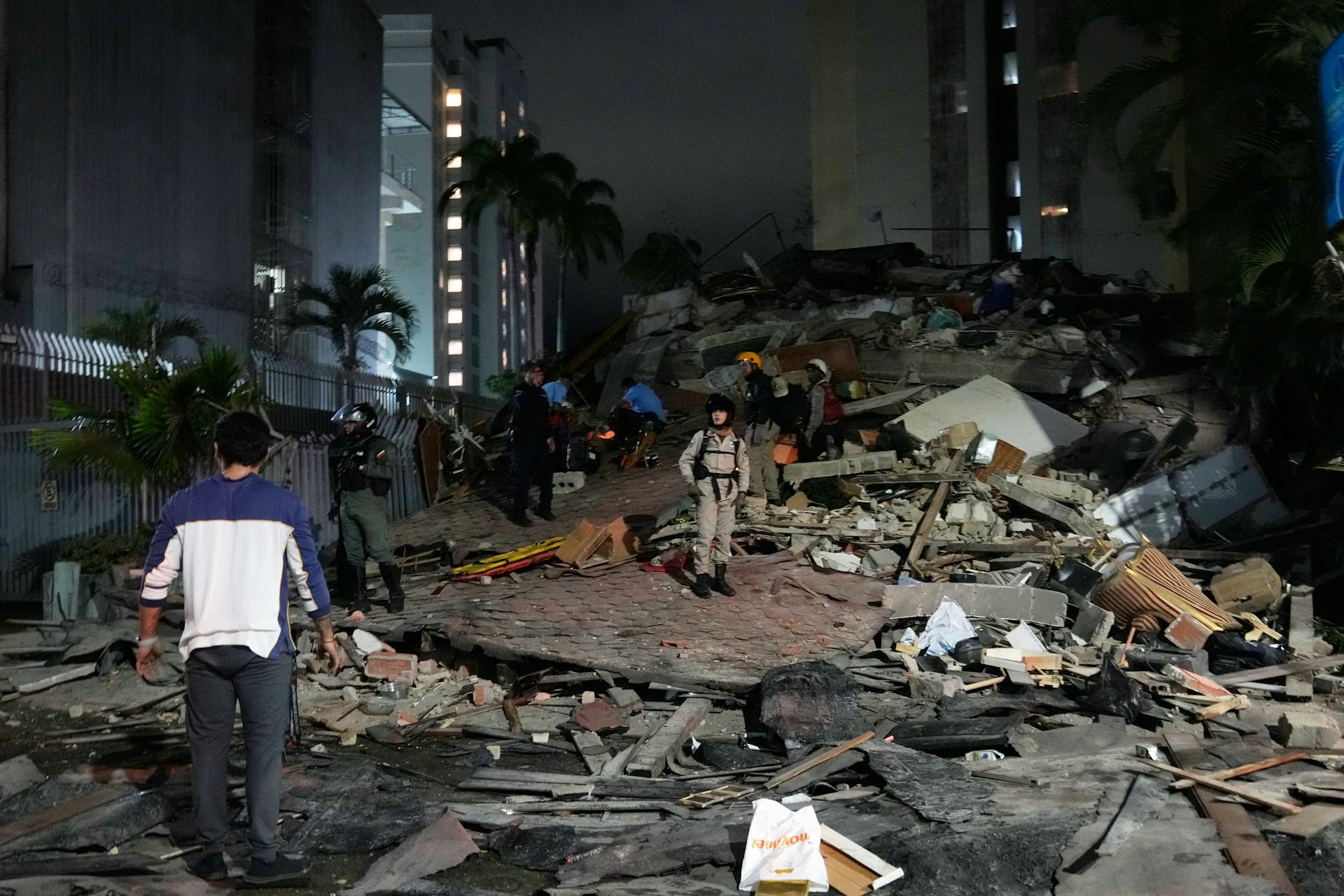
هل ضربت فنزويلا بـ “ازدواج” زلزالي؟ إليك ما نعرفه حتى الآن
Was Venezuela struck by an earthquake ‘doublet’? Here’s what we know so far
-
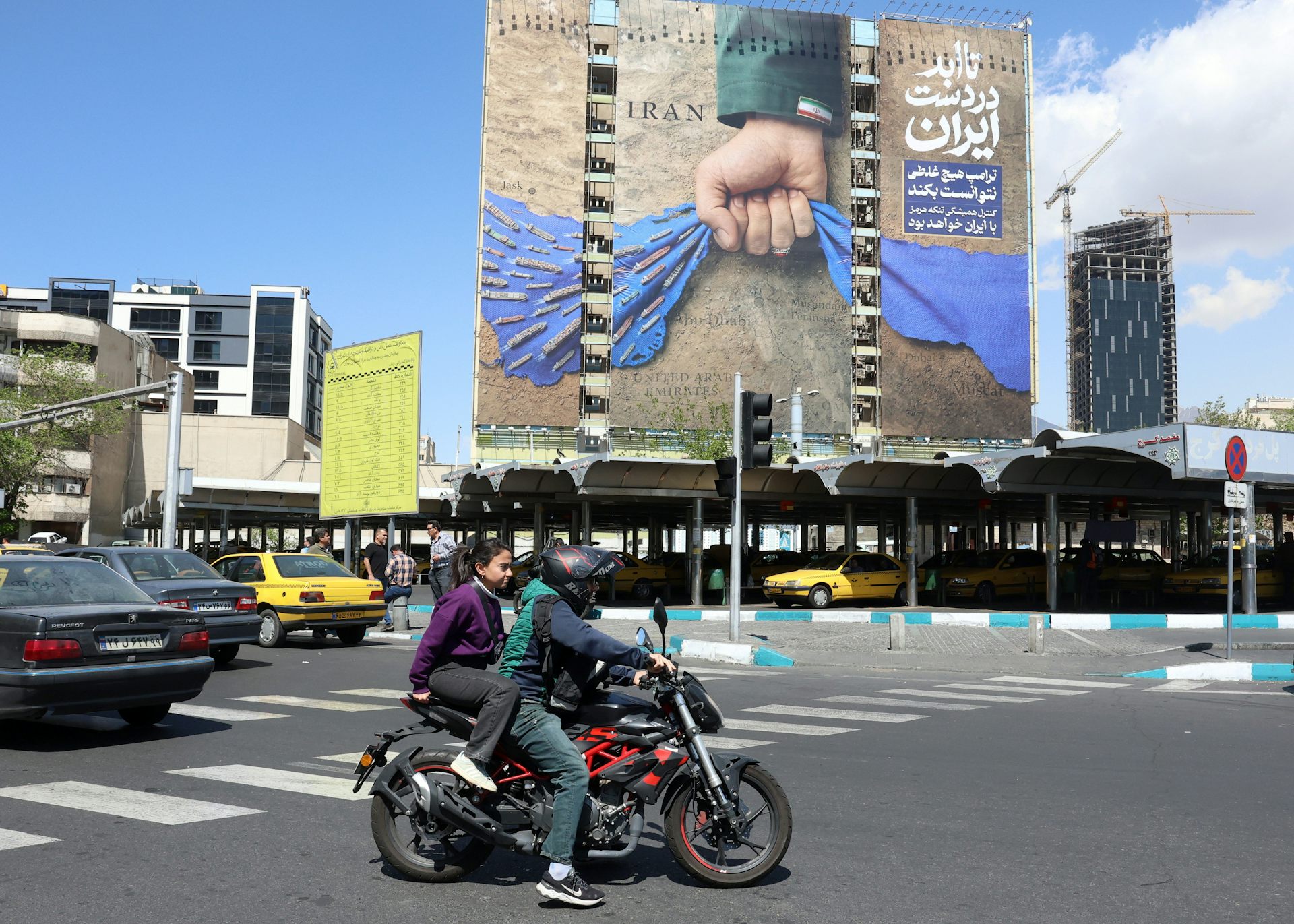
تمتلك إيران أداة قوية جديدة في مضيق هرمز يمكنها استغلالها حتى بعد فترة طويلة من الحرب
Iran has a powerful new tool in the Strait of Hormuz that it can leverage long after the war