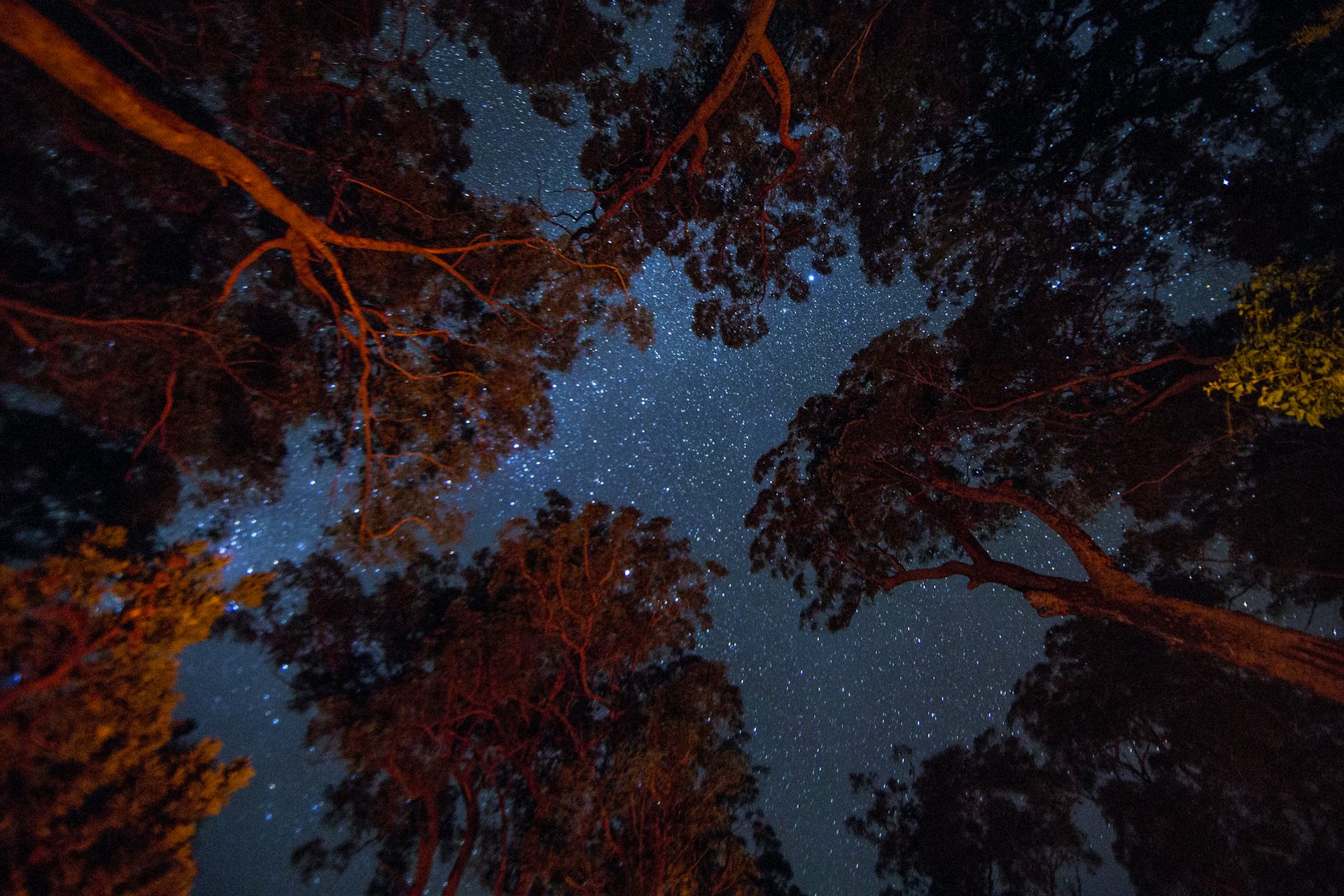
كان الأستراليون الأصليون علماء الفلك الأوائل في العالم. لكن معرفتهم الآن في خطر.
Indigenous Australians were the world’s first astronomers. But their knowledge is now at risk
Aboriginal communities have observed the night sky for millennia. But they face a growing threat – light pollution.
راقبت المجتمعات الأصلية السماء الليلية لآلاف السنين. لكنها تواجه تهديداً متزايداً – التلوث الضوئي.
I’m a proud Yorta Yorta and Barapa Barapa man, an Indigenous astronomer and a trainee ecologist.
أنا رجل يورتّا يورتّا وبارابا بارابا فخور، وعالم فلك أصلي وعالم بيئة متدرب.
When I look at the night sky, I don’t just see stars. Instead, I see an ancient knowledge system that has guided people, culture and Country for tens of thousands of years.
عندما أنظر إلى سماء الليل، لا أرى مجرد نجوم. بل أرى نظاماً معرفياً قديماً أرشد الناس والثقافة والأرض لعشرات الآلاف من السنين.
But that knowledge is now at risk. In many of our towns and cities, the stars are increasingly hidden behind a haze of artificial light. And that light pollution is threatening a unique way of understanding the world.
لكن هذه المعرفة الآن في خطر. ففي العديد من مدننا وقراانا، أصبحت النجوم مخفية بشكل متزايد خلف ضباب من الضوء الاصطناعي. وتُهدد تلوث الإضاءة هذا الطريقة الفريدة لفهم العالم.
A ‘living classroom’
فصل دراسي حي
The night sky is a living classroom, at once a calendar, map, lore book and weather forecast.
السماء الليلية هي فصل دراسي حي، فهي في آن واحد تقويم وخريطة وكتاب حكايات وتنبؤ بالطقس.
Indigenous Elders share this knowledge with younger people – often outdoors, on Country, beneath the stars.
يشارك الشيوخ الأصليون هذه المعرفة مع الشباب – غالبًا في الهواء الطلق، في الأراضي، تحت النجوم.
They may start by talking about constellations, which have helped guide Indigenous Australians for millenia.
قد يبدأون بالحديث عن الكوكبات، التي ساعدت في توجيه الأستراليين الأصليين لآلاف السنين.
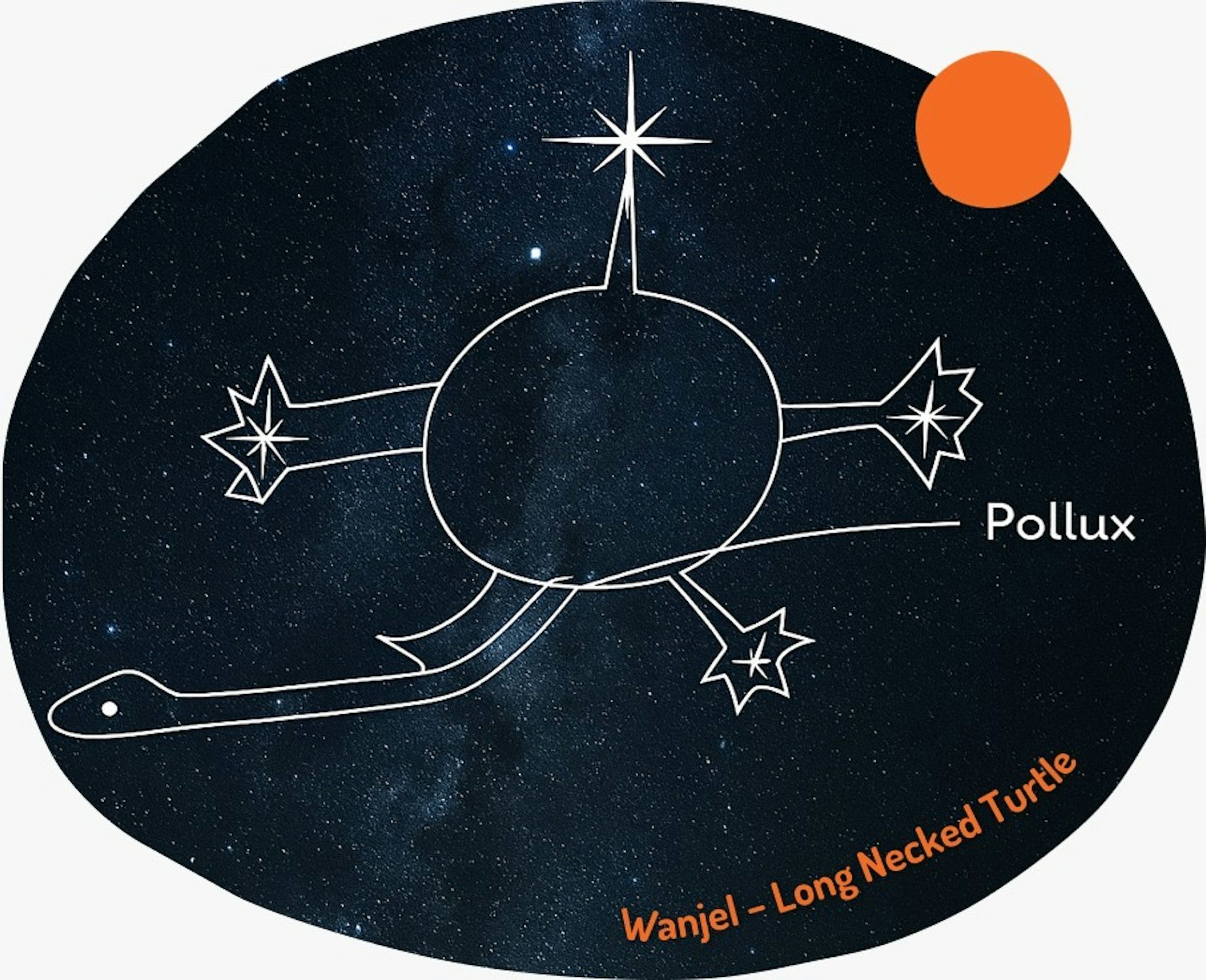
One example is the Wangel or “long-necked turtle” constellation. Various Indigenous communities looked to this constellation, based on the bright orange star Pollux, to know when it was time to travel and gather for different ceremonies. This may be because the bright orange star reflects the turtle’s orange colouring.
أحد الأمثلة هو كوكبة الوانجل أو “السلحفاة ذات الرقبة الطويلة.” نظرت إليها مجتمعات أصلية مختلفة، استنادًا إلى نجم بولاكس البرتقالي الساطع، لمعرفة متى يحين وقت السفر والتجمع لمختلف الاحتفالات. قد يعود هذا إلى أن النجم البرتقالي الساطع يعكس اللون البرتقالي للسلحفاة.
Another is the Djurt or “red-rumped parrot” constellation. This constellation is based on the Antares star which appears bright red with a blue halo, resembling the parrot’s red and blue feathers. This constellation guided communities to spots where food was abundant, such as grasslands that were full of seeds.
وهناك أيضًا كوكبة الدجور أو “الببغاء ذو المؤخرة الحمراء.” تستند هذه الكوكبة إلى نجم أنتاريس الذي يظهر أحمر ساطعًا بهالة زرقاء، مما يشبه ريش الببغاء الأحمر والأزرق. وقد وجهت هذه الكوكبة المجتمعات إلى أماكن كان فيها الطعام وفيراً، مثل المراعي المليئة بالبذور.
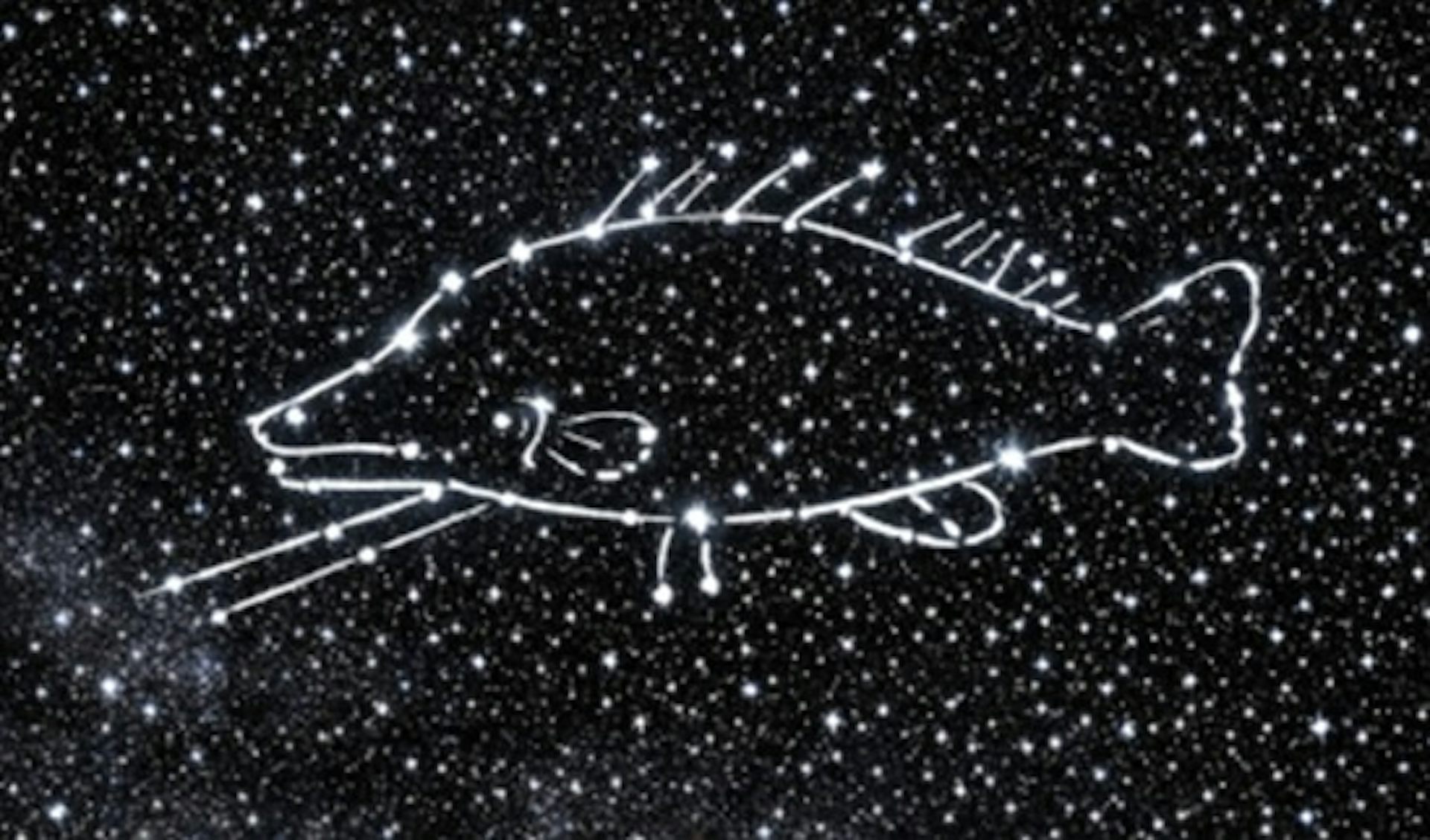
Constellations also hold lore, or rules, that guide sustainable practices. For example, when the Otchocut or “Murray cod” constellation appears in the night sky, we do not hunt Murray Cod. This is because it becomes visible when the rivers are warm and the fish are breeding, typically between October to November. Similarly, when the red-rumped parrot constellation appears, that means the parrot is breeding and therefore cannot be hunted.
تحمل الكوكبات أيضًا حكايات، أو قواعد، توجه الممارسات المستدامة. على سبيل المثال، عندما تظهر كوكبة الأوتشوكوت أو “سمك الموراي كود” في سماء الليل، فإننا لا نصطاد سمك الموراي كود. ويرجع ذلك إلى أنها تصبح مرئية عندما تكون الأنهار دافئة والأسماك تتكاثر، عادةً ما يكون ذلك بين أكتوبر ونوفمبر. وبالمثل، عندما تظهر كوكبة الببغاء ذو المؤخرة الحمراء، فهذا يعني أن الببغاء يتكاثر وبالتالي لا يمكن اصطياده.
The stars may also provide weather forecasts, but only if you have the knowledge and observation skills to understand them. For example, a star that twinkles and appears bright blue suggests a storm is coming. And if a cluster of stars twinkle quickly, it may mean the wind will become stronger.
قد توفر النجوم أيضًا توقعات للطقس، ولكن فقط إذا كانت لديك المعرفة ومهارات الملاحظة لفهمها. على سبيل المثال، النجم الذي يلمع ويبدو أزرق ساطعًا يشير إلى اقتراب عاصفة. وإذا تَلألأ عنقود من النجوم بسرعة، فقد يعني ذلك أن الرياح ستصبح أقوى.
Stars and songlines
النجوم ومسارات الأغاني
The routes laid out by the stars are often connected to songlines. Songlines, sometimes known as dreaming tracks, are cultural pathways that connect traditional sites. Songlines also act as “drop pins” that indicate where important resources, such as waterholes and food, may be.
غالبًا ما ترتبط المسارات التي ترسمها النجوم بمسارات الأغاني. تُعد مسارات الأغاني، التي تُعرف أحيانًا باسم مسارات الأحلام، ممرات ثقافية تربط المواقع التقليدية. كما تعمل مسارات الأغاني كـ “نقاط تحديد” تشير إلى أماكن وجود الموارد المهمة، مثل مصادر المياه والغذاء.
A well-known example is the Seven Sisters dreamtime story, which recounts the journey of seven sisters that ultimately become part of the Taurus constellation. For some Indigenous communities in central Australia, the Seven Sisters serve as a kind of celestial map. This is because the seven stars roughly mirror the location of seven waterholes.
مثال معروف هو قصة الأخوات السبع في زمن الحلم، التي تروي رحلة سب أخوات أصبحت في نهاية المطاف جزءًا من كوكبة الثور. بالنسبة لبعض المجتمعات الأصلية في وسط أستراليا، تعمل الأخوات السبع كنوع من الخريطة السماوية. ويرجع ذلك إلى أن النجوم السبع تعكس تقريبًا موقع سب مصادر مائية.
The threat of light
تهديد الضوء
As our cities grow, light pollution from streetlights, floodlights and buildings is spreading. As a result, it’s increasingly rare to see dark nights and starry skies near urban areas.
مع نمو مدننا، ينتشر تلوث الضوء المنبعث من أضواء الشوارع، وأضواء الكشافات، والمباني. ونتيجة لذلك، أصبح من النادر بشكل متزايد رؤية ليالٍ مظلمة وسماء مرصعة بالنجوم بالقرب من المناطق الحضرية.
For Indigenous communities, this has a direct cultural impact.
بالنسبة للمجتمعات الأصلية، لهذا تأثير ثقافي مباشر.
Light pollution makes it near impossible to connect with the stars, and therefore share Indigenous sky knowledge with younger generations.
يجعل تلوث الضوء شبه مستحيل التواصل مع النجوم، وبالتالي مشاركة المعرفة الفلكية الأصلية مع الأجيال الشابة.
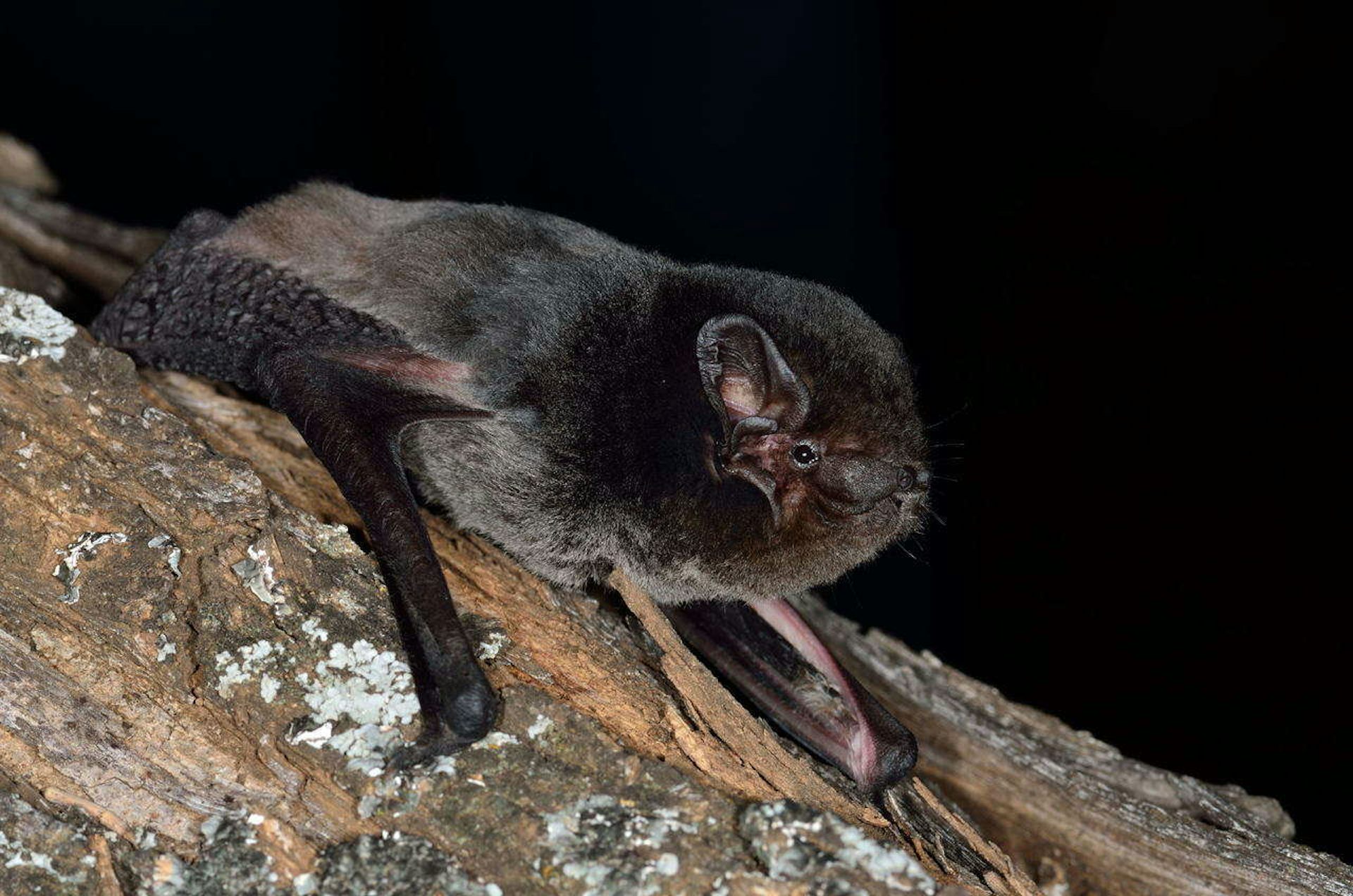
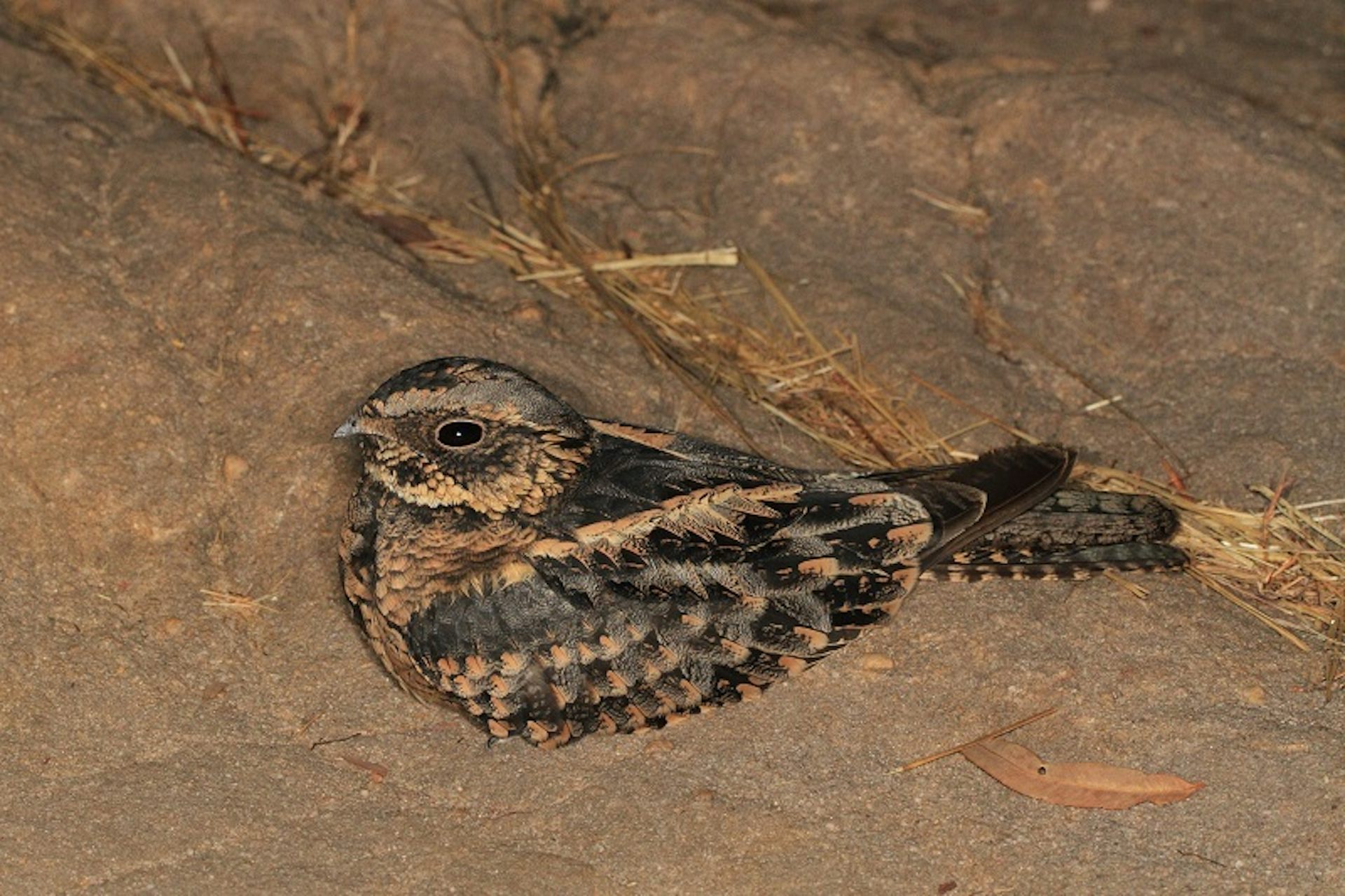
Light pollution also affects culturally important species. In Barapa Barapa culture, the microbat is a men’s totem and the nightjar is a women’s totem. Both are nocturnal animals that rely on darkness, so artificial light makes it harder for them to survive.
يؤثر تلوث الضوء أيضًا على الأنواع ذات الأهمية الثقافية. ففي ثقافة بارابا بارابا، تُعد الخفاشات الصغيرة رمزًا للرجال، بينما يُعد طائر الليل رمزًا للنساء. وكلاهما حيوانات ليلية تعتمد على الظلام، لذا يجعل الضوء الاصطناعي بقاءها أصعب.
Beyond culture, light pollution has widespread ecological impacts, affecting how animals grow, behave and breed. Research suggests light pollution can stop clownfish eggs from hatching, shrink the brains of spiders and disorient threatened seabirds such as petrels and shearwaters.
بالإضافة إلى الثقافة، يمتلك تلوث الضوء تأثيرات بيئية واسعة النطاق، تؤثر على كيفية نمو الحيوانات وسلوكها وتكاثرها. تشير الأبحاث إلى أن تلوث الضوء يمكن أن يمنع بيض أسماك المهرج من الفقس، ويصغر أدمغة العناكب، ويُربك الطيور البحرية المهددة مثل طيور البِتريل والشييرواتر.
It can also negatively affect human health. Research shows artificial light – particularly from LED lights and electronic devices – may trigger sleep and mood disorders and certain cardiovascular problems.
يمكن أن يؤثر أيضًا سلبًا على صحة الإنسان. تُظهر الأبحاث أن الضوء الاصطناعي – خاصةً من مصابيح LED والأجهزة الإلكترونية – قد يثير اضطرابات النوم والمزاج ومشاكل قلبية وعائية معينة.
So, what can we do?
إذًا، ما الذي يمكننا فعله؟
The good news is, we can each help reduce light pollution by making simple lifestyle changes. Here are some ideas:
الخبر السار هو أنه يمكننا جميعًا المساعدة في تقليل التلوث الضوئي من خلال إجراء تغييرات بسيطة في نمط حياتنا. إليك بعض الأفكار:
turn off outdoor lights whenever you’re not using them
إطفاء الأضواء الخارجية كلما لم تكن تستخدمها
use lightbulbs with a lower brightness and warmer colouring
استخدام مصابيح ذات سطوع أقل وألوان أكثر دفئًا
choose light designs that direct light only where its needed
اختيار تصميمات إضاءة توجه الضوء فقط حيثما تكون هناك حاجة إليه
close curtains and blinds at night to stop indoor light from spilling out
إغلاق الستائر والستائر المعتمة ليلاً لمنع تسرب الضوء الداخلي
during festive times such as Christmas, opt for daytime decorations instead of outdoor lights.
خلال الأوقات الاحتفالية مثل عيد الميلاد، اختر الزينة النهارية بدلاً من الأضواء الخارجية.
We can also better regulate the use of artificial light outdoors. Currently, Australia does not have any regulations around light pollution. But countries such as France have substantially reduced their light pollution levels by regulating what kind of lighting people can use and install.
يمكننا أيضًا تنظيم استخدام الضوء الاصطناعي في الهواء الطلق بشكل أفضل. حاليًا، لا تملك أستراليا أي لوائح بخصوص التلوث الضوئي. لكن دولًا مثل فرنسا خفضت مستويات تلوثها الضوئي بشكل كبير من خلال تنظيم نوع الإضاءة التي يمكن للناس استخدامها وتثبيتها.
Together, stronger regulation and simple lifestyle tweaks could help us tackle light pollution. And that’s key to keeping Indigenous sky knowledge alive.
معًا، يمكن أن يساعد التنظيم الأقوى والتعديلات البسيطة في نمط الحياة في مكافحة التلوث الضوئي. وهذا أمر أساسي للحفاظ على معرفة السماء الأصلية حية.
Kai Lane works for Ecology Restoration Australia and also co-leads the Habitat Warriors program.
تعمل كاي لين لصالح “إيكولوجي ريستوريشن أستراليا” وتقود أيضًا برنامج “هابيتات وورييرز.”
Jaana Dielenberg is an Ambassador for the Australasian Dark Sky Alliance, Science Communication Director of the Biodiversity Council, Honorary Fellow at The University of Melbourne and University Fellow (Biodiversity) at Charles Darwin University. She was previously employed under a grant funded by the Australian government’s National Environmental Science Program Threatened Species Recovery Hub.
جانا دييلنبرغ هي سفيرة للتحالف الأسترالآسيوي للسماء المظلمة، ومديرة الاتصال العلمي لمجلس التنوع البيولوجي، وعضو فخري في جامعة ملبورن وعضو جامعي (التنوع البيولوجي) في جامعة تشارلز داروين. وقد عملت سابقًا بموجب منحة ممولة من برنامج العلوم البيئية الوطني للحكومة الأسترالية، ومركز تعافي الأنواع المهددة.
Kaori Yokochi is a lecturer at Deakin University. She receives funding from various organisations for her ecological research. She is also a member of the Network for Ecological Research on Artificial Light and the Australasian Dark Sky Alliance.
كاوري يوكوتشي محاضرة في جامعة ديكين. تتلقى التمويل من منظمات مختلفة لأبحاثها البيئية. وهي أيضًا عضو في شبكة الأبحاث البيئية حول الضوء الاصطناعي والتحالف الأسترالآسيوي للسماء المظلمة.
Read more
-

كيف يمكن إعادة فتح مضيق هرمز؟ إليك 3 سيناريوهات
How might the Strait of Hormuz be reopened? Here are 3 scenarios
-

ميسي كبير، وقصير وبطيء. كيف لا يزال يهيمن في كأس العالم؟
Messi is old, short and slow. How is he still dominating at the World Cup?