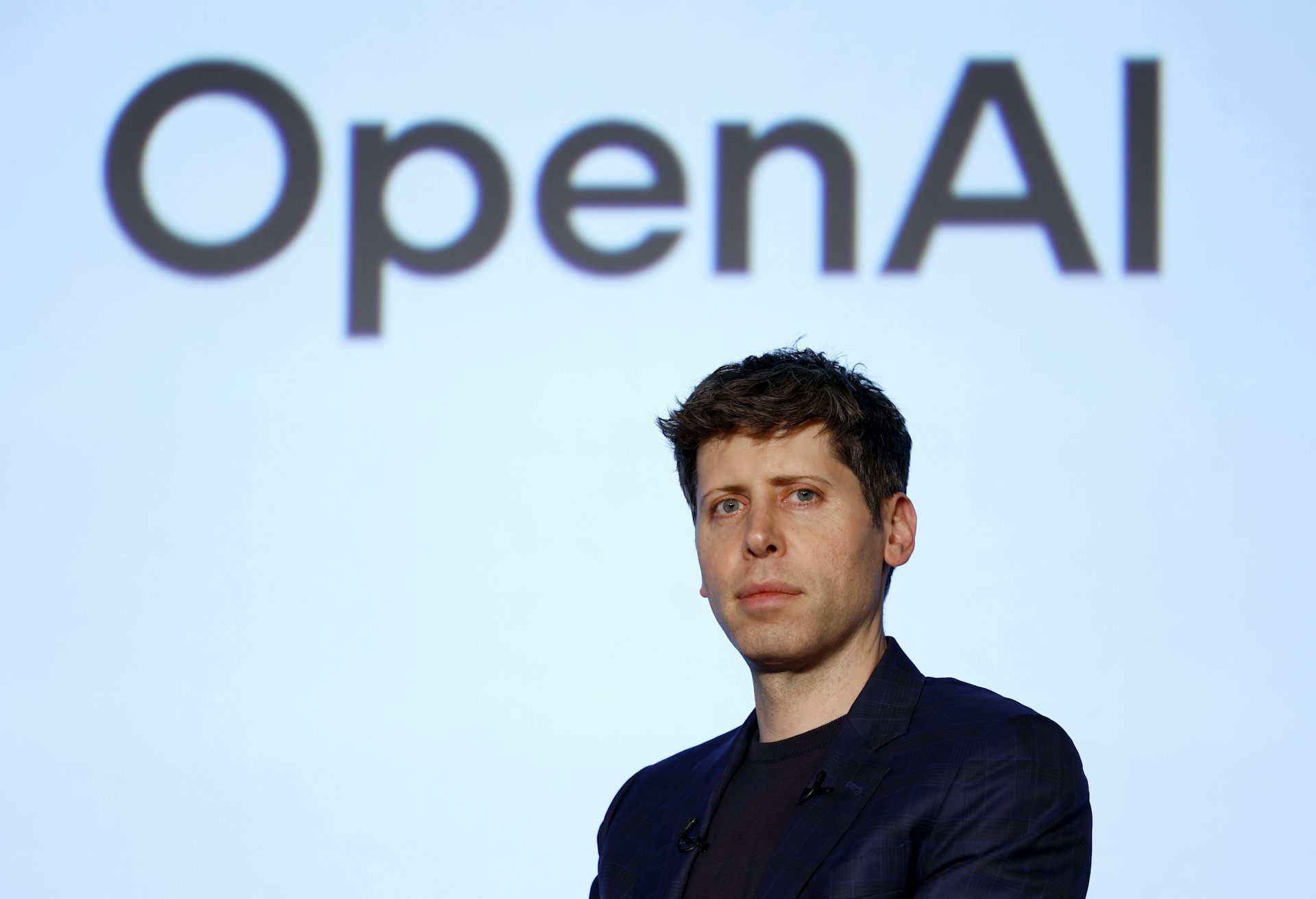
قاض إيلون ماسك شركة OpenAI وخسر. لكن السؤال الجوهري للقضية لا يزال دون إجابة.
Elon Musk sued OpenAI and lost. But the core question of the case remains unanswered
OpenAI now has a clear path to take its next big step in the AI race.
أصبحت OpenAI الآن لديها مسار واضح لاتخاذ خطوتها الكبيرة التالية في سباق الذكاء الاصطناعي.
On Monday, a nine-member federal jury in Oakland, California took less than two hours to dismiss Elon Musk’s lawsuit against OpenAI and its chief executive Sam Altman.
يوم الاثنين، استغرقت هيئة محلفين فيدرالية مكونة من تسعة أعضاء في أوكلاند، كاليفورنيا، أقل من ساعتين لرفض دعوى إيلون ماسك ضد OpenAI ورئيسها التنفيذي سام ألتمان.
Crucially, the jury did not rule on the core claims of the case. These included whether OpenAI, the company behind the popular artificial intelligence (AI) chatbot ChatGPT, strayed from its founding mission and whether Altman and OpenAI’s co-founder Greg Brockman enriched themselves at the expense of a charitable purpose.
الأهم من ذلك، لم تحكم هيئة المحلفين بالادعاءات الأساسية للقضية. وتضمنت هذه الادعاءات ما إذا كانت شركة OpenAI، الشركة التي تقف وراء روبوت الدردشة الشهير للذكاء الاصطناعي (AI) ChatGPT، قد انحرفت عن مهمتها التأسيسية، وما إذا كان ألتمان وزميل مؤسس OpenAI، غريغ بروكمان، قد أثروا على حساب غرض خيري.
It decided only that Musk had waited too long to sue in relation to his core claims about breaches of a founding contract or breach of charitable trust.
قرر فقط أن مسك قد تأخر في مقاضاته فيما يتعلق بادعاءاته الجوهرية بخصوص الإخلال بعقد تأسيسي أو خرق ائتمان خيري.
A victory for Musk could have neutered OpenAI, which in turn would have probably sent shockwaves through the entire AI sector given the company’s dominant position developing the technology.
كان من الممكن أن يؤدي انتصار لمسك إلى إضعاف شركة أوبن إيه آي، الأمر الذي كان سيُحدث على الأرجح موجات صدمة في قطاع الذكاء الاصطناعي بأكمله، بالنظر إلى الموقع المهيمن للشركة في تطوير هذه التكنولوجيا.
Now, however, OpenAI has a clear path to take its next big step in the AI race, even though the key question at the core of the case remains unanswered: is OpenAI a nonprofit dedicated to humanity or a corporation dedicated to its shareholders?
ومع ذلك، لدى OpenAI مسار واضح لاتخاذ خطوتها الكبيرة التالية في سباق الذكاء الاصطناعي، على الرغم من أن السؤال الجوهري في صميم القضية لا يزال دون إجابة: هل OpenAI منظمة غير ربحية مكرسة للإنسانية أم شركة مكرسة لمساهميها؟
How it all started
كيف بدأ كل شيء
OpenAI was founded in December 2015 as a nonprofit entity – an AI research lab.
تأسست OpenAI في ديسمبر 2015 ككيان غير ربحي – مختبر أبحاث للذكاء الاصطناعي.
Musk and a group of prominent entrepreneurs pledged US$1 billion to develop AI for the benefit of humanity, free of commercial pressure. Alongside Musk, the founding group included Altman, Brockman and computer scientist Ilya Sutskever.
تعهد ماسك ومجموعة من رواد الأعمال البارزين بمليار دولار أمريكي لتطوير الذكاء الاصطناعي لصالح البشرية، بعيداً عن الضغوط التجارية. وإلى جانب ماسك، ضمّت المجموعة المؤسسة ألتمان وبروكمن وعالم الحاسوب إيليا سوتسكفير.
The organisation’s charter committed to two key principles. First, developing artificial general intelligence safely and for the benefit of all of humanity.
التزمت ميثاق المنظمة بمبدأين أساسيين. أولاً، تطوير الذكاء الاصطناعي العام بأمان ولصالح البشرية جمعاء.
Second, developing the technology openly, meaning it would be open source. This would allow others to use their underlying models, code, and research freely.
ثانياً، تطوير التكنولوجيا بشكل مفتوح، مما يعني أن يكون مفتوح المصدر. وهذا سيسمح للآخرين باستخدام نماذجها الأساسية ورموزها وأبحاثها بحرية.
This was the deal Musk says he signed up for. And OpenAI claims it continues to honour this deal even today, despite more than US$20 billion in revenue in 2025.
كانت هذه هي الصفقة التي يقول ماسك إنه وقع عليها. وتدعي OpenAI أنها لا تزال تفي بهذا الاتفاق حتى اليوم، على الرغم من تجاوز إيراداتها 20 مليار دولار أمريكي في عام 2025.
Since 2015, a lot has happened. And understanding these events is key to interpreting the jury’s verdict.
منذ عام 2015، حدث الكثير. وفهم هذه الأحداث أمر أساسي لتفسير قرار هيئة المحلفين.
A very different deal
صفقة مختلفة جداً
By 2019, the original deal looked different. Given that training frontier AI models was extraordinarily expensive, Altman started to seek more cash.
بحلول عام 2019، بدت الصفقة الأصلية مختلفة. ونظراً لأن تدريب نماذج الذكاء الاصطناعي الرائدة كان مكلفاً للغاية، بدأ ألتمان في البحث عن المزيد من السيولة النقدية.
OpenAI created a capped-profit subsidiary where investors could earn up to 100 times their initial investment, with any extra money flowing back to the nonprofit parent.
أنشأت OpenAI شركة تابعة ذات أرباح محدودة حيث يمكن للمستثمرين كسب ما يصل إلى 100 ضعف استثماراتهم الأولية، مع تدفق أي أموال إضافية إلى الشركة الأم غير الربحية.
One of the first investors was Microsoft, which initially invested US$1 billion and more than US$13 billion over time. The nonprofit retained formal governance, the usual nonprofit rules applied, but the commercial subsidiary became the decision-maker.
كان أحد المستثمرين الأوائل هو مايكروسوفت، التي استثمرت في البداية مليار دولار أمريكي وأكثر من 13 مليار دولار أمريكي بمرور الوقت. احتفظت المنظمة غير الربحية بالحوكمة الرسمية، وطُبقت قواعد المنظمات غير الربحية المعتادة، لكن الشركة التابعة التجارية أصبحت هي صانع القرار.
That same year, OpenAI released GPT-2. The model was released partially, in stages, rather than published as open source. This was the moment the “open” in OpenAI began to read differently.
في العام نفسه، أصدرت OpenAI نموذج GPT-2. وتم إصدار النموذج جزئياً، على مراحل، بدلاً من نشره كمصدر مفتوح. وكانت هذه هي اللحظة التي بدأ فيها معنى “المفتوح” في OpenAI يقرأ بشكل مختلف.
GPT-3 followed in 2020, and it was available only via a paid subscription. The inner workings of the model also remained secret. ChatGPT launched in November 2022, and reached 100 million users in a few days.
تبع ذلك GPT-3 في عام 2020، وكان متاحاً فقط عبر اشتراك مدفوع. وظلت آليات عمل النموذج الداخلية سرية أيضاً. وأُطلق ChatGPT في نوفمبر 2022، ووصل إلى 100 مليون مستخدم في غضون أيام قليلة.
Twelve months later, OpenAI’s nonprofit board fired Sam Altman, citing a loss of confidence in his candour. This was what the governance structure was meant for: to protect the organisation’s humanity-first mission, the board had the power to remove the chief executive.
بعد اثني عشر شهراً، قام مجلس إدارة OpenAI غير الربحي بفصل سام ألتمان، مستشهدين بفقدان الثقة في صراحته. وهذا هو الغرض من هيكل الحوكمة: لحماية مهمة المنظمة التي تضع الإنسانية أولاً، كان للمجلس سلطة إقالة الرئيس التنفيذي.
Yet, within five days, after pressure from Microsoft and the employees, Altman was back and the board was out. A new board that aligned with the commercially-driven enterprise took their seats.
ومع ذلك، في غضون خمسة أيام، وبعد ضغوط من مايكروسوفت والموظفين، عاد ألتمان وانسحب المجلس. وتولى مقاعدهم مجلس إدارة جديد يتماشى مع المؤسسة المدفوعة تجارياً.
The mechanism built to keep OpenAI accountable to its charter was the one that lost. Whatever the “humanity claim” of the founding mission was supposed to mean, commercial interests prevailed.
كانت الآلية التي بُنيت لإبقاء OpenAI خاضعة للمساءلة أمام ميثاقها هي التي خسرت. ومهما كان من المفترض أن يعني “ادعاء الإنسانية” للمهمة التأسيسية، فقد سادت المصالح التجارية.
A sweeping reorganisation
إعادة تنظيم شاملة
In October 2025, after nearly a year of negotiation with the attorneys general of California (where OpenAI is headquartered) and Delaware (where it is incorporated) , the organisation completed a sweeping reorganisation.
في أكتوبر 2025، وبعد ما يقرب من عام من المفاوضات مع المدعين العامين في كاليفورنيا (حيث يتخذ OpenAI مقره الرئيسي) وديلاوير (حيث تأسس) ، أكملت المنظمة إعادة تنظيم شاملة.
The nonprofit became the OpenAI Foundation, with the same mission: “to ensure artificial general intelligence benefits all of humanity”. The for-profit became a public benefit corporation, called OpenAI Group PBC. Unlike a conventional corporation, it is required to advance its stated mission and consider the broader interests of all stakeholders.
أصبحت المنظمة غير الربحية “مؤسسة OpenAI”، بنفس المهمة: “ضمان استفادة البشرية جمعاء من الذكاء الاصطناعي العام.” وأصبحت الجهة الربحية شركة منفعة عامة، تُدعى “مجموعة OpenAI PBC.” وعلى عكس الشركات التقليدية، يُطلب منها تعزيز مهمتها المعلنة والنظر في المصالح الأوسع لجميع أصحاب المصلحة.
The OpenAI Foundation holds a 26% stake in the new public benefit corporation and retains some contractual and special shareholder governance rights. Microsoft owns 27% and the remaining 47% is owned by other investors and employees.
تحتفظ مؤسسة OpenAI بحصة تبلغ 26% في شركة المنفعة العامة الجديدة وتحتفظ ببعض حقوق الحوكمة التعاقدية وحقوق المساهمين الخاصة. وتمتلك مايكروسوفت 27%، بينما يمتلك المستثمرون والموظفون الآخرون النسبة المتبقية البالغة 47%.
Thus the Foundation controls the public benefit corporation in form. Yet in practice, OpenAI is now a profit-seeking enterprise with a charitable shareholder. So while a number of nonprofit governance guardrails are in place, significant deficiencies remain.
وبالتالي، تسيطر المؤسسة على شركة المنفعة العامة شكلياً. ومع ذلك، ففي الممارسة العملية، أصبحت OpenAI الآن مؤسسة تسعى للربح ولديها مساهم خيري. وعلى الرغم من وجود عدد من الضوابط الحوكمية للمنظمات غير الربحية، لا تزال هناك أوجه قصور كبيرة.
The unanswered question
السؤال الذي لم يُجب عليه
OpenAI is now openly preparing for a public listing at the end of 2026, at an expected valuation at up to US$1 trillion, even as it defends dozens of pending lawsuits, ranging from intellectual property infringement and consumer protection claims to a wrongful death suit.
تستعد شركة OpenAI الآن علناً للطرح العام في نهاية عام 2026، بقيمة تقديرية تصل إلى تريليون دولار أمريكي، حتى وهي تدافع عن عشرات الدعاوى القضائية المعلقة، التي تتراوح بين انتهاك الملكية الفكرية ومطالبات حماية المستهلك وصولاً إلى دعوى الوفاة غير المبررة.
This is the part the jury did not address.
هذا هو الجزء الذي لم تتناوله هيئة المحلفين.
A verdict on a statute of limitations is a statement about timing, not purpose. It tells us when a complaint can be heard. It does not tell us whether the complaint was right. And in this particular case, it demonstrates the difficulty in relying on private individuals to enforce non-profit governance norms.
إن الحكم المتعلق بسقوط الحق بالتقادم هو بيان حول التوقيت، وليس حول الغرض. إنه يخبرنا متى يمكن الاستماع إلى شكوى. لكنه لا يخبرنا ما إذا كانت الشكوى صحيحة. وفي هذه الحالة تحديداً، يوضح صعوبة الاعتماد على الأفراد الخاصين لفرض معايير الحوكمة غير الربحية.
Musk has said he will appeal the verdict. The appeal court will almost certainly limit itself to a narrow legal question – perhaps when a reasonable plaintiff should have understood OpenAI had changed.
قال ماسك إنه سيستأنف الحكم. ومن المؤكد تقريباً أن محكمة الاستئناف ستقصر نفسها على مسألة قانونية ضيقة – ربما متى كان ينبغي للمدعي المعقول أن يدرك أن OpenAI قد تغيرت.
The larger question about whether OpenAI is a nonprofit dedicated to humanity or a corporation dedicated to its shareholders, has now been deferred indefinitely – at least in a legal context.
أما السؤال الأكبر حول ما إذا كانت OpenAI مؤسسة غير ربحية مكرسة للإنسانية أم شركة مكرسة لمساهميها، فقد تم تأجيله إلى أجل غير مسمى – على الأقل في السياق القانوني.
The public, however, will no doubt make up its own mind about a company now worth hundreds of billions of dollars.
ومع ذلك، فمن المؤكد أن الجمهور سيقرر مصيره الخاص بشأن شركة تبلغ قيمتها الآن مئات المليارات من الدولارات.
Alexandra Andhov is the director of ALTeR (Center for Advancing Law and Technology Responsibly) at the University of Auckland. She received funding from the Independent Research Fund Denmark for the “PROFIT” Project (Gaps and Opportunities in Corporate Governance of Big Tech Companies) to research big tech companies.
ألكسندرا أندوف هي مديرة مركز ALTeR (مركز تطوير القانون والتكنولوجيا بمسؤولية) في جامعة أوكلاند. وقد تلقت تمويلاً من صندوق الأبحاث المستقل الدنماركي لمشروع “PROFIT” (الثغرات والفرص في الحوكمة المؤسسية لشركات التكنولوجيا الكبرى) للبحث في شركات التكنولوجيا الكبرى.
Ian Murray is a Professor of Law at the University of Western Australia, Director of the Charity Law Association of Australia and New Zealand and also a member of the Law Council of Australia’s Charity and Not-for-profits Sub-committee.
إيان موراي هو أستاذ قانون في جامعة غرب أستراليا، ومدير جمعية قانون العمل الخيري في أستراليا ونيوزيلندا، وعضو أيضاً في اللجنة الفرعية للجمعيات الخيرية والمنظمات غير الربحية التابعة لمجلس القانون الأسترالي.
Read more
-
لماذا تقوم المملكة المتحدة بتغيير رئيس وزرائها كل بضع سنوات؟
Why is the UK now changing prime minister every few years?
-
حار جداً ورطب جداً: لماذا تعد موجة الحر المستمرة في الهند وباكستان خطيرة للغاية
Too hot, too humid: why the sustained heatwave in India and Pakistan is so dangerous