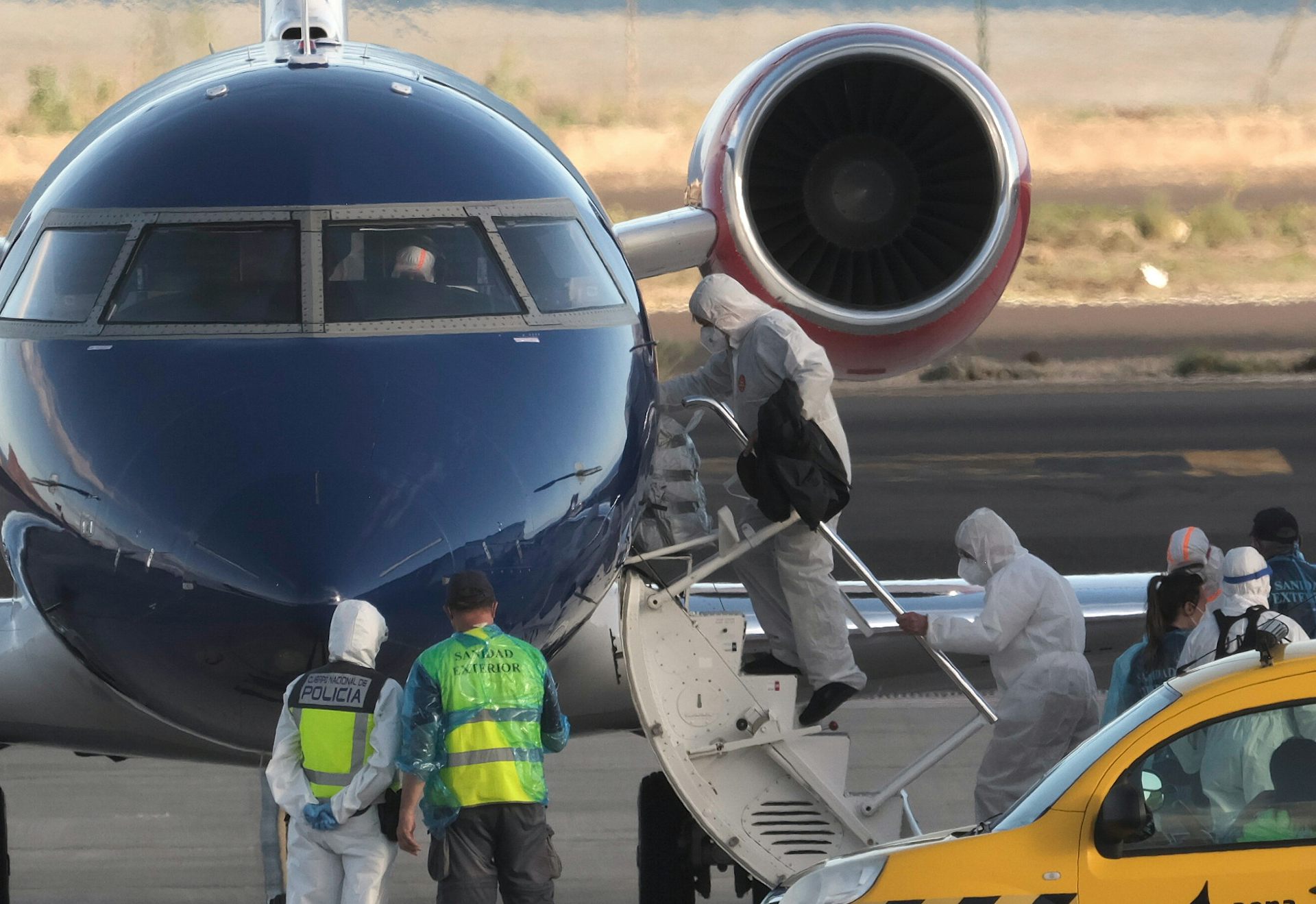
فيروس الهانتال (Hantavirus) يختلف كثيراً عن كوفيد (COVID). وإليك سبب عدم تسبب “فيروس الأنديز” في الوباء القادم.
Hantavirus is very different to COVID. Here’s why the ‘Andes virus’ won’t cause the next pandemic
A virus doesn’t become a pandemic simply because it’s deadly.
الفيروس لا يصبح وباء لمجرد أنه مميت.
For many people, news of a virus outbreak on a cruise ship immediately brings back memories of COVID spreading when the Ruby Princess docked in Sydney in March 2020. Of the passengers and crew who disembarked, 575 had COVID. The virus then spread to the community.
بالنسبة للكثير من الناس، فإن أخبار تفشي فيروس على سفينة سياحية تعيد على الفور ذكريات انتشار كوفيد عندما رست سفينة روبي برينسيس في سيدني في مارس 2020. من بين الركاب وطاقم العمل الذين نزلوا، أصيب 575 منهم بكوفيد. ثم انتشر الفيروس في المجتمع.
So it’s understandable people are concerned that passengers from the MV Hondius need to be quarantined after potential exposure to Andes virus, a rodent-borne hantavirus.
لذلك، من المفهوم أن الناس قلقون من أن بحاجة الركاب من السفينة MV Hondius إلى الحجر الصحي بعد التعرض المحتمل لفيروس الأنديز، وهو فيروس هانتافيروس المنقول بالقوارض.
However, the comparison with COVID only goes so far. Andes virus is serious and authorities are right to respond cautiously. But experts, including from the World Health Organization, note it doesn’t have the characteristics needed to become “the next COVID”.
ومع ذلك، فإن المقارنة مع كوفيد لا تمتد إلى هناك. فيروس الأنديز خطير والسلطات محقة في الرد بحذر. لكن الخبراء، بمن فيهم من منظمة الصحة العالمية، يلاحظون أنه لا يمتلك الخصائص اللازمة ليصبح “كوفيد التالي.”
As of May 11, European health authorities have reported nine cases linked to the cruise ship, including seven confirmed and two probable cases. Three deaths have been reported.
اعتبارًا من 11 مايو، أبلغت السلطات الصحية الأوروبية عن تسعة حالات مرتبطة بالسفينة السياحية، بما في ذلك سبع حالات مؤكدة وحالتان محتملتان. وتم الإبلاغ عن ثلاث وفيات.
Five Australians and one New Zealander are being repatriated to Australia for quarantine and monitoring. The passengers will initially quarantine at the Centre for National Resilience near RAAF Base Pearce in Western Australia.
يتم إعادة خمسة أستراليين ونيوزيلندي واحد إلى أستراليا للحجر الصحي والمراقبة. سيتم حجر الركاب مبدئيًا في مركز المرونة الوطنية بالقرب من قاعدة RAAF بييرس في أستراليا الغربية.
Here’s what you need to know about Andes virus, the risk of transmission, and how it’s different to the virus that caused COVID.
إليك ما تحتاج إلى معرفته عن فيروس الأنديز، وخطر الانتقال، وكيف يختلف عن الفيروس الذي تسبب في كوفيد.
How do hantaviruses spread?
كيف تنتشر فيروسات الهانتافيروس؟
Hantaviruses are a group of viruses usually carried by mice, rats and other rodents. People are most commonly infected after inhaling tiny particles of contaminated rodent urine, droppings or saliva.
فيروسات الهانتافيروس هي مجموعة من الفيروسات التي تحملها عادة الفئران والجرذان وغيرها من القوارض. يصاب الناس بشكل أكثر شيوعًا عن طريق استنشاق جزيئات صغيرة من بول القوارض الملوثة أو فضلاتها أو لعابها.
Most hantaviruses are not known to spread between people. Andes virus is the exception. After the initial spillover from infected rodents, it is the only hantavirus with well-documented person-to-person transmission.
لا يُعرف معظم فيروسات الهانتافيروس بأنها تنتشر بين الناس. فيروس الأنديز هو الاستثناء. بعد التسرب الأولي من القوارض المصابة، فهو فيروس الهانتافيروس الوحيد الذي لديه انتقال موثق من شخص لآخر.
But that doesn’t mean it spreads easily between people. Further human-to-human spread is uncommon, but it can occur in close-contact settings such as households, among caregivers, during intimate contact, or after prolonged exposure in crowded or poorly ventilated indoor areas.
لكن هذا لا يعني أنها تنتشر بسهولة بين الناس. الانتشار البشري إلى بشري إضافي غير شائع، ولكنه يمكن أن يحدث في أماكن الاتصال الوثيق مثل المنازل، وبين مقدمي الرعاية، أثناء الاتصال الحميم، أو بعد التعرض المطول في المناطق الداخلية المزدحمة أو سيئة التهوية.
That is very different from SARS-CoV-2, the virus that causes COVID. SARS-CoV-2 spreads very efficiently through the air. People could infect others before they even realised they were sick.
هذا يختلف تمامًا عن فيروس سارس-كوف-2، الفيروس الذي يسبب كوفيد. ينتشر فيروس سارس-كوف-2 بكفاءة عالية عبر الهواء. يمكن للناس أن يصيبوا الآخرين قبل أن يدركوا أنهم مرضى.
Early estimates suggested each person infected with SARS-CoV-2 passed the virus to roughly two or more others, on average, in populations who had never encountered it before.
أشارت التقديرات الأولية إلى أن كل شخص مصاب بفيروس سارس-كوف-2 ينقل الفيروس إلى شخصين أو أكثر تقريبًا، في المتوسط، في مجموعات لم تواجه هذا الفيروس من قبل.
Andes virus can cause onward human-to-human transmission, but requires a perfect storm of conditions: symptomatic people in crowded, poorly ventilated spaces with close contact over time. This was the case on the MV Hondius.
يمكن لفيروس الأنديز أن يسبب انتقالًا بشريًا إلى بشري، ولكنه يتطلب عاصفة مثالية من الظروف: أشخاص مصابون في مساحات مزدحمة وسيئة التهوية مع اتصال وثيق بمرور الوقت. كانت هذه هي الحالة على السفينة MV Hondius.
This difference in transmission potential is why SARS-CoV-2 caused a pandemic and Andes virus has only produced contained outbreaks.
هذا هو سبب اختلاف إمكانات الانتقال، وهو ما جعل فيروس سارس-كوف-2 يسبب جائحة بينما لم ينتج فيروس الأنديز سوى تفشيات محصورة.
What are the symptoms of Andes virus?
ما هي أعراض فيروس الأنديز؟
Early symptoms of Andes virus infection can look like many other illnesses, including fever, headache, muscle aches, nausea and fatigue.
يمكن أن تبدو الأعراض المبكرة للإصابة بفيروس الأنديز مثل العديد من الأمراض الأخرى، بما في ذلك الحمى، والصداع، وآلام العضلات، والغثيان، والتعب.
In some people, infection can progress to hantavirus pulmonary syndrome, a life-threatening condition in which breathing becomes difficult.
لدى بعض الأشخاص، يمكن أن تتطور العدوى إلى متلازمة الرئة الناجمة عن الهانتافيروس، وهي حالة مهددة للحياة يصبح فيها التنفس صعباً.
How long after contact can you get symptoms?
كم من الوقت بعد الاتصال يمكن أن تظهر عليك الأعراض؟
The WHO recommends people exposed to Andes virus monitor for symptoms for 42 days after their last potential exposure.
توصي منظمة الصحة العالمية بمراقبة الأعراض للأشخاص المعرضين لفيروس الأنديز لمدة 42 يومًا بعد آخر تعرض محتمل لهم.
This reflects the outer limit of the time between infection and symptom onset. It doesn’t mean people are infectious for 42 days.
يعكس هذا الحد الأقصى للوقت بين الإصابة وبدء الأعراض. هذا لا يعني أن الأشخاص معديون لمدة 42 يومًا.
Australian authorities have announced the returning passengers will initially spend three weeks in quarantine, with further monitoring arrangements to follow.
أعلنت السلطات الأسترالية أن الركاب العائدين سيقضون ثلاثة أسابيع في الحجر الصحي في البداية، مع ترتيبات مراقبة إضافية تلي ذلك.
Melbourne’s Doherty Institute will undertake the testing using polymerase chain reaction (PCR) , which detects the virus’s genetic material and blood-based antibody testing, known as serology.
سيجري معهد دوهيرتي في ملبورن الاختبار باستخدام تفاعل البوليميراز المتسلسل (PCR) ، الذي يكشف المادة الوراثية للفيروس واختبار الأجسام المضادة القائم على الدم، المعروف باسم علم أمراض الدم (Serology) .
A negative test early after exposure is useful, but not always definitive. If the virus is still incubating, there may not yet be enough viral genetic material or antibody response to detect.
الاختبار السلبي في وقت مبكر بعد التعرض مفيد، ولكنه ليس دائمًا حاسمًا. إذا كان الفيروس لا يزال في طور الحضانة، فقد لا يكون هناك بعد ما يكفي من المادة الوراثية الفيروسية أو الاستجابة المناعية للكشف عنها.
How does the virus progress?
كيف يتقدم الفيروس؟
The long incubation period reflects how Andes virus progresses, compared to SARS-CoV-2.
تُظهر فترة الحضانة الطويلة كيفية تقدم فيروس الأنديز مقارنةً بـ SARS-CoV-2.
COVID symptoms typically appear within days because the virus replicates rapidly in the respiratory system.
عادةً ما تظهر أعراض كوفيد-19 في غضون أيام لأن الفيروس يتكاثر بسرعة في الجهاز التنفسي.
Andes virus progresses differently. Severe disease is linked to blood-vessel dysfunction and inflammatory responses. The breathing problems associated with the complication hantavirus pulmonary syndrome aren’t caused by the virus directly destroying lung tissue, but by the immune system’s delayed response. This causes fluid to leak into the lungs and makes breathing difficult.
يتقدم فيروس الأنديز بشكل مختلف. يرتبط المرض الشديد بعجز الدورة الدموية والالتهابات. لا تنتج مشاكل التنفس المرتبطة بمضاعفة متلازمة الرئة الحانتافيروس عن تدمير أنسجة الرئة مباشرة بواسطة الفيروس، بل عن استجابة الجهاز المناعي المتأخرة. هذا يتسبب في تسرب السوائل إلى الرئتين ويجعل التنفس صعباً.
How deadly is it?
ما مدى فتكته؟
Fatality rates vary significantly between hantavirus species.
تختلف معدلات الوفيات بشكل كبير بين أنواع الهانتافيروس.
European and Asian hantaviruses typically cause death in less than 1–15% of cases, while hantavirus pulmonary syndrome from American strains, including Andes virus, can reach up to 50%.
عادةً ما تسبب الهانتافيروس الأوروبية والآسيوية الوفاة في أقل من 1-15% من الحالات، في حين أن متلازمة الرئة الناتجة عن الهانتافيروس من السلالات الأمريكية، بما في ذلك فيروس الأنديز، يمكن أن تصل إلى 50%.
For context, in 2025, eight countries across the Americas reported 229 hantavirus cases and 59 deaths. These are severe infections, but they remain rare events.
للسياق، في عام 2025، أبلغت ثماني دول في جميع أنحاء الأمريكتين عن 229 حالة من الهانتافيروس و 59 وفاة. هذه عدوى خطيرة، لكنها تظل أحداثًا نادرة.
A virus doesn’t become a pandemic simply because it’s deadly.
الفيروس لا يصبح وباء لمجرد أنه قاتل.
Can Andes virus be treated?
هل يمكن علاج فيروس الأنديز؟
There is no specific antiviral drug for Andes virus. Health care for infected people focuses on close monitoring, supporting their breathing and managing complications to the heart and kidneys.
لا يوجد دواء مضاد للفيروسات محدد لفيروس الأنديز. يركز الرعاية الصحية للأشخاص المصابين على المراقبة الدقيقة، ودعم تنفسهم، وإدارة المضاعفات التي تصيب القلب والكلى.
There is no licensed vaccine to prevent Andes virus.
لا يوجد لقاح مرخص للوقاية من فيروس الأنديز.
However, there is also good news in how quickly the scientific response has come together after this outbreak started. Swiss laboratories collaborated quickly to sequence the complete genetic code of the virus from one patient and made it publicly available within days.
ومع ذلك، هناك أيضًا أخبار جيدة حول مدى سرعة تضافر الاستجابة العلمية بعد بدء هذا التفشي. تعاونت المختبرات السويسرية بسرعة لتسلسل الشفرة الوراثية الكاملة للفيروس من مريض واحد وجعلتها متاحة للجمهور في غضون أيام.
This gave researchers around the world a reference to compare other cases against. This can support faster confirmation of suspected cases, while helping public health teams identify which cases are linked to the outbreak and who needs monitoring or isolation.
لقد أتاح هذا للباحثين في جميع أنحاء العالم مرجعًا لمقارنة الحالات الأخرى به. يمكن أن يدعم هذا التأكيد الأسرع للحالات المشتبه بها، بينما يساعد فرق الصحة العامة في تحديد الحالات المرتبطة بالتفشي ومن يحتاج إلى مراقبة أو عزل.
Bottom line
الخلاصة
The instinct to see another COVID in every viral outbreak is understandable but, in this case, misleading.
إن الغريزة لرؤية وباء كوفيد جديد في كل تفشٍ فيروسي مفهومة ولكنها مضللة في هذه الحالة.
The Andes virus is dangerous to those infected, but it isn’t a good candidate for pandemic spread. It incubates slowly, typically spreads through close contact, and transmission appears most efficient when people are symptomatic.
فيروس الأنديز خطير على المصابين به، ولكنه ليس مرشحًا جيدًا لانتشار الوباء. إنه يحتضن ببطء، وينتشر عادةً عن طريق الاتصال الوثيق، ويبدو أن الانتقال يكون أكثر كفاءة عندما يكون الناس مصابين بأعراض.
It’s important to get the Andes virus under control but it’s not a pandemic threat like COVID.
من المهم السيطرة على فيروس الأنديز ولكن ليس إنه تهديدًا عالميًا مثل كوفيد.
Rhys Parry receives funding from the Australian Research Council (ARC) and the National Health and Medical Research Council (NHMRC) .
يتلقى ريس باري تمويلاً من مجلس الأبحاث الأسترالي (ARC) ومجلس الأبحاث الصحية والطبية الوطني (NHMRC) .
Read more
-

كأس العالم 2026: القصة الحقيقية للمهاجرين الأفارقة الصامدين الذين يعيدون تشكيل كرة القدم العالمية
World Cup 2026: the real story of the resilient African migrants reshaping global football
-
تكشف أكبر دراسة عالمية لمرتكبي الاعتداء الجنسي على الأطفال عن أسباب اعتداءهم
World’s largest study of child sexual abuse perpetrators reveals why they abuse