صوتك خافت! لا أستطيع سماعك: الحيتان القائدة تصرخ لتسمع نفسها فوق ضوضاء السفن.
Squeak up! I can’t hear you: pilot whales are shouting to hear themselves over ship noise
A new study highlights how noise pollution in the ocean is changing animals’ behaviour.
تُسلط دراسة جديدة الضوء على كيف يغير التلوث الضوضائي في المحيط سلوك الحيوانات.
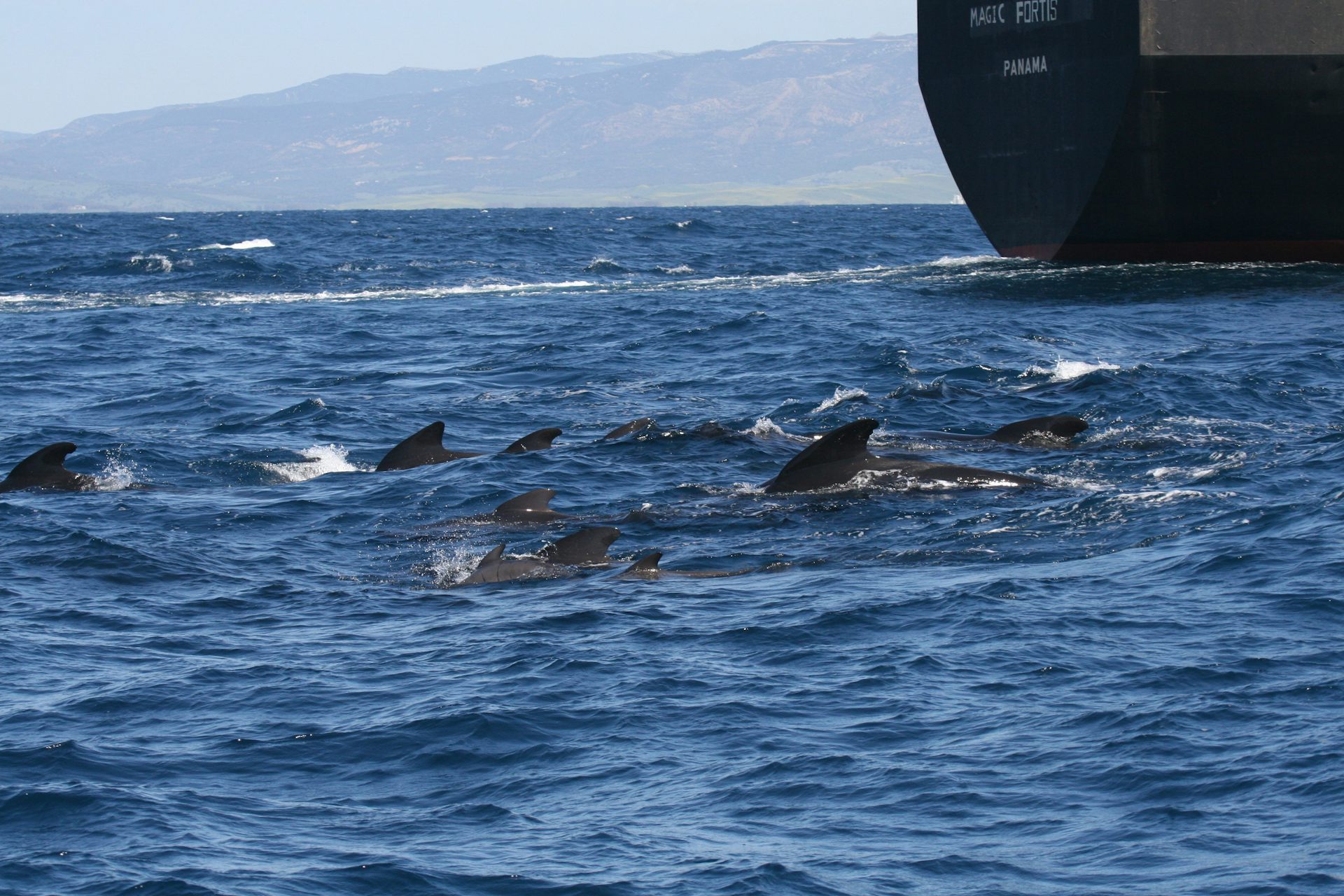
In the Strait of Gibraltar – a famous marine road connecting the Mediterranean and the Atlantic – lives a critically endangered sub-population of a few hundred long-finned pilot whales (Globicephala melas) .
في مضيق جبل طارق – وهو طريق بحري شهير يربط بين البحر الأبيض المتوسط والمحيط الأطلسي – تعيش مجموعة فرعية مهددة بالانقراض بشدة تتكون من بضع مئات من حيتان البيلوت ذات الزعانف الطويلة (Globicephala melas) .
Despite their name, these dark and blubbery marine mammals aren’t technically whales – they’re large oceanic dolphins which are believed to have a navigator or lead for each pod. Hence the “pilot” part of their name.
على الرغم من اسمها، فإن هذه الثدييات البحرية الداكنة والممتلئة ليست حيتاناً تقنياً – بل هي دلافين محيطية كبيرة يُعتقد أن كل مجموعة منها لديها ملاح أو قائد. ومن هنا جاء الجزء “البيلوت” (المرشد) في اسمها.
There are two types of pilot whales – short and long-finned. They’re generally found in deep offshore waters but can appear in coastal areas. And like other dolphins, they use high frequency sounds to talk to each other in their pods. These clicks and squeaks travel shorter distances compared with the melodic songs of humpback whales.
هناك نوعان من حيتان البيلوت – قصير الزعنفة وطويل الزعنفة. وعادة ما توجد في المياه العميقة قبالة السواحل، ولكن يمكن أن تظهر في المناطق الساحلية. ومثل الدلافين الأخرى، فإنها تستخدم أصوات التردد العالي للتحدث مع بعضها البعض في مجموعاتها. وتقطع هذه النقرات والصرير مسافات أقصر مقارنة بالأغاني اللحنية لحيتان الحدباء.
And as a new paper led by Milou Hegeman from Aarhus University in Denmark and published in the Journal of Experimental Biology shows, the pilot whales that live in the Strait of Gibraltar are having to shout at the upper limit of their range in order to hear each other over human noises.
وكما يوضح بحث جديد قاده ميلو هيجيمان من جامعة آرهوس في الدنمارك ونُشر في مجلة البيولوجيا التجريبية، فإن حيتان البيلوت التي تعيش في مضيق جبل طارق تضطر إلى الصراخ عند الحد الأعلى لنطاقها لتتمكن من سماع بعضها البعض فوق ضوضاء الإنسان.
What’s making all that noise?
ما الذي يُحدث كل هذا الضجيج؟
The ocean is full of sounds.
المحيط مليء بالأصوات.
Some of these are natural, such as the sounds from fish, seals and waves. Other sounds are produced by human activities, either deliberately (for example seismic and sonar exploration) or unintentionally (for example, the sound of moving ships or other vessels) .
بعض هذه الأصوات طبيعية، مثل الأصوات الصادرة عن الأسماك والفقمات والأمواج. أما الأصوات الأخرى فتنتج عن الأنشطة البشرية، سواء كانت مقصودة (على سبيل المثال، الاستكشاف الزلزالي والسونار) أو غير مقصودة (على سبيل المثال، صوت السفن المتحركة أو السفن الأخرى) .
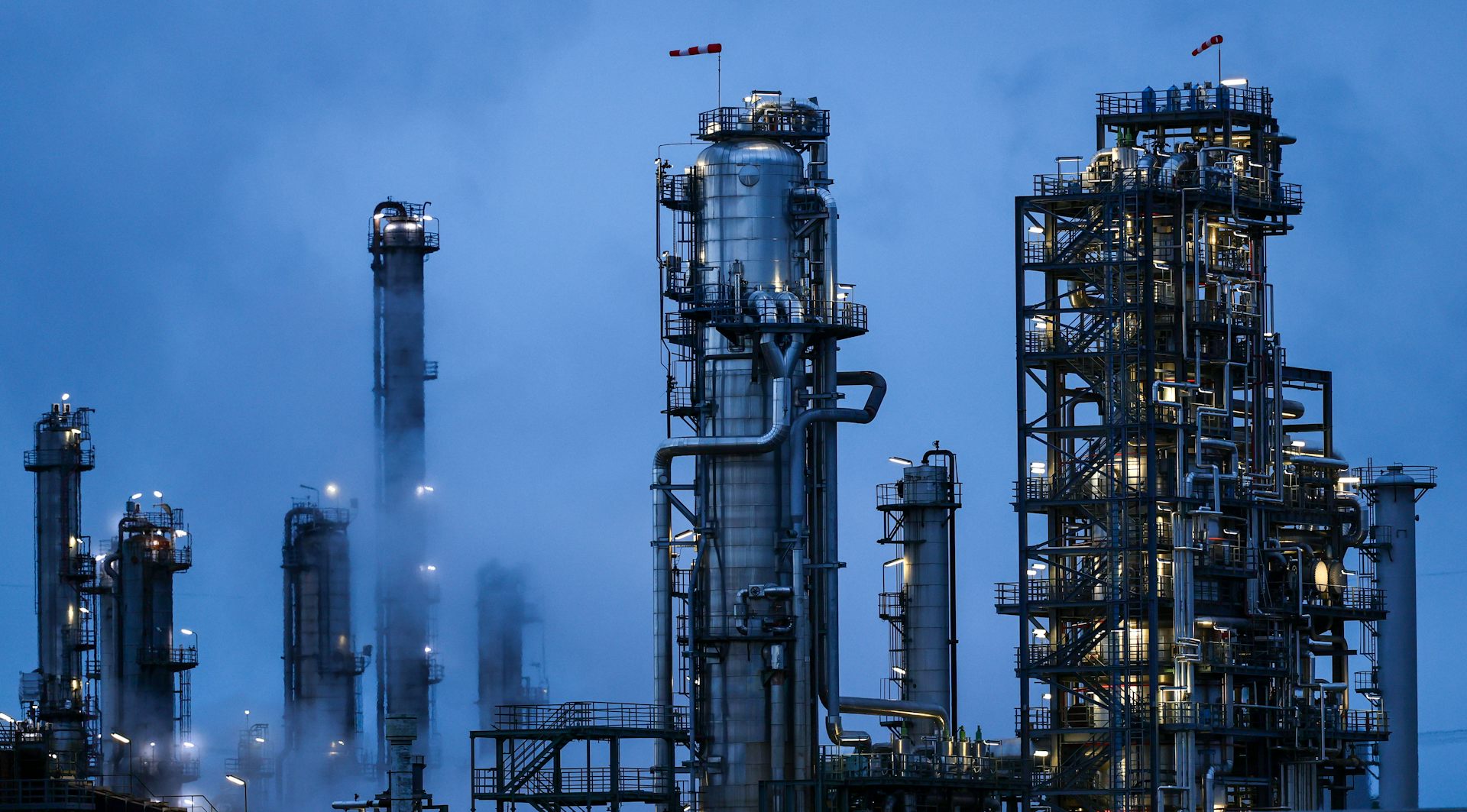
The ocean continues to get noisier because of human-made sound – even in isolated Arctic regions. And because of its strategic location, the Strait of Gibraltar is especially noisy with the drone of cargo ships.
يستمر المحيط في أن يصبح أكثر ضجيجاً بسبب الأصوات التي يصنعها الإنسان – حتى في المناطق القطبية المعزولة. وبسبب موقعه الاستراتيجي، فإن مضيق جبل طارق صاخب بشكل خاص بضجيج سفن الشحن.
Shipping noise that the pilot whales experience. CIRCE 587 KB (download)
ضجيج الشحن الذي تختبره حيتان البيلوت. CIRCE 587 كيلوبايت (تحميل)
Spying on pilot whales
مراقبة حيتان الرائد
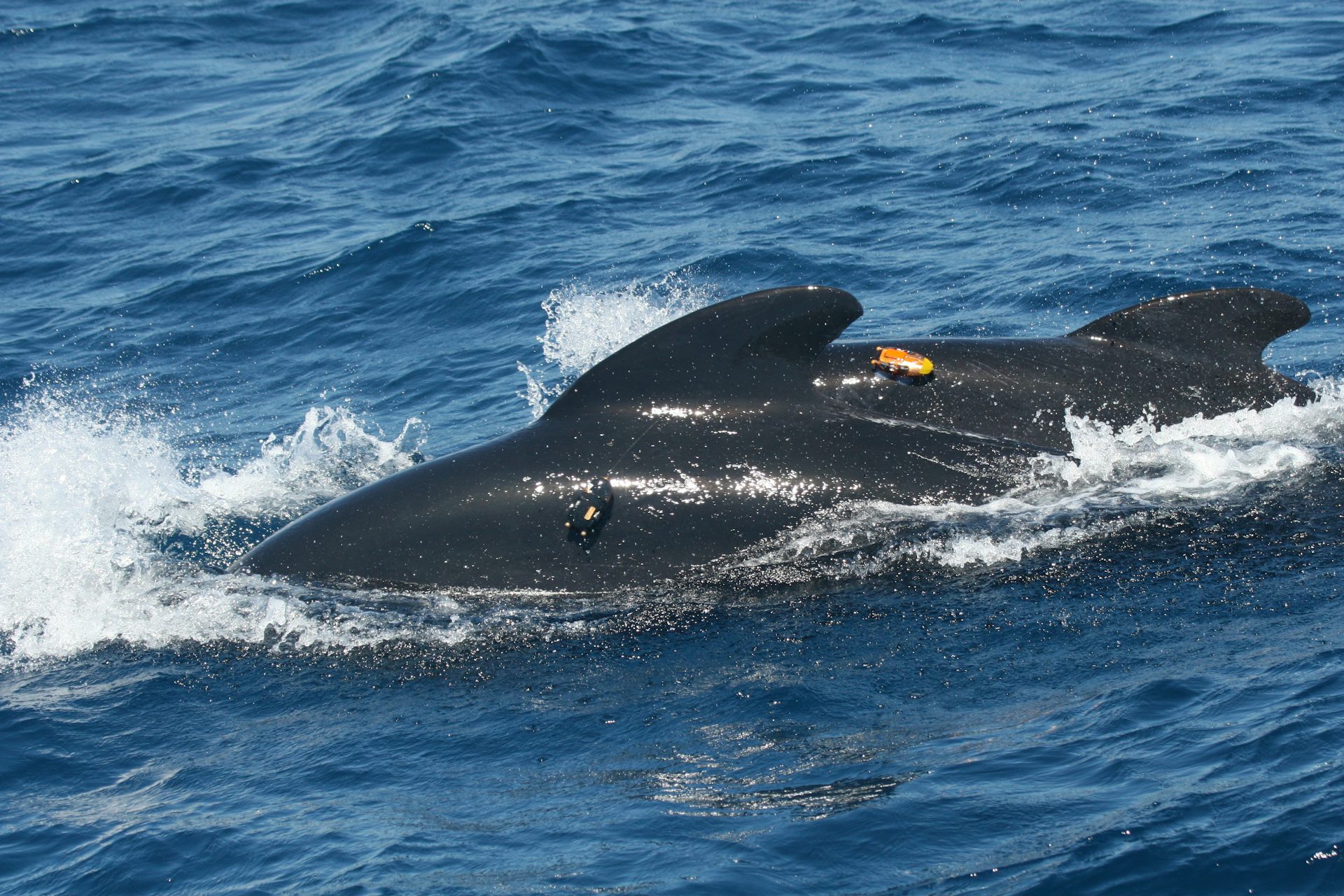
To investigate the communication and behaviour of the population of pilot whales in the Strait of Gibraltar, scientists used 6-metre poles to attach small tags to the creatures (kind of like an Airtag used to track your suitcase) with sterile suction cups positioned between the dorsal fin and blowhole.
لدراسة تواصل وسلوك أسراب حيتان الرائد في مضيق جبل طارق، استخدم العلماء أعمدة يبلغ طولها 6 أمتار لتثبيت علامات صغيرة على المخلوقات (تشبه إلى حد ما جهاز تتبع الحقائب “AirTag”) باستخدام أكواب شفط معقمة موضوعة بين الزعنفة الظهرية والثقب النفثي.
Between 2012 to 2015, the steam attached tags to 23 different long-finned pilot whales who live in the region year-round.
بين عامي 2012 و 2015، قام الفريق بتثبيت علامات على 23 حوت رائد مختلف ذي زعانف طويلة يعيش في المنطقة على مدار العام.
These tags remained on pilot whales for up to 24 hours collecting sounds and tracking individual behaviour. The tags then floated to the surface where scientists could locate them using an antenna and collect the data from their diving activities.
بقيت هذه العلامات على حيتان الرائد لمدة تصل إلى 24 ساعة، حيث قامت بتجميع الأصوات وتتبع السلوك الفردي. ثم طفت العلامات إلى السطح حيث تمكن العلماء من تحديد موقعها باستخدام هوائي وجمع البيانات من أنشطتها الغوص.
More than 84 hours of recordings were made, with 1,432 pilot whale calls extracted. The tags also recorded ship noise in the area.
تم إجراء أكثر من 84 ساعة من التسجيلات، وتم استخلاص 1432 نداءً لحوت الرائد. كما سجلت العلامات ضوضاء السفن في المنطقة.
The researchers found there was a scarcity of pilot whale calls during periods of shipping noise. And the volume of the calls they did make were louder by about half the increase in background noise.
وجد الباحثون أن هناك ندرة في نداءات حيتان الرائد خلال فترات ضوضاء الشحن. وكانت قوة النداءات التي أصدرتها أعلى بحوالي نصف الزيادة في الضوضاء الخلفية.
This means the animals are adapting to communicate in times when it is noisy – kind of like having a conversation in a crowded place and you having to raise your voice to be heard.
هذا يعني أن الحيوانات تتكيف للتواصل في الأوقات الصاخبة – يشبه الأمر إجراء محادثة في مكان مزدحم وأن عليك رفع صوتك ليتم سماعك.
A whale calling out for its group with ship noise in the background. CIRCE 376 KB (download)
حوت ينادي مجموعته مع ضوضاء السفن في الخلفية. CIRCE 376 كيلوبايت (تحميل)
Other noises, other impacts
ضوضاء أخرى، وتأثيرات أخرى
This study focuses on just one location in the ocean. But there’s increasing evidence that human-made noise is also impacting other species in other places.
تركز هذه الدراسة على موقع واحد فقط في المحيط. ولكن هناك أدلة متزايدة على أن الضوضاء الناتجة عن النشاط البشري تؤثر أيضًا على أنواع أخرى في أماكن أخرى.
For example, a 2012 study found that ship noise increases stress in right whales. Another study from 2024 found sea turtles travelling in the Galapagos were more vigilant because of increased ship noise.
على سبيل المثال، وجدت دراسة أجريت عام 2012 أن ضوضاء السفن تزيد من التوتر لدى حيتان الأطوم. ووجدت دراسة أخرى أجريت عام 2024 أن السلاحف البحرية التي تسافر في جزر غالاباغوس كانت أكثر يقظة بسبب زيادة ضوضاء السفن.
But it’s not just ship noise that is impacting the animals that live in the ocean. Sonar disrupts whale diving behaviour and feeding behaviour, sometimes even potentially resulting in strandings.
لكن ليست ضوضاء السفن وحدها هي التي تؤثر على الحيوانات التي تعيش في المحيط. فالسونار يعطل سلوك الغوص والتغذية لدى الحيتان، وقد يؤدي أحيانًا حتى إلى حالات عجز عن السباحة.
Thankfully, work is being done to reduce noise pollution in the ocean – from building quieter ships to rerouting ship activity, helping ship operators drive more quietly and dialling down the noise from all human activities.
لحسن الحظ، يجري العمل للحد من التلوث الضوضائي في المحيط – بدءًا من بناء سفن أكثر هدوءًا وصولاً إلى إعادة توجيه أنشطة السفن، ومساعدة مشغلي السفن على القيادة بهدوء أكبر وخفض الضوضاء الناتجة عن جميع الأنشطة البشرية.
This new study is just one of many scientific contributions to learning more about our impact on our blue backyard. We can only protect what we know. And as we celebrate the 100th birthday of Sir David Attenborough, it’s worth remembering one of his many pieces of wisdom: “If we save the sea, we save our world”.
تُعد هذه الدراسة الجديدة مجرد مساهمة علمية من بين العديد من المساهمات لمعرفة المزيد عن تأثيرنا على ساحلنا الأزرق. لا يمكننا حماية ما لا نعرفه. ومع احتفالنا بالذكرى المئوية للسير ديفيد أتنبروغ، من الجدير تذكر إحدى حكمته العديدة: “إذا أنقذنا البحر، أنقذنا عالمنا.”
Part of this involves being more aware of sound in our sea. Because sometimes, it’s not always the visible impacts such as plastic pollution that need our attention. It might also be the impacts we can only hear.
يتضمن جزء من هذا الوعي بأن نكون أكثر وعيًا بالصوت في بحارنا. لأنه في بعض الأحيان، لا تكون التأثيرات المرئية مثل التلوث البلاستيكي هي ما يحتاج إلى اهتمامنا دائمًا. قد تكون أيضًا التأثيرات التي لا يمكننا سماعها إلا.
Vanessa Pirotta does not work for, consult, own shares in or receive funding from any company or organisation that would benefit from this article, and has disclosed no relevant affiliations beyond their academic appointment.
لا تعمل فانيسا بيوروتا، ولا تستشير، ولا تمتلك حصصًا في، أو تتلقى تمويلاً من أي شركة أو منظمة يمكن أن تستفيد من هذه المقالة، ولم تكشف عن أي انتماءات ذات صلة تتجاوز منصبها الأكاديمي.
Read more
-

كأس العالم 2026: القصة الحقيقية للمهاجرين الأفارقة الصامدين الذين يعيدون تشكيل كرة القدم العالمية
World Cup 2026: the real story of the resilient African migrants reshaping global football