سباق الفضاء اليوم قد يصبح مميتًا إذا لم نتفق على قواعد جديدة
Today’s space race could turn fatal if we don’t agree on new rules
Only by fostering a deeper sense of ‘space citizenship’ will everyone benefit from our journeys to the Moon – and beyond.
لن يستفيد الجميع من رحلاتنا إلى القمر وما بعده إلا بتعزيز حس أعمق بـ “المواطنة الفضائية”.
Canadian astronaut Jeremy Hansen had an emotional message before he and three colleagues set off for the Moon earlier this year on the Artemis II mission: “We go for all humanity”.
كان لرائد الفضاء الكندي جيريمي هانسن رسالة مؤثرة قبل أن ينطلق هو وثلاثة من زملائه إلى القمر في وقت سابق من هذا العام ضمن مهمة أرتيميس 2، حيث قالوا: “نحن نذهب للبشرية جمعاء.”
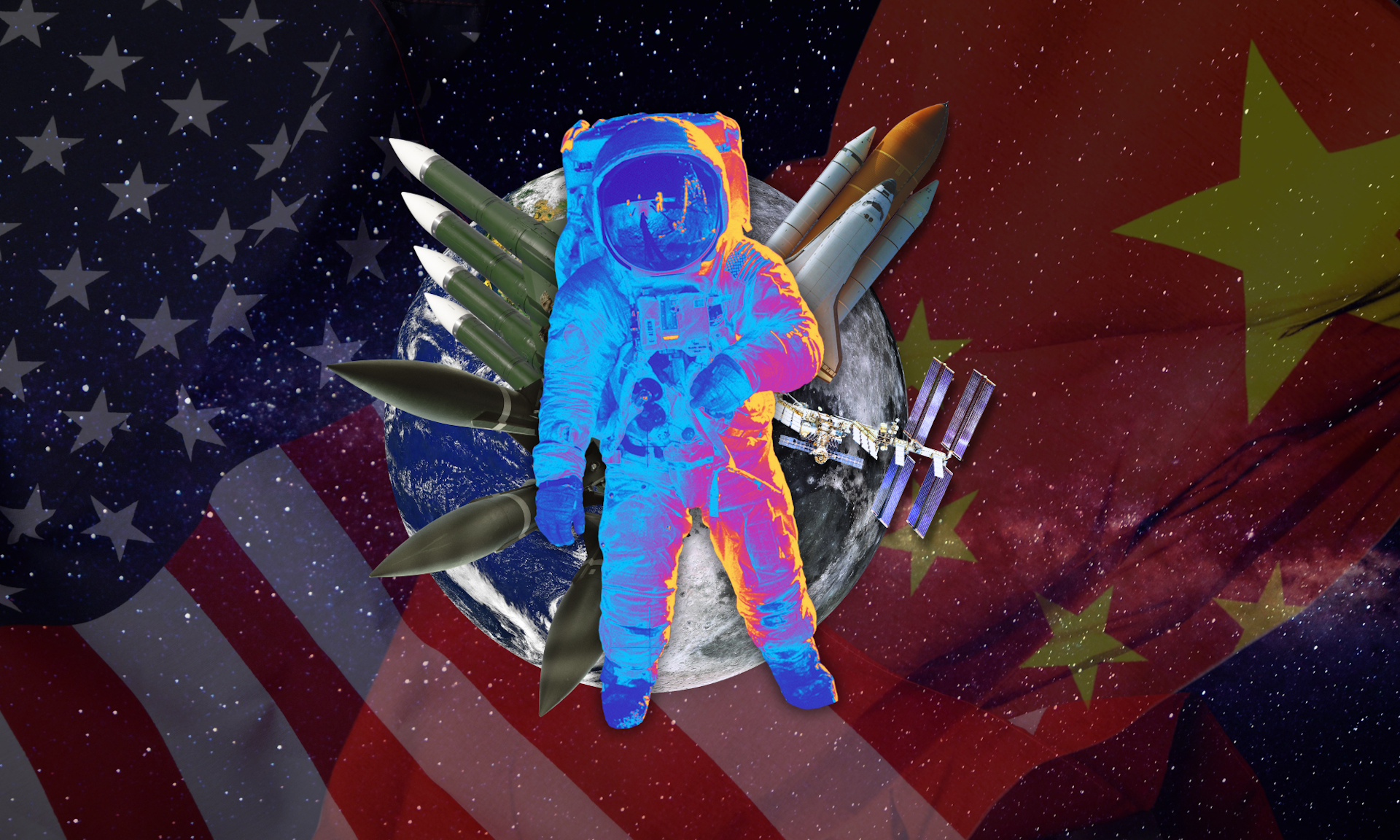
The successful ten-day lunar flyby mission was an impressive scientific feat. But its importance may not have been for all humanity: it was primarily geopolitical. Because, just like the 20th century space race between the Soviets and Americans, the new race to return to the Moon is highly politically charged.
لقد كانت مهمة المرور بالقرب من القمر التي استمرت عشرة أيام ناجحة إنجازاً علمياً مثيراً للإعجاب. لكن أهميتها قد لا تكون للبشرية جمعاء؛ بل هي في المقام الأول جيوسياسية. لأنه، تماماً مثل سباق الفضاء في القرن العشرين بين السوفييت والأمريكيين، فإن السباق الجديد للعودة إلى القمر مشحون سياسياً للغاية.
To stop this race from morphing into a future catastrophe – one that could have debilitating consequences for life on Earth – there’s an urgent need to strengthen how space is governed. Only by fostering a deeper sense of “space citizenship” will all of humanity benefit from our journeys to the Moon – and beyond.
لوقف هذا السباق من التحول إلى كارثة مستقبلية – وهي كارثة قد تترتب عليها عواقب مُقْعِدَة على الحياة على الأرض – هناك حاجة ملحة لتعزيز كيفية حوكمة الفضاء. فقط من خلال تعزيز الشعور الأعمق بـ “المواطنة الكونية”، ستستفيد البشرية جمعاء من رحلاتنا إلى القمر – وما وراءه.
The race to the Moon and beyond is accelerating. Some say it’s for the benefit of all humanity. But is it really? In this seven-part series, we explore what our future in space will look like, how we might travel and survive out there, and what’s needed to stop a catastrophe from happening.
يتسارع السباق نحو القمر وما بعده. يقول البعض إنه لمصلحة البشرية جمعاء. ولكن هل هذا صحيح حقاً؟ في هذه السلسلة المكونة من سبعة أجزاء، نستكشف كيف سيبدو مستقبلنا في الفضاء، وكيف يمكننا أن نعيش ونسافر هناك، وما هو المطلوب لوقف وقوع كارثة.
From space race to space war
من سباق الفضاء إلى حرب الفضاء
The new space race involves many more players than the first one. It includes Canada, China, Europe, India, Japan, Russia, the United Arab Emirates and, of course, the US. It also includes private companies such as SpaceX, Blue Origin, Boeing, Space Machines, Intuitive Machines, iSpace, and many others.
يتضمن سباق الفضاء الجديد لاعبين أكثر بكثير من السباق الأول. فهو يشمل كندا والصين وأوروبا والهند واليابان وروسيا والإمارات العربية المتحدة، وبالطبع الولايات المتحدة. كما أنه يضم شركات خاصة مثل سبيس إكس (SpaceX) وبلوب أوريجين (Blue Origin) وبوهينغ (Boeing) وماكينات الفضاء (Space Machines) وماكينات الحدس (Intuitive Machines) وإي سبيس (iSpace) ، والعديد من الشركات الأخرى.
And why do they all want to reach the Moon? Because it contains resources – water and possibly helium-3 – which can be used as fuel. Whoever has access to, and domination over, these resources, will have a major strategic advantage.
ولماذا يريدون جميعاً الوصول إلى القمر؟ لأنه يحتوي على موارد – الماء وربما الهيليوم-3 – التي يمكن استخدامها كوقود. ومن يسيطر على هذه الموارد ويصل إليها، سيكون لديه ميزة استراتيجية كبيرة.
All of this matters for very pragmatic reasons for those of us on Earth.
كل هذا مهم لأسباب عملية للغاية بالنسبة لنا نحن الموجودين على الأرض.
You have probably already used space at least 20 times today – for example, to check the weather on an app or buy a coffee with your phone. The satellites that orbit Earth enable all of this. They also provide crucial information about climate change, farming and fisheries, drinking water, and responses to natural disasters.
من المحتمل أنك استخدمت الفضاء بالفعل ما لا يقل عن 20 مرة اليوم – على سبيل المثال، للتحقق من الطقس عبر تطبيق أو لشراء قهوة بهاتفك. إن الأقمار الصناعية التي تدور حول الأرض تُمكّن كل هذا. كما أنها توفر معلومات حيوية حول تغير المناخ والزراعة ومصايد الأسماك والمياه الصالحة للشرب والاستجابة للكوارث الطبيعية.
But too many satellites and too much space debris could lead to catastrophic collisions and therefore outages of critical satellite connectivity.
ولكن العدد الكبير من الأقمار الصناعية والكثير من الحطام الفضائي يمكن أن يؤدي إلى تصادمات كارثية وبالتالي انقطاع الاتصالات الساتلية الحيوية.
Today’s militaries are also highly dependent on satellites for navigation, intelligence, communications and targeting. As a result, military operations regularly interfere with and target satellites in order to compromise adversaries. There’s a possibility this could lead to an all-out war in space. This would potentially involve destroying satellites, creating uncontrollable debris, which in turn would lead to unusable orbits and a greater loss of critical connectivity.
تعتمد الجيوش اليوم أيضاً بشكل كبير على الأقمار الصناعية للملاحة والاستخبارات والاتصالات والتصويب. ونتيجة لذلك، تتعارض العمليات العسكرية مع الأقمار الصناعية وتستهدفها بانتظام من أجل تقويض الخصوم. وهناك احتمال أن يؤدي هذا إلى حرب شاملة في الفضاء. وقد يتضمن ذلك تدمير الأقمار الصناعية وخلق حطام لا يمكن السيطرة عليه، مما سيؤدي بدوره إلى مدارات غير صالحة وفقدان أكبر للاتصالات الحيوية.
Current space governance and space law mechanisms do a lot to safeguard against these doomsday scenarios. But just as with any system that depends upon international agreement, there are limitations to these mechanisms – especially given how international relations have ruptured recently.
تُبذل آليات الحوكمة والقانون الفضائي الحالي جهداً كبيراً للحماية من سيناريوهات نهاية العالم هذه. ولكن تماماً مثل أي نظام يعتمد على الاتفاق الدولي، هناك قيود على هذه الآليات – خاصة بالنظر إلى مدى تمزق العلاقات الدولية مؤخراً.
A lesson from the Cold War
درس من الحرب الباردة
Signed at the height of the Cold War, the 1967 Outer Space Treaty states:
وقّع معاهدة الفضاء الخارجي لعام 1967 في ذروة الحرب الباردة، وتنص على ما يلي:
space is the province of all humankind
الفضاء هو ملك للبشرية جمعاء.
there shall be no appropriation or claims of sovereignty
يُحظر أي استيلاء أو مطالبات بالسيادة.
weapons of mass destruction are prohibited
تُحظر أسلحة الدمار الشامل.
space shall be used for peaceful purposes.
يجب استخدام الفضاء للأغراض السلمية.
Some argue the treaty is outdated or not fit for purpose in the 21st century. But the best way to view it is as a constitution.
يرى البعض أن المعاهدة قديمة أو غير مناسبة للغرض في القرن الحادي والعشرين. لكن أفضل طريقة للنظر إليها هي اعتبارها دستوراً.
Like national constitutions, it provides broad, enduring values and organising principles designed to withstand the test of time. Just as in domestic legal systems, any specific technical and or behavioural rules need to be addressed by lower-level regulations that can be changed over time without disrupting the constitution.
مثل الدساتير الوطنية، فهي تقدم قيماً ومبادئ تنظيمية واسعة ودائمة مصممة لتحمل اختبار الزمن. تماماً كما هو الحال في الأنظمة القانونية المحلية، فإن أي قواعد فنية أو سلوكية محددة تحتاج إلى معالجة من خلال لوائح أدنى يمكن تغييرها بمرور الوقت دون المساس بالدستور.
The challenge today is how to get to those lower-level rules. If we leave it solely up to international relations between countries, there are so many politically unstable relationships we are likely to get nowhere. If we leave it solely up to the private sector, the rules will probably be based on self-interest rather than the common good.
التحدي اليوم هو كيفية الوصول إلى تلك اللوائح الأدنى. إذا تركنا الأمر فقط للعلاقات الدولية بين الدول، فهناك الكثير من العلاقات غير المستقرة سياسياً ومن المرجح أن لا نصل إلى أي مكان. وإذا تركناه فقط للقطاع الخاص، فمن المحتمل أن تستند القواعد على المصالح الذاتية بدلاً من الصالح العام.
We need to include as many different actors and interests as possible. This is not simple. But it’s the only way forward.
نحن بحاجة إلى إشراك أكبر عدد ممكن من الجهات الفاعلة والمصالح المختلفة. هذا ليس بالأمر السهل. ولكنه الطريق الوحيد للمضي قدماً.
A combined effort
جهد مشترك
There are several initiatives under way to tackle space governance challenges which don’t rely only on states, and which include non-binding principles or guidelines.
هناك العديد من المبادرات الجارية لمعالجة تحديات حوكمة الفضاء، ولا تعتمد فقط على الدول، وتشمل مبادئ أو إرشادات غير ملزمة.
Some of these are led by the private sector. They are therefore more likely to be flexible enough to adapt to changes in technology, and to gain support from commercial actors.
يقود بعض هذه المبادرات القطاع الخاص. ولذلك، فمن المرجح أن تكون أكثر مرونة بما يكفي للتكيف مع التغيرات في التكنولوجيا، واكتساب الدعم من الجهات الفاعلة التجارية.
Some are traditionally multilateral through the United Nations. They are very slow moving and subject to politicisation, but at least they work towards political agreement.
بعضها متعدد الأطراف تقليديًا عبر الأمم المتحدة. وهي بطيئة الحركة وعرضة للسيَاسة، ولكن على الأقل أنها تعمل نحو اتفاق سياسي.
Others are “minilateral” through smaller groups such as the Association of Southeast Asian Nations, the Quad (a diplomatic partnership between Australia, India, Japan, and the United States) , NATO, the African Union, the European Space Agency. These are more likely to come up with agreed norms because these groups already operate closely together.
أخرى “متعددة الأطراف المصغرة” (minilateral) من خلال مجموعات أصغر مثل رابطة دول جنوب شرق آسيا، ومجموعة الكواد (شراكة دبلوماسية بين أستراليا والهند واليابان والولايات المتحدة) ، وحلف الناتو، والاتحاد الأفريقي، ووكالة الفضاء الأوروبية. ومن المرجح أن تبتكر هذه المجموعات معايير متفق عليها لأنها تعمل بالفعل بتعاون وثيق.
Others still are based on agreement of basic principles, like the Artemis Accords, which are a non-binding set of guidelines about activities on the Moon.
أخرى لا تزال تعتمد على اتفاق مبادئ أساسية، مثل اتفاقيات أرتميس (Artemis Accords) ، وهي مجموعة من الإرشادات غير الملزمة حول الأنشطة على القمر.
Securing our future in space
تأمين مستقبلنا في الفضاء
We are at a crossroads in modern history. We can either allow Earth to suffocate under a blanket of space debris and space warfare, leaving humanity to flounder without access to all the things satellites make possible. Or we can shift our very relationship to space.
نحن عند مفترق طرق في التاريخ الحديث. إما أن نسمح للأرض بالاختناق تحت غطاء من الحطام الفضائي والحرب الفضائية، تاركين البشرية تائهة دون الوصول إلى كل ما تجعله الأقمار الصناعية ممكنًا. أو يمكننا تغيير علاقتنا بالفضاء ذاتها.
We inhabit space, we depend on space, and space is part of who we are. We are already space citizens. Just as individuals and civil society have a growing role to play in the global governance of artificial intelligence, big tech, social media, climate response, and education, so too we have a role to play in how we use or abuse space.
نحن نعيش في الفضاء، ونعتمد على الفضاء، والفضاء جزء من هويتنا. نحن بالفعل مواطنون فضائيون. تمامًا كما يزايد دور الأفراد والمجتمع المدني في الحوكمة العالمية للذكاء الاصطناعي والتكنولوجيا الكبرى ووسائل التواصل الاجتماعي والاستجابة للمناخ والتعليم، كذلك لدينا دور نلعبه في كيفية استخدامنا للفضاء أو إساءة استخدامه.
By understanding that space is part of our life on Earth, we can close the gap between ourselves (individually and societally) and those who currently have a say in global space governance mechanisms.
من خلال فهم أن الفضاء جزء من حياتنا على الأرض، يمكننا سد الفجوة بين أنفسنا (على المستوى الفردي والمجتمعي) وأولئك الذين لديهم حاليًا رأي في آليات الحوكمة العالمية للفضاء.
Approaching this shared responsibility as space citizens is the only way forward in the 21st century. Our current and future generations depend upon it.
إن التعامل مع هذه المسؤولية المشتركة كمواطنين فضائيين هو الطريق الوحيد للمضي قدمًا في القرن الحادي والعشرين. وتعتمد عليه أجيالنا الحالية والمستقبلية.
Cassandra Steer has received funding from the Canadian Department of Defence, the Australian Department of Defence, the Australian Space Agency, DFAT, Geoscience Australia, and Home Affairs. She has received research funding from the Canadian Social Sciences and Humanities Research Council, the Australian Research Council, and the UN Institute for Disarmament Research. She is Currently CEO of the not-for-profit Australasian Centre for Space Governance.
حصلت كاساندرا ستير على تمويل من وزارة الدفاع الكندية، ووزارة الدفاع الأسترالية، ووكالة الفضاء الأسترالية، وDFAT، وجيوساينس أستراليا، ووزارة الشؤون الداخلية. كما تلقت تمويلاً بحثياً من المجلس الكندي للعلوم الإنسانية والاجتماعية، والمجلس البحثي الأسترالي، ومعهد الأمم المتحدة لأبحاث نزع السلاح. وهي حاليًا الرئيس التنفيذي للمركز الأسترالازي لحوكمة الفضاء غير الربحي.
Read more
-
لقد تشكّل تعاون دول الخليج لفترة طويلة بفعل تهديد إيران – لكن مظاهر الوحدة تخفي الانقسام.
Gulf state cooperation has long been shaped by the threat of Iran − but shows of unity belie division
-
تريد إيران دفع رسوم النفط باليوان الصيني – فهل تضعف قوة البترودولار الأمريكي؟
Iran wants oil tariffs paid in Chinese yuan – is the power of the US petrodollar in decline?