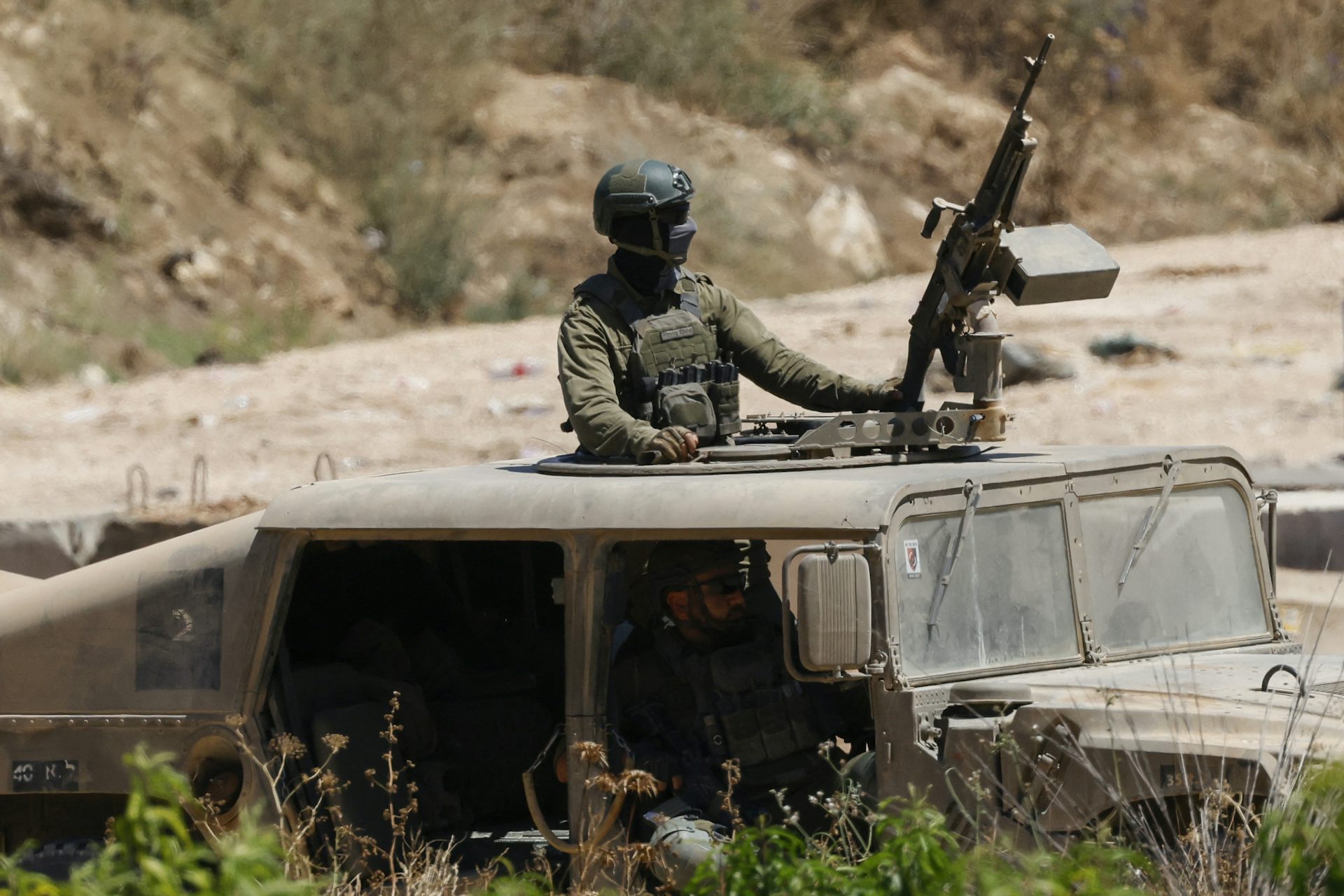
“حملة إسرائيل ‘بين الحروب’: كيف أن استراتيجية احتواء إيران وحلفائها تهدد بزيادة توتر علاقاتها بالولايات المتحدة.”
Israel’s ‘campaign between the wars’: How strategy to contain Iran and its allies risks further straining ties with US
Israel has long sought to gain a military advantage by degrading its adversaries’ military capabilities outside of times of direct conflict.
لطالما سعت إسرائيل لاكتساب ميزة عسكرية عن طريق تقويض القدرات العسكرية لخصومها خارج أوقات الصراع المباشر.
A lot hangs on whether the United States can compel Israel to cease operations against Hezbollah in Lebanon. After all, an end to the Israeli military offensive was a key provision of the broad U.S.-Iran agreement setting out a road map to end the Iran war.
يعتمد الكثير على ما إذا كانت الولايات المتحدة قادرة على إجبار إسرائيل على وقف العمليات ضد حزب الله في لبنان. ففي نهاية المطاف، كان إنهاء الهجوم العسكري الإسرائيلي بنداً رئيسياً في الاتفاق الواسع بين الولايات المتحدة وإيران الذي يرسم خريطة طريق لإنهاء الحرب مع إيران.
And even though Israel did not sign the deal, policymakers in Washington will continue to press Israeli Prime Minister Benjamin Netanyahu to abide by the truce.
وعلى الرغم من أن إسرائيل لم توقع على الصفقة، فإن صانعي السياسات في واشنطن سيواصلون الضغط على رئيس الوزراء الإسرائيلي بنيامين نتنياهو للالتزام بوقف إطلاق النار.
Yet there’s a larger and more vexing issue for the Trump administration and its Arab allies in the Middle East that has received little attention: Israel’s long-standing “campaign between the wars” strategy and whether it threatens the prospect for long-term peace in the region.
ومع ذلك، هناك قضية أكبر وأكثر تعقيداً بالنسبة لإدارة ترامب وحلفائها العرب في الشرق الأوسط لم تحظَ باهتمام كافٍ: وهي استراتيجية إسرائيل الراسخة “الحملة بين الحروب” وما إذا كانت تهدد آفاق السلام طويل الأمد في المنطقة.
The policy, known as “Mivtsa Bein Milchamot” in Hebrew and shortened to “Mabam,” has become a widely accepted facet of Israel’s national security. Its purpose is to degrade the capabilities of Iran and its key regional allies in any interwar period.
أصبحت هذه السياسة، المعروفة باسم “ميفتسا بين ميلخاموت” باللغة العبرية ويُختصر إلى “مابام”، جانباً مقبولاً على نطاق واسع من الأمن القومي الإسرائيلي. ويهدف الغرض منها إلى إضعاف قدرات إيران وحلفائها الإقليميين الرئيسيين في أي فترة ما بين الحروب.
As the former assistant director of CIA for Weapons and Counterproliferation, I have watched Israel wage Mabam in an increasingly bold manner and widening geographic scope over the past seven years. Israel has broadened both the targets of the strategy and the instruments it uses to strike them, heightening the risk of escalation.
بصفتي المدير المساعد السابق في وكالة المخابرات المركزية للأسلحة ومكافحة الانتشار، لقد تابعت إسرائيل وهي تشعل “مابام” بطريقة أكثر جرأة ونطاق جغرافي أوسع على مدى السنوات السبع الماضية. وقد وسعت إسرائيل كلاً من أهداف الاستراتيجية والأدوات التي تستخدمها لضربها، مما رفع مخاطر التصعيد.
Save any unexpected abandonment of the policy, Israel will almost certainly continue launching limited military strikes, covert action and cyberattacks across the Middle East, regardless of any U.S. deal with Iran. This will likely take the form of degrading the capabilities of Iran’s partner Hezbollah, Iranian-backed Shiite militants in Iraq and even Tehran’s unreliable ally the Houthis in Yemen. And Israel will remain willing to take military actions short of full-scale war in Iran itself.
باستثناء أي تخلي غير متوقع عن هذه السياسة، فمن شبه المؤكد أن إسرائيل ستواصل شن ضربات عسكرية محدودة وعمليات سرية وهجمات سيبرانية في جميع أنحاء الشرق الأوسط، بغض النظر عن أي اتفاق أمريكي مع إيران. ومن المرجح أن يتخذ هذا الشكل من إضعاف قدرات حزب الله الشريك لإيران، والمقاتلين الشيعة المدعومين من إيران في العراق، وحتى الحوثيين غير الموثوق بهم في اليمن التابعين لطهران. وستظل إسرائيل مستعدة لاتخاذ إجراءات عسكرية دون حرب شاملة في إيران نفسها.
But such outcomes will pose serious challenges for the U.S., which seems intent on avoiding a renewed war with Tehran. In fact, Israel’s “campaign between the wars” risks widening the split with Washington and restarting war with Iran and its allies over the long term.
لكن مثل هذه النتائج ستشكل تحديات خطيرة للولايات المتحدة، التي تبدو عازمة على تجنب حرب متجددة مع طهران. في الواقع، فإن “الحملة بين الحروب” الإسرائيلية تخاطر بتوسيع الانقسام مع واشنطن وإعادة إشعال الحرب مع إيران وحلفائها على المدى الطويل.
Origins of Mabam
أصول مبادئ “مابام”
Israel codified the Mabam strategy in a 2015 Israeli Defense Forces document. Its history, however, predates the official adoption of the policy, with the IDF executing “campaign between the wars” operations in the early 2010s.
قامت إسرائيل بتدوين استراتيجية “مابام” في وثيقة صادرة عن قوات الدفاع الإسرائيلي عام 2015. ومع ذلك، فإن تاريخها يسبق التبني الرسمي للسياسة، حيث نفذت قوات الدفاع الإسرائيلي عمليات “حملات بين الحروب” في أوائل العقد الثاني من القرن الحادي والعشرين.
Most scholars and Israeli military officials acknowledge that the strategy evolved from cross-border “reprisal operations” against Jordan, Egypt, Syria and the Palestinian Liberation Organization in Lebanon in the 1950s and’60s.
يقر معظم الباحثين والمسؤولين العسكريين الإسرائيليين بأن الاستراتيجية تطورت من “عمليات انتقامية” عبر الحدود ضد الأردن ومصر وسوريا ومنظمة التحرير الفلسطينية في لبنان خلال الخمسينات والستينات.
The logic behind Mabam is that by using targeted operations to consistently downgrade the capabilities of Iran and its allies, Israel will be better prepared for future wars by maintaining a qualitative military advantage. Israel’s goal is to avoid escalation by taking actions that it judges Iran and its proxies will view as below the threshold for significant retaliation.
المنطق وراء “مابام” هو أن إسرائيل، باستخدام عمليات مستهدفة لتخفيض قدرات إيران وحلفائها باستمرار، ستكون أفضل استعداداً للحروب المستقبلية من خلال الحفاظ على تفوق عسكري نوعي. هدف إسرائيل هو تجنب التصعيد عن طريق اتخاذ إجراءات ترى أنها لن تعتبرها إيران ووكلائها أقل من العتبة اللازمة للانتقام الكبير.
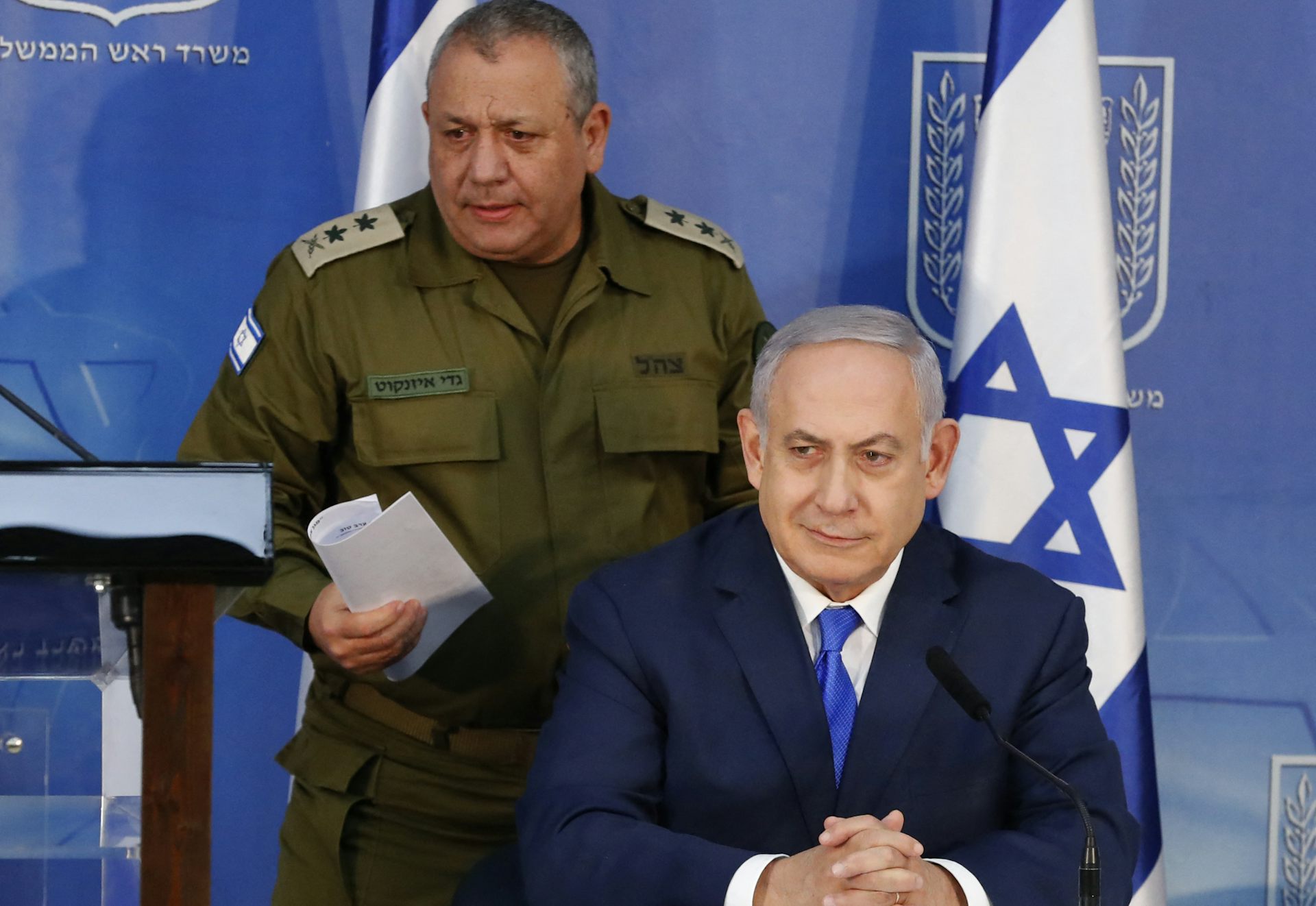
As the former chief of the Israeli general staff and architect of Mabam, Lt. Gen Gadi Eisenkot, explained in 2019: “Deviating from the binary approach of either preparing for war or openly waging it, the [campaign between the wars policy] strives for proactive, offensive actions based on extremely high-quality intelligence and clandestine efforts.”
كما أوضح اللواء السابق في هيئة الأركان الإسرائيلية ومصمم “مابام”، غادي آيزنكوت، عام 2019: “بالابتعاد عن النهج الثنائي المتمثل إما في الاستعداد للحرب أو شنها علناً، تسعى [سياسة الحملات بين الحروب] إلى إجراءات استباقية وهجومية تعتمد على معلومات استخباراتية عالية الجودة وجهود سرية للغاية.”
Expanding beyond Syria
التوسع خارج سوريا
In the early 2010s, the Israeli military focused Mabam on Hezbollah in Syria, where the group lacked the advanced military capabilities it possessed in Lebanon and therefore posed a less significant risk of escalation.
في أوائل عقد 2010، ركّز الجيش الإسرائيلي على حزب الله في سوريا، حيث افتقرت الجماعة إلى القدرات العسكرية المتقدمة التي كانت تمتلكها في لبنان، وبالتالي شكلت خطر تصعيد أقل أهمية.
Jerusalem placed a premium on degrading Hezbollah’s advanced weapons, supplied by its ally and sponsor Iran, and “preventing the entrenchment of terror infrastructures on the Golan Heights border,” in the words of Israeli military strategist Eran Ortal.
وضعت القدس الأولوية لتقويض أسلحة حزب الله المتقدمة، التي يوردها حليفه وراعيته إيران، و”منع ترسيخ البنى التحتية للإرهاب على حدود مرتفعات الجولان”، وفقاً لمستشار عسكري إسرائيلي هواران أورتال.
To achieve this, Israel employed airstrikes, cyberattacks, interdictions of weapons and covert action to impede Iran’s ability to resupply Hezbollah’s existing arsenal and supply it with more advanced weapons. Israel’s targets included Iranian facilities and missile warehouses in Syria, convoys and shipments of weapons, and Hezbollah and Islamic Revolutionary Guard personnel in Syria.
ولتحقيق ذلك، استخدمت إسرائيل الضربات الجوية والهجمات السيبرانية واعتراض الأسلحة والعمليات السرية لإعاقة قدرة إيران على إعادة تزويد ترسانة حزب الله الحالية وتوريده بأسلحة أكثر تطوراً. وشملت أهداف إسرائيل المنشآت والمستودعات الصاروخية الإيرانية في سوريا، وقوافل وشحنات الأسلحة، وأفراد حزب الله وحرس الثورة الإسلامي في سوريا.
Later in the decade, Israel broadened its objectives to include pressuring the Assad regime in Syria and undercutting the long-standing Iranian-Syrian relationship.
وفي وقت لاحق من العقد، وسعت إسرائيل أهدافها لتشمل الضغط على نظام الأسد في سوريا وتقويض العلاقة الإيرانية السورية طويلة الأمد.
Encouraged by the success of its strategy in Syria, Israel began to take action against Iranian-backed groups in Iraq and Lebanon as well.
وبسبب نجاح استراتيجيتها في سوريا، بدأت إسرائيل باتخاذ إجراءات ضد الجماعات المدعومة من إيران في العراق ولبنان أيضاً.
In summer 2019, Israel reportedly struck the weapons depots of Iranian-back Shiite militant groups in Iraq. Explosive-laden drones that experts trace to Israel targeted equipment linked to Hezbollah’s precision-guided missile program.
في صيف عام 2019، أفادت التقارير بأن إسرائيل ضربت مستودعات الأسلحة التابعة لجماعات مسلحة شيعية مدعومة من إيران في العراق. واستهدفت طائرات بدون طيار محملة بالمتفجرات، والتي يتتبعها الخبراء إلى إسرائيل، معدات مرتبطة ببرنامج الصواريخ الموجهة بدقة الخاص بحزب الله.
With these actions, Israel almost certainly delayed and degraded some adversary capabilities, especially those of Hezbollah. In particular, it stopped or delayed Iranian transfers of precision-guided missiles and the guidance kits that Hezbollah could use to enable such capability, limiting the size of the Lebanese group’s arsenal.
وبهذه الإجراءات، من المؤكد تقريباً أن إسرائيل قد أخرت وأضعفت بعض قدرات الخصوم، وخاصةً قدرات حزب الله. وعلى وجه الخصوص، فقد أوقفت أو أخرّج التحويلات الإيرانية للصواريخ الموجهة بدقة ومجموعات التوجيه التي يمكن لحزب الله استخدامها لتمكين هذه القدرة، مما حد من حجم ترسانة المجموعة اللبنانية.
An imperfect strategy
استراتيجية غير مثالية
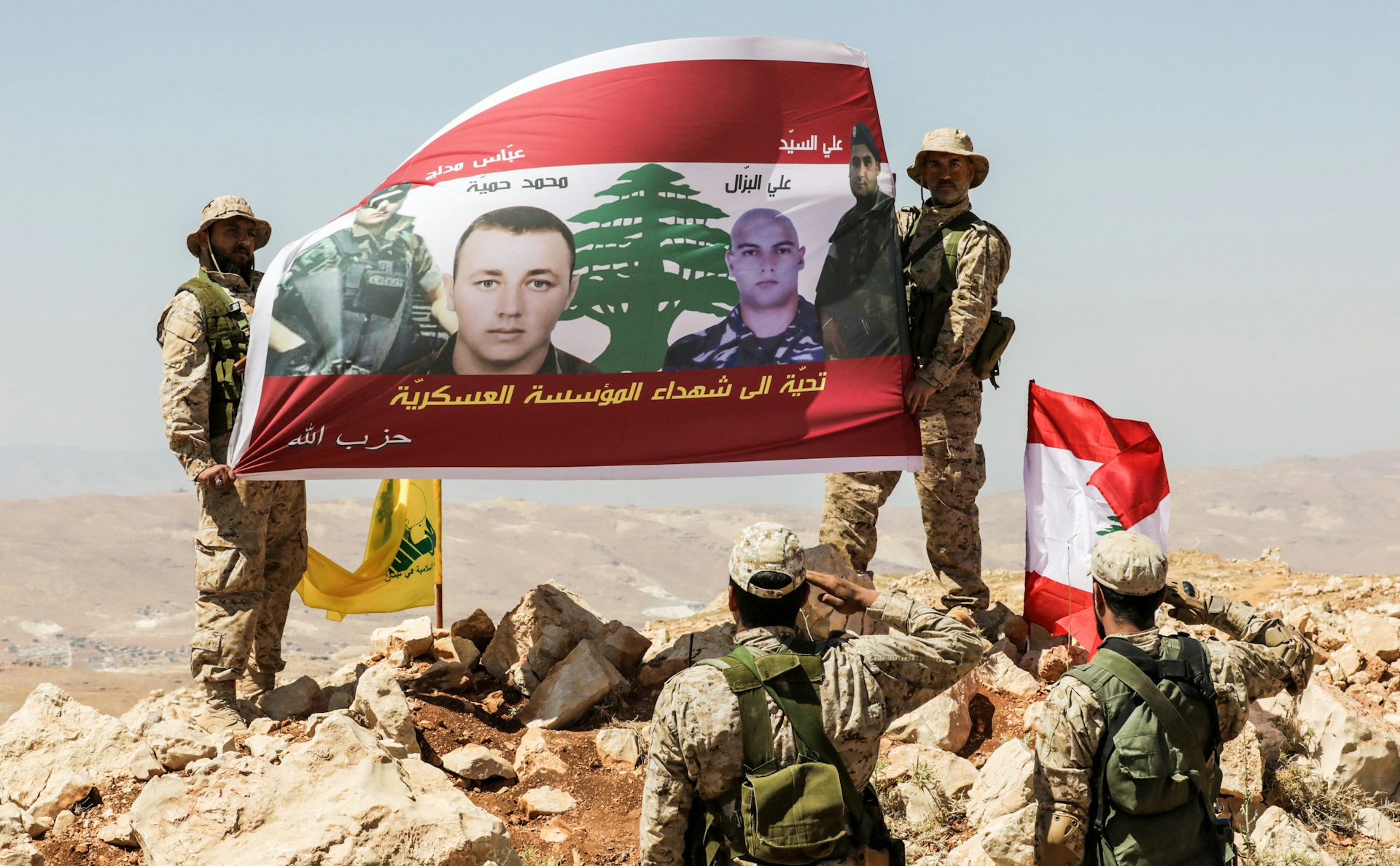
However, the size and capabilities of Hezbollah’s missile and rocket force show the limits of Israeli effectiveness. The group possessed an estimated 100,000 to 200,000 missiles and rockets prior to the resumption of hostilities between Israel and Hezbollah in 2026. Israeli officials and pro-Israeli think tanks would make the counterfactual argument that Hezbollah’s arsenal, especially of advanced weapons, would have been much larger without Mabam operations.
ومع ذلك، فإن حجم وقدرات قوة الصواريخ والصواريخ البالستية لحزب الله تظهر حدود الفعالية الإسرائيلية. امتلكت الجماعة ما يقدر بـ 100,000 إلى 200,000 صاروخ وصاروخ باليستي قبل استئناف الأعمال العدائية بين إسرائيل وحزب الله في عام 2026. سيقدم المسؤولون الإسرائيليون والمراكز الفكرية المؤيدة لإسرائيل حجة افتراضية عكسية مفادها أن ترسانة حزب الله، وخاصة الأسلحة المتقدمة، كانت ستكون أكبر بكثير لولا عمليات “مابام.”
Israeli officials refrain from directly connecting the country’s covert action in Iran since the late 2010s to Mabam. But explosions at nuclear, missile and drone facilities and assassinations of scientists outside the direct conflicts of June 2025 and from February 2026 clearly map to the goal of degrading Iranian military capabilities in between wars.
يمتنع المسؤولون الإسرائيليون عن ربط العمل السري للبلاد في إيران منذ أواخر العقد الأول من القرن الحادي والعشرين بـ “مابام” بشكل مباشر. لكن الانفجارات التي وقعت في المنشآت النووية والصاروخية والطائرات المسيرة، واغتيال العلماء خارج نطاق الصراعات المباشرة في يونيو 2025 ومنذ فبراير 2026، ترتبط بوضوح بهدف إضعاف القدرات العسكرية الإيرانية بين الحروب.
To use one prominent example, an explosion in July 2020 widely linked to Israel disabled a key Iranian advanced centrifuge assembly facility, destroying more than half of the facility.
ولنأخذ مثالاً بارزاً، فقد أدى انفجار وقع في يوليو 2020 ويرتبط على نطاق واسع بإسرائيل إلى تعطيل منشأة إيرانية رئيسية لتجميع الطرد المركزي المتقدم، مما دمر أكثر من نصف المنشأة.
But the attack had unexpected consequences. Iran was able to rebuild the capability in a matter of months, concentrating on locating future centrifuge assembly capabilities at sites buried deep underground.
لكن الهجوم كان له عواقب غير متوقعة. فقد تمكنت إيران من إعادة بناء هذه القدرة في غضون أشهر، مركزة على تحديد مواقع مستقبلية لتجميع الطرد المركزي مدفونة عميقاً تحت الأرض.
A risk to US objectives
خطر على الأهداف الأمريكية
In an early 2026 graduation speech for military cadets, Netanyahu declared that Israel would move beyond Mabam to even more actively confront threats. “There is no more containment of threats. There is no more Mabam,” he said after decades of supporting the strategy.
في خطاب تخرج لدفعة من الكادرو العسكريين في أوائل عام 2026، أعلن نتنياهو أن إسرائيل ستتجاوز استراتيجية “مابام” لتواجه التهديدات بشكل أكثر نشاطاً. وقال بعد عقود من دعم هذه الاستراتيجية: “لم يعد هناك احتواء للتهديدات. لم تعد هناك مابام.”
But even a force that conducts a high number of military operations like the IDF needs a strategy short of full-scale war.
لكن حتى القوة التي تجري عدداً كبيراً من العمليات العسكرية مثل جيش الدفاع الإسرائيلي تحتاج إلى استراتيجية أقل من الحرب الشاملة.
And since most in the Israeli security establishment view the Mabam strategy as generally successful in diminishing Iran’s capabilities and those of its partners and proxies, it will likely remain a prominent feature of Israeli strategy even if updated to reflect current perceived threats. This will be the case whether Israel is led by Netanyahu or another leader.
وبما أن معظم العاملين في المؤسسة الأمنية الإسرائيلية يرون أن استراتيجية “مابام” ناجحة بشكل عام في تقليل قدرات إيران وقدرات شركائها ووكلائها، فمن المرجح أن تظل ميزة بارزة في الاستراتيجية الإسرائيلية حتى لو تم تحديثها لتعكس التهديدات المتصورة الحالية. وسيحدث هذا سواء قاد إسرائيل نتنياهو أو قائد آخر.
While a central aspect of Mabam is avoiding escalation, this balancing act will be increasingly difficult in today’s Middle East.
وفي حين أن جانباً مركزياً من “مابام” هو تجنب التصعيد، فإن موازنة الأداء هذه ستكون أكثر صعوبة في الشرق الأوسط اليوم.
To retain U.S. support for Israel’s overall Iran strategy, expanded coordination with Washington will be crucial. Israel has sometimes, but not always, coordinated relevant actions with the U.S. For instance, it allowed the U.S. Central Command to review strikes it planned to launch from near the Al Tanf Base in Syria that hosted U.S. troops until February 2026.
وللحفاظ على الدعم الأمريكي للاستراتيجية الإيرانية الشاملة لإسرائيل، سيكون التنسيق الموسع مع واشنطن أمراً بالغ الأهمية. لقد نسقت إسرائيل أحياناً، ولكن ليس دائماً، إجراءات ذات صلة مع الولايات المتحدة. على سبيل المثال، سمحت للقيادة المركزية الأمريكية بمراجعة الضربات التي خططت لإطلاقها من بالقرب من قاعدة التنفس في سوريا، والتي استضافت قوات أمريكية حتى فبراير 2026.
Israel believes it has valid reasons for sometimes conducting military action on its own: Israeli officials view Iran developing a nuclear weapon as an “existential” threat and Hezbollah having a large arsenal of precision-guided missiles as a “strategic threat” to the state of Israel.
تعتقد إسرائيل أن لديها أسباباً وجيهة لتنفيذ عمل عسكري بشكل مستقل في بعض الأحيان: ويرى المسؤولون الإسرائيليون تطوير إيران لسلاح نووي كتهديد “وجودي”، واحتفاظ حزب الله بمخزون كبير من الصواريخ الموجهة الدقيقة كتحدٍ “استراتيجي” لدولة إسرائيل.
However, Washington is likely to ask for wider coordination with Israel in the aftermath of the Iran war. That war ever more tightly connected U.S. security interests to those of Israel, but the ongoing negotiations to end the conflict have shown a rare degree of distance between the two countries. Coordinating its operations short of war will be a bitter pill for Israeli leaders intent on acting as they desire. It also has the potential to further strain Israel-U.S. relations in the years ahead.
ومع ذلك، فمن المحتمل أن تطلب واشنطن تنسيقاً أوسع مع إسرائيل في أعقاب حرب إيران. لقد ربطت تلك الحرب مصالح الأمن الأمريكية بمصالح إسرائيل بشكل أوثق، لكن المفاوضات الجارية لإنهاء الصراع أظهرت درجة نادرة من التباعد بين البلدين. وسيكون تنسيق عملياتها دون الوصول إلى الحرب بمثابة حبوب مرة للقادة الإسرائيليين الذين يهدفون إلى التصرف كما يرغبون. ولديه أيضاً القدرة على زيادة توتر العلاقات الإسرائيلية الأمريكية في السنوات القادمة.
This article reflects the views of the author and not the US Government.
تعكس هذه المقالة آراء الكاتب ولا تمثل الحكومة الأمريكية.
Read more
-

قرار المحكمة العليا بشأن قانون حقوق التصويت يجعل من الصعب حماية القوة التصويتية للأقليات ويغير مشهد الانتخابات المستقبلية
Supreme Court’s Voting Rights Act ruling makes it harder to protect minority voting power and alters the landscape of future elections
-

كيف تستغل إدارة ترامب الثقافة الشعبية والدين لتحقيق مكاسب سياسية
How the Trump administration co-opts pop culture and religion for political gain