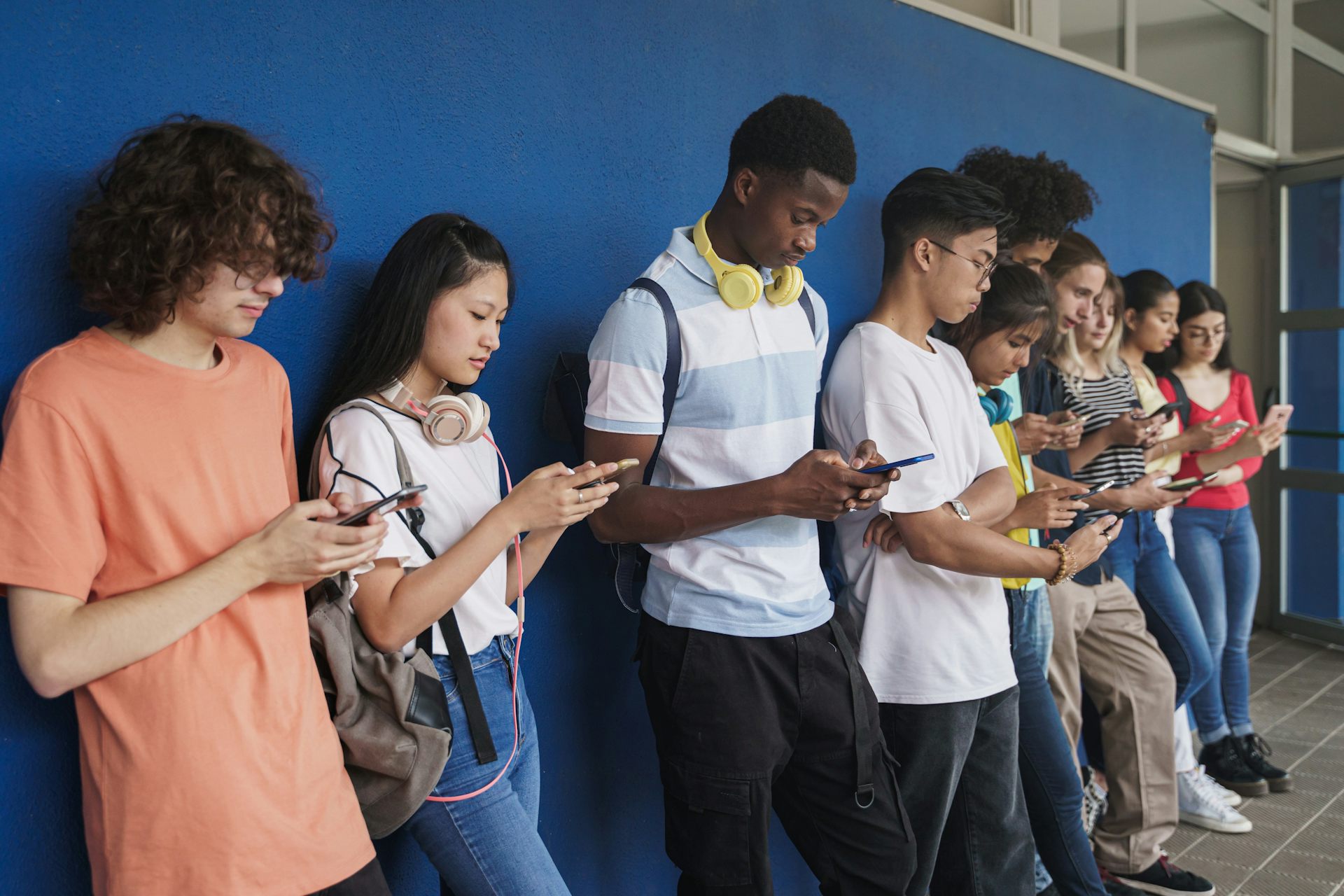
تناولت دراستنا سلوك المراهقين على وسائل التواصل الاجتماعي في 43 دولة – حيث يواجه الأفراد من الخلفيات المحرومة أضراراً أكبر.
Our study looked at teens’ social media behaviour in 43 countries – those from disadvantaged backgrounds face greater harms
Adolescents’ digital risks are shaped by inequality.
تتأثر المخاطر الرقمية للمراهقين باللامساواة.
As social media becomes a central part of young people’s lives, concerns are growing about its impact on their mental health. Yet public debates and measures tend to treat adolescents as one homogeneous group. We frequently ignore the fact that social media use does not affect all young people in the same way – nor does it have the same impacts on their wellbeing.
مع تزايد اعتبار وسائل التواصل الاجتماعي جزءاً محورياً من حياة الشباب، تتصاعد المخاوف بشأن تأثيرها على صحتهم العقلية. ومع ذلك، فإن النقاشات والتدابير العامة تميل إلى التعامل مع المراهقين كمجموعة متجانسة واحدة. وغالباً ما نتجاهل حقيقة أن استخدام وسائل التواصل الاجتماعي لا يؤثر على جميع الشباب بالطريقة نفسها – ولا يمتلك نفس التأثير على رفاهيتهم.
In a recent chapter of the World Happiness Report 2026, published by the UN Sustainable Development Solutions Network in partnership with the University of Oxford, we have examined how problematic social media use relates to the wellbeing of adolescents from different socioeconomic backgrounds.
في فصل حديث من تقرير السعادة العالمي لعام 2026، الذي نشرته شبكة حلول التنمية المستدامة التابعة للأمم المتحدة بالشراكة مع جامعة أكسفورد، قمنا بفحص كيفية ارتباط الاستخدام الإشكالي لوسائل التواصل الاجتماعي برفاهية المراهقين من خلفيات اجتماعية واقتصادية مختلفة.
We looked at 43 countries spanning six broad regions – Anglo-Celtic, Caucasus-Black Sea, Central-Eastern Europe, Mediterranean, Nordic, and Western Europe – covering mainly European countries and their immediate neighbouring areas.
لقد درسنا 43 دولة تمتد عبر ست مناطق واسعة – الأنجلو-سلتيك، القوقاز-البحر الأسود، أوروبا الوسطى والشرقية، منطقة البحر الأبيض المتوسط، دول الشمال، وأوروبا الغربية – لتغطي بشكل رئيسي الدول الأوروبية ومناطقها المجاورة المباشرة.
Using data from over 330,000 young people, we found a clear and consistent pattern: higher levels of problematic social media use – that is, compulsive or uncontrolled engagement with social media – are associated with poorer wellbeing.
باستخدام بيانات من أكثر من 330,000 شاب، وجدنا نمطاً واضحاً ومتسقاً: أن المستويات الأعلى من الاستخدام الإشكالي لوسائل التواصل الاجتماعي – أي الانخراط القهري أو غير المنضبط في وسائل التواصل الاجتماعي – ترتبط بتدهور الرفاهية.
Teenagers who report more problematic use tend to experience more psychological complaints, such as feeling low, nervous, irritable, or having difficulty sleeping. They also have lower life satisfaction, a measure of how positively they evaluate their lives as a whole.
يميل المراهقون الذين يبلغون عن استخدام أكثر إشكالية إلى المعاناة من شكاوى نفسية أكثر، مثل الشعور بالإحباط أو العصبية أو التهيج، أو صعوبة النوم. كما أن لديهم مستويات أقل من الرضا عن الحياة، وهو مقياس لمدى تقييمهم لحياتهم ككل بشكل إيجابي.
This pattern appears across all countries in our study, but its strength varies from one country to another. It is particularly pronounced in Anglo-Celtic countries such as the UK and Ireland, while it is comparatively weaker in the Caucasus-Black Sea region.
يظهر هذا النمط في جميع البلدان التي شملها بحثنا، لكن قوة هذا الارتباط تختلف من بلد إلى آخر. وهو ملحوظ بشكل خاص في البلدان الأنجلو-سلتيكية مثل المملكة المتحدة وأيرلندا، بينما هو أضعف نسبياً في منطقة القوقاز-البحر الأسود.
Socioeconomic background matters
الخلفية الاجتماعية والاقتصادية مهمة
The story does not end with geography. Globally, teenagers from less advantaged backgrounds tend to be more vulnerable to the negative consequences of problematic social media use than their more advantaged peers.
لا تنتهي القصة بالجغرافيا. فإجمالاً، يميل المراهقون من الخلفيات الأقل حظاً إلى أن يكونوا أكثر عرضة للعواقب السلبية للاستخدام الإشكالي لوسائل التواصل الاجتماعي مقارنة بأقرانهم الأكثر حظاً.
This means socioeconomic status – the material and social resources available to a household, such as income and living conditions – actively shapes the risks and opportunities that young people experience as a result of online environments.
وهذا يعني أن الوضع الاجتماعي والاقتصادي – أي الموارد المادية والاجتماعية المتاحة للأسرة، مثل الدخل وظروف المعيشة – يشكّل بنشاط المخاطر والفرص التي يمر بها الشباب نتيجة للبيئات عبر الإنترنت.
Interestingly, these inequalities are especially visible when we look at life satisfaction. Differences between socioeconomic groups are smaller when it comes to psychological complaints, but much clearer and more consistent for how adolescents evaluate their lives overall.
ومن المثير للاهتمام أن هذه التفاوتات تكون واضحة بشكل خاص عندما ننظر إلى الرضا عن الحياة. فالاختلافات بين المجموعات الاجتماعية والاقتصادية تكون أقل وضوحاً عندما يتعلق الأمر بالشكاوى النفسية، ولكنها أكثر وضوحاً واتساقاً بكثير فيما يتعلق بكيفية تقييم المراهقين لحياتهم بشكل عام.
One likely reason is that life satisfaction is more sensitive to social comparisons. Social media exposes young people to constant benchmarks – what others have, do, and achieve – which can amplify differences in perceived opportunities and resources.
أحد الأسباب المحتملة هو أن الرضا عن الحياة أكثر حساسية للمقارنات الاجتماعية. حيث يعرّض الإعلام الاجتماعي الشباب لمعايير مستمرة – ما يملكه الآخرون، وما يفعلونه، وما يحققونه – الأمر الذي يمكن أن يضخّم الفروقات في الفرص والموارد المتصورة.
At the same time, these patterns are not identical everywhere. For instance, socioeconomic differences in psychological complaints tend to be modest in most regions including continental European countries such as France, Austria or Belgium, but are more clearly observed in Anglo-Celtic countries such as Scotland and Wales.
وفي الوقت نفسه، هذه الأنماط ليست متطابقة في كل مكان. على سبيل المثال، تميل الفروقات الاجتماعية والاقتصادية في الشكاوى النفسية إلى أن تكون متواضعة في معظم المناطق بما في ذلك دول أوروبا القارية مثل فرنسا أو النمسا أو بلجيكا، ولكنها تُلاحظ بوضوح أكبر في الدول الأنجلو-سلتيكية مثل اسكتلندا وويلز.
In contrast, socioeconomic gaps in life satisfaction appear across most regions, although they tend to be weaker in Mediterranean countries such as Italy, Cyprus and Greece.
وعلى النقيض من ذلك، تظهر الفجوات الاجتماعية والاقتصادية في الرضا عن الحياة في معظم المناطق، على الرغم من أنها تميل إلى أن تكون أضعف في دول البحر الأبيض المتوسط مثل إيطاليا وقبرص واليونان.
A growing problem
مشكلة متنامية
We also examined how these patterns have evolved over time. Between 2018 and 2022, the link between problematic social media use and poor adolescent wellbeing became stronger.
لقد فحصنا أيضًا كيف تطورت هذه الأنماط بمرور الوقت. فبين عامي 2018 و 2022، أصبح الرابط بين الاستخدام الإشكالي لوسائل التواصل الاجتماعي وضعف الرفاهية لدى المراهقين أقوى.
This suggests that the risks linked to problematic use may have intensified in recent years, possibly reflecting the growing role of digital technologies in young people’s daily lives, particularly during and after the Covid-19 pandemic.
يشير هذا إلى أن المخاطر المرتبطة بالاستخدام الإشكالي ربما قد اشتدت في السنوات الأخيرة، مما يعكس على الأرجح الدور المتزايد للتقنيات الرقمية في الحياة اليومية للشباب، خاصة أثناء وبعد جائحة كوفيد-19.
Importantly, this intensification has affected teenagers across socioeconomic groups in broadly similar ways in most regions. In other words, while inequalities remain they have not widened over this period.
ومن المهم أن هذا التكثيف قد أثر على المراهقين عبر المجموعات الاجتماعية والاقتصادية بطرق متشابهة إلى حد كبير في معظم المناطق. وبعبارة أخرى، فبينما تظل التفاوتات قائمة، لم تتسع خلال هذه الفترة.
Leer más: Social media addiction disrupts the sleep, moods and social activities of teens and young adults
اقرأ المزيد: إدمان وسائل التواصل الاجتماعي يعطل نوم ومزاج وأنشطة المراهقين والشباب البالغين
No one-size-fits-all solution
لا يوجد حل واحد يناسب الجميع
While public debates about social media and mental health often treat adolescents as a single demographic group, our results show a more complex reality. Problematic social media use is linked to poorer wellbeing across countries, but its effects are shaped by social realities. They vary depending on where young people live and what resources are available to them.
بينما غالبًا ما تتعامل النقاشات العامة حول وسائل التواصل الاجتماعي والصحة العقلية مع المراهقين كمجموعة ديموغرافية واحدة، تُظهر نتائجنا واقعًا أكثر تعقيدًا. يرتبط الاستخدام الإشكالي لوسائل التواصل الاجتماعي بتدهور الرفاهية في مختلف البلدان، لكن تأثيراته تتشكل بفعل الحقائق الاجتماعية. وتختلف هذه التأثيرات اعتمادًا على مكان عيش الشباب والموارد المتاحة لهم.
Not all teenagers experience the digital world in the same way, and not all are equally equipped to cope with its pressures. Recognising this is essential for designing policies that are not only effective, but also equitable, ensuring that interventions reach those adolescents who are most vulnerable to digital risks.
لا يمر جميع المراهقين بتجربة العالم الرقمي بالطريقة نفسها، وليس الجميع مجهزين بالتساوي للتعامل مع ضغوطه. إن إدراك ذلك أمر ضروري لتصميم سياسات ليست فعالة فحسب، بل عادلة أيضًا، مما يضمن وصول التدخلات إلى المراهقين الأكثر عرضة للمخاطر الرقمية.

A weekly e-mail in English featuring expertise from scholars and researchers. It provides an introduction to the diversity of research coming out of the continent and considers some of the key issues facing European countries. Get the newsletter!
بريد إلكتروني أسبوعي باللغة الإنجليزية يضم خبرات الباحثين والأكاديميين. يقدم مقدمة لتنوع الأبحاث الصادرة عن القارة ويناقش بعض القضايا الرئيسية التي تواجه الدول الأوروبية. احصل على النشرة الإخبارية!
Roger Fernandez-Urbano receives funding from the Spanish Government’s Ministry of Science, Innovation and Universities and the State Research Agency through Ramón y Cajal (RYC) grant. Roger is a member of the International Society for Quality-of-Life Studies (ISQOLS) .
يتلقى روجر فرنانديز-أوربانو تمويلاً من وزارة العلوم والابتكار والجامعات التابعة للحكومة الإسبانية ووكالة البحوث الحكومية من خلال منحة رامون ي كاخال (RYC) . وهو عضو في الجمعية الدولية لدراسات نوعية الحياة (ISQOLS) .
Maria Rubio-Cabañez’s involvement in this research was supported by the DIGINEQ (Digital Time Use, Adolescent Well-Being and Social Inequalities) project (Grant agreement ID: 101089233) , funded by the European Research Council Consolidator Grant.
تم دعم مشاركة ماريا روبيو-كابانييز في هذا البحث من قبل مشروع DIGINEQ (استخدام الوقت الرقمي، والرفاهية لدى المراهقين، والتفاوتات الاجتماعية) (رقم اتفاقية المنحة: 101089233) ، بتمويل من منحة التوحيد التابعة للمجلس الأوروبي للبحوث.
Pablo Gracia’s involvement in this research was supported by the DIGINEQ (Digital Time Use, Adolescent Well-Being and Social Inequalities) project (Grant agreement ID: 101089233) , funded by the European Research Council Consolidator Grant.
تم دعم مشاركة بابلو غراسيا في هذا البحث من قبل مشروع DIGINEQ (استخدام الوقت الرقمي، والرفاهية لدى المراهقين، والتفاوتات الاجتماعية) (رقم اتفاقية المنحة: 101089233) ، بتمويل من منحة التوحيد التابعة للمجلس الأوروبي للبحوث.
Read more
-

قمة شي-ترامب: إعادة ضبط للعلاقات الأمريكية الصينية، لكن التوتر حول تايوان لا يزال قائماً
Xi-Trump summit: reset for US-Chinese relations but tension over Taiwan remains
-

تصل حيازات الذهب للبنك المركزي إلى أعلى مستوى لها منذ 50 عاماً. ما الذي يقف وراء القفزة في الاحتياطيات؟
Central bank gold holdings are at a 50-year high. What’s behind the jump in reserves?