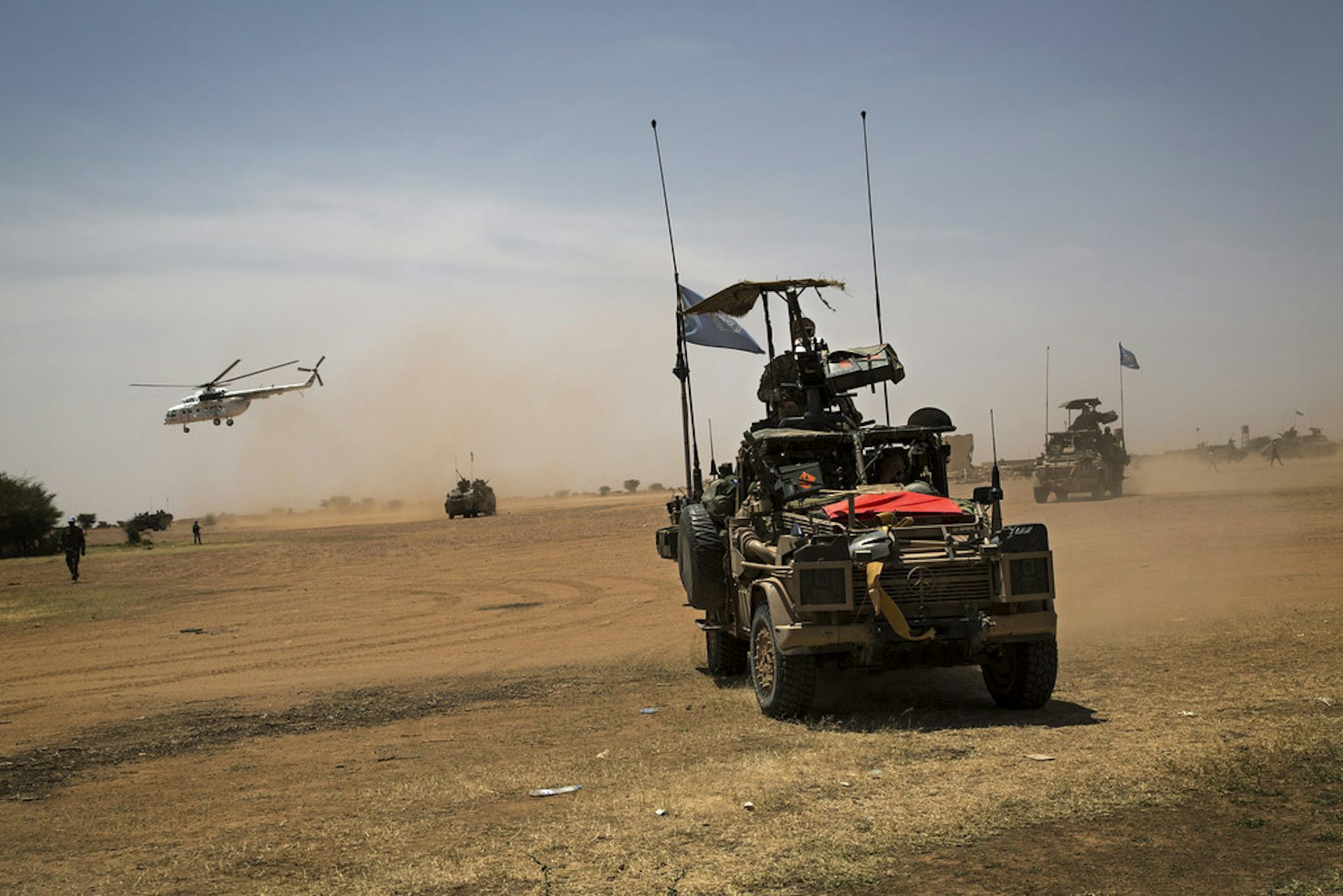
تملأ الجماعات المسلحة في مالي فراغاً حكومياً – ومعالجة هذا الأمر هو مفتاح لإنهاء العنف
Mali’s armed groups fill a government vacuum – addressing this is key to ending the violence
The strength of armed groups doesn’t come only from weapons but also from how deeply they are embedded in local realities.
لا تقتصر قوة الجماعات المسلحة على الأسلحة فحسب، بل تأتي أيضاً من مدى تغلغلها في الواقع المحلي.
Mali has been in a state of political turmoil since 2012. That year saw a military coup as well as armed groups taking over northern regions of the west African country. In the intervening years, efforts at establishing transitional governments have failed, culminating in the military junta dissolving and banning all political parties in May 2025.
لقد مر مالي بحالة من الاضطراب السياسي منذ عام 2012. وشهد ذلك العام انقلاباً عسكرياً بالإضافة إلى سيطرة جماعات مسلحة على المناطق الشمالية في هذا البلد الواقع في غرب إفريقيا. وفي السنوات التي تلت ذلك، فشلت الجهود المبذولة لإنشاء حكومات انتقالية، مما أدى إلى حل المجلس العسكري وحظر جميع الأحزاب السياسية في مايو 2025.
In addition, the country has seen waves of military interventions by outside players like France, the US and most recently Russia. All have invested heavily in trying to contain the extremist threat in Mali.
بالإضافة إلى ذلك، شهدت البلاد موجات من التدخلات العسكرية من قبل جهات خارجية مثل فرنسا والولايات المتحدة وموسيا ومؤخراً. وقد استثمر الجميع بكثافة في محاولة احتواء التهديد المتطرف في مالي.
But groups linked to al-Qaeda and the Islamic State have continued to expand their influence. And in late April 2026 the military government found itself having to fend off coordinated attacks from separatists and jihadists across the country. The defence minister, General Sadio Camara, was killed.
لكن الجماعات المرتبطة بالقاعدة والإخوان المسلمين واصلت توسيع نفوذها. وفي أواخر أبريل 2026، وجدت الحكومة العسكرية نفسها مضطرة لصد هجمات منسقة من الانفصاليين والجماعات الجهادية في جميع أنحاء البلاد. وقد قُتل وزير الدفاع، الجنرال ساديو كامارا.
Foreign interventions over the past decade have often misunderstood what was happening on the ground. Extremist groups have capitalised on issues such as land disputes, corruption, and resource competition to gain legitimacy, often aligning with the community’s tensions. The weakness of state institutions and security forces has allowed groups such as Jamaat Nusrat al-Islam wal-Muslimin (JNIM) and the Islamic State in the Greater Sahara (ISGS) to consolidate power.
غالباً ما أساءت التدخلات الأجنبية على مدى العقد الماضي فهم ما يحدث على الأرض. وقد استغلت الجماعات المتطرفة قضايا مثل النزاعات على الأراضي، والفساد، والمنافسة على الموارد لاكتساب الشرعية، وغالباً ما تتماشى مع التوترات المجتمعية. وقد سمح ضعف مؤسسات الدولة وقوات الأمن لجماعات مثل جماعة نصرة الإسلام والمسلمين (JNIM) وولاية الإسلام في الصحراء الكبرى (ISGS) بتوطيد سلطتها.
These groups have adapted by forming alliances and tailoring their narratives to local grievances, prioritising immediate issues over ideological objectives.
لقد تكيفت هذه الجماعات من خلال تشكيل التحالفات وتكييف رواياتها لتناسب المظالم المحلية، مع إعطاء الأولوية للقضايا المباشرة على الأهداف الأيديولوجية.
We are political scientists who have researched the security situation in Mali and the Sahel. Our recently published paper showed that non-state armed groups in the Sahel, particularly in Mali, have emerged as key power brokers, shaping local governance by filling gaps left by weak state institutions.
نحن علماء سياسة أجرينا أبحاثاً حول الوضع الأمني في مالي والساحل. وأظهرت ورقتنا المنشورة مؤخراً أن الجماعات المسلحة غير الحكومية في منطقة الساحل، وخاصة في مالي، برزت كقوى فاعلة رئيسية، تشكل الحوكمة المحلية عن طريق سد الثغرات التي تركتها مؤسسات الدولة الضعيفة.
While external actors such as France, the US and Russia have prioritised counter-terrorism and state-building, they often overlook the governance functions of non-state armed groups. These groups often provide essential services and gain local legitimacy.
بينما أعطت الأطراف الخارجية مثل فرنسا والولايات المتحدة وروسيا الأولوية لمكافحة الإرهاب وبناء الدولة، فإنها غالباً ما تتغاضى عن وظائف الحكم التي تقدمها الجماعات المسلحة غير الحكومية. وغالباً ما تقدم هذه الجماعات خدمات أساسية وتكتسب شرعية محلية.
Recognising the role of armed groups as local power holders does not mean accepting or legitimising their actions. However, ignoring this reality has led to policies that miss the mark. When interventions focus only on military solutions, they risk misunderstanding why people interact with these groups in the first place.
إن الاعتراف بدور الجماعات المسلحة كحاملة للسلطة المحلية لا يعني قبول أو إضفاء الشرعية على تصرفاتها. ومع ذلك، فإن تجاهل هذه الحقيقة أدى إلى سياسات تخطئ الهدف. فعندما تركز التدخلات فقط على الحلول العسكرية، فإنها تخاطر بسوء فهم سبب تفاعل الناس مع هذه الجماعات في المقام الأول.
Our findings challenge conventional interventions that focus solely on defeating non-state armed groups or reinstating centralised state control. We argue that security solutions alone are insufficient. We advocate for a more nuanced approach that integrates the potential for non-state armed groups when it comes to governance, legitimacy and local agency. Non-state armed groups have provided governance over territories in countries like Colombia, Syria and South Sudan, among others.
تتحدى نتائجنا التدخلات التقليدية التي تركز فقط على هزيمة الجماعات المسلحة غير الحكومية أو إعادة تأسيس السيطرة المركزية للدولة. ونحن نجادل بأن الحلول الأمنية وحدها غير كافية. وندعو إلى نهج أكثر دقة يدمج إمكانات الجماعات المسلحة غير الحكومية عندما يتعلق الأمر بالحوكمة والشرعية والوكالة المحلية. وقد قدمت الجماعات المسلحة غير الحكومية الحوكمة في مناطق في بلدان مثل كولومبيا وسوريا وجنوب السودان، من بين بلدان أخرى.
Armed groups as de facto authorities
المجموعات المسلحة كسلطات واقعية
Armed groups in Mali are not just fighting forces. In many parts of the country, they play a more complex role. It is difficult to estimate the exact number of groups operating within Mali. The largest and best known, Jama’at Nusrat al-Islam wa al-Muslimeen, is a coalition of five organisations and claims to have over 10,000 fighters in the country.
المجموعات المسلحة في مالي ليست مجرد قوات قتالية. ففي أجزاء عديدة من البلاد، تلعب دوراً أكثر تعقيداً. ومن الصعب تقدير العدد الدقيق للمجموعات العاملة داخل مالي. وتُعدّ “جماعة نصرة الإسلام والمسلمين”، وهي الأكبر والأكثر شهرة، ائتلافاً من خمس منظمات وتدّعي امتلاكها أكثر من 10,000 مقاتل في البلاد.
In central and northern Mali, bordering Algeria, the state is often distant, absent or mistrusted. Armed groups step into this vacuum. They settle disputes, enforce rules, collect taxes, and sometimes provide a basic sense of order.
في وسط وشمال مالي، على الحدود مع الجزائر، غالباً ما تكون الدولة بعيدة أو غائبة أو موضع عدم ثقة. وهنا تتدخل المجموعات المسلحة لملء هذا الفراغ. فهي تسوي النزاعات، وتفرض القواعد، وتحصّل الضرائب، وفي بعض الأحيان توفر شعوراً أساسياً بالنظام.
For communities living with daily insecurity, these functions are not abstract; they shape everyday life.
بالنسبة للمجتمعات التي تعيش في حالة من انعدام الأمن اليومي، فإن هذه الوظائف ليست مجرد مفاهيم مجردة؛ بل تشكّل الحياة اليومية.
Our study established that this does not necessarily mean the population agrees with these groups or supports their ideology. Many do not. However, when there are few alternatives, people adapt. They follow the rules because they need to survive, not because they believe in them.
لقد أثبتت دراستنا أن هذا لا يعني بالضرورة أن السكان يوافقون على هذه المجموعات أو يدعمون أيديولوجيتها. فالكثير منهم لا يفعلون ذلك. ومع ذلك، عندما تكون البدائل قليلة، يتكيف الناس. فهم يتبعون القواعد لأنهم بحاجة إلى البقاء، وليس لأنهم يؤمنون بها.
This distinction is important. This helps explain why these groups are so difficult to dislodge. Their strength does not come only from weapons but also from how deeply they are embedded in local realities.
هذا التمييز مهم. فهو يساعد في تفسير سبب صعوبة إزاحة هذه المجموعات. فقوتها لا تأتي فقط من الأسلحة، بل أيضاً من مدى عمق ترسيخها في الواقع المحلي.
Why military strategies fall short
لماذا تفشل الاستراتيجيات العسكرية
International efforts have largely focused on fighting these groups and rebuilding the authority of the Malian state. Although well intentioned, these kinds of interventions often overlook something essential: what happens to the spaces these groups leave behind?
ركزت الجهود الدولية إلى حد كبير على محاربة هذه الجماعات وإعادة بناء سلطة الدولة المالية. وعلى الرغم من حسن النوايا، فإن هذا النوع من التدخلات غالباً ما يتجاهل شيئاً جوهرياً: ماذا يحدث للمساحات التي تتركها هذه الجماعات وراءها؟
An example is France’s 2013 intervention. The French army helped the Malian army to regain control of the northern part of the country from advancing Islamists during Operation Serval. The aim was to stop extremist forces from advancing to Bamako. This did not end the conflict. Many fighters moved to rural areas where the state had little presence and built ties with local communities.
ويُعد تدخل فرنسا عام 2013 مثالاً على ذلك. فقد ساعد الجيش الفرنسي الجيش المالي على استعادة السيطرة على الجزء الشمالي من البلاد من الإسلاميين المتقدمين خلال عملية سيرفال. وكان الهدف هو منع القوات المتطرفة من التقدم إلى باماكو. لكن هذا لم ينهِ الصراع. فقد انتقل العديد من المقاتلين إلى المناطق الريفية حيث كان لوجود الدولة حضور ضئيل، وأقاموا روابط مع المجتمعات المحلية.
In central Mali, where cattle farming is a key source of income, this dynamic contributed to the spread of violence between Fulani and Dogon communities, reinforcing grievances exploited by extremist groups.
وفي وسط مالي، حيث يعد تربية الماشية مصدراً رئيسياً للدخل، ساهمت هذه الديناميكية في انتشار العنف بين مجتمعات الفولاني والدوغون، مما عزز المظالم التي استغلتها الجماعات المتطرفة.
Simultaneously, attempts to strengthen state institutions have struggled. In some places, security forces are seen as ineffective and even abusive.
وفي الوقت نفسه، واجهت محاولات تعزيز المؤسسات الحكومية صعوبات. ففي بعض الأماكن، يُنظر إلى قوات الأمن على أنها غير فعالة بل ومُسيئة.
Faced with this reality, people often turn to whoever can offer some level of predictability and protection, even if that actor is an armed group.
ومواجهةً لهذا الواقع، غالباً ما يتجه الناس إلى من يمكنه توفير مستوى من القدرة على التنبؤ والحماية، حتى لو كانت تلك الجهة فاعلاً مسلحاً.
External involvement has also become increasingly fragmented. France’s withdrawal, rising anti-western sentiment, and the arrival of Russian-linked forces have created a crowded and sometimes conflicting intervention landscape.
كما أصبح التدخل الخارجي مجزأً بشكل متزايد. فقد أدى انسحاب فرنسا، وتصاعد الشعور المناهض للغرب، ووصول القوات المرتبطة بروسيا إلى خلق مشهد تدخل مزدحم ومتضارب في بعض الأحيان.
Different actors bring different agendas, and their presence does not always translate into greater security. In some cases, it can even worsen things by reinforcing tensions or weakening trust in already fragile institutions.
يحمل مختلف الفاعلين أجندات مختلفة، ووجودهم لا يترجم دائماً إلى أمن أكبر. ففي بعض الحالات، يمكن أن يؤدي ذلك إلى تفاقم الأمور من خلال تعزيز التوترات أو إضعاف الثقة في المؤسسات الهشة أصلاً.
Caught in the middle, civilians make difficult choices daily. Their decisions are rarely ideological but rather about survival.
ويجد المدنيون أنفسهم عالقين في المنتصف، ويتخذون خيارات صعبة يومياً. وقراراتهم نادراً ما تكون أيديولوجية، بل تتعلق بالبقاء على قيد الحياة.
Rethinking the response
إعادة التفكير في الاستجابة
We conclude from our findings that a more grounded approach would begin by listening to local realities. It would address the gaps that allow armed groups to take root. This means improving access to justice and security, supporting local institutions, and taking grievances seriously. It also means recognising that legitimacy is built from the ground up, not imposed from above.
نستنتج من نتائجنا أن النهج الأكثر واقعية سيبدأ بالاستماع إلى الحقائق المحلية. وسيعالج الثغرات التي تسمح للجماعات المسلحة بالتجذر. وهذا يعني تحسين الوصول إلى العدالة والأمن، ودعم المؤسسات المحلية، وأخذ المظالم على محمل الجد. ويعني أيضاً الاعتراف بأن الشرعية تُبنى من القاعدة إلى القمة، ولا تُفرض من الأعلى.
Mali’s experience shows that there are clear limits to what military force can achieve on its own. As long as interventions overlook the everyday realities of governance and survival, they are unlikely to bring about lasting change. Until that shift happens, armed groups will remain hard to dislodge, not only because they can fight but also because, in many places, they have become part of how life is organised.
تُظهر تجربة مالي أن هناك حدوداً واضحة لما يمكن أن تحققه القوة العسكرية بمفردها. وطالما تجاهلت التدخلات الحقائق اليومية للحوكمة والبقاء، فمن غير المرجح أن تحقق تغييراً دائماً. وحتى يحدث هذا التحول، ستبقى الجماعات المسلحة صعبة الإزالة، ليس فقط لأنها تستطيع القتال، ولكن أيضاً لأنها، في العديد من الأماكن، أصبحت جزءاً من كيفية تنظيم الحياة.
Norman Sempijja is affiliated with Mohammed VI polytechnic University and based at the Faculty of Governance Economics and Social Sciences.
ينتمي نورمان سيمبيجا إلى جامعة محمد السادس متعددة التخصصات ومقره كلية اقتصاديات الحوكمة والعلوم الاجتماعية.
Mouhammed Ndiaye does not work for, consult, own shares in or receive funding from any company or organisation that would benefit from this article, and has disclosed no relevant affiliations beyond their academic appointment.
لا يعمل محمد ندياي أو يشارك أو يمتلك حصصاً أو يتلقى تمويلاً من أي شركة أو منظمة تستفيد من هذه المقالة، ولم يفصح عن أي انتماءات ذات صلة تتجاوز منصبه الأكاديمي.
Read more
-
الغرف الخلفية: كيف أصبحت سلسلة يوتيوب المخيفة لمراهق أكثر أنواع الرعب ترقباً لهذا العام.
The Backrooms: how a teenager’s creepy YouTube series became the year’s most anticipated horror
-
“إنه عار”: الولايات المتحدة تخلت عن الأكراد مجدداً – وفي هذه المرة، يضيف ترامب إليهم الإهانة
‘It’s a disgrace’: the US has abandoned the Kurds again – and this time, Trump is insulting them to boot