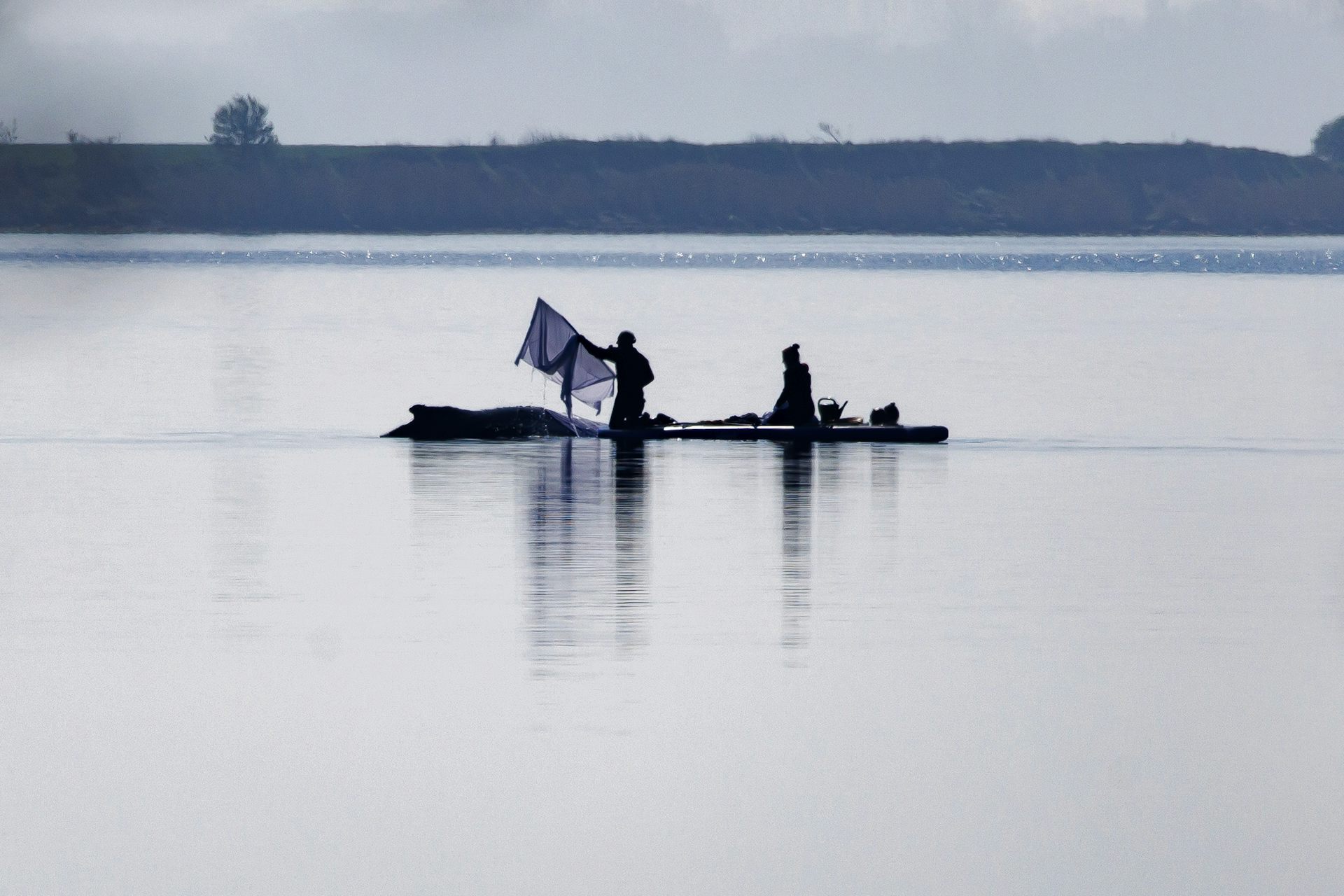
تثير تعرُّشات الحيتان استجابات عاطفية. لكن عمليات الإنقاذ المتكررة يمكن أن تسبب ضررًا أكبر.
Whale strandings draw emotional responses. But repeated rescues can cause more harm
Timmy, the humpback whale repeatedly restranding in shallow waters in the Baltic Sea, has reignited a heated debate about when to intervene, and when not to.
أعاد تيمي، الحوت الأحدب الذي يتعرّش مرارًا وتكرارًا في المياه الضحلة في بحر البلطيق، إحياء نقاش محتدم حول متى يجب التدخل، ومتى لا يجب.
A humpback whale repeatedly restranding in shallow waters in the Baltic Sea for more than three weeks has become the focus of a complex debate about reconciling compassion for animals with ethical, evidence-based decision making.
لقد أصبح حوت الأحدب الذي يعاني من التعرض المتكرر للشواطئ الضحلة في بحر البلطيق لأكثر من ثلاثة أسابيع محور نقاش معقد حول التوفيق بين التعاطف مع الحيوانات واتخاذ القرارات الأخلاقية القائمة على الأدلة.
Affectionately known as Timmy, the whale restranded several times and has been growing weaker, failing to recover despite multiple rescue attempts.
الحوت، المعروف بمودة باسم “تيمي”، تعرض للغرق على الشواطئ عدة مرات، وأصبح يضعف، وفشل في التعافي على الرغم من محاولات الإنقاذ المتعددة.
Its struggle attracted global attention and triggered debates between experts and the public regarding intervention versus allowing a natural end.
جذب صراعه اهتماماً عالمياً وأثار نقاشات بين الخبراء والجمهور حول التدخل مقابل السماح بنهاية طبيعية.
Marine biologists and veterinarians observing the whale made a clear and evidence-based assessment earlier this month: further intervention was unlikely to succeed and would risk prolonging the animal’s suffering.
أجرى علماء الأحياء البحرية والأطباء البيطريون الذين راقبوا الحوت تقييماً واضحاً ومبنياً على الأدلة في وقت سابق من هذا الشهر: فمن غير المحتمل أن ينجح أي تدخل إضافي، بل قد يخاطر بإطالة معاناة الحيوان.
Yet public pressure – driven by empathy amplified by social media and sharpened into outrage – led German state authorities to permit renewed rescue efforts this week, framed as a “last ditch” effort.
ومع ذلك، أدت الضغوط العامة – التي تغذيها التعاطف الذي ضخمته وسائل التواصل الاجتماعي وصُقل إلى غضب – إلى قيام سلطات ولاية ألمانية بالسماح بجهود إنقاذ متجددة هذا الأسبوع، ووُصفت بأنها محاولة “يائسة أخيرة.”
At first glance, it seems an act of compassion. But beneath the surface lies a more difficult truth. As our research shows, when scientific advice is sidelined in favour of public sentiment, outcomes for the very animals we aim to protect can worsen.
للوهلة الأولى، يبدو الأمر وكأنه عمل من أعمال التعاطف. لكن تحت السطح تكمن حقيقة أصعب. وكما تُظهر أبحاثنا، عندما يتم تهميش المشورة العلمية لصالح الشعور العام، يمكن أن تتدهور النتائج بالنسبة للحيوانات التي نسعى لحمايتها.
The emotional pull of “doing something”
الجاذبية العاطفية لـ “فعل شيء ما”
Large, charismatic animals like whales evoke powerful emotional responses. They are intelligent, expressive and visibly vulnerable when stranded.
تثير الحيوانات الكبيرة والكاريزمية مثل الحيتان استجابات عاطفية قوية. إنها ذكية ومعبرة وضعيفة بشكل واضح عندما تكون عالقة.
For many people, choosing not to intervene feels morally unacceptable, with inaction often perceived as neglect.
بالنسبة للكثيرين، يبدو اختيار عدم التدخل غير مقبول أخلاقياً، حيث غالباً ما يُنظر إلى التقاعس عن العمل على أنه إهمال.
Wildlife medicine, however, does not operate on instinct or optics. It relies on probabilities, welfare assessments and the recognition that intervention is not always beneficial.
ومع ذلك، لا يعتمد الطب البيطري البري على الغريزة أو المظاهر. بل يعتمد على الاحتمالات، وتقييمات الرفاهية، وإدراك أن التدخل ليس مفيداً دائماً.
In Timmy’s case, experts from the German Oceanographic Museum and the Institute for Terrestrial and Aquatic Wildlife Research, as well as international organisations, reached a consistent conclusion that the whale was unlikely to survive.
في حالة تيمي، توصل خبراء من المتحف الجغرافي الألماني ومعهد أبحاث الحياة البرية الأرضية والمائية، بالإضافة إلى منظمات دولية، إلى استنتاج متسق بأن الحوت من غير المرجح أن ينجو.
After repeated failed rescues, the environment minister for Germany’s state of Mecklenburg-Western Pomerania determined that continued intervention would likely worsen the whale’s condition. By then, Timmy was showing clear signs of trauma and exhaustion.
بعد عمليات إنقاذ فاشلة متكررة، قرر وزير البيئة في ولاية مقاطعة مكلبورغ-بومرانيوم الغربية الألمانية أن استمرار التدخل من شأنه أن يزيد من سوء حالة الحوت. بحلول ذلك الوقت، كان تيمي يُظهر علامات واضحة للصدمة والإرهاق.
The decision was not made in isolation. In early April, the International Whaling Commission’s stranding expert panel publicly supported the German authorities. It outlined that further rescue attempts would likely increase suffering without improving survival chances.
لم يتم اتخاذ القرار بمعزل عن أي شيء. ففي أوائل أبريل، دعم فريق الخبراء المتخصص في حالات جنوح الحيتان التابع للجنة الدولية للحيتان السلطات الألمانية علناً. وأوضح أن محاولات الإنقاذ الإضافية من المرجح أن تزيد المعاناة دون تحسين فرص البقاء على قيد الحياة.
Euthanasia, frequently suggested as an alternative, was deemed impractical, however. The whale’s partial buoyancy, combined with logistical, safety and personnel challenges meant this was not a viable option.
ومع ذلك، اعتُبر التخدير الرحيم (القتل الرحيم) المقترح بشكل متكرر كبديل، غير عملي. فارتفاع الحوت الجزئي، بالإضافة إلى التحديات اللوجستية وتحديات السلامة والموظفين، يعني أن هذا لم يكن خياراً قابلاً للتطبيق.
New Zealand’s experience
تجربة نيوزيلندا
In 2021, New Zealand experienced a similar situation with Toa, a stranded orca calf.
في عام 2021، مرت نيوزيلندا بموقف مماثل مع “توا”، وهو صغير حوت أوركا ضال.
The response was extraordinary, mobilising national and international expertise. Veterinarians, marine mammal scientists and stranding specialists contributed to an unprecedented rescue effort.
كان الرد استثنائياً، حيث حشد خبرات وطنية ودولية. ساهم الأطباء البيطريون وعلماء الثدييات البحرية وأخصائيو حالات العثور على الحيوانات في جهود إنقاذ غير مسبوقة.
The scientific consensus, however, was sobering. Given Toa’s young age (unweaned) , prolonged separation from his pod, and the challenges of reintegration, his chances of survival were extremely low.
ومع ذلك، كان الإجماع العلمي محبطاً. نظراً للصغر الشديد لـ “توا” (غير المنفصل عن أمه) ، والفترة الطويلة التي قضاها بعيداً عن مجموعته، والتحديات التي تواجه إعادة الاندماج، كانت فرص بقائه منخفضة للغاية.
Over time, his welfare declined during extended human care. Many experts ultimately supported euthanasia as the most humane option.
مع مرور الوقت، تدهور وضعه الصحي خلال فترة الرعاية البشرية الممتدة. ودعم العديد من الخبراء في نهاية المطاف القتل الرحيم باعتباره الخيار الأكثر إنسانية.
That path was not taken. Driven by public hope and attention, efforts continued. Toa died after weeks in care. In retrospect, the case raised a difficult but necessary question: when expert consensus and public sentiment diverge, which should guide decisions?
لم يتم اتخاذ هذا المسار. مدفوعاً بأمل الجمهور واهتمامه، استمرت الجهود. توفي “توا” بعد أسابيع من الرعاية. وبالنظر إلى الماضي، أثار هذا الحال سؤالاً صعباً ولكنه ضروري: عندما يتباين الإجماع الخبير مع المشاعر العامة، فأيهما يجب أن يوجه القرارات؟
When perception overrides expertise
عندما يطغى التصور على الخبرة
This tension is not anecdotal; it is well documented. Research shows that human perceptions and emotional investment can significantly shape responses to cetacean strandings, sometimes directly conflicting with recommendations based on the animal’s wefare.
هذا التوتر ليس مجرد حكايات؛ بل هو موثق جيداً. تُظهر الأبحاث أن التصورات البشرية والاستثمار العاطفي يمكن أن يشكّلا بشكل كبير الاستجابات لحالات جنوح الحيتانيات، وفي بعض الأحيان تتعارض هذه الاستجابات بشكل مباشر مع التوصيات القائمة على رفاهية الحيوان.
In high-profile cases, decision making can shift from expert-led processes to outcomes shaped by public pressure. The patterns observed in Germany – repeated strandings, declining condition and cumulative stress – are strong predictors of poor outcomes, regardless of continued intervention.
في الحالات البارزة، يمكن أن يتحول اتخاذ القرار من العمليات التي يقودها الخبراء إلى النتائج التي يشكلها الضغط العام. إن الأنماط الملاحظة في ألمانيا – الجنوح المتكرر، وتدهور الحالة، والإجهاد التراكمي – هي مؤشرات قوية على النتائج السيئة، بغض النظر عن استمرار التدخل.
The disconnect is clear. Experts assess welfare through measurable physiological, behavioural and environmental markers to infer the mental state of an animal. The public often evaluates it through effort, visibility and intent. The result is a compelling but flawed assumption: that doing more means doing better.
الانفصال واضح. يقيم الخبراء الرفاهية من خلال مؤشرات فسيولوجية وسلوكية وبيئية قابلة للقياس لاستنتاج الحالة العقلية للحيوان. غالباً ما يقيّمها الجمهور من خلال الجهد، والظهور، والنية. والنتيجة هي افتراض مقنع ولكنه معيب: وهو أن فعل المزيد يعني فعل الأفضل.
A common principle in veterinary ethics is that the ability to intervene does not justify doing so. Every rescue attempt carries risks: handling stress, injury, prolonged suffering and the diversion of limited resources.
مبدأ شائع في أخلاقيات الطب البيطري هو أن القدرة على التدخل لا تبرر القيام به. تحمل كل محاولة إنقاذ مخاطر: إجهاد التعامل، والإصابة، والمعاناة المطولة، وتحويل الموارد المحدودة.
While financial cost is often highlighted, the more critical issue is animal welfare. In repeated stranding cases, the ethical balance becomes increasingly stark.
بينما غالباً ما يتم تسليط الضوء على التكلفة المالية، فإن القضية الأكثر أهمية هي رفاهية الحيوان. في حالات الجنوح المتكرر، يصبح التوازن الأخلاقي أكثر وضوحاً بشكل متزايد.
When recovery is highly unlikely, continued intervention can shift from care to harm. In repeated stranding cases, the ethical calculus becomes sharper. Yet this is precisely the moment when public pressure tends to intensify.
عندما يكون التعافي مستبعداً للغاية، يمكن أن يتحول التدخل المستمر من الرعاية إلى الضرر. وفي حالات الجنوح المتكرر، يصبح الحساب الأخلاقي أكثر حدة. ومع ذلك، فهذه هي اللحظة تحديداً التي يميل فيها الضغط العام إلى التكثيف.
A more difficult kind of care
نوع أكثر صعوبة من الرعاية
Compassion is not the problem; it is fundamental to conservation. But compassion without evidence can mislead.
التعاطف ليس هو المشكلة؛ بل هو أساسي للحفاظ على البيئة. لكن التعاطف بدون دليل يمكن أن يضلل.
What’s at stake is trust in scientific expertise, veterinary judgement and the difficult reality that the most humane decision is not always the most emotionally satisfying one.
ما هو على المحك هو الثقة بالخبرة العلمية، والحكم البيطري، والواقع الصعب بأن القرار الأكثر إنسانية ليس دائمًا الأكثر إرضاءً عاطفياً.
If every high-profile stranding becomes a referendum driven by public pressure, we risk creating a system where decisions are shaped less by animal welfare and more by public visibility.
إذا أصبح كل حادث جنوح بارز استفتاءً مدفوعاً بالضغط العام، فإننا نخاطر بإنشاء نظام تتشكل فيه القرارات بناءً على الظهور العام أكثر من رفاهية الحيوان.
The instinct to rally around a stranded whale reflects the best of human empathy. But real care in wildlife conservation is not always about action. Sometimes, it requires restraint.
إن الغريزة للتكاتف حول حوت جنح تعكس أفضل ما في التعاطف البشري. لكن الرعاية الحقيقية في الحفاظ على الحياة البرية لا تتعلق دائمًا بالفعل. في بعض الأحيان، تتطلب ضبط النفس.
In Toa’s case, official documents later revealed most experts had recommended euthanasia to prevent prolonged suffering.
في حالة “توا”، كشفت وثائق رسمية لاحقاً أن معظم الخبراء كانوا قد أوصوا بالقتل الرحيم لمنع المعاناة المطولة.
Timmy’s situation raises a similar question. Not whether people care enough, but whether we are willing to accept that caring also means listening to science, to experience and to the difficult truths they bring.
يثير وضع “تيمي” سؤالاً مشابهاً. ليس ما إذا كان الناس يهتمون بما يكفي، بل ما إذا كنا مستعدين لقبول أن الاهتمام يعني أيضاً الاستماع إلى العلم، والتجربة، والحقائق الصعبة التي يحملونها.
Karen Stockin is the ethics chair for the Society for Marine Mammalogy and a member of the IWC strandings expert panel.
كارين ستوكن هي رئيسة لجنة الأخلاقيات في جمعية الثدييات البحرية وعضوة في فريق خبراء حوادث الجنوح التابع للجنة الدولية للحيتان.
Read more
-
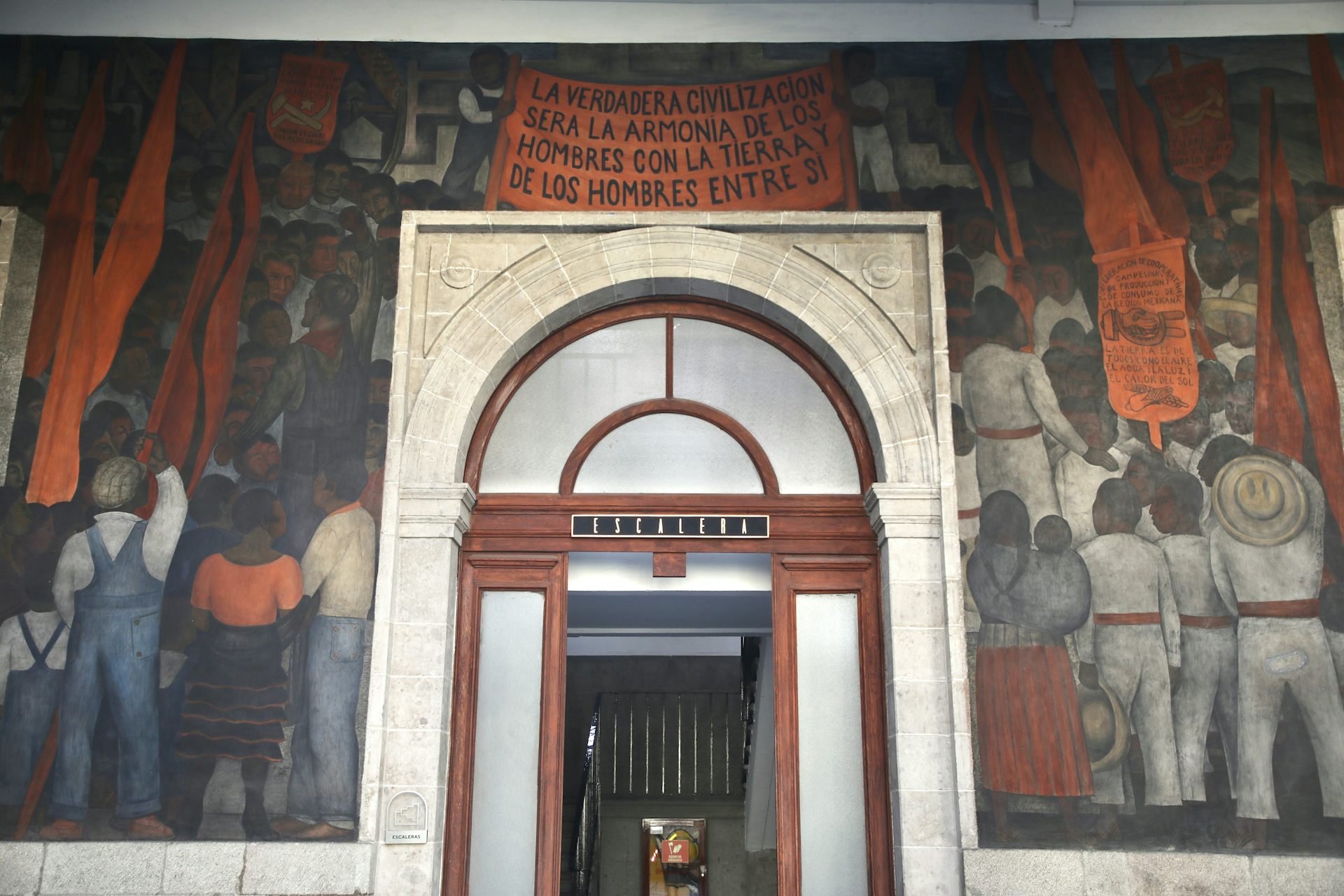
تستحضر التكتيكات القسرية لترامب في أمريكا اللاتينية عصر الدبلوماسية بالسفن الحربية – وصعود مكافحة الإمبريالية الذي ساعد في تحفيزه.
Trump’s coercive tactics in Latin America evoke era of gunboat diplomacy – and the rise of anti-imperialism it helped spur
-
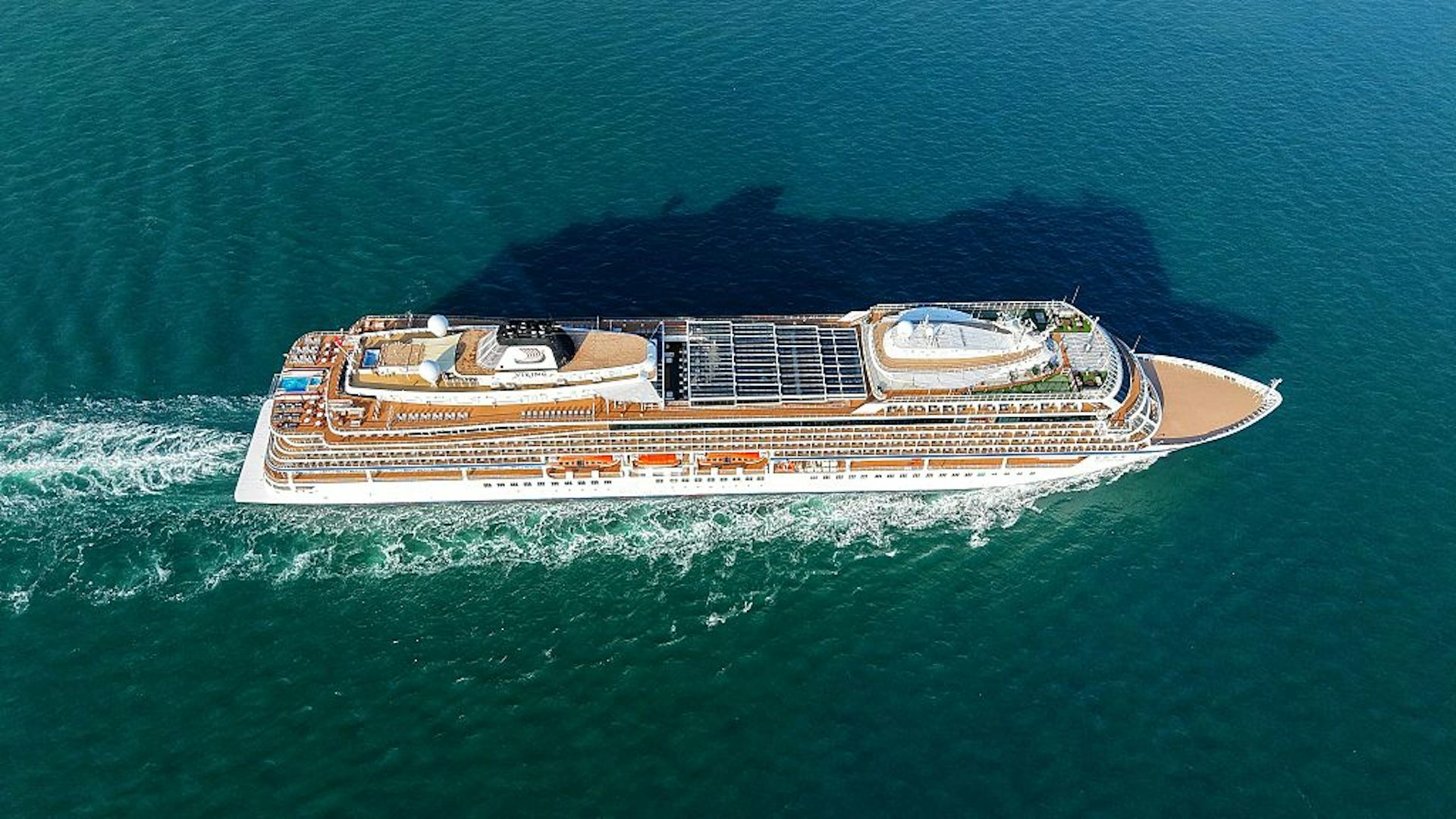
ما هو فيروس الهانتا، المرض الذي أودى بحياة 3 ركاب في سفينة سياحية؟
What is hantavirus, the disease that has killed 3 cruise ship passengers?