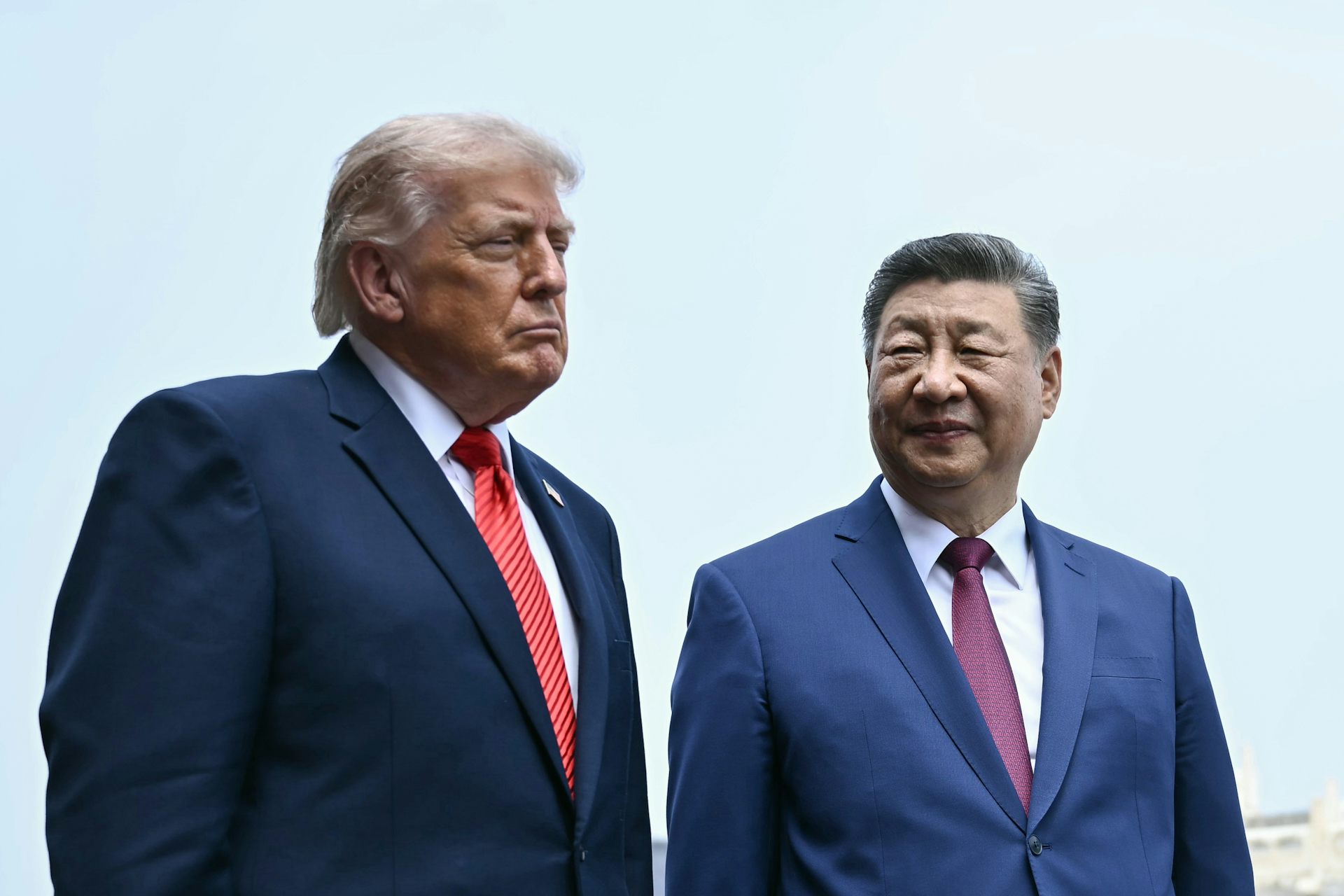
بعد قمة غامضة، تريد الصين والولايات المتحدة العمل معًا مرة أخرى. قد لا يكون هذا خبراً جيداً للعالم.
After an opaque summit, China and the US want to work together again. That might not be good news for the world
This week’s summit has revived a 20-year-old idea of the ‘Group of Two’ superpowers working together with global benefits. But we’re now living in a different world.
أدت قمة هذا الأسبوع إلى إحياء فكرة عمرها 20 عاماً عن عمل القوتين العظميين “مجموعة الاثنتين” معًا لتحقيق منافع عالمية. لكننا نعيش الآن في عالم مختلف.
Back in 2005, US economist Fred Bergsten coined the term “Group of 2” or “G2”, proposing a stronger partnership between what are now the world’s two largest economies – the United States and China.
في عام 2005، صاغ الاقتصادي الأمريكي فريد بيرغستين مصطلح “مجموعة الاثنان” أو “G2″، مقترحاً شراكة أقوى بين أكبر اقتصادين في العالم حالياً – الولايات المتحدة والصين.
In the aftermath of the global financial crisis a few years later, economic cooperation between these two countries briefly seemed to attest to the success of efforts at integrating China into a liberal rules-based order.
في أعقاب الأزمة المالية العالمية بعد بضع سنوات، بدا التعاون الاقتصادي بين البلدين أن يشهد على نجاح جهود دمج الصين في نظام ليبرالي قائم على القواعد.
To be sure, the ostensible G2 was not meant to replace the larger, formalised G20 group of major economies, so much as strengthen it. Underpinning the broader G20’s response to the global financial crisis, the US enacted an initial US$787 billion fiscal stimulus, while China provided its own US$586 billion stimulus. This helped avert a much larger global economic catastrophe.
تجدر الإشارة إلى أن مجموعة G2 الظاهرية لم تكن تهدف إلى استبدال مجموعة G20 الأكبر والأكثر رسمية من الاقتصادات الكبرى، بل إلى تعزيزها. وفي سياق استجابة مجموعة العشرين الأوسع للأزمة المالية العالمية، نفذت الولايات المتحدة تحفيزاً مالياً أولياً بقيمة 787 مليار دولار، بينما قدمت الصين تحفيزها الخاص بقيمة 586 مليار دولار. وقد ساعد ذلك على تجنب كارثة اقتصادية عالمية أكبر بكثير.
This week’s summit between US President Donald Trump and Chinese President Xi Jinping heralds a different sort of G2. On Friday, Trump claimed the countries had struck some “fantastic trade deals”. But anyone hoping for details of such deals – on tariffs, rare earths or Iran – was left disappointed on Friday afternoon.
تُبشّر قمة هذا الأسبوع بين الرئيس الأمريكي دونالد ترامب والرئيس الصيني شي جين بينغ بنوع مختلف من “مجموعة الاثنان.” ففي يوم الجمعة، ادعى ترامب أن البلدين أبرما “صفقات تجارية رائعة.” لكن أي شخص كان يأمل في تفاصيل مثل هذه الصفقات – فيما يتعلق بالتعريفات الجمركية أو العناصر الأرضية النادرة أو إيران – شعر بخيبة أمل بعد ظهر يوم الجمعة.
Whatever may have transpired, US–China cooperation no longer automatically implies positive spillover effects for the rest of the world. Instead, in 2026, the G2 appears, at best, to be a private bargain between two great powers, imposing hidden costs on those outside, looking in.
مهما كان ما حدث، فإن التعاون بين الولايات المتحدة والصين لم يعد يعني تلقائياً آثاراً إيجابية لبقية العالم. بل على العكس، تبدو مجموعة G2، في عام 2026، في أحسن الأحوال، وكأنها صفقة خاصة بين قوتين عظميين، تفرض تكاليف خفية على من هم خارج هذا الإطار ويراقبون من الخارج.
The Trump administration has ushered in a noticeable shift in how the US views its economic interests: no longer premised on shared liberal values, but on spheres of influence among great powers. The key question, therefore, is not whether the US and China can cooperate. It is what kind of order their cooperation will produce.
لقد أحدثت إدارة ترامب تحولاً ملحوظاً في كيفية نظر الولايات المتحدة إلى مصالحها الاقتصادية: لم يعد الأمر مبنياً على القيم الليبرالية المشتركة، بل على مجالات النفوذ بين القوى العظمى. وبالتالي، فإن السؤال الرئيسي ليس ما إذا كان بإمكان الولايات المتحدة والصين التعاون. بل ما هو نوع النظام الذي سينتج عن تعاونهما.
West and East
الغرب والشرق
An older economic contrast is useful here.
من المفيد هنا استعراض تباين اقتصادي أقدم.
In the wake of the second world war, the Western bloc (led across the US, the United Kingdom, and Western European states) was united by a shared commitment to a Keynesian global order (under the Bretton Woods system) that sought freer trade in goods while preserving national economic autonomy.
في أعقاب الحرب العالمية الثانية، اتحد التكتل الغربي (الذي قادته الولايات المتحدة والمملكة المتحدة والدول الأوروبية الغربية) بالتزام مشترك بنظام عالمي كينزي (تحت نظام بريتون وودز) سعى إلى تجارة أكثر حرية في السلع مع الحفاظ على الاستقلال الاقتصادي الوطني.
In contrast, the Eastern bloc (led by the Soviet Union) organised trade through what was called the Council for Mutual Economic Assistance (Comecon) , trading many goods between countries through planned barter arrangements, instead of for cash.
في المقابل، نظّم التكتل الشرقي (بقيادة الاتحاد السوفيتي) التجارة من خلال ما كان يسمى مجلس المساعدة الاقتصادية المتبادلة (Comecon) ، حيث قام بتداول العديد من السلع بين البلدان عبر ترتيبات مقايضة مخططة، بدلاً من التعامل النقدي.
The irony for the present day is that the Trump–Xi agenda looks more like the old Eastern bloc’s approach.
المفارقة في الوقت الحاضر هي أن أجندة ترامب-شي تبدو أقرب إلى نهج التكتل الشرقي القديم.
In this light, the clearest sign that a G2 may be working outside the G20 or larger rules-based order is not that Washington and Beijing are talking. It is the range of issues that may be managed, tying together such concerns as tariff relief, airplane orders, rare-earths access, chip restrictions, Taiwan and Iran.
في هذا السياق، فإن أوضح دليل على أن مجموعة العشرين (G2) قد تعمل خارج إطار مجموعة العشرين أو النظام الأكبر القائم على القواعد ليس مجرد حديث واشنطن وبكين. بل هو نطاق القضايا التي يمكن إدارتها، والتي تربط بين مخاوف مثل تخفيف الرسوم الجمركية، وطلبات الطائرات، والوصول إلى العناصر النادرة، وقيود الرقائق، وتايوان وإيران.
In each of these cases, it’s reasonable the two countries would want to coordinate their policies. But together, they point to a new global order where two superpowers increasingly call the shots in their own interests.
في كل من هذه الحالات، من المعقول أن ترغب الدولتان في تنسيق سياساتهما. ولكن معاً، تشير إلى نظام عالمي جديد تتزايد فيه سيطرة قوتين عظميين على اتخاذ القرارات بما يخدم مصالح كل منهما.
Chips and rare earths
رقائق وأتربة نادرة
Rare earths and advanced chips are the clearest example. Beijing wants access to the advanced semiconductors necessary to dominate the artificial intelligence race.
تُعد الأتربة النادرة والرقائق المتقدمة المثال الأوضح. تريد بكين الوصول إلى أشباه الموصلات المتقدمة اللازمة للهيمنة على سباق الذكاء الاصطناعي.
Washington wants rare earths and critical minerals whose importance has become more acute as the conflict with Iran has strained US stocks of missiles, drones, air-defence systems and other high-end military technologies.
تريد واشنطن الأتربة النادرة والمعادن الحيوية التي أصبحت أهميتها أكثر حدة مع توتر الصراع مع إيران الذي أجهد مخزونات الولايات المتحدة من الصواريخ والطائرات المسيّرة وأنظمة الدفاع الجوي وغيرها من التقنيات العسكرية عالية المستوى.
If these are traded against one another, the summit is not about economic liberalisation. It is about whether strategic technologies remain national-security constraints or become bargaining chips in a bilateral deal.
إذا تم تداول هذه الأشياء مقابل بعضها البعض، فإن القمة لا تتعلق بالتحرير الاقتصادي. بل تتعلق بما إذا كانت التقنيات الاستراتيجية ستبقى قيوداً على الأمن القومي أم ستصبح ورقة مساومة في صفقة ثنائية.
An entourage of executives
وفد من المديرين التنفيذيين
The business delegations that have accompanied Trump on this trip point in the same direction.
تتجه الوفود التجارية التي رافقت ترامب في هذه الرحلة في نفس الاتجاه.
The presence of executives such as Nvidia’s Jensen Huang, Apple’s Tim Cook, Tesla and SpaceX’s Elon Musk (not to mention others from Qualcomm, Citigroup and Boeing) gave the summit the appearance of a commercial negotiation.
إن وجود مسؤولين تنفيذيين مثل جينسن هوانغ من إنفيديا، وتيم كوك من آبل، وإيلون ماسك من تسلا وسبايس إكس (ناهيك عن آخرين من كوالكوم، وسيتي غروب، وبوينغ) منح القمة مظهر التفاوض التجاري.
Reported agreements on aircraft orders, agricultural purchases, investment forums and corporate access may all be presented as signs of economic normalisation.
قد تُقدَّم الاتفاقيات المُبلَّغ عنها بشأن طلبات الطائرات، والمشتريات الزراعية، ومنتديات الاستثمار، والوصول للشركات، جميعها كعلامات على تطبيع اقتصادي.
But the question is not only whether US firms gain market access. It is whether commercial wins help stabilise a great-power bargain whose geopolitical costs are borne elsewhere.
لكن السؤال ليس فقط ما إذا كانت الشركات الأمريكية تكتسب وصولاً إلى الأسواق. بل هو ما إذا كانت المكاسب التجارية تساعد في استقرار صفقة القوى العظمى التي تُحمَّل تكلفتها الجيوسياسية في أماكن أخرى.
Any deal the countries eventually reach on tariffs will likely have the biggest market impacts. But the deal itself could matter less than the optics, allowing Trump to claim a business victory.
أي صفقة تصل إليها الدول في نهاية المطاف بشأن التعريفات الجمركية من المرجح أن يكون لها أكبر تأثيرات السوق. لكن الصفقة نفسها قد تكون أقل أهمية من المظهر العام، مما يسمح لترامب بالادعاء بانتصار تجاري.
This might calm markets in the short term, but it highlights the potential for a retreat from rules-based multilateral liberalisation in the longer term.
قد يهدئ هذا الأسواق على المدى القصير، لكنه يسلط الضوء على احتمال التراجع عن التحرير متعدد الأطراف القائم على القواعد على المدى الطويل.
A warning on Taiwan, near silence on Iran
تحذير بشأن تايوان، وصمت شبه تام بشأن إيران
The question of Taiwan loomed large over this week’s summit. On Thursday, Xi gave an unusually direct warning to Trump, saying if the issue was not handled properly, the two countries could see “clashes and even conflicts”.
كان موضوع تايوان يلوح في الأفق خلال قمة هذا الأسبوع. ففي يوم الخميس، وجه شي تحذيراً مباشراً بشكل غير معتاد لترامب، قائلاً إنه إذا لم تتم معالجة القضية بشكل صحيح، فقد تشهد الدولتان “اشتباكات وحتى صراعات.”
In a larger sense, the danger is not necessarily a formal US concession on Taiwan. It is that Taiwan and other regional actors bear the external costs of a private bargain.
بمعنى أوسع، فإن الخطر ليس بالضرورة تنازلاً رسمياً أمريكياً بشأن تايوان. بل هو أن تقع تايوان والجهات الفاعلة الإقليمية الأخرى عبء التكاليف الخارجية لصفقة خاصة.
If Taiwan becomes one variable in a wider negotiation, the costs of US–China cooperation may fall on those not in the room.
إذا أصبحت تايوان متغيراً في مفاوضات أوسع، فقد تقع تكاليف التعاون بين الولايات المتحدة والصين على عاتق أولئك الذين ليسوا في الغرفة.
Iran and oil broaden the same logic. If Trump has pressed Xi to use China’s influence over Tehran, he is not simply asking for diplomatic help. He is treating Beijing as a co-hegemon in a great-power bargain based on order for some – the US and China – and exclusion for others.
تتبع إيران والنفط المنطق ذاته. فإذا ضغط ترامب على شي لاستخدام نفوذ الصين على طهران، فهو لا يطلب ببساطة مساعدة دبلوماسية. بل يعامل بكين كقوة مهيمنة مشاركة في صفقة القوى العظمى، تقوم على النظام لبعض الأطراف – الولايات المتحدة والصين – والاستبعاد للآخرين.
This kind of G2 can undermine the global public good. It will also test whether middle powers like Australia, Canada and European countries can keep their seat at the table where decisions are made or, as Canadian Prime Minister Mark Carney put it, risk being “on the menu”.
يمكن لهذا النوع من “G2” أن يقوض الصالح العام العالمي. كما أنه سيختبر ما إذا كانت القوى المتوسطة مثل أستراليا وكندا والدول الأوروبية يمكنها الحفاظ على مقعدها على طاولة اتخاذ القرارات، أو، كما وصفها رئيس الوزراء الكندي مارك كارني، أن تخاطر بأن تكون “على قائمة الطعام.”
Wesley Widmaier receives funding from the Australian Research Council.
يتلقى ويزلي ويدماير تمويلاً من المجلس الأسترالي للبحوث.
Read more
-
هل يقوم روبوت الدردشة (Chatbot) بالذكاء الاصطناعي بالتلاعب بك؟ يعيد تشكيل آرائك بخفية؟
Is your AI chatbot manipulating you? Subtly reshaping your opinions?
-
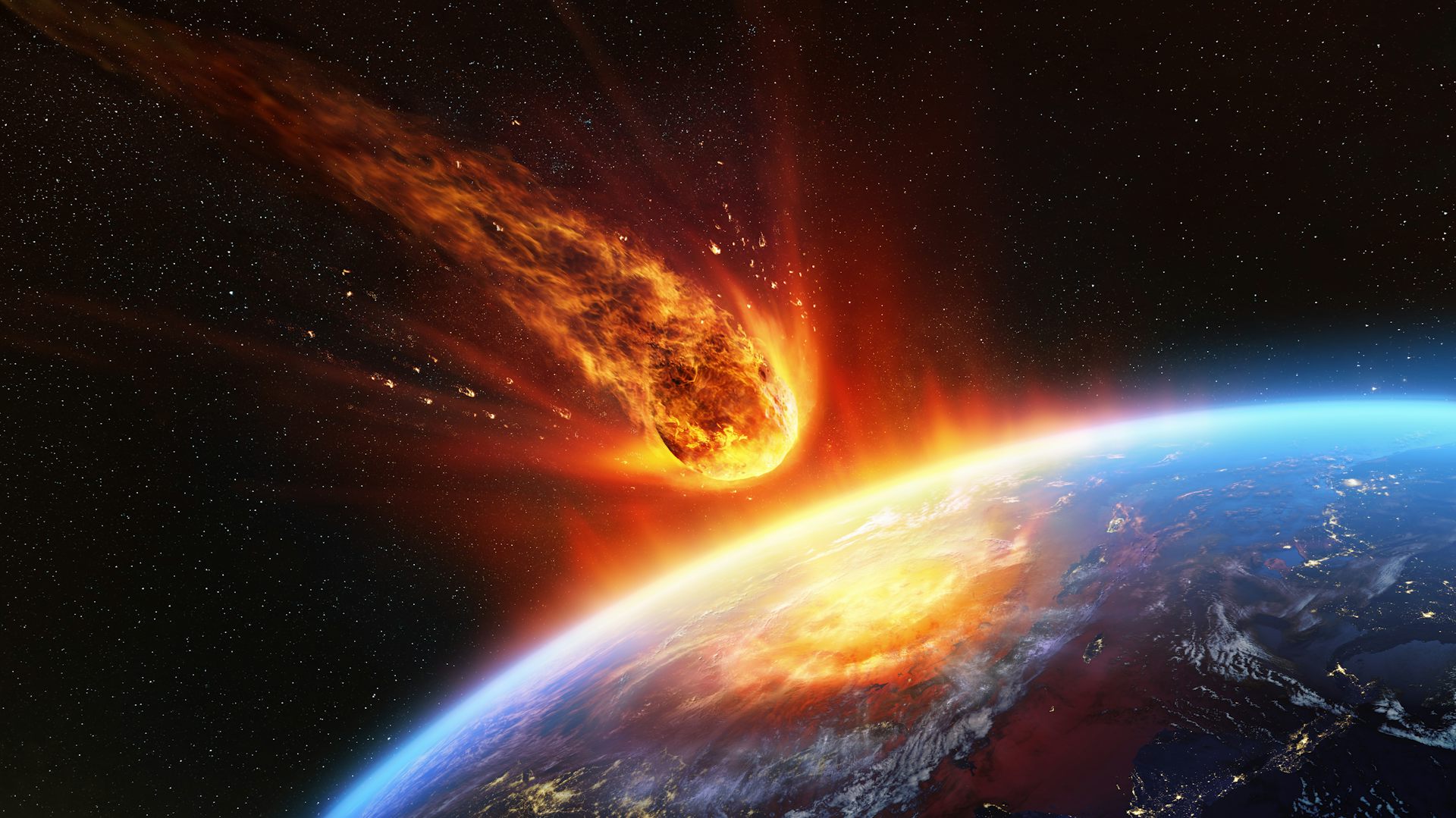
تؤكد دراسة جديدة أن أقدم فوهة على الأرض يبلغ عمرها أكثر من 3 مليارات سنة.
Earth’s oldest crater really is over 3 billion years old, new study confirms