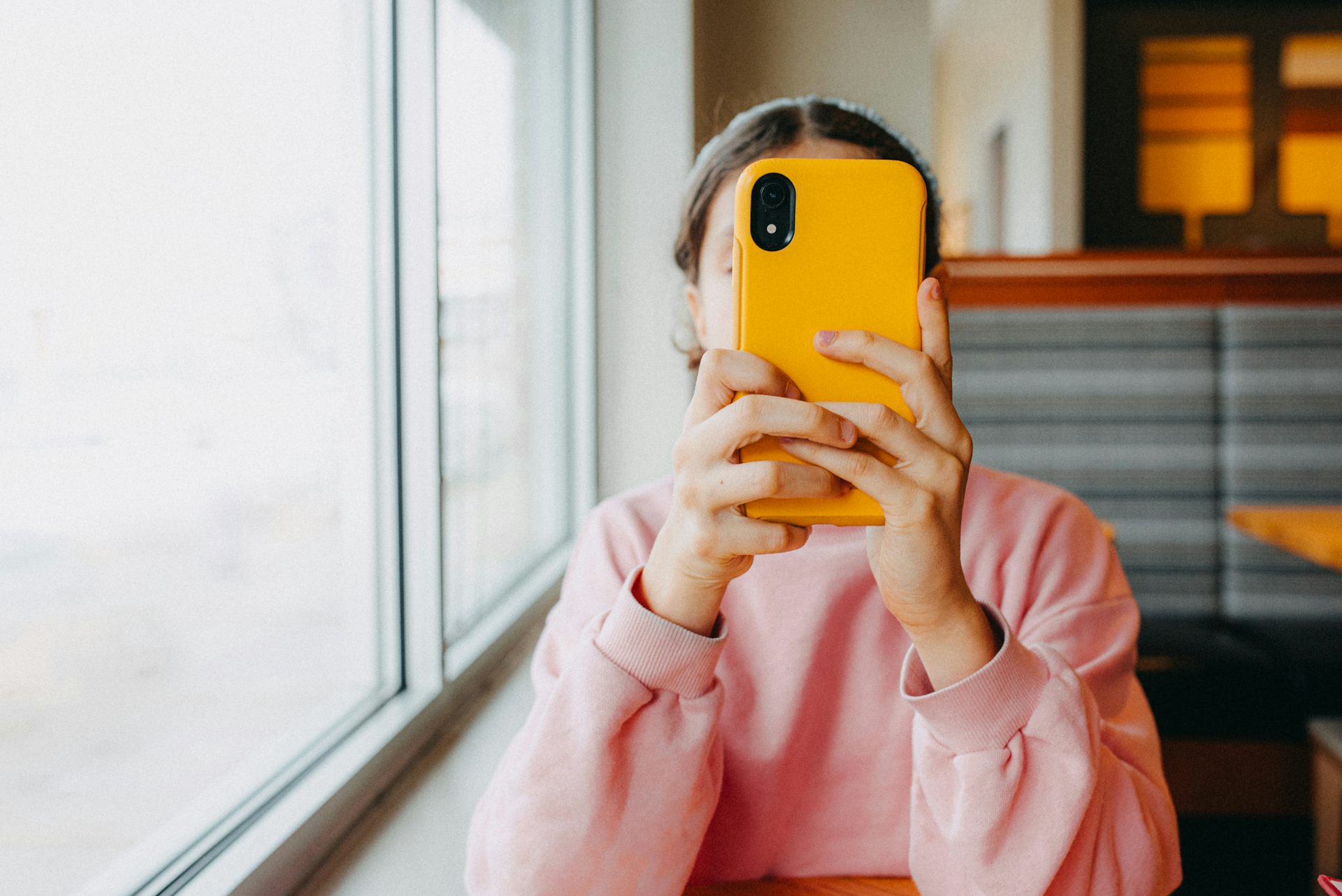
المراهقون الأستراليون المتأثرون بحظر وسائل التواصل الاجتماعي يتلقون أخباراً أقل: بحث جديد
Australian teens impacted by the social media ban are getting less news: new research
With most teens unlikely to tune into nightly TV news or to read newspapers, a new study shows the social media ban is all but cutting them off from the news.
ونظراً لكون معظم المراهقين غير مرجحين لمتابعة نشرات الأخبار التلفزيونية الليلية أو قراءة الصحف، تُظهر دراسة جديدة أن حظر وسائل التواصل الاجتماعي يقطعهم تقريباً عن الأخبار.
In the months leading up to the implementation of Australia’s social media ban in December 2025, there was much discussion about the possible negative consequences.
في الأشهر التي سبقت تطبيق حظر وسائل التواصل الاجتماعي في أستراليا في ديسمبر 2025، كان هناك الكثير من النقاش حول العواقب السلبية المحتملة.
Among these were concerns that teenagers would consume less news. As most young adults use social media for news and many rely on it, this was a real risk.
ومن بين هذه المخاوف القلق من أن المراهقين سيستهلكون أخباراً أقل. وبما أن معظم الشباب يستخدمون وسائل التواصل الاجتماعي للأخبار، ويعتمد الكثيرون عليها، كان هذا يمثل خطراً حقيقياً.
So months on, has this come to pass? In our newly-published research, we found the more young people are impacted by the ban, the more likely they are to report they are getting less news and having less opportunity to discuss news and the issues that matter to them.
فبعد مرور أشهر، هل تحقق هذا الأمر؟ في بحثنا الذي نشرناه حديثاً، وجدنا أنه كلما تأثر الشباب بالحظر، زاد احتمال أن يبلغوا عن حصولهم على أخبار أقل وقلة الفرص لمناقشة الأخبار والقضايا التي تهمهم.
Our research
بحثنا
In February we surveyed 1,027 young people aged 10 to 17, just two months after the legislation took effect.
في فبراير، أجرينا مسحاً لـ 1,027 شاباً وفتاة تتراوح أعمارهم بين 10 و 17 عاماً، بعد شهرين فقط من سريان القانون.
As part of a longitudinal survey that has examined young Australians’ news engagement since 2017, we asked young people questions about the ban’s impact on their social media use and their news engagement.
كجزء من مسح طولي فحص تفاعل الشباب الأستراليين مع الأخبار منذ عام 2017، سألنا الشباب أسئلة حول تأثير الحظر على استخدامهم لوسائل التواصل الاجتماعي وتفاعلهم مع الأخبار.
First, we investigated if the ban had affected young people’s social media use by asking them if their engagement with each banned platform had changed at all, and if so, whether the change was a complete stop or if they just used it less.
أولاً، بحثنا فيما إذا كان الحظر قد أثر على استخدام الشباب لوسائل التواصل الاجتماعي، حيث سألناهم عما إذا كان تفاعلهم مع كل منصة محظورة قد تغير على الإطلاق، وإذا كان الأمر كذلك، فهل كان التغيير توقفاً تاماً أم أنهم استخدموها بشكل أقل فحسب.
We found 61% of under-16s who had previously been using banned platforms reported little or no change in their social media use. For the majority of young people surveyed, the ban was ineffectual.
وجدنا أن 61% من الذين تقل أعمارهم عن 16 عاماً والذين كانوا يستخدمون سابقاً منصات محظورة أبلغوا عن تغير قليل أو معدوم في استخدامهم لوسائل التواصل الاجتماعي. وبالنسبة لغالبية الشباب الذين شملهم المسح، كان الحظر غير فعال.
In fact, only one in four (26%) reported their social media use had been affected.
في الواقع، أبلغ ربع واحد فقط (26%) عن تأثر استخدامهم لوسائل التواصل الاجتماعي.
Next, we asked young people if the ban had affected their engagement with news.
بعد ذلك، سألنا الشباب عما إذا كان الحظر قد أثر على تفاعلهم مع الأخبار.
For those whose social media use was significantly disrupted, the result was stark: 51% reported getting less news as a direct result of the ban.
بالنسبة لأولئك الذين تعطل استخدامهم لوسائل التواصل الاجتماعي بشكل كبير، كانت النتيجة واضحة: أفاد 51% بأنهم تلقوا أخباراً أقل كنتيجة مباشرة للحظر.
This finding is a significant concern because it suggests that as the ban becomes more “successful”, with a greater number of young people being removed from platforms, their news engagement will fall in parallel.
يمثل هذا الاكتشاف مصدر قلق كبير لأنه يشير إلى أنه كلما أصبح الحظر أكثر “نجاحاً”، ومع إزالة عدد أكبر من الشباب من المنصات، فإن تفاعلهم مع الأخبار سينخفض بالتوازي.
The impact on civic involvement
تأثير ذلك على المشاركة المدنية
A 2025 report from the Australian Curriculum, Assessment and Reporting Authority, based on testing of year 6 and year 10 students, finds school students’ civics knowledge is the lowest it has been since testing began 20 years ago. This is despite most young people believing it’s important to take action in the community on issues that matter to them.
يُظهر تقرير صادر عن هيئة المناهج والتقييم وإعداد التقارير الأسترالية لعام 2025، والذي استند إلى اختبارات لطلاب الصف السادس والعاشر، أن معرفة الطلاب بالتربية المدنية هي الأدنى منذ بدء الاختبارات قبل 20 عاماً. ويأتي ذلك على الرغم من اعتقاد معظم الشباب بأهمية اتخاذ إجراء في المجتمع بشأن القضايا التي تهمهم.
Our findings show that when young people are impacted by the social media ban they lose access to news about issues they care about. They are also talking less about news and finding fewer opportunities to share their views or take other forms of action.
تُظهر نتائجنا أنه عندما يتأثر الشباب بحظر وسائل التواصل الاجتماعي، فإنهم يفقدون الوصول إلى الأخبار المتعلقة بالقضايا التي يهتمون بها. كما أنهم يتحدثون بشكل أقل عن الأخبار ويجدون فرصاً أقل لمشاركة آرائهم أو اتخاذ أشكال أخرى من الإجراءات.
Our previous research shows news engagement makes young people feel knowledgeable and more capable of responding to issues.
تُظهر أبحاثنا السابقة أن الانخراط في الأخبار يجعل الشباب يشعرون بالمعرفة ويزيد من قدرتهم على الاستجابة للقضايا.
A large body of research also shows news interest and engagement is closely associated with civic engagement. The more engaged people are with news, the more likely they are to become involved in community and social issues.
كما تُظهر مجموعة كبيرة من الأبحاث أن الاهتمام بالأخبار والانخراط فيها يرتبط ارتباطاً وثيقاً بالمشاركة المدنية. فكلما زاد انخراط الناس في الأخبار، زاد احتمال انخراطهم في القضايا المجتمعية والاجتماعية.
Social news or no news
الأخبار الاجتماعية أو لا أخبار
It’s unlikely that being cut off from news on social media will lead young people back to traditional news sources.
من غير المحتمل أن يؤدي الانقطاع عن الأخبار على وسائل التواصل الاجتماعي إلى عودة الشباب إلى مصادر الأخبار التقليدية.
Most young Australians say they don’t feel represented or heard by traditional news organisations. They also feel the news mainstream outlets create isn’t accessible to young people and doesn’t focus on the issues that matter most to them.
يقول معظم الشباب الأستراليين إنهم لا يشعرون بالتمثيل أو الاستماع إليهم من قبل المؤسسات الإخبارية التقليدية. كما يشعرون بأن وسائل الإعلام الرئيسية التي تنتج الأخبار ليست في متناول الشباب ولا تركز على القضايا الأكثر أهمية بالنسبة لهم.
In our survey, 75% said news organisations have no idea what their lives are actually like, and 71% said they find it difficult to find news relevant to people their age.
في مسحنا، قال 75% إن المؤسسات الإخبارية ليس لديها أي فكرة عما هي حياتهم بالفعل، وقال 71% إنهم يجدون صعوبة في العثور على أخبار ذات صلة بأشخاص في مثل سنهم.
Our earlier research also shows Australian news organisations rarely include young people in news stories. When they are included, they are seen but not heard.
تُظهر أبحاثنا السابقة أيضاً أن المؤسسات الإخبارية الأسترالية نادراً ما تدرج الشباب في القصص الإخبارية. وعندما يتم إدراجهم، يتم رؤيتهم ولكن لا يتم الاستماع إليهم.
For instance, young people are shown in news stories in photographs and video footage ten times more than their voices are heard or they are quoted in stories.
على سبيل المثال، يتم عرض الشباب في القصص الإخبارية في صور ومقاطع فيديو بعشرة أضعاف ما يتم الاستماع إلى أصواتهم أو اقتباسهم في القصص.
In addition, another study of news has shown that when young people are included in breaking news events, they are often stereotyped as being lazy, dangerous and entitled.
بالإضافة إلى ذلك، أظهرت دراسة أخرى للأخبار أنه عندما يتم إدراج الشباب في أحداث الأخبار العاجلة، غالباً ما يتم تصويرهم بشكل نمطي على أنهم كسالى وخطيرون ومستحقون.
These findings demonstrate some of the reasons young people have likely turned to social media for news in recent years.
تُظهر هذه النتائج بعض الأسباب التي ربما دفعت الشباب إلى التوجه إلى وسائل التواصل الاجتماعي للحصول على الأخبار في السنوات الأخيرة.
So what should we do?
ما الذي يجب علينا فعله؟
It’s likely that over time, more young people will be cut off from social media as loopholes in the ban are ironed out. This emphasises the need to find ways to encourage young people to engage with other news sources in productive and meaningful ways.
من المحتمل أنه بمرور الوقت، سيتم قطع المزيد من الشباب عن وسائل التواصل الاجتماعي مع سد الثغرات في الحظر. ويؤكد هذا على الحاجة إلى إيجاد طرق لتشجيع الشباب على التفاعل مع مصادر أخبار أخرى بطرق منتجة وذات مغزى.
A key concern is trust. We need to educate young people about the importance of news to democratic process, providing them with insights into how high quality journalism is produced and supporting them to make informed decisions about who and what to trust online.
أحد الشواغل الرئيسية هو الثقة. نحن بحاجة إلى تثقيف الشباب حول أهمية الأخبار للعملية الديمقراطية، وتزويدهم برؤى حول كيفية إنتاج الصحافة عالية الجودة ودعمهم لاتخاذ قرارات مستنيرة بشأن من وما يثقون به عبر الإنترنت.
This can happen as part of media literacy education but this requires investments in high quality curriculum resources and teacher training.
يمكن أن يحدث هذا كجزء من تعليم محو الأمية الإعلامية، لكن هذا يتطلب استثمارات في موارد المناهج عالية الجودة وتدريب المعلمين.
In Australia, we are in the fortunate position that we already recognise the need for media literacy in the Australian curriculum. High quality news literacy resources are being produced by the ABC through programs such as BTN (Behind The News) , and other organisations such as Squiz Kids.
في أستراليا، نحن في وضع محظوظ حيث ندرك بالفعل الحاجة إلى محو الأمية الإعلامية في المنهج الأسترالي. ويتم إنتاج موارد عالية الجودة لمحو الأمية الإخبارية من قبل هيئة الإذاعة الأسترالية (ABC) من خلال برامج مثل (BTN) (خلف الأخبار) ، ومن قبل منظمات أخرى مثل (Squiz Kids) .
At the same time, to develop trust, mainstream news organisations need to do a much better job of representing young people in fair and inclusive ways so they feel seen and heard.
وفي الوقت نفسه، لتنمية الثقة، تحتاج مؤسسات الأخبار الرئيسية إلى القيام بعمل أفضل بكثير في تمثيل الشباب بطرق عادلة وشاملة حتى يشعروا بأنهم مرئيون ومسموعون.
Finally, it’s important to recognise that amid all of these changes to young people’s technology access, our research shows family is the first and most trusted source of news for young people. We need to help parents understand the important role they play in helping their kids navigate the news.
أخيرًا، من المهم أن ندرك أنه وسط كل هذه التغييرات في وصول الشباب إلى التكنولوجيا، تظهر أبحاثنا أن العائلة هي المصدر الأول والأكثر ثقة للأخبار بالنسبة للشباب. ونحتاج إلى مساعدة الآباء على فهم الدور المهم الذي يلعبونه في مساعدة أطفالهم على التعامل مع الأخبار.
Michael Dezuanni receives funding from the Australian Research Council and ABC Education. He is the current Chair of the Australian Media Literacy Alliance.
يتلقى مايكل ديزواني التمويل من المجلس الأسترالي للبحوث وتعليم هيئة الإذاعة الأسترالية. وهو الرئيس الحالي لتحالف محو الأمية الإعلامية الأسترالي.
Tanya Notley currently receives funding from the Australian Research Council and ABC Education. She is a board member of the Australian Media Literacy Alliance.
تتلقى تانيا نوتلي حاليًا التمويل من المجلس الأسترالي للبحوث وتعليم هيئة الإذاعة الأسترالية. وهي عضو في مجلس إدارة تحالف محو الأمية الإعلامية الأسترالي.
Simon Chambers does not work for, consult, own shares in or receive funding from any company or organisation that would benefit from this article, and has disclosed no relevant affiliations beyond their academic appointment.
لا يعمل سايمون تشامبرز أو يشارك أو يمتلك أسهمًا أو يتلقى تمويلاً من أي شركة أو منظمة تستفيد من هذه المقالة، ولم يفصح عن أي انتماءات ذات صلة تتجاوز تعيينه الأكاديمي.
Read more
-
تناولت دراستنا سلوك المراهقين على وسائل التواصل الاجتماعي في 43 دولة – حيث يواجه الأفراد من الخلفيات المحرومة أضراراً أكبر.
Our study looked at teens’ social media behaviour in 43 countries – those from disadvantaged backgrounds face greater harms