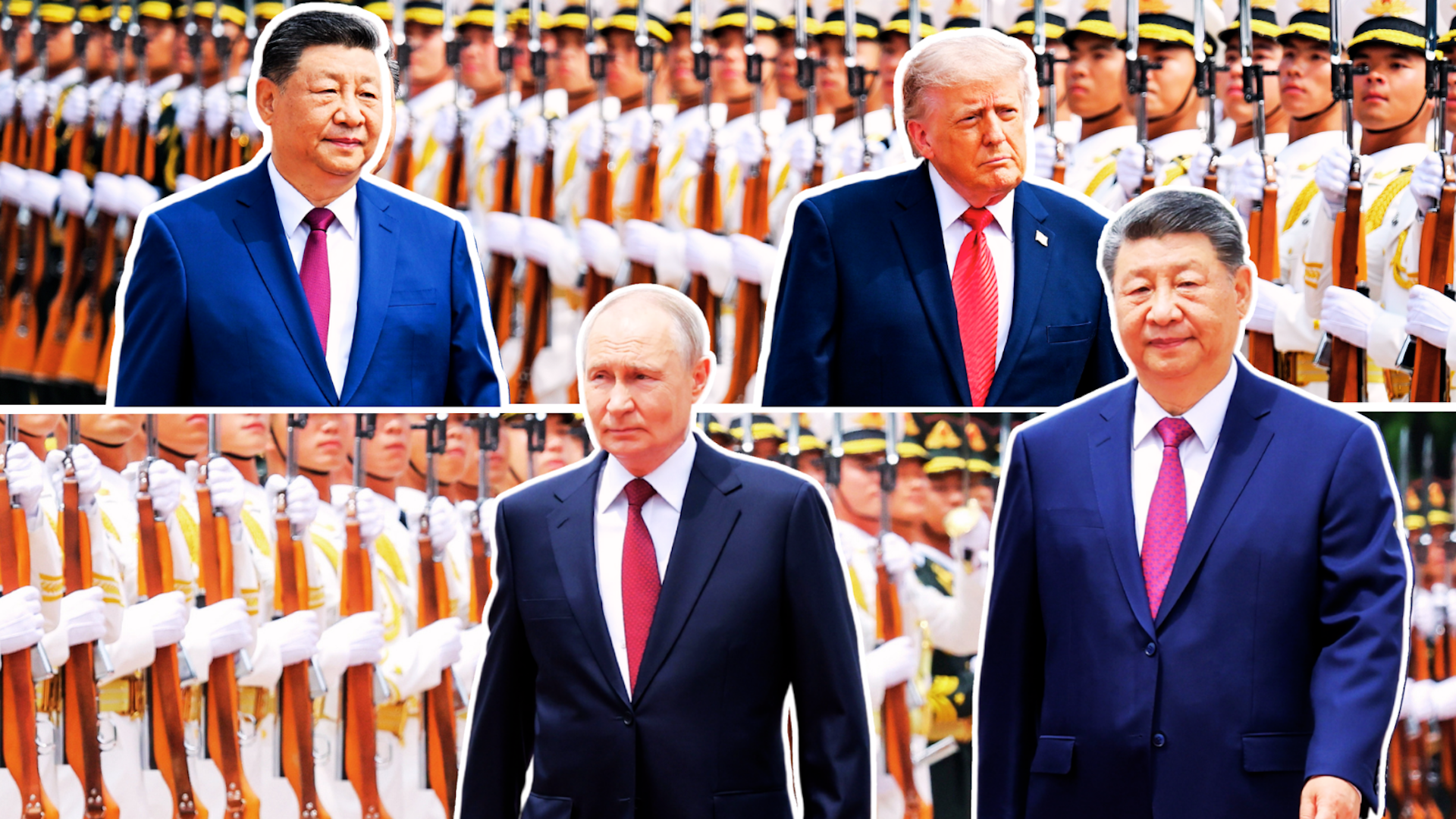
استضافة بوتين وترامب، ترسل الصين رسالة – لقد أصبحت الآن في مقعد القيادة.
Playing host to Putin and Trump, China sends a message – it’s now in the driver’s seat
Xi Jinping had his moment on the global stage – and he didn’t waste it.
حظي شي جين平 بلحظته على الساحة العالمية – ولم يضيعها.
It’s been quite a week for Beijing, with back-to-back visits by the leaders of the United States and Russia. Chinese President Xi Jinping has had his hands full with hosting duties, gun salutes, photo opportunities and high-level talks.
لقد كان أسبوعاً حافلاً بالنسبة لبكين، مع زيارات متتالية من قادة الولايات المتحدة وروسيا. وقد كان الرئيس الصيني شي جين بينغ مشغولاً بالواجبات الاستقبالية، والتحية العسكرية، وفرص التصوير، والمحادثات رفيعة المستوى.
Each visit was important in its own way. US President Donald Trump’s state visit was his first to Beijing since 2017. It came at a moment of strained China-US relations, with the US at war in the Middle East and its foreign policy undergoing a massive transformation under Trump.
كانت كل زيارة مهمة بطريقتها الخاصة. وكانت زيارة الرئيس الأمريكي دونالد ترامب الرسمية هي زيارته الأولى إلى بكين منذ عام 2017. وقد جاءت في وقت كانت فيه العلاقات بين الصين والولايات المتحدة متوترة، ومع وجود الولايات المتحدة في حرب في الشرق الأوسط وخضوع سياستها الخارجية لتحول هائل في عهد ترامب.
For Putin, it was his 25th official visit to China. The trip was intended to further consolidate the China–Russia strategic alignment amid global uncertainty. Putin was also keen to secure China’s continued economic lifeline and diplomatic cover as its war with Ukraine grinds on.
بالنسبة لبوتين، كانت هذه زيارته الرسمية الخامسة والعشرين إلى الصين. وكان الغرض من الرحلة هو تعزيز التوافق الاستراتيجي بين الصين وروسيا في خضم حالة عدم اليقين العالمية. كما كان بوتين حريصاً على تأمين شريان الحياة الاقتصادي والتغطية الدبلوماسية المستمرة للصين مع استمرار حربها مع أوكرانيا.
And while the timing of the back-to-back visits should not be over-interpreted – Moscow says there was “no connection” between the two – they do reveal a deeper structural shift in global politics.
وفي حين أنه لا ينبغي المبالغة في تفسير توقيت الزيارات المتتالية – حيث تقول موسكو إنه لم يكن هناك “أي صلة” بين الاثنتين – إلا أنها تكشف عن تحول هيكلي أعمق في السياسة العالمية.
Beijing’s rising confidence
الثقة المتصاعدة لبكين
First, the United States is clearly no longer the most important country in China’s strategic worldview – and Beijing is increasingly willing to show it.
أولاً، لم تعد الولايات المتحدة بوضوح أهم دولة في المنظور الاستراتيجي للصين – وبكين مستعدة بشكل متزايد لإظهار ذلك.
This was visible in Xi’s posturing and negotiating style with Trump. From his rather distant handshake to his dominant body language throughout their meeting, Xi sent a message: Washington has a limited ability to influence Beijing anymore.
كان هذا واضحاً في وقفة شي وأسلوبه التفاوضي مع ترامب. فمن مصافحته البعيدة إلى لغة جسده المهيمنة طوال الاجتماع، أرسل شي رسالة: أن واشنطن لديها قدرة محدودة على التأثير في بكين بعد الآن.
The modest outcomes of their summit reinforced this dynamic. Trump left China without a formal deal, a press conference or a joint communiqué. Nor was there a breakthrough on either Iran or Taiwan.
عززت النتائج المتواضعة لقمتهما هذه الديناميكية. غادر ترامب الصين دون اتفاق رسمي، أو مؤتمر صحفي، أو بيان مشترك. ولم يكن هناك أي اختراق بشأن إيران أو تايوان.
Putin, meanwhile, met his “good and old friend” Xi and took home some 20 agreements ranging from trade to technology.
في غضون ذلك، التقى بوتين بـ “صديقه القديم الجيد” شي وعاد بحوالي 20 اتفاقية تتراوح بين التجارة والتكنولوجيا.
The most striking, if not unsettling, moment was Xi’s invocation of the “Thucydides Trap” during his meeting with Trump. This is the idea that a rising power inevitably threatens an established one, risking war.
كانت اللحظة الأكثر لفتاً للنظر، إن لم تكن مقلقة، هي استشهاد شي بـ “فخ ثوسيديدس” خلال لقائه مع ترامب. وهي فكرة أن القوة الصاعدة تهدد حتماً قوة راسخة، مما يهدد الحرب.
Xi asked a pointed question:
طرح شي سؤالاً في غاية الدقة:
Can China and the United States transcend the so-called ‘Thucydides Trap’ and forge a new paradigm for major-power relations?
هل يمكن للصين والولايات المتحدة تجاوز ما يسمى بـ “فخ ثوسيديدس” وصياغة نموذج جديد للعلاقات بين القوى العظمى؟
Xi has used this concept before, but his directness this time sent a warning: the US risks creating a major crisis if it continues to rely on a containment strategy to counter China’s rise.
لقد استخدم شي هذا المفهوم من قبل، لكن صراحته هذه المرة أرسلت تحذيراً: أن الولايات المتحدة تخاطر بخلق أزمة كبرى إذا استمرت في الاعتماد على استراتيجية الاحتواء لمواجهة صعود الصين.
In short, Beijing used the Trump visit to signal confidence, autonomy and the fact that Washington is not the only capital that matters to China.
باختصار، استخدمت بكين زيارة ترامب للإشارة إلى الثقة والاستقلالية وحقيقة أن واشنطن ليست العاصمة الوحيدة التي تهم الصين.
Russia has new usefulness to Beijing
روسيا لها فائدة جديدة لبكين
Second, the China–Russia alignment has become less equal, but it has gained greater strategic depth. And Beijing is now using it to put pressure on the US leadership.
ثانيًا، أصبح التوافق بين الصين وروسيا أقل توازنًا، ولكنه اكتسب عمقًا استراتيجيًا أكبر. وتستخدم بكين ذلك الآن لممارسة الضغط على القيادة الأمريكية.
During a private garden stroll through the highly secretive Zhongnanhai leadership compound last week, Trump asked whether Xi often brings other world leaders there. Xi replied that such visits are “extremely rare,” but added that “Putin has been here”.
خلال نزهة خاصة في حديقة مجمع القيادة السري للغاية في تشونغنانهاي الأسبوع الماضي، سأل ترامب عما إذا كان شي جين بينغ يأخذ قادة العالم الآخرين إلى هناك غالبًا. أجاب شي بأن مثل هذه الزيارات “نادرة للغاية”، مضيفًا أن “بوتين كان هنا.”
The innocent reading of this exchange is that Xi was simply noting the depth of his personal rapport with Putin. But in the current geopolitical context, it also served as a subtle reminder to Trump that China’s “no limits” partnership with Russia is not rhetorical. Beijing was signalling Moscow remains a privileged strategic partner – and that China has options.
القراءة الساذجة لهذا التبادل هي أن شي كان يلاحظ ببساطة عمق علاقته الشخصية بـ بوتين. ولكن في السياق الجيوسياسي الحالي، فقد شكل أيضًا تذكيرًا خفيًا لترامب بأن شراكة الصين “بلا حدود” مع روسيا ليست مجرد كلام. كانت بكين تشير إلى أن موسكو لا تزال شريكًا استراتيجيًا متميزًا – وأن الصين لديها خيارات.
The deeper message is this: if Washington seeks to isolate China, Beijing can lean even more heavily on its relationship with Moscow.
الرسالة الأعمق هي: إذا سعت واشنطن إلى عزل الصين، يمكن لبكين أن تعتمد بشكل أكبر على علاقتها بموسكو.
China does not need to help Russia “win” in Ukraine to make this point. What matters is that Beijing has the ability – if it chooses – to bolster Russia’s war effort through economic, diplomatic and long-term technological and energy cooperation. Beijing’s influence now extends well beyond the Indo-Pacific and reaches into Europe in ways Washington cannot ignore.
لا تحتاج الصين إلى مساعدة روسيا “على الفوز” في أوكرانيا لإثبات هذه النقطة. المهم هو أن لدى بكين القدرة – إذا اختارت – على دعم المجهود الحربي الروسي من خلال التعاون الاقتصادي والدبلوماسي والتكنولوجي والطاقي طويل الأجل. يمتد نفوذ بكين الآن إلى ما هو أبعد بكثير من المحيطين الهندي والهادئ ويصل إلى أوروبا بطرق لا يمكن لواشنطن تجاهلها.
Xi didn’t give Putin everything he sought during his meeting, though.
ومع ذلك، لم يمنح شي بوتين كل ما كان يسعى إليه خلال لقائه.
With the turmoil in the Middle East cutting off China’s access to Middle Eastern oil and gas, Moscow sensed an opportunity to push ahead on a new pipeline, called the Power of Siberia-2, to bring Russian gas to China.
ومع قطع الاضطرابات في الشرق الأوسط وصول الصين إلى النفط والغاز في الشرق الأوسط، شعرت موسكو بفرصة للمضي قدمًا في خط أنابيب جديد، يسمى “قوة سيبيريا-2″، لإيصال الغاز الروسي إلى الصين.
While Putin and Xi came to a “general understanding on the parameters” of the project, however, no final deal was signed.
وبينما توصل بوتين وشي إلى “تفاهم عام بشأن معايير” المشروع، لم يتم التوقيع على أي صفقة نهائية.
China is now in the driver’s seat
الصين الآن في مقعد القيادة
Third, China now sees itself as the central node of great-power politics.
ثالثاً، ترى الصين نفسها الآن العقدة المركزية للسياسة بين القوى العظمى.
For many decades, the United States sat at the apex of the “great triangle”, balancing between China and the Soviet Union and then Russia.
لعقود عديدة، جلست الولايات المتحدة في قمة “المثلث العظيم”، متوازنة بين الصين والاتحاد السوفيتي ومن ثم روسيا.
Today, the geometry has flipped. Both Trump and Putin felt compelled to come to Beijing – for stabilisation, reassurance and strategic signalling – even as they confront each other elsewhere.
اليوم، انقلبت هذه الهندسة. وشعر كل من ترامب وبوتين بأنهما مضطوران للمجيء إلى بكين – من أجل الاستقرار، والطمأنة، والإشارة الاستراتيجية – حتى وهما يتواجهان في أماكن أخرى.
China is not playing triangular diplomacy in the classic sense. It is not trying to pit Washington and Moscow against each other. Instead, it is positioning itself as the system’s centre: the place where major-power diplomacy must pass, even if the outcomes are uncertain.
لا تمارس الصين الدبلوماسية المثلثة بالمعنى الكلاسيكي. إنها لا تحاول وضع واشنطن وموسكو في مواجهة بعضهما البعض. بدلاً من ذلك، إنها تضع نفسها كمركز النظام: المكان الذي يجب أن تمر به دبلوماسية القوى العظمى، حتى لو كانت النتائج غير مؤكدة.
China is not at the apex of this arrangement because it is the strongest militarily or economically, but because it has the confidence to engage the US and Russia on its own terms.
لا تقع الصين في قمة هذا الترتيب لأنها الأقوى عسكرياً أو اقتصادياً، بل لأنها تمتلك الثقة للتفاعل مع الولايات المتحدة وروسيا بشروطها الخاصة.
In this new geometry, great-power politics does not revolve around Washington. Increasingly, it runs through Beijing.
في هذه الهندسة الجديدة، لا تدور سياسة القوى العظمى حول واشنطن. بل تتجه بشكل متزايد عبر بكين.
Alexander Korolev does not work for, consult, own shares in or receive funding from any company or organisation that would benefit from this article, and has disclosed no relevant affiliations beyond their academic appointment.
ألكسندر كوروليف لا يعمل لدى، أو يقدم استشارات ل، أو يمتلك حصصاً في، أو يتلقى تمويلاً من أي شركة أو منظمة تستفيد من هذه المقالة، ولم يفصح عن أي انتماءات ذات صلة تتجاوز منصبه الأكاديمي.
Read more
-
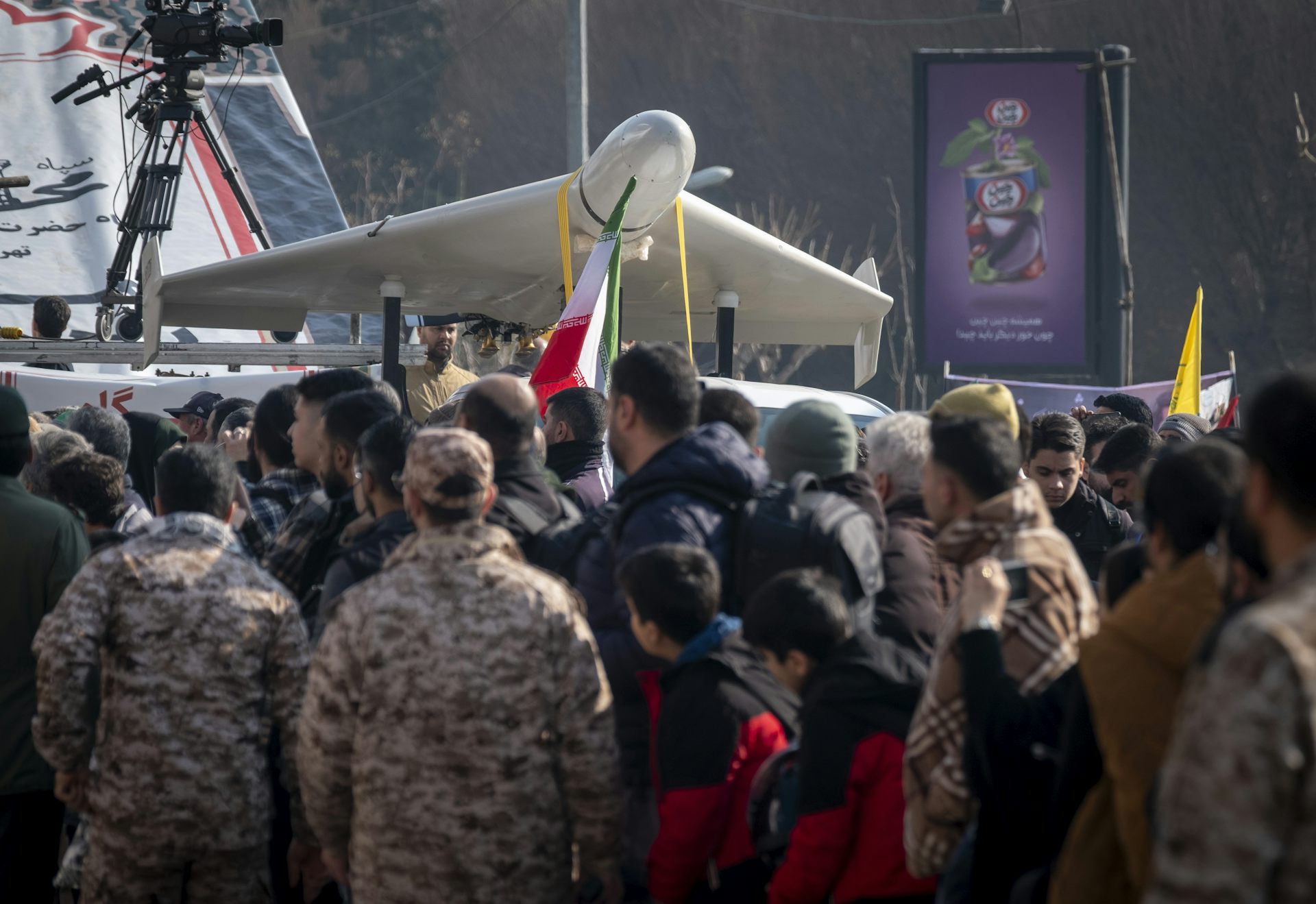
تجمع القوات العسكرية الإيرانية بين الطائرات بدون طيار المتطورة والمخترقين وأسلحة تقليدية قديمة
Iran’s military forces combine state-of-the-art drones and hackers with out-of-date conventional weapons
-
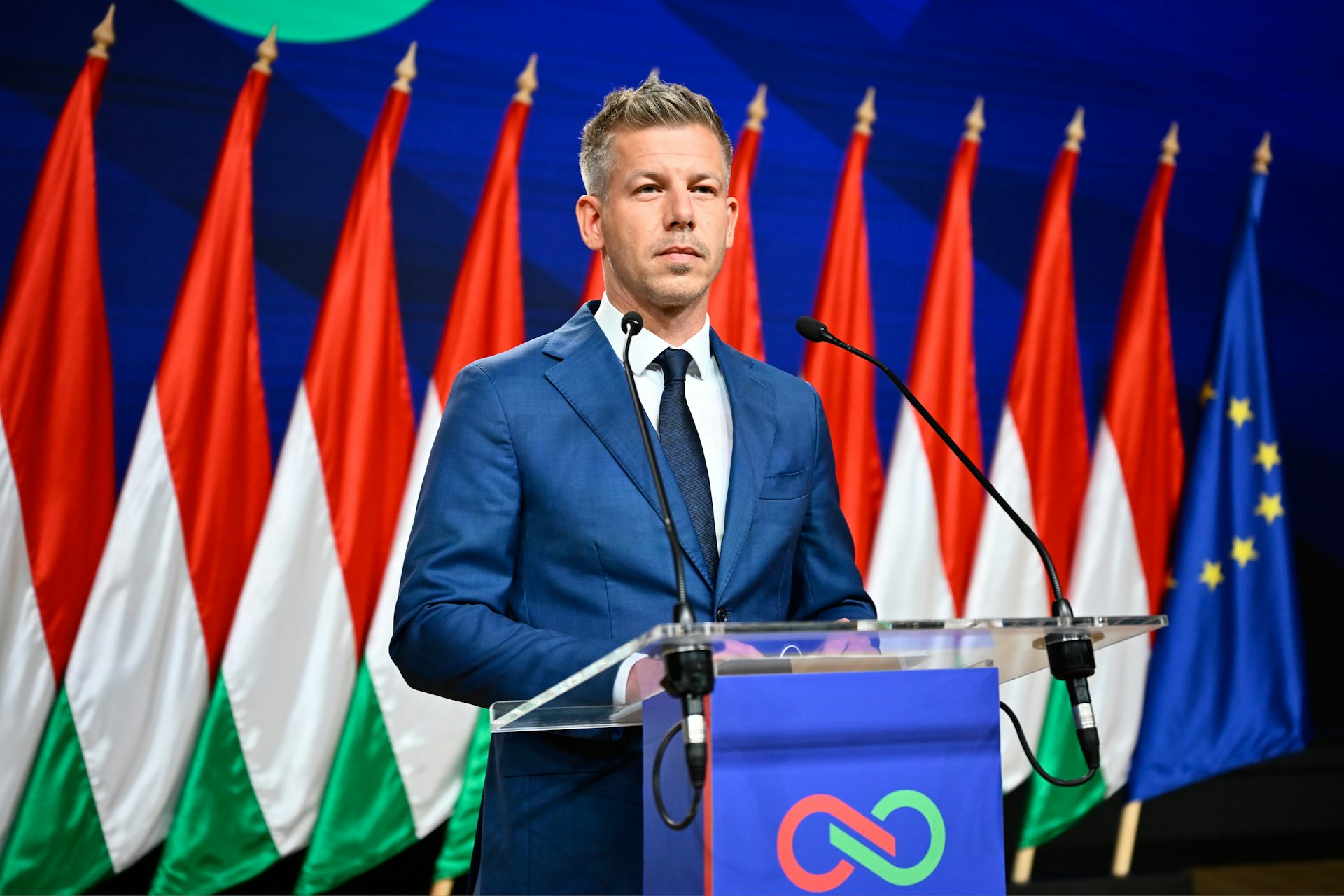
كشف عن الفساد وسار عبر المجر. الآن هزم بيتر ماغيار آلة دولة قوية
He exposed corruption and walked across Hungary. Now Péter Magyar has defeated a powerful state machine