129,000 سنة من التماسيح: ما نعرفه عن الحيوانات المفترسة العليا القديمة في أستراليا وأوقيانوسيا
129,000 years of crocodiles: what we know about Australasia’s ancient apex predators
A host of unique crocodylian species ruled the roost in Australia and surrounds for millions of years – until humans came along.
هيمنت مجموعة من أنواع التمساح الفريدة على أستراليا والمناطق المحيطة بها لعدة ملايين من السنين – حتى وصول البشر.
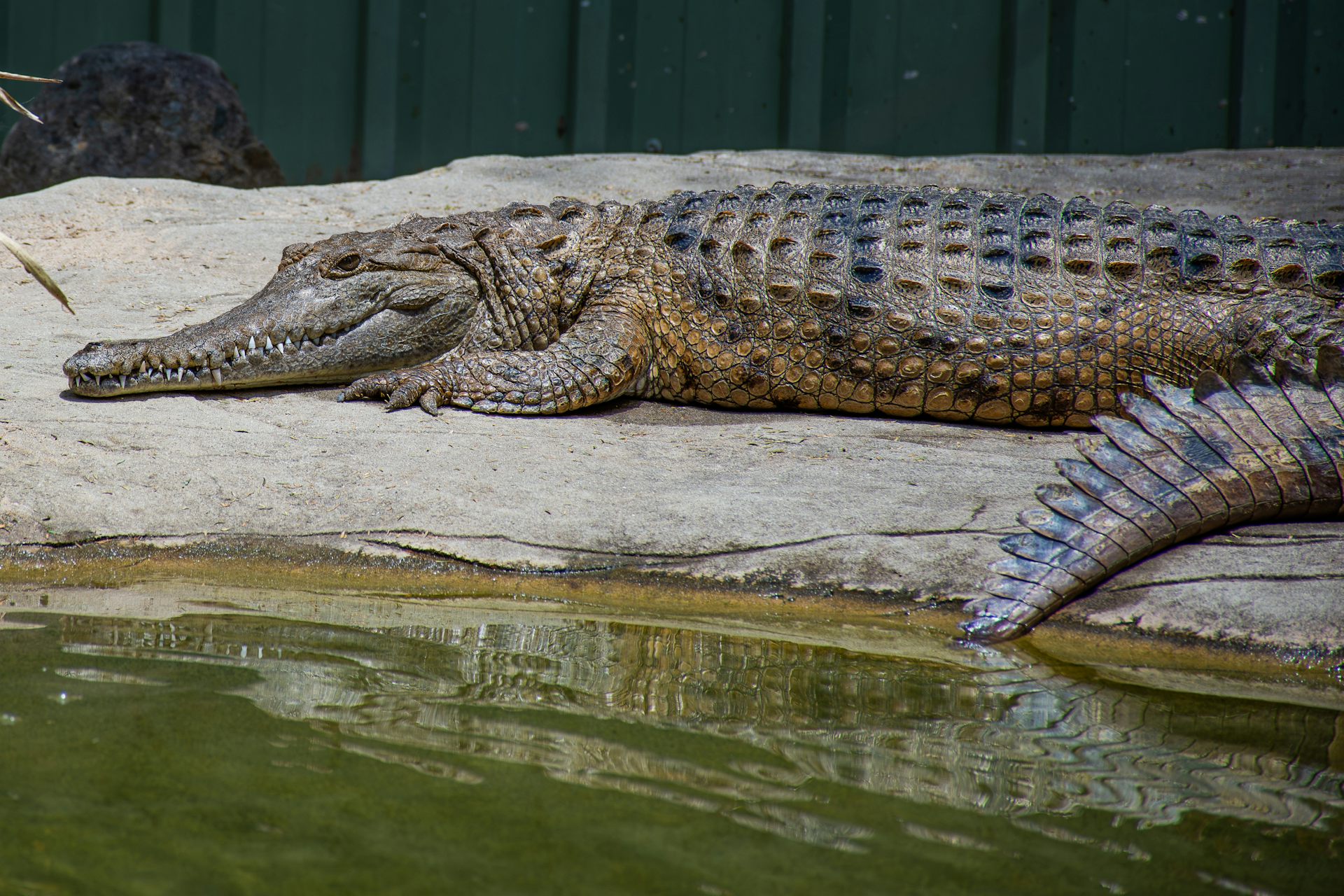
The sight of a saltwater crocodile basking on a mudbank is one of the most iconic and intimidating images of northern Australia. Yet the crocodiles that inhabit the region today are just the survivors of a much richer and stranger lost world.
إن مشهد التمساح المالح وهو يستريح على ضفة طينية هو أحد أكثر الصور أيقونية وإثارة للرهبة في شمال أستراليا. ومع ذلك، فإن التماسيح التي تسكن المنطقة اليوم ليست سوى الناجين من عالم ضائع أكثر ثراءً وغرابة.
Until recently, Australasia was home not just to the familiar crocodiles found in tropical waterways, but also to a unique cast of crocs unlike any living species.
حتى وقت قريب، كانت أستراليا وأوقيانوسيا موطناً ليس فقط للتماسيح المألوفة الموجودة في الممرات المائية الاستوائية، بل أيضاً لمجموعة فريدة من التماسيح لا مثيل لها بين الأنواع الحية.
Our recent review of evidence from the past 129,000 years reveals a dramatic story of extinctions, human encounters, and survival against the odds.
يكشف استعراضنا الأخير للأدلة من الـ 129,000 سنة الماضية قصة درامية من الانقراضات، واللقاءات البشرية، والبقاء على قيد الحياة رغم الصعاب.
Mekosuchines – the lost rulers of Australasia
الميكوسوشينات – الحكام المفقودون لأسترالاسيا
Modern crocodiles are members of the genus Crocodyls, but an entirely different group of crocodylians known as mekosuchines once dominated the region.
التماسيح الحديثة هي أعضاء في جنس الكروكوديلز (Crocodyls) ، لكن مجموعة مختلفة تمامًا من التمساحيات تُعرف باسم الميكوسوشينات هي التي هيمنت على المنطقة في وقت مضى.
For more than 50 million years, mekosuchines were the apex predators of Australasia. Some even survived to meet humans.
لأكثر من 50 مليون سنة، كانت الميكوسوشينات هي المفترسات العليا في أسترالاسيا. بل إن بعضها نجا حتى التقاء البشر.
These remarkable animals came in an astonishing variety of shapes and sizes, inhabiting many different environments.
جاءت هذه الحيوانات المذهلة في تنوع مدهش من الأشكال والأحجام، حيث سكنت العديد من البيئات المختلفة.
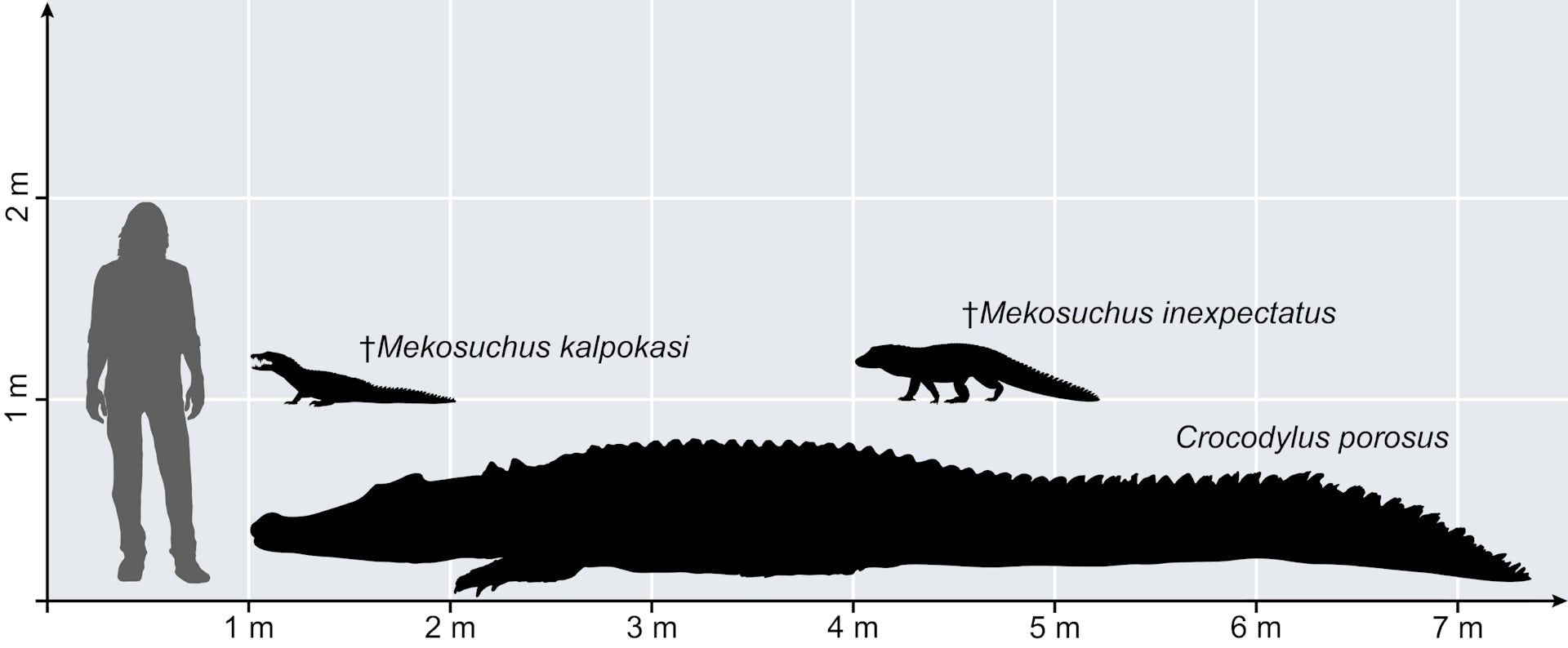
Some were giant semi-aquatic ambush predators, much like the saltwater crocodiles that still patrol northern rivers today. Others were much smaller “dwarf” species that inhabited islands such as New Caledonia. Most terrifyingly, some species possessed blade-like serrated teeth and probably hunted their prey on land.
كانت بعضها مفترسات كمائن عملاقة شبه مائية، تشبه إلى حد كبير تماسيح المياه المالحة التي لا تزال تداوم في الأنهار الشمالية اليوم. بينما كانت أنواع أخرى أصغر بكثير، وهي أنواع “قزمية” سكنت جزرًا مثل نيوكاليدونيا. والأكثر رعباً، أن بعض الأنواع امتلكت أسنانًا مسننة تشبه الشفرة، وربما كانت تصطاد فريستها على اليابسة.
A fragmentary puzzle
لغز مجزأ
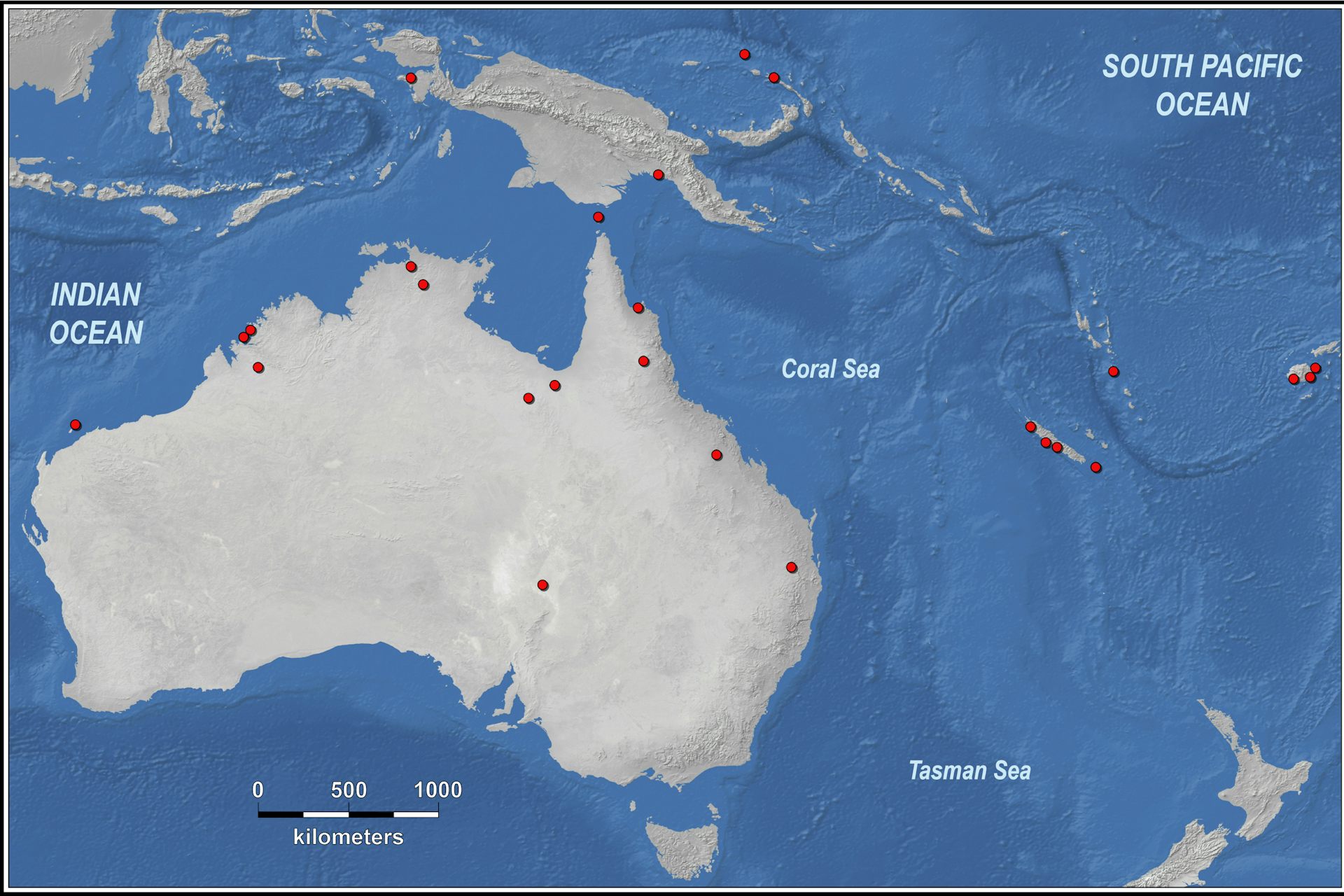
We pieced together a record of crocodylians over the past 129,000 years from scattered and highly fragmentary remains recovered from more than 20 archaeological and palaeontological sites.
لقد قمنا بتجميع سجل للتمساحيات يمتد على مدى 129,000 سنة الماضية، من بقايا متناثرة ومجزأة للغاية تم استردادها من أكثر من 20 موقعاً أثرياً وعلم أحافير.
Most are located in Australia, though some are found in New Guinea, and a handful more across the southwest Pacific. At archaeological sites on the Australian mainland, as well as in the Torres Strait and New Guinea, researchers have uncovered the broken bones and teeth of modern crocodile species, showing that these formidable reptiles have shared landscapes with people for thousands of years.
تقع معظم هذه المواقع في أستراليا، على الرغم من العثور على بعضها في غينيا الجديدة، وعدد قليل آخر في جميع أنحاء جنوب غرب المحيط الهادئ. في المواقع الأثرية في البر الرئيسي الأسترالي، وكذلك في مضيق توريس وغينيا الجديدة، اكتشف الباحثون عظام وأسنان أنواع التماسيح الحديثة، مما يدل على أن هذه الزواحف الهائلة تشاركت المناظر الطبيعية مع البشر لآلاف السنين.
Ancient rock art, some dating back around 20,000 years, reveals that Indigenous Australians were closely observing and depicting these animals for millennia. The distribution of archaeological remains and rock art closely mirrors the modern ranges of crocodiles today. This points to a long and relatively stable coexistence between humans and these powerful predators.
يكشف الفن الصخري القديم، الذي يعود تاريخ بعضه إلى حوالي 20,000 عام، أن السكان الأصليين الأستراليين كانوا يراقبون ويصورون هذه الحيوانات عن كثب لآلاف السنين. ويشابه توزيع البقايا الأثرية والفن الصخري بشكل وثيق النطاقات الحديثة للتماسيح اليوم. ويشير هذا إلى تعايش طويل ومستقر نسبياً بين البشر وهذه المفترسات القوية.
Archaeological evidence shows that humans did occasionally eat crocodiles, and sometimes even crafted pendants from their teeth. Yet such discoveries are quite rare. When ancient archaeological sites do yield crocodile bones, there are usually only a handful of them.
يُظهر الدليل الأثري أن البشر كانوا يأكلون التماسيح من حين لآخر، وفي بعض الأحيان كانوا يصنعون قلادات من أسنانها. ومع ذلك، فإن مثل هذه الاكتشافات نادرة جداً. وعندما تُظهر المواقع الأثرية القديمة عظام التماسيح، فعادة ما تكون مجرد حفنة منها.
The evidence suggests crocodiles were hunted only rarely. This is not surprising.
تشير الأدلة إلى أن صيد التماسيح كان نادرًا للغاية. وهذا ليس مفاجئاً.
Adult saltwater crocodiles are enormous, immensely powerful, and highly lethal to humans. For ancient communities, engaging with these apex predators would have been a hazardous undertaking, and something mostly avoided.
التمساحيات الملحية البالغة ضخمة، وقوية للغاية، ومميتة للبشر. وبالنسبة للمجتمعات القديمة، لكان التعامل مع هذه المفترسات العليا مسعى محفوفاً بالمخاطر، وشيء يتم تجنبه في الغالب.
But modern crocodiles weren’t alone in these ancient landscapes. Fossils show they shared them with the mekosuchines.
لكن التماسيح الحديثة لم تكن وحدها في هذه المناظر الطبيعية القديمة. وتُظهر الأحافير أنها شاركتها مع الميكوسوشينات.
On mainland Australia, mekosuchines are currently only known from fossils. Most remains date from more than 40,000 years ago. We currently have no evidence of these extinct crocs from archaeological sites or in ancient rock art.
في البر الرئيسي الأسترالي، لا تُعرف الميكوسوشينات حالياً إلا من الأحافير. ويعود تاريخ معظم البقايا إلى أكثر من 40,000 سنة مضت. ولا نمتلك حالياً أي دليل على هذه التماسيح المنقرضة من المواقع الأثرية أو في الفن الصخري القديم.
We don’t know if humans and mekosuchines ever directly interacted in Australia. Their disappearance occurred around the same time as the extinction of other Australian megafauna, potentially after a long period of coexistence with humans. The exact cause of their demise in Australia remains a mystery.
لا نعرف ما إذا كان البشر والميكوسوشينات قد تفاعلوا مباشرة في أستراليا على الإطلاق. وقد حدث اختفاؤها في نفس الوقت تقريباً لانقراض الحيوانات الضخمة الأسترالية الأخرى، وربما بعد فترة طويلة من التعايش مع البشر. ولا يزال السبب الدقيق لزوالها في أستراليا لغزاً.
Island extinctions
انقراضات الجزر
However, the story is different on the islands of New Caledonia, Vanuatu and Fiji. There, some mekosuchine species managed to survive into much more recent times. And humans almost certainly encountered them directly.
ومع ذلك، فإن القصة مختلفة في جزر كاليدونيا الجديدة وفانواتو وفيجي. هناك، نجحت بعض أنواع الميكوسوشين في البقاء حتى أزمنة أحدث بكثير. ومن المؤكد تقريباً أن البشر قد واجهوهم مباشرة.
The extinct crocs of New Caledonia and Vanuatu were small, reaching less than two metres in length as adults. They also likely lived more on land than today’s semi-aquatic crocodiles. Their small statures and terrestrial lives would have made them far more accessible for human hunters.
كانت التماسيح المنقرضة في كاليدونيا الجديدة وفانواتو صغيرة، حيث لم يتجاوز طولها المترين كبالغين. ومن المحتمل أيضاً أنها كانت تعيش على اليابسة أكثر من التماسيح شبه المائية اليوم. وكانت أحجامها الصغيرة وحياتها البرية تجعلها أكثر سهولة للصيادين البشريين.
Tragically, the known record of these island mekosuchines ends within a few centuries of human settlement. In several cases, their remains were found in association with human artefacts and middens.
ومأساوياً، ينتهي السجل المعروف لهذه الميكوسوشينات الجزرية في غضون بضعة قرون من الاستيطان البشري. وفي عدة حالات، عُثر على بقاياها مرتبطة بالتحف والمخلفات البشرية.
In one example from Vanuatu, a mekosuchine limb bone appears to bear the gnaw marks of a rat, an invasive species introduced to the island by humans. While definitive proof is elusive, it seems likely that direct or indirect human involvement may be the reason for the disappearance of these “dwarf” island crocodylians.
ففي مثال من فانواتو، يبدو أن عظم طرف من الميكوسوشين يحمل علامات قضم من فأر، وهو نوع غازٍ أدخله البشر إلى الجزيرة. وفي حين أن الدليل القاطع بعيد المنال، فمن المحتمل أن يكون التدخل البشري المباشر أو غير المباشر هو سبب اختفاء هذه التماسيح الجزرية “القزمة.”
Lessons for the Anthropocene
دروس للعصر الأنثروبوسيني
We are now living through the Anthropocene, an age when humans are profoundly influencing the planet and extinctions are accelerating, as is particularly evident in Australia.
نحن نعيش الآن في العصر الأنثروبوسيني، وهو عصر يؤثر فيه البشر بعمق على الكوكب ويتسارع فيه الانقراض، وهو ما يتجلى بشكل خاص في أستراليا.
The prehistoric past is not just a record of vanished worlds, but a warning for the future. Understanding how apex predators like crocodiles responded to past climatic changes, environmental upheaval, and human impacts provides important clues for their conservation in the future.
الماضي ما قبل التاريخ ليس مجرد سجل لعوالم زالت، بل هو تحذير للمستقبل. إن فهم كيفية استجابة الحيوانات المفترسة العليا مثل التماسيح للتغيرات المناخية السابقة، والاضطرابات البيئية، والتأثيرات البشرية يوفر أدلة مهمة للحفاظ عليها في المستقبل.
To truly unravel these questions will take the combined work of palaeontologists, archaeologists, ecologists and conservationists. Just as crucial will be deep engagement with Indigenous knowledges and land managers, whose long histories of observing and living alongside these animals offer clues for protecting the world’s remaining crocodiles, and the threatened ecosystems they inhabit.
يتطلب فك هذه الأسئلة حقًا العمل المشترك لعلماء الحفريات، وعلماء الآثار، وعلماء البيئة، وعلماء الحفاظ على البيئة. كما أن التفاعل العميق مع المعارف الأصلية ومديري الأراضي سيكون بالغ الأهمية، حيث تقدم سجلاتهم الطويلة لمراقبة والعيش بجانب هذه الحيوانات أدلة لحماية التماسيح المتبقية في العالم، والنظم البيئية المهددة التي تعيش فيها.
The authors do not work for, consult, own shares in or receive funding from any company or organisation that would benefit from this article, and have disclosed no relevant affiliations beyond their academic appointment.
لا يعمل المؤلفون لدى، أو يستشيرون، أو يملكون حصصًا في، أو يتلقون تمويلاً من أي شركة أو منظمة قد تستفيد من هذه المقالة، ولم يفصحوا عن أي انتماءات ذات صلة تتجاوز تعيينهم الأكاديمي.
Read more
-

“تسريحة الذيل الإلهية”، وفضائح المخدرات ومطاردة أوجي سيمبسون: نظرة إلى كأس العالم في الولايات المتحدة عام 1994
The ‘Divine Ponytail’, drug scandals and the OJ Simpson chase: looking back at the 1994 US World Cup
-

قمة ترامب وشي: الرئيس الأمريكي يقول إنه سيناقش بيع الأسلحة إلى تايوان – ما يكسر عقوداً من السياسة الأمريكية
Trump-Xi summit: US president says he will discuss arms sales to Taiwan – breaking decades of US policy