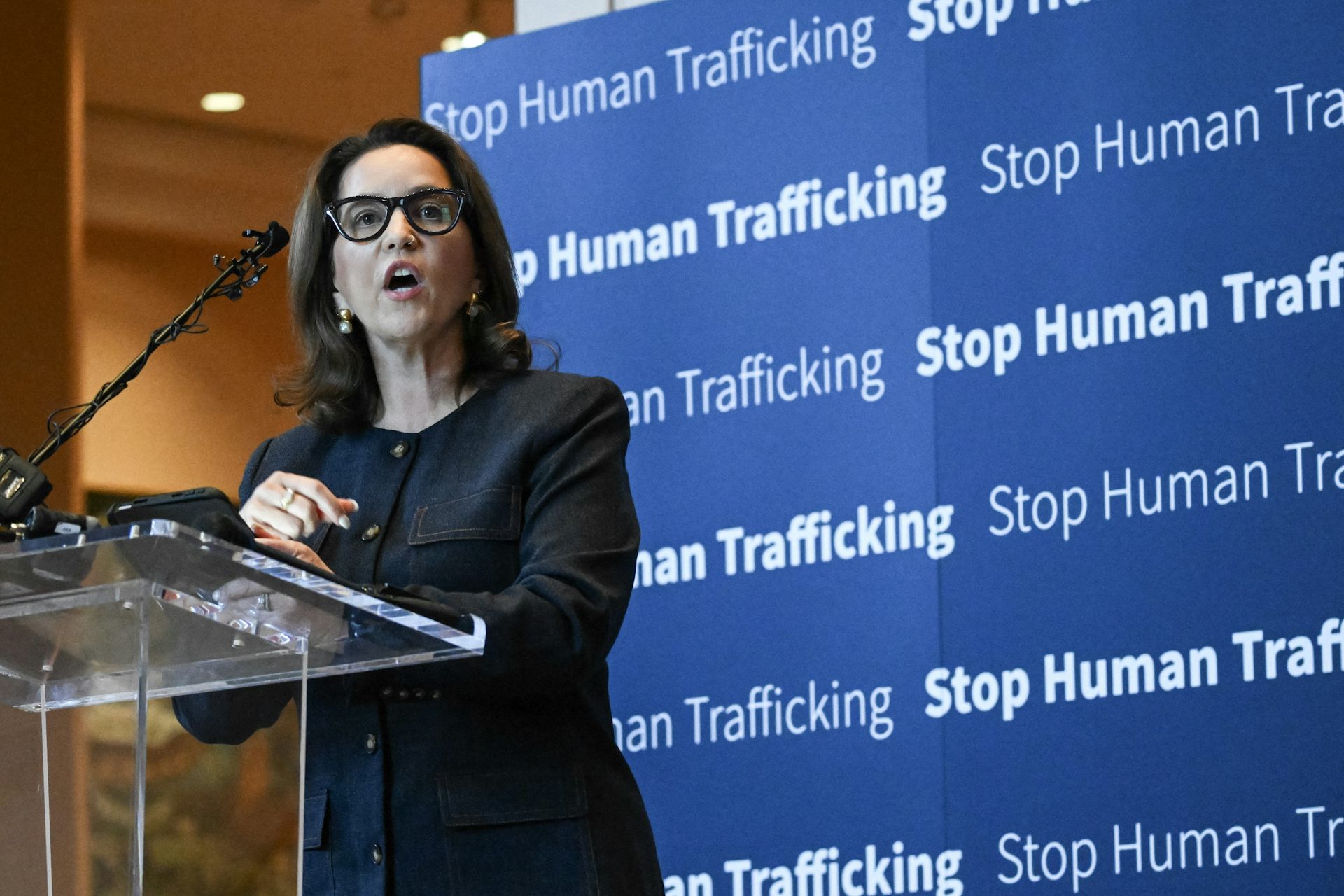
كأس العالم والاتجار بالبشر: ما تكشفه الأبحاث عن المخاطر الحقيقية في الأحداث الرياضية الكبرى
The World Cup and human trafficking: What the research reveals about the real risks at major sporting events
Public awareness campaigns around the World Cup and other sporting events are well intentioned – but not backed by research.
إن الحملات التوعوية حول كأس العالم والأحداث الرياضية الأخرى هي حملات ذات نوايا حسنة – ولكنها غير مدعومة بالأبحاث.
As U.S. cities prepare to host the FIFA World Cup, familiar warnings about human trafficking “spikes” at major sporting events have reemerged.
مع استعداد مدن الولايات المتحدة لاستضافة كأس العالم لكرة القدم، عادت التحذيرات المألوفة بشأن “ارتفاع” الاتجار بالبشر في الفعاليات الرياضية الكبرى للظهور مجددًا.
Media outlets point to elevated risks, advocacy groups roll out awareness campaigns, and city authorities and law enforcement ramp up anti-trafficking efforts.
يشير وسائل الإعلام إلى ارتفاع المخاطر، وتطلق مجموعات المناصرة حملات التوعية، وتقوم سلطات المدن وإنفاذ القانون بتكثيف جهود مكافحة الاتجار.
This is all well intentioned. But as experts in human trafficking and the commercial sexual exploitation of children, we believe the talk of an increased risk might be misplaced. Two decades of empirical research across events such as the Super Bowl, Olympic Games and prior World Cups show no consistent evidence that human trafficking increases because of large sporting events. Further, framing trafficking as episodic and event-based can be counterproductive.
كل هذا ينبع من نوايا حسنة. ولكن، بصفتنا خبراء في الاتجار بالبشر والاستغلال الجنسي التجاري للأطفال، نعتقد أن الحديث عن زيادة المخاطر قد يكون في غير محله. لا تُظهر عقود من الأبحاث التجريبية التي أجريت في فعاليات مثل “السوبر بول” والألعاب الأولمبية وكؤوس العالم السابقة أي دليل ثابت على أن الاتجار بالبشر يزداد بسبب الفعاليات الرياضية الكبرى. علاوة على ذلك، فإن تأطير الاتجار بالبشر على أنه عرضي ومقترن بالفعاليات يمكن أن يكون أمرًا مُضادًا للإنتاجية.
The ‘flashlight effect’
تأثير “كشاف الضوء”
The belief that major sporting events produce spikes in human trafficking has circulated for more than two decades, gaining international prominence around the 2004 Olympic Games and reappearing consistently during subsequent FIFA World Cup tournaments, Olympic Games and Super Bowls.
لقد انتشر الاعتقاد بأن الأحداث الرياضية الكبرى تؤدي إلى ارتفاعات في الاتجار بالبشر لأكثر من عقدين من الزمن، واكتسب هذا الاعتقاد شهرة دولية حول دورة الألعاب الأولمبية عام 2004، وظهر بشكل متكرر خلال بطولات كأس العالم لكرة القدم، والألعاب الأولمبية، ومباريات السوبر التي تلتها.
The narrative persists largely because it appears intuitively plausible: Large influxes of tourists, temporary workers, nightlife activity and commercial spending are assumed to increase demand for commercial sex generally and also exploitative labor.
يستمر هذا السرد إلى حد كبير لأنه يبدو مقنعًا بشكل حدسي: يُفترض أن التدفقات الكبيرة للسياح، والعمال المؤقتين، وأنشطة الحياة الليلية، والإنفاق التجاري تزيد من الطلب على الجنس التجاري بشكل عام وكذلك على العمالة الاستغلالية.
While these events do temporarily increase tourism and commercial sex markets, trafficking itself is not event-driven.
على الرغم من أن هذه الأحداث تزيد مؤقتًا من السياحة وأسواق الجنس التجاري، إلا أن الاتجار بالبشر في حد ذاته ليس مدفوعًا بالحدث.
Studies examining arrest records, hotline calls and social service engagement during major events find fluctuations consistent with increased visibility and reporting, but not necessarily increased victimization.
تُظهر الدراسات التي تفحص سجلات الاعتقال ومكالمات الخط الساخن ومشاركة الخدمات الاجتماعية خلال الأحداث الكبرى تقلبات تتفق مع زيادة الظهور والإبلاغ، ولكنها لا تعني بالضرورة زيادة في ضحايا الاتجار.
Research shows that while some major sporting events correspond with increases in online commercial sex advertisements, those increases are not unique to the event and are comparable to other large conventions, holiday weekends or tourism-driven gatherings. For example, a National Institute of Justice-supported study analyzing escort advertisements during large public events concluded that Super Bowls “did not stand out” relative to other events in terms of changes in the commercial sex market.
يُظهر البحث أنه في حين أن بعض الأحداث الرياضية الكبرى تتزامن مع زيادات في الإعلانات التجارية عبر الإنترنت المتعلقة بالجنس، فإن هذه الزيادات ليست فريدة للحدث ويمكن مقارنتها بالمؤتمرات الكبيرة الأخرى، أو عطلات نهاية الأسبوع العطلية، أو التجمعات المدفوعة بالسياحة. على سبيل المثال، خلصت دراسة دعمها المعهد الوطني للعدالة، والتي حللت إعلانات المرافق خلال الأحداث العامة الكبرى، إلى أن مباريات السوبر “لم تبرز” مقارنة بالأحداث الأخرى من حيث التغيرات في سوق الجنس التجاري.
Similarly, anti-trafficking organizations within the United States such at the Polaris Project and Anti-Trafficking Review have noted that increases in calls to the National Human Trafficking Hotline during major sporting events likely reflect intensified publicity campaigns and greater hotline visibility rather than confirmed increases in trafficking itself.
وبالمثل، لاحظت منظمات مكافحة الاتجار بالبشر داخل الولايات المتحدة، مثل مشروع بولاريس ومراجعة مكافحة الاتجار، أن الزيادات في المكالمات الواردة إلى الخط الساخن الوطني للاتجار بالبشر خلال الأحداث الرياضية الكبرى من المحتمل أن تعكس تكثيف حملات التوعية وزيادة وضوح الخط الساخن بدلاً من الزيادات المؤكدة في الاتجار بالبشر نفسه.
Scholars have described this phenomenon as a “flashlight effect,” in which increased media attention, specialized law enforcement operations and public awareness efforts generate more reports, arrests and detections because more people are actively looking for trafficking indicators – not necessarily because more exploitation is occurring.
وصف الأكاديميون هذه الظاهرة بأنها “تأثير كشاف الضوء”، حيث يؤدي الاهتمام الإعلامي المتزايد، وعمليات إنفاذ القانون المتخصصة، وجهود التوعية العامة إلى توليد المزيد من التقارير والاعتقالات والكشوفات لأن المزيد من الأشخاص يبحثون بنشاط عن مؤشرات الاتجار – وليس بالضرورة لأن المزيد من الاستغلال يحدث.
In other words, heightened awareness campaigns may produce detection effects rather than there actually being more incidents. Conflating the two leads to misinterpretation of trends and misallocation of resources.
بعبارة أخرى، قد تنتج حملات التوعية المعززة تأثيرات الكشف بدلاً من وجود المزيد من الحوادث فعليًا. يؤدي الخلط بين الأمرين إلى سوء تفسير الاتجاهات وسوء تخصيص الموارد.
The human trafficking myths
أساطير الاتجار بالبشر
The narrative that people face an increased risk of becoming the victims of trafficking at big sporting events is based on a number of myths and misconceptions. One is that traffickers will travel to host cities to abduct or exploit unknown victims.
إن السرد القائل بأن الأفراد يواجهون خطرًا متزايدًا بأن يصبحوا ضحايا للاتجار بالبشر في الفعاليات الرياضية الكبرى يستند إلى عدد من الأساطير والمفاهيم الخاطئة. أحد هذه الأساطير هو أن المتاجرين سيسافرون إلى المدن المضيفة لاختطاف أو استغلال ضحايا مجهولين.
In reality, most trafficking – both sex and labor – involves recruitment through existing relationships: intimate partners, family members, acquaintances or trusted community ties. Grooming, coercion and economic dependence unfold over time, often long before any event occurs. Event-focused enforcement strategies therefore risk targeting the wrong mechanisms of exploitation while neglecting root problems.
في الواقع، يتضمن معظم الاتجار بالبشر – سواء كان جنسيًا أو عماليًا – التجنيد من خلال العلاقات القائمة: الشركاء المقربون، وأفراد العائلة، والمعارف، أو الروابط المجتمعية الموثوقة. تتكشف عمليات التلاعب، والإكراه، والاعتماد الاقتصادي بمرور الوقت، وغالبًا ما يكون ذلك قبل وقوع أي حدث بوقت طويل. ولذلك، فإن استراتيجيات الإنفاذ التي تركز على الفعاليات تخاطر باستهداف آليات الاستغلال الخاطئة، بينما تتجاهل المشكلات الجذرية.
Another common myth is that trafficking tied to these events primarily involves the sex trafficking of women and girls by organized criminal networks. This framing obscures the prevalence of labor trafficking and the diverse nature of victims. Evidence from several national datasets shows that labor trafficking occurs across industries likely to scale up during major events such as hospitality, construction, food service and cleaning services.
هناك أسطورة شائعة أخرى وهي أن الاتجار بالبشر المرتبط بهذه الفعاليات يتضمن بشكل أساسي الاتجار الجنسي بالنساء والفتيات من قبل شبكات إجرامية منظمة. يحجب هذا التأطير انتشار الاتجار بالعمالة والطبيعة المتنوعة للضحايا. وتُظهر الأدلة المستقاة من العديد من مجموعات البيانات الوطنية أن الاتجار بالعمالة يحدث عبر الصناعات التي من المرجح أن تتوسع خلال الفعاليات الكبرى مثل الضيافة، والبناء، وخدمات الأغذية، وخدمات التنظيف.
However, labor trafficking often gets overlooked. Moreover, victims can include men, boys, LGBTQ+ people and U.S. citizens – many of whom do not fit the sensationalized narrative that dominates event-related discourse.
ومع ذلك، غالبًا ما يتم التغاضي عن الاتجار بالعمالة. علاوة على ذلك، يمكن أن يشمل الضحايا رجالًا وأولادًا وأشخاصًا من مجتمع الميم (LGBTQ+) ومواطنين أمريكيين – وكثير منهم لا يتناسبون مع السرد المثيرة التي تهيمن على الخطاب المتعلق بالفعاليات.
These myths are not benign. Rather, they have measurable consequences. First, they distort policy by shifting resources toward short-term, high-visibility enforcement – through law enforcement stings, raids and temporary task forces. This comes at the expense of more sustained investment in trauma-informed care and programs that address root causes, such as housing stability.
هذه الأساطير ليست حميدة. بل إن لها عواقب قابلة للقياس. أولاً، إنها تشوه السياسات عن طريق تحويل الموارد نحو الإنفاذ قصير الأجل ومرئي للغاية – من خلال الكمائن الأمنية، والغارات، وفرق العمل المؤقتة. ويأتي هذا على حساب الاستثمار الأكثر استدامة في الرعاية المستنيرة بالصدمات والبرامج التي تعالج الأسباب الجذرية، مثل الاستقرار السكني.
Second, they contribute to victim misidentification. Individuals who do not resemble the “typical victim” portrayed in media – such as those with convicted of violent crime, substance use or complex trauma histories – may be overlooked or even criminalized.
ثانيًا، تساهم هذه الأساطير في سوء تحديد هوية الضحايا. قد يتم التغاضي عن الأفراد الذين لا يشبهون “الضحية النموذجية” المصورة في وسائل الإعلام – مثل أولئك المدانين بارتكاب جرائم عنف، أو تعاطي المخدرات، أو الذين لديهم تاريخ صدمات معقد – أو حتى يتم تجريمهم.
In addition, these myth-driven campaigns can inadvertently increase surveillance and policing of marginalized communities, including immigrants, sex workers and unhoused individuals, without improving safety or access to services.
بالإضافة إلى ذلك، يمكن لهذه الحملات المدفوعة بالأساطير أن تزيد عن غير قصد من المراقبة والشرطة في المجتمعات المهمشة، بما في ذلك المهاجرون والعاملون في مجال الجنس والأفراد المشردون، دون تحسين السلامة أو الوصول إلى الخدمات.
Limiting the field
تضييق النطاق
While it could be argued that any increased attention to human trafficking is welcomed, there is a downside: Treating the problem as episodic and event-based can obscure the developmental and cumulative nature of trafficking.
بينما يمكن القول إن أي اهتمام متزايد بالاتجار بالبشر هو أمر مرحب به، إلا أن هناك جانبًا سلبيًا: فمعالجة المشكلة على أنها متقطعة وتعتمد على الأحداث يمكن أن تحجب الطبيعة التنموية والتراكمية للاتجار بالبشر.
Trafficking is closely linked to adverse childhood experiences, poly-victimization – that is, being exposed to multiple different forms of victimization across one’s lifespan – and structural inequities.
يرتبط الاتجار بالبشر ارتباطًا وثيقًا بتجارب الطفولة السلبية، والتعرض لانتهاكات متعددة – أي التعرض لأشكال متعددة ومختلفة من الضحية طوال فترة حياة المرء – والتفاوتات الهيكلية.
Focusing on high-profile events like the World Cup limits the ability of communities fighting human trafficking to build longitudinal, prevention-oriented strategies that intervene early and across child welfare, education, healthcare and housing systems.
إن التركيز على الأحداث الكبرى مثل كأس العالم يحد من قدرة المجتمعات التي تكافح الاتجار بالبشر على بناء استراتيجيات وقائية طويلة الأمد تتدخل في مراحل مبكرة وعبر أنظمة رعاية الطفل والتعليم والرعاية الصحية والإسكان.
To bolster prevention, we believe public attention and resources must move from panic to precision. That means aligning interventions with evidence. It also means investing in cross-sector identification and referral systems, expanding labor trafficking detection, supporting survivor-led services and addressing the structural conditions that create vulnerability at all times – not just every four years.
لتعزيز الوقاية، نعتقد أن اهتمام الجمهور وموارده يجب أن ينتقل من حالة الذعر إلى الدقة. وهذا يعني مواءمة التدخلات مع الأدلة. ويعني أيضًا الاستثمار في أنظمة التحديد والإحالة عبر القطاعات، وتوسيع الكشف عن الاتجار بالعمالة، ودعم الخدمات التي يقودها الناجون، ومعالجة الظروف الهيكلية التي تخلق الضعف في جميع الأوقات – وليس فقط كل أربع سنوات.
Kathleen Murray Preble has received funding in the past and/or currently from the Missouri Foundation for Health (MFFH) , the Missouri Collaborative Against Human Trafficking (MCAHT) , and DOJ Bureau of Justice Assistance. The opinions expressed in this article represent those of the author and do not reflect the views of the DOJ, MFFH, the MCAHT, UTA, or the University of Texas System.
تلقت كاثلين موراي بريبل تمويلاً في الماضي و/أو حاليًا من مؤسسة ميسوري للصحة (MFFH) ، والتعاونية في ميسوري لمكافحة الاتجار بالبشر (MCAHT) ، ومكتب المساعدة القانونية التابع لوزارة العدل (DOJ) . الآراء المعبر عنها في هذه المقالة هي آراء المؤلف ولا تعكس وجهات نظر وزارة العدل، أو MFFH، أو MCAHT، أو UTA، أو نظام جامعة تكساس.
Jennifer E. O’Brien has received funding from the Centers for Disease Control, National Institutes of Health, and the National Institute of Justice. She is affiliated with The University of Texas at Arlington School of Social Work. The opinions expressed in this article represent those of the author and do not reflect the views of The CDC, NIH, NIJ, The University of Texas at Arlington, or the University of Texas System.
تلقت جينيفر إي. أوبراين تمويلاً من مراكز مكافحة الأمراض، والمعهد الوطني للصحة، والمعهد الوطني للعدالة. وهي منتسبة إلى كلية الخدمة الاجتماعية بجامعة تكساس بأرلينغتون. الآراء المعبر عنها في هذه المقالة هي آراء المؤلف ولا تعكس وجهات نظر مراكز مكافحة الأمراض، أو NIH، أو NIJ، أو جامعة تكساس بأرلينغتون، أو نظام جامعة تكساس.
Read more
-
بعد ثلاثين عامًا من ألبوم “Reasonable Doubt”، تجسد مسيرة جاي زي أكبر التناقضات في موسيقى الهيب هوب.
30 years after ‘Reasonable Doubt,’ Jay-Z’s career embodies hip-hop’s biggest contradictions
-
من هو بيتر ماغيار المجري وكيف أطاح بالديمقراطية غير الليبرالية لفيكتور أوربان
Who is Hungary’s Péter Magyar and how he overturned Viktor Orbán’s illiberal democracy