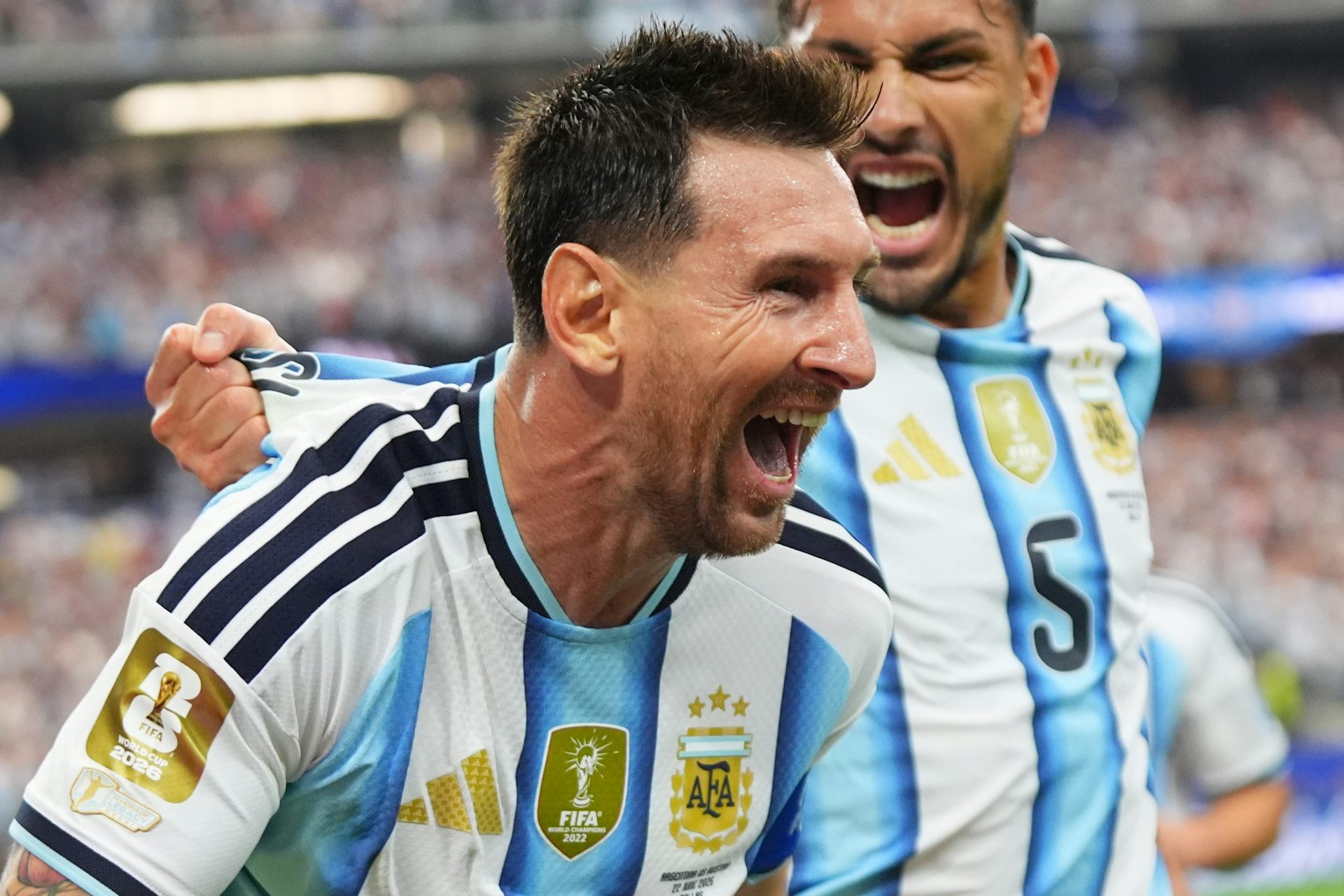
ميسي كبير، وقصير وبطيء. كيف لا يزال يهيمن في كأس العالم؟
Messi is old, short and slow. How is he still dominating at the World Cup?
Lionel Messi’s shorter, slower, ageing body is a handicap he overcomes through a mental process called scanning.
جسد ليونيل ميسي الأقصر والأبطأ والمتقدم في السن هو عائق يتغلب عليه من خلال عملية ذهنية تسمى المسح (Scanning).
Lionel Messi is 39 years old. He is 1.70 metres tall – shorter than almost every defender he plays against. He was never astoundingly quick, and he is slower now.
يبلغ ليونيل ميسي من العمر 39 عاماً. وطوله 1.70 متر، مما يجعله أقصر من كل مدافع تقريباً يلعب ضده. لم يكن سريعاً بشكل مذهل قط، وهو أبطأ الآن.
And yet, watching this World Cup, you would be hard pressed to name a player doing more damage: he has scored the equal most goals so far (six) , alongside France’s Kylian Mbappé.
ومع ذلك، عند مشاهدة كأس العالم هذه، سيكون من الصعب جداً تسمية لاعب يحقق تأثيراً أكبر: فقد سجل نفس العدد الأكبر من الأهداف حتى الآن (ستة أهداف) ، جنباً إلى جنب مع كيليان مبابي الفرنسي.
How can someone with so little of what we might call athleticism (relative to his peers, at least) still be the best player on the pitch?
كيف يمكن لشخص يمتلك القليل جداً مما قد نسميه اللياقة البدنية (مقارنة بأقرانه، على الأقل) أن يظل أفضل لاعب في الملعب؟
Does athleticism really matter?
هل يهم الأداء الرياضي حقاً؟
Maybe the puzzle is the wrong way round. Many are surprised by Messi only because we have been told a story about what makes an athlete great, and the story is mostly about the body: speed, height, strength, fitness.
ربما تكون المعضلة في طريقة التفكير نفسها. يتفاجأ الكثيرون من ميسي ليس فقط، بل لأننا تلقينا قصة حول ما يصنع الرياضي العظيم، وهذه القصة تدور غالباً حول الجسد: السرعة، والطول، والقوة، واللياقة البدنية.
Measured against that story, Messi looks like an exception.
وبالمقارنة مع هذه القصة، يبدو ميسي استثناءً.
But what if the story itself is the problem? What if soccer was never a contest of physical attributes?
ولكن ماذا لو كانت القصة نفسها هي المشكلة؟ ماذا لو لم تكن كرة القدم يوماً مسابقة للصفات الجسدية؟
Johan Cruyff, the great Dutch player, manager, commentator and soccer philosopher, saw this clearly half a century ago. He said:
لقد رأى يوهان كرويف، اللاعب الهولندي العظيم والمدرب والمعلق والفيلسوف الكروي، هذا بوضوح قبل نصف قرن. فقال:
What is speed? The sports press often confuses speed with insight. If I start running slightly earlier than someone else, I seem faster.
ما هي السرعة؟ غالباً ما تخلط الصحافة الرياضية بين السرعة والبصيرة (أو الفطنة) . إذا بدأت بالركض قبل شخص آخر بقليل، أبدو أسرع.
It is a remark that sounds like a riddle, but a fast player is often not the one with quicker legs. They are often the ones who set off sooner and arrive first. What looks like speed is very often a head start bought by perception.
إنه تعليق يبدو كاللغز، لكن اللاعب السريع في كثير من الأحيان ليس صاحب الأرجل الأسرع. بل هم غالباً أول من ينطلق ويصل أولاً. ما يبدو وكأنه سرعة هو في الغالب مجرد انطلاقة ذهنية (أو ميزة نفسية) مكتسبة عن طريق الإدراك.
Cruyff understood this. What we have been able to do more recently is measure it.
فهم كرويف ذلك. وما تمكنا من فعله مؤخراً هو قياسه.
The importance of scanning
أهمية المسح البصري
Consider what happens in the seconds before Messi receives a pass. Watch him for 30 seconds when the ball is nowhere near him: his head rarely stays still. One glance over the left shoulder, another to the right, then back to the player on the ball.
تأمّل ما يحدث في الثواني التي تسبق تلقّي ميسي للتمريرة. راقبه لمدة ثلاثين ثانية عندما لا تكون الكرة قريبة منه على الإطلاق: نادراً ما يبقى رأسه ساكناً. نظرة خاطفة فوق الكتف الأيسر، وأخرى نحو اليمين، ثم عودة إلى اللاعب الذي يحمل الكرة.
None of it looks remarkable until you realise he has already gathered information others are yet to find, or at least are less adept at finding.
لا يبدو أي من ذلك ملحوظاً حتى تدرك أنه قد جمع بالفعل معلومات لم يكتشفها الآخرون بعد، أو على الأقل أنهم أقل براعة في اكتشافها.
By the time the ball reaches him, he already knows where the defenders and teammates are, and where the gaps will open. The control, the turn, the pass that splits the defence: all of that is the easy part. The hard part happens before he had even touched the ball.
بحلول الوقت الذي تصل فيه إليه الكرة، فإنه يعرف بالفعل مكان المدافعين والزملاء، وأين ستتفتح الثغرات. التحكم، والدوران، والتمريرة التي تشق الدفاع: كل ذلك هو الجزء السهل. أما الجزء الصعب فيحدث قبل أن يلمس الكرة حتى.
This is something we can measure.
هذا شيء يمكننا قياسه.
For more than a decade, we have been studying how soccer players gather information before receiving the ball. Working with athletes from youth academies up to senior professionals, we fitted small motion sensors to the backs of their heads, and recorded how often and how widely they turned to look around during a match.
على مدى أكثر من عقد من الزمان، كنا ندرس كيف يجمع لاعبو كرة القدم المعلومات قبل تلقي الكرة. بالعمل مع الرياضيين بدءاً من الأكاديميات الشبابية وصولاً إلى المحترفين الكبار، قمنا بتثبيت مستشعرات حركة صغيرة على مؤخرة رؤوسهم، وسجّلنا عدد المرات التي قاموا فيها بالالتفات والنظر حولهم ودرجة اتساع هذه النظرة أثناء المباراة.
We were measuring what we call visual exploration – or, more plainly, scanning.
كنا نقيس ما نسميه “الاستكشاف البصري” – أو ببساطة، المسح (Scanning) .
We were asking a simple question: how much do players look around before the ball reaches them, and does it matter?
كنا نطرح سؤالاً بسيطاً: إلى أي مدى ينظر اللاعبون حولهم قبل وصول الكرة إليهم، وهل يهم ذلك؟
The finding was consistent and clear. Players who scanned more frequently in the seconds before receiving the ball were faster to release their next pass, more likely to turn with the ball rather than play it safely backwards, and more likely to play a forward pass that actually threatened the opposition.
كان الاكتشاف متسقاً وواضحاً. فاللاعبون الذين قاموا بمسح بصري أكثر تكراراً في الثواني التي سبقت تلقّي الكرة كانوا أسرع في إطلاق تمريرتهم التالية، وأكثر احتمالاً للدوران بالكرة بدلاً من لعبها بأمان إلى الخلف، وأكثر احتمالاً لتمرير كرة أمامية تهدد الخصم بالفعل.
The information they gathered before the ball arrived shaped what they were able to do once it did. Scanning is how a player gets that information in the first place.
إن المعلومات التي جمعوها قبل وصول الكرة شكلت ما تمكنوا من فعله بمجرد وصولها. المسح البصري هو الطريقة التي يحصل بها اللاعب على تلك المعلومات في المقام الأول.
Our work separates two purposes of scanning. The first is orientation: looking around to discover what the whole field is offering, which options exist, where the danger is and what might become available.
يفصل عملنا بين غرضين للمسح البصري. الأول هو التوجيه (Orientation): النظر حولهم لاكتشاف ما يقدمه الملعب بأكمله، وما هي الخيارات المتاحة، وأين يكمن الخطر، وما قد يصبح متاحاً.
The second is specification: the finer, later looking that guides the execution of a pass.
الثاني هو التحديد (Specification): النظرة الأدق والأكثر تأخراً التي توجه تنفيذ التمريرة.
Orientation comes first and it is the one we tend to neglect, in research and in coaching alike, because it happens away from the ball, when nothing dramatic appears to be going on. Yet it is the foundation. You cannot aim a pass you never saw was there. Cruyff put it like this:
يأتي التوجيه أولاً وهو ما نميل إلى إهماله، سواء في البحث أو التدريب، لأنه يحدث بعيداً عن الكرة، عندما لا يبدو أن شيئاً درامياً يحدث. ومع ذلك، فهو الأساس. لا يمكنك توجيه تمريرة لم ترَ أنها موجودة قط. وقد صاغ كرويف الأمر بهذه الطريقة:
There is only one moment in which you can arrive in time. If you are not there, you are either too early or too late.
هناك لحظة واحدة فقط يمكنك فيها الوصول في الوقت المناسب. إذا لم تكن هناك، فأنت إما مبكر جداً أو متأخر جداً.
This is where Messi stops being an anomaly and becomes the clearest example imaginable of what the sport rewards. He has never beaten opponents primarily with his body. He beats them with time, and he wins it by seeing sooner.
وهنا يتوقف ميسي عن أن يكون مجرد حالة شاذة ليصبح المثال الأوضح على ما تكافئه الرياضة. لم يهزم الخصوم أبداً بجسده بشكل أساسي. إنه يهزمهم بالوقت، ويفوز به برؤية أسرع.
If he is slower, it does not matter, because he is not racing anyone – he has arranged, through earlier and better perception, never to need to. The shorter, slower, ageing body is not a handicap he overcomes through genius. It is a sign that the body was never the main event.
إذا كان أبطأ، فلا يهم، لأنه لا يتسابق مع أحد – فقد رتّب، من خلال الإدراك المبكر والأفضل، أنه لن يحتاج لذلك أبداً. فالجسم الأقصر والأبطأ والشيخوخي ليس عائقاً يتغلب عليه بالعبقرية. بل هو علامة على أن الجسد لم يكن أبداً الحدث الرئيسي.
The skill you can build
المهارة التي يمكنك بناؤها
Of course, scanning is not the whole story. Technique, experience and team tactics all matter. But without timely information, those qualities rarely have the chance to express themselves.
بالطبع، أن المسح لا يمثل الصورة الكاملة. فكل من المهارة والخبرة والتكتيكات الجماعية لها أهميتها. لكن بدون معلومات دقيقة وفي وقتها، نادراً ما تتاح لتلك الصفات فرصة التعبير عن نفسها.
There is a lesson in this: perception is something we can develop, deliberately, in players who will never be the quickest or the tallest.
يكمن الدرس في هذا: أن الإدراك هو شيء يمكننا تطويره، عن قصد، لدى اللاعبين الذين لن يكونوا أسرع أو أطول أبداً.
Coaches already sense this when they shout “check your shoulder” at a player about to turn into trouble or lose track of an opposing player.
يستشعر المدربون هذا بالفعل عندما يصرخون في وجه لاعب “انتبه لكتفك” إذا كان اللاعب على وشك الوقوع في مشكلة أو يفقد تتبعه للاعب الخصم.
Our data suggest the habit of scanning the field before the ball arrives can be trained from a young age.
تشير بياناتنا إلى أن عادة مسح الملعب قبل وصول الكرة يمكن تدريبها منذ سن مبكرة.
Where greatness really lives
حيث تعيش العظمة حقاً
We have spent a century building athletes in the gym, but far less time building the thing Messi does in abundance.
لقد أمضينا قرناً من الزمان في بناء الرياضيين داخل صالة الألعاب، ولكن وقتاً أقل بكثير في بناء الشيء الذي يفعله ميسي بوفرة.
So the next time someone wonders how a 39-year-old, standing just 1.70m tall, is still dominating a World Cup, watch their head, not their feet.
لذا، في المرة القادمة التي يتساءل فيها أحدهم كيف لا يزال لاعب يبلغ من العمر 39 عاماً، ويقف بارتفاع 1.70 متر فقط، يهيمن على كأس العالم، فليراقب رأسه، وليس قدميه.
Greatness was never hiding in the body. It was always in the looking.
لم تكن العظمة يوماً مختبئة في الجسد. بل كانت دائماً في النظرة.
Gert-Jan Pepping receives funding from the Queensland Academy of Sport and the NHMRC.
يتلقى غيرت-يان بيبينغ تمويلاً من أكاديمية كوينزلاند للرياضة والمجلس الوطني للصحة والبحث الطبي (NHMRC) .
Thomas McGuckian does not work for, consult, own shares in or receive funding from any company or organisation that would benefit from this article, and has disclosed no relevant affiliations beyond their academic appointment.
لا يعمل توماس ماكغكيان أو يستشير، ولا يمتلك حصصاً في أي شركة أو منظمة، ولا يتلقى منها تمويلاً قد يستفيد من هذا المقال، ولم يفصح عن أي انتماءات ذات صلة تتجاوز منصبه الأكاديمي.
Read more
-

يقارن فيلم “توي ستوري ٥” بين الألعاب التقليدية والأجهزة اللوحية (التابلت). في الحياة الواقعية، يمكن للعائلات الجمع بين الاثنين.
Toy Story 5 pits traditional toys vs a tablet. In real life, families can combine the two