الدور غير المعروف لكندا في المساعدة على تحفيز الاستقلال الأمريكي عام 1776
Canada’s little-known role in helping to spur American independence in 1776
Britain controlled vast tracts in North America beyond the original 13 Colonies. And the American invasion of Canada played a role in the final political settlement.
سيطرت بريطانيا على مناطق شاسعة في أمريكا الشمالية تتجاوز المستعمرات الثلاث عشرة الأصلية. ولعب الغزو الأمريكي لكندا دوراً في التسوية السياسية النهائية.
Strange as it is to say, the U.S. Declaration of Independence has deep roots in Canada.
على الرغم من غرابة القول، فإن إعلان الاستقلال الأمريكي له جذور عميقة في كندا.
That assertion may come as a surprise to people in the United States ahead of its 250th anniversary. The common narrative is fixated upon 1776, the 13 rebelling Colonies and the bold military actions of Founding Fathers such as George Washington.
قد يبدو هذا التأكيد مفاجئًا للناس في الولايات المتحدة قبيل الذكرى السنوية الـ 250 لها. فالرواية الشائعة تركز على عام 1776، والمستعمرات الثلاث عشرة المتمردة، والإجراءات العسكرية الجريئة لآباء المؤسسين مثل جورج واشنطن.
But as I document in my new book, “Freedom Around the Globe,” there is a much wider and often forgotten geographical context. Indeed, it is impossible to understand fully the trajectory of the U.S. in 1776 without comprehending a wider imperial world and what happened in 1775. In fact, the American Revolution ran through Canada.
ولكن كما أوثق في كتابي الجديد، “الحرية حول العالم”، هناك سياق جغرافي أوسع وغالباً ما يُنسى. وفي الواقع، من المستحيل فهم مسار الولايات المتحدة في عام 1776 بالكامل دون استيعاب عالم إمبراطوري أوسع وما حدث في عام 1775. في الحقيقة، مرت الثورة الأمريكية عبر كندا.
A broader British North America
نور أمريكا البريطانية الأوسع
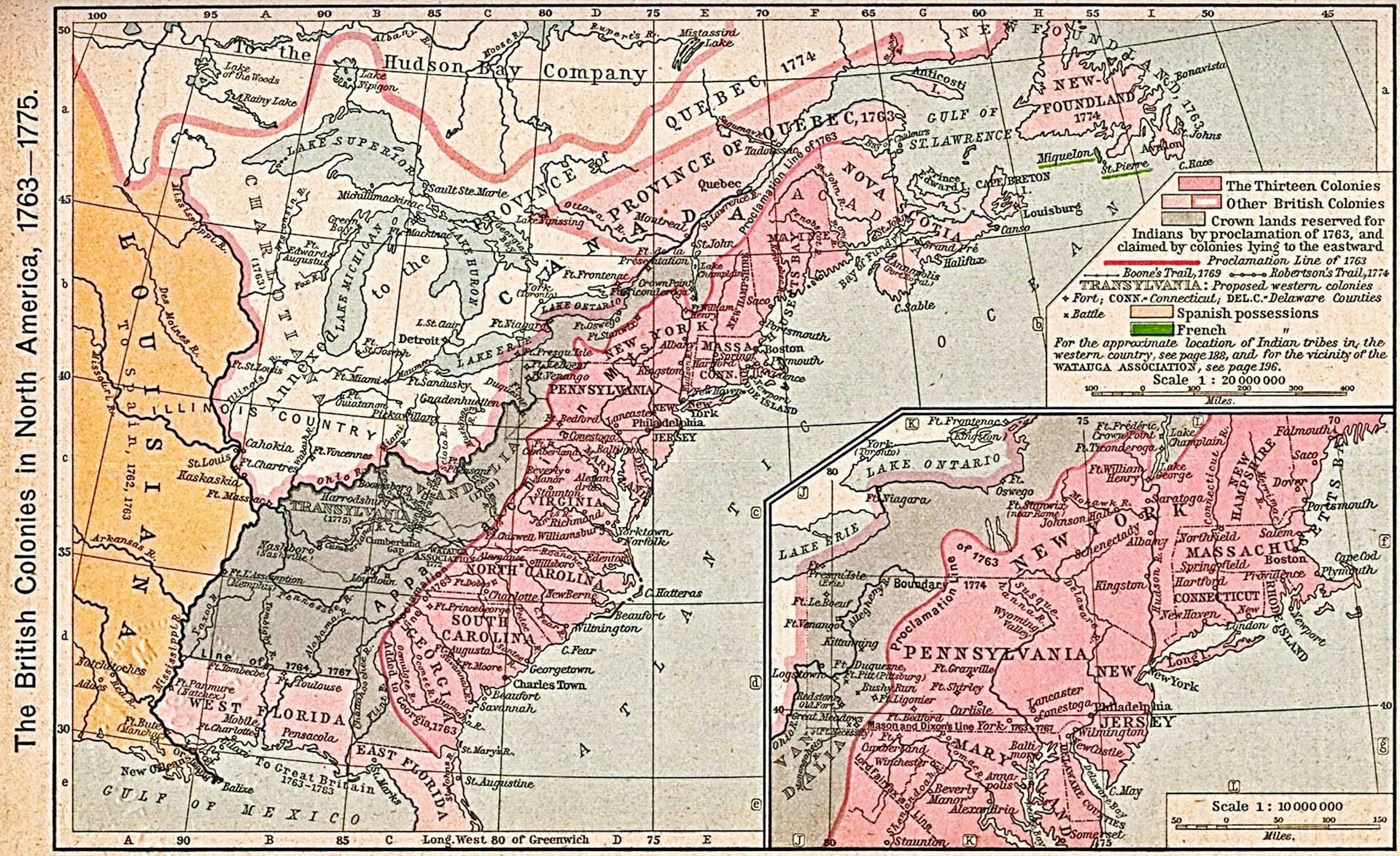
In 1775, the first year of the American Revolutionary War, Britain possessed double the famous 13 colonies in North America alone, with many in Canada and the Greater Caribbean – including East and West Florida.
في عام 1775، العام الأول من الحرب الثورية الأمريكية، كانت بريطانيا تمتلك ضعف عدد المستعمرات الاثني عشر الشهيرة في أمريكا الشمالية وحدها، مع وجود مستعمرات عديدة في كندا والكاريبي الكبرى – بما في ذلك فلوريدا الشرقية والغربية.
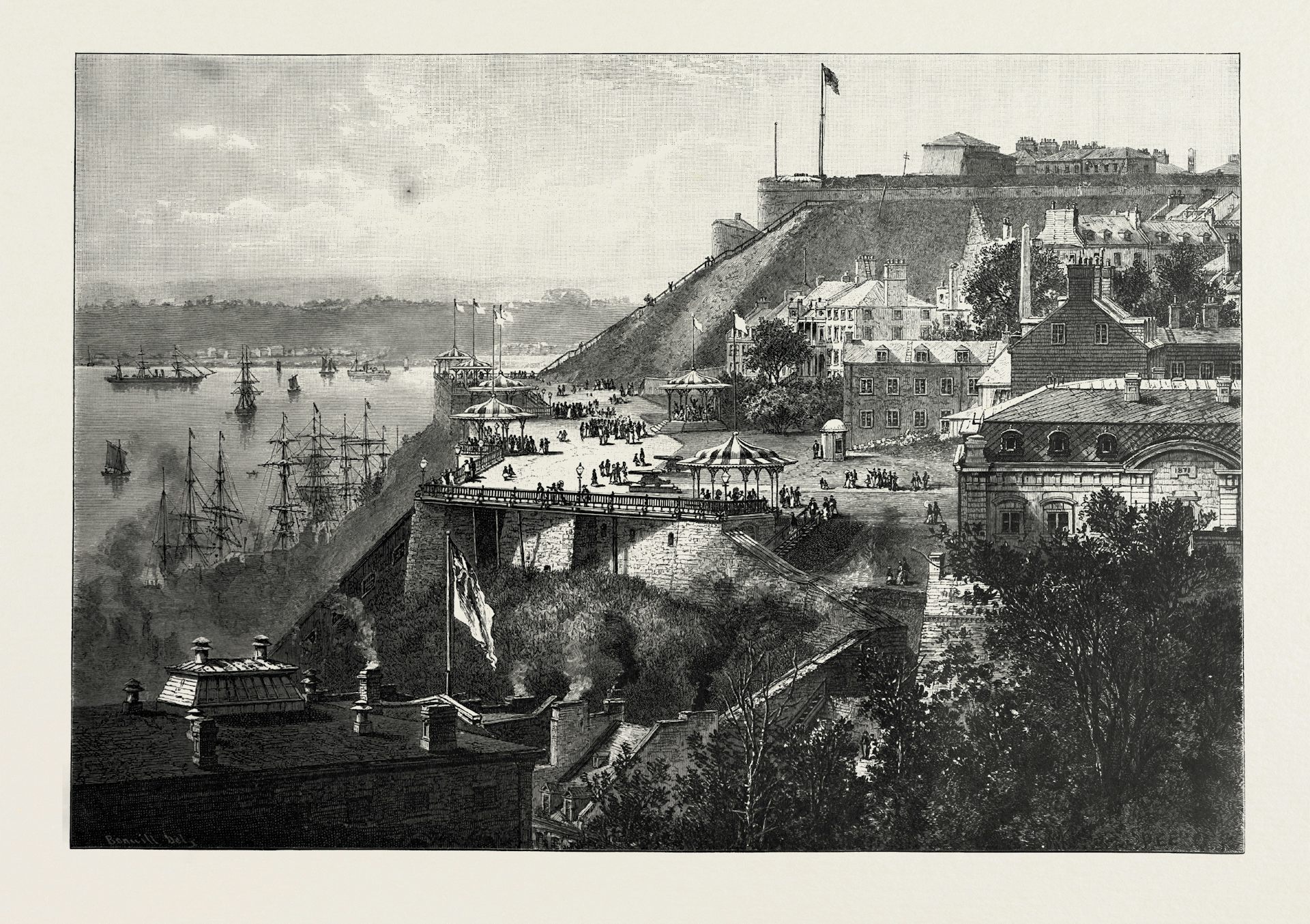
At least some of these colonies had become nominally British in the 1760s, thanks to military triumph late in the Seven Years’ War, 1756-1763. In late 1759, the British had vanquished the French at the battle of the Plains of Abraham near Quebec City, thus ensuring that the British gained this province and a string of French forts in the interior.
فقد أصبحت بعض هذه المستعمرات اسمياً بريطانياً في ستينيات القرن الثامن عشر، بفضل الانتصار العسكري المتأخر في حرب السنوات السبع (1756-1763) . ففي أواخر عام 1759، هزم البريطانيون الفرنسيين في معركة سهول أبراهام بالقرب من مدينة كيبيك، مما ضمن للبريطانيين الحصول على هذه المقاطعة وسلسلة من الحصون الفرنسية في الداخل.
In 1763, with the Treaty of Paris, Quebec officially became part of the British Empire. It took British bureaucrats and politicians some years and not a little wrangling to figure out how to integrate French and Indigenous Catholics, with their own laws, into the British Empire.
وفي عام 1763، وبموجب معاهدة باريس، أصبحت كيبيك رسمياً جزءاً من الإمبراطورية البريطانية. استغرق الأمر من البيروقراطيين والسياسيين البريطانيين سنوات والكثير من المداولات لمعرفة كيفية دمج الكاثوليك الفرنسيين والأصليين، بقوانينهم الخاصة، في الإمبراطورية البريطانية.
A major milestone in this process was the Quebec Act of 1774, allowing the practice of Catholicism and modified French law in Canada. Colonists down south, especially fierce New England Protestants who took a dim view of Catholicism, viewed this act – and their new fellow imperial subjects – with dismay and considerable suspicion.
وكانت علامة فارقة رئيسية في هذه العملية هي قانون كيبيك لعام 1774، الذي سمح بممارسة الكاثوليكية والقانون الفرنسي المعدل في كندا. نظر المستعمرون في الجنوب، وخاصة البروتستانت الشرسين من نيو إنجلاند الذين رأوا بعين الريبة في الكاثوليكية، إلى هذا القانون – وإلى رعاياهم الإمبراطوريين الجدد – بالاستياء والشك الكبير.
Pushing for a 14th colony
الدفع نحو مستعمرة الرابعة عشرة
Still, by 1775, those in the 13 Colonies who called themselves “Friends of Liberty” hoped that Canada would “complete the union of 14 provinces,” as one man put it. Accordingly, the First Continental Congress wrote to Quebec’s habitants – residents of French origin – to invite them to join their new nationalist project. The letter explained in patronizing terms how the English government worked.
ومع ذلك، بحلول عام 1775، كان أولئك الذين في المستعمرات الثلاث عشرة والذين أطلقوا على أنفسهم اسم “أصدقاء الحرية” يأملون أن تُكمِل كندا “اتحاد الأقاليم الأربعة عشر”، كما قال أحدهم. وعليه، كتب المؤتمر القاري الأول إلى سكان كيبيك – المقيمين من أصل فرنسي – لدعوتهم للانضمام إلى مشروعهم القومي الجديد. وشرحت الرسالة، بعبارات فيها نوع من التبجح، كيف تعمل الحكومة الإنجليزية.
The Congress acknowledged that there were religious differences with French Catholics but expressed confidence that the “transcendent nature of liberty” could overcome such distinctions. They commissioned its translation into French and ordered a thousand copies for Canadian distribution. By early 1775, Quebec’s governor complained that this letter was stirring up the population by planting dangerous doubts about British imperial authority.
أقرّ المؤتمر بوجود اختلافات دينية مع الكاثوليك الفرنسيين، لكنه أعرب عن ثقته بأن “الطبيعة المتعالية للحرية” يمكنها تجاوز مثل هذه الفروقات. وقد كلف بترجمتها إلى الفرنسية وأمر بطباعة ألف نسخة لتوزيعها في كندا. وبحلول أوائل عام 1775، اشتكى حاكم كيبيك من أن هذه الرسالة كانت تُثير السكان عن طريق زرع شكوك خطيرة حول السلطة الإمبراطورية البريطانية.
On May 1, 1775, the day the Quebec Act took effect, the life-size marble statue of George III in Montréal – erected in gratitude for his assistance following a fire – was vandalized, indicating disquiet there about this new order.
في الأول من مايو عام 1775، وهو اليوم الذي دخل فيه قانون كيبيك حيز التنفيذ، تعرض تمثال جورج الثالث المصنوع من الرخام بالحجم الطبيعي في مونتريال – والذي أُقيم تقديراً لمساعدته بعد حريق – للتخريب، مما دل على قلق هناك بشأن هذا النظام الجديد.
The Second Continental Congress, which followed the first after its dissolution, continued efforts to win over French Canadians. They sent another letter, again translated and widely distributed. “We yet entertain hopes of your uniting with us in the defence of our common liberty,” they pleaded. The Continental Congress urged Canadians to reject “the fetters of slavery, however artfully polished.” Signed by “Jean Hancock, le “Président du Congrès,” this missive prompted discussions among people in Canada.
واصل المؤتمر القاري الثاني، الذي تبع الأول بعد حلّه، جهود كسب ولاء الكنديين الفرنسيين. فأرسلوا رسالة أخرى، تمت ترجمتها وتوزيعها على نطاق واسع مرة أخرى. وناشدوا: “ما زلنا نأمل في اتحادكم معنا في الدفاع عن حريتنا المشتركة”. وحث المؤتمر القاري الكنديين على رفض “قيود العبودية، مهما صُقِلَت ببراعة”. وقد أثار هذا الخطاب، الموقع من قبل “جان هانكوك، رئيس المؤتمر”، نقاشات بين الناس في كندا.
The invasion of Canada
غزو كندا
As 1775 wore on, force came to join careful letters.
مع اقتراب عام 1775، بدأت القوة تتحد مع الكلمات الحذرة.
One Boston newspaper proclaimed: “From the friendly disposition of the Canadians … joined to the intrepidity of the Continental army, there is a fair prospect of the speedy reduction of the metropolis of Canada to … obedience.”
أعلن إحدى صحف بوسطن: “من التوجه الودي للكنديين… إلى شجاعة الجيش الكونتيننتالي، هناك احتمال جيد بالتقليص السريع لعاصمة كندا إلى… الطاعة.”
It was a cheering if jumbled message: Canada a metropolis? Friendly French Catholic enemies? Allies reduced to obedience? Nothing in it quite made sense, but few in those “United Colonies” – not yet states – wanted to think too hard about these claims or their implications.
كانت رسالة مبهجة ومربكة في آن واحد: كندا عاصمة؟ أعداء فرنسيون كاثوليك ودودون؟ حلفاء يُخضَعون للطاعة؟ لم يكن أي شيء فيها منطقيًا تمامًا، لكن القليلين من سكان “المستعمرات المتحدة”- التي لم تكن ولا تزال ولايات- أرادوا التفكير بعمق في هذه الادعاءات أو تبعاتها.
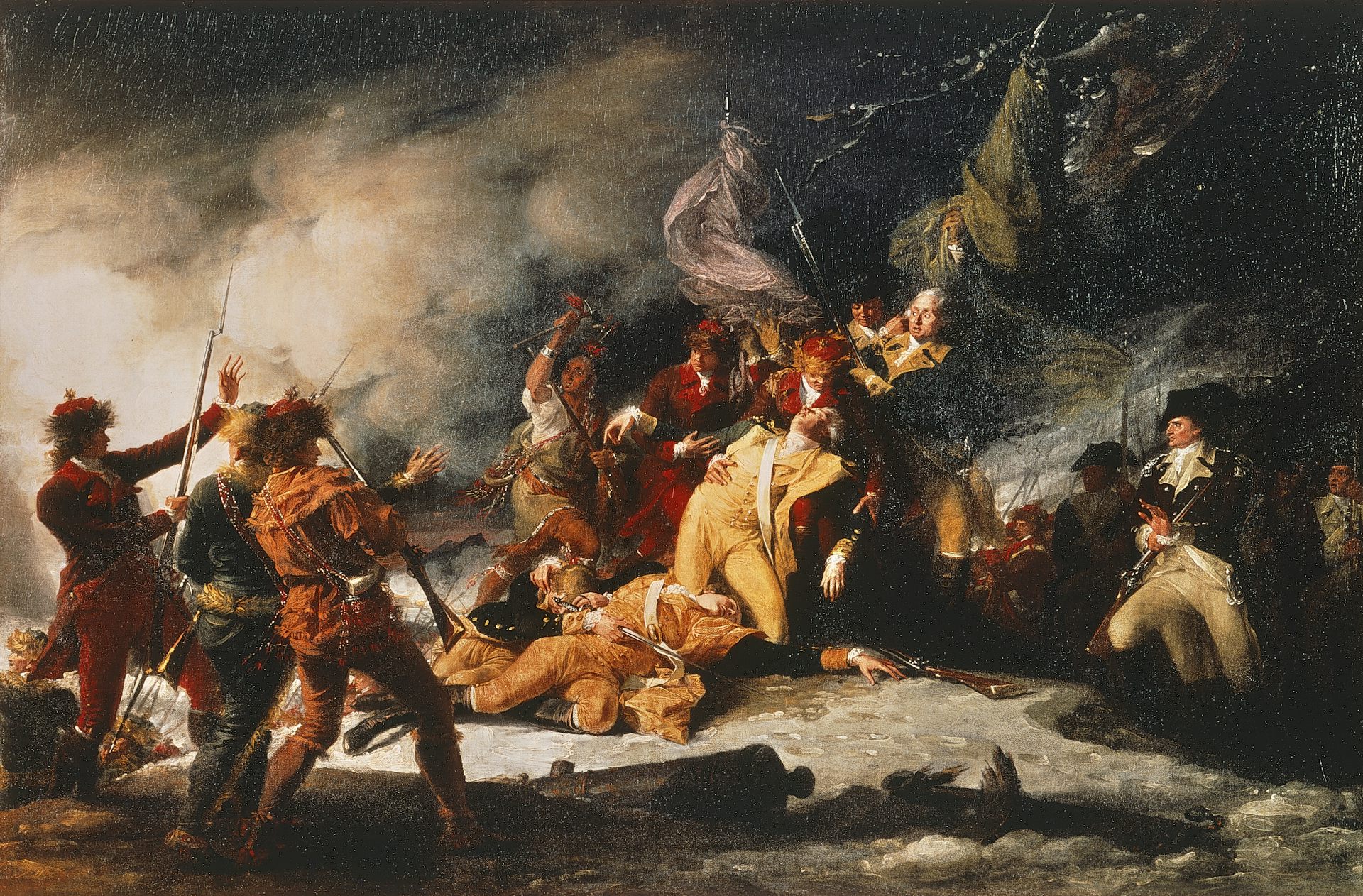
Quebec was “easy Prey,” pronounced George Washington in September 1775. He put the well-regarded, Irish-born Gen. Richard Montgomery in charge of the conquest of Canada. Montgomery and his troops managed to take Montréal at the end of November. The British monarchy looked to be toppling in Canada. That marble sculpture of George III, vandalized in 1775, was now beheaded altogether, to the cheers of soldiers. The next step was to join forces at Québec to take that city and thus the province.
أعلن جورج واشنطن أن كيبيك كانت “فريسة سهلة” في سبتمبر 1775. ووضع الجنرال ريتشارد مونتغمري، المعروف بأصوله الأيرلندية، مسؤولية غزو كندا. وتمكن مونتغمري وجنوده من الاستيلاء على مونتريال في نهاية نوفمبر. وبدت الملكية البريطانية وكأنها تتداعى في كندا. تم قطع رأس التمثال الرخامي لجورج الثالث، الذي تعرض للتخريب عام 1775، بالكامل الآن، وسط هتافات الجنود. وكانت الخطوة التالية هي توحيد القوات في كيبيك للاستيلاء على المدينة وبالتالي المقاطعة.
December was not a good time to launch a Canadian siege. However, the terms of thousands of soldiers expired on Dec. 31. So Continental Army leadership forged ahead on the last, short, dark day of 1775. A blizzard made conditions horrific. Even Montgomery fretted that his forces were “half-starved and half-naked.” Still, rank-and-file soldiers did what they could. Pinned to their random assortment of hats were scrawled, handmade signs proclaiming liberty or death. They mostly got the latter.
لم يكن ديسمبر وقتًا جيدًا لإطلاق حصار كندي. ومع ذلك، انتهت مدة خدمة آلاف الجنود في 31 ديسمبر. وهكذا تقدمت قيادة الجيش الكونتيننتالي في اليوم الأخير القصير والمظلم من عام 1775. وجعل عاصفة ثلجية الظروف مروعة. حتى مونتغمري قلق من أن قواته كانت “نصف جائعة ونصف عارية”. ومع ذلك، فعل الجنود العاديون ما بوسعهم. وكانت ملصقات يدوية مكتوبة بخط اليد مثبتة على تشكيلاتهم العشوائية من القبعات، تعلن عن الحرية أو الموت. وقد حصلوا في الغالب على الأخير.
Montgomery was killed within the first few hours on Dec. 31, 1775. His men were left to fight for themselves, as one private, Jeremiah Greenman, wrote in consternation as he found himself – like one-third of his fellow Continental soldiers – a prisoner of war.
قُتل مونتغمري خلال الساعات القليلة الأولى من 31 ديسمبر 1775. وتُرِك رجاله يقاتلون لأنفسهم، كما كتب جندي عادي، جيرميجا غريمن، في حالة من الاضطراب عندما وجد نفسه- مثل ثلث زملائه الجنود الكونتيننتاليين- سجين حرب.
The move to independence
الانتقال إلى الاستقلال
The attack on Quebec was a disaster. The icy cold was fatal. Supplies were insufficient. Smallpox raged among malnourished troops. The Canadian catastrophe highlighted the inadequacies of the current system of supply and the lack of American credit. Soldiers, starving and frustrated, did not behave especially well, thus turning Canadians against the cause.
كان الهجوم على كيبيك كارثة. كان البرد الجليدي قاتلاً. كانت الإمدادات غير كافية. انتشر الجدري بين الجنود الذين يعانون من سوء التغذية. سلطت الكارثة الكندية الضوء على أوجه القصور في نظام الإمداد الحالي وغياب الدعم الأمريكي. لم يتصرف الجنود، الذين كانوا يتضورون جوعاً ومحبطين، بشكل جيد بشكل خاص، مما حوّل الكنديين ضد القضية.
Perhaps unsurprisingly, subsequent attempts at diplomacy, led by the ailing diplomat and intellectual Benjamin Franklin, also proved ineffective. As one Continental officer later declared, “We have bro’t about ourselves by Mismanagement” what the British could not: the near-complete loss of Canadian support.
ربما لم يكن مفاجئاً أن المحاولات اللاحقة للدبلوماسية، التي قادها الدبلوماسي والمفكر المريض بنجامين فرانكلين، أثبتت أيضاً عدم فعاليتها. وكما صرّح ضابط كونتيننتال لاحقاً: “لقد تسببنا في إرباك أنفسنا بسوء الإدارة” وهو ما لم يستطع البريطانيون فعله: الخسارة شبه الكاملة لدعم الكنديين.
In January 1776, news of the defeat shocked colonists. Montgomery’s death provoked an outpouring of heartfelt support. Marylanders showed their adoration by naming Montgomery County for him.
في يناير عام 1776، صدمت أخبار الهزيمة المستعمرين. أثار موت مونتغمري تدفقاً من الدعم الصادق. أظهر سكان ماريلاند إجلالهم بتسمية مقاطعة مونتغمري باسمه.
That same month, in Philadelphia, an English-born printer published a treatise, dedicating partial profits “for mittens for the troops that were going to Quebec.” That would have been a lot of mittens, because the publication was the bestselling pamphlet of 18th-century North America: Thomas Paine’s “Common Sense.”
في نفس الشهر، في فيلادلفيا، نشر طابع وُلد في إنجلترا أطروحة، مخصصاً جزءاً من الأرباح “للقفازات للجنود المتجهين إلى كيبيك”. لكان ذلك قد كان الكثير من القفازات، لأن هذا المنشور كان الكتيب الأكثر مبيعاً في أمريكا الشمالية في القرن الثامن عشر: “الحس المشترك” (Common Sense) لتومس بين.
The death of an Irishman in Canada propelled many Americans to agree with this Englishman Paine that independence was the right course. As one put it, “Poor Brave Montgomery! But it is not a time to cry but to revenge.” Paine capitalized on the momentum by publishing a dialogue between Montgomery’s ghost and an American in February, debating independence. In the glum mood of early 1776, Paine’s arguments landed.
دفعت وفاة أيرلندي في كندا العديد من الأمريكيين إلى الاتفاق مع هذا الإنجليزي بين بأن الاستقلال هو المسار الصحيح. وكما قال أحدهم: “يا مونتغمري البائس الشجاع! لكن ليس الوقت للبكاء بل للانتقام”. استغل بين الزخم بنشر حوار بين شبح مونتغمري وأمريكي في فبراير، يناقشان فيه الاستقلال. وفي الجو الكئيب لأوائل عام 1776، وصلت حجج بين إلى هدفها.
Grave loss in Canada precipitated the Declaration of Independence, created with an eye to France and Spain as allies. To obtain the help it needed, the newly named United States of America had to become an independent nation. Few countries would intervene in a colonial rebellion, but they might join a war against the hated British. As Montgomery’s brother-in-law observed, France was a good prospect for “foreign aid” to the fledgling nation.
أدت الخسارة الفادحة في كندا إلى إعلان الاستقلال، الذي أُعدّ بعين الاعتبار فرنسا وإسبانيا كحليفين. للحصول على المساعدة التي يحتاجها، كان على الولايات المتحدة الأمريكية، التي سُميت حديثاً، أن تصبح دولة مستقلة. لن تتدخل سوى قلة من الدول في تمرد استعماري، ولكنها قد تنضم إلى حرب ضد البريطانيين المكروهين. وكما لاحظ صهر مونتغمري، كانت فرنسا احتمالاً جيداً لـ “المساعدة الأجنبية” للأمة الناشئة.
Indeed, assistance – in terms of finances, arms and, eventually, soldiers – from France and Spain would make all the difference, allowing Washington and others to move from defeat to victory. The momentum that resulted in the Declaration of Independence came in part from Canada.
في الواقع، فإن المساعدة – من حيث التمويل والأسلحة وفي نهاية المطاف الجنود – من فرنسا وإسبانيا ستُحدث كل الفرق، مما يسمح لواشنطن وغيره بالانتقال من الهزيمة إلى النصر. جاء الزخم الذي أدى إلى إعلان الاستقلال جزئياً من كندا.
Sarah M.S. Pearsall received funding from the National Endowment for the Humanities and the British Library for the research on which this article was based. Any views, findings, conclusions, or recommendations expressed in the article do not necessarily reflect those of these organizations.
تلقّلت سارة م.س. بيرسال التمويل من المؤسسة الوطنية للعلوم الإنسانية والمكتبة البريطانية لأبحاث استندت إليها هذه المقالة. لا تعكس أي آراء أو نتائج أو استنتاجات أو توصيات معبّر عنها في المقال بالضرورة تلك الخاصة بهذه المنظمات.
Read more
-

كيف حطم رجلان حاجز الماراثون الذي كان يُعتقد أنه لا يُقهر
How 2 men smashed through a marathon barrier long thought unbreakable
-
من مدينة مُدرجة ضمن قائمة التراث العالمي إلى الأضرحة المقدسة، تتعرض المواقع التاريخية في لبنان للتدمير
From a World Heritage-listed city to sacred shrines, Lebanon’s historic sites are being destroyed