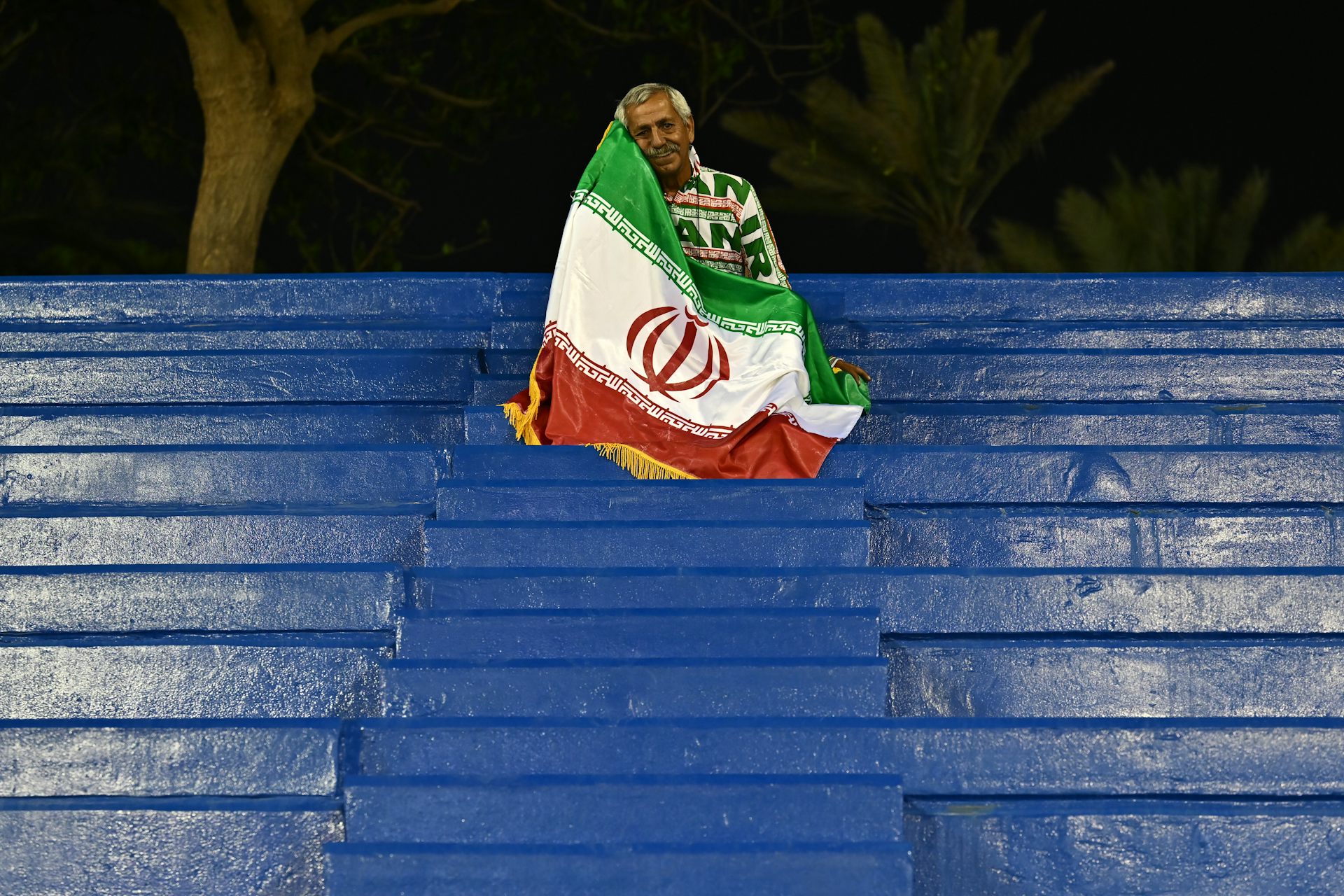
Para la diáspora iraní, un difícil dilema en el Mundial: ¿Apoyar al equipo nacional o protestar – o ambas cosas?
For Iran’s diaspora, a tough World Cup call: To support the national team or protest – or both?
Iran’s team faces a hostile reception from the US government and some of its brethren in the diaspora. Yet others hope the event will trump politics — for now.
El equipo iraní se enfrenta a una recepción hostil por parte del gobierno estadounidense y algunos de sus hermanos en la diáspora. Sin embargo, otros esperan que el evento supere la política —por ahora.
When Iran’s national soccer team walks onto American soil this summer for the 2026 FIFA World Cup, it will do so against the backdrop of an Iranian government crackdown against protesters in January, an ongoing war launched by the U.S. and Israel in February, and a four-month digital blackout affecting some 92 million people. It has left many Iranian fans feeling conflicted about who exactly they’ll be cheering for.
Cuando la selección nacional de fútbol iraní pise suelo estadounidense este verano para la Copa Mundial FIFA 2026, lo hará en el contexto de una represión del gobierno iraní contra manifestantes en enero, una guerra en curso lanzada por EE. UU. e Israel en febrero, y un apagón digital de cuatro meses que ha afectado a unos 92 millones de personas. Esto ha dejado a muchos aficionados iraníes sintiéndose divididos sobre a quién exactamente animarán.
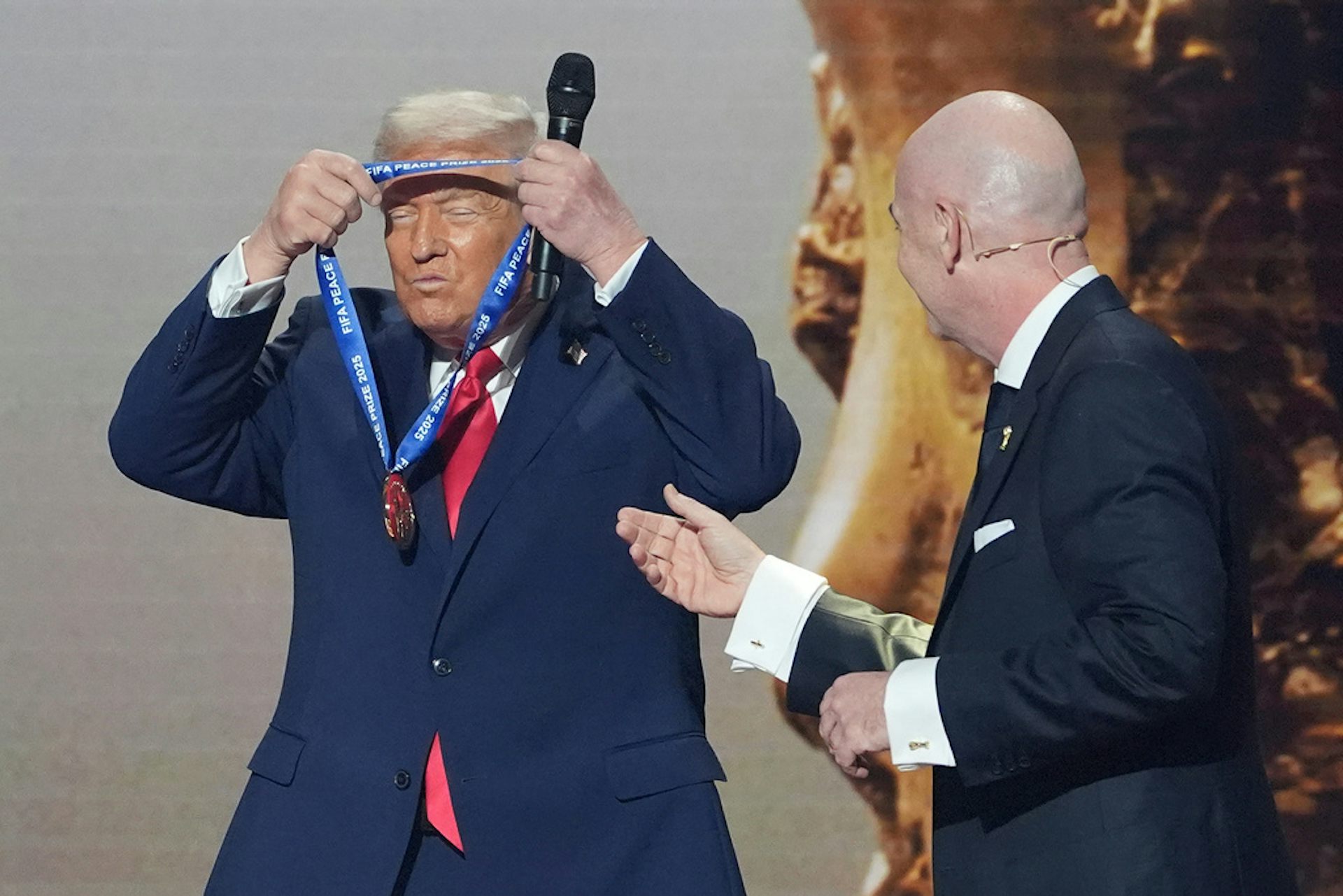
Even before a ball has been kicked, the tension has been clear among not only supporters but team members, too. Iranian players were issued visas to the United States at the 11th hour, and the team only arrived at their training base in Tijuana, Mexico, days before the tournament kicks off.
Incluso antes de que se haya pateado una pelota, la tensión ha sido palpable no solo entre los seguidores, sino también entre los miembros del equipo. A los jugadores iraníes se les emitieron visas para Estados Unidos en el último momento, y el equipo solo llegó a su base de entrenamiento en Tijuana, México, días antes del inicio del torneo.
That came after a request to move their camp from Arizona, citing concerns over unfair treatment on U.S. soil, a move that required the formal endorsement of FIFA before it could proceed. Even with the team finally getting settled, however, multiple Iranian soccer fans have been denied visas to the U.S. Iran’s soccer association has also said its ticket allocation had been denied, leaving fans who had made the trek disappointed.
Esto ocurrió después de una solicitud para trasladar su campamento desde Arizona, citando preocupaciones sobre un trato injusto en suelo estadounidense; una medida que requirió la aprobación formal de la FIFA para poder llevarse a cabo. Sin embargo, incluso con el equipo finalmente instalado, múltiples aficionados al fútbol iraní se han visto denegados visas para EE. UU. La asociación de fútbol de Irán también ha anunciado que su asignación de entradas fue rechazada, dejando desilusionados a los aficionados que habían hecho el viaje.
With a host nation actively at war with a competing one for the first time in World Cup history, the pitch will be a stage not just for soccer but for grief, resistance and competing nationalism. The Iranian diaspora, buffeted by the one-two punch of internal crackdowns and external interventions, now faces a deeply unsettling question: How do you express pride in one’s national team without tacitly supporting the government that it represents?
Con una nación anfitriona en guerra activa con otra compitiendo por primera vez en la historia de la Copa Mundial, el campo será un escenario no solo para el fútbol, sino también para el dolor, la resistencia y el nacionalismo rival. La diáspora iraní, golpeada por el doble impacto de las represiones internas y las intervenciones externas, se enfrenta ahora a una pregunta profundamente inquietante: ¿cómo expresar orgullo por su equipo nacional sin apoyar tácitamente al gobierno que lo representa?
Diasporic identity crises
Crisis de identidad diaspórica
Along with many Iranians, mainly expatriates in the U.S., I plan to attend Iran’s opening game against New Zealand on June 15 in Los Angeles. The location is important – Los Angeles is a city that is home to the largest Iranian diaspora, so much so that it is often referred to as “Tehrangeles” within the community.
Junto con muchos iraníes, principalmente expatriados en EE. UU., planeo asistir al partido inaugural de Irán contra Nueva Zelanda el 15 de junio en Los Ángeles. La ubicación es importante: Los Ángeles es una ciudad que alberga la diáspora iraní más grande, tanto que a menudo se le conoce como «Tehrangeles» dentro de la comunidad.
It is also a community among whom feelings toward the Islamic Republic run deep, with many of them having left Iran during or following the Iranian Revolution of 1979. Many in the community have remained loyal to the deposed Pahlavi regime and the crown prince, Reza, and going so far as celebrating the joint U.S.-Israeli led war on Iran.
También es una comunidad donde los sentimientos hacia la República Islámica son profundos, y muchos de ellos abandonaron Irán durante o después de la Revolución Iraní de 1979. Muchos en la comunidad han mantenido su lealtad al derrocado régimen Pahlavi y al príncipe heredero, Reza, llegando incluso a celebrar la guerra conjunta liderada por EE. UU. e Israel contra Irán.
It is in this community that the Iranian national team – colloquially known as Team Melli to reflect the Farsi word for national – will face battle not only against New Zealand, but also the conflicted emotions of its ethnic brethren.
Es en esta comunidad donde el equipo nacional iraní —conocido coloquialmente como Team Melli para reflejar la palabra farsi de nacional— se enfrentará no solo a Nueva Zelanda, sino también a las emociones conflictivas de sus hermanos étnicos.
With the memory of the January protests still raw, calls have been circulating among some Iranian Americans to formally protest and boycott the occasion. Proposals range from purchasing tickets, only to leave seats conspicuously empty, to booing the national anthem and withholding any celebration of Iranian goals.
Con el recuerdo de las protestas de enero aún fresco, han circulado llamamientos entre algunos estadounidenses de ascendencia iraní para protestar y boicotear formalmente la ocasión. Las propuestas van desde comprar entradas solo para dejar asientos visiblemente vacíos, hasta abuchear el himno nacional y retener cualquier celebración de los goles iraníes.
Supporters have also been urged within Iranian American communities to resist FIFA’s attempts to prohibit non-Islamic Republic flags inside stadiums, with some Iranian expats suggesting on social media of spray-painting over the symbols on the current flag, carrying plain green, white and red alternatives into the ground, or wearing clothing bearing political slogans. Others have proposed exposing politically motivated tattoos or using stuffed animals to caricature Iranian leaders.
También se ha instado a los partidarios dentro de las comunidades estadounidenses de ascendencia iraní a resistir los intentos de la FIFA de prohibir banderas que no sean las de la República Islámica dentro de los estadios, con algunos expatriados iraníes sugiriendo en redes sociales pintar sobre los símbolos de la bandera actual, llevar alternativas sencillas verde, blanco y rojo al terreno de juego o vestir ropa con eslóganes políticos. Otros han propuesto exponer tatuajes políticamente motivados o usar peluches para caricaturizar a líderes iraníes.
In return, Mehdi Taj, the president of the Iranian Football Association, issued a statement demanding respect, stating: “We need a guarantee there, for our trip, that they have no right to insult the symbols of our system, especially the Islamic Revolutionary Guard Corps.”
Por su parte, Mehdi Taj, presidente de la Asociación de Fútbol Iraní, emitió un comunicado exigiendo respeto, declarando: «Necesitamos una garantía allí, para nuestro viaje, de que no tienen derecho a insultar los símbolos de nuestro sistema, especialmente el Cuerpo de la Guardia Revolucionaria Islámica.»
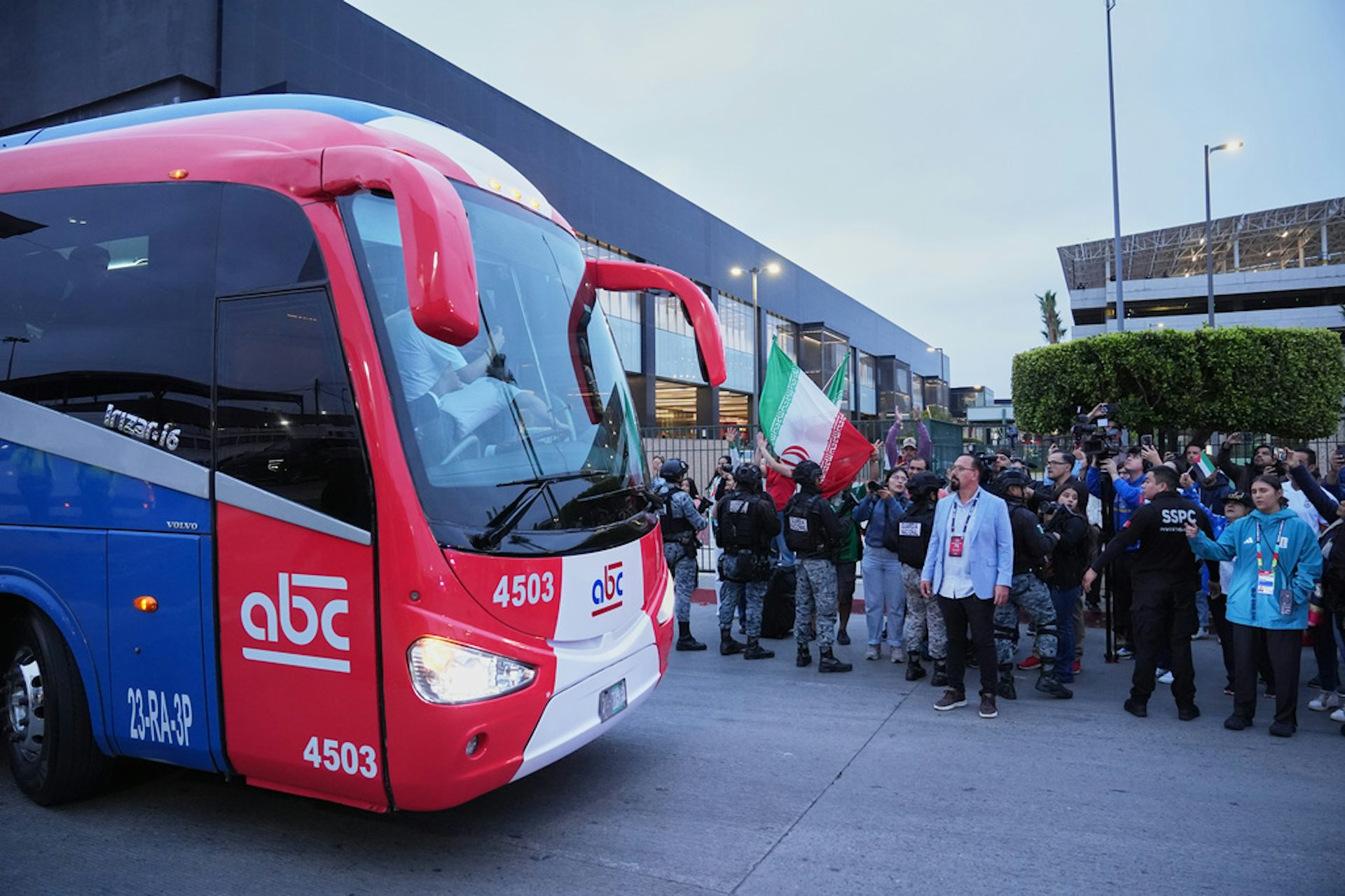
There is a broader question that Iran’s World Cup appearance forces into view, and it sits uncomfortably alongside FIFA’s own record. While the governing body of world soccer awarded President Donald Trump its inaugural Peace Prize ahead of the tournament, it is now looking the other way as the U.S. remains at war and denies visas to would-be participants and spectators. The collision of sport and statecraft is nothing new, from the 1936 Berlin Olympics to the Soviet boycott of Los Angeles in 1984. But it has rarely been managed with such apparent indifference to its own contradictions.
Hay una pregunta más amplia que la aparición de Irán en el Mundial obliga a poner sobre la mesa, y esta se sienta incómodamente junto al propio récord de la FIFA. Si bien el organismo rector del fútbol mundial otorgó al presidente Donald Trump su Premio inaugural de Paz antes del torneo, ahora mira hacia otro lado mientras EE. UU. permanece en guerra y niega visas a posibles participantes y espectadores. La colisión entre deporte y política no es nada nuevo, desde los Juegos Olímpicos de Berlín de 1936 hasta el boicot soviético en Los Ángeles en 1984. Pero rara vez se ha gestionado con una aparente indiferencia hacia sus propias contradicciones.
When sport becomes a theater for competing political claims, it is the integrity of the game itself that is diminished. One is entitled to ask whether the notion of sport existing purely on its own terms — especially on the global stage — has ever been anything more than a convenient fiction.
Cuando el deporte se convierte en un teatro para reclamaciones políticas rivales, es la integridad del juego mismo lo que disminuye. Uno tiene derecho a preguntar si la noción de deporte existente puramente por sus propios términos —especialmente en el escenario global— ha sido alguna vez más que una conveniente ficción.
Collision of politics and sport
Colisión de la política y el deporte
Yet here lies the puzzle. Soccer occupies a place in Iranian life that borders on the sacred. One need only look to the fierce devotion surrounding Tehran’s great rival teams Persepolis and Esteghlal, a contest that ranks among the most intense club rivalries in world soccer, or to the scenes of street celebration that have swept Iran whenever the national team has won games at previous World Cups.
Sin embargo, aquí reside el enigma. El fútbol ocupa un lugar en la vida iraní que roza lo sagrado. Basta con observar la feroz devoción en torno a los grandes equipos rivales de Teherán, Persepolis y Esteghlal, una competición que se clasifica entre las rivalidades de clubes más intensas del fútbol mundial, o las escenas de celebración callejera que han invadido Irán cada vez que la selección nacional ha ganado partidos en Copas Mundiales anteriores.
The memory of defeating the U.S. at the 1998 World Cup in France and the rematch in 2022 speaks to how deeply the game is woven into the fabric of Iranian culture. Supporting Team Melli has long been a source of collective pride, a point of unity that transcends politics and generation, regardless of religion, political views and social class. This creates the dilemma for the fans watching in Los Angeles and Seattle for Iran’s three group games.
El recuerdo de derrotar a EE. UU. en la Copa Mundial de 1998 en Francia y el partido de revancha en 2022 habla de cuán profundamente está tejido el deporte en el tejido cultural iraní. Apoyar al Equipo Melli ha sido durante mucho tiempo una fuente de orgullo colectivo, un punto de unidad que trasciende la política y las generaciones, sin importar la religión, las opiniones políticas ni la clase social. Esto crea el dilema para los aficionados que ven en Los Ángeles y Seattle los tres partidos de grupo de Irán.
In Arizona, where I teach global politics at Arizona State University, several members of the Iranian diaspora articulated this dilemma to me, capturing the tension at the heart of current events. One person invoked the sporting rivalries of the Cold War as a reminder of soccer’s capacity to transcend conflict, yet acknowledged that the wounds of the January protests remained too raw for many in the diaspora to set aside. Another was more straightforwardly hopeful, expressing a wish to see Iran progress in the tournament and a belief that success on the pitch might, however tentatively, cut across political divisions.
En Arizona, donde imparto clases de política global en la Universidad Estatal de Arizona, varios miembros de la diáspora iraní me articularon este dilema, capturando la tensión que yace en el corazón de los acontecimientos actuales. Una persona invocó las rivalidades deportivas de la Guerra Fría como un recordatorio de la capacidad del fútbol para trascender el conflicto, pero reconoció que las heridas de las protestas de enero seguían demasiado frescas para que muchos en la diáspora pudieran dejarlas a un lado. Otro fue más abiertamente esperanzado, expresando el deseo de ver a Irán progresar en el torneo y la creencia de que el éxito en la cancha podría, aunque sea tentativamente, superar las divisiones políticas.
Yet for those who have watched the events of recent years with grief and fury, cheering on a team that represents the Islamic Republic feels, to some, like an act of complicity. For its part, the Iranian government – as well as some Iranian critics – would argue that the national team stands apart from politics entirely. From this vantage point, soccer is a matter of national identity and cultural heritage that belongs to all Iranians regardless of their views on those in power. It is, moreover, a moment of proud participation, according to one Iranian official, and that to deny the players their support is to punish athletes for the decisions of politicians.
Sin embargo, para aquellos que han seguido los acontecimientos de los últimos años con dolor y furia, animar a un equipo que representa la República Islámica se siente, para algunos, como un acto de complicidad. Por su parte, el gobierno iraní —al igual que algunos críticos iraníes— argumentaría que la selección nacional está totalmente separada de la política. Desde este punto de vista, el fútbol es un asunto de identidad nacional y patrimonio cultural que pertenece a todos los iraníes, independientemente de sus opiniones sobre quienes están en el poder. Además, es un momento de participación orgullosa, según un funcionario iraní, y negar el apoyo a los jugadores es castigar a los atletas por las decisiones de los políticos.
The protests that shook Iran, and the complex political landscape that followed, have left the diaspora navigating questions that go far beyond soccer.
Las protestas que sacudieron Irán y el complejo panorama político que siguió han dejado a la diáspora navegando preguntas que van mucho más allá del fútbol.
The Islamic Republic, whatever one’s view of its conduct, remains the sovereign government of a nation with a rich and fiercely proud culture, and the players on the pitch represent that culture as much as they represent the state.
La República Islámica, independientemente de la opinión sobre su conducta, sigue siendo el gobierno soberano de una nación con una cultura rica y profundamente orgullosa, y los jugadores en el campo representan esa cultura tanto como al estado.
That they do so on the soil of a country with which Iran is actively at war renders this perhaps the most politically charged sporting occasion in living memory – one in which every goal, every flag and every empty seat carries a meaning that extends well beyond the 90 minutes. In that sense, the World Cup has not created a division so much as it has given an existing one a global stage.
El hecho de que lo hagan en suelo de un país con el que Irán está en guerra activa convierte esto quizás en la ocasión deportiva más cargada políticamente de la memoria viva —una en la que cada gol, cada bandera y cada asiento vacío lleva un significado que se extiende mucho más allá de los 90 minutos. En ese sentido, el Mundial no ha creado una división, sino que le ha dado un escenario global a una ya existente.
Shirvin Zeinalzadeh does not work for, consult, own shares in or receive funding from any company or organization that would benefit from this article, and has disclosed no relevant affiliations beyond their academic appointment.
Shirvin Zeinalzadeh no trabaja para, asesora, posee acciones en o recibe financiación de ninguna empresa u organización que se beneficiaría de este artículo, y no ha revelado afiliaciones relevantes más allá de su nombramiento académico.
Read more
-
Elon Musk demandó a OpenAI y perdió. Pero la pregunta central del caso sigue sin respuesta.
Elon Musk sued OpenAI and lost. But the core question of the case remains unanswered
-
Nicole Kidman está entrenando para ser una ‘doula de la muerte’. ¿Qué es una doula de la muerte?
Nicole Kidman is training to be a ‘death doula’. What is a death doula?