美伊交换打击行动显示了外交的改变有多大
US and Iran’s exchange of strikes shows how far diploma…
The Middle East risks state of permanent confrontation where violence periodically erupts, diplomacy intervenes and neither changes the underlying reality.
中东面临永久性对抗的风险,暴力周期性爆发,外交介入,但两者都没有改变根本现实。
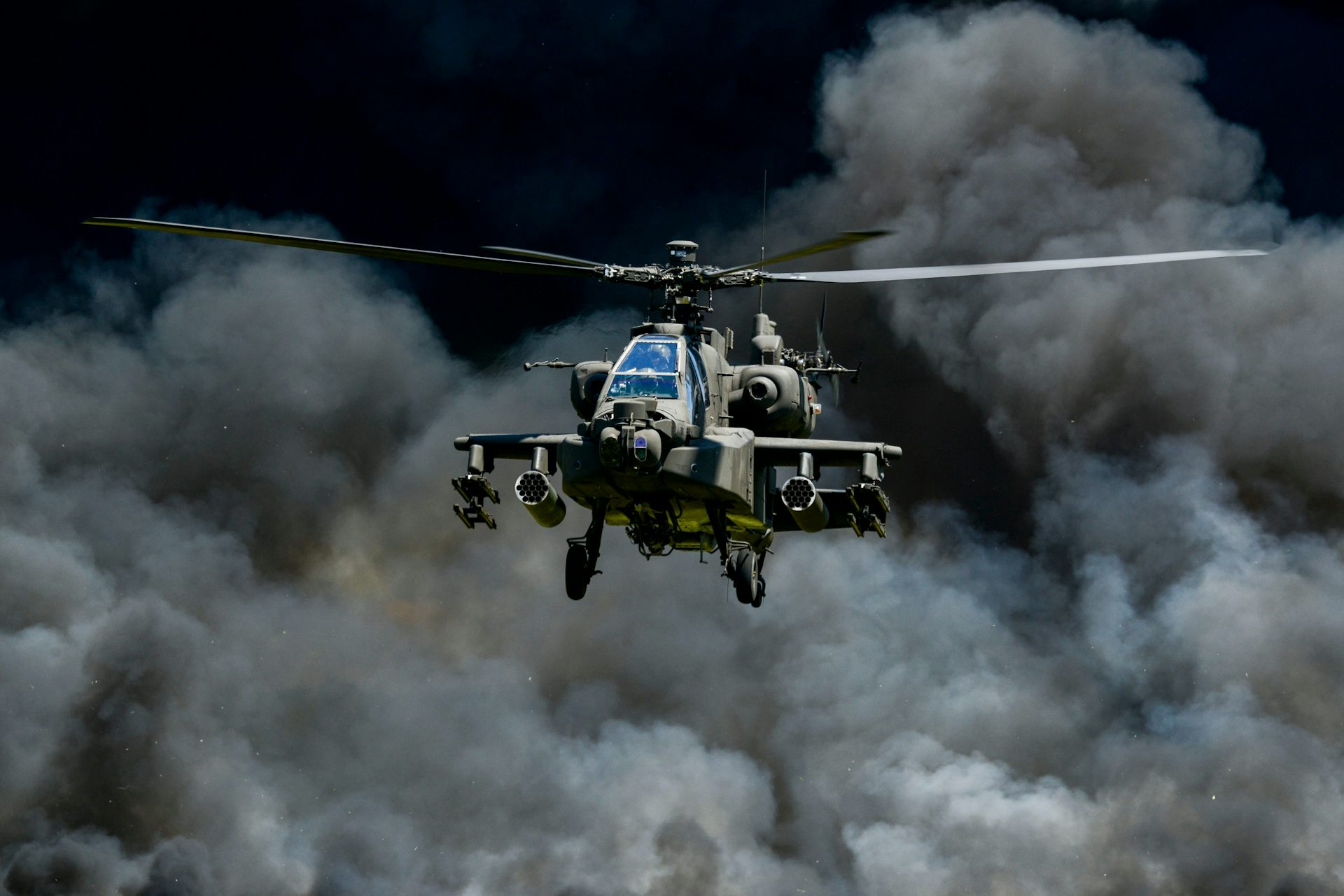
The US military launched strikes against Iran on June 9 in response to the downing of a US Army helicopter near the Strait of Hormuz a day earlier. These strikes, which the US military called “a proportional response to unjustified Iranian aggression”, came after Donald Trump claimed he was in the “final throes of what will be a very, very good deal” to end the war.
美国军方在6月9日对伊朗发动了袭击,此前一天,美军在一处靠近霍尔木兹海峡的地点击落了一架美军直升机。美军称这些打击是“对不合理的伊朗侵略的比例性回应”,而这一行动发生在唐纳德·特朗普声称他即将达成一项“非常、非常好的协议”以结束战争之后。
Iran swiftly carried out retaliatory attacks of its own. The powerful Islamic Revolutionary Guard Corps branch of Iran’s armed forces says it has struck US bases in Bahrain and Jordan. And it has warned of “even more severe attacks” if the US repeats its strikes.
伊朗迅速进行了报复性攻击。伊朗武装部队强大的伊斯兰革命卫队表示,它已经袭击了巴林和约旦的美军基地。并且它警告说,如果美国再次发动打击,将面临“更严重的攻击”。
This episode took place days after Israel and Iran had briefly returned to direct conflict. Triggered by Israeli operations against Hezbollah in Lebanon, where a ceasefire was supposedly in effect, both sides launched various rounds of tit-for-tat strikes before announcing they would halt hostilities.
这一事件发生在以色列和伊朗短暂重返直接冲突几天之后。此前,双方因以色列在黎巴嫩对真主党进行军事行动而引发冲突,尽管该地区声称处于停火状态,但双方仍进行了多轮你来我往的打击,随后宣布停止敌对行动。
At first glance, these incidents appear contradictory. Diplomacy is supposed to be the alternative to war and ceasefires are supposed to reduce violence. Yet with the US, Israel and Iran once again exchanging attacks, and as military operations continue in Lebanon despite ceasefire arrangements, diplomacy and conflict increasingly seem to be unfolding simultaneously.
乍一看,这些事件似乎是矛盾的。外交本应是战争的替代方案,停火协议本应减少暴力。然而,随着美国、以色列和伊朗再次交换攻击,以及尽管有停火安排,军事行动仍在黎巴嫩持续进行,外交与冲突似乎正日益同时展开。
For decades, policymakers assumed that war and diplomacy were distinct phases of international politics. States negotiated until talks broke down, and fighting followed. Eventually, battlefield realities or international pressure pushed adversaries back to the negotiating table. Diplomacy then functioned as an exit ramp from conflict.
几十年来,政策制定者一直认为战争和外交是国际政治中不同的阶段。国家们谈判直到谈崩,随后才是交战。最终,战场现实或国际压力会迫使对手回到谈判桌前。此时,外交则充当了从冲突中的退出机制。
The aftermath of the 1973 Arab-Israeli war exemplified this model. Sustained diplomatic efforts following the conflict culminated in the 1978 Camp David accords, which laid the groundwork for a definitive peace treaty between Egypt and Israel. This treaty was signed the following year and remains in effect to this day.
1973年阿拉伯-以色列战争的余波例证了这一模式。冲突后的持续外交努力最终促成了1978年的《戴维营协议》,为埃及和以色列之间达成一项明确的和平条约奠定了基础。该条约于次年签署,至今仍有效。
However, this model is becoming difficult to recognise, with the Middle East nowadays characterised by a different dynamic. Negotiations between warring parties continue during military confrontations, ceasefires coexist with airstrikes and mediators shuttle between capitals even as threats escalate.
然而,随着中东地区如今以不同的动态特征著称,这一模式正变得难以识别。交战方之间的谈判在军事对抗期间持续进行;停火与空袭并存;调解人即使在威胁升级的情况下也穿梭于各国首都之间。
The problem is not that diplomacy is failing. Instead, it is that diplomacy is no longer serving its traditional purpose. Rather than ending conflicts, diplomacy is helping to manage them – a distinction that matters because a conflict that is managed is not necessarily a conflict that is resolved.
问题不在于外交正在失败。相反,问题在于外交不再发挥其传统作用。外交不是结束冲突,而是帮助管理它们——这是一个重要的区别,因为一个被管理的冲突不一定是一个得到解决的冲突。
Managing conflict
处理冲突
The latest escalations between Israel and Iran, and now Iran and the US, illustrate this dilemma. None of these parties appear to want a full-scale regional war, as the costs would be enormous and the consequences unpredictable. Yet each of them is unwilling to abandon what they see as vital security interests.
以色列和伊朗之间,以及现在伊朗和美国之间的最新升级局势,说明了这一困境。这些各方似乎都不希望爆发全面区域战争,因为成本将是巨大的,后果也是不可预测的。然而,它们又不愿意放弃各自认为至关重要的安全利益。
Israel views Hezbollah’s military capabilities as a major threat and therefore has a strong incentive to weaken the group. Iran, on the other hand, sees defending Hezbollah as critical to its security because the group serves as a key deterrent against Israel and extends Tehran’s regional influence. And the US struck Iran in an attempt to uphold deterrence and signal that attacks on US personnel and assets would carry consequences.
以色列认为真主党(Hezbollah)的军事能力构成重大威胁,因此有强烈的动机削弱该组织。另一方面,伊朗则视捍卫真主党对其安全至关重要,因为该组织充当了抵御以色列的关键威慑力量,并扩大了德黑兰在该地区的影响力。美国也打击了伊朗,试图维护威慑力,并发出信号:攻击美方人员和资产将带来后果。
The result of this is a cycle of calibrated escalation. Military force is used not to secure decisive victory but to signal resolve to adversaries, reassure allies and domestic audiences, and persuade opposing leaders that the costs of further escalation outweigh the potential benefits. Diplomacy, meanwhile, works not to eliminate the underlying dispute but to prevent escalation from spiralling beyond control.
这导致了一个经过校准的升级循环。军事力量的使用并非为了取得决定性胜利,而是为了向对手发出决心信号,安抚盟友和国内受众,并说服敌方领导人认为进一步升级的成本大于其潜在利益。与此同时,外交手段的目的并非是消除根本争端,而是防止局势升级失控。
This creates a dangerous equilibrium. When diplomacy functions primarily as a mechanism for crisis management, leaders face less pressure to make the difficult compromises that lasting peace requires. Negotiations can continue indefinitely while violence persists, ceasefires become pauses rather than settlements and conflict becomes chronic.
这造成了一种危险的平衡。 当外交主要充当危机管理的机制时,领导人就面临着较小的压力去做出持久和平所需要的艰难妥协。 谈判可以在暴力持续的情况下无限期地继续,休战变成暂时的喘息而不是真正的解决,而冲突则会变得长期化。
The old distinction between war and peace is becoming blurred in the Middle East. Rival powers do not move neatly from diplomacy to conflict and back again. Instead, they are operating permanently in the space between the two. This should concern policymakers.
中东地区,战争与和平之间的传统界限正在变得模糊。 竞争大国不会从外交平稳地过渡到冲突再回到外交状态。 相反,它们永久性地处于两者之间的空间。 这应该引起政策制定者的关注。
Much of contemporary diplomacy remains based on assumptions that no longer fully apply. Negotiations are often treated as evidence of deescalation, while ceasefires are assumed to signal progress towards peace. Yet neither necessarily tells us much about whether a conflict is actually moving closer to resolution.
当代外交很大程度上仍建立在那些已不再完全适用的假设之上。 谈判常被视为局势缓和的证据,而停火则被假定为迈向和平的进展信号。 然而,这两者并不能必然地告诉我们一个冲突是否真的正在走向解决。
The latest exchanges between the US and Iran, as well as Iran and Israel, therefore raise a troubling possibility. The greatest danger may not be that the Middle East slides back into a wider war. It may be that it settles into a condition of permanent confrontation in which violence periodically erupts, diplomacy periodically intervenes and neither fundamentally changes the underlying reality.
因此,美国和伊朗之间,以及伊朗和以色列之间的最新交锋,引发了一个令人不安的可能性。最大的危险可能不是中东再次陷入全面战争。而是它可能会进入一种永久性对抗的状态,在这种状态下,暴力周期性爆发,外交周期性干预,但两者都没有从根本上改变其潜在的现实。
For decades, the central challenge of international politics has been how to move from war to peace. The challenge emerging today is different, with negotiators grappling with the much more difficult task of ending a conflict when war and peace are happening at the same time.
几十年来,国际政治的核心挑战是如何实现从战到和的转变。 今天出现的挑战则不同,谈判代表们必须处理一个更艰巨的任务:即在战争和和平同时存在的情况下,如何结束一场冲突。
The authors do not work for, consult, own shares in or receive funding from any company or organisation that would benefit from this article, and have disclosed no relevant affiliations beyond their academic appointment.
作者不为任何受益于本文的公司或组织工作、提供咨询、持有股份或获得资金支持,并且已披露了超出其学术任职范围的任何相关隶属关系。
Read more
-

GLP-1类药物,如Ozempic,在减重之外展现出更多潜力。但科学证据和炒作之间,究竟哪个更可靠?
GLP-1 drugs like Ozempic show promise for more than wei…