
يقول جيف بيزوس إن الشعر الذي لا يعتمد على القافية سهل – لكن الأمر ليس بهذه البساطة.
Jeff Bezos says poetry without rhyming is easy – but it’s not that simple
Contrary to popular belief, poetry doesn’t have to rhyme – and rhyme is not a marker of quality, or ease. Some of the world’s most famous poetry proves it.
على عكس الاعتقاد الشائع، لا يجب أن يكون الشعر مقفى – والوزن ليس مؤشراً على الجودة، ولا على السهولة. بعض أشهر الشعر في العالم يثبت ذلك.
When Jeff Bezos defended major layoffs at The Washington Post last week, he reached for poetry. Pressed on why he would not simply subsidise the paper, he argued payment was a “signal” of relevance: “If people won’t pay for our product, we’re not doing, it’s not a good enough product […] It would be like poetry without rhyming. It’s too easy.”
عندما دافع جيف بيزوس عن التسريحات الكبيرة في صحيفة “ذا واشنطن بوست” الأسبوع الماضي، لجأ إلى الشعر. وعندما سُئل عن سبب عدم مجرد دعم الصحيفة ماليًا، جادل بأن الدفع هو “إشارة” للأهمية: “إذا لم يدفع الناس مقابل منتجنا، فنحن لا نقوم بشيء، إنه ليس منتجًا جيدًا بما فيه الكفاية […] سيكون الأمر مثل الشعر بلا قافية. إنه سهل للغاية.”
The analogy was mocked almost immediately. A former Washington Post literary critic imagined Poetry magazine rejecting T.S. Eliot’s The Waste Land for insufficient rhyme. Others responded in the form the occasion seemed to invite:
سُرِع بالاستهزاء بهذا التشبيه تقريبًا. وتخيل ناقد أدبي سابق في “ذا واشنطن بوست” مجلة “بويتي” وهي ترفض عمل تي. إس. إليوت “أرض اليباب” لافتقاره إلى القافية الكافية. ورد آخرون على النحو الذي بدا أن المناسبة تدعوه إليه:
Roses are red Violets are blue Bezos sucks And his takes do too.
الورود حمراء الزنبق أزرق بيزوس مقرف وتصريحاته كذلك.
But the mockery missed the more interesting point. Bezos was not really talking about rhyme. He was talking about constraint: the idea that without some external pressure – rhyme in poetry, profitability in journalism – the work becomes too easy, too loose, too self-satisfied.
لكن السخرية أخطأت الهدف الأكثر إثارة للاهتمام. لم يكن بيزوس يتحدث حقًا عن القافية. بل كان يتحدث عن القيد: فكرة أنه بدون ضغط خارجي – سواء كان قافية في الشعر، أو ربحية في الصحافة – يصبح العمل سهلاً للغاية، ومترهلاً للغاية، وراضياً عن نفسه للغاية.
Poetry was never identical with rhyme
لم تكن القصيدة أبدًا مطابقة للقافية
Rhyme is one of the most recognisable features of English verse. It gives pleasure because it returns: a sound goes out and comes back altered. Because it is so easy to hear, rhyme can look like proof of effort. We hear the rule. We hear the poem obeying it. That is exactly why it becomes such a tempting stand-in for seriousness.
تُعد القافية إحدى أبرز السمات المميزة للشعر الإنجليزي. إنها تمنح المتعة لأنها تعود: صوت يخرج ثم يعود مُغَيَّرًا. ولأنها سهلة السمع للغاية، يمكن أن تبدو القافية وكأنها دليل على الجهد. نسمع القاعدة. نسمع القصيدة وهي تطيعها. ولهذا تحديدًا تصبح بديلاً مغريًا للجدية.
In Middle English, “rime” could mean not only rhyme, but metre or verse more generally; so the terms blurred early on. But poetry was never identical with rhyme.
في اللغة الإنجليزية الوسطى، كان مصطلح “rime” يمكن أن يعني ليس فقط القافية، بل الوزن أو القصيدة بشكل عام؛ لذلك تداخلت المصطلحات في وقت مبكر. لكن الشعر لم يكن أبدًا مطابقًا للقافية.
Old English verse, including Beowulf, was organised by patterns of stressed syllables, pauses within the line (caesura) and alliteration, rather than rhyme. Rhyme became increasingly important in English later, especially under French influence after the Norman Conquest. Because it is memorable, teachable and easy to hear, it gradually came to stand in for poetry itself.
كان الشعر الإنجليزي القديم، بما في ذلك “بيوولف”، مُنظَّمًا بأنماط من المقاطع المشددة، والوقفات داخل السطر (الوقفة/الفاصلة) ، والجناس (التكرار الصوتي) ، بدلاً من القافية. وأصبحت القافية أكثر أهمية في إنجلترا لاحقًا، خاصة تحت التأثير الفرنسي بعد الغزو النورماندي. ولأنها سهلة التذكر والتعليم والسمع، بدأت تدريجيًا تحل محل الشعر نفسه.
But rhyme is not poetry. Nor is end rhyme the only way poetry makes pattern or music. Some of the most important poetry in English does not rely on it at all.
لكن القافية ليست شعرًا. كما أن القافية الختامية ليست الطريقة الوحيدة التي يشكل بها الشعر نمطًا أو موسيقى. ولا يعتمد بعض أهم الشعر الإنجليزي على ذلك على الإطلاق.
Why rhyme isn’t necessary
لماذا لا يعد القافية ضرورية
John Milton wrote Paradise Lost without rhyme, and defended the decision explicitly, arguing rhyme was “no necessary adjunct or true ornament of poem or good verse”.
كتب جون ميلتون “الجنة الضائعة” (Paradise Lost) دون استخدام القافية، ودافع عن قراره بشكل صريح، مجادلاً بأن القافية “ليست إضافة ضرورية أو زينة حقيقية للقصيدة أو الشعر الجيد.”
What matters here is not mere hostility to rhyme, but the sense that rhyme can tempt a poet into polish before thought has finished its work. He goes further, dismissing rhyme as the “jingling sound of like endings” and even as the “troublesome and modern bondage of riming”.
ما يهم هنا ليس مجرد العداء للقافية، بل الشعور بأن القافية يمكن أن تغري الشاعر بالصقل قبل أن ينهي الفكر عمله. بل يذهب أبعد من ذلك، رافضاً القافية باعتبارها “صوت رنين النهايات المتشابهة” وحتى “العبودية المزعجة والحديثة للتقافية.”
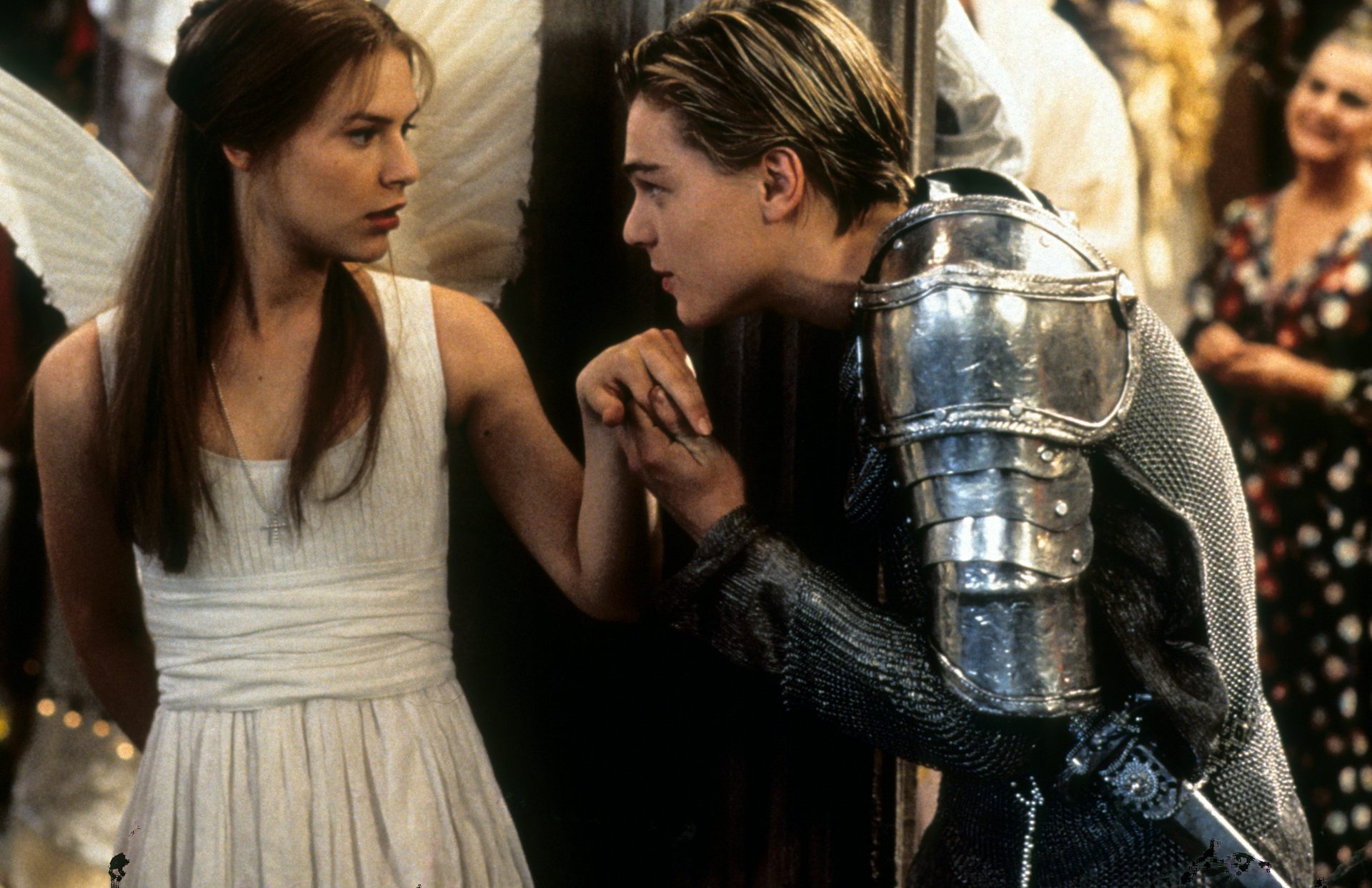
Shakespeare’s drama offers the clearest proof: it is built largely in blank verse, where the line is shaped by rhythm and the movement of the sentence rather than rhyme, as when Romeo first sees Juliet:
يقدم مسرح شكسبير الدليل الأوضح: فهو مبني إلى حد كبير على الشعر التفعيلي (blank verse) ، حيث يتشكل السطر بواسطة الإيقاع وحركة الجملة بدلاً من القافية، كما حدث عندما رأى روميو جولييت لأول مرة:
But soft, what light through yonder window breaks? It is the East, and Juliet is the sun. Arise, fair sun, and kill the envious moon.
But soft, what light through yonder window breaks? It is the East, and Juliet is the sun. Arise, fair sun, and kill the envious moon.
But at its best, rhyme surprises
ولكن في أفضل حالاته، يثير القافية المفاجأة
Much modern poetry also does without regular rhyme. Free verse is poetry that does not rely on regular rhyme or a fixed metre – a regular pattern of stressed and unstressed syllables – and it has always suffered from its name. “Free” makes it sound as though the poet has simply slipped the leash of form.
العديد من الشعر الحديث يفعل ذلك أيضًا دون قافية منتظمة. الشعر الحر هو الشعر الذي لا يعتمد على قافية منتظمة أو وزن ثابت – وهو نمط منتظم من المقاطع المجهدة وغير المجهدة – وقد عانى دائمًا من اسمه. كلمة “حر” تجعله يبدو وكأن الشاعر قد أفلت ببساطة قيود الشكل.
But, as T.S. Eliot wrote in Reflections on Vers Libre, there is “no freedom in art”: removing rhyme does not remove structure, but throws other patterns into relief. Rhythm, word order, line, repetition and the movement of thought become more exposed. Free verse is not failed rhymed verse. Its discipline is simply less immediately audible.
ولكن، كما كتب تي. إس. إليوت في “تأملات حول الشعر الحر”، “لا يوجد حرية في الفن”: إزالة القافية لا تزيل البنية، بل تبرز أنماطًا أخرى. يصبح الإيقاع، وترتيب الكلمات، والسطر، والتكرار، وتدفق الفكر أكثر وضوحًا. الشعر الحر ليس شعرًا مقفى فاشلاً. إن انضباطه ببساطة أقل وضوحًا للأذن.
At its best, rhyme is a genuine source of pleasure and ingenuity. It does more than repeat: it surprises. Lord Byron’s Don Juan is full of rhymes that arrive not as dutiful closure, but as comic swerves or little flashes of intelligence.
في أفضل حالاته، القافية مصدر حقيقي للمتعة والبراعة. إنها تفعل أكثر من مجرد التكرار: إنها تثير المفاجأة. قصيدة “دون جوان” للورد بايرون مليئة بقوافي تصل ليس كإغلاق واجبي، بل كمنعطفات كوميدية أو ومضات صغيرة من الذكاء.
Byron addresses the “lords of ladies intellectual” and snaps the stanza shut with “have they not hen-peck’d you all?”. Emily Dickinson, in another key, makes the point just as sharply: in “Because I could not stop for Death”, the poem’s slant rhymes show that rhyme does not have to mean tidy closure; it can work through near-match, disturbance and eerie precision instead.
يتناول بايرون “سادة عقول السيدات” ويغلق المقطع بـ “ألم يجعلوكِ جميعًا خاضعات؟.” إميلي ديكنسون، في مفتاح آخر، تطرح النقطة بنفس الحدة: في قصيدة “لأني لم أستطع التوقف عند الموت”، تُظهر القوافي المائلة للقصيدة أن القافية لا يجب أن تعني إغلاقًا مرتبًا؛ بل يمكن أن تعمل من خلال التشابه القريب، والاضطراب، والدقة الغريبة بدلاً من ذلك.
Eminem’s famous answer to the claim that nothing rhymes with “orange” works by stretching sound across syllables and making the ear hear a likeness it did not expect: “four-inch” and “door hinge”.
تنجح إجابة إمينيم الشهيرة على الادعاء بأن شيئًا لا ينسجم مع “البرتقال” عن طريق تمديد الصوت عبر المقاطع وجعل الأذن تسمع شبهاً لم تتوقعه: “أربعة بوصات” و “مفصل الباب.”
That is one of rhyme’s oldest pleasures: not just recurrence, but discovery. Rhyme can be brilliant in exactly this way. It can also be merely mechanical. Bad rhyme is easy. Good rhyme is not. Its presence alone proves less than Bezos thinks.
هذه هي إحدى أقدم متع القافية: ليست مجرد التكرار، بل الاكتشاف. يمكن أن تكون القافية رائعة بهذه الطريقة تحديدًا. ويمكن أن تكون أيضًا ميكانيكية بحتة. القافية السيئة سهلة. أما القافية الجيدة فليست كذلك. وجودها وحده يثبت أقل مما يعتقد بيزوس.
Rhyme is audible. Profit is measurable. Both look objective, but neither proves very much. A poem can rhyme and still fail; a newspaper can make money and still be trivial. The mistake is to confuse what is easiest to hear or count with what matters most.
القافية مسموعة. الربح قابل للقياس. كلاهما يبدوان موضوعيين، لكن أياً منهما لا يثبت الكثير. يمكن أن ينسجم الشعر ويظل فاشلاً؛ ويمكن أن يحقق الجريدة المال وتظل تافهة. الخطأ يكمن في الخلط بين ما هو الأسهل سماعه أو عده وما هو الأكثر أهمية.
Bronwyn Lea does not work for, consult, own shares in or receive funding from any company or organisation that would benefit from this article, and has disclosed no relevant affiliations beyond their academic appointment.
برونوين ليا لا تعمل لصالح، ولا تستشير، ولا تمتلك حصصًا في، أو تتلقى تمويلاً من أي شركة أو منظمة يمكن أن تستفيد من هذه المقالة، ولم تكشف عن أي انتماءات ذات صلة تتجاوز منصبها الأكاديمي.
Read more
-

بمناسبة بلوغ ديفيد أتينبروغ المائة عام، يستكشف أربعة خبراء إرثه، من العلم إلى سرد القصص.
As David Attenborough turns 100, four experts explore his legacy, from science to storytelling
-
لماذا تحمل قمة نيروبي بين أفريقيا وفرنسا سمات أولويات ماكرون وروتو؟
Why Nairobi Africa-France summit bears the hallmarks of Macron and Ruto priorities