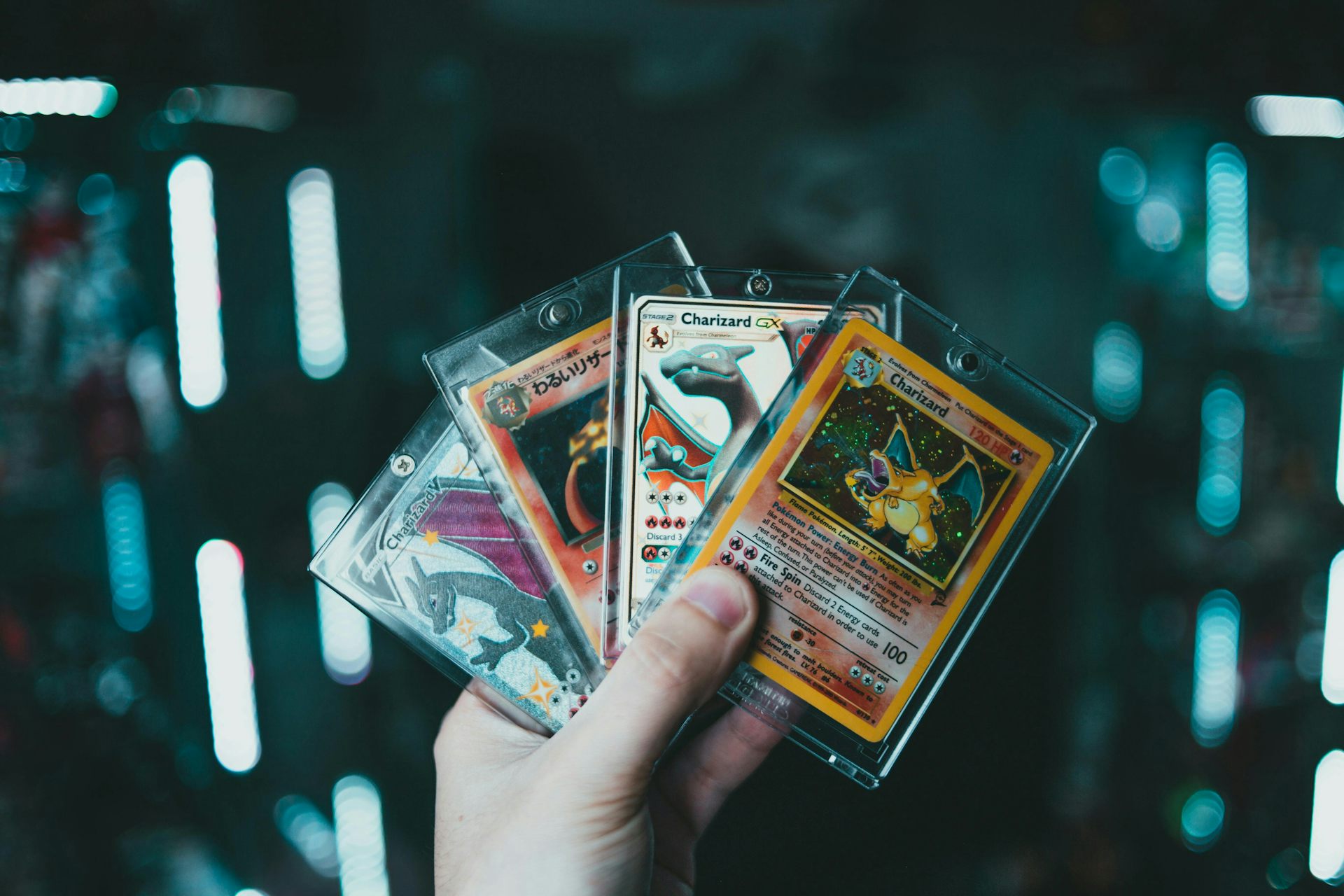
लोग फिर से पोकेमॉन कार्डों के प्रति इतने जुनूनी (और उन्हें चुरा क्यों रहे हैं)?
Why are people obsessed with (and stealing) Pokemon cards again?
Pokémon cards emerged from Japan’s love affair with collectables – but creator Satoshi Tajiri had a vision for global conquest.
पोकेमॉन कार्ड जापान के संग्रहणीय वस्तुओं के प्रति प्रेम से उभरे – लेकिन निर्माता सातोशी तजिरी की दृष्टि वैश्विक विजय की थी।
In 1973, Japanese food company Calbee started attaching free collectable baseball player cards to its potato chip packets (and continues to do so today) . It was mimicking a trend that had already taken off in tobacco markets in Japan and overseas. Baseball, Japan’s national sport, was an obvious choice for Calbee to attract consumers.
सन् 1973 में, जापानी खाद्य कंपनी कैल्बी (Calbee) ने अपने आलू के चिप्स के पैकेटों के साथ मुफ्त संग्रहणीय बेसबॉल खिलाड़ी कार्ड संलग्न करना शुरू किया (और आज भी ऐसा करती है) । यह एक ऐसे चलन की नकल कर रहा था जो पहले से ही जापान और विदेशों में तंबाकू बाजारों में शुरू हो चुका था। बेसबॉल, जो जापान का राष्ट्रीय खेल है, कैल्बी के लिए उपभोक्ताओं को आकर्षित करने का एक स्पष्ट विकल्प था।
Some four years later, rival company Lotte joined the trend, launching a chocolate wafer snack with Bikkuriman “surprise man” stickers. These stickers quickly caught on – and eventually spawned an entire fantasy world that made its way to anime and manga.
लगभग चार साल बाद, प्रतिद्वंद्वी कंपनी लोटे (Lotte) ने इस चलन में शामिल होकर, बिक्कुरिमान “सरप्राइज मैन” स्टिकर के साथ एक चॉकलेट वेफर स्नैक लॉन्च किया। इन स्टिकर ने जल्दी ही लोकप्रियता हासिल की – और अंततः एक पूरी काल्पनिक दुनिया को जन्म दिया जो एनीमे और मंगा तक पहुँची।
Both Calbee and Lotte helped set a template for how children’s collectables could become objects of desire, competition and, later, nostalgia. Bikkuriman is still sold today, with rare 1980s Super Zeus stickers going for thousands of dollars to adult collectors.
कैल्बी और लोटे दोनों ने यह स्थापित करने में मदद की कि बच्चों के संग्रहणीय वस्तुएं इच्छा, प्रतिस्पर्धा और बाद में, नॉस्टेल्जिया (पुरानी यादों) की वस्तुएं कैसे बन सकती हैं। बिक्कुरिमान आज भी बेचा जाता है, जिसमें 1980 के दशक के दुर्लभ सुपर ज़ीउस स्टिकर वयस्क संग्राहकों को हजारों डॉलर में मिलते हैं।
It was against this backdrop that Satoshi Tajiri (born 1965) grew up. He would have been about 12 when the first Bikkuriman card was released. Satoshi himself would end up creating one of the most popular collectable card games in the world: Pokémon.
इसी पृष्ठभूमि में सातोशी तजिरी (जन्म 1965) बड़े हुए। जब पहला बिक्कुरिमान कार्ड जारी हुआ होगा, तब वह लगभग 12 साल के होंगे। सातोशी ने खुद दुनिया के सबसे लोकप्रिय संग्रहणीय कार्ड खेलों में से एक का निर्माण किया: पोकेमॉन।
These cards are now so highly coveted they are driving international crime, getting banned from schools, and locked behind glass cabinets in stores.
ये कार्ड अब इतने अधिक वांछनीय हैं कि वे अंतर्राष्ट्रीय अपराध को बढ़ावा दे रहे हैं, स्कूलों से प्रतिबंधित हो रहे हैं, और दुकानों में कांच की अलमारियों के पीछे बंद हैं।
Creating the cultural conditions for a hit
एक हिट के लिए सांस्कृतिक माहौल बनाना
Satoshi drew on a childhood memory when he created Pokémon (short for “Pocket Monsters”): catching insects and trading them with friends.
जब उन्होंने पोकेमॉन (जो “पॉकेट मॉन्स्टर्स” का छोटा रूप है) बनाया, तो सातोशी ने बचपन की एक याद से प्रेरणा ली: कीड़ों को पकड़ना और उन्हें दोस्तों के साथ व्यापार करना।
He imagined a Nintendo Game Boy game where players could collect and exchange monsters. After seven years in development, Pocket Monsters Red and Green launched in February 1996. This was followed by a trading card game in October.
उन्होंने एक निन्टेंडो गेम बॉय गेम की कल्पना की जहाँ खिलाड़ी मॉन्स्टर्स को इकट्ठा और एक्सचेंज कर सकते थे। सात साल के विकास के बाद, पॉकेट मॉन्स्टर्स रेड और ग्रीन फरवरी 1996 में लॉन्च हुए। इसके बाद अक्टूबर में एक ट्रेडिंग कार्ड गेम आया।
In 1997, the anime began airing on Japanese television, with a protagonist also named Satoshi (the name still used in Japan today) . Pikachu – originally just one of 151 monsters – became the face of the franchise.
1997 में, जापानी टेलीविजन पर एनीमे प्रसारित होना शुरू हुआ, जिसका एक मुख्य पात्र का नाम भी सातोशी था (यह नाम आज भी जापान में उपयोग किया जाता है) । पिकाचू – जो मूल रूप से 151 मॉन्स्टर्स में से केवल एक था – फ्रैंचाइज़ी का चेहरा बन गया।
Like Bikkuriman, Pocket Monster spread rapidly across games, TV and print media. But unlike Bikkuriman, it also aimed to cross borders.
बिककुरिमन की तरह, पॉकेट मॉन्स्टर गेम्स, टीवी और प्रिंट मीडिया में तेज़ी से फैला। लेकिन बिककुरिमन के विपरीत, इसका लक्ष्य सीमाओं को पार करना भी था।
The English-language version of the game was released in 1998, with its name changed to Pokémon. “Pocket Monsters” may have sounded awkward, or even suggestive, to English speakers. Although it remains the official name in Japan, most Japanese fans also use the portmanteau, Pokémon.
गेम का अंग्रेजी संस्करण 1998 में जारी किया गया, और इसका नाम बदलकर पोकेमॉन कर दिया गया। “पॉकेट मॉन्स्टर्स” अंग्रेजी बोलने वालों को अजीब, या यहाँ तक कि आपत्तिजनक भी लग सकता था। हालांकि यह जापान में आधिकारिक नाम बना हुआ है, अधिकांश जापानी प्रशंसक पोर्टमैनो (संकर शब्द) , पोकेमॉन का भी उपयोग करते हैं।
Character names were also adapted and anglicised for overseas audiences.
विदेशी दर्शकों के लिए चरित्र नामों को भी अनुकूलित और अंग्रेजीकृत किया गया।
For instance, Satoshi became Ash. Nyarth, a bipedal cat thought to be inspired by the Japanese lucky charm maneki-neko, became Meowth, to match the English-language cat sound. (Pikachu, drawing on the Japanese onomatopoeia of “pika” and “chu”, was retained.)
उदाहरण के लिए, सातोशी का नाम ऐश हो गया। न्यार्थ, जिसे जापानी शुभ ताबीज मानेकी-नेको से प्रेरित माना जाता था, अंग्रेजी भाषा की बिल्ली की आवाज़ से मेल खाने के लिए म्याउथ बन गया। (पिकाचू, जो जापानी ऑनोमैटोपोइया “पिका” और “चू” पर आधारित था, को बरकरार रखा गया।)
Soon enough, the character names, types and Pokédex numbers became shared internationally, allowing players the world over to connect through a shared Pokémon language. In 2004, the first World Championship for the Pokémon Trading Card Game was held in the United States.
जल्द ही, चरित्र नाम, प्रकार और पोकेडेक्स नंबर अंतरराष्ट्रीय स्तर पर साझा हो गए, जिससे दुनिया भर के खिलाड़ी एक साझा पोकेमॉन भाषा के माध्यम से जुड़ सके। 2004 में, पोकेमॉन ट्रेडिंग कार्ड गेम के लिए पहला विश्व चैंपियनशिप संयुक्त राज्य अमेरिका में आयोजित किया गया था।
Squirtle in your neighbourhood
आपके पड़ोस में स्क्वर्टल
It’s difficult for any single commodity to maintain popularity over decades. During the early 2010s, Nintendo suffered significantly, even falling into deficit, and the Pokémon franchise faced competition from rivals such as Yu-Gi-Oh! and Yo-Kai Watch.
किसी भी एक वस्तु के लिए दशकों तक लोकप्रियता बनाए रखना मुश्किल होता है। 2010 के दशक की शुरुआत में, निन्टेंडो को काफी नुकसान हुआ, वह घाटे में भी चली गई, और पोकेमॉन फ्रैंचाइज़ी को यू-गी-ओ! और यो-काई वॉच जैसे प्रतिद्वंद्वियों से प्रतिस्पर्धा का सामना करना पड़ा।
The old-school model of marketing through traditional media was no longer enough for global dominance. To survive, Pokémon would need to adopt the logic of new media platforms – and catch the eye of the online generation. Then came Pokémon GO.
पारंपरिक मीडिया के माध्यम से मार्केटिंग का पुराना मॉडल वैश्विक प्रभुत्व के लिए अब पर्याप्त नहीं था। जीवित रहने के लिए, पोकेमॉन को नए मीडिया प्लेटफॉर्म के तर्क को अपनाना होगा – और ऑनलाइन पीढ़ी का ध्यान आकर्षित करना होगा। फिर आया पोकेमॉन जीओ।
The 2016 smartphone app was developed by American software company Niantic, in collaboration with Nintendo and The Pokémon Company.
2016 का स्मार्टफोन ऐप अमेरिकी सॉफ्टवेयर कंपनी नियांटिक द्वारा, निन्टेंडो और द पोकेमॉन कंपनी के सहयोग से विकसित किया गया था।
Through augmented reality, parks, shopping streets and neighbourhoods gained new meaning as potential locations for your next Pokémon catch. One grandfather in Taiwan made the news for using 64 smartphones at once.
ऑगमेंटेड रियलिटी के माध्यम से, पार्क, शॉपिंग की सड़कें और पड़ोस आपके अगले पोकेमॉन कैच के संभावित स्थानों के रूप में नया अर्थ प्राप्त करने लगे।
Some players even travelled internationally to capture region-exclusive Pokémon, such as Kangaskhan in Australia, which was clearly modelled on a kangaroo.
टाइवान के एक दादाजी ने एक बार में 64 स्मार्टफोन का उपयोग करने के लिए खबर बनाई। कुछ खिलाड़ियों ने तो क्षेत्र-विशिष्ट पोकेमॉन को पकड़ने के लिए अंतरराष्ट्रीय स्तर पर यात्रा भी की, जैसे ऑस्ट्रेलिया में कंगारू, जिसे स्पष्ट रूप से एक कंगारू पर मॉडल किया गया था।
Downloaded more than 500 million times, the enormous success of Pokémon GO played a key role in re-energising the global Pokémon fandom. Many players sought out the cards they had collected as children.
500 मिलियन से अधिक बार डाउनलोड होने के साथ, पोकेमॉन जीओ की जबरदस्त सफलता ने वैश्विक पोकेमॉन फैनडम को फिर से ऊर्जावान बनाने में महत्वपूर्ण भूमिका निभाई। कई खिलाड़ियों ने उन कार्डों को खोजा जो उन्होंने बचपन में एकत्र किए थे।
Interest was further amplified by the release of Pokémon TCG Pocket. Released in 2024, this app digitised the old-school Japanese tabletop to make it accesible for all.
पोकेमॉन टीसीजी पॉकेट के रिलीज़ होने से रुचि और बढ़ गई। 2024 में रिलीज़ हुआ, इस ऐप ने पुराने जापानी टेबलटॉप को डिजिटाइज़ किया ताकि यह सभी के लिए सुलभ हो सके।
Chasing profits and childhood memories
मुनाफे और बचपन की यादों का पीछा करना
Then there was another, less predictable factor that drove the popularity of Pokémon cards: COVID lockdowns. With more time at home, people dug out old binders and rediscovered their childhood cards – many of which had high value – and began trading to make money.
फिर एक और, कम अनुमानित कारक था जिसने पोकेमॉन कार्डों की लोकप्रियता को बढ़ाया: कोविड लॉकडाउन। घर पर अधिक समय बिताने के कारण, लोगों ने पुराने बाइंडर निकाले और अपने बचपन के कार्ड फिर से खोजे – जिनमें से कई का मूल्य अधिक था – और पैसा कमाने के लिए व्यापार करना शुरू कर दिया।
This has led to a renewed interest in rare cards such as the Pikachu Illustrator, which was distributed in 1998 to the winners of an illustration contest. The card features artwork by Atsuko Nishida, Pikachu’s original designer. With only 39 copies known to exist, collectors call it the “holy grail” of Pokémon cards.
इससे पिकाचू इलस्ट्रेटर जैसे दुर्लभ कार्डों में रुचि फिर से बढ़ी, जो 1998 में एक चित्रण प्रतियोगिता के विजेताओं को वितरित किया गया था। इस कार्ड में अत्सुको निशिदा, पिकाचू की मूल डिजाइनर, द्वारा की गई कलाकृति है। केवल 39 प्रतियां ज्ञात होने के कारण, संग्राहक इसे पोकेमॉन कार्डों का “पवित्र ग्रेल” कहते हैं।
Earlier this year, influencer Logan Paul sold his Pikachu Illustrator for US$16.492 million, setting a record for the most expensive trading card ever sold.
इस साल की शुरुआत में, इन्फ्लुएंसर लोगन पॉल ने अपना पिकाचू इलस्ट्रेटर $16.492 मिलियन में बेच दिया, जिससे अब तक बेचे गए सबसे महंगे ट्रेडिंग कार्ड का रिकॉर्ड बन गया।
This potential for profit has led to a surge in Pokémon card-related crime, as the cards are easy to carry, hide and move internationally. We’ve seen a wave of burglaries targeting hobby shops all over the world, including in Australia, the US and Japan.
मुनाफे की यह संभावना पोकेमॉन कार्ड से संबंधित अपराधों में वृद्धि का कारण बनी है, क्योंकि इन कार्डों को ले जाना, छिपाना और अंतरराष्ट्रीय स्तर पर ले जाना आसान है। हमने दुनिया भर के हॉबी शॉप्स को निशाना बनाने वाली डकैतियों की एक लहर देखी है, जिसमें ऑस्ट्रेलिया, अमेरिका और जापान शामिल हैं।
Many fans may now find themselves unable to purchase cards due to the economic bubble. Still, it seems demand is high; roughly 10.2 billion cards were printed from 2024 to 2025.
आर्थिक बुलबुले के कारण कई प्रशंसकों को अब कार्ड खरीदना मुश्किल लग सकता है। फिर भी, मांग अधिक लगती है; अनुमानित रूप से 2024 से 2025 तक 10.2 बिलियन कार्ड छापे गए थे।
Pokémon cards are a rare kind of tangible object. They connect the digital to the physical – the past to the present – and Japan to the world. They aren’t just collectables; they are a cultural currency, which, unfortunately, can be stolen.
पोकेमॉन कार्ड एक दुर्लभ प्रकार की मूर्त वस्तु हैं। वे डिजिटल को भौतिक से – अतीत को वर्तमान से – और जापान को दुनिया से जोड़ते हैं। वे केवल संग्रहणीय वस्तुएं नहीं हैं; वे एक सांस्कृतिक मुद्रा हैं, जिसे दुर्भाग्य से चोरी किया जा सकता है।
Tets Kimura does not work for, consult, own shares in or receive funding from any company or organisation that would benefit from this article, and has disclosed no relevant affiliations beyond their academic appointment.
टेट्स किमुरा किसी भी कंपनी या संगठन के लिए काम नहीं करते, सलाह नहीं देते, उसमें शेयर नहीं रखते या उससे फंडिंग प्राप्त नहीं करते जिससे इस लेख से लाभ होगा, और उन्होंने अपने अकादमिक पद से परे कोई प्रासंगिक जुड़ाव नहीं बताया है।
Read more
-
दक्षिण अफ्रीकी लोग पहले की तुलना में प्रवासियों के प्रति बहुत कम सहिष्णु हैं – हॉटस्पॉट, कारण और समाधान
South Africans are far less tolerant of migrants than before – hotspots, drivers and solutions
-

क्या तेल की कीमतें कभी वास्तव में ‘सामान्य’ स्तर पर लौट पाएंगी?
Will oil prices ever truly go back to ‘normal’?