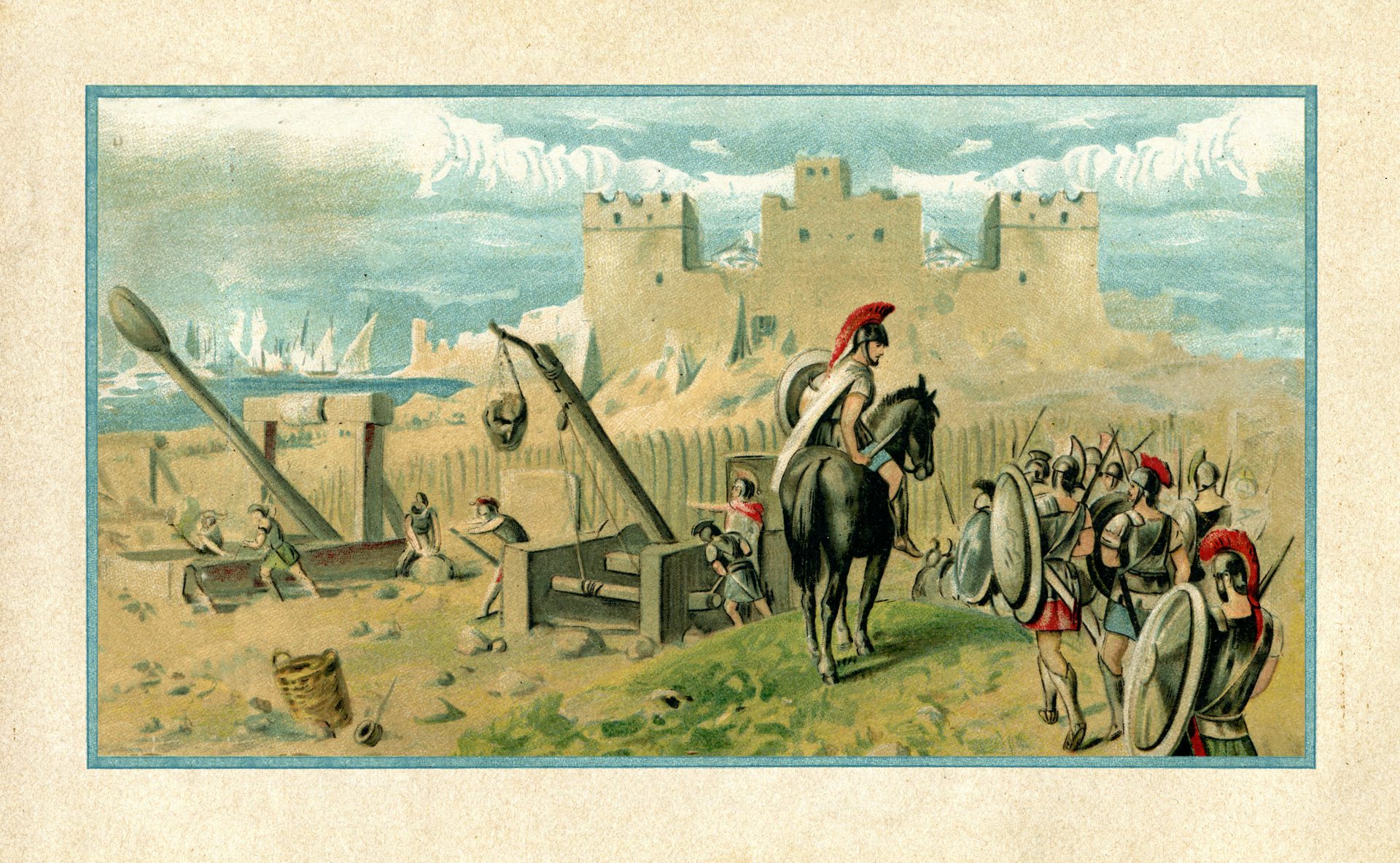
‘थ्यूसिडाइड्स ट्रैप’ क्या है, जिसके बारे में शी ने ट्रम्प को आगाह किया था? एथेंस और स्पार्टा के बीच एक प्राचीन युद्ध से सबक।
What is the ‘Thucydides trap’ Xi warned Trump about? Lessons from an ancient war between Athens and Sparta
What did Thucydides really say on this? And what’s Athens and Sparta got to do with the current state of US-China relations?
थ्यूसिडाइड्स ने वास्तव में इस बारे में क्या कहा था? और एथेंस और स्पार्टा का वर्तमान अमेरिकी-चीनी संबंधों की स्थिति से क्या लेना-देना है?
During their high-stakes meeting in Beijing this week, Chinese President Xi Jinping reportedly asked US President Donald Trump if the two countries could overcome the “Thucydides trap”.
इस सप्ताह बीजिंग में अपनी उच्च-दांव वाली बैठक के दौरान, चीनी राष्ट्रपति शी जिनपिंग ने कथित तौर पर अमेरिकी राष्ट्रपति डोनाल्ड ट्रम्प से पूछा कि क्या दोनों देश “थ्यूसिडाइड्स ट्रैप” को पार कर सकते हैं।
This phrase, popularised by contemporary US political scientist Graham Allison in the early 2010s, is used to describe how two countries can drift toward war when an existing superpower feels anxious about an emerging one. Allison had China and the US in mind specifically.
यह वाक्यांश, जिसे समकालीन अमेरिकी राजनीतिक वैज्ञानिक ग्राहम एलीसन ने 2010 के दशक की शुरुआत में लोकप्रिय बनाया था, का उपयोग यह वर्णन करने के लिए किया जाता है कि कैसे दो देश युद्ध की ओर बढ़ सकते हैं जब कोई मौजूदा महाशक्ति किसी उभरती हुई महाशक्ति को लेकर चिंतित महसूस करती है। एलीसन ने विशेष रूप से चीन और अमेरिका को ध्यान में रखा था।
It takes its name from Athenian historian and general Thucydides, who wrote the History of the Peloponnesian War, about the 27-year war between Athens and Sparta that broke out in 431 BCE.
यह अपना नाम एथेंस के इतिहासकार और जनरल थ्यूसिडाइड्स से लेता है, जिन्होंने पेलोपोनिसियन युद्ध का इतिहास लिखा था, जो 431 ईसा पूर्व में एथेंस और स्पार्टा के बीच हुए 27 साल के युद्ध के बारे में है।
But what did Thucydides really say on this? And what do Athens and Sparta have to do with the current state of US–China relations?
लेकिन थ्यूसिडाइड्स ने वास्तव में इस बारे में क्या कहा था? और एथेंस और स्पार्टा का वर्तमान अमेरिकी-चीनी संबंधों की स्थिति से क्या संबंध है?
An implied fumble
एक निहित चूक
The implication in the term “Thucydides trap” is that the established superpower manages the rising power badly and feels obliged to go to war when that’s not necessarily the only option.
“थ्यूसिडाइड्स ट्रैप” शब्द का निहितार्थ यह है कि स्थापित महाशक्ति बढ़ती शक्ति को खराब तरीके से संभालती है और युद्ध करने के लिए बाध्य महसूस करती है, जबकि यह आवश्यक रूप से एकमात्र विकल्प नहीं होता।
It is based on a quote from Thucydides’ History of the Peloponnesian War (book one, chapter 23) . He said:
यह थ्यूसिडाइड्स के ‘पेलोपोनीशियन युद्ध के इतिहास’ (पुस्तक एक, अध्याय 23) के एक उद्धरण पर आधारित है। उन्होंने कहा:
The growth of the power of Athens, and the alarm which this inspired in Lacedaemon [Sparta], made war inevitable.
एथेंस की शक्ति में वृद्धि, और इससे जो अलार्म लेकाडेमोन [स्पार्टा] में उत्पन्न हुआ, उसने युद्ध को अपरिहार्य बना दिया।
In other words, Thucydides is saying what made the Peloponnesian War inevitable was the rise of Athenian power.
दूसरे शब्दों में, थ्यूसिडाइड्स कह रहे हैं कि पेलोपोनीशियन युद्ध को अपरिहार्य बनाने वाली बात एथेंस की शक्ति का उदय था।
At the time, lots of Greeks were saying Athens and Sparta had gone to war again because of smaller disputes.
उस समय, कई यूनानी कह रहे थे कि एथेंस और स्पार्टा छोटे विवादों के कारण फिर से युद्ध में चले गए थे।
But Thucydides says no, the real cause was the overall fear that Sparta (the traditional superpower) had for the new powerful state: democratic Athens.
लेकिन थ्यूसिडाइड्स कहते हैं नहीं, असली कारण वह समग्र भय था जो स्पार्टा (पारंपरिक महाशक्ति) को एक नए शक्तिशाली राज्य: लोकतांत्रिक एथेंस के लिए था।
The general idea, of course, is that in its anxiety about the rise of China, the US may tend toward war when other options are available.
सामान्य विचार, निश्चित रूप से, यह है कि चीन के उदय को लेकर अपनी चिंता में, अमेरिका अन्य विकल्प उपलब्ध होने पर भी युद्ध की ओर झुक सकता है।
But many scholars of ancient Greece take issue with the way the term is used today.
लेकिन प्राचीन ग्रीस के कई विद्वान इस बात से असहमत हैं कि आज इस शब्द का उपयोग कैसे किया जाता है।
A contested term
एक विवादास्पद शब्द
The word “trap” implies Sparta made a mistake in 431 BCE and could’ve handled things better. But that’s not what Thucydides really narrates in book one of his History of the Peloponnesian War.
“फंदा” शब्द का अर्थ यह है कि स्पार्टा ने 431 ईसा पूर्व में गलती की और वह चीजों को बेहतर तरीके से संभाल सकता था। लेकिन थ्यूसीडाइड्स ने अपने पेलोपोनेसियन युद्ध के इतिहास की पुस्तक एक में वास्तव में ऐसा नहीं बताया है।
He shows that, in fact, Sparta had good reason to fear the rising Athenians. Athens was, by then, a predominate naval power in the Balkans and the Aegean Sea. It was stripping allies off Sparta left, right and centre, and beating up the ones that refused to defect.
वह दिखाते हैं कि वास्तव में, स्पार्टा को बढ़ते एथेंसवासियों से डरने का अच्छा कारण था। तब तक, एथेंस बाल्कन और एजियन सागर में एक प्रमुख नौसैनिक शक्ति थी। यह स्पार्टा से हर तरफ से गठबंधन छीन रही थी, और जो लोग अलग होने से मना करते थे, उन्हें पीट रही थी।
Those allies basically said to Sparta in 432 BCE: listen, you have got to do something about Athens and if you don’t act, we will join them.
उन सहयोगियों ने मूल रूप से 432 ईसा पूर्व में स्पार्टा से कहा था: सुनो, तुम्हें एथेंस के बारे में कुछ करना होगा और अगर तुम कार्रवाई नहीं करते, तो हम उनसे जुड़ जाएंगे।
It was pressure from these allies that pushed the Spartans to act against Athens.
यह इन सहयोगियों का दबाव था जिसने स्पार्टन्स को एथेंस के खिलाफ कार्रवाई करने के लिए मजबूर किया।
So yes, in a sense Sparta’s own anxieties about ever-increasing Athenian power led to war. Sparta felt compelled to wage total war against Athens to maintain its system of alliances, and in 431 BCE broke the peace treaty it had with Athens.
तो हाँ, एक तरह से एथेंस की लगातार बढ़ती शक्ति को लेकर स्पार्टा की अपनी चिंताएं युद्ध का कारण बनीं। स्पार्टा ने अपने गठबंधन प्रणाली को बनाए रखने के लिए एथेंस के खिलाफ पूर्ण युद्ध लड़ने के लिए खुद को मजबूर महसूस किया, और 431 ईसा पूर्व में एथेंस के साथ अपनी शांति संधि तोड़ दी।
A longer-term perspective
दीर्घकालिक परिप्रेक्ष्य
More generally, the term “Thucydides trap” is about how over the longer term things didn’t turn out so well for Sparta; although they won the Peloponnesian War, it took them 27 years to do so.
अधिक सामान्य तौर पर, “थ्यूसीडाइड्स ट्रैप” शब्द इस बारे में है कि लंबे समय में चीजें स्पार्टा के लिए इतनी अच्छी नहीं रहीं; हालांकि उन्होंने पेलोपोनीज युद्ध जीता, लेकिन इसमें उन्हें 27 साल लग गए।
And after the victory, Sparta engaged in a huge expansion to become an even greater superpower. That ended up making all the other Greeks very fearful for their security. This growth in Spartan power after 404 BCE caused many of its allies to become enemies. All those Greek states then came together to confront Sparta, which was completely and utterly destroyed in 371 BCE at the Battle of Leuctra.
और जीत के बाद, स्पार्टा एक और बड़े महाशक्ति बनने के लिए बड़े विस्तार में संलग्न हुआ। इससे अन्य सभी यूनानियों को अपनी सुरक्षा को लेकर बहुत डर लगने लगा। 404 ईसा पूर्व के बाद स्पार्टा की इस शक्ति में वृद्धि के कारण उसके कई सहयोगी दुश्मन बन गए। वे सभी यूनानी राज्य फिर स्पार्टा का सामना करने के लिए एक साथ आए, जिसे 371 ईसा पूर्व में लेक्ट्रा की लड़ाई में पूरी तरह से और पूरी तरह से नष्ट कर दिया गया।
The whole security architecture of Sparta collapsed; they lost all their allies, all their slaves were liberated and Sparta was reduced to just a minor state.
स्पार्टा की पूरी सुरक्षा वास्तुकला ढह गई; उन्होंने अपने सभी सहयोगियों को खो दिया, उनके सभी गुलाम मुक्त हो गए और स्पार्टा केवल एक छोटे राज्य तक सिमट गया।
So the lesson for the US implied in the term Thucydides trap is that fear of superpowers is a potent shaper of international affairs.
इसलिए, थ्यूसीडाइड्स ट्रैप शब्द में निहित अमेरिका के लिए सबक यह है कि महाशक्तियों का डर अंतर्राष्ट्रीय मामलों को आकार देने वाला एक शक्तिशाली कारक है।
But many people who use the term Thucydides trap forget to mention what happened to Athens in the longer term.
लेकिन कई लोग जो थ्यूसीडाइड्स ट्रैप शब्द का उपयोग करते हैं, वे यह बताना भूल जाते हैं कि लंबे समय में एथेंस का क्या हुआ।
Athens survived the Peloponnesian War and restored its democracy and military, and became a regional power. But what’s fascinating is that by the early 4th century BCE Athens was under immense pressure from the Persian empire, which was many times more powerful than any Greek state.
एथेंस ने पेलोपोनीज युद्ध में जीवित रहना और अपने लोकतंत्र और सैन्य को बहाल करना और एक क्षेत्रीय शक्ति बनना। लेकिन जो बात दिलचस्प है वह यह है कि 4थी शताब्दी ईसा पूर्व की शुरुआत तक एथेंस पर फारसी साम्राज्य का भारी दबाव था, जो किसी भी यूनानी राज्य की तुलना में कई गुना अधिक शक्तिशाली था।
So Athens clipped its own wings and gave up on being this huge Mediterranean superpower; it decided to forego any attempt to reassert its imperial control over the many Greek states of Anatolia, allowing them again to be subjects of the Persian empire.
इसलिए एथेंस ने अपने पंख काट दिए और इस विशाल भूमध्यसागरीय महाशक्ति होने के विचार को छोड़ दिया; इसने एनाटोलिया के कई यूनानी राज्यों पर अपने साम्राज्यवादी नियंत्रण को फिर से स्थापित करने के किसी भी प्रयास को त्यागने का फैसला किया, उन्हें फिर से फारसी साम्राज्य के विषय बनने दिया।
Athens decided to focus more closely on the Aegean Sea and give up on fighting Persians; it recognised the constraints of its power.
एथेंस ने एजियन सागर पर अधिक ध्यान केंद्रित करने और फारसियों से लड़ने का विचार छोड़ने का फैसला किया; इसने अपनी शक्ति की सीमाओं को पहचान लिया।
So it’s not as though Sparta’s decision to enter war with Athens in 431 BCE led, in the long run, to total world domination by Athens.
इसलिए ऐसा नहीं है कि 431 ईसा पूर्व में एथेंस के साथ युद्ध में प्रवेश करने के स्पार्टा के निर्णय से, लंबे समय में, एथेंस द्वारा संपूर्ण विश्व पर प्रभुत्व स्थापित हो गया।
A lesson for today
आज के लिए एक सबक
The history of the Peloponnesian War provides important lessons for China–US relations today.
पेलोपोनिसियन युद्ध का इतिहास आज चीन-अमेरिका संबंधों के लिए महत्वपूर्ण सबक प्रदान करता है।
One is that it may be foolish for an established superpower to check the rise of an emerging one. Sparta learned that trying to do so can come at a terrible cost.
एक यह है कि किसी स्थापित महाशक्ति के लिए किसी उभरती हुई महाशक्ति के उदय को रोकना मूर्खतापूर्ण हो सकता है। स्पार्टा ने सीखा कि ऐसा करने की कोशिश बहुत भारी कीमत पर आ सकती है।
Accommodating Athens would have allowed Sparta to continue as a superpower well into the fourth century.
एथेंस को समायोजित करने से स्पार्टा को चौथी शताब्दी तक महाशक्ति बने रहने की अनुमति मिल सकती थी।
Another lesson is that an established superpower, such as the US, can cut back its ambitions and focus on regions closer to home.
एक और सबक यह है कि एक स्थापित महाशक्ति, जैसे कि अमेरिका, अपनी महत्वाकांक्षाओं को कम कर सकती है और अपने घर के करीब के क्षेत्रों पर ध्यान केंद्रित कर सकती है।
This is exactly what democratic Athens did after the Peloponnesian War. Doing so allowed it to flourish culturally and politically and keep enemies well away until the 310s BCE.
यह ठीक वही था जो पेलोपोनिसियन युद्ध के बाद लोकतांत्रिक एथेंस ने किया। ऐसा करने से उसे सांस्कृतिक और राजनीतिक रूप से फलने-फूलने और 310 ईसा पूर्व तक दुश्मनों को दूर रखने में मदद मिली।
David M. Pritchard receives funding from the ARC.
डेविड एम. प्रिचर्ड को एआरसी से फंडिंग मिलती है।
Read more
-
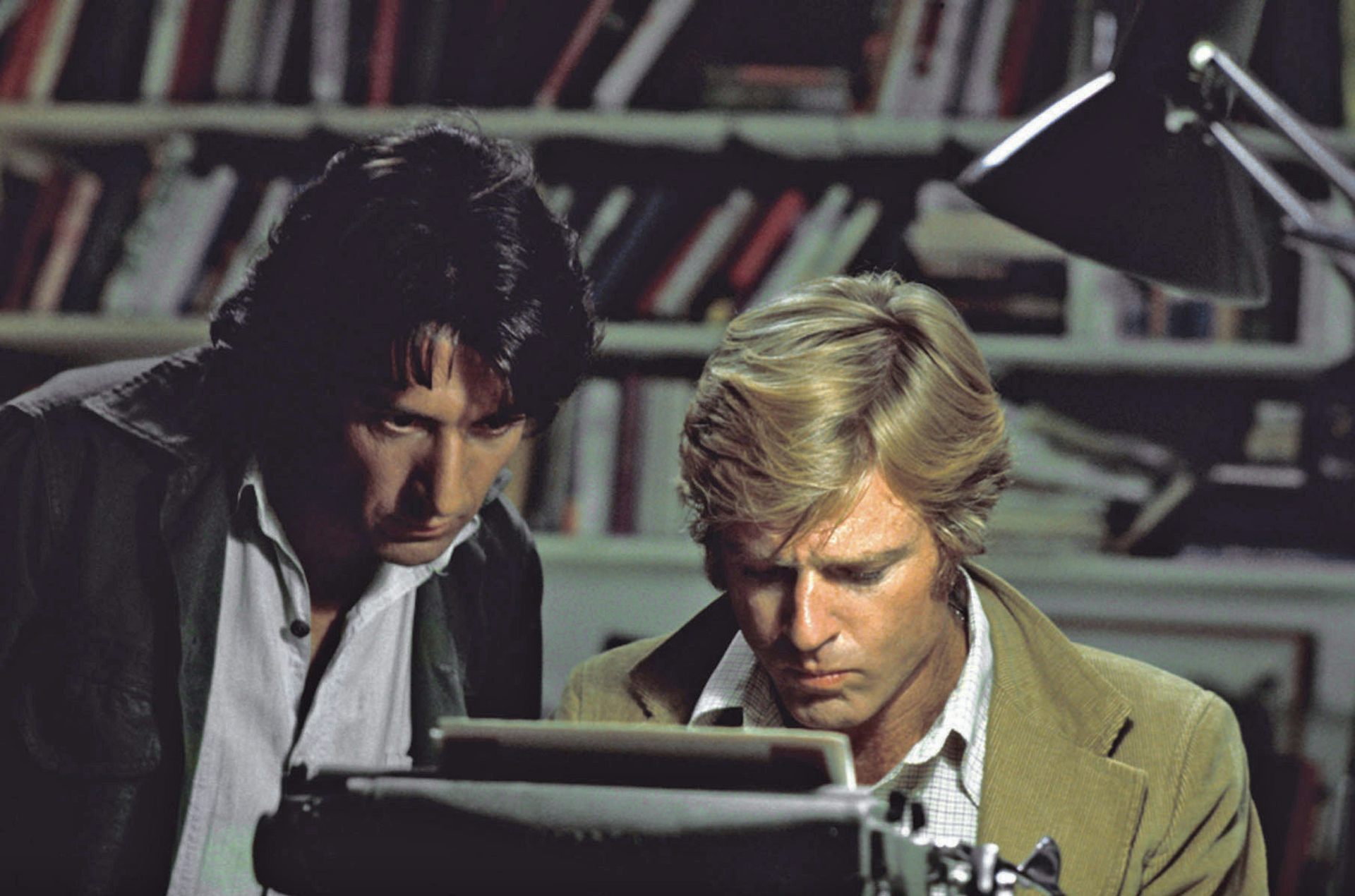
‘ऑल द प्रेसिडेंट्स मेन’ 50 साल में: खोजी पत्रकारिता पर बनी सर्वश्रेष्ठ फिल्मों में से एक।
All The President’s Men at 50: one of the finest films about investigative journalism ever made
-

जब एआई दिग्गज सार्वजनिक होंगे, तो क्या साधारण निवेशकों को पता चलेगा कि वे इस उछाल का हिस्सा हैं?
When AI giants go public, will ordinary investors know if they are along for the ride?