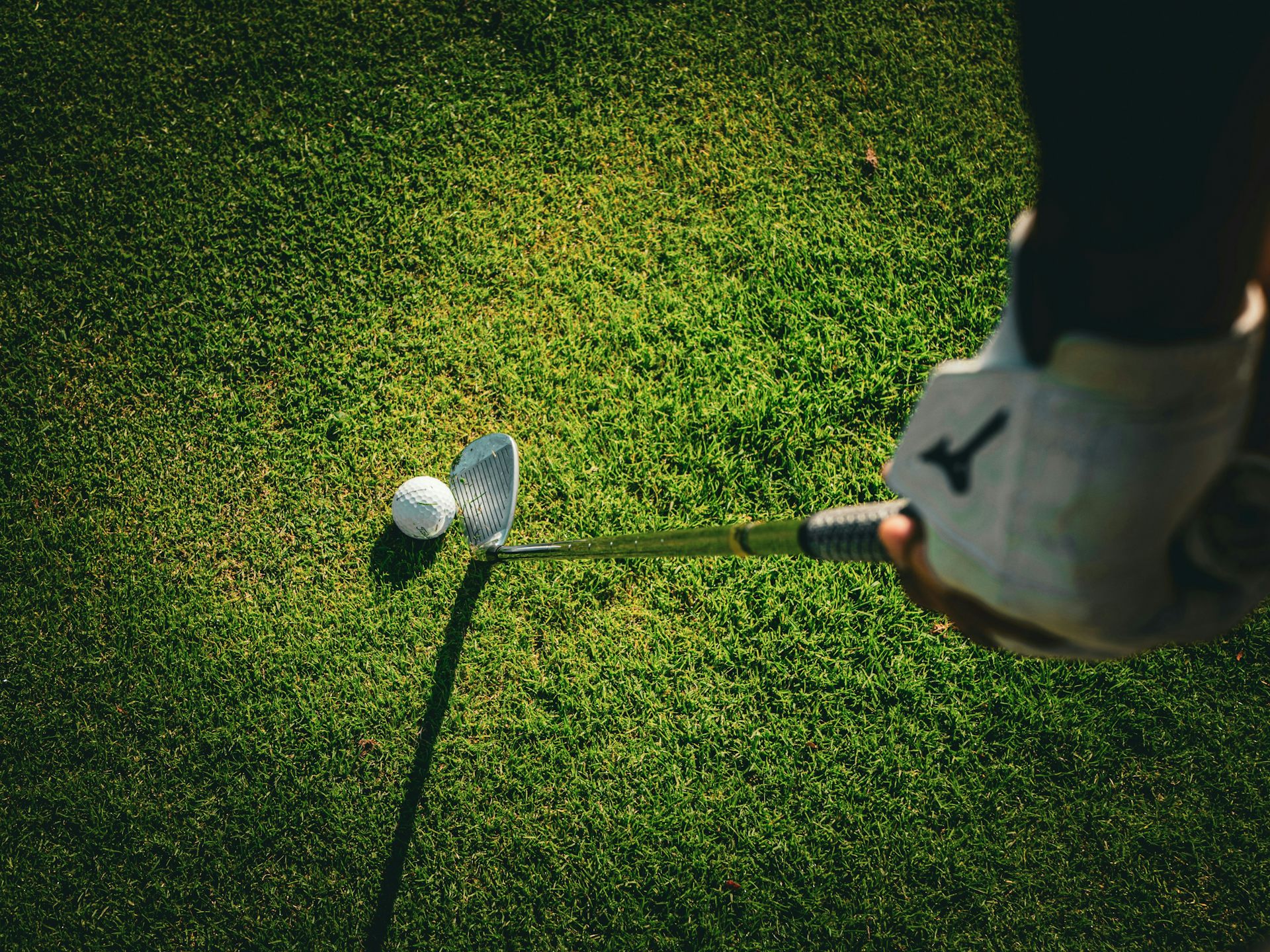
الـ Yips: عندما يمكن أن يتجاوز “التعثر” في الأداء الرياضي مستواه المعتاد
The yips: when ‘choking’ in sport can go next level
In sport, the yips can be a chronic, more severe form of ‘choking’ under pressure. Some athletes overcome them – others can get defeated by them.
في الرياضة، يمكن أن تكون الـ Yips شكلاً مزمناً وأكثر شدة من “التعثر” تحت الضغط. يتغلب عليها بعض الرياضيين، بينما يهزمها آخرون.
Legendary 18-time major winner Jack Nicklaus once stated golf was “90% mental and 10% physical”.
صرح جاك نيكلاوس، الفائز الأسطوري ببطولة كبرى 18 مرة، بأن الغولف “ذهني بنسبة 90% وبدني بنسبة 10%.”
That’s because unlike most other ball sports, a golfer spends most of the time thinking about their game instead of actually playing it: the contact time a player has with the ball is minuscule compared to the time spent planning the next shot, or frustratedly replaying a previous wonky hit.
ويرجع ذلك إلى أن لاعب الغولف، على عكس معظم رياضات الكرة الأخرى، يقضي معظم وقته في التفكير في لعبته بدلاً من ممارستها فعلياً: فزمن تلامس اللاعب بالكرة ضئيل مقارنة بالوقت الذي يقضيه في التخطيط للضربة التالية، أو في إعادة محاكاة ضربة سابقة غير ناجحة بإحباط.
This can take a toll on even the best players – who can forget Greg Norman’s 1996 US Masters collapse, considered one of the worst chokes in the history of sport?
يمكن أن يؤثر هذا على أفضل اللاعبين حتى – فمن ينسى انهيار غريغ نورمان في بطولة أمريكا المفتوحة عام 1996، والذي يعتبر من أسوأ حالات التعثر في تاريخ الرياضة؟
But there can be times when these wobbles go next level: the yips.
ولكن قد تكون هناك أوقات تصل فيها هذه الاهتزازات إلى مستوى آخر: وهي “الـ yips.”
Let’s unpack this rare, fascinating and occasionally devastating disorder, which can affect athletes in sports such as golf, tennis, archery, baseball, softball and darts.
دعونا نفكك هذا الاضطراب النادر والمثير للاهتمام والمُنهِك أحياناً، والذي يمكن أن يؤثر على الرياضيين في رياضات مثل الغولف والتنس والرماية وكرة البيسبول وكرة السوفت ورمي السهام.
What are the yips?
ما هي “الـ ييبس”؟
The yips is a movement disorder that involves involuntary muscle spasms that disrupt the normal execution of mostly small muscle movements, such as finger and hand movements.
الـ “ييبس” هو اضطراب حركي يتضمن تشنجات عضلية لا إرادية تعطل الأداء الطبيعي لمعظم حركات العضلات الصغيرة، مثل حركات الأصابع واليد.
It is likely a result of bad injuries, training these small muscle groups too much, and/or worrying excessively about an upcoming performance.
من المحتمل أن يكون ناتجاً عن إصابات سيئة، أو التدريب المفرط لهذه المجموعات العضلية الصغيرة، و/أو القلق المفرط بشأن أداء قادم.
In that respect, it is largely a mental issue, but the causes can be physical, psychological, or both.
في هذا الصدد، هي في الغالب مشكلة نفسية، لكن الأسباب يمكن أن تكون جسدية، أو نفسية، أو كليهما.
Athletes with the yips can struggle to hit a ball with another object (such as in golf or tennis) or accurately throw a ball or object toward a target (such as darts or baseball) .
يمكن للرياضيين المصابين بالـ “ييبس” أن يواجهوا صعوبة في ضرب كرة بجسم آخر (كما في الغولف أو التنس) أو رمي كرة أو جسم بدقة نحو هدف (مثل السهام أو البيسبول) .
It is unclear how many athletes are affected by the yips, but some studies in golf (the most frequently yips-affected sport) estimate between 17% and even up to 50% of serious golfers have endured this problem.
ليس من الواضح عدد الرياضيين الذين يتأثرون بالـ “ييبس”، لكن بعض الدراسات في الغولف (الرياضة الأكثر تأثراً بالـ “ييبس”) تُقدّر أن ما بين 17% وحتى 50% من لاعبي الغولف الجادين قد عانوا من هذه المشكلة.
Although more research is needed, golfers are probably more at risk due to a combination of the small motor movements that occur during a golf swing and the sport’s intense mental pressures.
على الرغم من أن هناك حاجة لمزيد من البحث، فمن المحتمل أن يكون لاعبو الغولف أكثر عرضة للخطر بسبب مزيج من الحركات الحركية الدقيقة التي تحدث أثناء تأرجح الغولف والضغوط النفسية الشديدة للرياضة.
There are different causes
هناك أسباب مختلفة
Three causes can trigger the yips: something physical (a past injury) , something psychological (anxiety experienced when performing the task) , or combined (such as a previous traumatic sporting event like failing under pressure in an important moment) .
يمكن لثلاثة أسباب أن تثير “الـ ييبس”: شيء جسدي (إصابة سابقة) ، أو شيء نفسي (قلق يُعاش عند أداء المهمة) ، أو مزيج منهما (مثل حدث رياضي صادم سابق، كالفشل تحت الضغط في لحظة مهمة) .
Yips always involve involuntary muscle spasms: jerking and “freezing” of body parts crucial to perform a skill.
تتضمن “الـ ييبس” دائمًا تشنجات عضلية لا إرادية: وهي اهتزاز وتجمد لأجزاء الجسم الضرورية لأداء مهارة ما.
Athletes may experience these physical ailments with or without being nervous.
قد يعاني الرياضيون من هذه العلل الجسدية سواء كانوا متوترين أم لا.
It’s not just ‘choking’
ليس مجرد “التعثر”
The yips is a term often used inaccurately by media and fans to explain why athletes miss an AFL set shot or a short putt in golf.
يُستخدم مصطلح “الـ yips” (التعثر) بشكل متكرر وغير دقيق من قبل وسائل الإعلام والمشجعين لشرح سبب فشل الرياضيين في تسديد ركلة ثابتة في كرة القدم الأسترالية (AFL) أو في تسديدة قصيرة في الجولف.
This is incorrect – the term “choking under pressure” should be used instead.
هذا غير صحيح – يجب استخدام مصطلح “التعثر تحت الضغط” بدلاً من ذلك.
The yips are different from choking in several ways:
يختلف الـ yips عن التعثر بعدة طرق:
the yips involve involuntary muscle movements; choking does not
يتضمن الـ yips حركات عضلية لا إرادية؛ أما التعثر فلا يتضمن ذلك.
the yips may occur over a prolonged period (days, weeks, months) ; choking only occurs during one event or competition
قد تحدث الـ yips على مدى فترة طويلة (أيام، أسابيع، أشهر) ؛ أما التعثر فيحدث فقط أثناء حدث أو منافسة واحدة.
the yips occur with or without being nervous (they can happen during training or in competition) ; choking only occurs when an athlete is nervous (for example, during competition) .
تحدث الـ yips سواء كان الرياضي متوتراً أم لا (يمكن أن تحدث أثناء التدريب أو في المنافسة) ؛ أما التعثر فيحدث فقط عندما يكون الرياضي متوتراً (على سبيل المثال، أثناء المنافسة) .
The yips can be a chronic, more severe form of choking where an increase in anxiety leads to the involuntary muscle movements, but chronic choking does not always lead to the yips.
يمكن أن تكون الـ yips شكلاً مزمناً وأكثر شدة من التعثر، حيث يؤدي ازدياد القلق إلى الحركات العضلية اللاإرادية، لكن التعثر المزمن لا يؤدي دائماً إلى الـ yips.
Can athletes recover from them?
هل يمكن للرياضيين التعافي منها؟
Some athletes can overcome them but others get defeated.
يمكن لبعض الرياضيين التغلب عليها، لكن آخرين يهزمون.
Jon Lester, a former professional baseball player, developed the yips and could not throw accurately to first base – a basic yet vital skill for elite pitchers.
طور جون ليستر، لاعب البيسبول المحترف السابق، حالة “الـ ييبس” ولم يعد بإمكانه رمي الكرة بدقة إلى القاعدة الأولى – وهي مهارة أساسية وحيوية للراميين النخبة.
Several throwing coaches suggested he change his technique, with no success. So Lester decided to purposely bounce the ball off the ground when throwing to first base instead of throwing it on the full. This is hardly ideal considering the importance of throwing quickly and accurately to bases.
اقترح عليه العديد من مدربي الرمي تغيير تقنيته، دون جدوى. لذلك قرر ليستر أن يرتد بالكرة عمداً عن الأرض عند الرمي إلى القاعدة الأولى بدلاً من رميها بقوة كاملة. وهذا ليس مثالياً بالنظر إلى أهمية الرمي السريع والدقيق إلى القواعد.
He said at the time the new technique was an idea to:
قال في ذلك الوقت إن التقنية الجديدة كانت فكرة لـ:
[…] eliminate all tension and bounce it over there. I don’t really care what it looks like. I don’t care if it bounces 72 times.
«… التخلص من كل التوتر وارتدادها إلى هناك. لا يهمني حقاً كيف تبدو. لا يهمني إذا ارتدت 72 مرة.»
Despite his woes throwing to first base, Lester still enjoyed a highly successful career.
على الرغم من صعوبات رميه إلى القاعدة الأولى، استمتع ليستر بمسيرة مهنية ناجحة للغاية.
But some yips-affected athletes have been forced to walk away from their sport.
لكن بعض الرياضيين المتأثرين بالـ “ييبس” اضطروا إلى الابتعاد عن رياضتهم.
Ian Baker-Finch, a professional golfer who won the British Open title in 1991, developed the yips and attempted to change his swing multiple times.
طور إيان بيكر-فينش، لاعب الغولف المحترف الذي فاز بلقب بطولة بريطانيا المفتوحة عام 1991، حالة “الـ ييبس” وحاول تغيير تأرجحه عدة مرات.
It didn’t work – at the 1997 British Open he played so poorly that he withdrew before the second round and retired with immediate effect.
لم ينجح الأمر – ففي بطولة بريطانيا المفتوحة عام 1997، لعب بشكل سيئ للغاية لدرجة أنه انسحب قبل الجولة الثانية وتقاعد بفعالية فورية.
The title of his biography is To Hell And Back, which delves into his battle with the yips and then finding fulfilment in golf commentary.
عنوان سيرته الذاتية هو “من الجحيم والعودة”، والتي تتعمق في معركته مع “الـ ييبس” ثم العثور على الرضا في التعليق على الغولف.
How can the yips be overcome?
كيف يمكن التغلب على “الييبس”؟
There isn’t much research that has focused specifically on how to overcome the yips.
لا يوجد الكثير من الأبحاث التي ركزت تحديداً على كيفية التغلب على “الييبس.”
Interventions are usually based on the type of yips the athlete is experiencing.
عادةً ما تعتمد التدخلات على نوع “الييبس” الذي يعاني منه الرياضي.
For example, if the issue is more physical, medication is often used to reduce the likelihood of muscle spasms and jerking. Acupuncture can also help.
على سبيل المثال، إذا كانت المشكلة جسدية أكثر، فغالباً ما يُستخدم الدواء لتقليل احتمالية التشنجات العضلية والارتعاش. يمكن أن يساعد الوخز بالإبر أيضاً.
With psychological yips, pre-performance (or pre-shot) routines and solution-focused guided imagery may help yips-affected athletes (and performance generally) .
بالنسبة لـ “الييبس” النفسي، قد تساعد الروتينات التي تسبق الأداء (أو اللقطة) والتصوير الموجه المُركّز على الحلول الرياضيين المتأثرين بـ “الييبس” (والأداء بشكل عام) .
If the athlete is battling the combined version of the yips, then eye movement desensitisation and reprocessing therapy (often shortened to EMDR) has been shown to improve symptoms and performance.
إذا كان الرياضي يعاني من النسخة المدمجة من “الييبس”، فقد ثبت أن العلاج بإزالة حساسية حركة العين وإعادة المعالجة (الذي يُختصر غالباً إلى EMDR) يحسن الأعراض والأداء.
With all these interventions though, only a small sample of yips-affected athletes were tested, and long-term follow-up studies are needed.
ومع ذلك، باستخدام كل هذه التدخلات، لم يتم اختبار سوى عينة صغيرة من الرياضيين المتأثرين بـ “الييبس”، وهناك حاجة إلى دراسات متابعة طويلة الأمد.
Dealing with pressure
التعامل مع الضغط
With golf’s next major, the 2026 PGA Championship, starting on Thursday, the best golfers in the world will descend on Aronimink Golf Club in Philadelphia.
مع بطولة الغولف الكبرى القادمة، بطولة بي جي إيه لعام 2026، التي تبدأ يوم الخميس، سيتوافد أفضل لاعبي الغولف في العالم إلى نادي أرونيمينك للغولف في فيلادلفيا.
Some will excel under the immense pressure but let’s hope none of them succumb to choking – or even worse, the yips.
سيتألق البعض تحت الضغط الهائل، ولكن دعونا نأمل ألا يستسلم أي منهم للتوتر في اللحظات الحاسمة (choking) – أو ما هو أسوأ، “التردد المفاجئ” (yips) .
Christopher Mesagno does not work for, consult, own shares in or receive funding from any company or organisation that would benefit from this article, and has disclosed no relevant affiliations beyond their academic appointment.
كريستوفر ميسانيو لا يعمل لدى، أو يستشير، أو يمتلك حصصاً في، أو يتلقى تمويلاً من أي شركة أو منظمة قد تستفيد من هذه المقالة، ولم يفصح عن أي انتماءات ذات صلة بخلاف تعيينه الأكاديمي.
Read more
-
دليل الكلاسيكيات: كتاب سيغموند فرويد “تفسير الأحلام” منحنا التحليل النفسي
Guide to the classics: Sigmund Freud’s The Interpretation of Dreams gave us psychoanalysis
-

ما هي الحرب العادلة؟ داخل حرب الكلمات بين إدارة ترامب والكنيسة الكاثوليكية
What is a just war? Inside the war of words between the Trump administration and the Catholic church