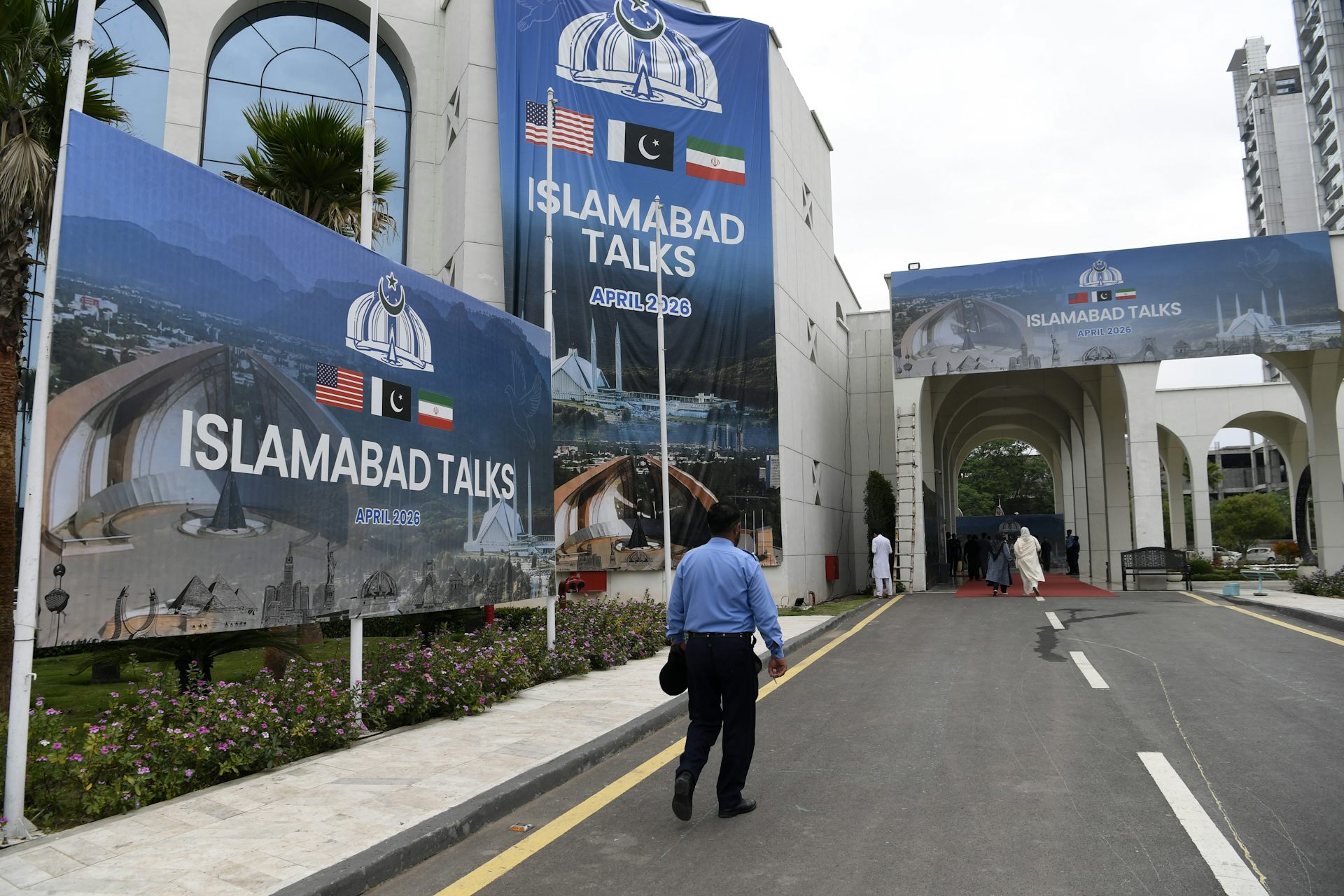
Cómo Pakistán se convirtió en el mediador principal entre EE. UU. e Irán
How Pakistan became the primary mediator between the US and Iran
Pakistan’s relationships with the US and Iran put it in a strong position to intervene – not to mention a need to stabilise its borders and protect its own economy.
Las relaciones de Pakistán con EE. UU. e Irán lo colocaron en una posición fuerte para intervenir, sin mencionar la necesidad de estabilizar sus fronteras y proteger su propia economía.
Pakistan has emerged as a central diplomatic broker in the conflict between the US and Iran. When announcing a pause to the US operation to guide stranded vessels through the Strait of Hormuz on May 6, Donald Trump said he had made the decision “based on the request of Pakistan”.
Pakistán ha emergido como un intermediario diplomático central en el conflicto entre EE. UU. e Irán. Cuando anunció una pausa a la operación estadounidense para guiar embarcaciones varadas a través del Estrecho de Ormuz el 6 de mayo, Donald Trump dijo que había tomado la decisión «basándose en la petición de Pakistán».
The Pakistani prime minister, Shehbaz Sharif, subsequently expressed hope “that the current momentum will lead to a lasting agreement that secures durable peace and stability for the region and beyond”. This latest intervention comes a month after Pakistan secured its biggest diplomatic win in years by brokering a ceasefire in Iran.
El primer ministro paquistaní, Shehbaz Sharif, expresó posteriormente la esperanza de que «el impulso actual conduzca a un acuerdo duradero que asegure paz y estabilidad perdurables para la región y más allá.» Esta última intervención llega un mes después de que Pakistán consiguiera su mayor victoria diplomática en años al negociar un alto el fuego en Irán.
But how did Pakistan emerge as the most trustworthy mediator in this conflict, and what drove Islamabad to involve itself? Pakistan’s biggest advantage is that it enjoys relationships with both the US and Iran, which has helped it be seen as a neutral party by each side.
Pero, ¿cómo surgió Pakistán como el mediador más confiable en este conflicto, y qué impulsó a Islamabad a involucrarse? La mayor ventaja de Pakistán es que mantiene relaciones tanto con EE. UU. como con Irán, lo que le ha permitido ser visto como una parte neutral por ambos bandos.
Pakistan has worked with the US in dealing with Iran for decades. Since 1981, two years after the US and Iran severed diplomatic ties following the Islamic revolution, a dedicated section of the Pakistani embassy in Washington has handled Iranian diplomatic affairs in the US.
Pakistán ha trabajado con EE. UU. en el manejo de Irán durante décadas. Desde 1981, dos años después de que EE. UU. e Irán rompieran los lazos diplomáticos tras la revolución islámica, una sección dedicada de la embajada paquistaní en Washington ha manejado los asuntos diplomáticos iraníes en EE. UU.
Pakistan has also worked with the US in mediation efforts elsewhere. Most notably, it facilitated former US secretary of state Henry Kissinger’s secret visit to China in 1971. This paved the way for the normalisation of relations between the US and China later that decade.
Pakistán también ha trabajado con EE. UU. en esfuerzos de mediación en otros lugares. Más notablemente, facilitó la visita secreta de Henry Kissinger, exsecretario de Estado de EE. UU., a China en 1971. Esto allanó el camino para la normalización de las relaciones entre EE. UU. y China más tarde esa década.
Relations between the US and Pakistan have not always been smooth. In 2011, a decade after the 9/11 terrorist attacks, the Atlantic magazine in the US referred to Pakistan as the “ally from hell”. Whether or not it did so knowingly, Pakistan hosted al-Qaeda mastermind Osama bin Laden following the attack.
Las relaciones entre EE. UU. y Pakistán no siempre han sido fluidas. En 2011, una década después de los ataques terroristas del 11 de septiembre, la revista Atlantic de EE. UU. se refirió a Pakistán como el «aliado del infierno». Ya fuera de manera consciente o no, Pakistán acogió a Osama bin Laden, cerebro de Al Qaeda, después del ataque.
Trump himself also denied Pakistan military aid during his first term as president, saying it was not doing enough to combat terrorism. And Pakistan’s human rights record, particularly concerning democratic backsliding and restrictions on civil liberties, have at times led to tension with the US government.
Trump mismo negó la ayuda militar de Pakistán durante su primer mandato como presidente, diciendo que no estaba haciendo lo suficiente para combatir el terrorismo. Y el historial de derechos humanos de Pakistán, particularmente en lo que respecta al retroceso democrático y las restricciones a las libertades civiles, han generado en ocasiones tensión con el gobierno de EE. UU.
However, Pakistan’s relationship with the US has improved markedly in Trump’s second term. Trump, who often uses personal ties to guide US foreign policy, has developed a strong relationship with Sharif and the chief of Pakistan’s army, Asim Munir. In June 2025, Munir was even invited to the White House for a private lunch. This was the first time a US president had hosted a non-head of state military leader at this level.
Sin embargo, la relación de Pakistán con EE. UU. ha mejorado notablemente en el segundo mandato de Trump. Trump, quien a menudo utiliza lazos personales para guiar la política exterior estadounidense, ha desarrollado una fuerte relación con Sharif y el jefe del ejército paquistaní, Asim Munir. En junio de 2025, Munir fue incluso invitado a la Casa Blanca para un almuerzo privado. Esta fue la primera vez que un presidente de EE. UU. había recibido a un líder militar que no era jefe de estado a este nivel.
Pakistan’s recent efforts to court Trump have played a key role in building these ties. Over the past year Pakistan has nominated Trump for the Nobel Peace Prize, joined his Board of Peace and launched a collaboration with his World Liberty Financial crypto platform.
Los recientes esfuerzos de Pakistán por congraciarse con Trump han desempeñado un papel clave en el fortalecimiento de estos lazos. Durante el último año, Pakistán ha nominado a Trump para el Premio Nobel de la Paz, se ha unido a su Junta de Paz y ha lanzado una colaboración con su plataforma cripto World Liberty Financial.
And in July, Islamabad signed a deal with the US to allow Washington to help develop Pakistan’s largely untapped oil reserves. “We read him [Trump] right,” said the former chairman of the Pakistani Senate’s Defense Committee, Mushahid Hussain Syed, in an interview with the Washington Post on April 20.
Y en julio, Islamabad firmó un acuerdo con EE. UU. para permitir que Washington ayude a desarrollar las reservas de petróleo en gran parte sin explotar de Pakistán. «Lo leímos bien [a Trump]», dijo el ex presidente de la Comisión de Defensa del Senado paquistaní, Mushahid Hussain Syed, en una entrevista con el Washington Post el 20 de abril.
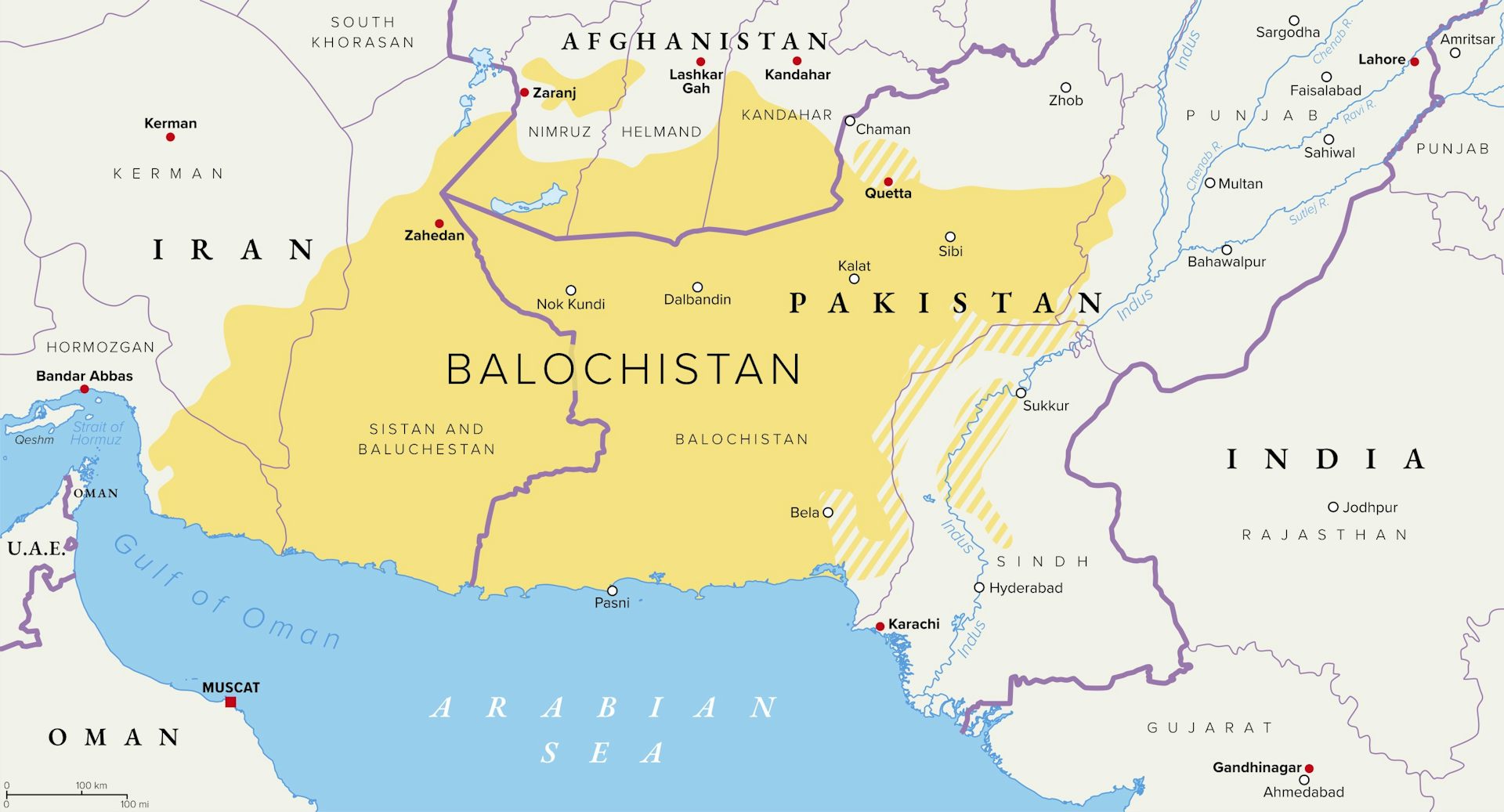
The relationship between Pakistan and Iran has also been characterised by ups and downs. While Iran was the first country to recognise Pakistan’s independence in 1947, their relationship has often been fraught with tension. This largely stems from Iran’s territorial claim to the Balochistan province of Pakistan, as well as from Pakistan’s ties with Iranian rivals.
La relación entre Pakistán e Irán también se ha caracterizado por altibajos. Si bien Irán fue el primer país en reconocer la independencia de Pakistán en 1947, su relación a menudo ha estado plagada de tensión. Esto se debe en gran medida a la reclamación territorial de Irán sobre la provincia de Baluchistán de Pakistán, así como a los lazos de Pakistán con rivales iraníes.
As recently as January 2024, tensions between the two countries appeared to be escalating again over Balochistan. However, hostilities soon receded and both countries formally resumed their bilateral ties. They subsequently expanded their security cooperation and invited each other’s ambassadors and foreign ministers for a formal reconciliation ceremony.
Tan recientemente como en enero de 2024, las tensiones entre los dos países parecían estar escalando de nuevo por Baluchistán. Sin embargo, las hostilidades pronto disminuyeron y ambos países reanudaron formalmente sus lazos bilaterales. Posteriormente, ampliaron su cooperación en seguridad e invitaron a los embajadores y ministros de asuntos exteriores el uno del otro para una ceremonia formal de reconciliación.
Strategic necessity
Necesidad estratégica
Some commentators argue that Pakistan’s decision to step in as the primary mediator in Iran has been driven by strategic necessity. Its Balochistan province is currently grappling with an insurgency. Islamabad will thus want to avoid a situation where the Iran war spills into Pakistan, as this could destabilise its border regions even further.
Algunos comentaristas argumentan que la decisión de Pakistán de intervenir como mediador principal en Irán ha sido impulsada por una necesidad estratégica. Su provincia de Baluchistán está lidiando actualmente con una insurgencia. Islamabad querrá, por lo tanto, evitar una situación en la que la guerra de Irán se desborde en Pakistán, ya que esto podría desestabilizar aún más sus regiones fronterizas.
There are also economic reasons explaining Pakistan’s involvement. Pakistan has been severely affected by the disruption to Gulf shipping. It imports between 85% and 90% of its crude oil from Saudi Arabia and the United Arab Emirates (UAE) and almost 99% of its liquified gas from the UAE and Qatar.
También existen razones económicas que explican la participación de Pakistán. Pakistán se ha visto gravemente afectado por la interrupción del transporte marítimo en el Golfo. Importa entre el 85% y el 90% de su petróleo crudo de Arabia Saudita y los Emiratos Árabes Unidos (EAU) , y casi el 99% de su gas licuado de los EAU y Qatar.
Before the war broke out, Pakistan’s economy had been starting to gain momentum. But higher oil prices are now affecting government revenues, increasing its fuel import bill from US$300 million (£220 million) before the conflict to US$800 million now. Pakistan’s authorities have been forced to raise consumer fuel prices by more than 50%.
Antes de que estallara la guerra, la economía de Pakistán comenzaba a ganar impulso. Pero los precios más altos del petróleo están afectando ahora los ingresos gubernamentales, aumentando su factura de importación de combustible de 300 millones de dólares estadounidenses (220 millones de libras esterlinas) antes del conflicto a 800 millones de dólares estadounidenses ahora. Las autoridades de Pakistán se han visto obligadas a aumentar los precios del combustible para los consumidores en más de un 50%.
Pakistan’s agricultural sector, which employs around 40% of the country’s population, is also vulnerable to the conflict due to its reliance on fertiliser imported through the Strait of Hormuz. Prices of urea fertiliser have surged by 50% since the war broke out. Prolonged disruption to the agriculture sector risks plunging some of the most vulnerable people in Pakistan further into poverty.
El sector agrícola de Pakistán, que emplea a alrededor del 40% de la población del país, también es vulnerable al conflicto debido a su dependencia de fertilizantes importados a través del Estrecho de Ormuz. Los precios del fertilizante de urea se han disparado un 50% desde que estalló la guerra. Una interrupción prolongada del sector agrícola corre el riesgo de empujar aún más a algunas de las personas más vulnerables de Pakistán a la pobreza.
Remittances are another area that could be affected by a protracted conflict, with as many as five million Pakistani people living in the Gulf region. Pakistan received roughly US$30 billion in remittances between 2025 and 2026, 54% of which came from the Gulf.
Las remesas son otra área que podría verse afectada por un conflicto prolongado, con hasta cinco millones de pakistaníes viviendo en la región del Golfo. Pakistán recibió aproximadamente 30 mil millones de dólares estadounidenses en remesas entre 2025 y 2026, de los cuales el 54% provino del Golfo.
If the war continues to affect Gulf economies, many Pakistani workers may be forced to return home. This will cause remittance revenues to fall, depriving Pakistan of a vital source of foreign exchange, while simultaneously pushing up domestic unemployment.
Si la guerra continúa afectando a las economías del Golfo, muchos trabajadores pakistaníes pueden verse obligados a regresar a casa. Esto hará que los ingresos por remesas disminuyan, privando a Pakistán de una fuente vital de divisas, al tiempo que aumenta el desempleo interno.
Pakistan’s relationships with the US and Iran put it in a strong position to intervene in the conflict diplomatically. But its mediation has also been a calculated effort to stabilise its borders and protect its economy.
Las relaciones de Pakistán con EE. UU. e Irán lo colocan en una posición sólida para intervenir en el conflicto diplomáticamente. Pero su mediación también ha sido un esfuerzo calculado para estabilizar sus fronteras y proteger su economía.
Natasha Lindstaedt does not work for, consult, own shares in or receive funding from any company or organisation that would benefit from this article, and has disclosed no relevant affiliations beyond their academic appointment.
Natasha Lindstaedt no trabaja, asesora, posee acciones ni recibe financiación de ninguna empresa u organización que se beneficie de este artículo, y no ha revelado ninguna afiliación relevante más allá de su nombramiento académico.
Read more
-

La memoria fotográfica es un mito: esto es lo que la investigación dice realmente sobre recordar
Photographic memory is a myth – here’s what research really says about remembering
-
La región del Sahel es menos segura que nunca: las fuerzas extranjeras solo añaden al ciclo de violencia
The Sahel region is less secure than ever: foreign forces just add to the cycle of violence