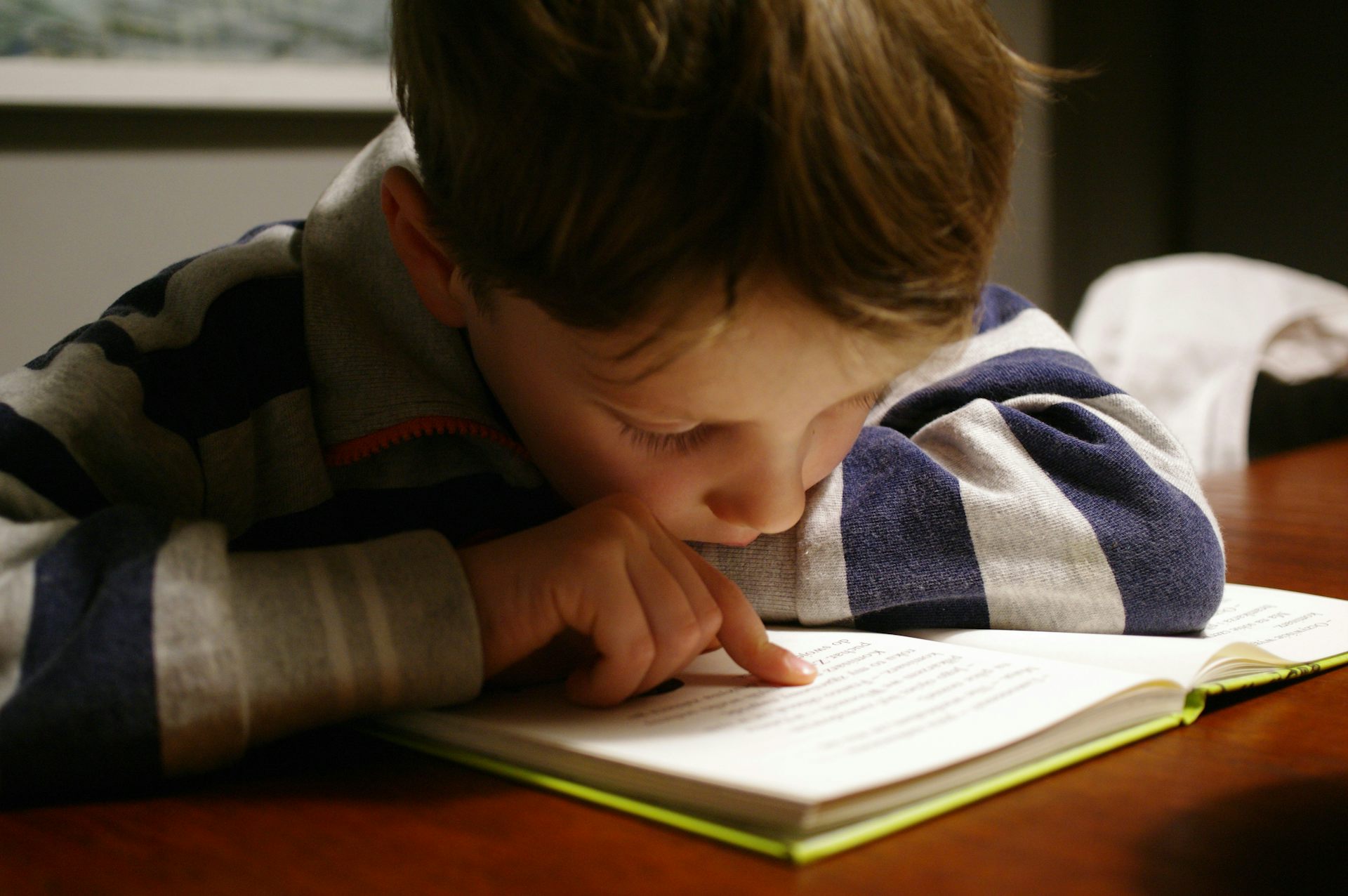
क्या हम स्क्रीन के बजाय कागज़ पर जानकारी बेहतर तरीके से अवशोषित करते हैं? यह स्क्रीन पर निर्भर करता है।
Do we absorb information better on paper, rather than screens? It depends on the screen
Reading is arguably the most difficult task one must learn. To understand why it is difficult, one must understand the physiology of reading.
पढ़ना शायद सबसे कठिन कार्य है जिसे एक व्यक्ति को सीखना होता है। यह समझना कि यह कठिन क्यों है, इसके लिए पढ़ने की शारीरिक क्रिया (physiology) को समझना आवश्यक है।
The Swedish government recently announced it was moving from the classroom use of digital devices back to physical books. It cited concerns over declining test scores and increasing screen time.
स्वीडिश सरकार ने हाल ही में घोषणा की है कि वह कक्षा में डिजिटल उपकरणों के उपयोग से वापस भौतिक किताबों पर आ रही है। इसका कारण गिरते परीक्षा अंकों और बढ़ते स्क्रीन समय को लेकर चिंताएं बताना था।
Are these concerns well founded? And what does the science of reading say about the possible consequences of reading on digital devices versus books?
क्या ये चिंताएं उचित हैं? और पढ़ने के विज्ञान के अनुसार, डिजिटल उपकरणों पर पढ़ने और किताबों पर पढ़ने के संभावित परिणामों के बारे में क्या कहा गया है?
To address these questions, it’s worth remembering that, although reading might appear to be an easy task, this impression is false. Reading is arguably the most difficult task one must learn – one that requires years of formal education and practice to master. In contrast to spoken language, it is a skill we are not biologically predisposed to learn.
इन सवालों का जवाब देने के लिए, यह याद रखना महत्वपूर्ण है कि, भले ही पढ़ना एक आसान कार्य प्रतीत हो, यह धारणा झूठी है। पढ़ना निस्संदेह सबसे कठिन कार्यों में से एक है जिसे एक व्यक्ति को सीखना होता है – जिसके महारत हासिल करने के लिए औपचारिक शिक्षा और अभ्यास के वर्षों की आवश्यकता होती है। बोली जाने वाली भाषा के विपरीत, यह एक ऐसा कौशल है जिसे हम जैविक रूप से सीखने के लिए नहीं बने हैं।
Millions of Australians, both children and adults, struggle with literacy.
लाखों ऑस्ट्रेलियाई, जिनमें बच्चे और वयस्क दोनों शामिल हैं, साक्षरता के साथ संघर्ष करते हैं।
In this series, we explore the challenges of reading in an age of smartphones and social media – and ask experts how we can become better readers.
इस श्रृंखला में, हम स्मार्टफोन और सोशल मीडिया के युग में पढ़ने की चुनौतियों का पता लगाते हैं – और विशेषज्ञों से पूछते हैं कि हम बेहतर पाठक कैसे बन सकते हैं।
Why is reading so difficult?
पढ़ना इतना कठिन क्यों है?
To understand why reading is difficult, one must first understand the physiology of reading.
यह समझने के लिए कि पढ़ना कठिन क्यों है, पहले पढ़ने की शारीरिक क्रिया (physiology) को समझना होगा।
As you are reading this sentence, your eyes are making a series of rapid movements, called saccades, from one word to the next. During these saccades, the processing of visual information is suppressed and is only available during brief intervals, called fixations, when the eyes are stationary.
जैसे ही आप यह वाक्य पढ़ रहे हैं, आपकी आँखें एक शब्द से दूसरे शब्द तक तीव्र गति की एक श्रृंखला करती हैं, जिसे सैकैड्स (saccades) कहा जाता है। इन सैकैड्स के दौरान, दृश्य जानकारी की प्रोसेसिंग को दबा दिया जाता है और यह केवल छोटे अंतराल, जिन्हें फिक्सेशन (fixations) कहा जाता है, के दौरान उपलब्ध होती है, जब आँखें स्थिर होती हैं।
Experiments that measure readers’ eye movements have shown we fixate most words because our capacity to extract visual information during each fixation is extremely limited.
पाठकों की आँखों की गतिविधियों को मापने वाले प्रयोगों से पता चला है कि हम अधिकांश शब्दों पर फिक्सेशन करते हैं क्योंकि प्रत्येक फिक्सेशन के दौरान दृश्य जानकारी निकालने की हमारी क्षमता अत्यंत सीमित होती है।
In languages like English that are read from left to right, our capacity to perceive the features that distinguish letters is limited to a small region of the visual field called the perceptual span. This span extends from 2-3 letter spaces to the left of fixation to 8-12 letter spaces to the right of fixation.
अंग्रेजी जैसी भाषाओं में, जिन्हें बाएं से दाएं पढ़ा जाता है, अक्षरों को अलग करने वाली विशेषताओं को समझने की हमारी क्षमता दृश्य क्षेत्र के एक छोटे क्षेत्र तक सीमित होती है जिसे परसेप्चुअल स्पैन (perceptual span) कहा जाता है। यह स्पैन फिक्सेशन के बाईं ओर 2-3 अक्षर स्थानों से लेकर फिक्सेशन के दाईं ओर 8-12 अक्षर स्थानों तक फैला होता है।
The span’s asymmetry reflects the movement of attention through the text. It extends to the left in languages like Arabic, which are read from right to left. The size of the span is smaller for dense writing systems, such as Chinese.
स्पैन की विषमता पाठ के माध्यम से ध्यान की गति को दर्शाती है। यह अरबी जैसी भाषाओं में बाईं ओर तक फैला होता है, जिन्हें दाएं से बाएं पढ़ा जाता है। चीनी जैसी घनी लेखन प्रणालियों के लिए स्पैन का आकार छोटा होता है।
We also know from eye-tracking and brain-imaging experiments that words require time to identify. Our best estimates suggest visual information requires 60 milliseconds to propagate from the eyes to the brain and words then require an additional 100-300 milliseconds to identify. (A millsecond is one-thousandth of a second) .
हम आँख-ट्रैकिंग और मस्तिष्क-इमेजिंग प्रयोगों से यह भी जानते हैं कि शब्दों की पहचान करने में समय लगता है। हमारे सर्वोत्तम अनुमान बताते हैं कि दृश्य जानकारी को आँखों से मस्तिष्क तक पहुंचने में 60 मिलीसेकंड का समय लगता है और फिर शब्दों की पहचान करने में अतिरिक्त 100-300 मिलीसेकंड का समय लगता है। (एक मिलीसेकंड एक सेकंड का एक-हजारवाँ हिस्सा होता है) ।
These constraints limit the maximum rate of reading to 300-400 words per minute, depending on the difficulty of the text and one’s level of comprehension.
ये सीमाएँ पढ़ने की अधिकतम दर को 300-400 शब्द प्रति मिनट तक सीमित करती हैं, जो पाठ की कठिनाई और व्यक्ति के समझ के स्तर पर निर्भर करता है।
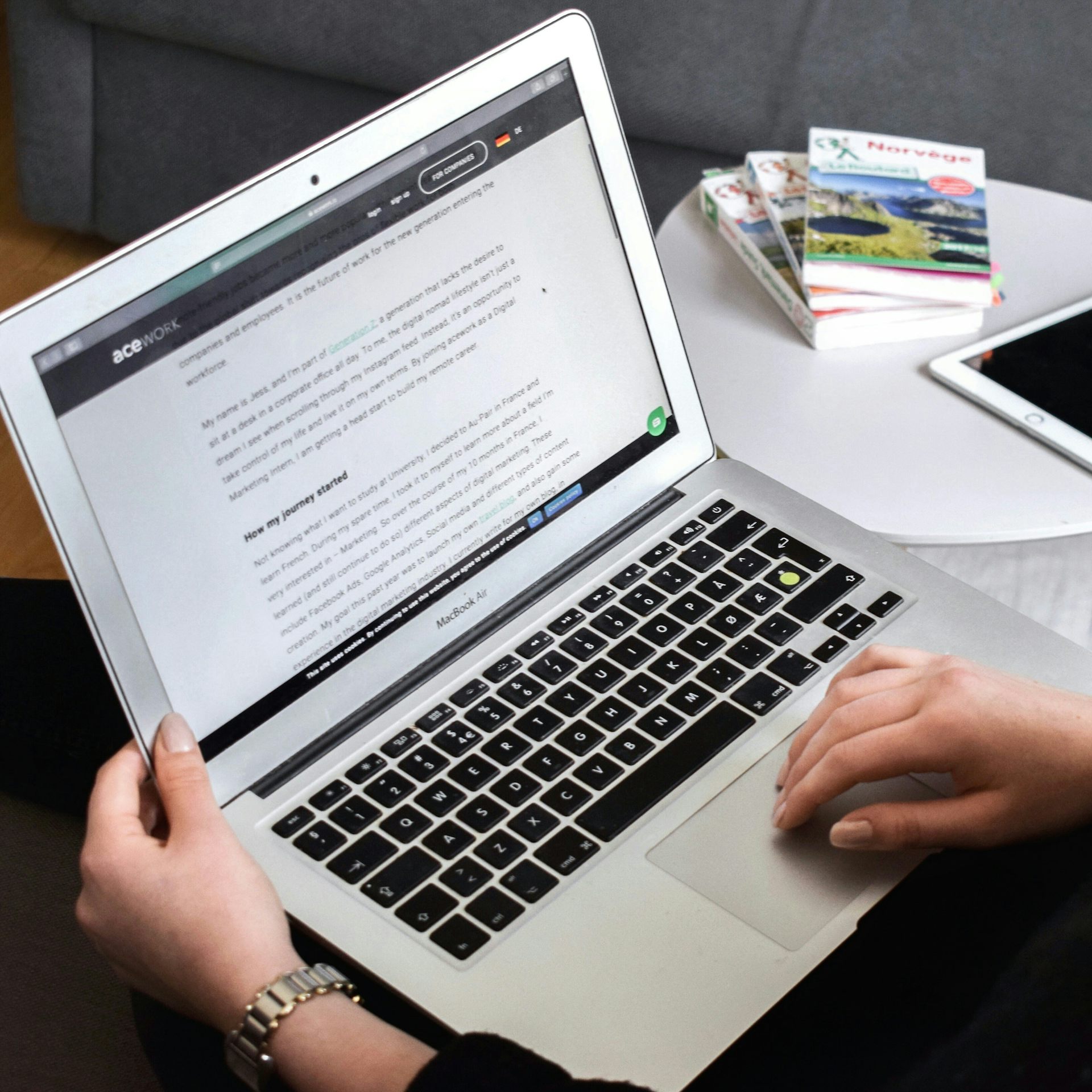
Speed-reading advocates, who falsely promise faster reading speeds, teach you how to skim a text. Comprehension declines at a rate inversely proportional to the gain in speed.
स्पीड-रीडिंग के समर्थक, जो झूठे वादे करते हैं कि पढ़ने की गति तेज होगी, आपको पाठ को सरसरी निगाह से पढ़ना सिखाते हैं। गति में वृद्धि के अनुपात में समझ में कमी आती है।
Importantly, the upper limit for reading speed requires years of practice to attain, because it requires the brain systems that support vision, attention, word identification, language processing and eye movements to operate in a highly coordinated manner. Anything that prevents this coordination will therefore reduce comprehension.
महत्वपूर्ण रूप से, पढ़ने की गति की ऊपरी सीमा प्राप्त करने के लिए वर्षों के अभ्यास की आवश्यकता होती है, क्योंकि इसके लिए मस्तिष्क प्रणालियों को—जो दृष्टि, ध्यान, शब्द पहचान, भाषा प्रसंस्करण और आँखों की गतिविधियों का समर्थन करती हैं—को अत्यधिक समन्वित तरीके से काम करने की आवश्यकता होती है। इसलिए, जो कुछ भी इस समन्वय को रोकता है, वह समझ को कम कर देगा।
Consequences of digital reading
डिजिटल पठन के परिणाम
So what are the likely consequences of digital reading?
तो, डिजिटल पठन के संभावित परिणाम क्या हैं?
With some devices, such as e-readers, there is little reason to suspect digital reading differs from the reading of books, because both formats support the mental processes required for skilled reading.
ई-रीडर्स जैसे कुछ उपकरणों के साथ, यह संदेह करने का कोई कारण नहीं है कि डिजिटल पठन किताबों के पठन से अलग है, क्योंकि दोनों प्रारूप कुशल पठन के लिए आवश्यक मानसिक प्रक्रियाओं का समर्थन करते हैं।
The more questionable devices are those introducing distractions (such as news websites interspersed with ads) or which have suboptimal formatting, such as centre-justified text with large or unequal-sized gaps between words. The latter is rarely a feature of paper-based texts.
अधिक संदिग्ध उपकरण वे हैं जो ध्यान भटकाने वाली चीजें पेश करते हैं (जैसे विज्ञापनों के साथ मिश्रित समाचार वेबसाइटें) या जिनमें उप-इष्टतम स्वरूपण होता है, जैसे कि बड़े या असमान आकार के अंतराल के साथ केंद्र-संरेखित पाठ। बाद वाला कागज़-आधारित ग्रंथों की विशेषता शायद ही कभी होता है।
Although the consequences of these two factors are under-researched, enough has been learned about human cognition to make informed predictions.
हालांकि इन दो कारकों के परिणामों पर कम शोध किया गया है, मानव अनुभूति के बारे में इतना कुछ सीखा गया है कि सूचित भविष्यवाणियां की जा सकें।
For example, images and audio unrelated to a text such as pop-up ads can capture attention. Although most adults have developed a level of executive control sufficient to ignore such distractions, young children have not.
उदाहरण के लिए, पॉप-अप विज्ञापन जैसे पाठ से असंबंधित चित्र और ऑडियो ध्यान आकर्षित कर सकते हैं। हालांकि अधिकांश वयस्कों ने ऐसे विकर्षणों को अनदेखा करने के लिए पर्याप्त कार्यकारी नियंत्रण का स्तर विकसित कर लिया है, छोटे बच्चों ने नहीं।
The implications for a child who is struggling to understand the meaning of a text are obvious. Their comprehension will suffer to the extent that additional effort is required to ignore distractions, or if they do not yet have the mental coordination to understand the text has been disrupted.
किसी ऐसे बच्चे के लिए निहितार्थ जो पाठ के अर्थ को समझने के लिए संघर्ष कर रहा है, स्पष्ट हैं। उनकी समझ उतनी ही प्रभावित होगी जितना कि विकर्षणों को अनदेखा करने के लिए अतिरिक्त प्रयास की आवश्यकता होगी, या यदि उनके पास अभी तक पाठ को समझने के लिए मानसिक समन्वय नहीं है तो यह बाधित हो गया है।
There is also evidence from eye-tracking experiments that many digital environments, such as webpages, can induce specific reading strategies, such as skimming for gist or searching for information.
आँख-ट्रैकिंग प्रयोगों से यह भी प्रमाण मिलता है कि कई डिजिटल वातावरण, जैसे वेबपेज, विशिष्ट पठन रणनीतियों को प्रेरित कर सकते हैं, जैसे कि सार के लिए सरसरी निगाह डालना (skimming for gist) या जानकारी खोजना।
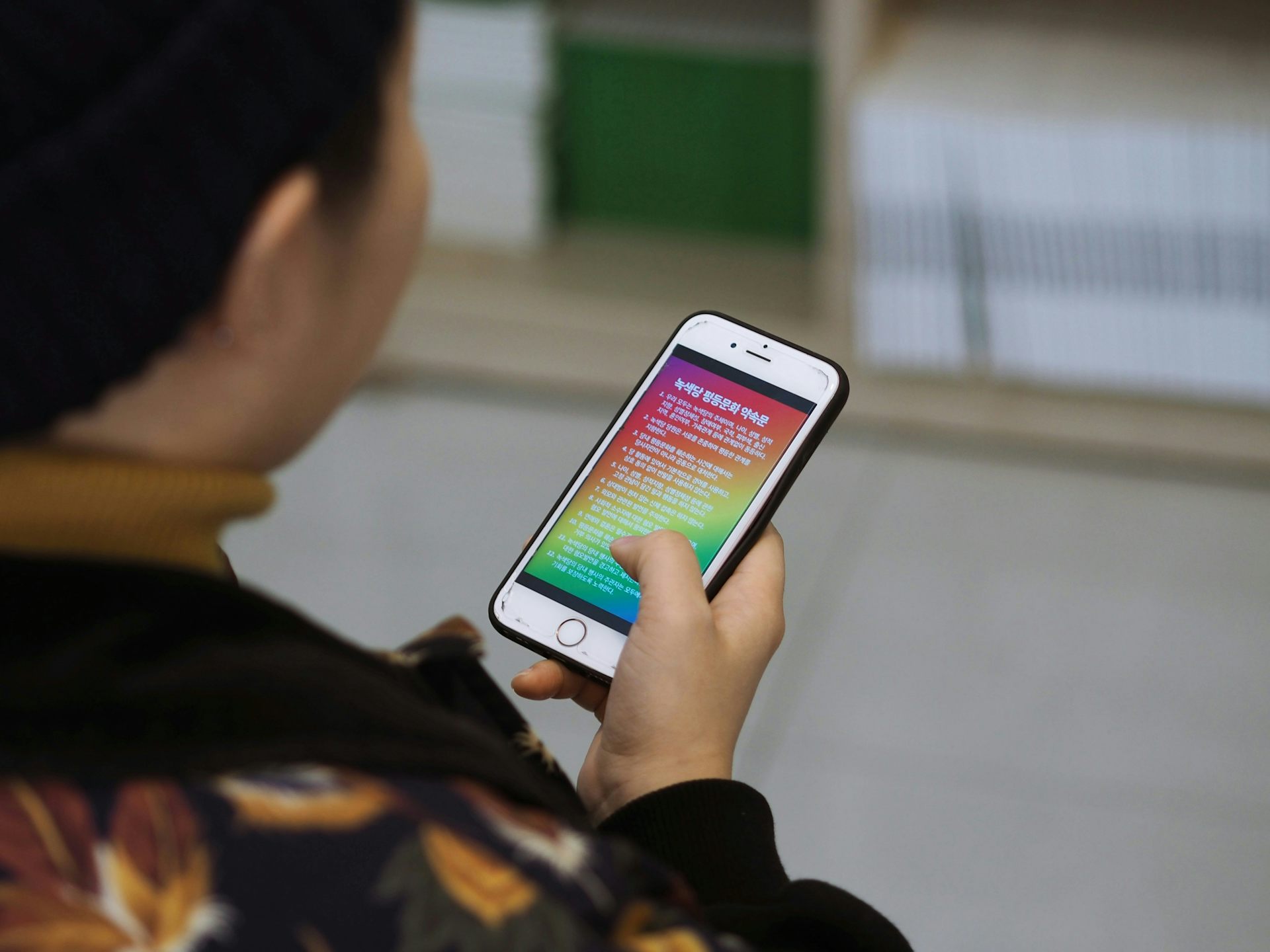
Although such strategies might be adaptive in some contexts, they reduce overall comprehension. This possibility should be especially concerning for children, because years of practice are needed to coordinate the mental systems that support adult levels of reading skill.
हालांकि ऐसी रणनीतियाँ कुछ संदर्भों में अनुकूल हो सकती हैं, वे समग्र समझ को कम करती हैं। यह संभावना विशेष रूप से बच्चों के लिए चिंताजनक होनी चाहिए, क्योंकि वयस्क स्तर के पठन कौशल का समर्थन करने वाली मानसिक प्रणालियों का समन्वय करने के लिए वर्षों के अभ्यास की आवश्यकता होती है।
Such concerns have recently drawn more attention, because the onset of the COVID-19 pandemic caused a shift to online education and a marked increase in digital reading. Although these changes were motivated by practical necessity, their long-term consequences remain unclear.
ऐसी चिंताओं ने हाल ही में अधिक ध्यान आकर्षित किया है, क्योंकि COVID-19 महामारी की शुरुआत ने ऑनलाइन शिक्षा की ओर बदलाव और डिजिटल पठन में उल्लेखनीय वृद्धि की। हालांकि ये परिवर्तन व्यावहारिक आवश्यकता से प्रेरित थे, लेकिन उनके दीर्घकालिक परिणाम अभी भी अस्पष्ट हैं।
So far, eye-tracking research has been carried out on computer screens. New technology is becoming available which will allow us to directly compare eye movements and comprehension between digital devices and paper. This should give us more clarity about the benefits versus costs of digital devices.
अब तक, आँख-ट्रैकिंग अनुसंधान कंप्यूटर स्क्रीन पर किया गया है। नई तकनीक उपलब्ध हो रही है जो हमें डिजिटल उपकरणों और कागज़ के बीच आँख की गतिविधियों और समझ की सीधे तुलना करने की अनुमति देगी। इससे हमें डिजिटल उपकरणों के लाभ बनाम लागत के बारे में अधिक स्पष्टता मिलनी चाहिए।
Given reading ability is predictive of one’s education, socioeconomic status and wellbeing, the importance of assessing the long-term consequences of digital reading cannot be overstated.
चूंकि पढ़ने की क्षमता किसी के शिक्षा, सामाजिक-आर्थिक स्थिति और कल्याण की भविष्यवाणी करती है, इसलिए डिजिटल पठन के दीर्घकालिक परिणामों का आकलन करने के महत्व को कम करके नहीं आंका जा सकता है।
Erik D Reichle has received funding from the US National Institute of Health, US Institute of Education Sciences, UK Economic and Social Research Council, and Australian Research Council.
एरिक डी राइचले को यूएस नेशनल इंस्टीट्यूट ऑफ हेल्थ, यूएस इंस्टीट्यूट ऑफ एजुकेशन साइंसेज, यूके इकोनॉमिक एंड सोशल रिसर्च काउंसिल, और ऑस्ट्रेलियन रिसर्च काउंसिल से फंडिंग मिली है।
Lili Yu does not work for, consult, own shares in or receive funding from any company or organisation that would benefit from this article, and has disclosed no relevant affiliations beyond their academic appointment.
लीली यू इस लेख से लाभान्वित होने वाली किसी भी कंपनी या संगठन के लिए काम नहीं करती हैं, सलाह नहीं देती हैं, में हिस्सेदारी नहीं रखती हैं या फंडिंग प्राप्त नहीं करती हैं, और अपने अकादमिक पद से परे कोई प्रासंगिक संबद्धता प्रकट नहीं की है।
Read more
-
बाल यौन शोषण करने वालों पर दुनिया का सबसे बड़ा अध्ययन बताता है कि वे शोषण क्यों करते हैं
World’s largest study of child sexual abuse perpetrators reveals why they abuse
-

किशोर वास्तव में एआई कंपैनियन का उपयोग कैसे करते हैं? जितना आप सोचते हैं उससे कहीं अधिक रचनात्मकता के साथ
How do teens really use AI companions? With more creativity than you might think