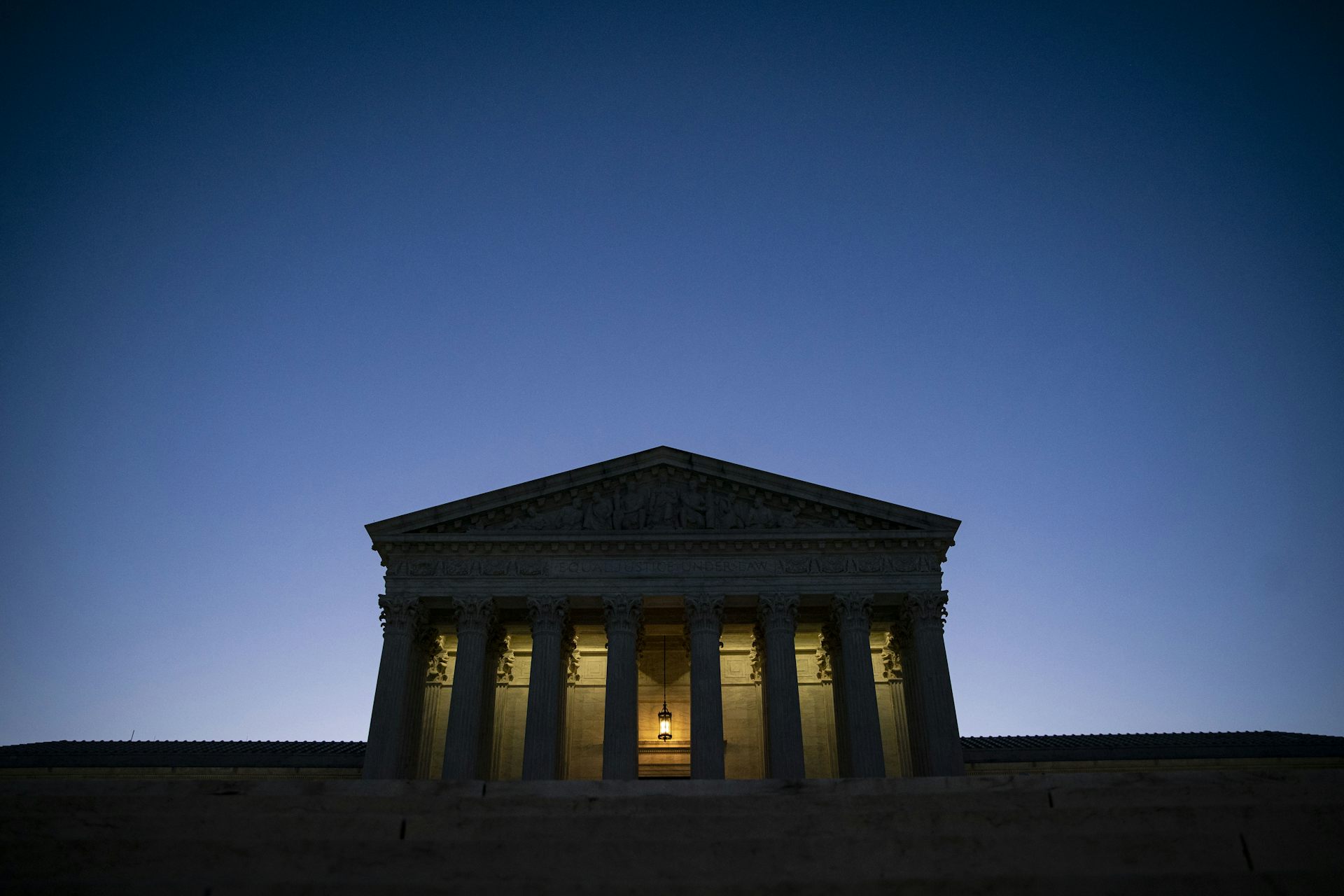
إن “جدول الأعمال الظل” للمحكمة العليا يطرح قرارات متسرعة ذات تداعيات طويلة الأمد، خارج نطاق مداولاتها المعتادة والحذرة.
Supreme Court’s ‘shadow docket’ brings hasty decisions with long-lasting implications, outside of its usual careful deliberation
What is the Supreme Court’s ‘shadow docket’ and why is it important?
ما هو “جدول الأعمال الظل” للمحكمة العليا ولماذا هو مهم؟
The recent publication of confidential Supreme Court memoranda by The New York Times has brought to light a pivotal moment in the court’s history. “The birth of the Supreme Court’s shadow docket has long been a mystery,” wrote reporters Jodi Kantor and Adam Liptak. “Until now.”
إن نشر صحيفة نيويورك تايمز مؤخراً لمذكرات سرية صادرة عن المحكمة العليا سلّط الضوء على لحظة محورية في تاريخ المحكمة. كتب المراسلان جودي كانتور وآدم ليپتاك: “لطالما كان ميلاد جدول الأعمال الخفي للمحكمة العليا لغزاً”، وأضافا: “حتى الآن”.
Originally coined by legal scholar William Baude, the term “shadow docket” refers to the Supreme Court’s emergency docket, which, as Baude wrote, includes “a range of orders and summary decisions that defy its normal procedural regularity.”
يشير مصطلح “جدول الأعمال الخفي” (shadow docket) ، الذي صاغه في الأصل الباحث القانوني ويليام بود، إلى جدول الأعمال الطارئ للمحكمة العليا، والذي، كما كتب بود، يشمل “مجموعة من الأوامر والقرارات الموجزة التي تتجاوز انتظامها الإجرائي المعتاد.”
That’s law professor-speak for cases that are given abbreviated consideration and accelerated review by the justices, all out of public view – what The New York Times story referred to as the court “sprinting.” These cases aren’t included in the annual list of cases the justices have chosen to consider and that are presented by attorneys in public sessions, called “oral argument,” at the court.
هذا هو مصطلح أساتذة القانون الذي يشير إلى القضايا التي تُمنح دراسة مختصرة ومراجعة متسارعة من قبل القضاة، وكل ذلك بعيداً عن الأنظار العامة – وهو ما أشارت إليه قصة نيويورك تايمز بأن المحكمة كانت “تجري مسرعاً”. ولا تُدرج هذه القضايا في القائمة السنوية للقضايا التي اختار القضاة النظر فيها والتي يقدمها المحامون في الجلسات العامة، والتي تُسمى “المرافعات الشفوية”، في المحكمة.
During the second Trump administration, such shadow docket cases have proliferated as President Donald Trump has continued to push boundaries, challenge precedents and expand executive power. These cases have typically involved a request by the presidential administration “to suspend lower court orders” that temporarily block “an administration policy from taking effect,” according to liberal legal advocacy group the Brennan Center for Justice at New York University School of Law.
خلال فترة إدارة ترامب الثانية، تكاثرت قضايا جدول الأعمال الخفي مع استمرار الرئيس دونالد ترامب في تجاوز الحدود وتحدي السوابق وتوسيع السلطة التنفيذية. وناولت هذه القضايا عادةً طلباً من الإدارة الرئاسية “لتعليق أوامر المحاكم الأدنى” التي تمنع مؤقتاً “سريان سياسة إدارية”، وفقاً لمجموعة برينان للمواطاة القانونية في كلية الحقوق بجامعة نيويورك.
The lack of transparency in considering and ruling on the shadow docket, combined with the weight of the issues presented to the court via that docket, mean that the practice has come under strong criticism by many court watchers. Here’s how the process works and what you need to know to evaluate it.
إن الافتقار إلى الشفافية في النظر في جدول الأعمال الخفي والحكم فيه، بالاقتران مع ثقل القضايا المقدمة إلى المحكمة عبر هذا الجدول، يعني أن هذه الممارسة أصبحت عرضة لانتقادات قوية من قبل العديد من مراقبي المحاكم. وإليك كيف يعمل هذا الإجراء وما تحتاج إلى معرفته لتقييمه.
The merits docket
سجل الموضوع
The emergency docket is different from the court’s merits docket, which is the customary path for cases to reach the Supreme Court.
يختلف سجل الطوارئ عن سجل الموضوع للمحكمة، الذي يمثل المسار المعتاد لوصول القضايا إلى المحكمة العليا.
Ordinarily, in federal courts, a case begins in a federal district court. An appeal of the decision in the case is made to a federal appeals court. If a party in the case wants to appeal further, they can aim for U.S. Supreme Court review. That requires filing a “petition for writ of certiorari” to the court.
عادةً، تبدأ القضية في محكمة مقاطعة فيدرالية. ويُقدم استئناف القرار في القضية إلى محكمة استئناف فيدرالية. وإذا أراد طرف في القضية الاستئناف أكثر، فيمكنه أن يستهدف مراجعة المحكمة العليا الأمريكية. ويتطلب ذلك تقديم “التماس أمر الشهادة” إلى المحكمة.
The Supreme Court does not take all the cases for which it has been petitioned. The court holds complete discretion to choose which cases to consider each term and always rejects the vast majority of petitions that it receives. By custom, the court agrees to consider a case if at least four justices vote to grant the writ of certiorari.
لا تنظر المحكمة العليا جميع القضايا التي يُطلب إليها ذلك. وتحتفظ المحكمة بسلطة تقديرية كاملة لاختيار القضايا التي ستنظرها في كل دورة، وترفض دائمًا الغالبية العظمى من الالتماسات التي تتلقاها. وبموجب العرف، توافق المحكمة على النظر في قضية إذا صوت أربعة قضاة على الأقل لمنح أمر الشهادة.
For the cases that the court agrees to consider, the parties to that case file briefs – written legal arguments – with the Supreme Court. Third parties can also file briefs with the court to assert their own arguments; these are known as “friend of the court” or amicus curiae briefs.
بالنسبة للقضايا التي توافق المحكمة على النظر فيها، يقوم أطراف تلك القضية بتقديم مذكرات – وهي حجج قانونية مكتوبة – إلى المحكمة العليا. ويمكن للأطراف الثالثة أيضًا تقديم مذكرات للمحكمة لتأكيد حججها الخاصة؛ وتُعرف هذه باسم “صديق المحكمة” أو مذكرات أميكوس كوري.
The justices then read those briefs and hear oral arguments in the case in a public session, during which they can question attorneys for both sides, before they meet and confer. At the end of this conference, the justices vote on the outcome in the case before assigning an author to draft the opinions.
بعد ذلك، يقرأ القضاة تلك المذكرات ويستمعون إلى المرافعات الشفوية في القضية في جلسة علنية، وخلالها يمكنهم استجواب المحامين لكلا الجانبين، قبل أن يجتمعوا ويتبادلوا المشاورات. وفي نهاية هذا الاجتماع، يصوت القضاة على نتيجة القضية قبل تكليف مؤلف بصياغة الآراء.
The merits docket – the ordinary process – is methodical. It promotes deliberation and reasoned decision-making resulting in lengthy opinions that explain the justices’ rationale and provide guidance for lower courts in future cases.
إن سجل الموضوع – العملية العادية – منهجي. فهو يعزز التداول واتخاذ القرارات المبنية على الأسباب، مما يؤدي إلى آراء مطولة تشرح الأساس المنطقي للقضاة وتقدم التوجيه للمحاكم الأدنى في القضايا المستقبلية.
The emergency docket
سجل الطوارئ
On the other hand, the emergency docket is a process whereby the court makes quick decisions without full briefing and deliberation, and it produces orders and rulings that almost always present little to no explanation.
من ناحية أخرى، فإن سجل الطوارئ هو عملية تقرر بموجبها المحكمة قرارات سريعة دون إحاطة ومداولة كاملتين، ويُصدر أوامر وأحكامًا غالبًا ما تفتقر إلى أي تفسير أو شرح.
As Baude wrote, “Many of the orders lack the transparency that we have come to appreciate in its merits cases.”
كما كتب باودي: “تفتقر العديد من الأوامر إلى الشفافية التي أصبحنا نقدرها في قضايا الموضوع.”
Most of the court’s rulings and orders in cases on the emergency docket go without explanation. On occasion, however, the court produces short opinions that provide some explanation in emergency docket cases, albeit these are often dissents from the justices who disagree with the ruling.
تذهب معظم أحكام وأوامر المحكمة في القضايا المدرجة في سجل الطوارئ دون تفسير. ومع ذلك، في بعض الأحيان، تصدر المحكمة آراء موجزة تقدم بعض التفسير في قضايا سجل الطوارئ، على الرغم من أن هذه الآراء غالبًا ما تكون اعتراضات من القضاة الذين يختلفون مع الحكم.
Transparency is important, especially for the Supreme Court, because it builds trust and legitimacy. According to Gallup, as of September 2025, 42% of respondents approve, 52% disapprove and 6% have no opinion of the Supreme Court. A 2025 Pew Research Center poll found that 48% of Americans have a favorable view of the court, down from 70% five years earlier.
تُعد الشفافية مهمة، خاصة بالنسبة للمحكمة العليا، لأنها تبني الثقة والشرعية. وفقًا لـ “غالوب”، اعتبارًا من سبتمبر 2025، يوافق 42% من المستجيبين، ولا يوافق 52%، وليس لديهم رأي بخصوص المحكمة العليا. ووجدت استطلاعات “مركز بيو للأبحاث” لعام 2025 أن 48% من الأمريكيين لديهم رؤية إيجابية تجاه المحكمة، بانخفاض عن نسبة 70% قبل خمس سنوات.
As a constitutional law scholar, I’ve written elsewhere that the low approval might be attributable to the court’s undisciplined overruling of landmark cases regarding individual rights, such as the abortion rights case Roe v. Wade. In my view, it is reasonable to conclude that the court’s lack of transparency, specifically with its growing emergency docket, contributes to distrust in the court.
بصفتي باحثًا في القانون الدستوري، كتبت في أماكن أخرى أن انخفاض نسبة الموافقة قد يُعزى إلى نقض المحكمة غير المنضبط للقضايا البارزة المتعلقة بالحقوق الفردية، مثل قضية حقوق الإجهاض “رو ضد ويد.” وفي رأيي، من المعقول الاستنتاج أن افتقار المحكمة إلى الشفافية، وتحديداً مع سجل الطوارئ المتزايد، يساهم في انعدام الثقة في المحكمة.
As the late Justice Sandra Day O’Connor stated, “The Court’s power lies … in its legitimacy, a product of substance and perception that shows itself in the people’s acceptance of the Judiciary as fit to determine what the Nation’s law means and to declare what it demands.”
كما ذكرت القاضية الراحلة ساندرا دي أوكونور: “تكمن قوة المحكمة… في شرعيتها، وهي نتاج للجوهر والتصور يظهر في قبول الشعب للسلطة القضائية كجهة كفؤة لتحديد معنى قانون الأمة وإعلان ما يتطلبه.”
Conversely, a lack of transparency breeds distrust and erodes institutional legitimacy.
على النقيض من ذلك، يولد الافتقار إلى الشفافية انعدام الثقة ويُقوّض الشرعية المؤسسية.
Unprecedented action
إجراء غير مسبوق
The 2016 case at the center of the memoranda published by The New York Times – West Virginia v. EPA – concerned environmental regulation. As the justices’ memoranda illustrate, West Virginia, North Dakota and several energy companies sued the Obama administration over its Clean Power Plan and sought to block the new, transformative regulation from going into effect.
تتعلق قضية عام 2016، التي كانت محور المذكرات المنشورة من قبل صحيفة نيويورك تايمز – (ويست فرجينيا ضد وكالة حماية البيئة) – بالتنظيم البيئي. وكما توضح مذكرات القضاة، رفعت ولاية ويست فرجينيا ونورث داكوتا والعديد من شركات الطاقة دعوى قضائية ضد إدارة أوباما بشأن خطتها للطاقة النظيفة، وسعت إلى عرقلة تطبيق هذا التنظيم الجديد التحويلي.
The Clean Power Plan would have required states and energy companies to shift electricity production from higher-emitting to lower-emitting production methods to reduce carbon dioxide emissions.
كانت خطة الطاقة النظيفة تتطلب من الولايات وشركات الطاقة تحويل إنتاج الكهرباء من طرق الإنتاج عالية الانبعاثات إلى طرق الإنتاج منخفضة الانبعاثات لخفض انبعاثات ثاني أكسيد الكربون.
After losing at the trial court, the states and energy companies filed an emergency appeal to the Supreme Court asking the justices to pause the Obama regulation from going into effect while the parties litigated the case in the lower courts.
بعد الخسارة في المحكمة الابتدائية، قدمت الولايات وشركات الطاقة استئنافاً طارئاً إلى المحكمة العليا، مطالبة القضاة بتعليق تطبيق تنظيم أوباما بينما تداولت الأطراف القضية في المحاكم الأدنى.
This was a highly unusual request because, as Taraleigh Davis at SCOTUSblog confirms, “nobody had previously asked the court to halt such a major executive regulatory action before any appellate court had ruled on it.”
كان هذا طلباً غير عادي للغاية لأنه، كما يؤكد تارالي ديفيس في موقع SCOTUSblog، “لم يطلب أحد سابقاً من المحكمة وقف مثل هذا الإجراء التنظيمي التنفيذي الكبير قبل أن تصدر أي محكمة استئناف حكمها بشأنه.”
The court granted the unprecedented stay on Feb. 9, 2016, without any explanation as to why it temporarily blocked the Clean Power Plan. It eventually struck down the plan on June 22, 2022.
منحت المحكمة الوقف غير المسبوق في 9 فبراير 2016، دون تقديم أي تفسير لسبب تعليقها المؤقت لخطة الطاقة النظيفة. وفي نهاية المطاف، ألغت الخطة في 22 يونيو 2022.
Defenders of the emergency docket frequently claim that the court’s conduct is permissible because its orders are temporary. In West Virginia v. EPA, the court temporarily blocked the Clean Power Plan from going into effect until it eventually struck it down after hearing the case on its merits docket.
يزعم المدافعون عن جدول الأعمال الطارئ بشكل متكرر أن تصرف المحكمة مسموح به لأن أوامرها مؤقتة. ففي قضية ويست فرجينيا ضد وكالة حماية البيئة، عطلت المحكمة مؤقتاً تطبيق خطة الطاقة النظيفة حتى ألغتها في نهاية المطاف بعد الاستماع إلى القضية في جدول أعمالها الموضوعي.
What is overlooked, however, is that even temporary orders from the court can have lasting implications that are difficult, and in some cases impossible, to undo.
ومع ذلك، فإن ما يتم التغاضي عنه هو أن الأوامر المؤقتة الصادرة عن المحكمة يمكن أن تكون لها تداعيات دائمة يصعب، وفي بعض الحالات يستحيل، التراجع عنها.
Damage done
الضرر الواقع
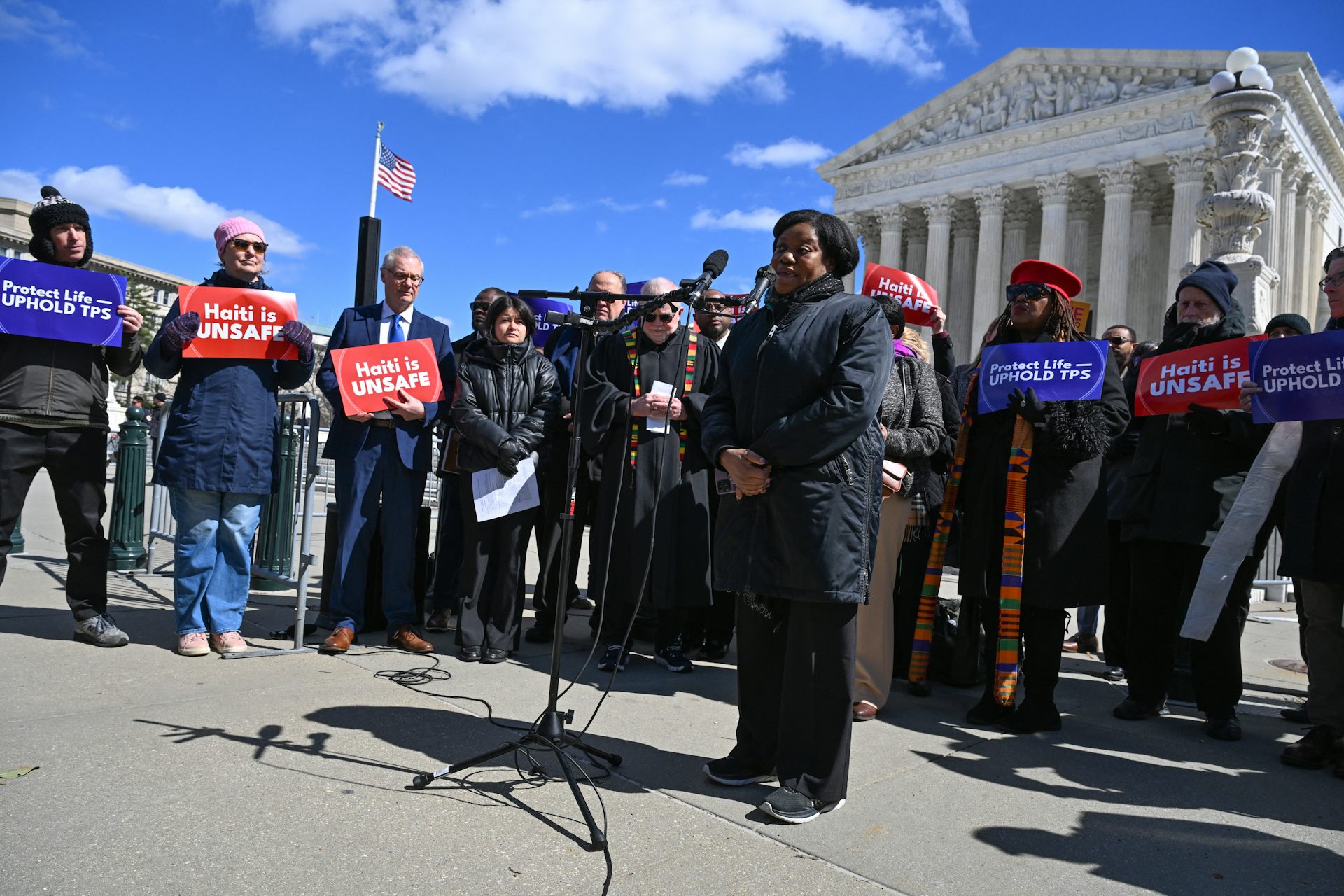
Consider the example of one of Trump’s immigration actions.
انظر إلى مثال أحد إجراءات ترامب المتعلقة بالهجرة.
The administration seeks to terminate the temporary protected status for Haitian nationals, which had shielded them from deportation. But a federal district court temporarily blocked the president from doing so as the litigation continued.
تسعى الإدارة إلى إنهاء صفة الحماية المؤقتة للمواطنين الهايتيين، التي كانت تحميهم من الترحيل. لكن محكمة مقاطعة فيدرالية أوقفت مؤقتاً الرئيس من القيام بذلك مع استمرار التقاضي.
The administration then filed an emergency appeal to the Supreme Court – still pending as of this writing – asking the court to overrule the district court. If granted, the court effectively would allow the administration to revoke TPS for Haitian nationals.
ثم قدمت الإدارة استئنافاً طارئاً إلى المحكمة العليا – لا يزال معلقاً حتى كتابة هذا – طالباً من المحكمة إلغاء قرار محكمة المقاطعة. إذا مُنح هذا، فستسمح المحكمة فعلياً للإدارة بتجريد المواطنين الهايتيين من صفة الحماية المؤقتة.
As an amicus brief in the case articulated, if TPS is revoked, Haitians “will be forced to face the untenable options of leaving behind their citizen children and/or partners, bringing family members with them to a country submerged in crisis, violence, and food insecurity, or staying in the U.S. without any legal status or work authorization and facing the constant threat of deportation.”
وكما أوضح مذكرة الصديق (amicus brief) في القضية، إذا تم إلغاء الحماية المؤقتة، فسيكون الهايتيون “مجبرين على مواجهة الخيارات غير القابلة للاستمرار المتمثلة في ترك أطفالهم المواطنين و/أو شركائهم، وإحضار أفراد الأسرة معهم إلى بلد غارق في الأزمة والعنف وانعدام الأمن الغذائي، أو البقاء في الولايات المتحدة دون أي وضع قانوني أو تصريح عمل ومواجهة التهديد المستمر بالترحيل.”
In other words, if the Supreme Court overrules the district court in this case on its emergency docket, then the Trump administration could deport the Haitian nationals even as their cases challenging the revocation of their TPS continue.
بعبارة أخرى، إذا ألغت المحكمة العليا قرار محكمة المقاطعة في هذه القضية ضمن جدول أعمالها الطارئ، فيمكن لإدارة ترامب ترحيل المواطنين الهايتيين حتى مع استمرار قضاياهم التي تتحدى إلغاء صفة الحماية المؤقتة الخاصة بهم.
If the Haitian nationals ultimately prevail, reversing their deportation would be exceptionally difficult to do.
إذا نجح المواطنون الهايتيون في نهاية المطاف، فسيكون عكس ترحيلهم صعباً للغاية.
Wayne Unger does not work for, consult, own shares in or receive funding from any company or organization that would benefit from this article, and has disclosed no relevant affiliations beyond their academic appointment.
لا يعمل وين يونغر لدى، أو يستشير، أو يمتلك حصصاً في، أو يتلقى تمويلاً من أي شركة أو منظمة ستستفيد من هذه المقالة، ولم يفصح عن أي انتماءات ذات صلة تتجاوز تعيينه الأكاديمي.
Read more
-

ما الهدف من التعليم؟ ولماذا تتصدر الدراما الكورية الجديدة “تعليمك درسًا” القوائم؟
What is education for? Why new Korean drama Teach You a Lesson is topping the charts