El conflicto de Medio Oriente parece cada vez más una guerra que nadie puede ganar
Middle East conflict looks increasingly like a war nobody can win
But the longer it continues the more damage it does to the whole world.
Pero cuanto más tiempo continúe, más daño hace al mundo entero.
Let’s begin with a simple question that rarely gets a straight answer: what would victory over Iran actually look like? In Washington and Jerusalem, the answers tend to sound definitive: eliminate Iran’s nuclear capability, break its regional power, perhaps even force political change at the top. It’s the language of decisive war, the kind with a clear endpoint.
Empecemos con una pregunta sencilla que rara vez tiene una respuesta directa: ¿cómo se vería realmente la victoria sobre Irán? En Washington y Jerusalén, las respuestas tienden a sonar definitivas: eliminar la capacidad nuclear de Irán, romper su poder regional, quizás incluso forzar un cambio político en la cima. Es el lenguaje de la guerra decisiva, el tipo que tiene un punto final claro.
But shift the perspective to Tehran, and the definition changes completely. Victory, for Iran, is survival. That asymmetry shapes the entire conflict. In wars like this, the side that needs less to claim success often has the advantage – and, right now, Iran needs far less.
Pero cambia la perspectiva hacia Teherán, y la definición cambia por completo. La victoria, para Irán, es la supervivencia. Esa asimetría da forma a todo el conflicto. En guerras como esta, el bando que necesita menos para reclamar el éxito a menudo tiene la ventaja, y en este momento, Irán necesita mucho menos.
There is no denying the military imbalance. The US and Israel can strike with extraordinary precision and reach. They have demonstrated that repeatedly – targeting infrastructure, leadership and strategic assets.
No se puede negar el desequilibrio militar. EE. UU. e Israel pueden atacar con una precisión y un alcance extraordinarios. Lo han demostrado repetidamente: atacando infraestructura, liderazgo y activos estratégicos.
But tactical success has yet to translate into political outcome. Iran’s state hasn’t fractured. Its governing system remains intact, and its networks – military, regional, ideological – continue to function. Even its most sensitive capabilities, including nuclear expertise, remain resilient.
Pero el éxito táctico aún no se ha traducido en un resultado político. El estado de Irán no se ha fracturado. Su sistema de gobierno permanece intacto, y sus redes —militares, regionales, ideológicas— continúan funcionando. Incluso sus capacidades más sensibles, incluida la experiencia nuclear, siguen siendo resilientes.
The deeper miscalculation lies in assuming Tehran is playing the same game as Washington. It isn’t. Iran is not trying to defeat the US or Israel outright. It is trying to outlast them, complicate their objectives and raise the cost of progress until it becomes unsustainable.
El error de cálculo más profundo radica en asumir que Teherán está jugando el mismo juego que Washington. No lo está. Irán no está tratando de derrotar a EE. UU. o a Israel de plano. Está tratando de superarlos en el tiempo, complicar sus objetivos y elevar el costo del progreso hasta que este sea insostenible.
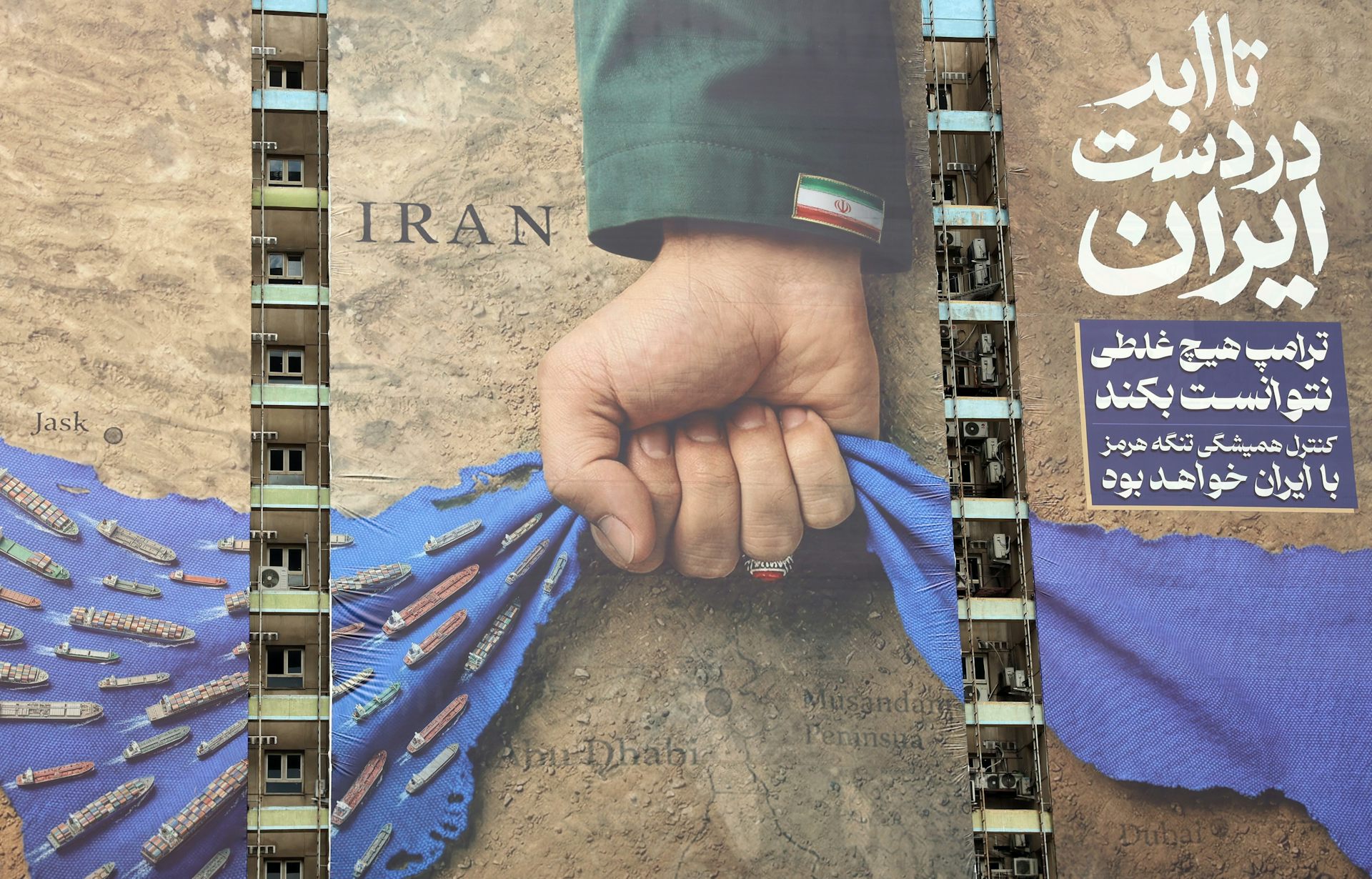
This logic is visible in how the conflict has unfolded. The battlefield extends beyond direct confrontation into shipping lanes, energy markets and regional alliances. Disruptions in the Strait of Hormuz are not incidental – they are pressure points with global consequences.
Esta lógica es visible en cómo se ha desarrollado el conflicto. El campo de batalla se extiende más allá de la confrontación directa, llegando a las rutas marítimas, los mercados energéticos y las alianzas regionales. Las interrupciones en el Estrecho de Ormuz no son incidentales: son puntos de presión con consecuencias globales.
Iran’s strategy is not about dominance but entanglement. It doesn’t need battlefield superiority if it can draw its adversaries into a conflict that is too costly to resolve and too complex to conclude.
La estrategia de Irán no se trata de dominio, sino de enredo. No necesita superioridad en el campo de batalla si puede arrastrar a sus adversarios a un conflicto demasiado costoso de resolver y demasiado complejo de concluir.
When wars stall, the instinct is to escalate: more bombing, strikes on energy infrastructure, even, in extremis, “boots on the ground”. The assumption is that more force will finally produce a different outcome.
Cuando las guerras se estancan, el instinto es escalar: más bombardeos, ataques a la infraestructura energética, e incluso, en extremo, «tropas en tierra.» La suposición es que más fuerza finalmente producirá un resultado diferente.
But Iran is not a passive target. It has already shown a willingness to retaliate across the region, including against Saudi Arabia, the United Arab Emirates, Qatar, Kuwait, Bahrain, Oman, as well as targets in Jordan and Iraq. Strikes on Iran’s energy systems would not stay contained – they would invite retaliation against these same states, widening the conflict.
Pero Irán no es un objetivo pasivo. Ya ha mostrado una voluntad de represalia en toda la región, incluyendo contra Arabia Saudita, los Emiratos Árabes Unidos, Qatar, Kuwait, Baréin, Omán, así como objetivos en Jordania e Irak. Los ataques a los sistemas energéticos de Irán no se quedarían contenidos: invitarían a represalias contra estos mismos estados, ampliando el conflicto.
There is another constraint: American is estimated to have already used up around 45% to 50% of key missile stockpiles, including roughly 30% of its Tomahawk missile inventory. So the stark reality is that escalation is no longer just about willingness, but capacity — and in any wider war, the question may not be how far the US can go, but how much it has left.
Hay otra restricción: se estima que Estados Unidos ya ha agotado entre el 45% y el 50% de sus reservas clave de misiles, incluido aproximadamente el 30% de su inventario de misiles Tomahawk. Así que la cruda realidad es que la escalada ya no se trata solo de voluntad, sino de capacidad, y en cualquier guerra más amplia, la pregunta puede no ser hasta dónde puede llegar EE. UU., sino cuánto le queda.
The consequences would also extend beyond the battlefield. Iran’s response would be sustained attacks on neighbouring countries, on their power, fuel, and water systems, rendering parts of the region increasingly unlivable as temperatures soar over summer. Huge numbers of people would be forced to leave, risking another large-scale displacement crisis.
Las consecuencias también se extenderían más allá del campo de batalla. La respuesta de Irán serían ataques sostenidos contra países vecinos, contra sus sistemas de energía, combustible y agua, haciendo que partes de la región sean cada vez más inhabitables a medida que las temperaturas se disparan en verano. Un gran número de personas se verían obligadas a huir, arriesgando otra crisis de desplazamiento a gran escala.
Even then, the core reality remains unchanged. Iran is built for endurance – any ground campaign would likely become prolonged and attritional. More importantly, escalation misses the point – the problem is not a lack of force, but the absence of a political objective that force can realistically achieve.
Incluso entonces, la realidad central no cambia. Irán está construido para la resistencia: cualquier campaña terrestre probablemente se volvería prolongada y de desgaste. Más importante aún, la escalada pierde el punto: el problema no es la falta de fuerza, sino la ausencia de un objetivo político que la fuerza pueda lograr de manera realista.
Compounding the problem is a quieter but equally significant reality; the US and Israel do not appear to be fully aligned in their end goals. Israel’s posture suggests a pursuit of maximal outcomes – deep, possibly irreversible weakening of Iran’s system, if not outright regime collapse. The US, by contrast, appears to oscillate between coercion, containment and negotiation.
Complicando el problema hay una realidad más silenciosa pero igualmente significativa: EE. UU. e Israel no parecen estar completamente alineados en sus objetivos finales. La postura de Israel sugiere la búsqueda de resultados máximos: un debilitamiento profundo, posiblemente irreversible, del sistema iraní, si no el colapso total del régimen. EE. UU., por el contrario, parece oscilar entre la coerción, la contención y la negociación.
These are not just differences in emphasis – they are differences in strategy. Wars fought without a shared definition of victory rarely produce victory at all. What they produce instead is sustained military activity without strategic convergence – constant movement, but little progress toward resolution.
Estas no son solo diferencias de énfasis – son diferencias de estrategia. Las guerras libradas sin una definición compartida de victoria rara vez producen victoria en absoluto. Lo que producen en su lugar es una actividad militar sostenida sin convergencia estratégica – movimiento constante, pero poco progreso hacia la resolución.
No conclusion in sight
Sin conclusión a la vista
At some point, it becomes necessary to describe things as they are. This is no longer a war moving toward a decisive conclusion. It is a conflict settling into a pattern – strikes followed by pauses, ceasefires that hold just long enough to prevent collapse, and negotiations that advance just enough to avoid failure.
En algún momento, resulta necesario describir las cosas tal como son. Esta ya no es una guerra que se dirige hacia una conclusión decisiva. Es un conflicto que se está estableciendo en un patrón: huelgas seguidas de pausas, treguas que duran lo justo para evitar el colapso, y negociaciones que avanzan lo suficiente para evitar el fracaso.
And those ceasefires tell their own story. Their repeated extension reflects not progress, but constraint. Washington, under Donald Trump, has strong incentives to keep talks alive, avoid deeper escalation, and end the war sooner rather than later. The alternatives – regional war or global economic shock – are far harder to manage. That dynamic gives Tehran leverage. It does not need to concede quickly when delay itself strengthens its position.
Y esos ceses del fuego cuentan su propia historia. Su extensión repetida refleja no progreso, sino restricción. Washington, bajo Donald Trump, tiene fuertes incentivos para mantener vivas las conversaciones, evitar una escalada más profunda y terminar la guerra antes que nunca. Las alternativas —una guerra regional o un shock económico global— son mucho más difíciles de gestionar. Esa dinámica le da a Teherán apalancamiento. No necesita ceder rápidamente cuando la demora en sí misma fortalece su posición.
Time, in this sense, is not neutral. The longer the conflict drags on, the more it intersects with the most sensitive pressure points of the global economy. Energy markets are stressed, with supply routes under strain and reserves tightening. Industries that depend on stable fuel flows – aviation, shipping, manufacturing – are increasingly exposed.
El tiempo, en este sentido, no es neutral. Cuanto más se prolonga el conflicto, más interseca con los puntos de presión más sensibles de la economía global. Los mercados energéticos están bajo tensión, con rutas de suministro bajo presión y reservas disminuyendo. Las industrias que dependen de flujos de combustible estables —la aviación, el transporte marítimo, la manufactura— están cada vez más expuestas.
What began as a regional conflict has morphed into systemic risk. Even limited disruption can ripple outward, affecting prices, supply chains and political stability. The longer the stalemate persists, the greater the cumulative strain and the closer it edges toward a broader economic shock.
Lo que comenzó como un conflicto regional se ha transformado en riesgo sistémico. Incluso una interrupción limitada puede repercutir hacia afuera, afectando los precios, las cadenas de suministro y la estabilidad política. Cuanto más persiste el estancamiento, mayor es la tensión acumulativa y más se acerca a un shock económico más amplio.
Who really holds the advantage?
¿Quién tiene realmente la ventaja?
In purely military terms, the answer is obvious: the US and Israel retain overwhelming superiority. But wars are not decided by capability alone. They are decided by how goals, costs, and time interact.
En términos puramente militares, la respuesta es obvia: EE. UU. e Israel conservan una superioridad abrumadora. Pero las guerras no se deciden solo por la capacidad. Se deciden por cómo interactúan los objetivos, los costos y el tiempo.
In that equation, Iran’s position is stronger than it appears. It has set a lower threshold for success, demonstrated a higher tolerance for prolonged pressure, and shown an ability to impose costs beyond the battlefield. Most importantly, it does not need to win. It only needs to prevent its adversaries from achieving their aims. So far, it has done exactly that.
En esa ecuación, la posición de Irán es más fuerte de lo que parece. Ha establecido un umbral más bajo para el éxito, ha demostrado una mayor tolerancia a la presión prolongada y ha mostrado la capacidad de imponer costos más allá del campo de batalla. Lo más importante es que no necesita ganar. Solo necesita evitar que sus adversarios logren sus objetivos. Hasta ahora, ha hecho exactamente eso.
Which brings us back to the original question: can the US and Israel win this war? If winning means forcing Iran into submission or fundamentally reshaping its strategic posture, the answer is increasingly difficult to avoid – they cannot.
Lo que nos devuelve a la pregunta original: ¿pueden EE. UU. e Israel ganar esta guerra? Si ganar significa forzar a Irán a la sumisión o remodelar fundamentalmente su postura estratégica, la respuesta es cada vez más difícil de evitar: no pueden.
What they can do is continue. Manage the conflict, contain its spread and shape its margins. But that is not victory. It is endurance.
Lo que pueden hacer es continuar. Gestionar el conflicto, contener su propagación y moldear sus márgenes. Pero eso no es victoria. Es resistencia.
The real danger is not defeat, but the persistence of a belief that just a little more pressure, a little more escalation, or a little more time will produce a different result. If that belief is wrong, then this is not a war on the verge of being won. It is a war that cannot be won at all. A forever war.
El verdadero peligro no es la derrota, sino la persistencia de la creencia de que un poco más de presión, un poco más de escalada o un poco más de tiempo producirán un resultado diferente. Si esa creencia es errónea, entonces esta no es una guerra a punto de ganarse. Es una guerra que no se puede ganar en absoluto. Una guerra eterna.
The authors do not work for, consult, own shares in or receive funding from any company or organisation that would benefit from this article, and have disclosed no relevant affiliations beyond their academic appointment.
Los autores no trabajan para, no son consultores de, ni poseen acciones ni reciben financiación de ninguna empresa u organización que se beneficiaría de este artículo, y no han revelado afiliaciones relevantes más allá de su nombramiento académico.
Read more
-
Cómo la historia de Israel ha moldeado la forma en que libra la guerra
How Israel’s history has shaped the way it wages war
-
La Copa Mundial de 1994 ayudó a rescatar ‘el hermoso juego’ de la mediocridad. Al regresar a EE. UU., espera más de esa belleza.
The 1994 World Cup helped rescue ‘the beautiful game’ from mediocrity. On its return to the US, expect more of that beauty