我们无法知道唐纳德·特朗普是否患有痴呆症。即使他患有,也不能为他的行为开脱。
We can’t know if Donald Trump has dementia. Even if he …
Blaming behaviour we don’t like on a disease means less accountability, and is bad for those who live with dementia. It’s also often inaccurate.
将我们不喜欢的行为归咎于某种疾病,意味着责任感的缺失,这对患有痴呆症的人也是有害的。而且,这种做法往往是不准确的。
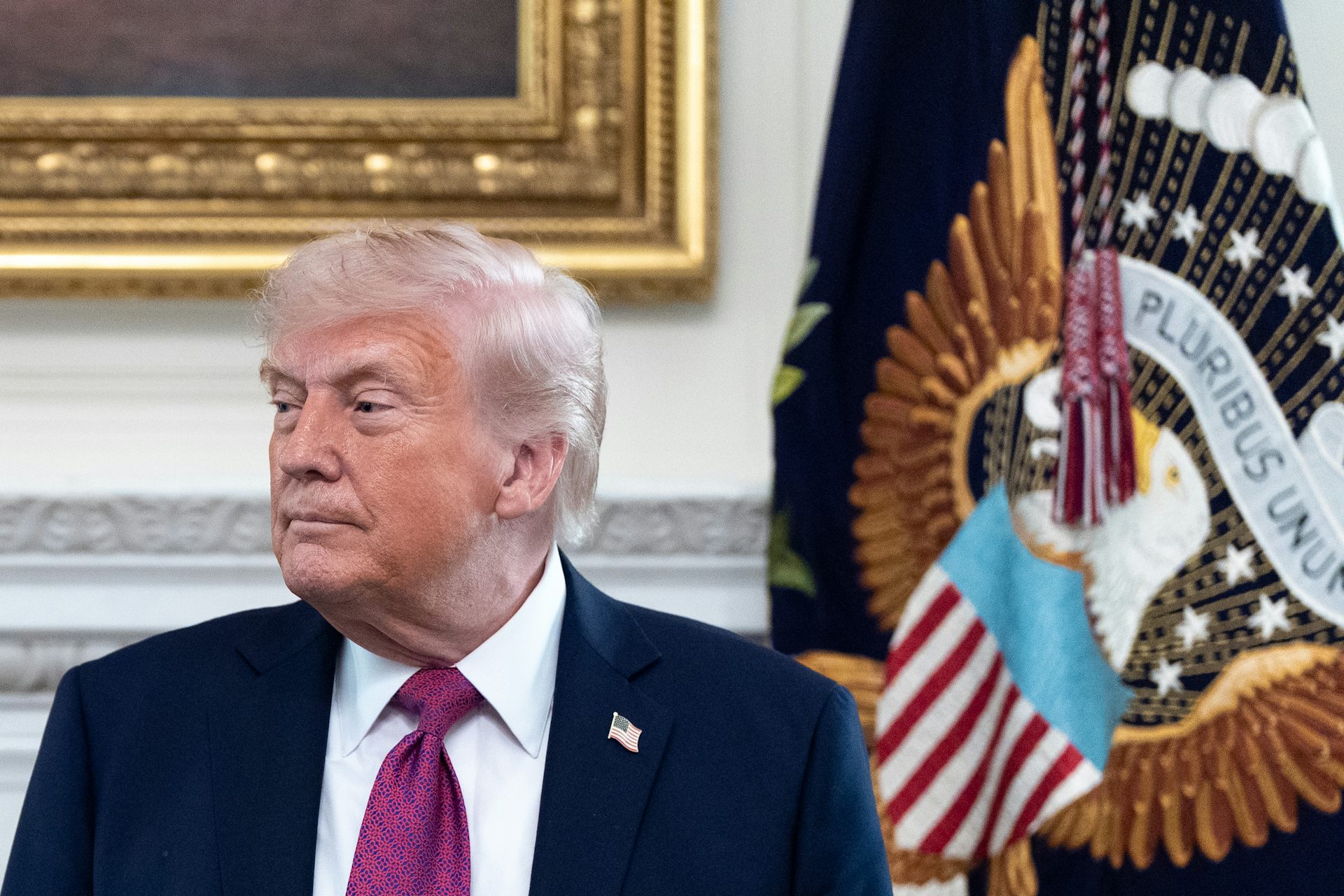
Over recent weeks, speculation has grown about US President Donald Trump’s erratic behaviour during the US-Israel war on Iran.
近几周以来,关于美国总统唐纳德·特朗普在美以冲突和针对伊朗的战争期间行为异常的猜测甚嚣尘上。
While questioning Trump’s mental fitness for office, various commentators have suggested he has malignant narcissism, Alzheimer’s disease or frontotemporal dementia, and is experiencing accelerating cognitive decline and a “profound psychological crisis”.
许多评论员质疑特朗普是否具备担任公职的心理素质,他们提出他患有恶性自恋型人格障碍、阿尔茨海默病或额颞叶痴呆,并正经历认知能力加速衰退和“深刻的心理危机”。
The claim of frontotemporal dementia in particular has stuck. This form of dementia can affect judgement, empathy, language skills and impulse control.
尤其是额颞叶痴呆的说法一直流传。这种痴呆症会影响判断力、同理心、语言技能和冲动控制。
Trump’s critics say frontotemporal dementia explains his escalating threats, profanities and tendency to ramble.
特朗普的批评者说,额颞叶痴呆解释了他的威胁升级、粗俗言语和胡言乱语的倾向。
But is frontotemporal dementia really the answer?
但额颞叶痴呆真的是答案吗?
Diagnosing someone with this condition from afar is not only irresponsible – it’s impossible. It may also inadvertently give Trump an “out” for offensive but intentional behaviour, while increasing stigma for those who live with dementia.
从远处诊断某人患有此病不仅不负责任——而且是不可能的。它还可能无意中为特朗普提供了一个解释其具有冒犯性但却是故意的行为的“借口”,同时增加患有痴呆症者的污名化。
What is frontotemporal dementia?
额颞叶痴呆是什么?
Frontotemporal dementia describes a group of neurodegenerative disorders that mostly affect the frontal and temporal lobes of the brain. These are regions involved in behaviour, personality, language and decision-making.
额颞叶痴呆描述了一组主要影响大脑额叶和颞叶的神经退行性疾病。这些区域参与行为、个性、语言和决策制定。
Unlike dementia due to Alzheimer’s disease, frontotemporal dementia rarely begins with memory loss. Instead, early symptoms involve changes in social conduct, emotional regulation or language abilities.
与阿尔茨海默病引起的痴呆不同,额颞叶痴呆很少以记忆力减退开始。相反,早期症状涉及社交行为、情绪调节或语言能力的变化。
There are several variants. The most common is behavioural-variant, which presents as a gradual decline in how a person behaves, interacts with others and expresses their personality.
它有几种变体。最常见的是行为变体,表现为一个人行为、与他人互动和表达个性的逐渐衰退。
Frontotemporal dementia is rare. Each year, around two or three out of 100,000 people are diagnosed with frontotemporal dementia worldwide. At any time, roughly nine out of 100,000 people live with the condition.
额颞叶痴呆是一种罕见病。每年,全球大约每十万名人口中就有两到三名被诊断出额颞叶痴呆。在任何时间点,大约每十万名人口中就有九人患有此病。
How is it diagnosed?
如何诊断?
Diagnosis is complex and cannot rely on observation alone.
诊断复杂,不能仅凭观察。
To make a diagnosis, a multidisciplinary team of clinicians will examine the person’s personal and medical history. This includes information from family members, neurological examinations and formal cognitive testing to consider possible diagnoses.
为了做出诊断,一个多学科的临床团队将检查个人的病史和医疗记录。这包括来自家人的信息、神经系统检查和正式的认知测试,以考虑可能的诊断。
Brain imaging, such as MRI or PET scans, are used to identify changes in the structure and function of the brain. In some cases, genetic testing may be used when family history suggests inherited risk.
脑部成像,例如核磁共振(MRI)或PET扫描,用于识别大脑结构和功能的变化。在某些情况下,如果家族病史提示有遗传风险,可能会使用基因检测。
A “possible” diagnosis requires someone to demonstrate at least three of six core features. These are:
“可能的”诊断要求某人表现出六个核心特征中的至少三个。这些特征包括:
disinhibition
脱抑制
apathy
冷漠
loss of empathy
共情能力丧失
compulsive behaviour
强迫行为
hyperorality (excessive tendency to examine objects using the mouth)
过度口部探索(用嘴过度检查物体)
loss of executive functions, the set of cognitive abilities that underpin our ability to plan and make decisions.
执行功能丧失,这是支撑我们计划和做决策的认知能力集合。
Importantly, these features must also show clear progression over time.
重要的是,这些特征还必须显示出随时间推移的明显进展。
But that is only the beginning. To reach a “probable” diagnosis, there must be imaging evidence as well as clear changes in a person’s ability to function independently in daily activities.
但这仅仅是开始。“可疑”诊断要达到“可疑”诊断,除了影像学证据外,还必须有个人在日常活动中独立功能能力发生明显变化。
A “definite” diagnosis can only be confirmed through genetic testing or brain changes linked to disease. This can only happen after death because it requires physically examining the brain itself.
“确定的”诊断只能通过基因检测或与疾病相关的脑部变化来确认。这只能死后才能发生,因为它需要物理检查大脑本身。
Even with these criteria, frontotemporal dementia remains one of the most challenging diseases to diagnose accurately. Its symptoms often overlap with psychiatric disorders such as bipolar disorder and schizophrenia, and its presentation varies widely between people.
即使有这些标准,额颞叶痴呆仍然是最难准确诊断的疾病之一。其症状经常与双相情感障碍和精神分裂症等精神障碍重叠,且表现形式因人而异。
Careful differential diagnosis, which rules out other conditions, is therefore required.
因此,需要仔细的鉴别诊断,以排除其他病症。
Why we shouldn’t diagnose from a distance
为什么我们不应该远程诊断
Diagnosing frontotemporal dementia – or any form of dementia – is a complex process. Any “diagnosis” made without meeting the person, or looking at clinical evidence, is just speculation.
诊断额颞叶痴呆——或任何形式的痴呆症——是一个复杂的过程。任何没有与当事人见面或缺乏临床证据的“诊断”,都只是猜测。
But there are other dangers in blaming controversial actions on dementia, such as Trump’s recent threat to wipe out “a whole civilisation” if Iran did not comply with US demands.
但将有争议的行为归咎于痴呆症,还存在其他危险,例如特朗普最近威胁说,如果伊朗不遵守美国的要求,就要消灭“整个文明”。
First, attributing behaviour we don’t like to dementia reduces accountability for intentional actions.
首先,将我们不喜欢的行为归因于痴呆症,会削弱对故意行为的问责制。
We know frontotemporal dementia affects brain regions that control impulse and social understanding. It does not explain political extremism, strategic decision-making or ideological conviction – especially where it has been longstanding.
我们知道额颞叶痴呆会影响控制冲动和社交理解的大脑区域。它不能解释政治极端主义、战略决策或意识形态信念——尤其是那些长期存在的信念。
Second, it further stigmatises those who live with the condition, reinforcing the idea that people with dementia are erratic, dangerous or morally compromised.
其次,这进一步污名化了患有该疾病的人,强化了痴呆症患者是反复无常、危险或道德败坏的观念。
This stigma remains a major barrier to effective dementia care and prevention. Misconceptions can delay diagnosis, discourage families from seeking help, and make people with dementia feel more isolated.
这种污名化仍然是有效痴呆症护理和预防的主要障碍。误解可能会延误诊断,阻止家人寻求帮助,并使痴呆症患者感到更加孤立。
In frontotemporal dementia, where changes in personality are already misunderstood, the risk of mischaracterisation is particularly acute.
在额颞叶痴呆症中,由于性格变化本身就容易被误解,误判的风险尤为突出。
The ethics of restraint
克制的美德
Humans are driven to make sense of troubling events. This negativity bias that has served us well in evolution. But it creates an asymmetry worth noting.
人类天生渴望理解令人不安的事件。这种负面偏见在进化过程中对我们很有帮助。但它也造成了一种值得注意的不对称性。
When leaders behave admirably, their actions are rarely attributed to neurological health. But when behaviour is troubling, the impulse to medicalise it can be strong. This selective framing turns diagnosis into a rhetorical tool rather than a clinical question.
当领导人表现出色时,他们的行为很少被归因于神经学健康问题。但当行为令人不安时,将之医学化的冲动可能非常强烈。这种选择性的框架构建,将诊断变成了一种修辞工具,而非临床问题。
The health of political leaders is a legitimate public concern. But there is a difference between evidence-based reporting (grounded in disclosed medical information) and speculative diagnosis based on observation from a distance.
政治领导人的健康是一个合理的公共关注点。但基于证据的报道(植根于披露的医疗信息)与基于远距离观察的推测性诊断之间存在区别。
Medical professionals have long recognised this boundary. Ethical guidelines warn against diagnosing individuals without examination, in part because doing so undermines trust in both medicine and the media.
医疗专业人员早就认识到这一界限。伦理指南警告不要在没有检查的情况下诊断个人,部分原因在于这样做会损害公众对医学和媒体的信任。
Speculation about dementia may feel like a way of making sense of behaviour that is difficult, unsettling or even morally questionable. But it is a poor substitute for clinical rigour.
关于痴呆症的猜测,可能让人感觉像是在试图理解那些难以理解、令人不安甚至在道德上可疑的行为。但它无法取代临床的严谨性。
For those living with frontotemporal dementia, it risks turning a serious neurological disease into a casual metaphor that explains little and harms a lot.
对于那些患有额颞叶痴呆症的人来说,这有将一种严重的神经系统疾病变成一种解释甚少但危害甚大的随意比喻的风险。
Joyce Siette receives funding from the National Health and Medical Research Council.
Joyce Siette 接受国家卫生和医学研究委员会的资助。
Paul Strutt does not work for, consult, own shares in or receive funding from any company or organisation that would benefit from this article, and has disclosed no relevant affiliations beyond their academic appointment.
Paul Strutt 不受任何公司或组织(这些公司或组织可能从本文中受益)的雇佣、咨询、拥有股份或获得资助,并且除了其学术任命外,未披露任何相关隶属关系。