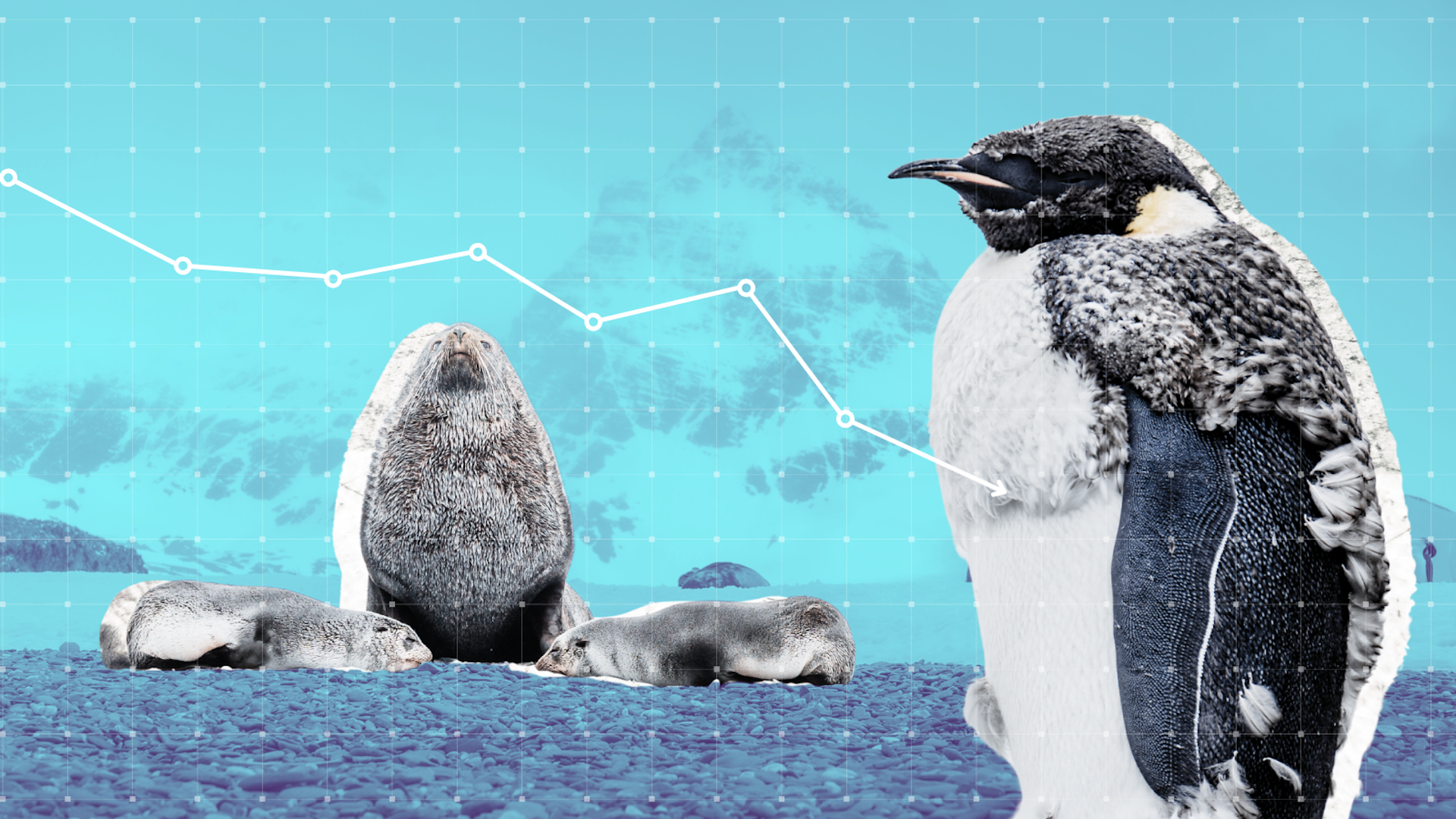
Pinguin kaisar yang dicintai dan anjing laut bulu Antartika kini secara resmi terancam punah. Inilah yang dapat dilakukan
The beloved emperor penguin and Antarctic fur seal are now officially endangered. Here’s what can be done
The loss of iconic Antarctic wildlife is no longer a future possibility. It is happening in real-time, while we watch.
Hilangnya satwa liar Antartika yang ikonik bukan lagi kemungkinan di masa depan. Ini terjadi secara waktu nyata, sementara kita menyaksikan.
In 1902, British explorer Robert Falcon Scott spotted a large group of large black and white birds at Ross Island, Antarctica. This was among the many milestones of Scott’s famous Discovery expedition: the first breeding colony of emperor penguins.
Pada tahun 1902, penjelajah Inggris Robert Falcon Scott melihat sekelompok besar burung hitam dan putih di Pulau Ross, Antartika. Ini adalah salah satu tonggak sejarah dari ekspedisi Discovery terkenal Scott: koloni berkembang biak penguin kaisar pertama.
Now, only 124 years since this penguin colony was discovered, emperor penguins have officially been listed as endangered, along with the Antarctic fur seal. As the world warms, Antarctic krill are shifting southwards and sea ice is shrinking at record levels. And these unprecedented changes are having a domino effect on these species.
Kini, baru 124 tahun sejak koloni penguin ini ditemukan, penguin kaisar secara resmi telah terdaftar sebagai spesies terancam punah, bersama dengan anjing laut bulu Antartika. Seiring pemanasan dunia, kril Antartika bergeser ke selatan dan es laut menyusut pada tingkat rekor. Dan perubahan yang belum pernah terjadi ini memberikan efek domino pada spesies-spesies ini.
These are the first penguin and pinniped – marine mammals that have front and rear flippers – to be given this conservation status in the Southern Ocean. Their perilous situation is a critical turning point, and shows how rapidly the Antarctic environment is changing.
Mereka adalah penguin dan pinniped pertama – mamalia laut yang memiliki sirip depan dan belakang – yang diberikan status konservasi ini di Samudra Selatan. Situasi mereka yang berbahaya adalah titik balik penting, dan menunjukkan betapa cepatnya lingkungan Antartika berubah.
At the same time, the spread of highly contagious avian influenza, or bird flu, adds a new and immediate threat to Southern Ocean wildlife, compounding the pressures of climate change on stressed species.
Pada saat yang sama, penyebaran influenza aviar yang sangat menular, atau flu burung, menambah ancaman baru dan langsung bagi satwa liar Samudra Selatan, memperparah tekanan perubahan iklim pada spesies yang sudah stres.
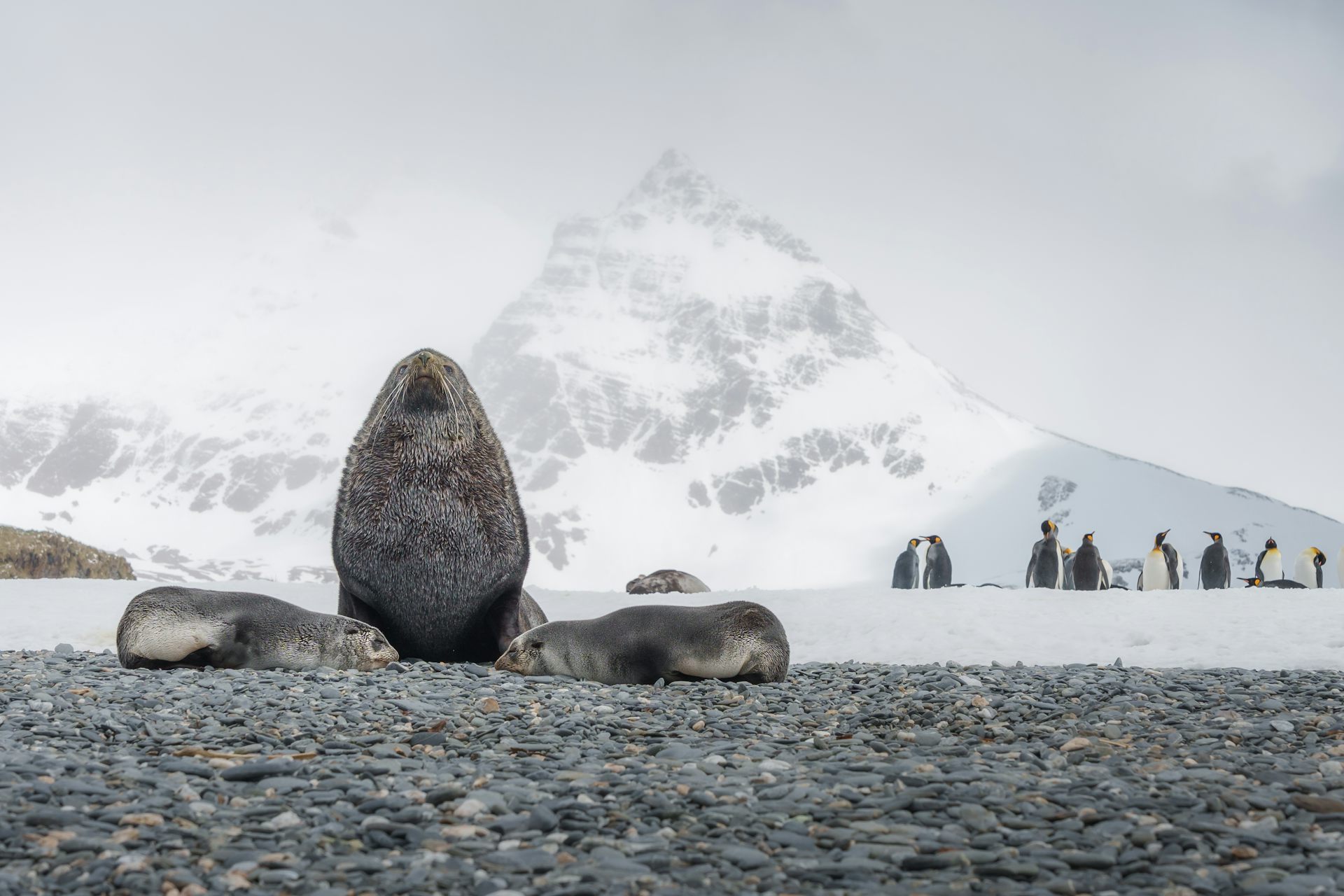
Dramatic declines linked to climate change
Penurunan dramatis terkait perubahan iklim
The first emperor penguin breeding colony was discovered at Cape Crozier, on Ross Island, during Robert Falcon Scott’s Discovery expedition in 1902. A decade later, Scott’s Terra Nova expedition returned, in part to collect emperor penguin eggs. It was an ill-fated expedition, immortalised in Apsley Cherry-Garrard’s famous book, The Worst Journey in the World.
Koloni pembiakan penguin kaisar pertama ditemukan di Cape Crozier, di Pulau Ross, selama ekspedisi Discovery Robert Falcon Scott pada tahun 1902. Satu dekade kemudian, ekspedisi Terra Nova milik Scott kembali, sebagian untuk mengumpulkan telur penguin kaisar. Itu adalah ekspedisi yang malang, diabadikan dalam buku terkenal Apsley Cherry-Garrard, The Worst Journey in the World.
In the 1960s, Scott’s son, Sir Peter Scott, one of the founders of modern conservation, helped establish the International Union for the Conservation of Nature’s Red List. Just 124 years after those early discoveries at Cape Crozier, that same framework has now been used to classify emperor penguins as endangered. The swift arc from discovery to extinction risk is a striking reminder of how quickly the species’ fortunes have changed.
Pada tahun 1960-an, putra Scott, Sir Peter Scott, salah satu pendiri konservasi modern, membantu mendirikan Daftar Merah Uni Internasional untuk Konservasi Alam. Baru 124 tahun setelah penemuan awal di Cape Crozier, kerangka kerja yang sama kini telah digunakan untuk mengklasifikasikan penguin kaisar sebagai terancam punah. Lintasan cepat dari penemuan hingga risiko kepunahan adalah pengingat mencolok betapa cepatnya nasib spesies ini berubah.
Over nine years, between 2009 and 2018, emperor penguin numbers fell by 10%. Their numbers are expected to halve by 2073.
Selama sembilan tahun, antara tahun 2009 dan 2018, jumlah penguin kaisar turun sebesar 10%. Jumlah mereka diperkirakan akan berkurang setengahnya pada tahun 2073.
The decline is more pronounced for Antarctic fur seals. Hunted to the brink of extinction in the early 1880s, by 1999 their numbers had rebounded to an estimated 2.1 million mature seals. But since then, the global population has decreased by more than 50%, to about 944,000 mature individuals.
Penurunan ini lebih nyata untuk anjing laut bulu Antartika. Diburu hingga ambang kepunahan pada awal tahun 1880-an, pada tahun 1999 jumlah mereka telah pulih menjadi sekitar 2,1 juta anjing laut dewasa. Namun sejak saat itu, populasi global telah menurun lebih dari 50%, menjadi sekitar 944.000 individu dewasa.
In just a decade, they have been reclassified on the IUCN’s Red List, going from of “least concern” – those species that are widespread and at low risk of extinction – to “endangered”. The IUCN’s red list is the comprehensive information source on the extinction risk status of species. This shows the remarkable speed at which these seals are declining.
Hanya dalam satu dekade, mereka telah diklasifikasikan ulang dalam Daftar Merah IUCN, beralih dari “kekhawatiran terendah” – spesies yang tersebar luas dan berisiko kepunahan rendah – menjadi “terancam punah”. Daftar merah IUCN adalah sumber informasi komprehensif mengenai status risiko kepunahan spesies. Ini menunjukkan kecepatan luar biasa penurunan anjing laut ini.
Climate change and bird flu
Perubahan iklim dan flu burung
Both of these dramatic declines are linked to climate change. Warming ocean temperatures and a reduction in sea ice affect the availability of the Antarctic fur seal’s key prey, Antarctic krill. Krill are shifting southwards and moving deeper, potentially making them less accessible to some predators. Competition with a growing population of whales has also increased.
Kedua penurunan dramatis ini terkait dengan perubahan iklim. Peningkatan suhu laut dan berkurangnya es laut memengaruhi ketersediaan mangsa utama anjing laut bulu Antartika, yaitu kril Antartika. Kril bergeser ke selatan dan bergerak lebih dalam, berpotensi membuatnya kurang dapat diakses oleh beberapa predator. Persaingan dengan populasi paus yang terus bertambah juga meningkat.
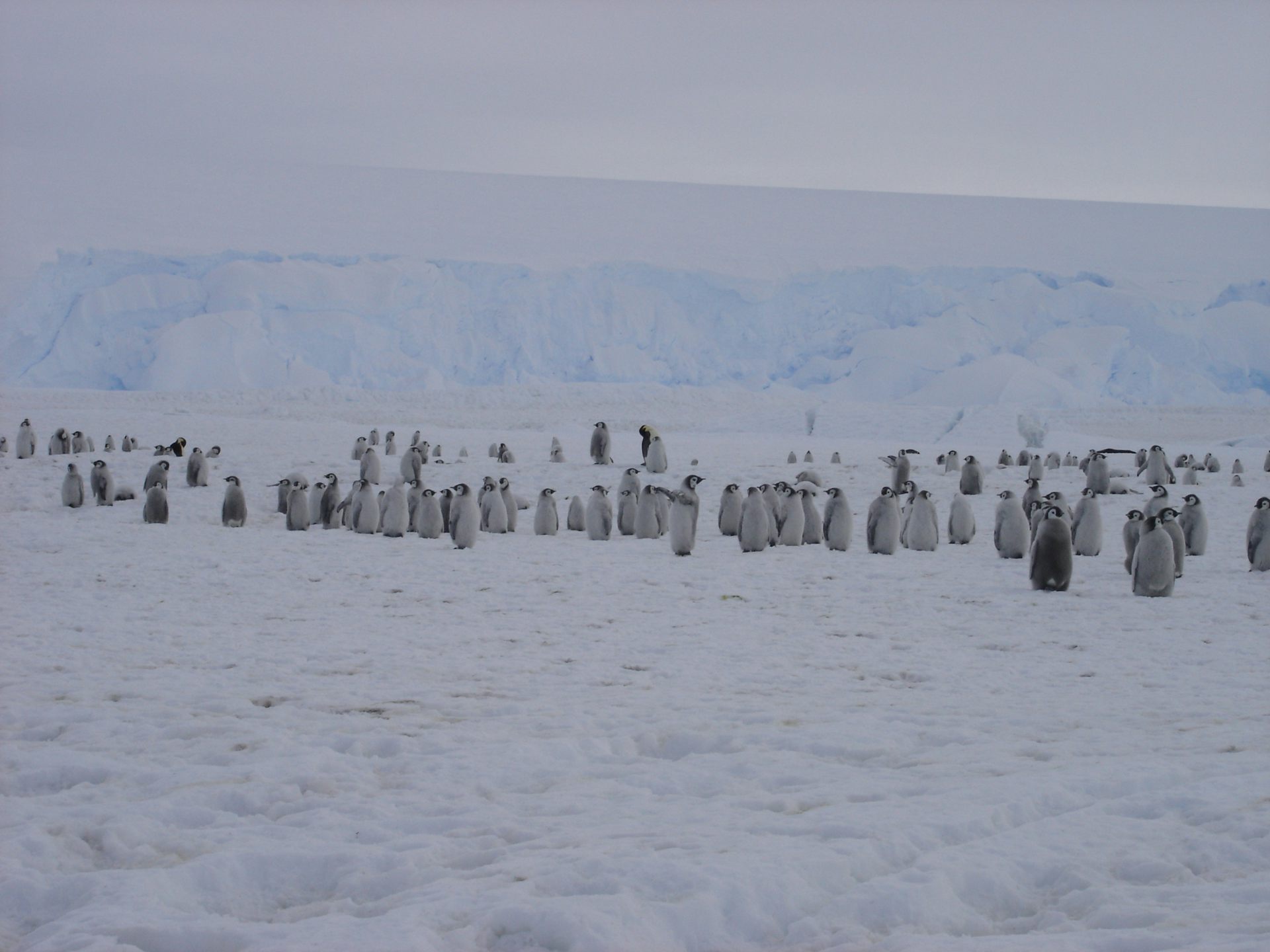
Emperor penguins, by contrast, are completely dependent on sea ice. They use it as a stable platform for courtship, incubating their eggs and rearing chicks. But as sea ice declines and becomes less reliable, their breeding success is increasingly threatened. If the ice breaks up before chicks are fully developed, many are unable to survive.
Penguin kaisar, sebaliknya, sepenuhnya bergantung pada es laut. Mereka menggunakannya sebagai platform stabil untuk pacaran, mengerami telur, dan membesarkan anak. Tetapi karena es laut menurun dan menjadi kurang dapat diandalkan, keberhasilan perkembangbiakannya semakin terancam. Jika es pecah sebelum anak-anak berkembang sepenuhnya, banyak yang tidak dapat bertahan hidup.
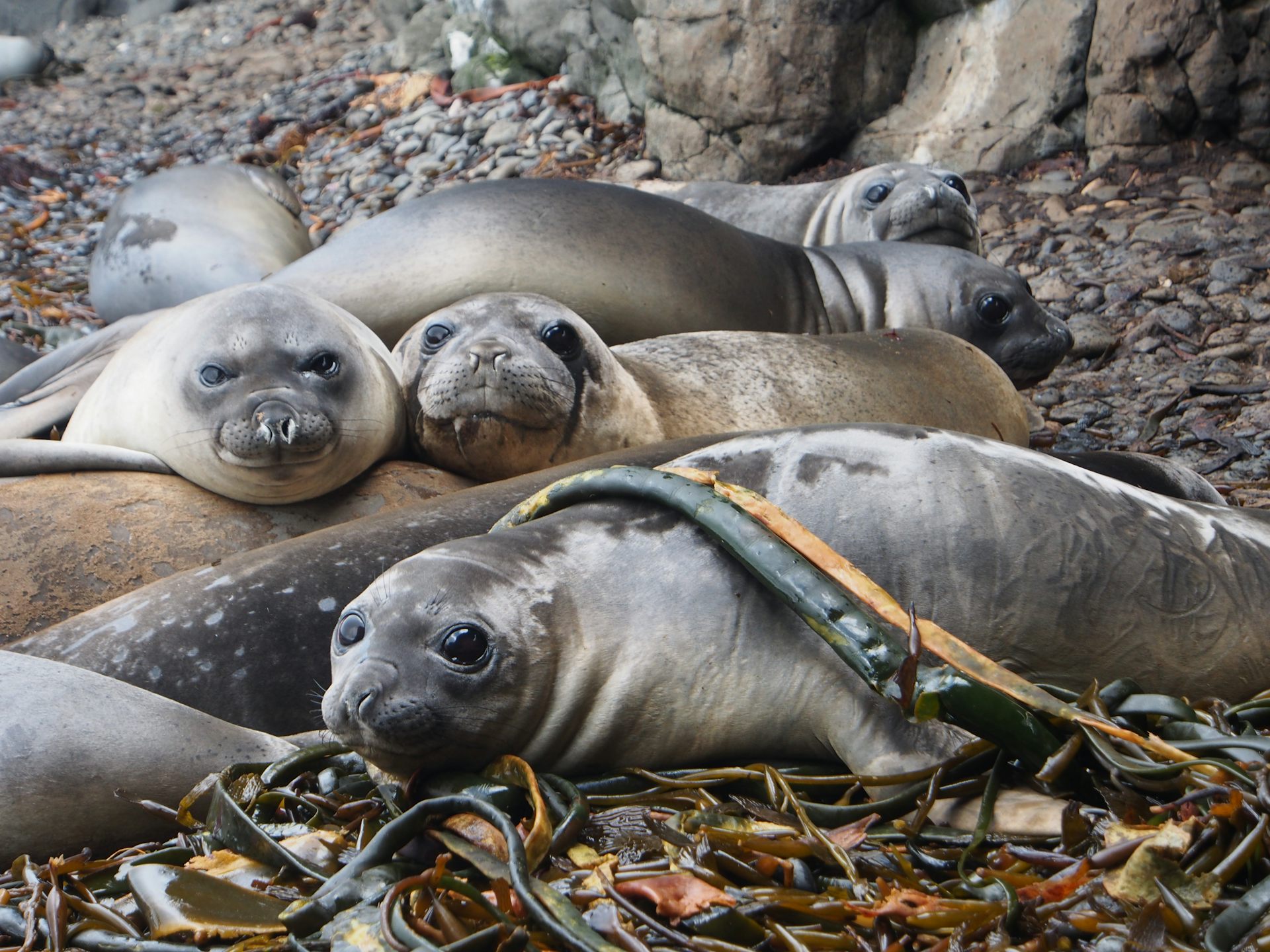
At the same time, the spread of highly contagious bird flu adds a new and immediate threat to Southern Ocean wildlife. High mortality associated with avian influenza has also caused the uplisting of the southern elephant seal to “vulnerable” this week.
Pada saat yang sama, penyebaran flu burung yang sangat menular menambah ancaman baru dan langsung bagi satwa liar Samudra Selatan. Tingkat kematian tinggi yang terkait dengan influenza aviar juga menyebabkan peningkatan status anjing laut gajah selatan menjadi “rentan” minggu ini.
Some elephant seal populations have experienced more than 90% of pups dying, alongside sharp declines in breeding adults. These represent tens of thousands of animals lost, with many Antarctic fur seals also dying as a result of bird flu outbreaks.
Beberapa populasi anjing laut gajah mengalami lebih dari 90% anak yang mati, di samping penurunan tajam pada dewasa yang berkembang biak. Ini mewakili puluhan ribu hewan yang hilang, dengan banyak anjing laut bulu Antartika juga mati akibat wabah flu burung.
We need to know more
Kami perlu tahu lebih banyak
Emperor penguins, Antarctic fur seals and southern elephant seals are three of the more widely researched Southern Ocean predators. But there is still a lot we don’t know, because of the remote location and the difficulty of sustaining research over time. And there are many species we know far less about. Antarctic ice seals, including Weddell seals, crabeater seals, leopard seals, and Ross seals, have “unknown” population trends on the IUCN red list, meaning there is not enough data to know if numbers are declining.
Pinguin kaisar, anjing laut bulu Antartika, dan anjing laut gajah selatan adalah tiga predator Samudra Selatan yang paling banyak diteliti. Namun, masih banyak hal yang belum kita ketahui, karena lokasi yang terpencil dan kesulitan mempertahankan penelitian dari waktu ke waktu. Dan ada banyak spesies yang kita ketahui jauh lebih sedikit. Anjing laut es Antartika, termasuk anjing laut Weddell, anjing laut pemakan kepiting, anjing laut macan tutul, dan anjing laut Ross, memiliki tren populasi “tidak diketahui” pada daftar merah IUCN, yang berarti tidak ada cukup data untuk mengetahui apakah jumlahnya menurun.
These recent listings make clear the urgent and ongoing need for improved, real-time monitoring. We need to know much more about wildlife health and population trends, the Antarctic environment and sea ice quality.
Daftar terbaru ini memperjelas kebutuhan mendesak dan berkelanjutan akan pemantauan waktu nyata yang ditingkatkan. Kami perlu tahu jauh lebih banyak tentang kesehatan satwa liar dan tren populasi, lingkungan Antartika, dan kualitas es laut.
Human-driven threats facing Antarctic wildlife are many, and cumulative. To respond, we need to better protect Antarctic habitat and the species that live there. We need to reduce the interaction of marine species with industrial fishing. And we must improve how we assess current and suspected threats in Antarctica, when there is growing evidence of impacts.
Ancaman yang didorong oleh manusia terhadap satwa liar Antartika banyak, dan bersifat kumulatif. Untuk merespons, kita perlu melindungi habitat Antartika dan spesies yang hidup di sana dengan lebih baik. Kita perlu mengurangi interaksi spesies laut dengan penangkapan ikan industri. Dan kita harus meningkatkan cara kita menilai ancaman saat ini dan yang dicurigai di Antartika, ketika ada bukti dampak yang semakin meningkat.
Defining these animals as endangered is a stark reminder of how quickly Antarctica is changing before our eyes. Without a rapid reduction in greenhouse gas emissions and sustained conservation action, these species may be lost forever.
Menetapkan hewan-hewan ini sebagai terancam pun adalah pengingat keras betapa cepatnya Antartika berubah di depan mata kita. Tanpa pengurangan cepat emisi gas rumah kaca dan tindakan konservasi yang berkelanjutan, spesies-spesies ini mungkin hilang selamanya.
Mary-Anne Lea receives funding from the Australian Research Council, the Australian government, Rolex, the National Geographic Society and others. She is affiliated with the University of Tasmania, the Scientific Committee on Antarctic Research (SCAR) Expert Group on Birds and Marine Mammals, the SCAR Standing Committee on the Antarctic Treaty System (as a delegate to CCAMLR) and is a co-founder and board director of Homeward Bound Projects.
Mary-Anne Lea menerima dana dari Australian Research Council, pemerintah Australia, Rolex, National Geographic Society, dan lainnya. Dia berafiliasi dengan University of Tasmania, Scientific Committee on Antarctic Research (SCAR) Expert Group on Birds and Marine Mammals, SCAR Standing Committee on the Antarctic Treaty System (sebagai delegasi ke CCAMLR) , dan merupakan salah satu pendiri serta direktur dewan Homeward Bound Projects.
Jane Younger receives funding from the Australian Research Council, National Geographic Society, Rolex, WIRES, the Marine Megafauna Research Fund, and Lindblad-National Geographic. She is affiliated with the University of Tasmania and Senior Editor of Ecology & Evolution.
Jane Younger menerima dana dari Australian Research Council, National Geographic Society, Rolex, WIRES, Marine Megafauna Research Fund, dan Lindblad-National Geographic. Dia berafiliasi dengan University of Tasmania dan Senior Editor of Ecology & Evolution.
Noemie Friscourt receives funding from the Australian Research Council, the Australian government and the Antarctic Science Foundation. She is affiliated with the University of Tasmania.
Noemie Friscourt menerima dana dari Australian Research Council, pemerintah Australia, dan Antarctic Science Foundation. Dia berafiliasi dengan University of Tasmania.
Read more
-

Tanya Jawab Ahli: Mengapa begitu banyak bangunan runtuh dalam gempa bumi ganda di Venezuela?
Expert Q&A: why did so many buildings collapse in Venezuela’s double earthquake?
-

Kesepakatan AS-Iran membuat masa depan Lebanon tidak pasti – dan bergantung pada peran Israel sebagai pengacau
US-Iran deal leaves the future of Lebanon uncertain – and subject to Israel playing the spoiler