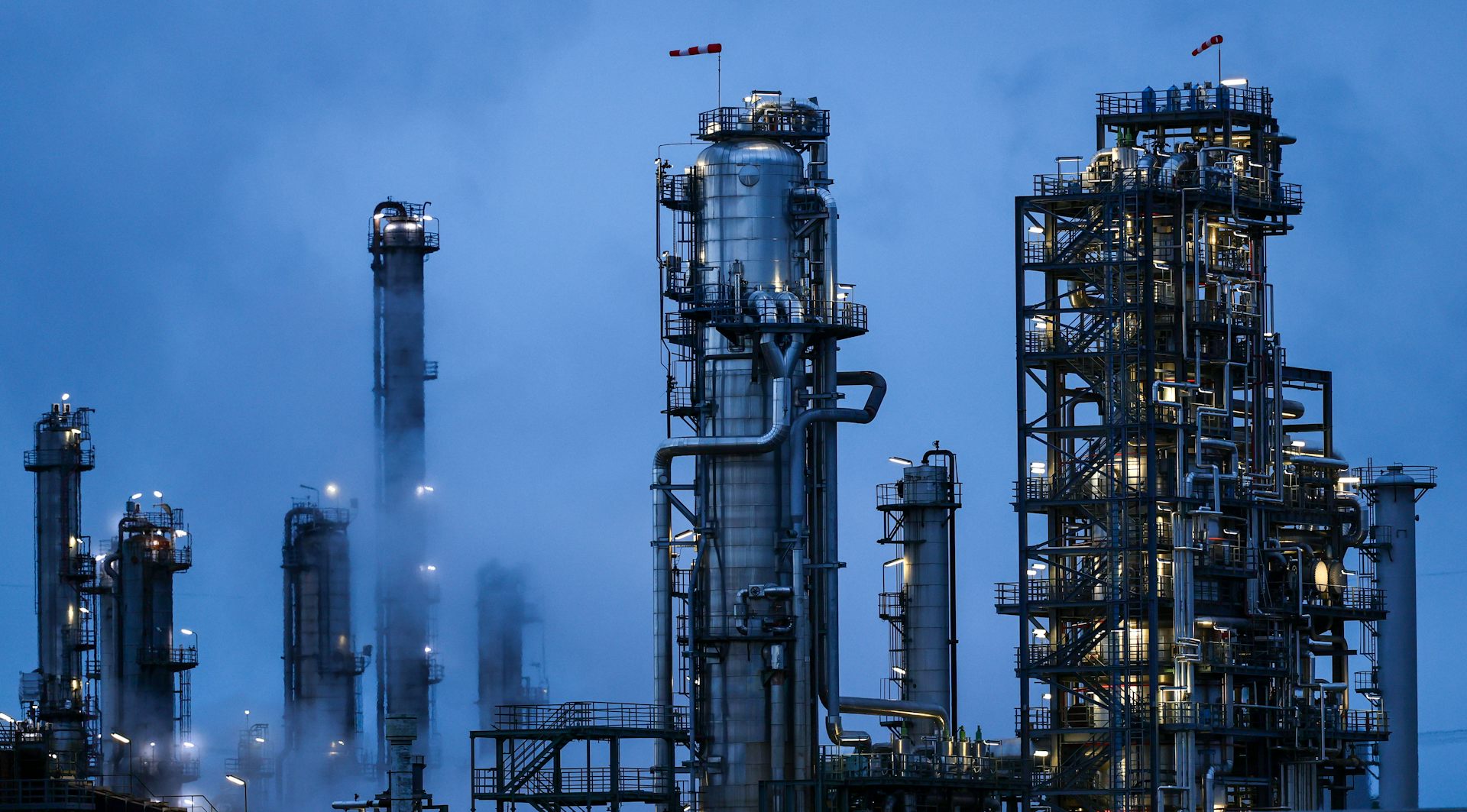
क्या तेल की कीमतें कभी वास्तव में ‘सामान्य’ स्तर पर लौट पाएंगी?
Will oil prices ever truly go back to ‘normal’?
Even if the Iran war ends, the fallout from this oil shock is likely to persist for a long time. Here’s what the end of ‘cheap’ oil could mean for the world.
भले ही ईरान युद्ध समाप्त हो जाए, लेकिन इस तेल के झटके का असर लंबे समय तक बना रहने की संभावना है। यहाँ बताया गया है कि ‘सस्ते’ तेल का अंत दुनिया के लिए क्या मायने रख सकता है।
The fallout from war between the United States, Israel and Iran has dominated global oil markets. And not just because the Strait of Hormuz, which normally carries about 20% of global oil and gas, remains effectively closed to shipping traffic.
संयुक्त राज्य अमेरिका, इज़राइल और ईरान के बीच युद्ध के नतीजों ने वैश्विक तेल बाजारों पर कब्ज़ा कर लिया है। और यह सिर्फ इसलिए नहीं है क्योंकि हॉर्मुज की खाड़ी, जो सामान्य रूप से वैश्विक तेल और गैस का लगभग 20% ले जाती है, शिपिंग यातायात के लिए प्रभावी रूप से बंद बनी हुई है।
Deep uncertainty about how long the disruption will continue has added a persistent “risk premium” – an extra cost built into oil prices to account for the risk of disrupted supply.
इस बात की गहरी अनिश्चितता कि व्यवधान कब तक जारी रहेगा, ने एक लगातार “जोखिम प्रीमियम” जोड़ दिया है – जो आपूर्ति में व्यवधान के जोखिम को ध्यान में रखने के लिए तेल की कीमतों में जोड़ा गया एक अतिरिक्त खर्च है।
Rising insurance costs, reduced ship traffic and longer transit routes avoiding the Middle East have all added further friction to global oil supply chains.
बढ़ते बीमा लागत, कम शिप यातायात और मध्य पूर्व से बचते हुए लंबे पारगमन मार्गों ने वैश्विक तेल आपूर्ति श्रृंखलाओं में और अधिक घर्षण पैदा किया है।
An optimist might say this will all be sorted out quickly and soon enough we will be back to “normal”. And oil prices have retreated back below US$100 per barrel this week, on renewed hopes of a peace deal.
एक आशावादी कह सकता है कि यह सब जल्दी सुलझ जाएगा और जल्द ही हम “सामान्य” स्थिति में लौट आएंगे। और शांति समझौते की नई उम्मीदों पर इस सप्ताह तेल की कीमतें प्रति बैरल 100 अमेरिकी डॉलर से नीचे आ गई हैं।
But they’re still elevated. Before war broke out in the Middle East, benchmark oil prices had hovered in the range of US$70–80 a barrel since 2023. That’s near where they’ve sat, on average, in “normal” times for much of the past two decades.
लेकिन वे अभी भी ऊंचे हैं। मध्य पूर्व में युद्ध शुरू होने से पहले, बेंचमार्क तेल की कीमतें 2023 से प्रति बैरल 70-80 अमेरिकी डॉलर की सीमा में रही थीं। यह उस स्तर के करीब है जहां वे पिछले दो दशकों के अधिकांश समय “सामान्य” समय में औसतन रहे थे।
But what if there is no way back to “normal”? What if the fundamental challenge now isn’t the short-term disruption in supply, but the realisation that the days of cheap oil may have come to an end?
लेकिन क्या होगा अगर “सामान्य” स्थिति में वापस जाने का कोई रास्ता नहीं है? क्या होगा अगर अब मौलिक चुनौती आपूर्ति में अल्पकालिक व्यवधान नहीं है, बल्कि यह एहसास है कि सस्ते तेल के दिन समाप्त हो सकते हैं?
Oil’s invisible reach
तेल की अदृश्य पहुँच
Higher oil prices have a ripple effect that typically starts at the fuel pump. Petrol, diesel and jet fuel are top of mind. Driving to work, moving goods and travelling all become more expensive.
तेल की ऊंची कीमतें एक लहर जैसा प्रभाव डालती हैं जो आमतौर पर ईंधन पंप पर शुरू होता है। पेट्रोल, डीज़ल और जेट ईंधन सबसे पहले दिमाग में आते हैं। काम पर गाड़ी चलाना, सामान ले जाना और यात्रा करना—ये सब अधिक महंगा हो जाता है।
Many fertilisers, too, are petrochemical products. That means farming around the world is exposed to a shock.
कई उर्वरक (fertilizers) भी पेट्रोकेमिकल उत्पाद होते हैं। इसका मतलब है कि दुनिया भर की खेती एक झटके के संपर्क में है।
But the list of goods that rely on oil and gas goes far beyond fuel and fertiliser. According to the US Department of Energy, petrochemicals (derived from oil and gas) are involved in the manufacturing of more than 6,000 everyday products.
लेकिन तेल और गैस पर निर्भर वस्तुओं की सूची ईंधन और उर्वरक से कहीं आगे तक जाती है। अमेरिकी ऊर्जा विभाग के अनुसार, पेट्रोकेमिकल्स (जो तेल और गैस से प्राप्त होते हैं) 6,000 से अधिक रोजमर्रा के उत्पादों के निर्माण में शामिल हैं।
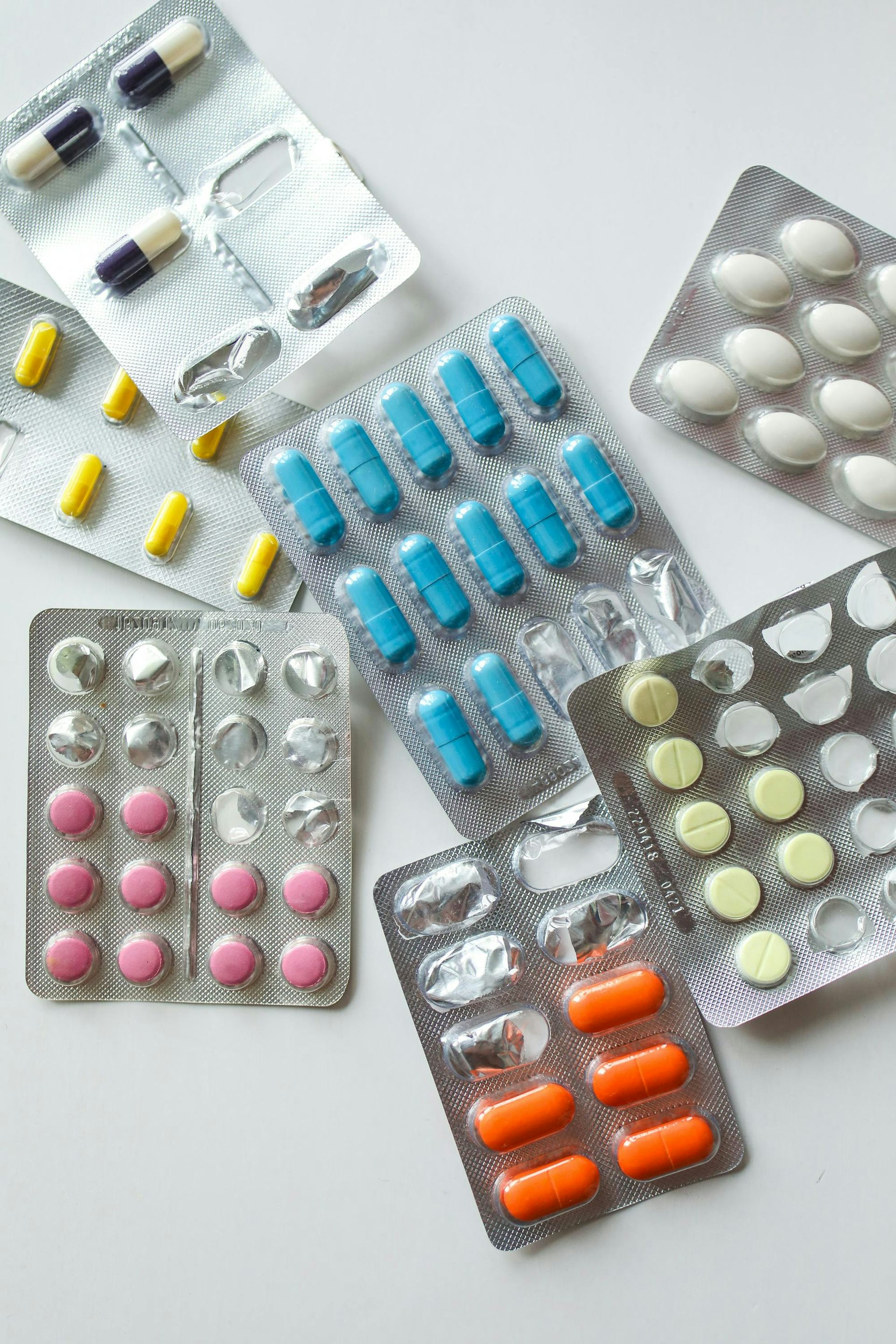
In many cases, this is because petrochemicals are a key input in the production of plastic. But other products on the list may be surprising, such as aspirin, dishwashing liquid, toothpaste and dyes.
कई मामलों में, ऐसा इसलिए है क्योंकि पेट्रोकेमिकल्स प्लास्टिक के उत्पादन में एक प्रमुख इनपुट होते हैं। लेकिन सूची में अन्य उत्पाद आश्चर्यजनक हो सकते हैं, जैसे एस्पिरिन, डिशवॉशिंग लिक्विड, टूथपेस्ट और रंग (dyes) ।
Building materials used in construction warrant a special mention. Asphalt, insulation, paint, pipes, membranes, fittings and other composite materials are mostly oil byproducts. Manufacturing bricks and many ceramic products is also gas-intensive.
निर्माण में उपयोग की जाने वाली निर्माण सामग्री का विशेष उल्लेख किया जाना चाहिए। डामर (Asphalt) , इन्सुलेशन, पेंट, पाइप, झिल्लियाँ (membranes) , फिटिंग और अन्य कंपोजिट सामग्री अधिकतर तेल के उप-उत्पाद होते हैं। ईंटों और कई सिरेमिक उत्पादों का निर्माण भी गैस-गहन होता है।
Add transporting it all to the construction site, and the oil crisis becomes another headwind to housing affordability.
इसमें इन सब को निर्माण स्थल तक पहुंचाना जोड़ दें, और तेल संकट आवास की सामर्थ्य (affordability) के लिए एक और बाधा बन जाता है।
Is this the end of cheap oil?
क्या यह सस्ते तेल का अंत है?
In 1999, an article in The Economist quoted Don Huberts, who was then head of Shell Hydrogen at oil company Royal Dutch/Shell:
1999 में, द इकोनॉमिस्ट के एक लेख में डॉन ह्यूबर्ट्स का हवाला दिया गया था, जो उस समय तेल कंपनी रॉयल डच/Shell में शेल हाइड्रोजन के प्रमुख थे:
The stone age did not end because the world ran out of stones, and the oil age will not end because we run out of oil.
पाषाण युग इसलिए समाप्त नहीं हुआ क्योंकि दुनिया में पत्थर खत्म हो गए, और तेल युग इसलिए समाप्त नहीं होगा क्योंकि हमारे पास तेल खत्म हो जाएगा।
True enough, but what about cheap oil? Can that come to an end?
यह सच है, लेकिन सस्ते तेल का क्या? क्या इसका अंत हो सकता है?
The world has faced many oil shocks before, some for geopolitical reasons, others due to concerns demand would outstrip supply.
दुनिया ने पहले कई तेल झटकों का सामना किया है, कुछ भू-राजनीतिक कारणों से, और अन्य चिंता के कारण कि मांग आपूर्ति से अधिक हो जाएगी।
But almost every time analysts predicted the world was about to run out of oil, price hikes were met with new discoveries, technological improvements and oil substitution.
लेकिन लगभग हर बार जब विश्लेषकों ने भविष्यवाणी की कि दुनिया तेल खत्म होने वाली है, कीमत वृद्धि का सामना नई खोजों, तकनीकी सुधारों और तेल के विकल्प से हुआ।
Companies such as Chevron have pioneered new techniques, such as deepwater drilling.
शेवरॉन जैसी कंपनियों ने गहरे पानी में ड्रिलिंग जैसी नई तकनीकों में अग्रणी भूमिका निभाई है।
Extracting oil from shale through fracking unlocked new supplies, especially in the US. This helped the US become the world’s largest producer of crude oil in the late 2010s.
शेवरॉन जैसी कंपनियों ने डीपवाटर ड्रिलिंग जैसी नई तकनीकों में अग्रणी भूमिका निभाई है।
This time, however, production facilities across the Middle East have suffered major damage, which may take years to repair. The central question is no longer whether oil exists in the ground, but whether it can be supplied cheaply, reliably and at scale again.
फ्रैकिंग के माध्यम से शेल से तेल निकालने ने नई आपूर्ति खोली, खासकर अमेरिका में। इससे अमेरिका को 2010 के दशक के अंत में कच्चे तेल का दुनिया का सबसे बड़ा उत्पादक बनने में मदद मिली।
Just in time vs just in case
हालांकि, इस बार, मध्य पूर्व में उत्पादन सुविधाओं को भारी नुकसान हुआ है, जिसे ठीक होने में सालों लग सकते हैं। केंद्रीय प्रश्न अब यह नहीं है कि तेल ज़मीन में मौजूद है या नहीं, बल्कि यह है कि क्या इसे फिर से सस्ते, विश्वसनीय और बड़े पैमाने पर आपूर्ति किया जा सकता है।
Until 2020, global economies largely operated in “just-in-time” mode. You only take what you need, when you need it, assuming it will always be there for you. This system works efficiently – and is cheap – until something goes wrong.
समय पर बनाम ज़रूरत पड़ने पर
Lessons from the pandemic brought back the idea of “just in case”, particularly as the war in Ukraine caused further disruption.
2020 तक, वैश्विक अर्थव्यवस्थाएं काफी हद तक “जस्ट-इन-टाइम” मोड में काम करती थीं। आप केवल उतना ही लेते हैं जितनी आपको ज़रूरत है, जब आपको ज़रूरत होती है, यह मानकर कि यह हमेशा उपलब्ध रहेगा। यह प्रणाली कुशल काम करती है – और सस्ती भी है – जब तक कि कुछ गलत नहीं होता।
“Just in case” means that you keep more than you need, so if someone closes the tap, you can keep all else running. However, this creates new costs.
महामारी से मिले सबक ने “बस ज़रूरत पड़ने पर” (just in case) के विचार को वापस ला दिया है, खासकर जब यूक्रेन में युद्ध ने और अधिक व्यवधान पैदा किया।
To keep more oil and gas than you need, you don’t just have to pay for the extra stock. Countries also have to build new storage and infrastructure, and pay more in insurance.
“बस ज़रूरत पड़ने पर” का मतलब है कि आप जितना चाहिए उससे अधिक सामान रखते हैं, ताकि अगर कोई नल बंद कर दे, तो आप बाकी सब कुछ चालू रख सकें। हालांकि, इससे नई लागतें उत्पन्न होती हैं।
You refine your management to make sure it all works properly, so that the extra cost added is part of a larger contingency plan. But someone must foot this bill.
अपनी ज़रूरत से अधिक तेल और गैस रखने के लिए, आपको केवल अतिरिक्त स्टॉक के लिए भुगतान नहीं करना पड़ता। देशों को नया भंडारण और बुनियादी ढांचा भी बनाना पड़ता है, और बीमा पर अधिक भुगतान करना पड़ता है।
How the world will have to adapt
आप अपने प्रबंधन को परिष्कृत करते हैं ताकि यह सुनिश्चित हो सके कि सब कुछ ठीक से काम करे, ताकि जोड़ा गया अतिरिक्त खर्च एक बड़ी आकस्मिक योजना का हिस्सा हो। लेकिन इस बिल का भुगतान किसी को तो करना होगा।
The end of cheap oil does not mean the end of oil use. It means higher costs embedded throughout daily life.
दुनिया को कैसे अनुकूलन करना होगा
Pressure on governments to subsidise fuel, expand stockpiles and intervene in markets can mean larger budget deficits. Households will have less money left for non-essentials as the cost of living bites even harder.
सस्ते तेल का अंत का मतलब तेल के उपयोग का अंत नहीं है। इसका मतलब है कि दैनिक जीवन में उच्च लागतें समाहित हो जाएंगी।
We will adapt, as we are already beginning to see in the current crisis. There are signs people around the world are travelling less, using more public transport and electrifying cars and homes.
ईंधन पर सब्सिडी देने, भंडार बढ़ाने और बाजारों में हस्तक्षेप करने के लिए सरकारों पर दबाव से बड़े बजट घाटे हो सकते हैं। जैसे-जैसे जीवन यापन की लागत और भी अधिक प्रभावित करेगी, घरों के पास गैर-जरूरी चीजों के लिए कम पैसा बचेगा।
Industries may invest more in efficiency and green energy not out of environmental idealism, but cost necessity.
हम अनुकूलन करेंगे, जैसा कि हम वर्तमान संकट में पहले से ही देखना शुरू कर रहे हैं। संकेत हैं कि दुनिया भर के लोग कम यात्रा कर रहे हैं, अधिक सार्वजनिक परिवहन का उपयोग कर रहे हैं और कारों तथा घरों में विद्युतीकरण कर रहे हैं।
But there may still be a rocky road ahead, and we may never get back to “normal”. Adaptation does not end oil dependence; it reshapes it. The challenge is managing a world in which oil remains essential, but is no longer cheap, stable or politically neutral.
उद्योग पर्यावरण संबंधी आदर्शवाद के कारण नहीं, बल्कि लागत की आवश्यकता के कारण दक्षता और हरित ऊर्जा में अधिक निवेश कर सकते हैं।
Flavio Macau does not work for, consult, own shares in or receive funding from any company or organisation that would benefit from this article, and has disclosed no relevant affiliations beyond their academic appointment.
लेकिन आगे अभी भी एक कठिन रास्ता हो सकता है, और हम शायद कभी भी “सामान्य” स्थिति में वापस नहीं जा पाएंगे। अनुकूलन तेल पर निर्भरता को समाप्त नहीं करता; यह इसे नया आकार देता है। चुनौती एक ऐसी दुनिया का प्रबंधन करना है जिसमें तेल आवश्यक बना रहता है, लेकिन अब सस्ता, स्थिर या राजनीतिक रूप से तटस्थ नहीं है।
Flavio Macau does not work for, consult, own shares in or receive funding from any company or organisation that would benefit from this article, and has disclosed no relevant affiliations beyond their academic appointment.
फ्लैवियो मैकाऊ इस लेख से लाभान्वित होने वाली किसी भी कंपनी या संगठन के लिए काम नहीं करते हैं, परामर्श नहीं देते हैं, न ही उनमें हिस्सेदारी रखते हैं या उनसे फंडिंग प्राप्त करते हैं, और उन्होंने अपनी शैक्षणिक नियुक्ति से परे कोई प्रासंगिक जुड़ाव नहीं बताया है।
Read more
-

मेस्सी बूढ़े, छोटे और धीमे हैं। वह विश्व कप में अभी भी कैसे हावी हो पा रहे हैं?
Messi is old, short and slow. How is he still dominating at the World Cup?
-
लेबनान के राजनीतिक अभिजात वर्ग विस्थापन और मानवीय संकट का उपयोग फिर से चुनाव में देरी करने के लिए कर रहे हैं
Lebanon’s political elites are using displacement and humanitarian crisis to delay elections again