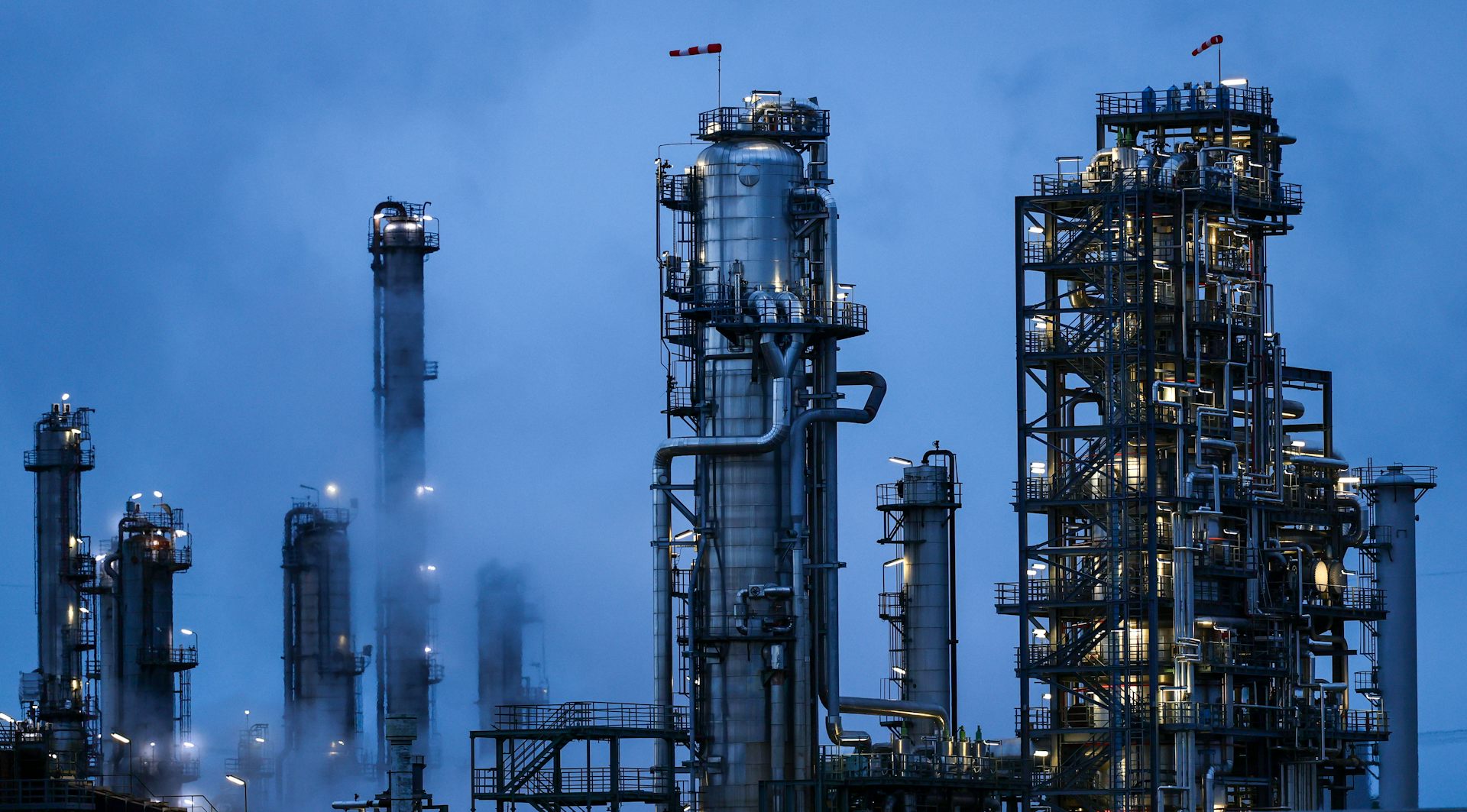
هل ستعود أسعار النفط حقاً إلى “الوضع الطبيعي”؟
Will oil prices ever truly go back to ‘normal’?
Even if the Iran war ends, the fallout from this oil shock is likely to persist for a long time. Here’s what the end of ‘cheap’ oil could mean for the world.
حتى لو انتهت الحرب الإيرانية، فمن المرجح أن يستمر تداعيات صدمة النفط هذه لفترة طويلة. إليك ما يمكن أن يعنيه انتهاء النفط “الرخيص” للعالم.
The fallout from war between the United States, Israel and Iran has dominated global oil markets. And not just because the Strait of Hormuz, which normally carries about 20% of global oil and gas, remains effectively closed to shipping traffic.
لقد هيمن التداعيات المترتبة على الحرب بين الولايات المتحدة وإسرائيل وإيران على أسواق النفط العالمية. وليس فقط لأن مضيق هرمز، الذي يحمل عادة حوالي 20% من النفط والغاز العالمي، لا يزال مغلقاً فعلياً أمام حركة الملاحة.
Deep uncertainty about how long the disruption will continue has added a persistent “risk premium” – an extra cost built into oil prices to account for the risk of disrupted supply.
أضاف عدم اليقين العميق بشأن المدة التي سيستمر فيها هذا التعطيل “علاوة مخاطر” مستمرة – وهي تكلفة إضافية مدمجة في أسعار النفط لحساب مخاطر تعطل الإمدادات.
Rising insurance costs, reduced ship traffic and longer transit routes avoiding the Middle East have all added further friction to global oil supply chains.
أدت الزيادة في تكاليف التأمين، وانخفاض حركة السفن، ومسارات العبور الأطول التي تتجنب الشرق الأوسط، إلى إضافة المزيد من الاحتكاك لسلاسل إمداد النفط العالمية.
An optimist might say this will all be sorted out quickly and soon enough we will be back to “normal”. And oil prices have retreated back below US$100 per barrel this week, on renewed hopes of a peace deal.
قد يقول المتفائل بأن كل هذا سيتم حله بسرعة، وقريباً سنعود إلى “الوضع الطبيعي.” وقد تراجعت أسعار النفط إلى ما دون 100 دولار أمريكي للبرميل هذا الأسبوع، على أمل متجدد لصفقة سلام.
But they’re still elevated. Before war broke out in the Middle East, benchmark oil prices had hovered in the range of US$70–80 a barrel since 2023. That’s near where they’ve sat, on average, in “normal” times for much of the past two decades.
لكنها لا تزال مرتفعة. قبل اندلاع الحرب في الشرق الأوسط، كانت أسعار النفط القياسية تتراوح بين 70 و 80 دولاراً للبرميل منذ عام 2023. وهذا قريب من المستوى الذي استقرت فيه، في المتوسط، في الأوقات “الطبيعية” لمعظم العقدين الماضيين.
But what if there is no way back to “normal”? What if the fundamental challenge now isn’t the short-term disruption in supply, but the realisation that the days of cheap oil may have come to an end?
ولكن ماذا لو لم يكن هناك طريق للعودة إلى “الوضع الطبيعي”؟ ماذا لو لم يكن التحدي الأساسي الآن هو التعطيل قصير الأجل للإمدادات، بل إدراك أن أيام النفط الرخيص ربما قد ولت؟
Oil’s invisible reach
مدى النفط الخفي
Higher oil prices have a ripple effect that typically starts at the fuel pump. Petrol, diesel and jet fuel are top of mind. Driving to work, moving goods and travelling all become more expensive.
تؤدي أسعار النفط المرتفعة إلى تأثير متتالٍ يبدأ عادةً من مضخة الوقود. البنزين والديزل ووقود الطائرات هي أول ما يتبادر إلى الذهن. يصبح القيادة إلى العمل، ونقل البضائع، والسفر كلها أكثر تكلفة.
Many fertilisers, too, are petrochemical products. That means farming around the world is exposed to a shock.
العديد من الأسمدة هي أيضًا منتجات بتروكيماوية. وهذا يعني أن الزراعة في جميع أنحاء العالم معرضة لصدمة.
But the list of goods that rely on oil and gas goes far beyond fuel and fertiliser. According to the US Department of Energy, petrochemicals (derived from oil and gas) are involved in the manufacturing of more than 6,000 everyday products.
لكن قائمة السلع التي تعتمد على النفط والغاز تتجاوز بكثير الوقود والأسمدة. ووفقًا لوزارة الطاقة الأمريكية، تشارك البتروكيماويات (المشتقة من النفط والغاز) في تصنيع أكثر من 6000 منتج يومي.
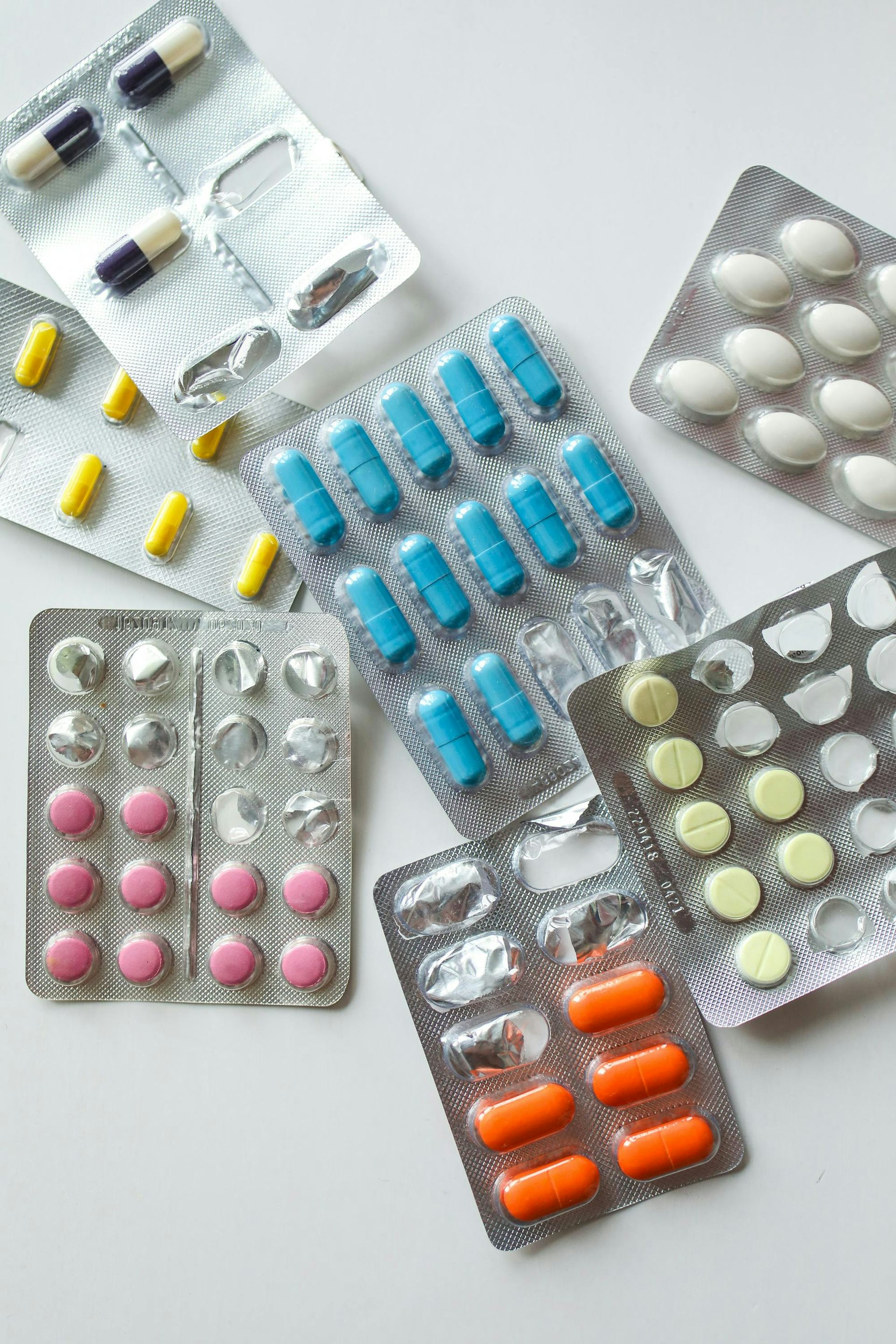
In many cases, this is because petrochemicals are a key input in the production of plastic. But other products on the list may be surprising, such as aspirin, dishwashing liquid, toothpaste and dyes.
في كثير من الحالات، يعود ذلك إلى أن البتروكيماويات هي مدخل رئيسي لإنتاج البلاستيك. لكن قد تكون المنتجات الأخرى في القائمة مفاجئة، مثل الأسبرين، وسائل غسيل الأطباق، ومعجون الأسنان، والأصباغ.
Building materials used in construction warrant a special mention. Asphalt, insulation, paint, pipes, membranes, fittings and other composite materials are mostly oil byproducts. Manufacturing bricks and many ceramic products is also gas-intensive.
تستحق مواد البناء المستخدمة في الإنشاءات ذكرًا خاصًا. فالأسفلت، والعزل، والدهانات، والأنابيب، والأغشية، والتجهيزات، وغيرها من المواد المركبة هي في الغالب نواتج ثانوية للنفط. كما أن تصنيع الطوب والعديد من المنتجات الخزفية كثيف الاستهلاك للغاز.
Add transporting it all to the construction site, and the oil crisis becomes another headwind to housing affordability.
وإضافة نقل كل ذلك إلى موقع البناء، تصبح أزمة النفط رياحًا معاكسة أخرى لقدرة السكن على تحمل التكاليف.
Is this the end of cheap oil?
هل هذه نهاية النفط الرخيص؟
In 1999, an article in The Economist quoted Don Huberts, who was then head of Shell Hydrogen at oil company Royal Dutch/Shell:
في عام 1999، اقتبس مقال في مجلة الإيكونوميست من دون هوبرتس، الذي كان آنذاك رئيس قسم الهيدروجين في شل التابعة لشركة النفط رويال داتش/شل:
The stone age did not end because the world ran out of stones, and the oil age will not end because we run out of oil.
لم ينتهِ العصر الحجري لأن العالم نفد منه الحجارة، ولن ينتهي عصر النفط لأننا سننفد من النفط.
True enough, but what about cheap oil? Can that come to an end?
صحيح، ولكن ماذا عن النفط الرخيص؟ هل يمكن أن ينتهي ذلك؟
The world has faced many oil shocks before, some for geopolitical reasons, others due to concerns demand would outstrip supply.
لقد واجه العالم العديد من صدمات النفط من قبل، بعضها لأسباب جيوسياسية، وبعضها الآخر بسبب المخاوف من أن يتجاوز الطلب العرض.
But almost every time analysts predicted the world was about to run out of oil, price hikes were met with new discoveries, technological improvements and oil substitution.
ولكن في كل مرة تقريباً تنبأ المحللون بأن العالم على وشك نفاد النفط، كانت زيادات الأسعار تقابلها اكتشافات جديدة، وتحسينات تكنولوجية، وبدائل للنفط.
Companies such as Chevron have pioneered new techniques, such as deepwater drilling.
لقد كانت شركات مثل شيفرون رائدة في تقنيات جديدة، مثل الحفر في المياه العميقة.
Extracting oil from shale through fracking unlocked new supplies, especially in the US. This helped the US become the world’s largest producer of crude oil in the late 2010s.
لقد كانت شركات مثل شيفرون رائدة في تقنيات جديدة، مثل الحفر في المياه العميقة.
This time, however, production facilities across the Middle East have suffered major damage, which may take years to repair. The central question is no longer whether oil exists in the ground, but whether it can be supplied cheaply, reliably and at scale again.
أدى استخراج النفط من الصخر الزيتي عبر التكسير الهيدروليكي إلى فتح إمدادات جديدة، خاصة في الولايات المتحدة. وساعد هذا الولايات المتحدة على أن تصبح أكبر منتج للنفط الخام في العالم في أواخر العقد الثاني من القرن الحادي والعشرين.
Just in time vs just in case
لكن هذه المرة، تعرضت منشآت الإنتاج في جميع أنحاء الشرق الأوسط لأضرار جسيمة، قد يستغرق إصلاحها سنوات. ولم يعد السؤال الأساسي هو ما إذا كان النفط موجودًا في باطن الأرض، بل ما إذا كان يمكن توريده بتكلفة زهيدة، وبشكل موثوق، وعلى نطاق واسع مرة أخرى.
Until 2020, global economies largely operated in “just-in-time” mode. You only take what you need, when you need it, assuming it will always be there for you. This system works efficiently – and is cheap – until something goes wrong.
في الوقت المناسب مقابل الاحتياط
Lessons from the pandemic brought back the idea of “just in case”, particularly as the war in Ukraine caused further disruption.
حتى عام 2020، عملت الاقتصادات العالمية إلى حد كبير في وضع “التسليم في الوقت المناسب” (just-in-time) . أنت تأخذ فقط ما تحتاجه، عندما تحتاجه، بافتراض أنه سيكون متاحًا لك دائمًا. يعمل هذا النظام بكفاءة – وهو رخيص – حتى يحدث خطأ ما.
“Just in case” means that you keep more than you need, so if someone closes the tap, you can keep all else running. However, this creates new costs.
أعادت الدروس المستفادة من الجائحة إحياء فكرة “الاحتياط” (just in case) ، خاصة مع التسبب في المزيد من الاضطرابات بسبب الحرب في أوكرانيا.
To keep more oil and gas than you need, you don’t just have to pay for the extra stock. Countries also have to build new storage and infrastructure, and pay more in insurance.
يعني “الاحتياط” أنك تحتفظ بأكثر مما تحتاجه، بحيث إذا أغلق أحدهم الصنبور، يمكنك إبقاء كل شيء آخر يعمل. ومع ذلك، فإن هذا يخلق تكاليف جديدة.
You refine your management to make sure it all works properly, so that the extra cost added is part of a larger contingency plan. But someone must foot this bill.
للحفاظ على نفط وغاز أكثر مما تحتاج، لا يتعين عليك فقط دفع ثمن المخزون الإضافي. يجب على الدول أيضًا بناء تخزين وبنية تحتية جديدة، ودفع المزيد في التأمين.
How the world will have to adapt
تقوم بتحسين إدارتك للتأكد من أن كل شيء يعمل بشكل صحيح، بحيث تكون التكلفة الإضافية المضافة جزءًا من خطة طوارئ أكبر. ولكن يجب على شخص ما دفع هذه الفاتورة.
The end of cheap oil does not mean the end of oil use. It means higher costs embedded throughout daily life.
كيف سيتعين على العالم التكيف
Pressure on governments to subsidise fuel, expand stockpiles and intervene in markets can mean larger budget deficits. Households will have less money left for non-essentials as the cost of living bites even harder.
إن نهاية النفط الرخيص لا تعني نهاية استخدام النفط. بل تعني ارتفاع التكاليف المترسخة في جميع جوانب الحياة اليومية.
We will adapt, as we are already beginning to see in the current crisis. There are signs people around the world are travelling less, using more public transport and electrifying cars and homes.
قد يؤدي الضغط على الحكومات لدعم الوقود، وتوسيع الاحتياطيات، والتدخل في الأسواق إلى عجز مالي أكبر. وستمتلك الأسر أموالاً أقل للكماليات مع ازدياد وطأة تكلفة المعيشة.
Industries may invest more in efficiency and green energy not out of environmental idealism, but cost necessity.
سنتكيف، كما بدأنا بالفعل نرى في الأزمة الحالية. هناك علامات على أن الناس حول العالم يسافرون بشكل أقل، ويستخدمون المزيد من وسائل النقل العام، ويقومون بكهربة السيارات والمنازل.
But there may still be a rocky road ahead, and we may never get back to “normal”. Adaptation does not end oil dependence; it reshapes it. The challenge is managing a world in which oil remains essential, but is no longer cheap, stable or politically neutral.
قد تستثمر الصناعات أكثر في الكفاءة والطاقة الخضراء ليس بدافع المثالية البيئية، بل بدافع الضرورة الاقتصادية.
Flavio Macau does not work for, consult, own shares in or receive funding from any company or organisation that would benefit from this article, and has disclosed no relevant affiliations beyond their academic appointment.
ولكن قد يظل الطريق أمامنا وعراً، وقد لا نعود أبداً إلى “الوضع الطبيعي.” التكيف لا ينهي الاعتماد على النفط؛ بل يعيد تشكيله. ويتمثل التحدي في إدارة عالم يظل فيه النفط ضرورياً، ولكنه لم يعد رخيصاً أو مستقراً أو محايداً سياسياً.
Flavio Macau does not work for, consult, own shares in or receive funding from any company or organisation that would benefit from this article, and has disclosed no relevant affiliations beyond their academic appointment.
لا يعمل فلافيو ماكاو لدى، ولا يستشير، ولا يمتلك أسهمًا في، ولا يتلقى تمويلاً من أي شركة أو منظمة قد تستفيد من هذه المقالة، ولم يفصح عن أي انتماءات ذات صلة تتجاوز منصبه الأكاديمي.
Read more
-
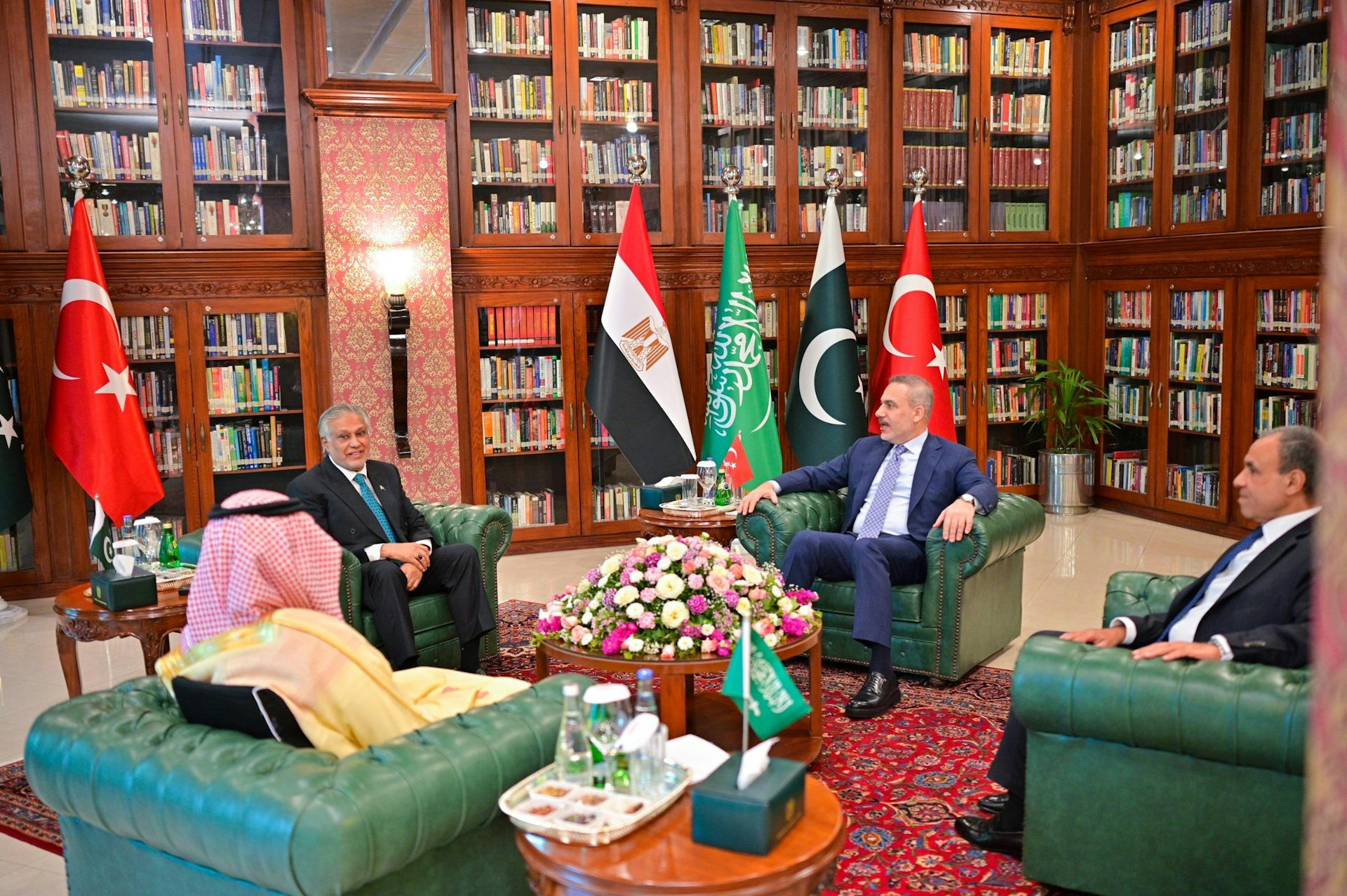
تبرز باكستان وتركيا ومصر والمملكة العربية السعودية ككتلة قوة إقليمية جديدة وسط الحرب الإيرانية
Pakistan, Turkey, Egypt and Saudi Arabia emerge as a new regional power bloc amid Iran war
-
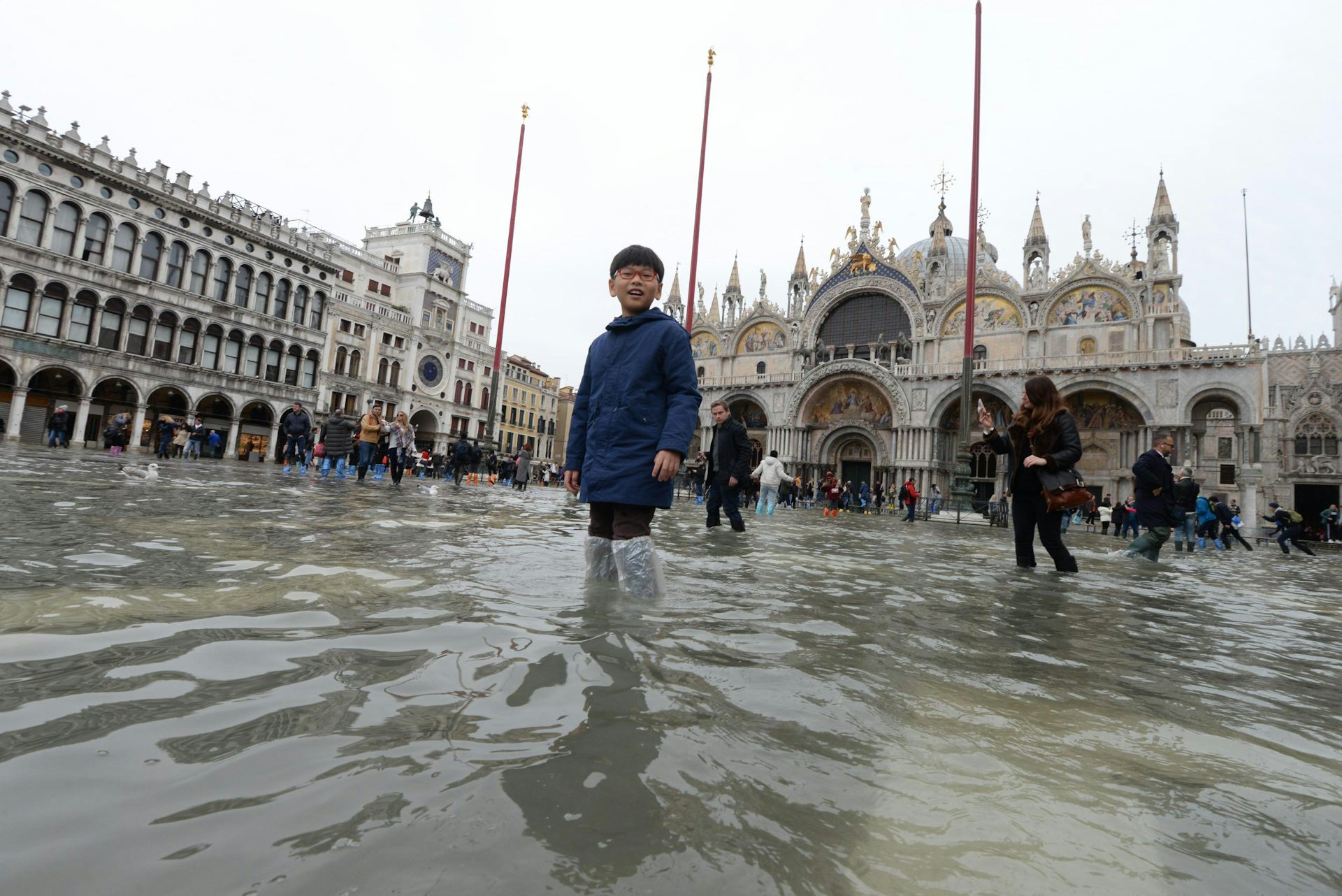
البندقية تغرق – لقد حللنا كل خطة لإنقاذها، ولا أي منها سيحافظ على المدينة كما نعرفها.
Venice is sinking – we analysed every plan to save it, and none would preserve the city as we know it