对世界的现状感到绝望?古希腊和古罗马人深知这种感受
Despairing at the state of the world? The ancient Greek…
Withdraw, endure, or laugh? The ancients have some advice about facing disillusionment.
退缩、忍耐还是欢笑?古人对如何面对幻灭有一些建议。
If you’re feeling fed up with the way things are in the world, then, no matter your politics, you are experiencing an emotion people have felt for millennia.
如果你对当下的世界感到厌倦,那么,无论你的政治立场如何,你所经历的情感都是人类千年来一直感受到的。
Perhaps you feel helpless. Maybe you feel like the character in the Roman dramatist Terence’s play The Brothers (160 BCE) , who exclaims:
也许你感到无助。也许你感觉自己就像罗马剧作家特伦斯(Terence)的剧作《兄弟们》(The Brothers,公元前160年)中的一个角色,他惊呼道:
we’re enclosed by so many things from which there’s no escape: violence, poverty, injustice, loneliness, disgrace. What an age we live in!
我们被太多无法逃脱的东西所困:暴力、贫困、不公、孤独、耻辱。我们生活在一个什么样的时代啊!
What can you do? As we will see, ancient people had different ideas about how to act.
你能做什么呢?正如我们将看到的,古代人对于如何行动有不同的想法。
One popular option was to retreat – or try to retreat – from the world, renouncing involvement and avoiding society. A less common option was to try to sort things out in the world by yourself, as one person facing all its woes.
一个流行的选择是退出——或者试图退出——这个世界,放弃参与,避开社会。一个不太常见的选择是,像一个人面对世间所有的苦难一样,试图自己来解决世界的问题。
Heraclitus’ escape
赫拉克利特的逃离
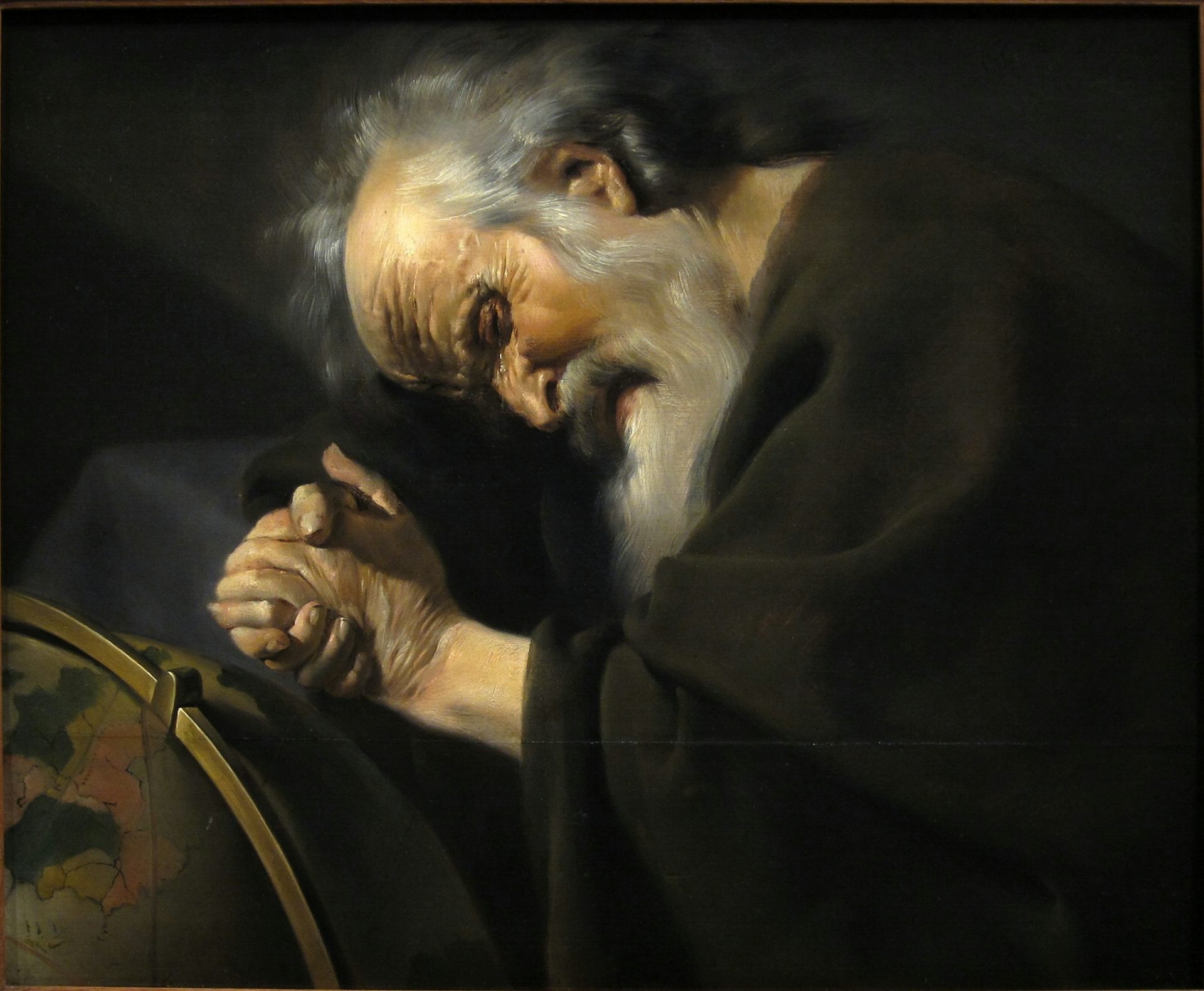
Heraclitus of Ephesus (c.540-480 BCE) is one of the most prominent Greek philosophers known for becoming disillusioned with worldly affairs.
埃菲索斯的赫拉克利特(约公元前540-480年)是著名的希腊哲学家之一,他因对世俗事务感到幻灭而闻名。
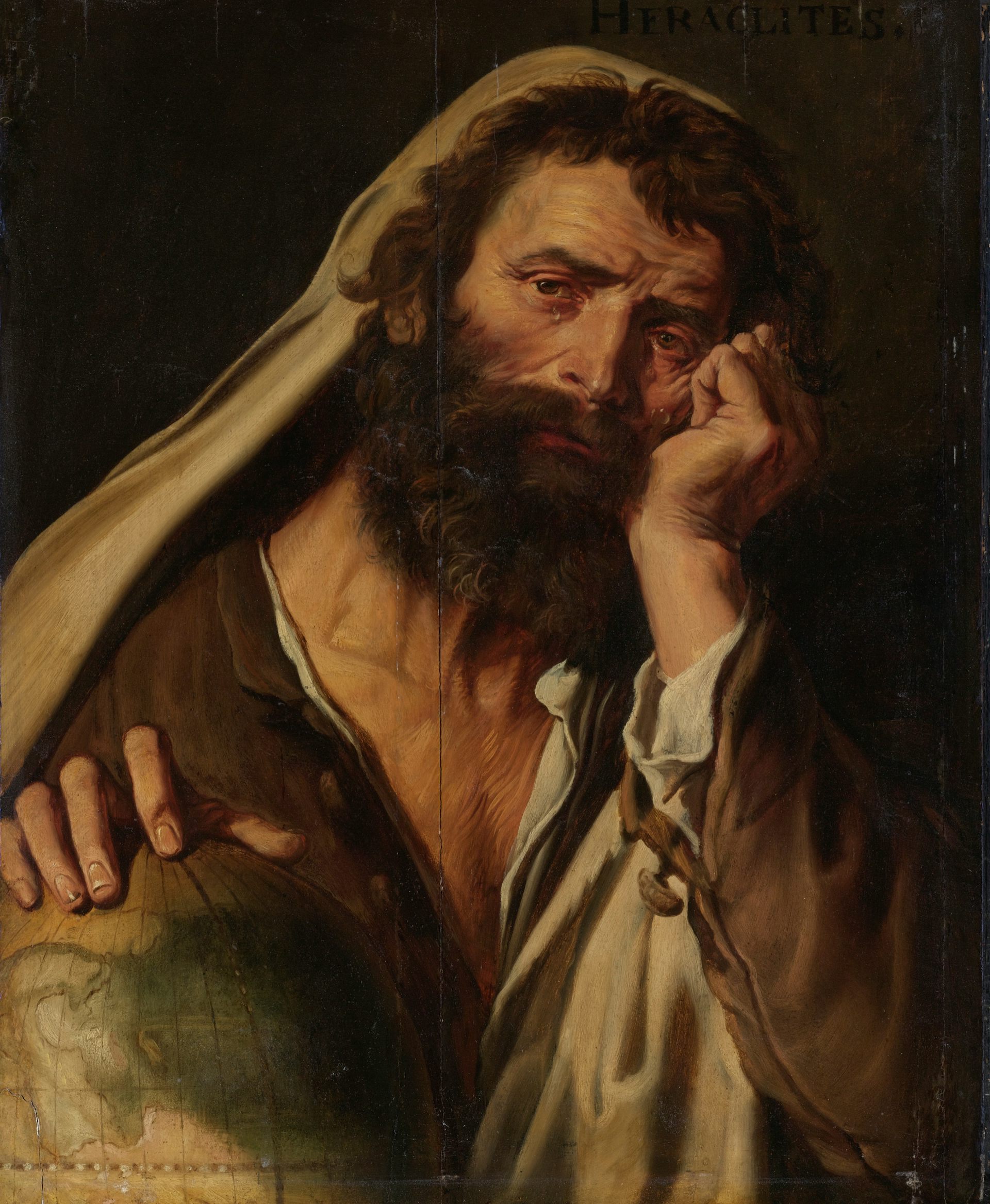
His main gripe was with politics. He disliked the insolence and stupidity of politicians and the laws they created. He was also tired of the foolishness of the people, who didn’t defend their laws and constitutions: “the people,” he said, “must fight for the law as for city-walls”.
他主要的不满在于政治。他不喜欢政客的傲慢和愚蠢,也不喜欢他们制定的法律。他对那些不捍卫法律和宪法的民众的愚蠢也感到厌倦:“人民,”他说,“必须像捍卫城墙一样捍卫法律。”
When his friend Hermodorus was banished from Ephesus, Heraclitus condemned the city for elevating foolish men and destroying good men. As the historian Diogenes Laertius informs us, Heraclitus told the leaders of Ephesus that they were so worthless they should kill themselves:
当他的朋友赫尔莫多罗斯被流放离开埃菲索斯时,赫拉克利特谴责这座城市抬举了愚人,毁掉了良人。正如历史学家底欧根尼·拉尔提乌斯告诉我们的那样,赫拉克利特告诉埃菲索斯的领导人,他们毫无价值,应该自杀:
The Ephesians would do well to end their lives, every grown man of them, and leave the city to beardless boys, for that they have driven out Hermodorus, the worthiest man among them, saying, “We will have none who is worthiest among us; or if there be any such, let him go elsewhere and consort with others.”
“埃菲索斯人最好结束他们的生命,每个成年男子都应该如此,让这座城市留给没有胡须的男孩,因为他们赶走了他们中最有价值的人——赫尔莫多罗斯,说:‘我们不会留下最优秀的人;或者如果有人是,让他去别处与别人交往。’”
When the people of Ephesus asked why an intelligent man like Heraclitus ignored politics and preferred instead to play games of knuckle-bones with children, he apparently said civil life was no longer worth an intelligent man’s time:
当埃菲索斯人问为什么像赫拉克利特这样聪明的人会忽略政治,反而更喜欢和孩子们玩骨牌游戏时,他显然说,文明生活已经不值得一个聪明人的时间了:
Are you astonished? Is it not better to do this than to take part in your civil life?
“你们感到惊讶吗?比起参与你们的文明生活,做这件事难道不更好吗?”
Eventually, Heraclitus couldn’t bear it any more. As Diogenes Laertius continues the story, Heraclitus “became a hater of his kind”. He took to wandering in the mountains, living on grass and herbs, but “when this gave him dropsy, he made his way back to the city and put this riddle to the physicians, whether they were competent to create a drought after heavy rain”. He then tried to cure himself by repairing to a cowshed and burying himself in manure.
最终,赫拉克利特再也无法忍受了。正如底欧根尼·拉尔提乌斯继续讲述的故事那样,赫拉克利特“成了自己种类的仇恨者”。他开始在山中游荡,靠吃草和草药为生,但“当这让他患上水肿时,他回到了城里,向医生提出了一个谜题,质疑他们是否有能力在暴雨之后制造干旱”。然后他试图通过修补到一个牛棚并在粪便中埋葬自己来治愈自己。
Living his life in the mountains away from society, Heraclitus’ health quickly deteriorated. He died soon after at the age of 60.
赫拉克利特在远离社会的山中生活,健康状况迅速恶化。他不久后于60岁去世。
Sertorius’ dream of escape
塞托留斯的逃离之梦
Quintus Sertorius (123-72 BCE) was a Roman statesman who distinguished himself by his rhetorical skill and his military victories as a commander against tribes in Gaul.
昆图斯·塞托留斯(公元前123年-公元前72年)是一位罗马政治家,他以其修辞技巧和作为高卢部落指挥官的军事胜利而闻名。
During the political unrest in Rome in the 90s BCE, Sertorius was sent to command the empire’s Spanish provinces. While there, he became an enemy of the ruling faction at Rome and effectively established his own independent rule of Spain for eight years.
在公元前90年代罗马的政治动荡期间,塞托留斯被派去指挥帝国西班牙的行省。在那里,他成为了罗马执政派的敌人,并有效地为自己建立了西班牙的独立统治长达八年。
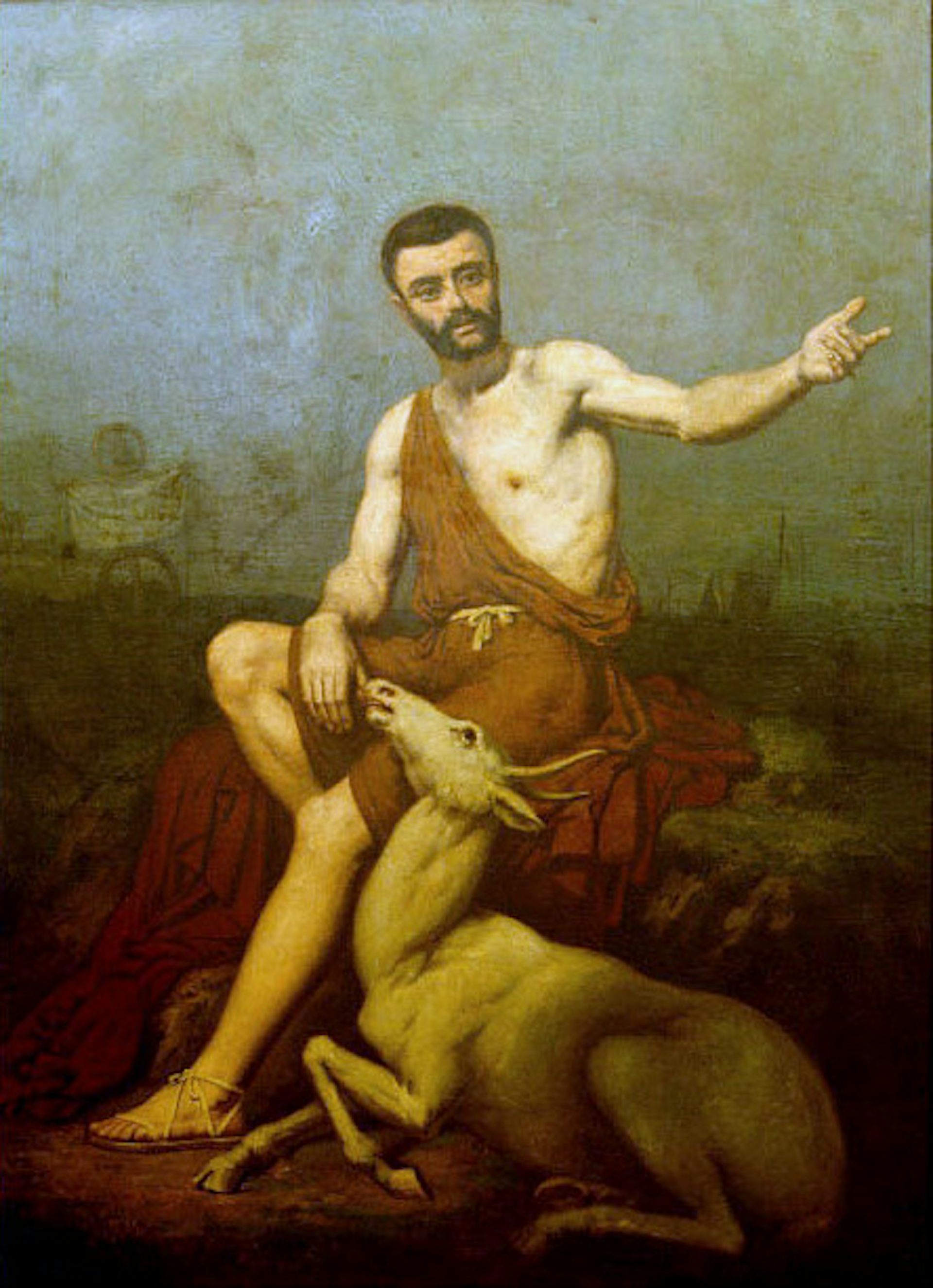
Sertorius’ enemies at Rome sent armies to Spain to defeat him, but were unsuccessful in dislodging him. Sertorius set up his own senate of 300 members. This included a mix of Romans and members of Spanish tribes. He consolidated his popularity by appealing to local superstitions – he went everywhere accompanied by a white fawn, a symbol of divine power.
罗马的敌人派军队到西班牙来击败他,但未能将他赶走。塞托留斯建立了由300名成员组成的自己的元老院。其中包括罗马人和西班牙部落成员。他通过诉诸当地的迷信来巩固自己的人气——他随身携带一只白色的幼鹿,象征着神圣的力量,走到哪里都如此。
After years of threats and toil, Sertorius became sick of it all. According to the Greek historian Plutarch (c.46-119 CE) , Sertorius met some sailors “who had recently come back from the Atlantic Islands”. The sailors spoke of a land off the coast of Africa with a warm climate and plentiful food and water. Most importantly, it was far away from all the political and military turmoil.
经过多年的威胁和辛劳,塞托留斯厌倦了一切。根据希腊历史学家普鲁塔克(约公元46年-119年),塞托留斯遇到了一些“刚从大西洋群岛回来”的水手。水手们谈论着非洲海岸边的一片土地,那里气候温暖,食物和水源丰富。最重要的是,它远离了所有的政治和军事动荡。
Plutarch tells us that the words of the sailors made an impression:
普鲁塔克告诉我们,水手们的话给塞托留斯留下了深刻的印象:
When Sertorius heard this tale, he was seized with an amazing desire to dwell in the islands and live in quiet, freed from tyranny and wars that would never end.
当塞托留斯听到这个故事时,他产生了一种令人惊奇的渴望,想要居住在那些岛屿上,过上宁静的生活,摆脱永无止境的暴政和战争。
Nobody today knows for sure what islands these sailors were referring to. Some possibilities are Madeira, Porto Santo or the Canary Islands.
如今没有人确切知道这些水手指的是哪些岛屿。一些可能性包括马德拉岛、圣托岛或加那利群岛。
Unfortunately for Sertorius, he never found his “escape”. He endured many more years of political and social strife, until he was murdered by conspirators in 72 BCE.
不幸的是,塞托留斯从未找到他的“逃离之地”。他忍受了更多年的政治和社会动荡,直到公元前72年被阴谋家谋杀。
Can happiness come from disengagement?
快乐能源于抽离吗?
Many people living in ancient Greece and Rome appear to have recognised that happiness can come from removing oneself from worldly affairs. The Greek philosopher Epicurus (c.341-270 BCE) advised people to seek obscurity and avoid the world. His famous saying is two words: “live unknown”.
许多生活在古希腊和古罗马的人似乎认识到,快乐可以源于脱离世俗事务。希腊哲学家伊壁鸠鲁斯(Epicurus,约公元前341-270年)曾建议人们寻求隐居,避开世俗。他著名的格言是两个字:“过隐世”。
Some disagreed, of course. Plutarch, for example, thought Epicurus’ idea was a mark of defeat and a waste of the potential of living:
当然,也有人不同意。例如,普鲁塔克认为伊壁鸠鲁斯的想法是失败的标志,也是对生命潜能的浪费:
he who casts himself into the unknown state and wraps himself in darkness and buries his life in an empty tomb would appear to be aggrieved at his very birth and to renounce the effort of being.
那些将自己投入未知状态,用黑暗包裹自己,并在空坟墓中埋葬生命的人,看起来就像生来就心怀怨恨,并放弃了存在的努力。
Others, however, seemed to favour the idea that disappearing into a a quiet and hidden life, ignorant of the world’s affairs, could bring happiness. The Roman poet Horace (65-8 BCE) , for example, wrote:
然而,其他人似乎更倾向于一种观点,即消失在一种宁静而隐秘的生活中,对世事一无所知,也能带来幸福。例如,罗马诗人贺拉斯(Horace,公元前65-8年)写道:
Happy the man who, far from business concerns, works his ancestral acres with his oxen like the men of old, free from every kind of debt; he is not wakened, like a soldier, by the harsh bray of the bugle, and has no fear of the angry sea; he avoids both the city centre and the lofty doorways of powerful citizens.
远离商业事务,像古代人一样用牛耕种祖传田地,不背负任何债务的男人是幸福的;他不像士兵那样被号角刺耳的鸣声惊醒,也不惧怕愤怒的大海;他避开了城市中心和有权势公民那高耸的门廊。
For Horace, someone who is happy is far from cities and armies, living simply on his ancestral farm with animals and loved ones – with no debt.
对贺拉斯来说,一个幸福的人远离城市和军队,在祖传农场与动物和亲人一起简单生活——没有债务。
Taking matters into your own hands
亲自动手解决问题
Some, of course, don’t want to retreat from things. They want to solve problems and make the world around them better. But how can you do this if you’re just an ordinary person?
当然,有些人不想退缩。他们想解决问题,让周围的世界变得更好。但如果你只是一个普通人,该如何做到呢?
The Athenian playwright Aristophanes (450-388 BCE) had a comical, tongue-in-cheek solution. In his play Acharnians, first performed in 425 BCE, he depicts a man called Dicaeopolis who is fed up with politics.
雅典剧作家阿里斯托芬斯(Aristophanes,公元前450-388年)提出了一个滑稽、半开玩笑的解决方案。在他的剧作《阿卡尼亚人》(Acharnians)中,该剧于公元前425年首次上演,描绘了一个名叫迪卡埃波利斯(Dicaeopolis)的男人,他厌倦了政治。
Dicaeopolis is not only tired of politicians lying and starting endless wars; he is also tired of people voting selfishly for handouts and for harmful policies. The people, he says, “can be bought and sold”.
迪卡埃波利斯不仅厌倦了政客的谎言和无休止的战争;他还厌倦了人们为了施舍和有害政策而进行自私的投票。他说,人民“可以买卖”。
So Dicaeopolis comes up with a personal solution. He will “make a treaty with the Spartans for me alone and my children and the missus” so his family can live in peace.
因此,迪卡埃波利斯想出了一个个人解决方案。他将“与斯巴达人签订一份只属于我、我的孩子和我的妻子的条约”,以便他的家人能够和平生活。
His efforts are a triumph. He successfully negotiates the treaty and lives freely, enjoying privileges other citizens cannot, like farming, trading with other states and drinking.
他的努力取得了胜利。他成功地谈判了条约,并过上了自由的生活,享受着其他公民无法享受的特权,比如耕种、与其他国家贸易和饮酒。
The play is not meant to be taken seriously – it is a comedy, after all, and no private individual would really be able to negotiate a treaty with another city. But its plot reveals something about the political frustration ordinary citizens can often feel.
这部剧不应被当真——毕竟它是一部喜剧,任何私人个体都不可能与另一个城邦谈判条约。但其情节揭示了普通公民经常感受到的政治挫败感。
So what can you do if you are fed up with politics?
那么,如果你对政治感到厌倦,你能做什么呢?
Two thousand years later, the options haven’t improved much. The ancient advice is clear: you can withdraw, endure, or laugh. Preferably the last option. It seems to have the best survival rate.
两千年过去了,选择并没有改善多少。古老的建议很明确:你可以退出、忍耐,或嘲笑。最好选择后者。这似乎具有最高的生存率。
Konstantine Panegyres does not work for, consult, own shares in or receive funding from any company or organisation that would benefit from this article, and has disclosed no relevant affiliations beyond their academic appointment.
Konstantine Panegyres 不受任何从本文中受益的公司或组织的雇佣、咨询、拥有股份或资金支持,并且除了其学术职位外,未披露任何相关隶属关系。